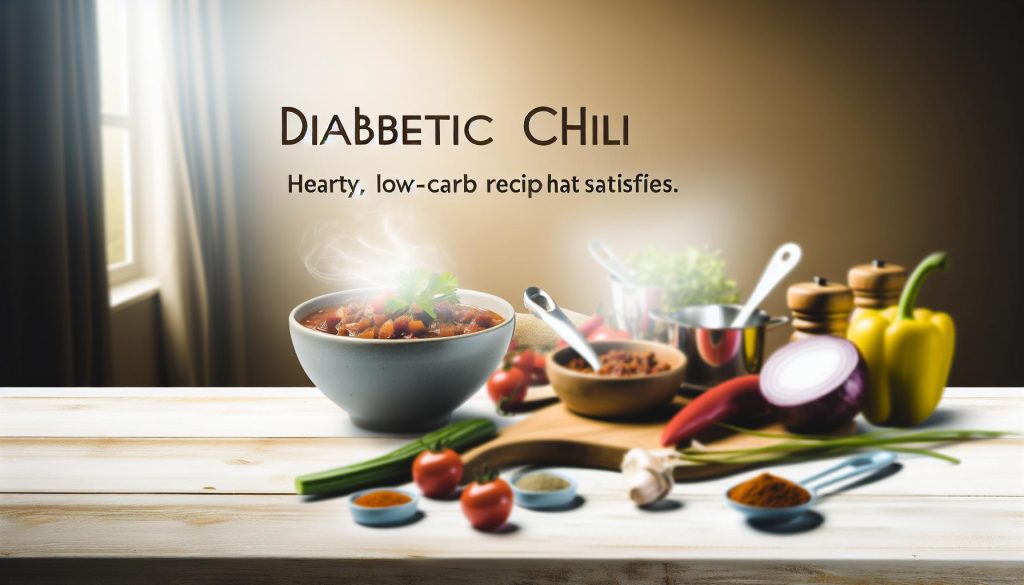
Did you know that nearly 34 million Americans are living with diabetes, a condition that requires careful management of food choices? For many, finding satisfying meals that fit into a low-carb lifestyle can be a challenge. Enter Diabetic Chili: a hearty, flavorful recipe that not only curbs cravings but also aligns with healthy eating goals for blood sugar management. With protein-packed ingredients and a variety of vegetables, this dish fuels your body while keeping carb counts in check. By incorporating nutritious, low-carb meals like this chili, you can enjoy comfort food without compromising your health. As you explore this recipe, you’ll discover how simple, delicious meals can support your journey, making daily management of diabetes a little easier and a lot tastier. Ready to dig in? Let’s cook up a bowl of satisfaction.
Ingredients for a Delicious Diabetic Chili
When it comes to creating a hearty and satisfying chili that aligns well with diabetic dietary needs, selecting the right ingredients is paramount. Aim for a balance of flavors, textures, and nutritional benefits. By focusing on low-carb options and plenty of vegetables, you can whip up a dish that not only delights the palate but also supports blood sugar management.
Start with a base of lean protein: ground turkey or chicken are excellent low-fat choices that provide substantial protein without excess calories. Alternatively, consider using grass-fed beef, which is rich in omega-3 fatty acids and important nutrients. For a vegetarian option, lentils or black beans can serve as a delicious and fiber-rich protein source, effectively keeping you full.
Chili is all about the spices and vegetables. Incorporate staples like onions, bell peppers, and garlic for depth and flavor while ensuring minimal impact on blood sugar levels. Add in zucchini or mushrooms to increase the veggie content and enhance the dish’s heartiness. To bring the heat, consider including jalapeños or chili powder-just remember to adjust spice levels to your taste!
For the sauce, utilize canned diced tomatoes or tomato puree without added sugars. Both add richness and depth to your chili while being low in carbohydrates. Completing the dish with seasonings like cumin, oregano, and paprika will create a robust flavor profile and provide additional health benefits thanks to their anti-inflammatory properties.
In summary, crafting a diabetic-friendly chili involves a delightful mix of lean proteins, plenty of non-starchy vegetables, aromatic spices, and low-sugar sauces. Each ingredient contributes not just to the flavor but also to making a dish that supports health while satisfying your cravings.
Health Benefits of Low-Carb Ingredients

Including low-carb ingredients in your meals, especially in dishes like chili, can be a game-changer for those managing diabetes. Not only do these foods help regulate blood sugar levels, but they also contribute essential nutrients that promote overall health. For example, vegetables such as zucchini, bell peppers, and onions are not only low in carbohydrates but also rich in vitamins, minerals, and dietary fiber. Fiber plays a crucial role in slow digestion, which can lead to a gradual increase in blood sugar rather than a spike, making it a valuable component for anyone monitoring their glucose levels.
Additionally, opting for lean proteins, such as ground turkey, chicken, or plant-based options like lentils and black beans, provides the body with the energy it needs without unnecessary calories. Protein is essential for muscle maintenance and helps keep you feeling full longer, which can prevent overeating and contribute to better weight management. Incorporating spices like cumin, oregano, and paprika not only enhances flavor but also adds anti-inflammatory properties, further supporting heart health-an important consideration for individuals with diabetes.
By focusing on low-carb ingredients in your chili, you foster a nutritious and satisfying meal that aligns with your dietary goals. As you put together your dish, remember that each ingredient contributes significantly not just to taste but also to your health. This approach reduces the risk of complications associated with diabetes while remaining enjoyable and delicious. Making informed choices like these can ultimately empower you in your journey of diabetes management, facilitating a lifestyle that supports both your body and palate.
Step-by-Step Guide: Cooking Diabetic Chili

Starting your culinary journey with diabetic chili can be a rewarding experience, providing not only a delicious meal but also a healthy option that supports your dietary needs. By following a simple step-by-step guide, you can create a hearty, low-carb chili that is perfect for any occasion. Gather together your ingredients and embrace the process of cooking, allowing the enticing aromas to fill your kitchen and ignite your appetite!
Gather Your Ingredients
Before you start cooking, ensure you have all the necessary ingredients on hand. For a diabetic-friendly chili, consider using:
- 1 pound of lean ground turkey or chicken
- 1 cup chopped onions
- 1 cup diced bell peppers
- 2 cups chopped zucchini
- 1 can (15 oz) diced tomatoes (no added sugar or salt)
- 1 cup vegetable or chicken broth (low sodium)
- 1 can (15 oz) black beans, drained and rinsed (optional)
- 2 cloves minced garlic
- 1 tablespoon chili powder
- 1 teaspoon cumin
- Salt and pepper to taste
Cooking Steps
- Sauté the Vegetables: In a large pot or Dutch oven, heat a small amount of olive oil over medium heat. Add the chopped onions and bell peppers, stirring until they are softened. This typically takes about 5 minutes.
- Brown the Meat: Add the ground turkey or chicken to the pot. Cook until browned, breaking it apart with a spoon for even cooking. This should take about 7-10 minutes.
- Add Remaining Ingredients: Stir in the minced garlic, zucchini, diced tomatoes, chili powder, cumin, and black beans (if using). Pour in the broth, and mix well ensuring all ingredients are combined.
- Simmer the Chili: Bring the mixture to a gentle boil, then reduce the heat to low. Cover and let it simmer for about 30-40 minutes, stirring occasionally. This allows the flavors to meld beautifully while keeping the dish hearty and flavorful.
- Season and Serve: Before serving, taste your chili and adjust the seasoning with salt and pepper as necessary. Enjoy it warm, perhaps garnishing with fresh herbs or a dollop of Greek yogurt for added creaminess and flavor.
Creating this diabetic chili not only helps in managing blood sugar levels but also ensures you consume a meal rich in nutrients. Remember, every time you cook, you’re making informed choices that cater to your health, paving the way for better diabetes management and a satisfying meal experience.
Variations to Custom Fit Your Taste

Exploring different variations of chili not only enhances the flavor profile but also allows you to customize your dish to suit dietary needs and personal preferences. Whether you’re looking to spice things up or keep it mild, there’s a version of diabetic chili for every palate. You might want to experiment with various proteins, vegetables, and spices that align with your health goals while satisfying your taste buds.
One exciting twist is to swap out the lean ground turkey or chicken for other lean meats like grass-fed beef or even shredded chicken if you prefer. For a plant-based option, consider using lentils or textured vegetable protein (TVP), which can add a hearty texture without raising carb levels significantly. You can also enhance the nutritional value by incorporating a variety of beans, such as kidney or pinto beans, while monitoring portion sizes to maintain a balanced carb intake.
Vegetable variety is another area ripe for customization. While zucchini and bell peppers are fantastic staples, feel free to add other non-starchy vegetables like spinach, kale, or mushrooms. These additions not only enrich the flavor but also elevate the nutrient content. If you’re looking for additional spice, consider adding jalapeños or chipotle peppers for a smoky kick or a few dashes of hot sauce for that extra heat.
Lastly, toppings can play a crucial role in personalizing your chili. Instead of traditional options like cheese or sour cream, opt for Greek yogurt for a creamy texture that’s lower in carbs and higher in protein. Fresh herbs, such as cilantro or green onions, can add a refreshing brightness that enhances the overall flavor. Remember, the key is to balance taste with nutrition, making informed choices that support your diabetes management while allowing for culinary creativity.
Nutrition Insights: Carbs, Proteins, and Fats

Chili can be a nutritious powerhouse when crafted thoughtfully, making it perfect for those managing diabetes. The balance of carbohydrates, proteins, and fats is crucial for maintaining stable blood sugar levels while enjoying a hearty dish. For anyone navigating their nutritional journey, understanding these macronutrients helps in making informed choices that support diabetes management.
Carbohydrates tend to take center stage in discussions about diabetes, often viewed with suspicion. However, it’s important to note that not all carbs are created equal. When preparing chili, focus on incorporating low-glycemic ingredients such as non-starchy vegetables, beans, and legumes. These options release glucose more slowly into the bloodstream compared to high-glycemic counterparts. For instance, kidney beans or lentils provide fiber, which can help regulate blood sugar levels and enhance satiety. Keep an eye on portion sizes of these carbohydrate sources; moderation is key in ensuring a balanced intake.
Proteins are essential for overall health, especially for those with diabetes, as they play a significant role in stabilizing blood sugar. In a delicious chili, lean proteins like turkey, chicken, or even plant-based choices like textured vegetable protein can offer satisfying flavors without excessive fat. Including a variety of protein sources can also contribute to a richer taste and better nutrient profile. Aim for at least 20-30 grams of protein per serving to ensure you feel full and energized.
Fats can be a flavorful component of chili, but they should be chosen wisely. Opt for healthy fats, such as those from olive oil or avocado, which can offer beneficial nutrients and promote heart health-an important consideration for those with diabetes. Limiting saturated fats by avoiding heavy creams and high-fat meats contributes to heart health while still allowing for creamy textures through alternatives like Greek yogurt or avocado slices as toppings.
By being mindful of the balance between carbs, proteins, and fats, you can create a diabetic-friendly chili that not only satisfies your cravings but also aligns with your health goals. Always consult healthcare providers for personalized advice regarding dietary choices to ensure they fit seamlessly into your overall diabetes management plan.
Tips for Meal Prep and Storage
Meal prepping can be a game changer for those managing diabetes, especially when it comes to dishes like chili that freeze and reheat beautifully. By preparing your chili in advance, you can ensure that you always have a nutritious, low-carb meal ready to go-saving time and reducing the temptation to choose less healthy options on busy days. Start by making a large batch of your diabetic chili, storing it in portions that are easy to heat up for lunches or dinners throughout the week.
When it comes to storage, opt for airtight containers to keep your chili fresh. Glass containers are durable and microwave-safe, while plastic containers can also work if they are labeled BPA-free. For longer storage, consider freezing individual portions. Freeze chili in silicon muffin tins or ice cube trays, then transfer the frozen portions to zip-top bags or freezer containers. Label them with the date and contents, so you’ll know exactly what you have on hand and how long it has been stored. This method not only allows for quick meal assembly but also helps in monitoring portion sizes, an important factor in managing blood sugar levels.
As you decide how much chili to prepare, think about your weekly meal plan. If your chili includes a variety of nutrient-dense ingredients, it can serve as a base for multiple meals. For example, you can serve it over cauliflower rice one day, use it as a filling for low-carb tortillas the next, and enjoy it with a side of sautéed greens later in the week. These creative variations can help keep meals exciting and prevent flavor fatigue.
Lastly, keep in mind that reheating chili can affect its texture and flavor over time. If the chili thickens as it sits in the refrigerator, simply add a splash of low-sodium broth or water when reheating to restore its consistency. This simple trick can take your meal from good to great, ensuring you always enjoy a hearty dish that contributes to your overall health and wellness in diabetes management. Always consult healthcare professionals about specific dietary choices and ensure that your meal prep aligns with your personal health plan.
Pairing Suggestions for a Complete Meal
The rich and comforting nature of chili can be beautifully complemented by a variety of sides that enhance its flavors while supporting a healthy lifestyle. When creating a complete meal around your diabetic chili, consider not only the nutrition but also the satisfaction of each dish. Pairing options can help balance your plate, ensuring that you get plenty of fiber, protein, and essential nutrients without spiking your blood sugar.
Start with an array of low-carb vegetables as a side. Roasted or steamed green beans, zucchini, or broccoli can add a crunch and are packed with nutrients. You could also try a mixed greens salad topped with avocado, cherry tomatoes, and a simple vinaigrette. This combination not only adds freshness but also increases dietary fiber, helping to regulate blood sugar levels. For variety, consider including a serving of cauliflower rice, which can serve as a hearty base for your chili and is a terrific low-carb substitute for traditional rice.
Another delightful side option is a small portion of grilled or sautéed proteins, such as chicken, turkey, or shrimp. These options are low in carbohydrates and high in protein, which can enhance satiety and minimize blood sugar fluctuations. Furthermore, adding low-fat cheese or Greek yogurt as a topping for your chili can provide calcium and additional flavor without excessive carbs.
Finally, don’t overlook the importance of flavor and presentation. Use fresh herbs like cilantro or parsley for garnish, which not only boost the dish visually but also add a fresh taste. These pairing suggestions not only create a complete meal but also empower you to make delicious yet healthy choices that align with your diabetes management plan. Always remember to consult with your healthcare professional to tailor your meal choices to your individual health needs.
How to Include Chili in Your Diabetic Meal Plan
Incorporating chili into your meal plan can be both satisfying and a smart choice for managing diabetes. This wholesome dish not only combines rich flavors but also allows for a great deal of flexibility, enabling you to tailor it to your dietary needs. Chili can serve as a filling main course thanks to its robust ingredients, which can be modified to keep carbohydrate content in check while maximizing nutritional value.
To begin, consider including chili in your weekly meal prep. Making a large batch allows for quick meal options on busy days. You can divide it into portions suitable for your daily intake and freeze them for later consumption. When reheating, pair it with fiber-rich sides like steamed vegetables or a mixed salad to add volume and nutrients without significantly increasing carbohydrate levels. Remember, the balance of macronutrients is crucial-aim for a meal that includes a combination of lean proteins, healthy fats, and fiber.
Additionally, when planning your meals, think of ways to enhance the chili experience without compromising your goals. For instance, topping your chili with a dollop of Greek yogurt or a sprinkle of low-fat cheese can add creamy texture without excessive carbohydrates. Fresh herbs, such as cilantro or green onions, can brighten flavors and offer antioxidant benefits, making your meal both enjoyable and healthful.
Lastly, keep an eye on portion sizes and blood sugar levels, as every individual’s response to foods can vary. Utilize tools like a blood glucose meter to monitor how different ingredients affect your body, allowing you to make informed choices. It’s always beneficial to consult with your healthcare provider or a registered dietitian to ensure your meal planning aligns with your individual health objectives, reinforcing a proactive approach to diabetes management.
Expert Advice: Modifying Recipes for Diabetes
When it comes to managing diabetes, making smart food choices has never been more important, and chili offers an excellent opportunity to do just that. This hardy dish can be transformed to meet diverse dietary needs while satisfying your taste buds. Here’s how to modify chili recipes effectively for diabetes management, ensuring you enjoy this comfort food without sacrificing your health goals.
One of the simplest ways to adjust chili is to focus on ingredient selection. Start by opting for lean proteins like ground turkey or chicken instead of higher-fat meats, which can lead to unnecessary calorie intake. If you’re a fan of beans, consider using black or kidney beans in moderation, as they provide protein and fiber but can still spike blood sugar if consumed in large amounts. To bulk up the chili without adding too many carbs, incorporate plenty of non-starchy vegetables such as bell peppers, zucchini, and spinach. These add volume, nutrients, and flavor, making your dish more filling without raising carbohydrate levels significantly.
Portion Control and Flavor Enhancements
While modifying ingredients is essential, portion control is equally critical. Aim for servings that align with your dietary goals-using tools like measuring cups or a food scale can help you stay on track. To enhance flavors without resorting to high-sugar sauces or additives, experiment with spices and herbs. Cumin, paprika, and chili powder not only provide depth but are also low in calories. A sprinkle of fresh herbs, such as cilantro or parsley, can elevate your dish while adding an antioxidant boost.
Healthier Cooking Techniques
Consider your cooking methods as well. Instead of frying, use techniques like sautéing in a splash of olive oil or simmering to maintain the integrity of your ingredients. If you enjoy the creaminess of chili, substitute full-fat sour cream with Greek yogurt. This change allows you to enjoy the same rich texture while significantly lowering carbohydrates and fat.
Incorporate a variety of flavors and textures to keep every meal exciting. Changing up the usual toppings can make a significant difference; try adding sliced avocado, jalapeños, or a handful of unsweetened shredded cheese instead of pre-packaged cheese blends that can come with added sugars. Each modification not only supports blood sugar management but also encourages a healthier lifestyle overall.
Remember, the goal is to enjoy your meals while keeping your blood sugar levels in check. Always consult with a healthcare professional or a registered dietitian before making significant changes to your diet, as they can offer personalized guidance that suits your individual needs. With thoughtful modifications, chili can not only be a flavorful addition to your meal plan but also a fantastic ally in managing diabetes effectively.
Understanding Blood Sugar Impact of Chili
Understanding how chili impacts blood sugar levels can empower you to make healthier choices while enjoying this delicious dish. Chili is often rich in protein and fiber-two essential nutrients that can help stabilize blood sugar levels. For instance, beans provide a good source of fiber, which slows down the absorption of carbohydrates and helps prevent spikes in glucose levels. However, it’s crucial to remember that the type and amount of ingredients used in chili can significantly influence its glycemic impact.
When crafting a diabetic-friendly chili, focus on achieving a balanced blend of low-carb ingredients. Lean meats like turkey or chicken are excellent choices, as they are high in protein and lower in fat, which can support blood sugar control. Additionally, the inclusion of non-starchy vegetables-such as bell peppers, onions, and spinach-adds essential vitamins and minerals without significantly raising carbohydrate content. Moderation is key when including starchy vegetables or beans; these can still contribute to your overall carb intake, so it’s important to measure portions carefully.
Spices and herbs not only elevate the flavor profile of your chili but can also have a favorable effect on blood sugar. Ingredients like cumin, chili powder, and garlic have been associated with various health benefits, including enhanced metabolic health. The essence of chili lies in its versatility, allowing you to tailor it to your dietary needs while ensuring it remains satisfying.
Ultimately, incorporating chili into a balanced meal plan centered around whole, minimally processed foods can support your overall diabetes management. It’s always wise to consult with a healthcare professional or registered dietitian for personalized advice tailored to your unique needs. With thoughtful ingredient choices and preparation methods, you can enjoy a hearty bowl of chili that aligns with your health goals while still tantalizing your taste buds.
Grocery Shopping for Diabetic-Friendly Ingredients
Making informed choices while grocery shopping is essential to maintaining a balanced diet, especially when creating a diabetic-friendly chili. With the right ingredients, you can whip up a dish that is not only delicious but also supportive of your health goals. Start by focusing on lean proteins, which serve as the backbone of your chili. Opt for turkey or chicken, or consider plant-based alternatives like lentils and tofu, which are lower in fat and can help stabilize blood sugar levels.
When it comes to vegetables, prioritize non-starchy options. Incorporate a vibrant mix of bell peppers, zucchini, tomatoes, and onions to add flavor and texture without significantly increasing carbohydrate content. To make the most of your shopping experience, consider creating a list that includes these key staples to ensure you don’t stray into higher-carb products. As you browse the aisles, also pay attention to low-sodium options for canned goods like diced tomatoes or beans, as excessive salt can affect blood pressure and overall health.
Herbs and spices play a crucial role in elevating the taste of your chili while offering health benefits. Look for fresh or dried varieties such as cumin, chili powder, garlic, and oregano. Not only do they add depth to your dish, but many of them also contain properties that may improve metabolic health. Remember to avoid pre-packaged spice blends that often contain added sugars or preservatives.
Finally, don’t forget to scan the labels of packaged items. Understanding nutritional values and serving sizes can empower you to make better choices. Select products that are high in fiber and low in sugar to help manage blood sugar levels effectively. This holistic approach to grocery shopping will not only simplify your chili-making process but also contribute to more effective diabetes management overall. Always consult with a registered dietitian or healthcare professional to tailor your shopping habits to your individual health needs.
Success Stories: Diabetic Chili Transformations
Many individuals managing diabetes have discovered that a flavorful, low-carb chili can be a game-changer in their meal planning and overall lifestyle. By embracing this hearty dish, they not only enjoy satisfying food but also experience significant benefits in blood sugar management and overall health.
One inspiring story comes from Juan, a father of two who struggled to find meals that kept his kids engaged while also adhering to his diabetic-friendly diet. After swapping traditional ingredients for lean ground turkey, black beans, and a mix of vibrant vegetables, he found that the family chili night became a favorite. The kids loved helping him season the chili with spices like cumin and chili powder, turning a potentially daunting task into a fun family activity. As a bonus, Juan reported improved blood sugar readings since incorporating this delicious meal into his weekly rotation.
Similarly, Sarah, a busy professional, was overwhelmed by the challenge of meal prep. She discovered a large batch of diabetic chili could make her week much easier. By preparing a big pot on Sundays, she created not just one meal but versatile portions that could be enjoyed in various ways throughout the week-served plain, over a bed of greens, or even as a topping for baked sweet potatoes. This not only helped Sarah save time but also kept her blood sugar levels stable, allowing her to focus on her work without frequent energy dips.
The transformations prompted by these chili recipes extend beyond the kitchen; they encourage positive lifestyle changes and reinforce the idea that healthy eating does not mean sacrificing flavor. By sharing these success stories, it’s clear that delicious, diabetic-friendly meals like chili empower individuals to take control of their health while also enjoying the culinary creativity that comes with such vibrant cooking. Adopting this approach to meal planning not only sustains energy levels but fosters a sense of community and support among patients navigating similar challenges.
Frequently Asked Questions
Q: What are the best low-carb ingredients for diabetic chili?
A: The best low-carb ingredients for diabetic chili include lean meats like turkey or chicken, canned tomatoes, bell peppers, zucchini, and spices like cumin and chili powder. These choices offer flavor without adding excessive carbohydrates, making them perfect for a hearty, diabetic-friendly meal.
Q: How can I make diabetic chili spicy without raising blood sugar?
A: You can make diabetic chili spicy by adding jalapeños or chili powder while avoiding sugar-laden sauces. Use fresh herbs and spices to enhance flavor without affecting blood sugar levels. This keeps the dish enjoyable and within dietary guidelines.
Q: Can I freeze diabetic chili for later use?
A: Yes, diabetic chili can be frozen for later use. Allow it to cool completely, store it in airtight containers, and it can last up to three months in the freezer. When ready to eat, thaw overnight in the refrigerator and reheat thoroughly.
Q: What protein sources work well in diabetic chili?
A: Lean proteins like turkey, chicken breast, or even plant-based options like lentils and beans are excellent for diabetic chili. They provide essential nutrients and keep the dish satisfying while remaining low in unhealthy fats.
Q: How to balance meals that include diabetic chili?
A: To balance meals with diabetic chili, pair it with a side of non-starchy vegetables or a small salad. This combination offers fiber and additional nutrients, helping to manage blood sugar levels effectively.
Q: What’s the impact of chili on blood sugar levels?
A: Chili can have a minimal impact on blood sugar, especially if low-carb ingredients are used. The protein and fiber content help stabilize glucose levels. Always monitor your blood sugar to find the best combination for your body.
Q: How can I store leftover diabetic chili safely?
A: Store leftover diabetic chili in airtight containers in the refrigerator for up to four days. Ensure it cools completely before sealing. For longer storage, freeze it in portions for easy meal prep later.
Q: What are some creative toppings for diabetic chili?
A: Creative toppings for diabetic chili include avocado slices, Greek yogurt, chopped cilantro, or low-fat cheese. These add flavor and texture without significantly increasing carbohydrates or calories, enhancing your dining experience.
Closing Remarks
Thank you for exploring our “Diabetic Chili: Hearty Low-Carb Recipe That Satisfies.” This dish not only tantalizes your taste buds but also aligns with your dietary needs, making it a perfect addition to your meal planning. Ready to take charge of your diabetes journey? Try this recipe today and experience how delicious low-carb living can be.
To deepen your understanding of effective diabetes management, don’t miss our guides on healthy meal prep and smart grocery shopping for diabetics. If you have questions or want to share your experiences, we encourage you to leave a comment below or connect with us on social media for support and inspiration.
Remember, your health matters! Sign up for our newsletter for more empowering resources and recipes tailored to your lifestyle. Together, we can navigate diabetes with confidence and joy in every meal. Let’s keep cooking!