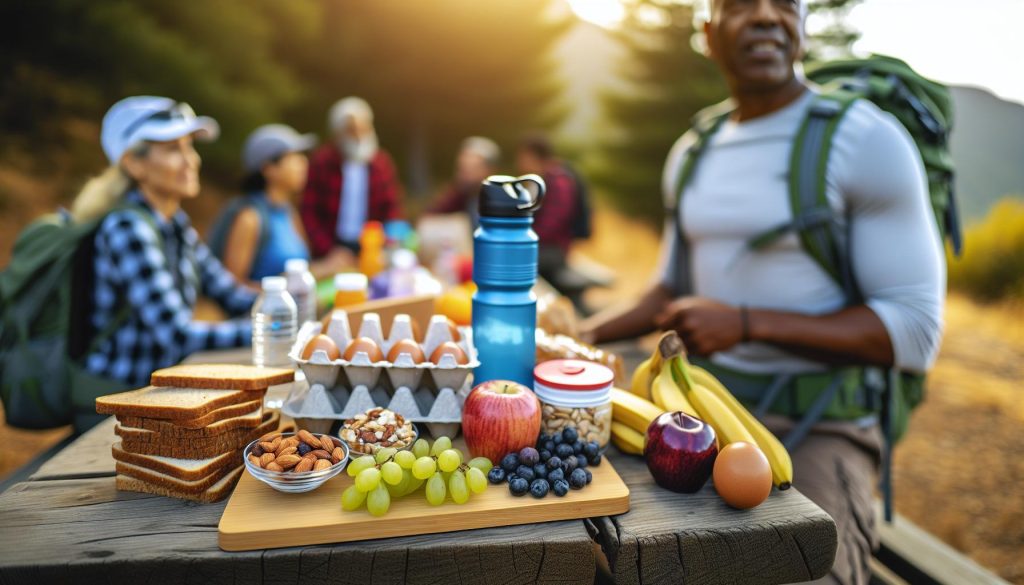
Did you know that what you eat before and after a hike can significantly impact your energy levels and overall well-being, especially for those managing diabetes? Planning your meals effectively can enhance your hiking experience while helping to stabilize blood sugar levels. Whether you’re conquering a challenging trail or enjoying a leisurely stroll through nature, understanding the best food choices can make all the difference in maintaining your energy and avoiding unwanted spikes or drops in glucose levels. In this guide, we’ll explore the most beneficial foods to fuel your adventure, ensuring you feel great on the trail and afterward. Read on to discover practical tips that cater to your dietary needs, support your hiking goals, and empower you in managing diabetes effectively.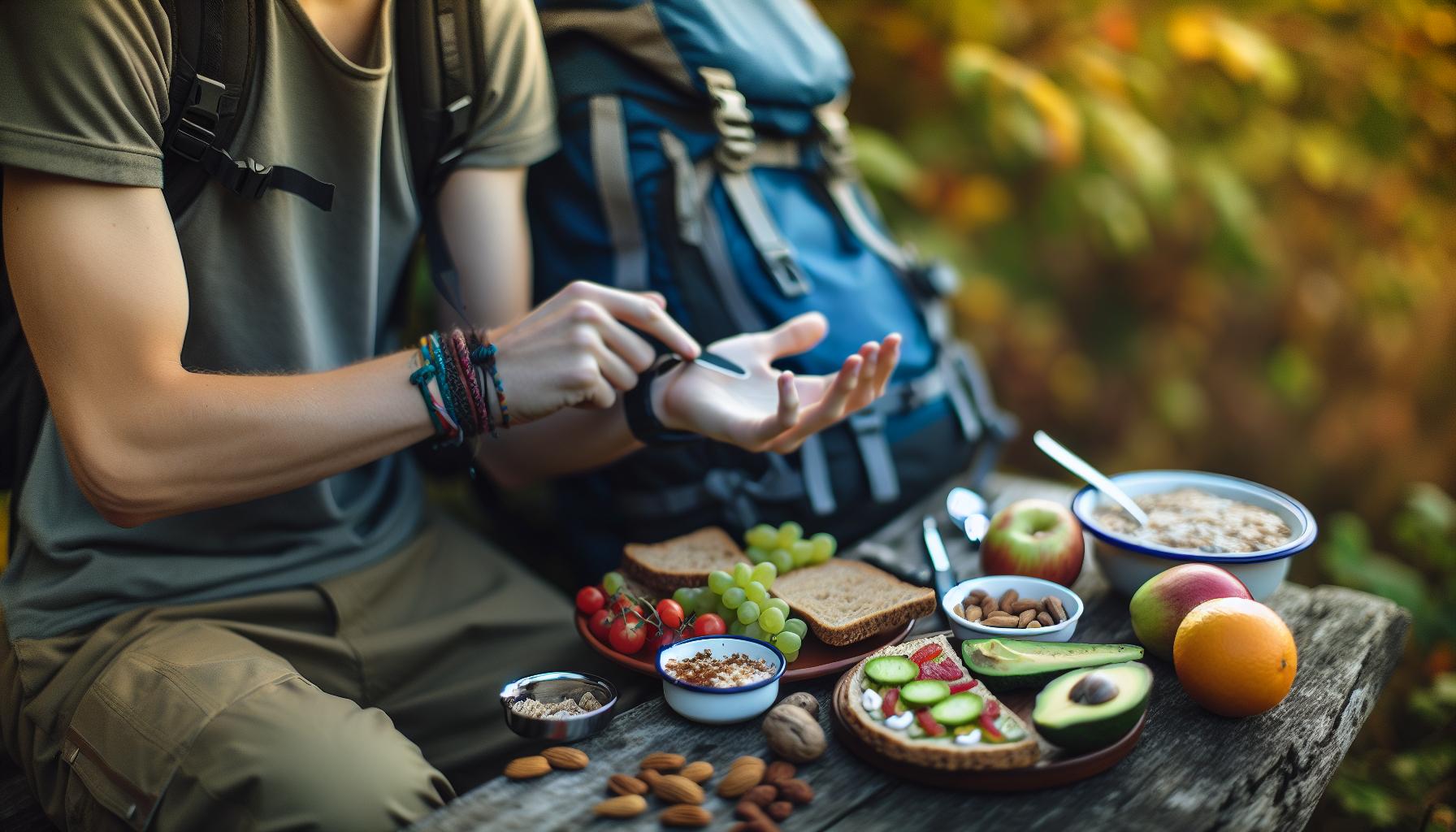
Best Pre-Hike Foods for Diabetics
Proper nutrition plays a crucial role in preparing for any hike, especially for those managing diabetes. Consuming the right foods before hitting the trail not only fuels your body but also helps maintain stable blood sugar levels, ensuring you have the energy to enjoy your adventure. Foods that are rich in complex carbohydrates, lean proteins, and healthy fats can provide sustained energy and help avoid blood sugar spikes or crashes.
To start your hike on the right foot, consider including a combination of the following pre-hike foods:
- Whole Grain Toast or Oatmeal: These options provide complex carbohydrates for a slow release of energy. They also contain fiber, which can help stabilize blood sugar levels.
- Greek Yogurt with Berries: This snack offers protein from the yogurt and antioxidants from the berries, making it a satisfying and nutritious choice.
- Nuts and Seeds: A small handful of unsalted almonds or walnuts provides healthy fats and protein, which can keep you feeling full while offering sustained energy.
- Apple or Banana with Nut Butter: The fiber in fruits combined with the healthy fats in nut butter makes for a balanced pre-hike snack that is easy to digest.
It’s important to time your meals wisely as well, ideally eating a balanced snack around 30 to 60 minutes before you begin hiking to allow for digestion. Keep portions in check to avoid overwhelming your system, especially prior to strenuous activity. Remember to stay in tune with your body and monitor how different foods affect your energy levels and blood sugar control, adjusting your choices as needed. Always consult with a healthcare professional for personalized dietary advice to manage your diabetes effectively while enjoying the great outdoors.
Essential Nutrients for Optimal Energy
Before embarking on a hiking adventure, it’s essential to understand the critical nutrients that fuel your body effectively, especially when managing diabetes. Proper nutrition can significantly impact your energy levels, endurance, and overall enjoyment of the trek. The right combination of nutrients helps keep blood sugar levels stable throughout your hike, ensuring you can fully engage with the outdoor experience without unnecessary fatigue or health concerns.
To maintain optimal energy levels during a hike, focus on incorporating a balance of complex carbohydrates, lean proteins, and healthy fats into your pre-hike meals. Complex carbohydrates, such as those found in whole grains, provide a steady release of glucose, which is crucial for sustained energy. Incorporate foods like quinoa, brown rice, or whole grain pasta, as they not only supply energy but also contain fiber, which aids in blood sugar management.
Protein plays a vital role in muscle recovery and satiety. Lean sources such as chicken breast, turkey, or tofu can help keep you feeling full longer and support muscle maintenance during physical activities. For snacks, consider options like hummus with carrots or cottage cheese with fruit, which combine protein with other beneficial nutrients.
Lastly, integrating healthy fats can improve your energy levels without causing blood sugar spikes. Nuts, seeds, avocado, and olive oil are fantastic options. These fats slow digestion and provide long-lasting energy, preventing quick energy crashes. For practical snack ideas while hiking, try packing trail mix made with unsalted nuts, seeds, and a small amount of dried fruit-just be mindful of portion sizes to keep your blood sugar in check.
By understanding and choosing the right mix of nutrients before hitting the trails, you can ensure a more enjoyable and energetic hiking experience while effectively managing your diabetes. Always remember to consult with a healthcare professional for personalized advice tailored to your unique health needs.
Smart Hydration Tips Before Hiking
Staying properly hydrated is crucial for anyone planning a hike, especially for those managing diabetes. Dehydration can lead to fatigue, diminished physical performance, and fluctuating blood sugar levels, making it essential to prioritize hydration both before and during your outdoor activities. Starting your hike with adequate hydration can set the tone for a successful and enjoyable experience.
In the days leading up to your hike, focus on increasing your water intake. Aim for at least 64 ounces of water daily, and adjust based on your activity level and climate. For individuals with diabetes, electrolyte balance is important as well. Consider incorporating low-sugar electrolyte drinks or water infused with slices of citrus fruits or berries to enhance flavor and replenish lost minerals without spiking blood sugar levels.
Before hitting the trail, hydrate well. Ideally, drink 16 to 20 ounces of water about two to three hours prior to your hike. Additionally, 8 to 10 ounces right before you start can help ensure your body is well-prepared. During the hike, aim to drink about 7 to 10 ounces of water every 20 minutes, especially on warmer days. Keep in mind that thirst is not always a reliable indicator of hydration status, so make it a habit to sip regularly.
It’s also valuable to monitor your body for signs of dehydration, such as dry mouth, fatigue, or dizziness, which can complicate diabetes management. Carry a reusable water bottle or hydration pack that is easy to access, minimizing any disruption while hiking. Remember, maintaining hydration is not just about water; include healthy snacks with high water content-like cucumbers, watermelon, or oranges-in your hiking pack. This not only aids hydration but also provides the necessary nutrients to keep your energy levels stable. Always consult with a healthcare provider for personalized hydration strategies tailored to your health conditions.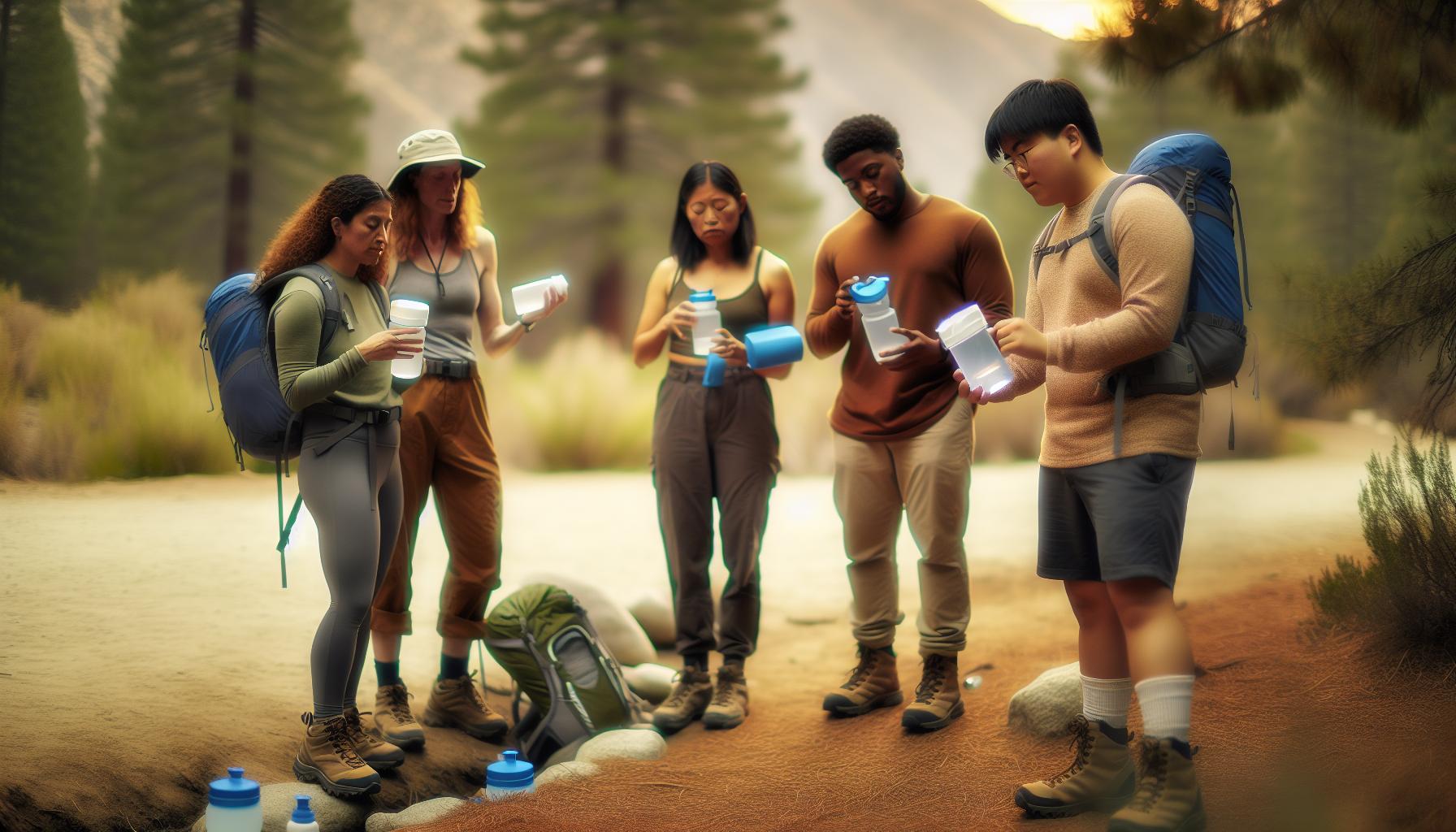
Ideal Snacks to Pack for Diabetic Hikers
Packing the right snacks can make a significant difference for diabetic hikers, ensuring they maintain steady energy levels while effectively managing their blood sugar. With the right choices, you can enjoy your adventure while supporting your health needs. The goal is to select snacks that are not just convenient, but also nutritious, keeping blood sugar fluctuations at bay while providing the necessary fuel for your journey.
When preparing for your hike, consider incorporating a variety of snacks that combine protein, healthy fats, and fiber. These components work together to stabilize blood sugar. Here are some fantastic snack options:
- Nuts and Seeds: Almonds, walnuts, and pumpkin seeds are excellent sources of healthy fats and protein. They are also high in fiber, which can help mitigate blood sugar spikes.
- Vegetable Sticks: Celery, carrots, or bell pepper strips paired with hummus offer a crunchy, satisfying snack that provides fiber and healthy carbs, plus the protein from hummus.
- Whole Grain Crackers: Look for options with minimal added sugars. Pair them with a piece of cheese for a balanced snack featuring protein and fat.
- Greek Yogurt: A cup of unsweetened Greek yogurt can be a great source of protein. Add a handful of berries for flavor without too much sugar.
- Hard-Boiled Eggs: These are portable, easy to pack, and full of protein, making them ideal for a mid-hike energy boost.
- Low-Sugar Protein Bars: Look for bars with high fiber content, low sugars, and natural ingredients. These can provide a quick energy boost when needed.
Making mindful choices while packing snacks can empower diabetic hikers to enjoy their experience without the worry of blood sugar swings. Always tailor your selections based on personal preferences and nutritional needs, and consult with a healthcare provider for guidance tailored to your specific health situation. By being prepared with nutritious snacks, you can conquer those trails with confidence and vitality.
Post-Hike Meal Ideas to Aid Recovery
After an exhilarating hike, your body craves the right nutrients to aid in recovery and replenish what you’ve expended. Choosing the best post-hike meals not only helps restore energy levels but also supports your body in maintaining stable blood sugar levels, which is especially crucial for those managing diabetes. To optimize recovery, prioritize meals that are rich in lean proteins, healthy fats, and low-glycemic carbohydrates.
A fantastic option to consider is a lean protein source paired with complex carbohydrates. For example, grilled chicken or turkey breast served with quinoa or sweet potato provides much-needed protein without spiking your blood sugar. Quinoa is an excellent choice as it is a complete protein and has a lower glycemic index. Another delicious pairing is a tuna salad made with Greek yogurt instead of mayonnaise, served on whole grain bread or in a lettuce wrap, adding healthy fats along with fiber-rich vegetables.
Incorporating a variety of colorful vegetables into your meals not only enhances nutrient density but also adds fiber, which can be beneficial for blood sugar control. Create a stir-fry with leafy greens, bell peppers, and broccoli, tossed in a small amount of olive oil with your choice of protein. This can be a hearty meal that fills you up without causing blood sugar spikes.
It’s essential to remember that hydration doesn’t end when the hike is over. Pairing your meals with water or an electrolyte drink can help with recovery, particularly after rigorous physical activity. Herbal teas infused with ginger or lemon can also offer soothing properties while aiding digestion.
Being mindful of portion sizes is equally important. Eating a balanced meal that includes protein, healthy fats, and complex carbs will help you feel satisfied without the risk of consuming too many calories at once. As always, it’s beneficial to consult with a healthcare provider or a registered dietitian to tailor your meal plans to fit your specific health needs and dietary preferences. Eating well after your adventure not only supports your physical recovery but also empowers you to continue enjoying the great outdoors.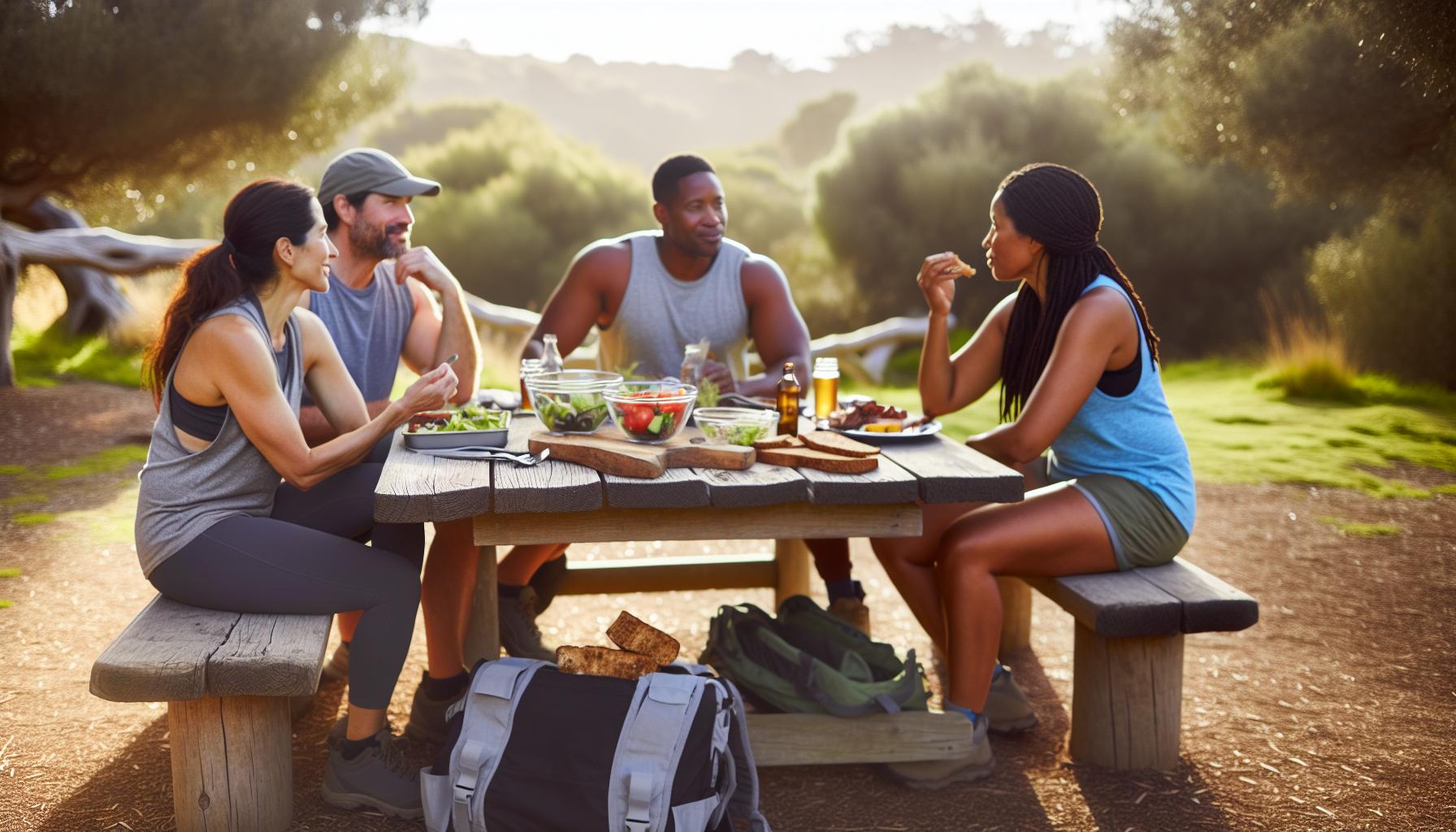
Balancing Blood Sugar After Hiking
After a rewarding hike, managing blood sugar levels is crucial for overall well-being, especially for those living with diabetes. Your body has undergone physical exertion, which can lead to fluctuations in glucose levels. It’s not just about choosing the right foods but also understanding how to effectively balance your blood sugar post-exercise. The goal is to replenish energy without causing significant spikes or drops in glucose levels.
A balanced meal is key. Incorporate lean proteins, healthy fats, and low-glycemic carbohydrates to stabilize blood sugar. For instance, an ideal plate could feature grilled salmon or chicken alongside a mixed green salad topped with avocado. Adding a source of low-glycemic carbohydrate, such as quinoa or brown rice, can help sustain energy levels without overwhelming your system. It’s also helpful to include a variety of colorful vegetables to not only enhance nutrient intake but also aid in digestion and blood sugar regulation.
In addition to meal composition, the timing of your post-hike nutrition is vital. Aim to eat within 30 to 60 minutes after your hike to take advantage of the body’s heightened insulin sensitivity during this period. Quick snacks like a small apple paired with a handful of nuts or a Greek yogurt can make for a great recovery option. Hydration cannot be overlooked either; drinking water or an electrolyte beverage can support recovery and help maintain stable blood sugar levels.
Remember, it’s essential to continuously monitor your blood glucose. Keeping a food diary can be a helpful tool to track how various foods affect your levels and to adjust your post-hike meals accordingly. Engaging with healthcare professionals or registered dietitians can also provide further personalized advice, empowering you to enjoy your hiking adventures without compromising your health. With the right strategies, balancing blood sugar after a hike becomes not just manageable but an empowering part of your outdoor experiences.
Healthy Indulgences: Treat Yourself Mindfully
Discovering healthy indulgences can transform your hiking experience into a more enjoyable and rewarding adventure, especially for those managing diabetes. Embracing a mindful approach to treats allows you to savor flavors while still prioritizing your well-being. You don’t need to completely deprive yourself of delightful foods; instead, learn to indulge in moderation and make smarter choices that satisfy your cravings without compromising your health.
Sweet Treats That Won’t Spike Blood Sugar
When it comes to healthy indulgences, consider alternatives that have lower glycemic impacts. Dark chocolate, for instance, contains less sugar and offers antioxidants. Look for varieties with at least 70% cocoa, which can provide that delectable taste without causing significant blood sugar spikes. Pairing it with a handful of nuts not only enhances the experience but also adds a bit of protein and healthy fat to your treat, helping you maintain stable glucose levels.
Another great option is homemade fruit-infused water or unsweetened iced teas. These drinks can feel like a treat without added sugars. Experiment with flavors like mint, cucumber, or various berries for an enjoyable and refreshing hydration choice that can accompany your meals or snacks during your hiking trips.
Mindful Portion Control
Enjoying treats mindfully involves being conscious of portions. Indulging doesn’t mean indulging excessively. Consider creating a “treat kit” for your hiking trips, where you include small portions of your favorite snacks like homemade protein bars or energy balls made from oats, nut butter, and a touch of honey. This approach not only helps with portion control but also ensures you’re equipped with fueling options that align with your dietary needs.
When dining out or grabbing a meal on your adventures, share dessert with a friend or opt for the smallest size available. By making these mindful choices, you can enjoy the flavors you love while still keeping your blood sugar in check.
Rewarding Yourself with Balanced Meals
After a long day of hiking, reward yourself with a balanced meal that feels indulgent yet nourishing. Think grilled chicken or fish served with roasted vegetables and a small serving of whole grains like quinoa or brown rice. This combination provides you with the joy of a generous meal while ensuring it’s rich in nutrients and low in refined sugars. Remember, your body deserves good fuel after all that effort, and opting for quality ingredients will make your dining experience fulfilling and guilt-free.
Understanding and navigating indulgences is crucial in diabetic management, but it can also enhance your hiking experience. By making informed choices and enjoying treats mindfully, you can savor every moment outdoors without sacrificing your health. Always consult with healthcare professionals or registered dietitians for personalized guidance tailored to your individual needs. Your well-being shouldn’t be a source of stress; rather, it can complement your adventures in nature as you learn to embrace balance and enjoyment in every bite.
Portion Control: Managing Servings for Diabetics
Navigating portion control while managing diabetes, particularly during outdoor activities like hiking, can be a game-changer for maintaining stable blood sugar levels. Understanding the importance of serving sizes not only allows you to enjoy your favorite foods but also equips you with the tools to effectively manage your condition. A well-planned approach to portion sizes helps prevent overeating and minimizes the risk of blood sugar spikes, especially when physical exertion comes into play.
To keep portions manageable, consider using measuring tools such as small containers or snack bags to pre-pack your favorite hiking snacks. This can include a variety of options, like fresh fruit, nuts, or homemade protein bars. Organizing snacks into portioned packs ensures you stick to serving sizes, making it easier to resist the urge to indulge excessively in the wilderness where temptations can abound. Establishing a “snack strategy” before you embark on your hike-such as deciding how many servings of nuts or granola you will bring-creates a sense of control and predictability about your food intake.
Practical Tips for Portion Control
- Visual Aids: Familiarize yourself with what proper portion sizes look like. For instance, a serving of nuts is about a small handful, or roughly 1 ounce. Use your hand as a guide-your palm can serve as a useful measurement tool for portions.
- Mindful Eating: During breaks, take the time to sit down and enjoy your snacks rather than munching mindlessly on the go. This practice promotes conscious consumption and helps you tune into your body’s hunger signals.
- Mix and Match: Create balanced portions by combining higher-carb foods (like whole-grain crackers) with proteins (such as cheese) and healthy fats (like avocado). This not only aids in achieving a well-rounded meal but also contributes to your overall energy levels.
Having a variety of healthy options prepared in controlled servings not only supports your dietary goals but also enhances your hiking experience by allowing you to focus on the adventure rather than on managing food. Always remember, while these strategies can promote effective portion control, the best practice is to consult with your healthcare provider or a registered dietitian for personalized advice tailored to your specific needs. Taking charge of your dietary choices empowers you to enjoy life’s adventures without sacrificing your health.
Easy Meal Prep Ideas for Hiking Trips
Preparing for a hike requires thoughtful meal planning, especially for those managing diabetes. Prepping meals in advance not only ensures you have controlled portions but also lets you enjoy your adventure without worrying about external food sources that might not meet dietary needs. Here are some simple yet effective meal prep ideas that cater to diabetic requirements while still being delicious and satisfying.
Start with preparing a variety of whole foods that you can easily assemble into meals. For example, grains like quinoa or brown rice serve as a fantastic base for salads or grain bowls. You can batch-cook these over the weekend and store them in portioned containers. Pair them with lean proteins such as grilled chicken, turkey, or beans, all of which contribute to stable blood sugar levels. Adding non-starchy vegetables like bell peppers, cucumbers, or carrots will enhance nutrient content and provide necessary vitamins and minerals without spiking glucose.
In addition, consider creating snack packs. Fill small containers with nuts, seeds, or low-sugar dried fruits, which are excellent for quick energy boosts throughout your hike. Nut butters can also be portioned into single-serve packs; they can be used as a dip for apple slices or whole-grain crackers, making for a nutritious, energizing snack that satisfies hunger.
Another effective approach is to prepare sandwiches or wraps using whole-grain bread or tortillas. Fill them with ingredients that boost flavor and nutrition-think hummus with veggies, turkey with avocado, or even peanut butter with banana slices. Wrap them tightly to avoid mess and keep them fresh until you’re ready to eat.
Storage Tips
- Use Insulated Bags: Keep your meals cool by using insulated bags with ice packs, which help prevent spoilage, especially when packing perishables.
- Label Your Meals: Clearly labeling your meals can assist in portion control and make it easier to pick out what you need on the go.
- Pack Extras: Always bring along a few extras like whole fruits or healthy protein bars for emergencies or unexpected hunger.
Meal prepping allows you to take charge of your dietary choices while out on hiking adventures. Emphasizing whole foods and balanced meals empowers individuals to maintain their energy levels and effectively manage their diabetes, ensuring each hike is not just a challenge but a rewarding experience. Always consult healthcare professionals for tailored advice specific to your dietary and medication needs, enabling you to enjoy your hikes with confidence.
Guidelines for Dining Out on Adventure
Dining out while on an adventure can be a delightful yet challenging experience for those managing diabetes. With enticing options available and a desire to indulge, it’s essential to make smart choices that align with a healthy lifestyle. By being prepared and mindful of menu selections, you can enjoy meals that satisfy both your taste buds and your health needs.
When selecting a restaurant, it’s beneficial to choose places that offer a wide variety of options, including those focused on fresh, whole ingredients. Look for menus that highlight vegetables, lean proteins, and whole grains. This not only gives you greater control over your blood sugar levels but also ensures your body receives the essential nutrients it needs. Many restaurants now provide nutritional information, so don’t hesitate to ask how dishes are prepared and about portion sizes to help with your meal choices.
While dining out, consider starting your meal with a salad or a vegetable-based appetizer to fill you up with fiber before the main dish arrives. Opt for dressings on the side and lean towards olive oil or vinegar-based options instead of creamy dressings, which may contain hidden sugars. For main courses, choosing grilled, baked, or steamed options rather than fried can make a significant difference in calorie and carbohydrate intake. If you find the portions large, feel free to ask for a take-home container right away, allowing you to enjoy a smaller portion and save the rest for later.
It’s also worth embracing the idea of sharing meals. Sharing several plates among friends or family can lead to a variety of flavors while allowing you to keep portions in check. Be cautious with beverages; sometimes, a simple glass of water with lemon can be refreshing without the clutter of added sugars from sodas or cocktails.
Above all, enjoy your time dining out by being educated about your food choices yet flexible enough to savor the moment. Engaging with your dining experience without guilt can lead to a more fulfilling adventure. Always maintain open communication with your healthcare provider to ensure your meal choices align with your diabetes management plan, empowering you to make informed and enjoyable dining decisions while on the go.
Understanding Glycemic Index for Hikers
Understanding how foods affect your blood sugar levels is crucial for anyone living with diabetes, especially when planning for outdoor activities like hiking. The Glycemic Index (GI) is a valuable tool that ranks carbohydrate-containing foods based on how they affect blood glucose levels. Foods with a low GI value (55 or less) raise blood sugar levels more slowly and steadily compared to high GI foods (70 or more), which can lead to sharp spikes and subsequent crashes. For hikers, choosing the right foods based on their GI ranking can make a significant difference in energy management during physical activity.
When you’re preparing for a hike, prioritize foods that have a low to moderate GI. These foods digest slowly, providing a gradual release of glucose into the bloodstream, which helps maintain energy levels over a longer duration. Examples include whole grains, legumes, nuts, and most fruits and vegetables. For instance, oatmeal and barley can serve as ideal pre-hike meals, while snacks like hummus with veggies or apple slices with almond butter can keep your energy steady on the trail.
In contrast, high-GI foods may seem convenient, as they provide quick energy; however, they can also lead to rapid spikes in blood sugar, followed by drops that might leave you feeling fatigued or irritable. Foods such as sugary drinks, white bread, or candy bars can be tempting for an instant boost, but these should be approached with caution. If you do choose to indulge in higher GI options, balance them with protein or healthy fats, which can mitigate their impact by slowing absorption.
For proper post-hike recovery, refueling with a combination of proteins and low-GI carbohydrates is key. Think about incorporating lean meats, beans, or whole grains along with vegetables to help replenish your energy stores without causing blood sugar fluctuations. Always consider consulting with a healthcare professional about your specific dietary needs to tailor a plan that suits your lifestyle while effectively managing diabetes. Engaging with the Glycemic Index empowers you to make informed food choices that enhance your hiking experience while supporting your overall health.
Expert Tips from Nutritionists for Diabetics
To hike effectively while managing diabetes, it’s essential to approach your nutrition holistically. Nutritionists emphasize that pre-hike and post-hike meals should not only satisfy hunger but also support stable blood sugar levels and provide lasting energy. One of the most critical components is to balance carbohydrates with protein and healthy fats. This strategy helps prevent blood sugar spikes that can occur with carbohydrate-heavy meals or snacks alone.
Smart Pre-Hike Choices
Before tackling a trail, choose foods that are rich in complex carbohydrates and fiber, as these will digest slowly. Items like whole grain wraps filled with lean protein (such as turkey or hummus) can be a great option. Pairing a piece of whole fruit with nut butter serves as an excellent source of sustained energy. Preparing your meals in advance, such as overnight oats with chia seeds and berries, can streamline your morning and ensure you are set up for success. Ideal pre-hike meals should be consumed about 1.5 to 2 hours before starting the hike to allow for digestion.
On-the-Go Snack Ideas
During your hike, fuel yourself with snacks that offer a balance of carbohydrates, protein, and healthy fats. Portable options include:
- Mixed nuts or trail mix (without added sugars)
- Whole grain crackers with cheese
- Sliced veggies with guacamole or hummus
- Hard-boiled eggs for a protein boost
These snacks help maintain steady glucose levels and keep your energy up. It’s recommended to snack every 30 to 60 minutes during the hike, depending on the intensity of the activity.
Post-Hike Recovery
After your hike, your body deserves replenishment. Focus on a meal that combines protein and low-GI carbohydrates within 30 minutes of finishing your adventure. Examples of good recovery meals are grilled chicken with quinoa and steamed vegetables or a smoothie made with spinach, Greek yogurt, and berries. This combination aids muscle recovery while also promoting balanced blood sugar levels.
It’s paramount to stay hydrated throughout your hike as well. While water is vital, consider electrolyte products that are low in sugar for longer treks. Always check labels for hidden sugars, especially when selecting sports drinks or snacks designed for energy replenishment.
By carefully selecting your pre-hike, on-the-go, and post-hike foods, you can navigate your adventures with confidence while effectively managing your diabetes. It is advisable to regularly consult with healthcare professionals to tailor your nutrition to your specific needs and maintain a proactive approach to your diabetes care and lifestyle.
Faq
Q: What are the best carbohydrates to eat before a hike for diabetics?
A: Diabetics should consider complex carbohydrates like whole grain bread, oatmeal, or quinoa before hiking. These options provide sustained energy due to their slow digestion, helping maintain stable blood sugar levels. Pair them with proteins, such as nut butter, for balanced nutrition.
Q: How can diabetics manage their blood sugar during a hike?
A: To manage blood sugar during hikes, diabetics should carry portable snacks like mixed nuts, whole grain granola bars, or fruit. Regularly monitoring blood sugar levels and consuming small snacks every hour can help prevent fluctuations. Hydration is also essential; consider water or electrolyte-replenishing beverages.
Q: Why is hydration important for diabetics while hiking?
A: Hydration is crucial for diabetics during hiking as it helps maintain blood volume and promotes optimal bodily functions. Dehydration can increase blood sugar levels and lead to fatigue. Aim to drink water consistently, and consider electrolyte drinks for longer treks to stay balanced.
Q: What are good post-hike foods for diabetics?
A: After hiking, diabetics should focus on foods high in protein and healthy fats, like grilled chicken with veggies, Greek yogurt, or a smoothie with spinach and nut butter. These options can aid recovery and help stabilize blood sugar levels, ensuring a healthier post-hike snack.
Q: How can meal prep help diabetics before hiking?
A: Meal prep empowers diabetics by ensuring healthy, balanced meals ready to go before hikes. Preparing portion-controlled snacks and meals allows for easy access to proper nutrition while maintaining blood sugar levels. Focus on lean proteins, whole grains, and fresh fruits or veggies for optimal fueling.
Q: What snacks should diabetics avoid while hiking?
A: Diabetics should avoid high-sugar and highly processed snacks such as candy bars, sugary granola bars, and soft drinks. These can lead to rapid blood sugar spikes and crashes, negatively impacting energy levels and hiking performance. Stick to whole, natural options instead.
Q: Can diabetics indulge in treats while hiking?
A: Yes, diabetics can enjoy treats while hiking by opting for healthier alternatives. Choose dark chocolate over sugary candy or homemade oat cookies with nuts and dried fruit. Moderation and portion control are key; manage intake to prevent blood sugar spikes while still enjoying the experience.
Q: When should diabetics eat before a hike?
A: Diabetics should ideally eat a well-balanced meal about 1-2 hours before hiking. This allows enough time for digestion and helps stabilize blood sugar levels. Incorporate whole grains, lean protein, and healthy fats for optimal energy throughout the hike.
For more tips on managing your nutrition while hiking, explore sections on “Best Pre-Hike Foods for Diabetics” and “Post-Hike Meal Ideas to Aid Recovery” in our guide. Enjoy your adventures while staying healthy!
In Retrospect
As you embark on your hiking adventures, remember that the right nutrition is key to maintaining your energy and managing your diabetes effectively. By choosing the best things to eat before and after a hike, you’re setting yourself up for a successful and enjoyable experience outdoors. Don’t hesitate to explore related resources such as our guide on managing diabetes during physical activities or our tips for choosing diabetic-friendly snacks.
Feeling inspired? Dive deeper into our content to empower your journey-sign up for our newsletter for the latest updates or check out our specialized diabetic products for your needs. Your proactive approach not only improves your health but also opens the door to a supportive community of individuals sharing similar experiences. Share your thoughts and questions in the comments below; your insights could inspire others as well. Let’s keep the conversation going and make your hiking experience both enjoyable and safe!