
When managing diabetes, finding satisfying snacks can be a challenge. Saltine crackers, often praised for their simplicity, can serve as a convenient option, but not all brands are created equal for those monitoring their blood sugar levels. In this article, we delve into the best saltine crackers for diabetics, highlighting choices that offer low glycemic impact without sacrificing flavor. By understanding which products are more suitable, you can enjoy snacking while maintaining your health goals. We’ll explore key features to look for and share our top picks, empowering you to make informed choices for your pantry. Keep reading to discover safe snacking solutions that integrate well into your diabetes management plan!
Best Saltine Crackers: What Diabetics Need to Know
Diabetics often grapple with the challenge of finding snacks that satisfy cravings without spiking blood sugar levels. Saltine crackers, with their simple ingredients and easy digestibility, can be a reasonable option if chosen wisely. These crackers typically consist of flour, water, yeast, and salt, making them a low-calorie snack that can offer a crunchy texture without excessive calories or fats. However, not all saltine crackers are created equal. Individuals managing diabetes should be particularly mindful of sodium content, carbohydrates, and added sugars, influencing both blood glucose control and overall health.
When selecting saltine crackers, consider varieties that are lower in sodium and contain whole grains. Whole grain options not only provide more fiber but also contribute to a more gradual increase in blood sugar levels. Reading labels is crucial; look for crackers that boast whole grain as the first ingredient and contain minimal added sugars. Pairing saltine crackers with protein-rich toppings, like hummus or nut butter, can further stabilize blood sugar levels, making them a more balanced snack choice.
It’s also essential to practice portion control-a small serving can satisfy hunger without leading to unwanted spikes in blood sugar. Keeping a food diary or using wearable technology to track glucose response can help personalize snack choices further. The key is to enjoy saltine crackers mindfully, incorporating them into a diversified diet rich in vegetables, lean proteins, and healthy fats. Always consult with a healthcare professional or dietitian to tailor dietary choices to your specific health needs. By making informed choices, saltine crackers can fit into a delicious and diabetic-friendly snack repertoire.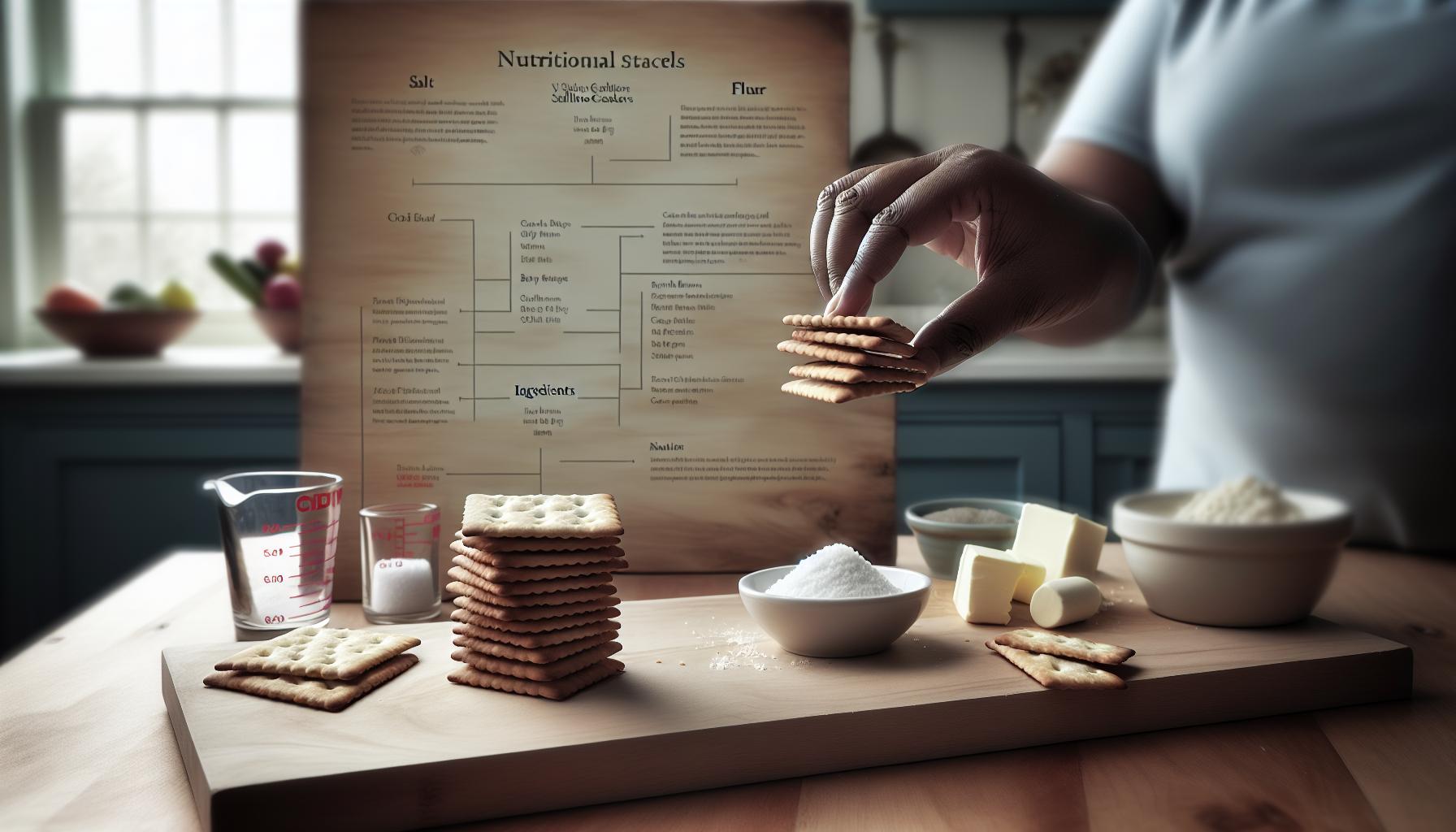
Nutritional Breakdown of Saltine Crackers
Saltine crackers offer a unique combination of crunch and simplicity, making them a go-to snack for many. However, for individuals managing diabetes, understanding the nutritional content of these seemingly harmless treats is crucial. Typically made from white flour, salt, and leavening agents, traditional saltine crackers have a straightforward ingredient list, but it’s what lies beneath the surface that truly matters for blood sugar management.
When examining the nutritional makeup of saltine crackers, several key components should be considered. A standard serving of saltine crackers (about five to six crackers) generally contains approximately:
| Nutrient | Amount per Serving |
|---|---|
| Calories | 60-70 |
| Carbohydrates | 10-12 g |
| Fiber | 0-1 g |
| Sugars | 0 g |
| Protein | 1-2 g |
| Sodium | 100-200 mg |
| Fats | 2-3 g |
While the calorie content is relatively low, the carbohydrate level, especially in refined forms of flour, can result in a quick spike in blood sugar. For this reason, it’s essential for those with diabetes to be mindful of their portions and opt for high-fiber varieties when possible. Whole grain versions not only add beneficial fiber but contribute to better glycemic control by allowing for a slower release of glucose into the bloodstream.
Saltine crackers can be a part of a healthy diet for diabetics if consumed wisely. Pairing them with protein-rich options like nut butter or cheese can create a more balanced snack that helps mitigate blood sugar spikes. Always remember to read the nutrition labels carefully and consult with a healthcare professional before making any significant changes to your diet. By making informed choices, you can enjoy the satisfying crunch of saltines while managing your diabetes effectively.
Top Health Benefits of Saltine Crackers for Diabetics
Finding snack options that align with diabetes management can often feel like a daunting task, but saltine crackers, when chosen wisely, can fit into a balanced diet. While many consider them just a simple crunchy treat, these snacks offer some surprising benefits for those managing diabetes. Their low calorie count and versatility make them a practical choice for snacking, especially when paired with more nutrient-dense foods.
One of the key advantages of saltine crackers is their ability to serve as a base for more healthful toppings. For diabetics, combining saltines with protein-rich options such as hummus, cottage cheese, or nut butter can create a satisfying snack that helps stabilize blood sugar levels. The protein and healthy fats in these accompaniments not only enhance the nutritional profile but also provide a feeling of fullness that can curb cravings and prevent overeating. Moreover, some whole grain varieties of saltines may contain more fiber than traditional ones, which can further contribute to better glycemic control by slowing down carbohydrate absorption.
It’s also worth noting that saltines can be a source of quick energy during times when blood sugar levels may dip, making them convenient for those who experience hypoglycemia. Their simplicity and easy packaging allow for on-the-go snacking, which is crucial for maintaining blood glucose levels throughout the day. However, it is important for diabetics to pay attention to portion sizes and choose lower-sodium options to avoid unnecessary spikes in blood pressure, another area of concern in diabetes management.
In summary, while saltine crackers should be enjoyed in moderation, their adaptability as a snack option can be beneficial for individuals managing diabetes. By selecting whole grain or lower-sodium varieties and pairing them with nutritious toppings, saltines can play a role in a balanced diet, providing satisfying crunch while being mindful of health needs. As always, consult with a healthcare professional to tailor your snacking choices to your individual health plan.
How to Choose Diabetes-Friendly Snack Options
Finding snack options that fit within a diabetes management plan can sometimes feel overwhelming, but a thoughtful approach can turn this challenge into an empowering opportunity. When considering saltine crackers as a snack, it’s essential to look beyond their simplicity and evaluate how they can fit into a nutritious diet. Choosing diabetes-friendly snacks involves understanding their nutritional components and how they can work harmoniously with your overall dietary goals.
To begin, prioritize snacks that have a good balance of carbohydrates, proteins, and healthy fats. Look for saltine crackers that are labeled as whole grain, as these tend to have higher fiber content, which can slow down glucose absorption and help regulate blood sugar levels. Pairing these crackers with protein-rich toppings such as cottage cheese or nut butter can enhance their nutritional value and provide a more balanced snack. This combination not only keeps hunger at bay but also supports steady energy levels.
When shopping, consider choosing lower-sodium options. A high sodium intake can lead to elevated blood pressure, which is an important factor to manage for individuals with diabetes. Many brands offer reduced-sodium varieties, making it easier to enjoy the crunch without compromising heart health. Always read the nutrition labels and ingredient lists to equip yourself with the knowledge needed to make informed decisions.
Practical Tips for Choosing Snacks
- Look for whole grain options: These provide more fiber and nutrients.
- Check for sodium content: Opt for reduced-sodium or low-sodium crackers.
- Pair with proteins and healthy fats: Top your crackers with hummus, guacamole, or low-fat cheese for a satisfying and nutritious snack.
- Watch portion sizes: Measure out servings to prevent overeating, as even healthy snacks can impact blood sugar levels when consumed in excess.
By adopting these strategies, you can create a balanced snacking routine that satisfies cravings while supporting diabetes management. Remember, incorporating a variety of foods is crucial, so don’t hesitate to explore alternatives to saltine crackers as well. For personalized advice tailored to your dietary needs, consulting with a registered dietitian or certified diabetes educator can provide valuable insights and support on your journey to maintaining a healthy lifestyle.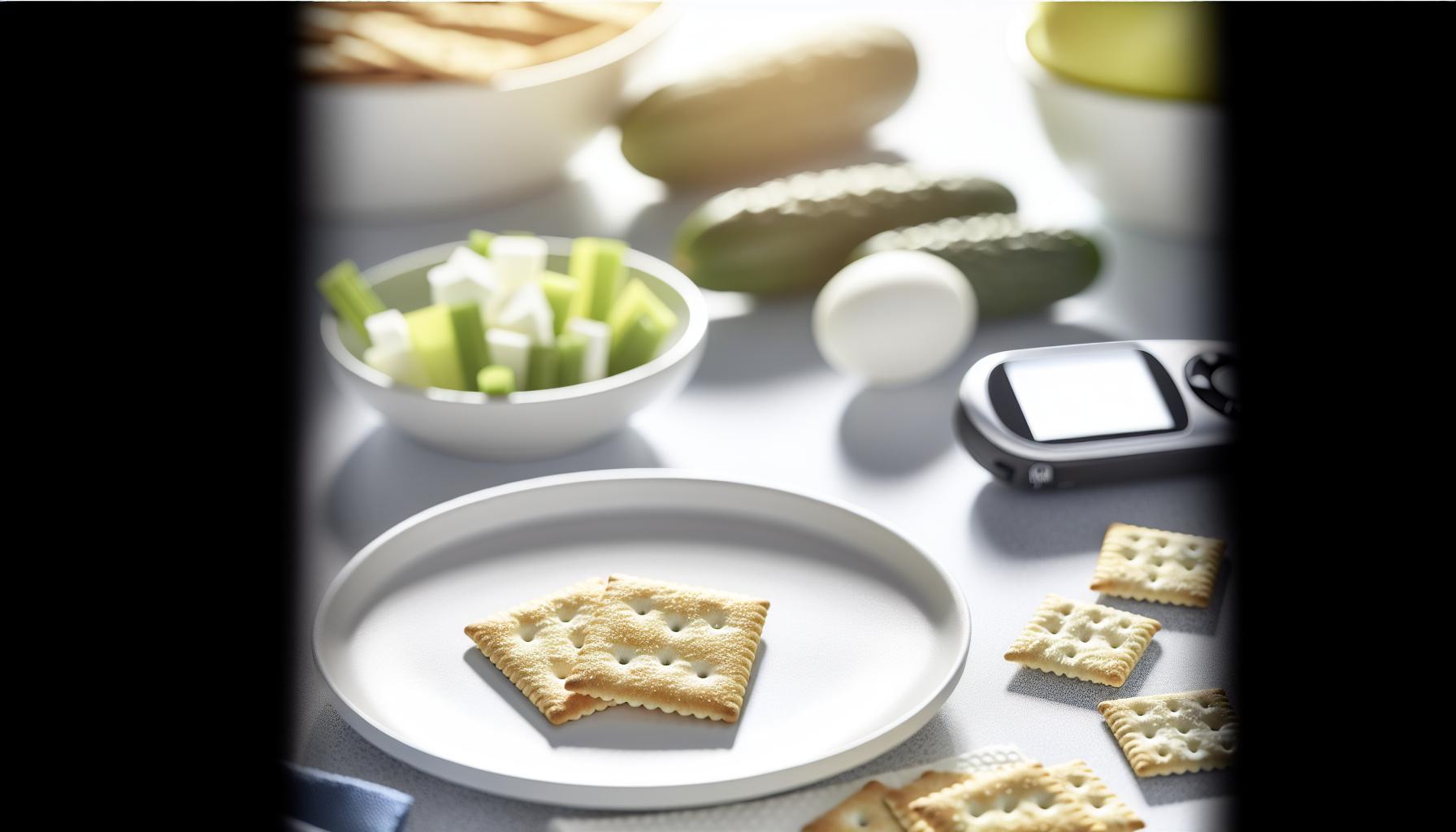
Best Low-Sodium Saltine Crackers for Diabetics
While selecting snacks, diabetics should pay special attention to sodium content, as high sodium levels can lead to complications like hypertension. Opting for low-sodium saltine crackers allows for the enjoyment of a crunchy snack without the health risks associated with excessive salt intake. Reduced-sodium options not only cater to heart health but also fit seamlessly into a balanced diabetic diet, making them a fantastic choice for those managing blood sugar levels.
Several brands focus on producing low-sodium saltine crackers that retain the same delightful crunch and texture while cutting down the salt. When shopping for these healthier alternatives, look for labels explicitly stating “reduced sodium” or “low sodium,” indicating that they contain significantly lower levels compared to standard crackers. For instance, some brands offer products with as little as 50-100 mg of sodium per serving, making them much more suitable for regular consumption.
Incorporating low-sodium saltines into your diet can also be a fun and flavorful endeavor. Top these crackers with nutrient-dense options like avocado, salsa, or light cream cheese to create a satisfying snack. Pairing them with protein-rich foods can help manage hunger, stabilize blood sugar levels, and make for a well-rounded snack. As a practical tip, keep an eye on the serving sizes; portioning out your crackers can help prevent mindless snacking, especially in front of the TV or during stressful moments.
Exploring low-sodium options enables diabetic individuals and families to enjoy snacking responsibly. Alongside maintaining open communication with healthcare professionals, integrating nutritious choices into daily meals encourages a balanced approach to managing diabetes. Remember that variety is key – don’t hesitate to try different brands or combinations to keep your snack game exciting and satisfying!
Brand Reviews: Top Saltine Crackers to Try
When it comes to snacking, finding safe yet satisfying options can often feel like a challenge for those managing diabetes. Enter saltine crackers-simple yet versatile snacks that can be a part of a balanced diet. The key lies in selecting the right brands, particularly those that focus on low-sodium and diabetes-friendly options. Here are some top brands that you might consider adding to your pantry.
Top Brands to Consider
- Low Sodium Saltines by Nabisco: These classic saltines contain significantly less sodium than traditional options, making them a popular choice among health-conscious individuals. With about 50-60 mg of sodium per cracker, they maintain the familiar crunch and texture without the added salt.
- Triscuits Original: While not a traditional saltine, these whole-grain crackers offer a hearty alternative packed with fiber. Their simple ingredients make them a healthier option, and they pair well with various toppings for added flavor without spiking sugar levels.
- Saltines by KEEBLER: Keebler offers a reduced-sodium version that still delivers that salty crunch. Their packaging often highlights the lower sodium content, aiding in quick shopping decisions for diabetics.
- Premium Saltines by Nabisco: These crackers are made with fewer preservatives and less salt compared to their standard line, allowing you to enjoy the taste of saltines while being conscious of your dietary needs.
Smart Snacking Tips
When it comes to integrating saltines into a diabetic diet, monitoring portion sizes is crucial. Consider using measuring cups to portion out servings, as it can prevent the temptation to overeat, especially during snack time. Combine low-sodium saltines with protein-rich toppings like hummus or low-fat cheese, which can help balance glucose levels and keep you feeling full longer.
If you’re uncertain about which options are best for you, consult with a healthcare professional or a registered dietitian who can guide you in navigating the dietary landscape based on your personal health needs. Prioritize brands that emphasize transparency in their labeling, as this can assist you in making informed choices.
Incorporating a variety of snacks, including different brands of saltine crackers, can keep your diet enjoyable and satisfying. Remember, it’s all about balance and making educated choices that align with your health goals while allowing for tasty indulgences.
Alternatives to Saltine Crackers for Variety
Exploring diverse snack options can significantly enhance your snacking experience while managing diabetes. Alternatives to traditional saltine crackers not only provide variety but also allow you to meet your nutritional goals more effectively. Look to options like rice cakes, which are low in calories and can be paired with healthy toppings-think almond butter or avocado-offering both flavor and nutrition without overwhelming your blood sugar levels.
Another excellent substitute is whole-grain crackers. These are often higher in fiber and can help stabilize blood sugar. Brands like Wasa or Ryvita offer options that can be enjoyed plain or with toppings such as low-fat cheese or turkey slices, turning a simple cracker into a filling snack. Additionally, consider seed-based crackers, which can be made from pumpkin seeds, flaxseeds, or sunflower seeds. These options not only provide crunch but also healthy fats and protein, making them a heart-healthy choice.
If you’re looking for a gluten-free alternative, vegetable chips or air-popped popcorn can be delightful and satisfying snacks. Veggie chips made from kale, beetroot, or sweet potatoes provide vitamins while still delivering that crunchy texture. Air-popped popcorn is light, low in calories, and can be seasoned with a sprinkle of nutritional yeast for a cheesy flavor without the added carbs.
Finally, utilizing fresh vegetables like cucumber or bell pepper strips as a crunchy snack can provide essential nutrients while keeping carbohydrate intake low. Pair them with hummus or bean dips for a satisfying snack that also delivers fiber and protein, helping to maintain blood glucose levels. As always, consider consulting with a healthcare professional to tailor your snacking choices to your dietary needs and health goals.
Creative Ways to Include Saltines in Meals
Saltine crackers can be a surprisingly versatile ingredient in your meals, especially for those looking to manage diabetes. Their light, crisp texture makes them an excellent base for various toppings, allowing you to create balanced meals and snacks that can satisfy your cravings without causing blood sugar spikes. Here are some creative ways to incorporate saltines into your diet while keeping your health goals in mind.
One simple idea is to use saltine crackers as a base for healthy salads. Crumble them over mixed greens topped with lean proteins like grilled chicken or turkey, and add in some colorful vegetables such as cherry tomatoes, bell peppers, and cucumbers. Drizzle with a low-carb vinaigrette to elevate your salad while keeping it diabetes-friendly. This not only adds crunch but also helps in increasing your fiber intake, which is beneficial for blood sugar management.
Another delicious option is to use saltines as a substitute for traditional bread in open-faced sandwiches. Spread a thin layer of low-fat cream cheese or hummus on the crackers, and then top them with slices of smoked salmon, avocado, or roasted vegetables. The combination is not just tasty but also nutritious, providing essential fatty acids and vitamins without overwhelming your carbohydrate intake.
Additionally, saltine crackers can be an unexpected ingredient in soups. Try adding a few crushed crackers to a steaming bowl of vegetable or chicken soup for added texture. This will create a satisfying meal that feels hearty while remaining low in saturated fats and excessive calories.
Lastly, consider making crusted toppings using crushed saltines. Mix crushed crackers with herbs and a sprinkle of olive oil to create a quick topping for baked dishes like casseroles or roasted fish. This adds flavor and texture without loading your meals with excess carbs, giving you a way to still enjoy the crunch that saltines offer.
Incorporating saltine crackers into your meals can be both practical and enjoyable. Remember to monitor portion sizes to keep carbohydrate intake within your personal dietary goals, and consult with your healthcare provider to tailor your meal plans effectively. With these tips, you can enjoy the simplicity of saltine crackers while also supporting your diabetes management journey.
Expert Tips for Safe Snacking with Saltines
When it comes to managing diabetes, every snack choice can make a difference, and saltine crackers can be a part of that journey with the right approach. These light, crispy snacks can serve as a canvas for healthier toppings, but it’s essential to snack wisely to maintain stable blood sugar levels. Here are practical tips that empower you to enjoy saltines while supporting your diabetes management plan.
One effective strategy is to focus on portion control. Although saltines may seem innocent, they can add up in carbohydrates. Consider limiting your serving size to a handful of crackers, and pair them with protein-rich toppings such as low-fat cheese or nut butter. This will not only help buffer the carbohydrate impact but also keep you satisfied for longer. Keeping pre-portioned bags of saltines at hand can also make choosing a healthy snack easier, preventing impulsive eating from the entire box.
When selecting saltine crackers, look for options that are low in sodium and added sugars. Reading the nutrition label can equip you with vital information to avoid hidden carbs that could affect your blood glucose levels. Many brands now offer whole grain options, which are high in fiber and can be a better choice since fiber contributes to slower digestion and increased satiety.
It’s also beneficial to incorporate a variety of foods in conjunction with your saltine snacks. Pairing saltines with raw veggies or a homemade salsa can add a nutritional boost while keeping the carb count balanced. For instance, a few saltine crackers with a side of guacamole provides healthy fats and fiber, which are advantageous for sustained energy.
Lastly, remember that nutrition is highly individual. It’s crucial to listen to your body and monitor how different foods, including saltines, impact your glucose levels. Keeping a food diary can help identify patterns and inform better choices in the future. Always consult with your healthcare provider to tailor your snacking strategies to your specific health needs and dietary goals, ensuring a truly personalized approach to your diabetes management.
Understanding Portion Control and Serving Sizes
Monitoring portion sizes is vital for anyone managing diabetes, and saltine crackers are no exception. These seemingly innocent snacks can unexpectedly contribute to carbohydrate intake if consumed in large quantities. Understanding and practicing portion control can help maintain optimal blood sugar levels while still enjoying a variety of snacks.
To help manage portion sizes, consider pre-packaging your snacks. For example, take a handful of saltines-about 6 to 8 crackers-and store them in small bags or containers. This simple action can discourage mindless snacking and reduce the temptation to eat straight from the box. Additionally, pairing saltines with protein-rich foods can be a game changer. For instance, a few crackers topped with low-fat cheese or natural peanut butter not only makes for a satisfying snack but also helps slow the absorption of carbohydrates into your bloodstream.
When selecting saltine crackers, be sure to check the serving size listed on the nutrition label. Most brands suggest a serving size of about 5 to 8 crackers, and it’s essential to adhere to this guideline to keep your carbohydrate intake in check. Since sodium levels can also impact overall health, particularly in individuals with diabetes, opting for low-sodium varieties can further elevate your snack choice.
Engaging in mindful eating practices can also enhance your experience. Take the time to savor each bite, and listen to your body for cues about fullness. Keeping a food diary can help identify what portion sizes work for you and enable you to track how different snacks affect your glucose levels. Regular consultation with healthcare professionals can provide personalized snacking strategies that align with your unique dietary needs and health goals.
The Role of Whole Grains in Diabetic Diets
Including whole grains in a diabetic diet is more than just a trendy recommendation; it’s a strategy that can significantly impact blood sugar control and overall health. Whole grains are packed with fiber, essential nutrients, and have a lower glycemic index compared to refined grains, meaning they cause a slower, steadier rise in blood sugar levels. This slow digestion is particularly beneficial for individuals managing diabetes, as it helps to avoid the sharp spikes in glucose often associated with high-carb snacks.
When selecting snacks like saltine crackers, opting for those made with whole grains can provide a healthier alternative. While traditional saltines may not be the best source of whole grains, some brands offer whole grain or multi-grain varieties, which retain more of the grain’s nutritional benefits. These options often contain more fiber, which can aid in digestion and promote a feeling of fullness, making it easier to resist the temptation to snack mindlessly.
Incorporating whole grains into your diet doesn’t have to be complicated. Start by looking for products labeled “100% whole grain” or “whole wheat” and always check the ingredient list to ensure whole grains are the first item. Pairing whole grain saltines with protein-rich foods, such as hummus or nut butter, can create a balanced snack that satisfies hunger while also supporting stable blood sugar levels. Remember, it’s essential to consult with healthcare professionals who specialize in diabetes management to tailor your dietary choices to your specific needs.
Real User Experiences: Snack Choices and Diabetes
In the journey of managing diabetes, snack choices can significantly affect blood sugar levels. Real user experiences reveal that many individuals with diabetes have successfully integrated saltine crackers into their diets with careful planning and creativity. For instance, a last-minute snack option can be both satisfying and uncomplicated if one opts for whole grain or low-sodium saltines rather than traditional versions. This small switch not only aligns with healthier eating but also serves to maintain stable glucose levels.
Many users report that pairing saltines with nutrient-rich toppings enhances both flavor and satiation. Options such as hummus, which is rich in protein and fiber, or avocado, packed with healthy fats, create a balance that can keep blood sugar in check. A user shared how adding a handful of almonds atop their saltines transformed their snack from a mere crunch into a well-rounded mini-meal. This approach exemplifies how simple adjustments make a substantial difference in managing snack-time cravings without compromising health.
Additionally, feedback from the community emphasizes the importance of portion control. Individuals have found success by pre-portioning their saltines into small bags for on-the-go convenience, allowing them to enjoy their favorite snacks without the risk of overeating. This practice not only helps curb impulsive eating but also instills greater awareness regarding carbohydrate intake-a critical factor for those managing diabetes.
Engagement with healthcare providers remains an integral part of this process. Users often underscore the value of working with dietitians to tailor personal snack plans that fit their lifestyle and health goals. By sharing experiences and advice, those with diabetes can create a supportive network, ensuring they are not alone in navigating dietary decisions tailored to their unique needs. Such communal efforts thus empower individuals to make informed choices, reinforcing the notion that healthy snacking does not have to feel restrictive or monotonous.
Frequently Asked Questions
Q: Are Saltine crackers good for diabetics?
A: Saltine crackers can be included in a diabetic diet but should be consumed in moderation. Look for low-sodium and whole grain options to ensure better nutritional quality. Always monitor portion sizes to avoid spikes in blood sugar levels.
Q: What ingredients should I avoid in Saltine crackers if I have diabetes?
A: Diabetics should avoid Saltine crackers that contain added sugars, unhealthy fats, and artificial preservatives. Focus on brands that use whole grain flour and have minimal additives for a healthier option. Check ingredient labels for transparency and quality.
Q: How many Saltine crackers can I eat if I’m diabetic?
A: The number of Saltine crackers you can consume depends on your overall carbohydrate intake. Generally, 4-6 crackers can fit into a healthy snack while maintaining portion control. Always consider their impact on your daily carbohydrate goals.
Q: What are some diabetes-friendly toppings for Saltine crackers?
A: For a diabetes-friendly snack, try topping Saltine crackers with hummus, avocado, or cottage cheese. These options add healthy fats and protein, helping to stabilize blood sugar levels. Always combine crackers with nutrient-rich toppings for better health.
Q: Can I make homemade Saltine crackers for a healthier option?
A: Yes, making homemade Saltine crackers allows you to control the ingredients. Use whole grain flour, reduce sodium, and avoid added sugars for a healthier version. Explore recipes that incorporate herbs and spices for added flavor without compromising health.
Q: Are there gluten-free Saltine cracker options for diabetics?
A: Yes, some brands offer gluten-free Saltine crackers made from alternative flours, such as rice or almond flour. These can be a good option for those with gluten sensitivity or celiac disease, while also catering to diabetes-friendly guidelines.
Q: How do Saltines affect blood sugar levels?
A: Saltines, made primarily of refined flour, can cause a quick rise in blood sugar levels if consumed excessively. Pairing them with protein or fiber-rich foods can help slow digestion and mitigate spikes. Always monitor your blood sugar after eating them.
Q: What should I consider when choosing Saltine crackers as a diabetic snack?
A: When choosing Saltine crackers, consider the ingredient list, sodium content, and serving sizes. Opt for options that are low in refined sugars and high in fiber. Always read nutrition labels to ensure they fit your dietary needs.
Closing Remarks
Choosing the right saltine crackers can make a significant difference in your snacking habits, especially for those managing diabetes. Remember, while enjoying these tasty options, it’s essential to monitor your carbohydrate intake and pairing foods wisely for balanced nutrition. If you found our top picks helpful, be sure to explore our articles on diabetic-friendly snacks and meal prep ideas to enrich your dietary choices further.
Don’t hesitate to share your thoughts or experiences in the comments below! Your feedback can help others in their journey to healthier eating. For those seeking more personalized guidance, consider consulting a nutritionist who specializes in diabetes management. Together, you can create a plan that fits your lifestyle and supports your health goals. Start your journey toward healthier snacking now and elevate your food choices-your body will thank you!