
For many, grits evoke comforting memories of Southern kitchens, but if you have diabetes, you might wonder whether this popular dish fits into your meal plan. Grits, made from ground corn, are indeed high in carbohydrates, which can impact blood sugar levels. However, understanding their nutritional profile and learning how to enjoy them in moderation can empower you to make informed food choices. In this article, we will explore the blood sugar impact of grits, helping you navigate this beloved food while prioritizing your health. With the right tips and knowledge, grits can potentially be included in a balanced diet, allowing you to savor your favorite flavors without compromising your diabetes management. Continue reading to uncover how to enjoy grits while keeping your blood sugar in check.
Are Grits Beneficial for Blood Sugar Control?

Many people with diabetes are surprised to learn that grits can be included in their diet. While they are high in carbohydrates, moderation and strategic pairing with other foods can make them a viable option. It’s essential to focus on the type of grits and how they fit into the overall dietary picture for managing blood sugar levels. Choosing less processed varieties, such as stone-ground grits, can add fiber and nutrients, which may help in stabilizing blood sugar responses.
The key to enjoying grits is understanding their nutritional profile and how they interact with blood sugar. Since half a cup of grits contains around 38.7 grams of carbohydrates, portion control becomes critical [3]. By balancing grits with foods high in protein and fiber, like eggs or vegetables, you can mitigate blood sugar spikes. This combination helps create a well-rounded meal that promotes better blood sugar management [2].
To make the most of grits within a diabetic-friendly diet, consider their preparation. Adding herbs, spices, or sautéed vegetables can not only enhance flavor but also increase the overall nutritional value of the meal. Remember, it’s always wise to consult with healthcare professionals regarding dietary choices to ensure they align with your personal health needs. This tailored approach will empower you to navigate your diet confidently while enjoying the comfort of dishes featuring grits.
Understanding Grits: Nutritional Profile Overview

Grits, a traditional Southern dish made from ground corn, can be a delicious and adaptable addition to many meals. Understanding their nutritional profile is crucial for those managing diabetes, as it helps inform healthier choices that can assist in maintaining stable blood sugar levels. A half-cup serving of cooked grits typically contains approximately 38.7 grams of carbohydrates, a factor that should be carefully considered by anyone watching their carb intake. However, they also offer a range of nutrients including certain vitamins and minerals, making them more than just a simple starch.
To navigate carbohydrate-rich foods like grits, a practical approach is to prefer less processed varieties, such as stone-ground grits. These often retain more of the corn’s natural fiber and nutrients, which can help in moderating blood sugar responses. Fiber plays a significant role in digestion and can aid in slowing the absorption of sugar into the bloodstream, benefiting those tracking their glucose levels. Special attention to portion sizes can further enhance blood sugar management; for instance, pairing grits with protein-rich foods like eggs or beans can create a balanced meal that lowers the overall glycemic impact.
Incorporating additional ingredients can transform grits into a more nutritious dish. By adding vegetables, lean proteins, and healthy fats, you can increase the meal’s fiber and protein content while keeping it flavorful. Simple tweaks, such as mixing in sautéed greens or a sprinkle of nuts, can not only enhance taste but also bolster its nutritional value. Ultimately, consulting with healthcare professionals and registered dietitians regarding food choices is always advisable to ensure they fit within individual dietary needs and diabetes management plans. This personalized strategy can empower diabetic individuals and their families to make informed food choices while enjoying warm and comforting dishes like grits.
The Glycemic Index of Grits Explained
Understanding how various foods impact blood sugar levels is critical for effective diabetes management, and the glycemic index (GI) serves as a useful tool in this respect. The GI ranks carbohydrate-containing foods based on their effect on blood sugar, with lower values indicating a slower rise in glucose levels post-consumption. Grits, while a beloved comfort food, have a higher glycemic index, which means they can cause a faster increase in blood sugar compared to lower-GI alternatives.
When evaluating the GI of grits, it’s essential to note that factors such as preparation method and processing can influence their blood sugar impact. For instance, instant grits typically have a higher GI than traditional stone-ground varieties due to their finer texture and increased processing. This higher glycemic load makes instant grits less favorable for diabetic individuals, as they are more likely to lead to spikes in blood sugar levels. Traditional grits, on the other hand, often retain more of the fiber and nutrients found in whole corn, which can help mitigate such spikes.
To better manage blood sugar, individuals with diabetes might consider balancing their meals by pairing grits with protein sources or healthy fats. For example, adding eggs, cheese, or vegetables not only enhances the nutritional profile but also helps slow down the absorption of carbohydrates, creating a more balanced meal. Other methods to keep blood sugar levels in check include monitoring portion sizes-keeping servings of grits moderate can be a practical step toward better blood sugar control.
In conclusion, while grits can still be incorporated into a diabetic diet, choosing the right type and preparing them thoughtfully plays a crucial role in managing their effects on blood sugar. It’s always wise for individuals with diabetes to work closely with healthcare professionals to design an eating plan that considers their specific dietary needs. By staying informed and making mindful food choices, diabetic individuals can enjoy diverse meals, including grits, while effectively managing their condition.
Comparing Instant vs. Traditional Grits for Diabetics
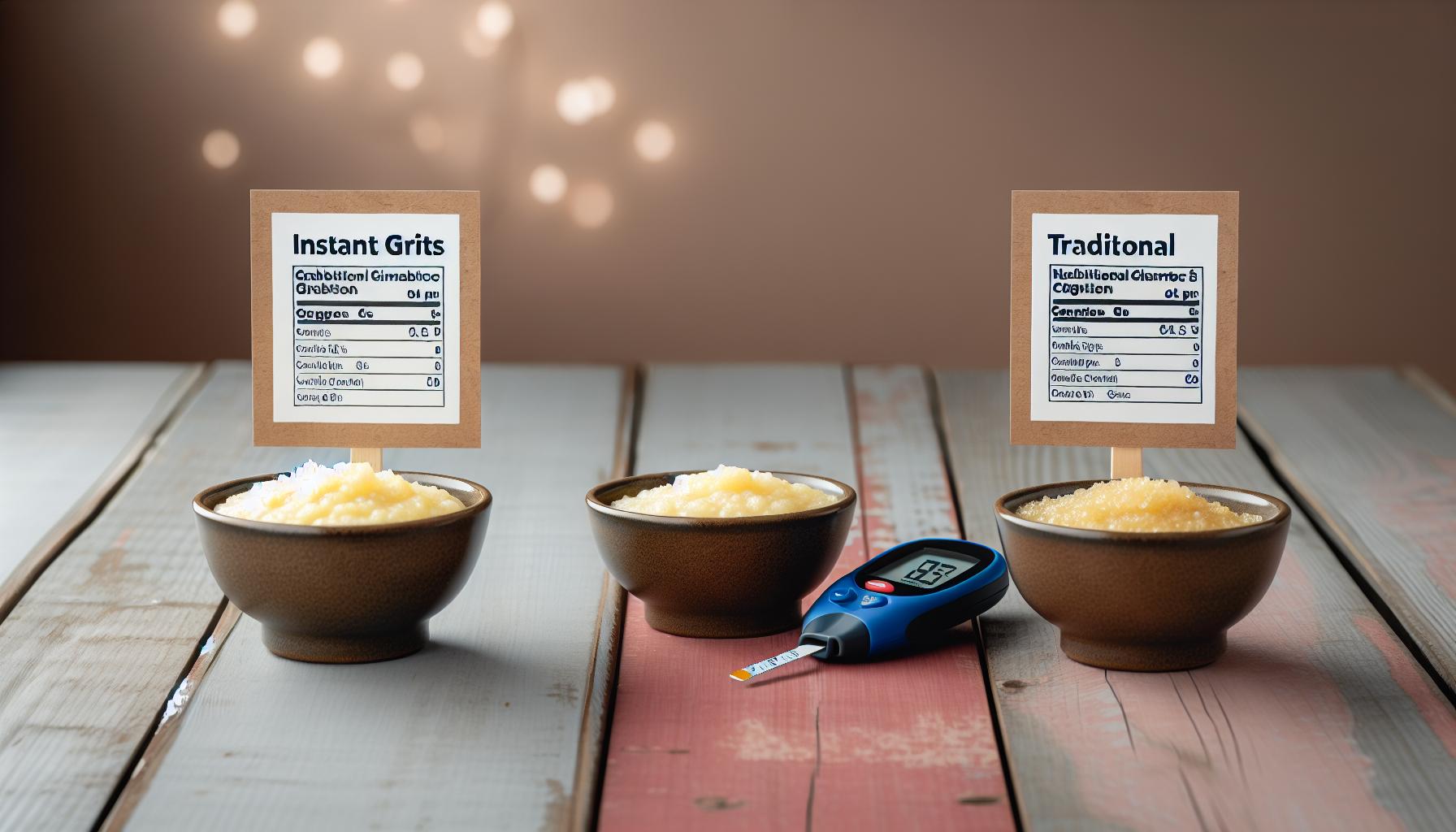
When it comes to managing diabetes, food choices can significantly impact blood sugar levels, and the type of grits you select is no exception. There’s a notable difference between instant and traditional grits, particularly in how they affect your glycemic control. Knowing these differences can empower you to make healthier dietary decisions that fit your lifestyle and health goals.
Instant Grits: Quick and Convenient, but Caution Recommended
Instant grits are a popular choice for their quick preparation time, making them a go-to option for busy mornings. However, they have a higher glycemic index (GI) compared to traditional varieties due to their finer texture and extensive processing. This means that instant grits can lead to a quicker spike in blood sugar, which is not ideal for individuals managing diabetes. While they can occasionally fit into a balanced meal plan, they should be consumed in moderation and ideally paired with protein or healthy fats to slow carbohydrate absorption.
Traditional Grits: A Heartier Option for Better Management
On the other hand, traditional stone-ground grits offer a more favorable option for diabetes management. Because they are less processed, these grits retain more of the natural fiber and nutrients from the corn. Increased fiber content can help moderate blood sugar spikes, providing a more gradual impact on glucose levels. When preparing traditional grits, consider complementing them with healthy additions like vegetables, lean proteins, or avocado to create a balanced meal that supports sustained energy levels and better glycemic control.
Making Informed Choices
To optimize your grits consumption while managing diabetes, consider the following tips:
- Portion Control: Keep serving sizes in check to mitigate blood sugar spikes.
- Pair Strategically: Enhance the nutrient profile of grits by pairing with foods rich in protein or fiber.
- Choose Wisely: Opt for traditional stone-ground over instant grits whenever possible for better glycemic control.
Incorporating grits into your diet can be both delicious and manageable, especially when you make informed choices that align with your health goals. Always consult with healthcare professionals when planning your meals to ensure they align with your individual dietary needs. Being proactive and educated about your food choices enables you to enjoy beloved meals while effectively managing your diabetes.
How Grits Affect Blood Sugar Levels: Scientific Insights
While grits may seem like a simple comfort food, their impact on blood sugar levels is complex and deserves thoughtful consideration, especially for those managing diabetes. Grits, made from ground corn, can affect blood glucose significantly based on their preparation and the type consumed. Traditional stone-ground grits, for example, tend to have a lower glycemic index (GI) compared to instant grits, meaning they cause a slower rise in blood sugar levels. This is primarily attributed to their higher fiber content and less processing, which can help regulate glucose levels more effectively.
Research indicates that the glycemic index of a food is a crucial factor in diabetes management. Foods with a high GI can lead to rapid spikes in blood sugar, which are particularly concerning for individuals with insulin resistance or those actively managing type 2 diabetes. Instant grits, being finely processed, fall into this high-GI category, prompting a quicker glucose release into the bloodstream. Therefore, individuals with diabetes might experience more substantial blood sugar fluctuations when opting for instant versions versus their more traditional counterparts.
Moreover, the way grits are served can further influence their effect on blood sugar. Pairing grits with protein or healthy fats can moderate the spike in blood sugar. For instance, adding an egg, cheese, or avocado not only enhances flavor but also balances the meal’s overall carbohydrate content, leading to a steadier blood sugar response. Incorporating vegetables into grits can also introduce fiber and additional nutrients, which contribute to better glycemic control.
Adopting a personalized approach to grits in your diet can certainly empower individuals in managing their diabetes more effectively. It’s vital to monitor blood sugar responses when introducing grits and stay in communication with healthcare professionals who can provide tailored advice based on individual health needs. Keeping an eye on portion sizes, choosing whole-food pairings, and preferring traditional over instant options can make a significant difference in achieving balanced blood sugar levels while still enjoying this Southern staple.
Portion Sizes: Finding the Right Balance with Grits
Finding the right portion size of grits can be a game-changer for those managing diabetes. Understanding how much to consume is essential, as the carbohydrate content in grits can significantly impact blood sugar levels. A standard serving of cooked grits is typically around half a cup, which contains approximately 15-20 grams of carbohydrates. For someone with diabetes, managing carbohydrate intake is crucial, and careful measurement can help maintain stable blood glucose levels.
When incorporating grits into your meals, it’s beneficial to consider the overall balance of your plate. Pairing grits with protein, healthy fats, and fiber-rich vegetables can enhance nutritional value while minimizing the risk of blood sugar spikes. For instance, a serving of grits topped with sautéed spinach and a poached egg not only adds nutrients but also helps to slow down the absorption of carbohydrates. This combination can lead to a more gradual increase in blood sugar levels.
It’s also worth noting that individual responses to food can vary. Monitoring your blood glucose levels after trying different portion sizes can provide valuable insights into what works best for your body. For example, some people with diabetes might find that consuming grits in smaller portions, like a quarter cup, allows for better blood sugar management. Utilizing a food diary or glucose monitor can make it easier to identify patterns and adjust your portion sizes accordingly.
As you navigate portion sizes, remember that seeking guidance from healthcare professionals such as registered dietitians can offer personalized advice tailored to your specific needs. They can help you devise a balanced meal plan that incorporates grits responsibly while keeping your diabetes management goals in mind. Embracing a mindful approach to portion sizes not only helps in controlling blood sugar levels but also allows you to enjoy grits as part of a diverse and satisfying diet.
Tips for Pairing Grits with Diabetic-Friendly Ingredients
Incorporating grits into a diabetic-friendly diet doesn’t mean sacrificing flavor or nutrition. In fact, when paired with the right ingredients, grits can complement your meals while supporting better blood sugar management. The key is to focus on balancing your plate with foods that are low in glycemic index, high in fiber, and rich in protein.
One effective strategy is to combine grits with healthful toppings and sides. Consider adding sautéed leafy greens like spinach or kale, which provide essential vitamins and minerals while also being low in carbohydrates. Adding a source of healthy fat, such as avocado or a sprinkle of nuts and seeds, can not only enhance the flavor but also help slow carbohydrate absorption. Proteins play a vital role as well-topping grits with a poached egg or adding grilled chicken can enhance satiety and reduce the likelihood of blood sugar spikes after your meal.
For even greater variety, think about spices and herbs that can add depth to your dish without extra calories. Ingredients like garlic, onion, or fresh herbs such as parsley and cilantro can elevate the taste of your grits, making your meal more enjoyable and satisfying. Additionally, incorporating a source of fiber, such as chopped vegetables or legumes, can contribute to overall health and further assist in blood sugar control by promoting a steadier release of glucose into your bloodstream.
Lastly, when experimenting with pairing options, take the time to monitor how different toppings affect your blood sugar. This can provide personalized insights into what combinations work best for your body. Remember, always consult with a healthcare professional or a registered dietitian for tailored advice that aligns with your individual health needs. Maintaining a nutritious, balanced meal plan can empower you to enjoy grits while managing your diabetes effectively.
Recipes: Delicious Grits Dishes for Diabetics
When it comes to enjoying grits as a diabetic, creativity in the kitchen can turn this classic dish into a nutritious powerhouse while keeping blood sugar levels stable. Here are some delicious recipes that not only offer flavor but also incorporate diabetic-friendly principles.
Savory Grits with Spinach and Poached Egg
Combine the heartiness of grits with the nutrition of leafy greens and protein for a balanced meal. Start by preparing stone-ground grits according to package instructions. In the last 5 minutes of cooking, stir in a generous handful of fresh spinach until wilted. Serve topped with a perfectly poached egg for a dose of protein and a sprinkling of pepper and a dash of hot sauce for an extra kick. This dish provides healthy fats and proteins that can aid in stabilizing blood sugar levels.
Cheesy Cauliflower Grits
A fantastic way to increase fiber while reducing carbohydrates is by incorporating cauliflower into your grits. Steam cauliflower florets until tender, then blend them with cooked grits, a bit of low-fat cheese, and garlic powder for flavor. This low-carb twist not only reduces the glycemic impact but also adds a creamy texture without excess calories.
Grits with Grilled Chicken and Avocado
This recipe puts a protein-packed twist on traditional grits. Prepare your grits and serve them in a bowl topped with slices of grilled chicken breast and fresh avocado. Avocado adds healthy fats that can help in managing blood sugar levels, making this dish both satisfying and beneficial. A squeeze of lime juice and some chopped cilantro can enhance the freshness of the dish.
Spiced Shrimp and Grits
For a Southern classic with a diabetic-friendly makeover, sauté shrimp with garlic, smoked paprika, and a hint of lemon juice. Serve the spiced shrimp over a bed of grits, adding a sprinkle of parsley for garnish. This dish delivers proteins and healthy fats while minimizing added sugars and processed ingredients.
Incorporating these recipes not only diversifies your meals but also reaffirms that managing diabetes doesn’t mean compromising on flavor. As you experiment with these recipes, always monitor how different toppings and ingredients affect your blood sugar levels, and consult with a healthcare professional to tailor your choices to your dietary needs. Enjoying grits can be a part of a healthy lifestyle with the right modifications!
Managing Carb Intake: Grits Versus Other Breakfast Options
When navigating breakfast options as a diabetic, understanding carbohydrate content is crucial for effective blood sugar management. Grits, while a beloved staple in many Southern kitchens, can contain a significant amount of carbs-approximately 38.7 grams per half-cup serving-that could impact blood sugar levels. While they can be enjoyed in moderation, exploring alternative breakfast choices may offer more balanced options that align better with dietary goals.
Alternative Breakfast Options to Consider
Opting for lower carbohydrate alternatives not only supports better glucose control but also diversifies your meal plan. Here are some popular options:
- Egg-Based Dishes: Scrambled eggs or an omelet packed with vegetables provide protein and healthy fats, making them an excellent choice that keeps blood sugar in check.
- Greek Yogurt: Packed with protein and probiotics, Greek yogurt has a lower carb count, especially if you choose non-fat or plain varieties. Adding berries can create a delicious, nutrient-rich breakfast.
- Chia Seed Pudding: Combining chia seeds with almond milk and a touch of vanilla creates a fiber-rich breakfast that offers healthy omega-3 fatty acids while keeping carbs low.
- Oatmeal: A well-formed oatmeal can be a better alternative to grits if managed correctly. Opt for steel-cut oats, which have a lower glycemic index and can be enhanced with nuts or seeds for added protein and crunch.
Grits can still play a role in your breakfast rotation, especially when complemented with protein-rich and nutrient-dense toppings like beans, cheese, or avocado. By carefully balancing your portion sizes and incorporating these healthier additions, you can enjoy grits without significantly impacting your blood sugar levels.
Remember, it’s essential to monitor how different foods affect your blood sugar and total daily carbohydrate intake. Consulting with a healthcare professional or a dietitian can provide personalized guidance that considers your lifestyle and dietary preferences. Embracing a variety of options while being mindful of carbohydrate intake can empower you to make flavorful and health-conscious breakfast decisions.
Expert Opinions: Nutritionists Discuss Grits and Diabetes
Nutritionists emphasize that managing diabetes involves more than just monitoring sugar levels; it also revolves around understanding how different foods can impact those levels. When it comes to grits, an iconic staple especially in Southern cuisine, their high carbohydrate content poses a challenge for individuals managing diabetes. However, nutritionists often advocate for a versatile approach, suggesting that grits can still have a place in a diabetic diet if consumed mindfully.
One key aspect that experts stress is the importance of portion control. A half-cup serving of grits can contain around 38.7 grams of carbohydrates, which is significant for blood sugar levels. To mitigate the potential spike, nutritionists recommend integrating grits with high-protein or high-fiber ingredients, which can help slow down carbohydrate absorption. For instance, topping grits with black beans or sautéed greens can create a meal that not only satisfies hunger but also contributes to stable blood sugar.
Another useful perspective from specialists is to explore the option of minimally processed grits, such as stone-ground varieties. These tend to have a lower glycemic index compared to instant varieties. The glycemic index (GI) is a measure of how quickly foods raise blood sugar; lower GI foods are generally better for managing diabetes. This means that individuals may enjoy grits without experiencing severe blood sugar fluctuations, especially when combined with healthy fats, like avocado or cheese, which can further aid in blood sugar regulation.
Above all, nutritionists urge individuals with diabetes to personalize their dietary choices through close monitoring. Keeping a food diary to assess how grits and other foods affect blood glucose levels can empower patients to make informed decisions. Moreover, collaborating with a registered dietitian to create a balanced meal plan can provide tailored guidance that suits individual health goals. By fostering a supportive approach to food choices and learning how to adapt traditional recipes, individuals can enjoy culinary favorites like grits while effectively managing their diabetes.
Monitoring Blood Sugar: Best Practices for Diabetic Diets
Monitoring blood sugar levels is a crucial aspect of managing diabetes, and understanding how different foods, like grits, affect these levels can empower individuals to make informed dietary choices. It’s not just about avoiding high-sugar foods; the influence of carbohydrates, particularly from starchy sources such as grits, plays a significant role in blood glucose control. Regular monitoring helps individuals grasp how their body responds to different foods, paving the way for a more personalized and effective meal planning strategy.
To begin with, consider the key times to check blood sugar levels: before meals, two hours after eating, and when experiencing symptoms of highs or lows. This frequency allows you to see how specific foods, including grits, impact your glucose levels. For instance, if you consume a portion of grits, checking your blood sugar two hours afterward can provide insights into how quickly your body is processing carbohydrates. If your readings are higher than your target, it might indicate that portion sizes were too generous, or the types of toppings paired with the grits were less optimal.
Keeping a detailed food diary can significantly aid in this process. Documenting what you eat and your corresponding blood sugar levels offers a clearer picture of your dietary effects over time. You can track how different preparations of grits (instant versus stone-ground) or their combinations with proteins and carbs impact your levels. This information can be invaluable during discussions with healthcare providers or dietitians.
Moreover, collaborating with qualified healthcare professionals, such as a registered dietitian, can tailor a diet plan suited to your lifestyle and needs. They can help guide you on how to incorporate foods like grits healthily. For example, adding toppings high in fiber or protein can lessen the meal’s impact on blood glucose levels. It’s crucial to remember that everyone’s body responds differently, so what works for one person may not work for another. By prioritizing education and monitoring, you can not only enjoy your favorite comfort foods but also keep your blood sugar levels in check, leading to a healthier, more balanced life with diabetes.
Frequently asked questions
Q: Can people with diabetes eat grits safely?
A: Yes, individuals with diabetes can eat grits safely, but moderation is key. Opt for less processed varieties and control portion sizes. Balancing grits with proteins and healthy fats can help manage blood sugar levels effectively [2].
Q: What is the glycemic index of grits?
A: The glycemic index (GI) of grits typically ranges from moderate to high, indicating a significant impact on blood sugar. Traditional stone-ground grits often have a lower GI compared to instant varieties. It’s essential to consider this when planning meals [3].
Q: Are there healthier alternatives to grits for breakfast?
A: Yes, healthier alternatives to grits include oatmeal, quinoa, or whole grain toast, which often provide more fiber and nutrients. These options can help stabilize blood sugar while still offering a satisfying breakfast [2].
Q: What portion size is recommended for diabetics eating grits?
A: A recommended portion size for grits in a diabetic meal is about 1/3 to 1/2 cup cooked. Monitoring portion sizes is critical to managing carbohydrate intake and blood sugar levels effectively. Always pair portions with balanced macronutrients [3].
Q: Can mixing grits with certain foods lower their glycemic impact?
A: Yes, combining grits with foods high in fiber, protein, or healthy fats-as with avocado or nuts-can lower the overall glycemic impact by slowing digestion and absorption of carbohydrates [2].
Q: Is it better to choose instant or traditional grits for diabetics?
A: Traditional grits are generally better for diabetics because they tend to have a lower glycemic index than instant varieties. Choosing whole grain or stone-ground options is ideal for better blood sugar management [3].
For more insights on managing diabetes through diet and meal planning, feel free to explore our comprehensive guides!
To Wrap It Up
As we’ve discovered, grits can indeed be included in a diabetic diet when enjoyed mindfully. By choosing less processed varieties, managing portion sizes, and pairing them with nutrient-dense foods, you can savor this Southern staple while keeping your blood sugar in check. Don’t let dietary restrictions limit your culinary adventures-explore other options like low-carb alternatives and delicious diabetic-friendly recipes to enhance your meal planning!
To further enrich your diabetes management journey, consider checking out our articles on “Healthy Meal Ideas for Diabetics” and “How to Balance Your Carb Intake.” And don’t forget to subscribe to our newsletter for expert tips and resources tailored to your lifestyle. Your health is a journey; take the next step confidently with the right knowledge and support! Share your thoughts in the comments below-let’s engage and empower each other in this community!