Did you know that people with diabetes are at a higher risk for foot complications, including issues with toenails? When toenails begin to fall off, it can be alarming and may signal serious underlying problems such as infections or poor circulation. Understanding these emergency signs is crucial for effective diabetes management and preventing more severe health issues. As a diabetic individual or caregiver, being informed about these symptoms empowers you to take proactive measures, ensuring timely medical intervention. Our exploration of this topic will not only highlight the signs to watch for but will also equip you with practical tips on managing your foot health. Stay informed and proactive-your well-being depends on it.
Understanding Toenail Health in Diabetes
Maintaining toenail health is crucial for individuals with diabetes, as they are more susceptible to various foot issues due to complications from the condition. One interesting aspect is that the integrity of toenails can reveal underlying health issues. Healthy toenails are generally smooth, strong, and uniform in color, while any changes can indicate problems, and in diabetic patients, these changes can lead to serious complications if not addressed promptly.
Diabetic patients often encounter toenail problems due to factors such as poor circulation, neuropathy, and high blood sugar levels. For example, when blood flow to the extremities is compromised, toenails may grow slowly or become brittle, increasing the risk of ingrown toenails and fungal infections. High glucose levels can also weaken the nails, leading to an increased likelihood of separation from the nail bed, which can be a painful and distressing experience. Proper management of blood sugar levels is vital in preserving nail health and preventing complications.
Routine foot examinations are essential for early identification of issues. Patients should look for signs such as discoloration, thickening, or changes in shape as these could be indicators of infection or other serious conditions requiring medical attention. Furthermore, infrequent nail trimming or improper techniques can lead to injuries and infections. Therefore, practicing safe nail care and maintaining good hygiene can significantly improve outcomes for diabetic patients.
Implement these key practices to maintain healthy toenails:
- Regular Check-Ups: Schedule routine visits with a healthcare professional to monitor your foot and toenail health.
- Blood Sugar Management: Keep blood glucose levels within target ranges to enhance circulation and promote nail health.
- Foot Hygiene: Wash and dry feet daily, paying special attention to the areas between toes.
- Safe Nail Care: Use proper tools and techniques when trimming nails, ideally by a professional if feeling unsure.
- Appropriate Footwear: Wear shoes that fit well to prevent trauma to toenails.
By adopting these practices, individuals with diabetes can greatly enhance their toenail health and prevent potential complications, leading to better overall foot care.
Common Causes of Toenail Issues in Diabetic Patients
Maintaining healthy toenails is vital for diabetics, who face heightened risks of toenail issues due to the complexities of their condition. One primary factor contributing to these problems is poor circulation. When blood flow is inadequate, toenails can grow slowly, leading to brittleness and an increased chance of developing ingrown toenails or fungal infections. This is often exacerbated by high blood sugar levels, which not only weaken the nails but can also lead to separation from the nail bed, a source of significant discomfort.
Additionally, neuropathy, a common complication of diabetes, can dull sensory perception in the feet. This may prevent individuals from noticing early signs of toenail problems, such as redness, swelling, or pain. As a result, minor issues can escalate into serious infections if not addressed promptly. The high glucose environment can also create an inviting atmosphere for fungi, increasing the likelihood of infections that can cause nails to discolor or break down completely.
Lifestyle factors must also be considered. Diabetic patients often face challenges in foot hygiene due to limited mobility or vision impairments, which can make regular foot care a struggle. Infrequent or improper nail trimming can lead to injuries, infection, and pain, compounding existing issues.
To combat these challenges, it’s essential to embrace foot care as a pivotal aspect of diabetes management. Regular inspections, maintaining good foot hygiene, and timely intervention at any sign of trouble can help preserve toenail health and overall well-being. Empowering oneself with knowledge and routine check-ups with healthcare professionals are crucial steps every diabetic should take to ensure early detection and treatment of toenail-related issues.
Identifying Emergency Signs for Toenail Problems
Noticing the early warning signs of toenail problems can make a significant difference in preventing serious complications for individuals living with diabetes. Quick identification and action can be lifesaving, as even minor issues can escalate rapidly due to the body’s impaired healing abilities associated with diabetes. Understanding what constitutes an emergency sign is crucial for maintaining toenail health.
One of the most significant indicators of a potential toenail emergency is sudden discoloration or changes in the nail’s texture. If a toenail becomes painful, swollen, or red, it may suggest the onset of an infection or ingrown toenail. Likewise, if you observe the nail separating from the nail bed or significant thickening of the nail, these could be red flags. Don’t ignore an unusual foul odor emitting from the toenail area, which often points to a fungal infection or bacterial growth.
Another alarming symptom to watch for is persistent bleeding or oozing around the toenail. This situation warrants immediate medical attention, especially if you’re experiencing pain or discomfort in addition to the bleeding. It is also a cause for concern if you notice new growths around the nail or any unusual bumps, as these growths may signify a more serious condition. Timely intervention from a healthcare professional can help prevent complications and safeguard your overall foot health.
When faced with any of these warning signs, empowering yourself through knowledge is essential. Keeping up with regular foot inspections and promptly addressing any changes can significantly help manage your diabetes. Always consult with healthcare professionals regarding your nail health; they can provide tailored advice and treatment options suited to your specific situation. By staying vigilant and proactive, you can protect not only your toenails but your general well-being as a diabetic patient.
Preventive Care: Maintaining Healthy Toenails
Maintaining healthy toenails is especially vital for individuals living with diabetes, as they are more susceptible to complications that can arise from seemingly minor issues. The key to avoiding major problems lies in preventive care, which encompasses regular inspections, proper hygiene, and proactive lifestyle choices. A healthy lifestyle not only supports overall well-being but also significantly reduces the risk of toenail-related complications.
One of the most effective preventive strategies is conducting regular foot inspections. Individuals should check their feet, including the toenails, daily for any signs of abnormalities such as discoloration, swelling, or unusual growths. Early detection can prevent minor problems from escalating into serious health concerns, especially given diabetes can impair healing processes. If any changes are noted, it’s important to consult with a healthcare professional who is knowledgeable about diabetic foot care.
A consistent skincare routine also plays a crucial role in maintaining toenail health. This includes thoroughly washing and drying the feet, focusing on the areas between the toes to eliminate moisture where fungi thrive. Additionally, moisturizing the feet can prevent dry skin and cracking, which are potential entry points for infections. It is wise to use moisturizing lotions that do not contain alcohol, as this can further dry the skin.
Choosing the right footwear cannot be overstated for diabetic patients. Shoes that provide ample support and allow for proper ventilation are essential in reducing friction and pressure on the toenails, minimizing the chances of ingrown toenails or other injuries. Diabetic-specific socks that wick moisture away from the skin can also contribute to overall foot health by keeping the feet dry and comfortable.
In summary, empowering oneself with knowledge about preventive foot care practices is paramount in supporting toenail health for those with diabetes. By incorporating regular foot inspections, maintaining proper hygiene, and choosing appropriate footwear, individuals can significantly reduce their risk of toenail complications. Always remember that professional guidance is key; engaging with healthcare providers for personalized advice and treatment options is essential for effective management of diabetes and its associated challenges.
The Impact of High Blood Sugar on Toenail Integrity
High blood sugar levels can wreak havoc on various systems in the body, and toenail integrity is no exception. When glucose levels are chronically elevated, it can lead to complications that impair blood circulation and nerve function, particularly in the extremities. This is especially concerning for individuals living with diabetes, as they may experience conditions such as peripheral neuropathy and peripheral arterial disease, both of which significantly affect foot and toenail health.
Under normal circumstances, toenails grow steadily and are resilient, but heightened blood glucose can alter this process. Elevated sugar levels create an environment conducive to fungal infections, which often manifest as discoloration, thickness, or even separation of the toenail from the nail bed. This can lead to toenail loss if left unchecked. Moreover, poor circulation may slow down the delivery of essential nutrients required for toenail growth and health, causing thinning or brittleness in the nails.
To mitigate these risks, it’s vital for diabetic individuals to prioritize their blood sugar management, as stable glucose levels not only support overall health but also contribute to the integrity of toenails. Regular monitoring of blood glucose, adhering to dietary recommendations, and engaging in physical activity play crucial roles. Additionally, incorporating nutrient-rich foods known for supporting nail health, such as biotin-rich eggs and leafy greens, can help fortify nails against the adverse effects of diabetes.
Seeking guidance from healthcare professionals is essential, especially when changes in toenail appearance or health are observed. Early intervention through appropriate treatments or lifestyle modifications can prevent severe complications and ensure that toenail health remains strong and resilient. Being proactive about foot care, including regular inspections and maintaining hygiene, lays the groundwork for better outcomes, empowering individuals with diabetes to manage their condition effectively.
When to Seek Medical Help for Toenail Loss
It’s alarming but not uncommon for individuals with diabetes to experience toenail loss. This can be more than just a cosmetic issue; it may signal underlying problems that need immediate attention. If you find that a toenail has become loose, discolored, or is separating from the nail bed, it’s essential to recognize these signs and understand when to seek medical help.
Look out for these critical symptoms that may require prompt medical consultation:
- Severe Pain: If you experience sharp or persistent pain around the toenail, it could indicate an infection or an abscess.
- Saturation with Discharge: Any pus or fluid leaking from around the toenail is a sign of a possible infection that warrants urgent care.
- Excessive Redness or Swelling: Inflammation alongside swelling can further suggest an infection, especially if it spreads beyond the toenail area.
- Presence of Fungal Infection Symptoms: Changes in nail color or texture, including thickening or peeling, may require antifungal treatment.
Taking action early is crucial because untreated nail issues in diabetes can escalate quickly, sometimes leading to serious complications. Consult with a healthcare professional if you notice any of these signs. They can provide appropriate treatment ranging from topical antifungal medications to more significant interventions if necessary.
In addition to seeking the right medical help, maintaining regular check-ups with a podiatrist is also recommended. This proactive approach helps manage your overall foot health while keeping an eye on any changes that could signify more severe concerns. Being in touch with your healthcare provider not only empowers you to take control of your foot health but also supports your journey in managing diabetes more effectively.
Effective Treatments for Toenail Loss in Diabetes
It’s distressing for many diabetes patients to discover that toenails may not only become discolored or loose but can also fall off entirely. Effective treatments for toenail loss aren’t just about aesthetics; they are crucial for preventing complications associated with diabetes. Early intervention can make a significant difference in recovery and overall foot health.
When toenail loss occurs, the first step is to consult a healthcare professional who may refer you to a podiatrist. This specialist can assess the condition of your feet and provide tailored treatments based on the underlying cause of the toenail loss. Often, treatment might include topical antifungal medications if a fungal infection is suspected, or antibiotics if there’s evidence of a bacterial infection. In some cases, surgical intervention might be necessary to address more serious conditions or to remove an infected toenail completely.
In addition to medical treatments, it’s vital to focus on proactive measures that support toenail health. Regular foot care routines, including soaking your feet in warm, soapy water and gently trimming your nails straight across, can minimize the risk of future issues. Keeping your feet dry and well-moisturized also reduces the likelihood of fungal infections, which can exacerbate toenail problems. Over-the-counter antifungal creams can also be helpful in preventing fungal infections.
Remember that prevention is just as important as treatment. Maintaining stable blood sugar levels through a balanced diet, regular physical activity, and medication adherence cannot only improve your overall health but also significantly impact the health of your toenails. A supportive network, including periodic check-ins with your healthcare team, can provide the necessary guidance and support as you navigate the complexities of diabetes management. Emphasizing education and communication with your healthcare providers ensures you can take informed steps toward maintaining toenail integrity and overall foot health.
Footcare Essentials for Diabetic Nail Health
Maintaining proper foot care is essential for individuals with diabetes, particularly when it comes to toenail health. It’s a little-known fact that diabetes can elevate the risk of nail and skin infections due to reduced blood flow and nerve damage, making vigilant care non-negotiable. That’s why understanding effective footcare essentials becomes a first line of defense against potential complications, including toenail loss.
Start with daily foot inspections, as detecting early changes can prevent more severe issues. Look for redness, swelling, or any signs of infection. Keeping feet clean and dry is vital; wash your feet daily with mild soap, ensure they are thoroughly dried, especially between the toes, and moisturize to prevent cracking. It’s advisable to choose thick, non-fragrant creams for moisturizing, as some lotions can lead to fungal growth if they get trapped between the toes.
Trimming toenails properly also plays a key role in maintaining health. Use a nail clipper to cut nails straight across, avoiding rounded edges that can lead to ingrown toenails. Regular, gentle filing can help smooth out sharp edges, preventing snagging or tearing. If self-care becomes a challenge, don’t hesitate to seek assistance from healthcare professionals or a podiatrist, who can offer tailored advice suited to your individual needs.
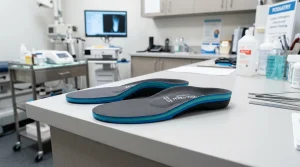
Lastly, wearing appropriate footwear cannot be overstated. Shoes should fit well, providing ample room without being overly tight. Look for options that promote airflow and consider using cushioned insoles for extra support. Avoid walking barefoot, as this can expose your feet to injuries and infections. By incorporating these practices into your daily routine, you significantly enhance your toenail health and overall foot wellness, empowering you to better manage your diabetes and maintain a high quality of life.
Choosing the Right Footwear for Diabetic Well-being
Choosing the right footwear is a vital aspect of diabetic care, particularly in safeguarding toenail health. Did you know that poorly fitting shoes can lead to complications like blisters, calluses, and even infections, which are especially dangerous for those with diabetes? This makes selecting appropriate footwear one of the most important preventive measures to enhance well-being and protect your feet.
When considering shoes, focus on factors such as proper fit, comfort, and support. Look for footwear that offers ample toe room; this is crucial to prevent the toes from being cramped and potentially developing issues like ingrown toenails. Shoes with a wide toe box allow your feet to expand comfortably, reducing pressure on the toenails. Additionally, cushioned soles and arch support help in distributing weight evenly, thus minimizing the risk of developing foot problems.
It’s also essential to choose shoes made of breathable materials. Shoes that allow for airflow help keep feet dry, which is vital as excess moisture can lead to fungal infections. Styles such as sandals and shoes made with mesh or soft leathers can be beneficial. Furthermore, avoid high heels and pointy-toed shoes, which can lead to awkward foot positioning and toenail trauma. Instead, opt for lace-up shoes or those with adjustable straps, which provide a customizable fit and better support.
Incorporate routine inspections of footwear to ensure they remain in good condition. Check for signs of wear, including the inner lining and any rough seams that might cause friction against your feet. Remember, your feet are your foundation; treating them with care, including thoughtful footwear choices, can significantly enhance your overall quality of life as you manage diabetes. Always consult with healthcare professionals for personalized recommendations tailored to your specific needs.
Lifestyle Changes to Support Toenail Health
Maintaining healthy toenails is essential for anyone living with diabetes, as they are often more susceptible to issues stemming from high blood sugar levels and circulation problems. A proactive lifestyle approach can significantly enhance toenail health and reduce the risk of complications. Incorporating specific habits into your daily routine can support not only your toenails but also your overall foot health.
One key aspect of maintaining toenail health is to consistently monitor your blood sugar levels. High blood sugar can lead to nerve damage, which might diminish your ability to notice injuries or infections on your feet. Regularly checking your feet is essential; look for any signs of discoloration, swelling, or abnormalities. Additionally, consider prioritizing a balanced diet rich in nutrients, such as vitamins A, C, D, and E, which can promote overall skin and nail health. Foods like leafy greens, nuts, and fish are excellent choices that can help nourish your nails from the inside out.
Engaging in regular physical activity is also beneficial. Exercise improves circulation, which is crucial for delivering essential nutrients to your toenails. Even simple activities like walking or stretching can enhance blood flow and promote stronger, healthier nails. Alongside this, staying hydrated by drinking plenty of water helps maintain skin elasticity and supports healing.
Furthermore, embracing good nail care practices can prevent many common issues. Trim your toenails regularly, keeping them straight across to avoid ingrown toenails, and avoid cutting them too short. Using moisturizers on your feet can combat dryness and cracking. If you have difficulty reaching your feet, consider purchasing a long-handled nail clipper or enlisting the help of a caregiver. Always remember that adult foot hygiene is paramount; wash your feet daily and dry them carefully, especially between the toes, to prevent fungal infections.
By integrating these lifestyle changes into your routine, you can take significant strides in supporting your toenail health, thus improving your overall quality of life while managing diabetes. Don’t hesitate to reach out to your healthcare team to tailor a personalized plan that works best for you. Their insights can help contextualize your condition while empowering you to maintain the healthiest habits possible.
Best Practices for Diabetic Foot Hygiene
One of the critical ways to prevent complications with toenails for people living with diabetes is through diligent foot hygiene. Diabetes can impair circulation and nerve function, making feet more susceptible to infections and injuries. Regular foot care can mitigate these risks and promote overall health.
Start each day by examining your feet. Look for any signs of cuts, blisters, redness, or swelling. Early detection of potential issues can prevent serious complications. Make it a routine to wash your feet daily with lukewarm water and a mild soap. Pat them dry thoroughly, especially between the toes, to avoid fungal infections. Incorporate a moisturizing lotion, but steer clear of applying it between the toes, as this area can harbor moisture that leads to infections.
It is equally important to keep your toenails properly trimmed. Use sharp nail clippers to cut your nails straight across and file any sharp edges. If you find it challenging to reach your feet, consider using a long-handled nail clipper or seeking help from a family member or podiatrist. Additionally, a foot bath with Epsom salts can soothe tired feet, but ensure that water is not too hot, as you may not feel burns due to neuropathy.
Lastly, invest in appropriate footwear. Shoes should be well-fitted, comfortable, and offer ample support to help prevent blisters and other injuries. Regularly check the insides of your shoes to ensure there are no foreign objects that could cause injury. Encourage a heel-to-toe motion while walking to promote even pressure distribution, further reducing the chance of complications.
By implementing these practices into your daily routine, you can significantly contribute to maintaining your foot health and minimizing the risk of toenail-related issues associated with diabetes. Always consult your healthcare provider for additional guidance tailored to your specific condition.
Work with Healthcare Professionals for Nail Concerns
Regular check-ups and open communication with healthcare professionals are instrumental in managing nail health, especially for individuals with diabetes. With diabetes, the risk of complications increases due to impaired circulation and reduced sensation in the feet and toenails. Becoming proactive about nail care can prevent serious infections or issues that could lead to more severe health problems.
Start by establishing a collaborative relationship with your healthcare team, including your primary care physician, endocrinologist, and possibly a podiatrist. These specialists can provide tailored advice on maintaining toenail health and managing complications effectively. For instance, if you notice discoloration, swelling, or any signs of infection, it’s essential to discuss these symptoms promptly with your healthcare provider. They may recommend specific treatments or refer you to a specialist to address these concerns.
In addition to routine check-ups, consider scheduling regular visits to a podiatrist, who has specific expertise in foot care for diabetic patients. This professional can offer services like therapeutic nail trimming, assessment of foot structure, and guidance on appropriate footwear. Moreover, they can help you recognize signs of fungal infections or other conditions that might threaten your nail integrity.
Also, don’t hesitate to leverage technological advancements in managing your diabetes. Many healthcare providers now offer telehealth options, making it easier to consult with them regarding nail concerns without the need for in-person visits. Overall, active participation in your health care through seamless collaboration with your medical team can significantly enhance your ability to manage toenail health issues associated with diabetes. Remember, addressing nail concerns early is key to preventing further complications, enabling you to lead a healthier and more confident life.
Q&A
Q: What should I do if my toenails are falling off due to diabetes?
A: If your toenails are falling off, it’s crucial to consult a healthcare professional immediately. They can assess your condition and recommend appropriate treatments for underlying issues, such as poor circulation or infection, which are common in diabetics. Maintaining consistent foot care is essential for preventing complications.
Q: How can diabetes affect toenail growth and health?
A: Diabetes can lead to reduced blood flow and nerve damage, which affects toenail growth and health. Elevated blood sugar levels can cause fungal infections or ingrown toenails, increasing the risk of toenail loss. Regular monitoring and foot care are vital to maintaining toenail integrity.
Q: When is it considered an emergency if my toenails are falling off?
A: It is an emergency if you experience severe pain, swelling, redness, or pus around the toenails, especially if you have diabetes. These signs could indicate an infection or other serious complications requiring immediate medical attention to prevent further health issues.
Q: Are there any home remedies for maintaining toenail health in diabetics?
A: Yes, home remedies include regular foot washing, moisturizing feet, and trimming toenails straight across to prevent ingrown nails. Additionally, using antifungal powders or creams can help prevent infections. However, it’s important to consult a healthcare professional before starting any home treatments.
Q: What signs indicate I need to see a doctor for my toenails?
A: You should see a doctor if you observe changes like discoloration, thickening, or painful swelling around your toenails. These could be signs of infections, fungal issues, or complications related to diabetes. Early intervention can prevent serious consequences.
Q: Can poor footwear contribute to toenail problems in diabetics?
A: Yes, wearing ill-fitting or non-supportive footwear can lead to toenail injuries, ingrown nails, and fungal infections, particularly in diabetics. It’s essential to choose the right footwear that provides adequate support and space for the toes to maintain overall foot health.
Q: What lifestyle changes can support toenail health in people with diabetes?
A: Key lifestyle changes include maintaining stable blood sugar levels through diet and exercise, ensuring proper foot hygiene, and regularly inspecting feet for any changes. Incorporating these practices can significantly enhance toenail health and overall well-being in diabetics.
Q: What nutrition tips can help improve toenail health in diabetics?
A: A balanced diet rich in vitamins and minerals such as biotin, zinc, and proteins is crucial for healthy toenails. Foods like leafy greens, nuts, and fish can support nail health. Consult with a nutritionist for a tailored diabetes meal plan that promotes toenail integrity.
In Conclusion
If you or a loved one is living with diabetes, it’s crucial to stay vigilant about symptoms like toenails falling off, which can signify more serious health issues. Remember, proactive management of your diabetes can significantly enhance your quality of life. Explore our in-depth resources on daily diabetes management and dietary considerations to empower your journey. Don’t hesitate to consult a healthcare professional for personalized advice-protection starts with action!
To further support your health, consider signing up for our newsletter for the latest insights and tips on diabetic care products. If you found this information helpful, please share it with others who might benefit and dive into our other articles on nail care and diabetes complications. Your health matters, and staying informed can make all the difference in navigating diabetes successfully.
Get our latest guides, news, and insights highlighted in your Google Search & AI Overviews.