Skip to content
  • Home
  • Equipment
    • Testing Supplies
    • Travel Cases
  • Footwear
    • Diabetic Boots
    • Diabetic Sandals
    • Diabetic Shoes
    • Diabetic Slippers
    • Diabetic Socks
  • Lifestyle
    • Daily Activities
    • Health Monitoring
    • Travel Planning
    • Work Considerations
  • Medical Care
    • Diabetes Specialists
    • Medical Centers
    • Medical Procedures
    • Treatment Options
  • Medical Conditions
    • Diabetic Retinopathy
    • Foot Problems
    • Foot Ulcers
    • Vision Problems
  • Nutrition
    • Diabetic Beverages
    • Diabetic Recipes
    • Diabetic Snacks
    • Foods for Diabetics
    • Restaurant Dining
  • About
Contact

Category: Medical Conditions

Medical Conditions serves as the primary clinical ontology indexing microvascular and macrovascular systemic sequelae resulting from chronic hyperglycemia, intracellular oxidative stress, and endothelial dysfunction in diabetic pathology.

Foundational Pillars
Technical Foundations
Topic Directory
Frequently Asked Questions

Foundational Guides & Core Pillars

Foundational Guide

Diabetic Wound Care: Infection Warning Signs, Healing & First Aid

Clinical research paper reviewing evidence-based diagnosis, pathophysiological mechanisms, and management strategies for medical conditions.

Technical Analysis

Types of Diabetic Wounds: Classification, Stages & Care Guide

Clinical research paper reviewing evidence-based diagnosis, pathophysiological mechanisms, and management strategies for medical conditions.

Practical Methodology

What Does a Diabetic Foot Ulcer Look Like? Warning Signs

Clinical research paper reviewing evidence-based diagnosis, pathophysiological mechanisms, and management strategies for medical conditions.

Comprehensive Reference

Diabetic Ears Ringing: Tinnitus & Blood Sugar Connection

Clinical research paper reviewing evidence-based diagnosis, pathophysiological mechanisms, and management strategies for medical conditions.

Systemic Pathophysiology: Advanced Glycation End-Products, Vascular Triads & Organ Preservation

The systemic complications of diabetes mellitus arise from persistent, long-term cellular exposure to elevated ambient glucose concentrations. Intracellular hyperglycemia saturates standard glycolytic pathways, shunting excess glucose into alternative, biochemically destructive cascades: the aldose reductase polyol pathway, advanced glycation end-product (AGE) cross-linking, protein kinase C (PKC) activation, and the hexosamine flux pathway. These converging metabolic abnormalities trigger massive mitochondrial superoxide overproduction, causing microvascular endothelial apoptosis and chronic systemic inflammation.

The classic microvascular triad—diabetic retinopathy, nephropathy, and distal symmetric polyneuropathy—shares a common anatomical vulnerability within capillary beds characterized by fenestrated pericytes and dense basement membranes. Capillary basement membrane thickening compromises nutrient and oxygen delivery to distal tissues, causing localized cellular hypoxia. In the renal glomerulus, podocyte effacement leads to microalbuminuria, while in peripheral peripheral nerves, microvascular ischemia starves Schwann cells, inducing sensory and motor axonal degeneration.

Macrovascular complications accelerate in parallel, as glycosylated low-density lipoproteins (LDL) penetrate arterial walls, accelerating atherogenesis in coronary, carotid, and peripheral lower-extremity arteries. Modern clinical endocrinology emphasizes comprehensive multifactorial risk reduction: aggressive blood pressure regulation (<130/80 mmHg), targeted statin therapy for lipid stabilization, and individualized HbA1c targets (<7.0% for most adults) to halt microvascular deterioration and preserve organ function.

Disclaimer Notice: This clinical resource synthesizes peer-reviewed endocrinology literature, glycemic indexing benchmarks, and clinical diabetes self-management standards for educational purposes. Always consult a board-certified endocrinologist or primary healthcare provider for individual diagnostic and prescription protocols.

Complication EntityUnderlying Pathological MechanismPrimary Diagnostic BenchmarkEvidence-Based Clinical Protocol
Diabetic RetinopathyRetinal pericyte apoptosis; microaneurysms; VEGF elevationAnnual dilated fundus exam; OCT macular scansIntravitreal anti-VEGF injections; tight glycemic control
Diabetic NephropathyGlomerular basement thickening; podocyte lossUrine Albumin-to-Creatinine Ratio (uACR) >30 mg/gACE inhibitors or ARBs; SGLT2 inhibitor therapy
Peripheral NeuropathyMicrovascular vasa nervorum ischemia; sorbitol toxicity10g Semmes-Weinstein monofilament testingTherapeutic footwear; daily foot exams; neuropathic agents
Peripheral Artery DiseaseAccelerated medial arterial calcification; plaque stenosisAnkle-Brachial Index (ABI) <0.90Cilostazol; supervised exercise; vascular revascularization

Topic Directory & Specialized Workflows

Medical Conditions Clinical Research & Diagnostic Studies

  • Can Diabetics Get Pedicures? Safety Tips & What to Avoid
  • Stucco Keratosis and Diabetes: What This Skin Sign Means
  • Southeast Texas Diabetic Retinopathy: Where to Get Help
  • Stone Oak Diabetic Retinopathy: Premier Eye Care Options
  • Callus and Diabetes: Prevention Tips & Treatment Options
  • Diabetic Nerve Pain Shoes: Relief Options for Neuropathy
  • Podiatrists and Diabetes: Why Foot Care Specialists Matter
  • Optos Diabetic Retinopathy: Advanced Screening Technology
  • Can Alcohol — Induced Diabetes Be Reversed? The Honest Answer
  • Management of Diabetic Foot Ulcers: Proven Treatment Success Stories
  • Diabetic Retinopathy SLC UT: Eye Specialists & Treatment Options
  • Would COPD and Diabetes Qualify for Long Term Disability? Yes!
  • Pre Diabetes Knuckles: Dark Patches Warning Signs Explained
  • Does Mounjaro Lower Blood Sugar in Non Diabetics? Facts
  • Texas Diabetic Retinopathy: Statewide Treatment Directory
  • Pasadena Diabetic Retinopathy: Top Eye Care Specialists
  • Toenails Falling Off Diabetes: Emergency Signs to Watch
  • Can Diabetics Get Laser Eye Surgery? Safety & Success Guide
  • FlyCare Diabetic Cream: Foot Care Solution for Daily Use
  • Discolored Toenails Diabetes: Warning Signs & Treatment
  • Types of Diabetic Wounds: Recognize Danger Signs Early
  • Feline Diabetes and Vomiting: Cat Care Emergency Guide
  • Can an Eye Doctor Detect Diabetes? What Your Eyes Reveal
  • Diabetic Nail Care Near Me: Find Professional Foot Care
  • Best Diabetic Pedicure Near Me: Safe Foot Care Locations
  • Shoes for Diabetics with Neuropathy: Pain Relief & Protection
  • Blister Early Stage Diabetic Foot Ulcer: Recognition & Care
  • Vision Problems from Diabetes Idaho Falls: Local Eye Care
  • Early Stage Diabetic Leg Ulcers: Prevent & Treat Fast
  • Can a Diabetic Use Epsom Salt? Foot Soak Safety & Warnings
  • Ingrown Toenail Diabetes: Prevention & Safe Treatment Tips
  • Livingston Diabetic Retinopathy: Best Specialists Near You
  • Diabetic Slippers for Swollen Feet: Relief & Support
  • Shoes for Diabetics with Amputated Toes: Comfort Solutions
  • Gold Bond Diabetic Hand Cream: Moisturizing Review & Benefits
  • My Husband is Type 2 Diabetes Can I Get Pregnant? Facts
  • Epsom Salt and Diabetes: Foot Soak Benefits & Safety Warnings
  • Why Diabetics Can’t Use Epsom Salt: Hidden Foot Care Risks
  • New Braunfels Diabetic Retinopathy: Expert Care Options
  • VA Disability Rating Diabetes Secondary Sleep Apnea: Guide
  • Abscess in Diabetics: Warning Signs & Emergency Treatment
  • Texas Diabetic Retinopathy Treatment: Find Your Local Hero
  • Diabetic Neuropathy Disability Score SSDI: Durham NC Claims Guide
  • Venous Ulcer vs Diabetic Ulcer: Spot the Critical Signs
  • Best Insoles for Diabetic Neuropathy: Pain Relief That Works
  • Cvreoz Diabetic Cream: Does This Foot Care Product Work?

Medical Conditions Clinical Protocols & Treatment Guides

  • Can Diabetics Have Lasik Eye Surgery? Vision Correction Safety
  • VA Disability Diabetes: How to File & Maximize Your Benefits
  • Diabetic Toe Nails: Warning Signs & Professional Care Tips
  • VA Recognize High Blood Pressure Cause Diabetes: What Veterans Need
  • Early Stage Diabetic Foot Ulcer on Toe: Warning Signs
  • Should Diabetics Have Pedicures? Safe Foot Care Guidelines
  • Lavior Diabetic Wound Gel: Fast Healing Solutions
  • Where to Get Pedicures for Diabetics: Safe Salon Guidelines
  • Late Stage Diabetes in Cats: Warning Signs & Care Guide
  • Diabetic Nail Salon Near Me: Safe Pedicure Locations & Red Flags
  • Diabetic Retinopathy Self — Care: Protect Your Vision Daily
  • Is Falling Asleep After Eating a Sign of Diabetes? Warning Signs

Frequently Asked Questions: Medical Conditions

What is the primary cellular cause of long-term diabetic complications?

Chronic hyperglycemia leads to the formation of Advanced Glycation End-Products (AGEs) and mitochondrial superoxide stress, which damage the delicate endothelial lining of blood vessels throughout the body.

Why is microalbuminuria considered an early warning sign of kidney disease in diabetics?

Microalbuminuria occurs when damaged glomerular filtration barriers begin leaking small amounts of albumin protein into the urine, signaling early nephropathy years before serum creatinine rises.

How often should individuals with diabetes undergo comprehensive complication screening?

Clinical guidelines mandate annual dilated eye examinations, annual urine microalbumin and eGFR tests, annual comprehensive sensory foot evaluations, and regular cardiovascular risk profiling.

Can diabetic microvascular complications be arrested or reversed once detected?

Early-stage complications—such as mild non-proliferative retinopathy or early microalbuminuria—can often be stabilized or significantly slowed through intensive glycemic management, blood pressure control, and targeted pharmacotherapy.

Podiatrists and Diabetes: Why Foot Care Specialists Matter

Podiatrists and Diabetes: Why Foot Care Specialists Matter

Discover why podiatrists are crucial for diabetes management! Learn how expert foot care prevents complications and enhances your quality of life. Get informed today!

Optos Diabetic Retinopathy: Advanced Screening Technology
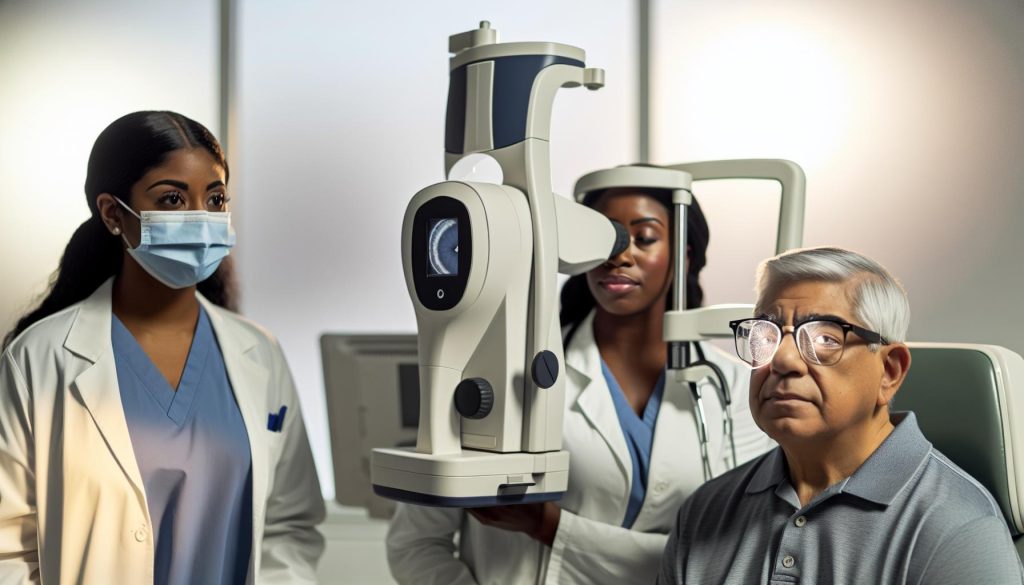
Optos Diabetic Retinopathy: Advanced Screening Technology

Unlock advanced screening technology for diabetic retinopathy. Discover how Optos can enhance eye care and protect your vision-learn more now!

Can Alcohol-Induced Diabetes Be Reversed? The Honest Answer

Can Alcohol-Induced Diabetes Be Reversed? The Honest Answer

Wondering if alcohol-induced diabetes can be reversed? Discover actionable strategies to reclaim your health and regain control. Learn more now!

Management of Diabetic Foot Ulcers: Proven Treatment Success Stories

Management of Diabetic Foot Ulcers: Proven Treatment Success Stories

Learn effective management strategies for diabetic foot ulcers. Discover proven success stories that empower your healing journey. Don’t wait-get informed today!

Diabetic Retinopathy SLC UT: Eye Specialists & Treatment Options

Diabetic Retinopathy SLC UT: Eye Specialists & Treatment Options

Discover effective treatments for Diabetic Retinopathy in SLC, UT. Learn how our eye specialists can help you manage your vision health today!

Would COPD and Diabetes Qualify for Long Term Disability? Yes!

Would COPD and Diabetes Qualify for Long Term Disability? Yes!

Discover if COPD and diabetes qualify for long-term disability! Learn how to secure the support you deserve. Don’t miss out-get essential insights now!

Pre Diabetes Knuckles: Dark Patches Warning Signs Explained

Pre Diabetes Knuckles: Dark Patches Warning Signs Explained

Discover the surprising link between pre-diabetes and dark knuckles. Learn the warning signs and take charge of your health today! Don’t ignore these crucial signals.

Does Mounjaro Lower Blood Sugar in Non Diabetics? Facts

Does Mounjaro Lower Blood Sugar in Non Diabetics? Facts

Discover if Mounjaro lowers blood sugar in non-diabetics! Uncover surprising facts and learn how it could impact your health. Click to find out more!

Texas Diabetic Retinopathy: Statewide Treatment Directory

Texas Diabetic Retinopathy: Statewide Treatment Directory

Discover vital resources in the Texas Diabetic Retinopathy: Statewide Treatment Directory. Find expert care, support, and solutions-empower your vision today!

Pasadena Diabetic Retinopathy: Top Eye Care Specialists

Pasadena Diabetic Retinopathy: Top Eye Care Specialists

Unlock your vision health! Discover Pasadena’s top eye care specialists for diabetic retinopathy. Get expert help today and see life more clearly!

← Previous
Next →

Stay informed with the latest insights and tips tailored for those living with diabetes. Explore solutions and resources designed to support you in your daily journey.

  • Homepage
  • Blog
  • About
  • FAQ
  • Contact
  • Privacy Policy
  • Homepage
  • Blog
  • About
  • FAQ
  • Contact
  • Privacy Policy

© 2024 Interconnect-Diabetes.eu. All rights reserved.

Facebook X-twitter Instagram
AI Editorial Policy