Did you know that nearly one in five people with diabetes will develop a foot ulcer at some point in their lives? Early stage diabetic leg ulcers can lead to significant complications if not addressed promptly, making it crucial for those living with diabetes to prioritize prevention and care. Understanding the symptoms and treatment options available can empower you to take control of your health and maintain your mobility. In this article, we explore practical strategies for preventing these ulcers and effective treatments to promote healing. Whether you’re managing diabetes yourself or supporting a loved one, gaining insights into diabetic leg ulcers will equip you with the knowledge to navigate this common yet often overlooked complication. Your proactive approach can lead to better outcomes and ultimately enhance quality of life. Read on to discover valuable tips and techniques for prevention and swift treatment.
Understand Early Stage Diabetic Leg Ulcers
Understanding early-stage diabetic leg ulcers is crucial for those managing diabetes, as these wounds can lead to serious complications if not addressed promptly. Diabetic leg ulcers often arise due to a combination of factors including poor circulation, neuropathy, and high blood sugar levels, which can impair wound healing. In fact, studies indicate that people with diabetes are at a higher risk for developing foot ulcers, making awareness and prevention essential to maintaining overall health.
At the onset, early-stage diabetic leg ulcers may appear as small blisters or sores, typically located on pressure points like the toes, heels, or other areas subjected to friction. It’s important to monitor any changes in skin color, temperature, or sensation, as these could indicate a developing ulcer. Recognizing these signs early allows for quicker intervention, reducing the chances of more severe issues such as infection or even amputation.
To support effective healing, maintaining optimal blood sugar levels is critical. This involves adhering to prescribed diabetes management plans, including regular monitoring, medication, and lifestyle adjustments. Furthermore, appropriate foot care is fundamental; keeping feet clean and dry, properly trimming toenails, and wearing well-fitted shoes can significantly reduce the risk of ulcers developing.
Involving healthcare professionals in your care plan is vital. Regular check-ups with your doctor or a certified diabetes educator can ensure that any early signs of ulcers are promptly identified and treated. Remember, managing diabetes is a team effort, and having a strong support system can facilitate better adherence to care recommendations while promoting a more active role in personal health management.
Recognizing the Symptoms of Leg Ulcers
Detecting the early symptoms of diabetic leg ulcers is paramount, as timely intervention can significantly mitigate complications and promote effective healing. One striking fact is that individuals with diabetes are more susceptible to ulcers due to factors like neuropathy, which can diminish their ability to feel pain or discomfort. This can lead to injuries going unnoticed until they escalate into serious conditions. Knowing how to recognize the initial signs of leg ulcers can empower individuals in managing their health effectively.
Initially, early-stage diabetic leg ulcers may manifest as subtle changes in the skin’s appearance, often resembling small blisters or sores. Pay special attention to pressure points, such as the toes and heels, where friction is more likely to occur. Other indicators include:
- Skin Color Changes: Look for dark blue or purple patches, which can signal impaired circulation.
- Unusual Warmth or Coolness: A difference in temperature compared to surrounding areas can indicate reduced blood flow.
- Persistent Redness or Swelling: Inflammation may suggest an underlying issue requiring immediate attention.
- Cracked or Dry Skin: This condition can lead to openings that serve as entry points for infection.
Vigilance is critical. Regularly examining your feet and legs, especially if you have diabetes, will help identify these signs early. A self-examination routine can be beneficial-consider doing this daily or at least several times a week. If any of these symptoms are noted, it’s essential to consult a healthcare professional without delay. Engaging in proactive dialogue with your doctor about any changes not only fosters a partnership in care but can also equip you with strategies to manage and reduce the risk of developing leg ulcers. Remember, staying informed and alert can make all the difference in your diabetes management journey.
Effective Prevention Strategies for Diabetic Ulcers
Taking proactive steps to prevent diabetic leg ulcers is crucial for individuals managing diabetes. An impactful strategy is to maintain good blood sugar control, as high glucose levels can impede circulation and delay healing. Monitoring blood glucose regularly and maintaining it within target ranges can significantly reduce the risk of complications, including ulcers. Partnering with healthcare providers to create a personalized management plan is essential.
In addition to blood sugar management, regular foot care plays a critical role in ulcer prevention. This includes daily inspections of the feet for any signs of cuts, blisters, or changes in skin color. Keeping the feet clean and moisturized can prevent cracked skin, which may serve as entry points for infections. Wearing appropriate footwear that is well-fitted and supportive also minimizes friction and pressure on vulnerable areas of the feet, thereby reducing the risk of ulcer formation.
Moreover, engaging in consistent physical activity can improve circulation and overall health. Simple exercises, tailored to individual abilities, enhance blood flow to the extremities, helping to prevent complications. It’s also vital to educate oneself and family members about recognizing risk factors and early signs of ulcers. Utilizing resources from diabetes education programs or support groups can provide valuable insights and encourage healthy habits within the household.
Lastly, nutritional choices significantly impact healing and prevention. A balanced diet rich in whole grains, lean proteins, healthy fats, and plenty of fruits and vegetables can support overall health. Foods high in antioxidants and anti-inflammatory properties can also contribute to skin health. For those managing diabetes, working with a registered dietitian can help establish a dietary plan that supports both blood sugar control and skin integrity.
Incorporating these strategies into daily routines not only enhances prevention efforts but also fosters a more holistic approach to managing diabetes and maintaining overall well-being.
Top Treatments for Early Stage Ulcers
Proper treatment of early-stage diabetic leg ulcers is not just about addressing the immediate concern, but also about preventing complications that could lead to serious health issues. Once an ulcer is identified, timely and appropriate interventions play a pivotal role in fostering healing and reducing the risk of progression. Treatment typically involves multilayered strategies focused on wound care, infection control, and promoting healthy tissue regeneration.
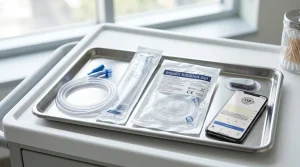
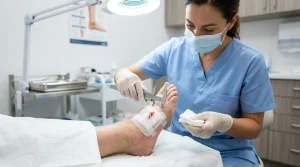
To start, wound care is foundational to treatment. This includes regular cleaning of the ulcer with saline solutions or appropriate antiseptics to remove debris and promote a clean environment for healing. Utilizing advanced dressings, such as hydrocolloids or hydrogels, can help maintain a moist wound environment, which is crucial for tissue regeneration. These dressings not only protect the ulcer from external contaminants but also facilitate the natural healing process by preventing the wound from drying out.
Another vital aspect of management is infection control. Diabetic individuals are at a heightened risk for infections, thus close monitoring is essential. If signs of infection such as increased redness, swelling, or discharge develop, timely antimicrobial treatment may be required. This can include topical antibiotics or, in more severe cases, systemic antibiotics as prescribed by a healthcare provider.
Advanced Therapies
In addition to standard care practices, innovative therapies can significantly elevate treatment efficacy. For instance, negative pressure wound therapy (NPWT) has emerged as a beneficial option, applying controlled suction to promote circulation and encourage tissue granulation. Additionally, bioengineered skin substitutes can be employed for larger or non-healing wounds, providing a scaffold for tissue ingrowth and accelerating the repair process.
It’s crucial, however, to consult with a healthcare professional before embarking on any treatment plan. They can provide insights tailored to individual health circumstances, considering factors such as diabetes control and potential comorbidities. The earlier a diabetic leg ulcer is addressed, the better the chances for successful healing while minimizing the risk of adverse outcomes.
By understanding these treatment modalities and staying proactive in management, individuals can significantly improve their healing process and enhance their overall quality of life. Always remember, every step counts in the journey toward optimal health and healing, and support from healthcare professionals is invaluable in navigating the complexities of diabetic care.
Lifestyle Modifications for Better Healing
In the journey toward healing early-stage diabetic leg ulcers, embracing specific lifestyle modifications can be transformative. Effective management of diabetes not only helps in controlling blood sugar levels but also significantly impacts the body’s capacity to heal. For individuals living with diabetes, the challenge often lies in balancing effective self-care with treatment protocols, but small changes can lead to substantial improvements in healing outcomes.
A proactive approach to lifestyle changes starts with regular physical activity. Engaging in moderate exercise, such as walking or swimming, can improve circulation, which is vital for promoting blood flow to areas impacted by ulcers. This enhanced circulation aids in delivering oxygen and nutrients necessary for tissue repair. Incorporating a routine that includes gentle stretching or yoga can also prevent stiffness and promote flexibility, making daily movements easier and reducing the strain on affected legs.
Another key aspect is meticulous foot care. Individuals with diabetes should inspect their feet daily for any signs of irritation or injury, as early detection is crucial for preventing complications. Using soft, well-fitting shoes can help reduce pressure on vulnerable areas, minimizing the risk of developing ulcers. Furthermore, keeping feet clean and moisturized can prevent cracks and dryness that may lead to greater issues. It’s important to always consult with a healthcare professional or a podiatrist for personalized recommendations on foot care routines.
Nutrition also plays a pivotal role in recovery. A balanced diet rich in vitamins and minerals can significantly enhance the healing process. Key nutrients to focus on include:
- Vitamin C: Supports collagen production and is crucial for wound healing.
- Zinc: Plays a vital role in tissue repair.
- Protein: Necessary for the overall healing and regeneration of tissues.
In addition to these nutrients, maintaining stable blood sugar levels through mindful eating helps reduce the risk of infections, which can complicate the healing process. Consulting with a registered dietitian can provide tailored guidance on meal planning that supports optimal recovery and overall diabetes management.
Building a robust support system is equally important. Emotional well-being and social support can enhance motivation and adherence to healthy behaviors. Whether it’s joining a diabetes support group or simply reaching out to family and friends, having a network that understands the challenges of managing diabetes can be instrumental in maintaining a positive outlook and staying committed to lifestyle changes.
These combined lifestyle modifications not only support the healing of diabetic leg ulcers but also empower individuals to take control of their health. By actively engaging in self-care, consulting healthcare professionals, and making informed choices, those living with diabetes can foster faster recovery, making a meaningful difference in their overall quality of life.
The Importance of Foot Care in Diabetes
Regular foot care is an essential aspect of diabetes management, particularly for preventing complications such as diabetic leg ulcers. Did you know that approximately 15% of individuals with diabetes will experience a foot ulcer in their lifetime? This staggering statistic highlights the importance of daily vigilance in foot health. The high sugar levels associated with diabetes can lead to nerve damage (neuropathy), diminishing the ability to feel pain or discomfort, which makes foot injuries harder to detect. Simple practices can help mitigate this risk and promote better healing if issues do arise.
A crucial part of foot care involves conducting daily inspections of your feet. Look for any cuts, blisters, redness, or swelling. If you notice any abnormalities, it’s vital to seek medical advice promptly. In addition to daily checks, those with diabetes should prioritize wearing appropriate footwear. Shoes that fit well, provide adequate cushioning, and have breathable material can greatly reduce the risk of friction and pressure that contribute to ulcer formation. Avoid going barefoot to protect your feet from injuries and infections.
Moisturization and Hygiene
Maintaining proper hygiene and moisture levels is equally important. Wash your feet daily with mild soap and warm water, then dry them thoroughly, especially between the toes. Keeping feet moisturized prevents dryness and cracking, which can create entry points for infection. However, it’s essential to avoid applying lotion between the toes, as excess moisture in that area can lead to fungal infections.
Regular Health Consultations
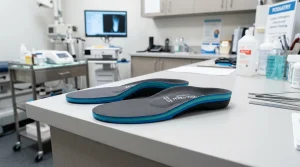
Moreover, consult with healthcare professionals regularly for foot check-ups. Podiatrists specifically understand the nuances of diabetic foot care and can provide tailored advice, recommend suitable footwear, and address any abnormalities effectively. In some cases, they might suggest custom orthotics that can help distribute weight evenly across your foot, reducing pressure points.
By incorporating these foot care practices into daily routines, individuals with diabetes can significantly lower their risk of developing complications like leg ulcers. Each step taken toward meticulous foot care not only supports overall health but also empowers those managing diabetes to engage actively in their healing journey.
Nutritional Choices that Support Recovery
Eating the right foods can have a powerful impact on recovery from early-stage diabetic leg ulcers, as nutrition plays a vital role in healing and maintaining overall health. Did you know that certain nutrients can help reduce inflammation, increase blood flow, and facilitate tissue repair? By prioritizing specific dietary choices, individuals managing diabetes can support their recovery journey and potentially prevent further complications.
Essential nutrients like protein, vitamins, and minerals are crucial for healing. Foods rich in protein, such as lean meats, fish, eggs, dairy products, and plant-based options like beans and lentils, help in tissue healing and immune function. Aim for a variety of colors on your plate by incorporating fruits and vegetables, which provide vital vitamins and antioxidants. Berries, citrus fruits, leafy greens, and bell peppers can reduce inflammation and improve circulation-key factors for facilitating recovery from ulcers. Additionally, healthy fats found in nuts, seeds, and avocados can also play a role in reducing inflammation.
Moreover, it’s important to manage blood sugar levels through nutrient-dense, low-glycemic foods. This involves choosing whole grains like quinoa and brown rice over refined carbohydrates, which can cause spikes in blood glucose. High-fiber foods such as fruits, vegetables, and legumes can also help improve glycemic control, thereby contributing to overall health and recovery. Staying hydrated is equally crucial, as proper fluid intake supports circulation and the healing process.
While it can be overwhelming, making gradual changes to your dietary habits can lead to significant benefits. Consider meal prepping to ensure you have healthy options readily available. Engaging your family in these practices not only offers support but can also help instill lifelong healthy eating habits. Remember, consulting with a registered dietitian can provide personalized meal plans that cater to your individual needs and promote effective recovery from leg ulcers while managing diabetes effectively.
When to Consult a Healthcare Professional
Recognizing the right moment to reach out to a healthcare professional is crucial for individuals managing early-stage diabetic leg ulcers. When faced with potential complications, prompt medical attention can significantly affect recovery outcomes. Diabetic patients should be vigilant about changes in their health, especially regarding their feet and legs, as these areas are particularly vulnerable due to poor circulation and neuropathy associated with diabetes.
If you notice any of the following symptoms, it’s essential to consult a healthcare professional immediately:
- Persistent redness or swelling around an ulcer
- Increased pain or tenderness in the affected area
- Formation of new sores or ulcers
- Changes in skin color or temperature near the ulcer
- Unpleasant odor or discharge from the sore
Taking action quickly can prevent the worsening of a leg ulcer or the development of infections, which can lead to more serious complications, including the risk of amputation. It’s also important to check in with healthcare providers if blood sugar levels remain consistently high, as this can impede healing and increase the likelihood of complications.
Besides immediate concerns, regular check-ups with a healthcare professional are essential for ongoing management. Collaborating with specialists, such as endocrinologists, wound care nurses, and nutritionists, can provide a comprehensive approach to managing diabetes and its associated complications. These professionals can offer tailored advice, effective treatment strategies, and educational resources, empowering individuals to take an active role in their health and wellness journey.
Remember, early intervention is key in managing diabetic leg ulcers, so don’t hesitate to reach out to your healthcare provider if you notice anything unusual. Your proactive approach will not only aid in healing but significantly enhance your overall quality of life as you navigate the challenges of diabetes management.
Innovative Therapies for Leg Ulcer Management
Innovative approaches in the management of early-stage diabetic leg ulcers can significantly enhance healing outcomes and improve quality of life for individuals living with diabetes. As the field of wound care continues to evolve, new therapies are emerging that focus not only on treating ulcers but also on addressing the underlying conditions that contribute to their development.
One of the cutting-edge treatments gaining traction is the use of bioengineered skin substitutes, which are designed to promote faster healing by providing a scaffold for new tissue growth. These substitutes encourage cellular migration and proliferation, effectively mimicking the natural skin structure. In addition, they can help regulate moisture levels and protect the wound from infection. Patients often find that integrating these substitutes into their treatment regimen leads to improved responses compared to traditional dressings.
Moreover, negative pressure wound therapy (NPWT) has shown great promise in managing diabetic ulcers. This method involves applying a vacuum through a sealed dressing, which helps to draw out fluid and exudate while promoting blood flow to the site of the ulcer. The controlled environment created by NPWT also supports the formation of granulation tissue, which is vital for healing. Many patients experience a reduction in healing time and an enhancement in overall wound condition with this method.
Incorporating advanced antimicrobial agents has also revolutionized ulcer management. These agents can be incorporated into dressings and ointments to combat infection risk, which is particularly important for those with diabetes due to their vulnerability to complications. For example, silver-coated dressings have been shown to be effective in reducing bioburden and supporting the healing process.
Finally, don’t overlook the potential of nutritional supplements in your management plan. Essential nutrients such as omega-3 fatty acids, zinc, and vitamins C and E play a crucial role in skin health and wound healing. Discussing these options with a healthcare provider can pave the way for tailored nutritional support that aligns with your specific needs.
By actively engaging with these innovative therapies, individuals managing early-stage diabetic leg ulcers can take decisive steps toward recovery. Collaborating closely with healthcare professionals ensures a comprehensive care strategy that addresses both ulcer treatment and the overall management of diabetes, aiming for the best possible long-term outcomes.
Building a Support System for Healing
Building a robust support system is crucial for individuals managing early-stage diabetic leg ulcers, as healing involves more than just physical treatment-it encompasses emotional, psychological, and social dimensions as well. Engaging family, friends, and healthcare professionals creates a network that provides encouragement and resources, fostering a sense of community and shared experience. This network can help alleviate the feelings of isolation that often accompany managing a chronic condition, such as diabetes.
Firstly, reaching out to family members can provide not only emotional support but also practical assistance in daily management. Encourage family to participate in care routines, such as monitoring the ulcer and adhering to treatment plans. Having someone help with meal planning or accompany you to medical appointments can ease the burden and ensure that you remain informed and engaged in your own care.
Community Connections
In addition to familial support, consider joining community groups or online forums focused on diabetes management. These spaces provide an avenue for sharing experiences, tips, and encouragement. Engaging with others who understand the challenges of living with diabetes can empower you to take charge of your health and find comfort in knowing that you are not alone. Numerous organizations offer resources and networking opportunities specifically tailored for those with diabetes.
Professional Guidance
Collaboration with healthcare professionals is paramount. Your medical team can provide guidance on managing the ulcer and general diabetes care, including diet, medication, and lifestyle adjustments. Don’t hesitate to reach out to specialists, such as wound care therapists, dietitians, and diabetes educators, who can offer personalized recommendations and support. These professionals can help establish a comprehensive care plan that addresses not only the ulcer but also other aspects of your diabetes management.
In summary, building a support system involves active communication and collaboration with family, community members, and healthcare providers. By harnessing these resources, individuals with early-stage diabetic leg ulcers can create a holistic environment that promotes healing and well-being, reinforcing the importance of proactive management in achieving the best possible health outcomes.
Resources for Diabetic Wound Care Education
Effective education and awareness about diabetic wound care can significantly enhance healing and prevent complications associated with leg ulcers. Understanding proper wound care techniques, recognizing signs of infection, and knowing when to seek help are all vital for successfully managing early-stage diabetic ulcers. Empower yourself with knowledge through credible resources that cater specifically to diabetes management.
To aid in your journey, consider accessing a variety of educational materials available online and through healthcare systems. Resources such as the American Diabetes Association provide comprehensive guidelines on managing diabetes, including a section dedicated to wound care. This site can offer helpful insights into the nuances of diabetic foot care, including how to properly clean and dress wounds, manage blood sugar levels, and maintain healthy feet overall.
Joining local support groups or online communities can also serve as invaluable resources. These platforms allow individuals to share their experiences and strategies for managing diabetic ulcers effectively. Websites such as Diabetes.co.uk and forums on Healthline can connect you with persons encountering similar challenges, fostering a sense of shared knowledge and community support.
It’s also prudent to consult with healthcare professionals to tailor wound care education to your specific situation. Diabetes educators, wound care specialists, and dietitians can provide personalized advice, helping you establish a comprehensive care plan that encompasses your nutritional needs, lifestyle adjustments, and medical requirements. For instance, engaging a dietitian can help you learn about foods that promote healing and reduce inflammation, while regular consultations with a podiatrist can ensure proactive foot care.
By utilizing these resources, connecting with others facing similar challenges, and collaborating with healthcare providers, you’ll be better equipped to manage early-stage diabetic leg ulcers, enhance your recovery, and improve your overall well-being.
Faq
Q: What are the early signs of diabetic leg ulcers?
A: Early signs of diabetic leg ulcers include persistent redness, swelling, or warmth in the affected area. Additionally, patients may notice changes in skin texture or color and increased pain. Keeping an eye on foot health is crucial; if you notice these signs, consider consulting a healthcare professional promptly.
Q: How can I improve blood circulation to prevent ulcers?
A: Improving blood circulation involves regular physical activity, such as walking or leg exercises, which enhances blood flow. Staying well-hydrated and maintaining a balanced diet rich in omega-3 fatty acids can also support vascular health. For specific exercises, refer to the “Effective Prevention Strategies for Diabetic Ulcers” section of our article.
Q: Why is moisture control important for diabetic ulcers?
A: Moisture control is vital as excessive moisture can lead to skin breakdown, while too little moisture can cause dryness and cracking. Use moisture-wicking materials for clothing and keep the skin well-hydrated with appropriate moisturizers to maintain skin integrity and prevent ulcer formation.
Q: When should I change my dressing for a diabetic ulcer?
A: Dressings for diabetic ulcers should be changed whenever they become wet, soiled, or as directed by a healthcare provider. Regular dressing changes help prevent infection, promote healing, and maintain a clean wound environment. Refer to the “Top Treatments for Early Stage Ulcers” for detailed guidance.
Q: What role does nutrition play in healing diabetic ulcers?
A: Nutrition plays a crucial role in healing diabetic ulcers. A diet rich in vitamins C and E, zinc, and proteins aids in tissue repair and immune function. Consider consulting a registered dietitian for personalized dietary plans that support recovery, as highlighted in our “Nutritional Choices that Support Recovery” section.
Q: What alternative therapies are available for leg ulcer management?
A: Alternative therapies for managing leg ulcers include hyperbaric oxygen therapy, sustained-release dressings, and advanced wound care products. Some patients find benefits in complementary practices like acupuncture or mindfulness techniques. For more innovative approaches, explore the “Innovative Therapies for Leg Ulcer Management” section.
Q: How can I best monitor ulcer healing progress at home?
A: To monitor healing progress, regularly inspect the ulcer for changes in size, color, and odor. Keep a journal documenting daily observations and any changes. Sharing this information with your healthcare provider enhances treatment effectiveness. For tips, see “Recognizing the Symptoms of Leg Ulcers” in our guide.
Q: Is it normal for diabetic leg ulcers to take a long time to heal?
A: Yes, it is common for diabetic leg ulcers to take longer to heal due to factors like reduced blood flow and underlying health issues. Consistent care, appropriate treatments, and lifestyle modifications can significantly support the healing process. For more details, check our “Lifestyle Modifications for Better Healing.”
Insights and Conclusions
Taking proactive steps to prevent and treat early-stage diabetic leg ulcers is crucial for maintaining your overall health and well-being. By staying informed and taking action, you can significantly reduce risks and enhance healing. Don’t wait-if you notice any signs of ulcers, consult a healthcare professional immediately for personalized guidance.
For more insights into managing diabetes effectively, explore our articles on daily management strategies and food choices that support your journey. Additionally, consider signing up for our newsletter to receive valuable tips straight to your inbox. Remember, every decision you make today brings you closer to a healthier future. Share your thoughts and join our community-your experience could inspire others facing similar challenges!
Get our latest guides, news, and insights highlighted in your Google Search & AI Overviews.