Did you know that even minor injuries can escalate into serious complications for individuals with diabetes? Early-stage diabetic foot ulcers, particularly on the toes, are warning signs that should not be ignored. Recognizing the subtle indicators of these ulcers can make a crucial difference in your healing journey and overall foot health. Many people living with diabetes may feel overwhelmed by managing foot care, but understanding the early symptoms can empower you to take action before problems worsen. This article will guide you through the key warning signs of early-stage diabetic foot ulcers, enabling you to safeguard your feet and maintain an active lifestyle. Stay informed and proactive in your diabetes management to enjoy a healthier, more fulfilling life.
Understanding Diabetic Foot Ulcers: Basics You Need to Know
Diabetic foot ulcers can develop quietly but can lead to severe complications if not detected early. In individuals with diabetes, especially those with neuropathy or poor circulation, even minor injuries may go unnoticed, evolving into ulcers that present a risk for infection and more serious health issues. Understanding the basics of these ulcers is crucial for effective management and to minimize the potential for more significant problems.
Foot ulcers in diabetic patients typically result from a combination of factors, such as pressure, injury, and nerve damage that diminishes sensation. When the skin is broken, it becomes more susceptible to infections that can escalate rapidly. It’s vital for individuals with diabetes to examine their feet regularly and be aware of any changes in skin integrity. The Ulceration may not always be immediately visible; sometimes, underlying tissues become damaged before any outer signs appear. Frequent self-checks can lead to early intervention, which is key to successful treatment outcomes.
Prevention is always better than treatment, and understanding how to manage risk factors can significantly decrease the likelihood of ulcers forming. Regular visits to a healthcare professional are essential for comprehensive foot care. This can include podiatrist consultations who specialize in diabetic foot health. They can provide tailored advice on daily foot care routines, proper footwear, and lifestyle adjustments that support overall foot health. Empowering oneself with knowledge around the signs and symptoms of diabetic foot ulcers is a transformative step in diabetes management and offers peace of mind in daily routines.
Common Causes of Early Stage Foot Ulcers

Diabetic foot ulcers often begin as small injuries that are unnoticed due to nerve damage. Understanding what commonly leads to these early-stage foot ulcers can empower you to take proactive steps in your foot care routine. Factors such as diabetes-related neuropathy, decreased blood flow, and improper footwear play crucial roles in the development of these ulcers, particularly on the toes, where pressure points are significant.
One of the main culprits for early-stage foot ulcers is neuropathy, a common complication of diabetes that results in nerve damage and loss of sensation. This can cause individuals to overlook minor injuries like cuts or blisters. Without proper sensation, a small pebble in a shoe or a blister that develops might go unnoticed, leading to further trauma and ulceration. Regular self-examinations are essential in catching these injuries before they escalate. Individuals should also inspect their shoes for any objects that could cause harm.
Another critical factor is poor circulation, which is prevalent among those with diabetes. Reduced blood flow can hinder healing processes, meaning even minor injuries can progress more rapidly and result in ulcers. Ensuring good management of blood sugar levels and seeking medical advice to improve circulation can be beneficial not only for foot health but for overall diabetic management.
In addition, improper footwear can inflict pressure points, particularly in areas like the toes. Shoes that are too tight or create friction can cause skin breakdown, resulting in ulcer formation. It’s important for individuals with diabetes to invest in well-fitting shoes that provide ample cushion and support, ensuring that their feet are protected throughout the day.
To mitigate these risks, it’s essential to adopt a comprehensive foot care regime that includes daily inspections, proper shoe choices, and regular consultations with healthcare providers. Emphasizing these factors can make a significant difference in preventing the occurrence of diabetic foot ulcers and maintaining overall foot health in diabetic individuals.
Recognizing Warning Signs of Diabetic Foot Ulcers

Recognizing the subtle but significant warning signs of diabetic foot ulcers is crucial for preventing serious complications. Many individuals with diabetes experience nerve damage, often resulting in diminished sensation in the feet. This lack of feeling can make it challenging to notice early signs of problems, such as cuts or blisters that can lead to ulcers if left untreated. Being proactive and vigilant can make a world of difference in your foot care routine.
Key signs to watch for include redness or swelling in the areas of the toes and feet, which may indicate irritation or the beginning stages of an ulcer. Changes in the skin’s texture, such as a shiny appearance or thickened skin, can also signal potential issues. Moreover, if you notice blisters, calluses, or corns forming, it’s essential to address these problems immediately. Regular self-examinations are vital; set aside a few moments each day to inspect both feet thoroughly. Pay close attention to all areas, particularly between the toes and under the feet where injuries may be hidden.
Another warning sign is a persistent lingering wound that does not heal within a reasonable timeframe, indicating potential complications that may need medical attention. A helpful practice is to use a mirror for a clearer view of hard-to-see areas, or ask for assistance from a family member or caregiver. Remember, if you notice any changes or experience discomfort, consulting a healthcare professional is essential-early intervention can prevent the escalation of foot injuries and ultimately protect your mobility and quality of life.
Taking time to recognize these early indicators not only empowers you in managing your diabetes but also promotes a proactive approach toward maintaining foot health. By understanding and acting on these warning signs, you can significantly reduce the risk of developing diabetic foot ulcers and enjoy a better quality of life.
The Importance of Early Detection for Diabetic Foot Care

Recognizing the early signs of diabetic foot ulcers can significantly alter the course of treatment and recovery. In fact, studies indicate that nearly 85% of lower limb amputations among individuals with diabetes are preceded by foot ulcers. This startling statistic underscores the need for early detection and proactive foot care practices. A simple daily routine of self-examination can empower you to identify issues before they escalate into serious complications.
Early detection offers a crucial window for intervention. When you notice early signs such as redness, swelling, or unusual textures on the skin of your feet or toes, swift action can prevent further deterioration. For instance, addressing a small blister or minor cut right away can halt its progression into a larger, ulcerated wound. Regular foot checks combined with keeping your feet clean and dry create an environment where ulcers are less likely to develop.
Additionally, engaging a healthcare provider early on can enhance preventive measures tailored to your specific health needs. Your doctor can recommend personalized care strategies, including specialized footwear or routine foot exams. Collaborating with healthcare professionals provides you with the expertise to manage your diabetes effectively, ensuring that your foot health remains a priority.
Incorporating the practice of early detection not only protects your feet but also enhances your overall quality of life. By being vigilant and proactive, you can maintain mobility and independence, making a significant difference in how you live with diabetes. Don’t hesitate to seek help or guidance when needed; every small step you take in safeguarding your foot health can contribute to a brighter, healthier future.
Managing Risk Factors to Prevent Foot Ulcers
A staggering fact is that over 60% of non-traumatic lower limb amputations occur in people with diabetes, making it critical to manage risk factors for foot ulcers effectively. Understanding and mitigating these risk factors can not only protect your feet but enhance your overall quality of life. The good news is that many of these factors are manageable through proactive lifestyle changes and regular medical interventions.
To help prevent diabetic foot ulcers, consider the following strategies:
- Regular Monitoring: Establish a routine for checking your feet daily for any cuts, blisters, or changes in skin color. Early detection can prevent issues from becoming more serious.
- Blood Sugar Control: Maintain blood glucose levels within your target range. This prevents nerve damage and reduces the risk of ulcers developing due to unnoticed injury.
- Footwear: Choose properly fitted shoes that provide adequate support and cushioning. Avoid walking barefoot, even at home, to minimize the risk of injury.
- Proper Hygiene: Keep your feet clean and dry. Moisturize dry skin to prevent cracking, but avoid applying lotion between toes to reduce the risk of fungal infections.
- Healthy Diet: A balanced diet that includes plenty of vitamins and minerals can promote better wound healing and overall foot health.
- Quit Smoking: If you smoke, seek help in quitting. Smoking constricts blood flow, impairing circulation and the healing process.
- Regular Check-ups: Schedule appointments with your healthcare provider or a foot specialist. They can monitor foot health, recommend appropriate footwear, and assess nerve function.
By implementing these proactive strategies, you can significantly reduce the risk of developing foot ulcers. It’s important to remember that managing diabetes is a collaborative effort; engaging with healthcare professionals ensures you receive personalized advice and treatment plans tailored to your individual needs. Each small step you take can make a monumental difference in your foot health, enabling you to maintain mobility and independence while navigating life with diabetes.
Signs of Infection in Foot Ulcers You Can’t Ignore
Infection is a serious risk for anyone dealing with foot ulcers, especially for individuals with diabetes. Recognizing the signs of infection early can be the difference between a minor issue and a major complication. When foot ulcers develop-particularly in the early stages on the toes-the potential for infection escalates, and vigilance is key. Research indicates that untreated infections can lead to severe complications such as abscesses or even amputations, making awareness crucial for effective management and prevention.
Signs that may indicate an infection include redness and swelling around the ulcer, which can spread if not addressed promptly. Another critical warning sign is increased warmth in the affected area compared to surrounding skin; this warmth often accompanies fever or chills, which are clear indicators that medical attention is required. A discharge of pus or an unusual odor emanating from the ulcer is also a red flag. Individuals may notice a change in their symptoms, such as growing pain, a feeling of pressure, or discomfort that gets progressively worse rather than improving. These symptoms should never be ignored, as they signal that the body is responding to an infection that requires prompt medical intervention.
Managing diabetic foot health involves more than just treating visible symptoms; it necessitates a proactive approach. Keep your healthcare provider informed about any changes you observe, and do not hesitate to consult them if you suspect an infection. Regular check-ups can be invaluable, as a professional can identify subtle changes that might escape the casual observer. Remember, maintaining consistent blood sugar levels not only aids healing but also bolsters your body’s ability to fight infections.
In addition to monitoring for signs of infection, practical care steps can significantly enhance healing. For example, ensuring the ulcer is kept clean and dry is critical, and using prescribed dressings can provide a protective barrier. Staying prepared by knowing whom to contact in case of symptoms will help you respond promptly, thus maximizing recovery time and maintaining mobility. Your diligence in observing these initial warning signs is essential not only for your immediate care but also for safeguarding your long-term foot health. Always prioritize consultation with healthcare professionals to determine the best course of action tailored to your specific needs.
Treatment Options for Early Stage Diabetic Foot Ulcers
Properly addressing early-stage diabetic foot ulcers is crucial for their effective healing and for preventing serious complications that may follow. Treatments for these ulcers often focus on a multi-faceted approach that combines proper wound care, blood sugar management, and lifestyle adjustments to ensure optimal recovery. A structured treatment plan not only promotes healing but also empowers individuals to take an active role in their foot health.
One of the foundational steps in treatment is ensuring the ulcer remains clean and well-dressed to protect it from further injury and infection. Regularly changing the dressing, per healthcare provider recommendations, is critical. Using non-irritating dressings that maintain a moist healing environment can significantly enhance the healing process. It’s essential to avoid exposing the ulcer to unnecessary moisture, as this can lead to maceration and increased risk of infection.
Blood Sugar Control
Maintaining stable blood sugar levels is paramount in the treatment of diabetic foot ulcers. High blood sugar can impair circulation, delay wound healing, and increase susceptibility to infections. Individuals should closely monitor their blood glucose levels and work with their healthcare team to adjust medications and dietary choices that support optimal blood sugar control. Eating a balanced diet rich in nutrients and fiber while avoiding excessive carbohydrates can greatly contribute to overall health and recovery.
Foot Care Education
In addition to direct treatment of the ulcer, it’s vital to educate individuals about comprehensive foot care. This education includes daily foot inspections to catch any new issues early, appropriate footwear choices, and strategies to improve blood flow to the feet, such as regular exercise and avoiding smoking. Individuals can also benefit from learning about foot hygiene and moisturization techniques that prevent cracks and dryness, which often lead to fissures and potential ulceration.
Moreover, leveraging the support of multidisciplinary healthcare professionals-including podiatrists, endocrinologists, and dietitians-can optimize treatment outcomes. Individuals should not hesitate to reach out for help whenever they notice changes in their foot condition. By taking proactive steps, including early intervention and ongoing monitoring, it’s possible to manage early-stage diabetic foot ulcers effectively and preserve long-term foot health.
In summary, combining effective wound care with blood sugar management and educational resources forms the cornerstone of successfully treating early-stage diabetic foot ulcers. This comprehensive approach equips individuals with the necessary tools to navigate their diabetic foot health with confidence.
Effective Home Care Tips for Foot Ulcer Management
Taking proactive steps in managing a diabetic foot ulcer can significantly influence the healing process and reduce the risk of serious complications. One of the most critical aspects of at-home care for foot ulcers, particularly those on the toe, is maintaining a clean and protected environment for the wound. This involves not only regular inspections but also appropriate wound care techniques to foster healing and prevent infection.
Daily Foot Inspections
Start each day by closely inspecting your feet, focusing on the area around the ulcer to identify any changes. Look for signs of increased redness, swelling, or any new wounds that might need attention. Wearing magnifying glasses can aid in spotting small issues early on. Keep a log of your findings to discuss with your healthcare provider during your next visit, which promotes accountability and helps track healing progress.
Wound Care Routine
It’s essential to create a structured routine for wound care. Here are some straightforward steps to follow:
- Gentle Cleaning: Use mild soap and water to clean the ulcer gently. Avoid scrubbing, which can cause further damage.
- Proper Dressing: Choose dressings recommended by your healthcare provider. Change the dressing regularly, ideally once a day or if it becomes wet or dirty.
- Moisture Control: Keep the ulcer moist but not overly wet. Products like hydrocolloid dressings can help maintain the right moisture balance.
- Offloading Pressure: Use special footwear or offloading devices as advised by your healthcare provider to minimize pressure on the affected area while it heals.
Monitor Blood Sugar Levels
Maintaining stable blood sugar levels is key to promoting healing. Regularly check your blood glucose, ideally several times a day, and adhere to the dietary and medication guidelines your healthcare team has provided. High glucose levels can impede healing and increase susceptibility to infections.
Footwear and Comfort
Choosing the right footwear can make a significant difference. Consider the following when selecting shoes:
- Fit: Ensure shoes fit well and allow enough room for the toes. Tight shoes can exacerbate problems.
- Support: Look for shoes that offer good arch support and cushioning to reduce pressure on the ulcer.
- Breathability: Shoes made of breathable materials can prevent moisture buildup, which can lead to fungal infections.
Incorporating these home care tips into your daily routine empowers you to take charge of your foot health. Always consult with your healthcare provider before making any significant changes to your treatment plan or if you notice any concerning changes in your foot condition. By being diligent and proactive, you can effectively manage early-stage diabetic foot ulcers on your toes and promote healing.
When to Seek Professional Medical Help
Identifying can significantly affect the outcome of an early-stage diabetic foot ulcer. One critical sign is if you notice that the ulcer is not improving within a few days despite following proper wound care. Diabetic foot ulcers can deteriorate quickly, so a lack of healing may indicate deeper issues that require medical attention. Prompt intervention is essential, especially if you observe any of the following changes.
If the ulcer becomes increasingly red, swollen, or warm to the touch, these could be signs of infection. Additionally, the presence of pus or a foul odor is a clear indicator that medical help is needed. Blood sugar control is crucial in diabetes management; therefore, if you experience heightened discomfort or pain in the affected area, or if blood sugar levels fluctuate wildly, this warrants a visit to your healthcare provider. They can evaluate how your diabetes management is influencing the ulcer and adjust treatment as necessary.
Maintaining open communication with your healthcare team is key. Regular check-ins can help monitor the ulcer’s condition and catch potential complications early. If you feel uncertain about the progression of your foot ulcer or your wound care regimen, do not hesitate to reach out for guidance. Empowering yourself with knowledge about your condition and being proactive in seeking help will facilitate better care outcomes.
In some cases, specialists such as a podiatrist or endocrinologist may provide targeted interventions that enhance healing. This collaboration ensures that you receive comprehensive care tailored to your unique needs. Remember, your health is a priority; taking immediate action when you observe concerning signs can make all the difference in your treatment and overall well-being.
The Role of Nutrition in Foot Health for Diabetics
A well-balanced diet plays a pivotal role in maintaining foot health for individuals with diabetes, especially when it comes to preventing and managing foot ulcers. Nutrient-dense foods not only help regulate blood sugar levels but also support the body’s healing processes, which are critical when dealing with early-stage diabetic foot ulcers. Emphasizing proper nutrition can strengthen the immune system, enhance circulation, and promote faster recovery from wounds.
To foster optimal foot health, it’s vital to focus on nutrient-rich foods that can improve healing and overall well-being. Consuming adequate amounts of protein is essential, as it supports tissue repair. Foods such as lean meats, fish, beans, and legumes can be beneficial. Additionally, incorporating whole grains and healthy fats, like avocados and nuts, helps maintain stable blood sugar levels.
Key Nutritional Elements for Foot Health
- Antioxidants: Foods rich in antioxidants, such as fruits and vegetables, help combat oxidative stress and reduce inflammation, which can exacerbate foot conditions.
- Vitamins and Minerals: Vitamins A, C, D, and minerals like zinc play critical roles in wound healing. Citrus fruits, spinach, and fortified dairy products should be included in your diet.
- Hydration: Staying well-hydrated supports circulation and helps in the healing process. Water should be the beverage of choice, while sugary drinks should be avoided.
For people managing diabetes-related foot complications, nutrition also intersects with lifestyle management. Regular meals that are low in processed sugars can help maintain stable glucose levels, de-emphasizing the risk of developing foot ulcers. Furthermore, consulting with a registered dietitian can provide tailored guidance on food choices and meal planning that align with individual health needs.
Making conscious dietary choices is a proactive approach that can yield significant long-term benefits for individuals living with diabetes. By focusing on what you eat and ensuring it supports both your overall health and foot care, you empower yourself to better manage your diabetes and reduce the risk of complications. Always remember to consult with healthcare professionals for personalized advice, especially when it comes to dietary restrictions and medical management.
Footwear Considerations for Diabetes Management
Choosing the right footwear is an indispensable part of managing diabetes and preventing complications such as foot ulcers. With a clear understanding of how inappropriate shoes can increase pressure points and lead to injuries, individuals with diabetes can make informed choices that promote foot health. Each step taken in the right footwear not only provides comfort but can significantly decrease the risk of developing early-stage diabetic foot ulcers.
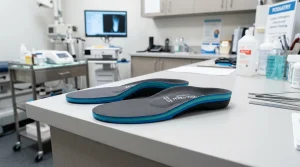
When selecting shoes, prioritize styles that offer substantial support and cushioning. Look for features like a wide toe box, which provides ample space for your toes to move comfortably without friction. Consider shoes made from breathable materials to maintain optimal ventilation, which can prevent excess moisture buildup that leads to fungal infections. Arch support is also vital; it helps distribute weight evenly across the foot, alleviating pressure on specific areas that may cause ulcers.
Additionally, well-fitted shoes should be a fundamental requirement. It’s advisable to have your foot measured regularly since foot shape and size can change over time. This ensures that you’re wearing shoes that fit well, as tight shoes can create blisters, while loose ones may lead to instability and increased risk of injury. If you’re unsure about proper fitting, consulting a specialist, such as a podiatrist or an orthotist, can provide valuable insights tailored to your unique foot structure.
Key Footwear Features for Diabetic Foot Health
- Cushioned Insoles: Look for shoes that come with soft, supportive insoles that help absorb shock.
- Non-Slip Soles: A good grip is essential, especially to prevent falls, which can lead to injuries.
- Seamless Design: Shoes with minimal seams reduce friction points, lowering the risk of skin irritation.
- Adjustable Straps or Laces: These allow for a customized fit, accommodating any foot swelling that might occur throughout the day.
Incorrect footwear can easily lead to complications, underscoring the importance of ongoing education in your management plan. Regularly check your feet for any signs of irritation, redness, or changes that could signify developing issues. Ultimately, taking a proactive approach to footwear selection can empower people with diabetes to move confidently while minimizing the risk of foot-related complications. Always engage with healthcare professionals to tailor your shoe choices to your individual needs and lifestyle.
Lifestyle Adjustments to Prevent Future Ulcers
While managing diabetes, making thoughtful lifestyle adjustments can significantly reduce the risk of developing foot ulcers. Incorporating simple yet effective changes in daily routines, habits, and choices can empower individuals to maintain their foot health and prevent complications. For instance, regular foot inspections play a crucial role. Checking feet daily for cuts, blisters, or color changes allows for early detection of potential issues, helping to catch any problems before they escalate.
Regular exercise is another important lifestyle adjustment that enhances circulation and promotes overall foot health. Engaging in moderate physical activities, such as walking, swimming, or cycling, not only helps in weight management but also supports blood flow to the feet. It’s essential to consult with healthcare providers about suitable activities that match one’s fitness level. Furthermore, staying hydrated aids circulation; encourage drinking plenty of water throughout the day.
Nutrition is equally vital in managing blood sugar levels, which directly impacts foot health. A diet rich in whole grains, lean proteins, healthy fats, and plenty of fruits and vegetables helps maintain stable glucose levels. In particular, foods high in fiber can improve digestion and enhance satiety, further aiding in weight management. Individuals should familiarize themselves with portion sizes and consider consulting a registered dietitian for personalized meal planning.
Additionally, managing stress through techniques such as yoga, meditation, or even hobbies can improve overall well-being and contribute to better diabetes management. Stress can negatively affect blood glucose levels, making it essential to incorporate activities that promote relaxation and mental health.
Ultimately, adopting these lifestyle adjustments can not only prevent future foot ulcers but also foster a more holistic approach to diabetes management. Ongoing communication with healthcare professionals is vital for tailoring these strategies effectively to individual needs. Establishing a team approach, including diabetes educators, dietitians, and foot specialists, ensures a well-rounded support system for maintaining foot health.
Faq
Q: What are the early symptoms of a diabetic foot ulcer on the toe?
A: Early symptoms of a diabetic foot ulcer on the toe include redness, swelling, and tenderness around the affected area. You may also notice a change in skin texture or color, and a sore that doesn’t heal. Prompt attention to these warning signs is critical for effective treatment.
Q: How can I distinguish between a normal sore and a diabetic foot ulcer?
A: A normal sore typically heals within a few days, whereas a diabetic foot ulcer may show prolonged redness, increased pain, or darkening skin. Additionally, if you notice pus or discharge, it’s advisable to seek medical help immediately. Assessing these differences is vital for early intervention.
Q: Why is it crucial to monitor foot health for diabetics?
A: Monitoring foot health is essential for diabetics because complications can escalate quickly, leading to severe infections or even amputations. Regular checks allow for early detection of ulcers and help prevent additional issues, ensuring better long-term health outcomes. Stay proactive to protect your feet!
Q: What lifestyle changes can prevent the development of foot ulcers?
A: To prevent diabetic foot ulcers, maintain good blood sugar control, wear well-fitted shoes, and practice daily foot hygiene. Regularly inspecting your feet for injuries and keeping them moisturized can significantly reduce ulcer risk. Implement these habits for optimal foot health.
Q: When should I worry about a foot sore as a diabetic?
A: You should be concerned about a foot sore if it hasn’t improved within a few days, if it increases in size, or if you observe signs of infection like swelling or pus. Consult a healthcare professional promptly to ensure swift treatment and avoid complications.
Q: Can neuropathy affect the early detection of foot ulcers?
A: Yes, neuropathy can delay the detection of foot ulcers since it may reduce sensation in the feet. This condition prevents individuals from feeling pain or discomfort that typically signals an issue. Regular foot exams by a healthcare professional are necessary for those with neuropathy.
Q: How does poor circulation contribute to diabetic foot ulcers?
A: Poor circulation restricts blood flow to the feet, leading to slower healing and a higher risk of ulcers developing. This can occur due to diabetes-related damage to blood vessels. It’s crucial to manage circulation issues through lifestyle changes and regular medical check-ups.
Q: What role does professional medical help play in diabetic foot ulcer management?
A: Professional medical help is vital for diabetic foot ulcer management. Healthcare providers can assess the ulcer, prescribe appropriate treatments, and implement preventive measures. Regular visits ensure any emerging issues are addressed quickly, reducing the risk of severe complications. Always prioritize professional guidance in your care routine.
Wrapping Up
Taking action at the first sign of a diabetic foot ulcer is crucial to preventing serious complications. Remember, early detection and proper management can make a world of difference. If you’re noticing any warning signs, don’t hesitate-schedule a consultation with your healthcare provider today. For more insights on diabetes management, explore our articles on daily care strategies and food choices to maintain healthy glucose levels.
As you navigate your diabetes journey, consider subscribing to our newsletter for expert tips, resources, and community support. Have questions or experiences to share? We would love to hear from you in the comments below. Together, we can promote better health and empower each other to take control of our diabetes management. For related topics like diabetic products and lifestyle considerations, check out our comprehensive guides! Your health is a priority-stay informed and proactive!
Get our latest guides, news, and insights highlighted in your Google Search & AI Overviews.