Did you know that diabetes can significantly increase the risk of developing leg ulcers? These painful sores can become a major concern for individuals living with diabetes, especially in the early stages when symptoms may be subtle yet critical to identify. Understanding the warning signs of diabetic leg ulcers is essential for effective management and prevention of further complications, enabling you to maintain your mobility and quality of life. In this article, we will explore the early symptoms of diabetic leg ulcers, emphasizing the importance of timely treatment and intervention. By being proactive and informed, you can take empowered steps in your diabetes management journey. Let’s delve into recognizing the early stages of leg ulcers and the treatment options available to protect your health.
Understanding Diabetic Leg Ulcers: Essential Facts
Understanding diabetic leg ulcers is crucial for anyone managing diabetes, as these wounds can signify severe health issues if not addressed promptly. Diabetic leg ulcers often occur due to poor circulation, neuropathy, and high blood sugar levels, leading to skin damage that can escalate quickly if left untreated. The importance of daily foot care, proper management of blood glucose levels, and timely identification of warning signs cannot be overstated. Simple changes in routine can help prevent these ulcers from forming or worsening, ultimately improving the quality of life for those with diabetes.
Individuals with diabetes should familiarize themselves with some essential facts regarding diabetic leg ulcers. The most common locations for these ulcers are typically on the feet and legs, where prolonged pressure can lead to skin breakdown. Characteristically, these ulcers might start as small blisters or sores, which can progress to full-thickness wounds if not monitored. It’s imperative for diabetic individuals to regularly inspect their feet and legs for injuries or changes in skin color, as these can be indicators of underlying issues needing immediate attention.
To support the healing process and prevent further complications, several strategies can be implemented. Maintaining optimal blood glucose levels is essential, as elevated sugars can impede wound healing. Regular exercise, a balanced diet rich in nutrients, staying hydrated, and quitting smoking can also enhance circulation, providing a better environment for healing. Furthermore, utilizing proper footwear and avoiding walking bare-footed can prevent injuries that may lead to ulcers.
Ultimately, awareness and proactive care are key in managing the risk of diabetic leg ulcers. Simple preventive measures and routine checks can make a substantial difference in avoiding serious complications. Regular consultations with healthcare professionals for personalized advice and treatment plans can empower individuals to take control of their diabetes management effectively.
Early Symptoms of Diabetic Leg Ulcers to Recognize

Identifying the early symptoms of diabetic leg ulcers is crucial for timely intervention and effective management. These ulcers can be serious complications of diabetes, often indicating an underlying issue with blood flow or nerve damage. Early detection can significantly enhance the chances of effective treatment and healing. The first signs to watch for include persistent dryness or cracking of the skin, particularly around the feet and lower legs. Individuals should also be alert to any unusual color changes in the skin, such as darkening or a pale, waxy appearance, which could hint at poor circulation.
Another warning sign is the development of blisters or minor sores that don’t heal within a few days. Unlike regular wounds, diabetic ulcers may be slow to respond to typical home care interventions due to elevated blood glucose levels that impair healing. If pain or discomfort in the legs develops, particularly in areas that have been injured or show cuts, it is essential to seek medical evaluation. This discomfort may be indicative of deeper tissue damage, both signaling an existing ulcer and increasing the risk of infection.
Additionally, changes in sensation, such as numbness or tingling in the feet, can be early indicators of neuropathy, a common diabetic complication that increases the risk of foot ulcers. Individuals should conduct daily self-exams of their feet and legs, systematically checking for any alterations. Regular inspections can help in identifying symptoms early, allowing for prompt medical advice and intervention.
To empower yourself against the potential risk of diabetic leg ulcers, maintain a proactive approach to foot care and blood sugar management. It’s advisable to consult healthcare professionals for personalized strategies tailored to your needs, ensuring not only a greater awareness of ulcer symptoms but also actions to mitigate their occurrence. By fostering a supportive environment for foot health, individuals managing diabetes can greatly enhance their quality of life and diminish the risk of serious complications.
Risk Factors for Developing Leg Ulcers in Diabetics

Diabetic leg ulcers are a significant concern for individuals with diabetes, and understanding the risk factors that contribute to their development is crucial in prevention and management. Various elements can increase the likelihood of these painful and often chronic wounds, transforming the journey of managing diabetes into a more complicated ordeal. Recognizing these factors empowers individuals to adopt proactive measures that can significantly enhance their quality of life and reduce the potential for serious complications.
One of the primary risk factors is poor glucose control. Elevated blood sugar levels can impede blood flow and hinder the body’s natural healing processes, making it difficult for any existing wounds to heal properly. Additionally, neuropathy, or nerve damage commonly associated with diabetes, can lead to decreased sensation in the feet and legs. This loss of feeling can prevent individuals from noticing minor injuries or irritations, allowing them to progress to more severe ulcers before becoming aware of them. Circulatory problems, another significant factor, can further exacerbate the situation; impaired blood flow means that essential nutrients and oxygen may not reach affected areas, slowing down healing.
Furthermore, foot deformities-such as bunions, hammertoes, or flat feet-can contribute to abnormal pressure distribution when standing or walking, leading to skin breakdown and ulceration. Lifestyle choices also play a role; for instance, smoking constricts blood vessels and worsens circulation, while poor nutrition can deprive the body of necessary nutrients for skin health and healing.
It’s crucial for diabetic individuals to be aware of these risk factors and to discuss them with healthcare professionals. Managing blood sugar levels through medication, diet, and regular exercise, while also being vigilant about foot care, can significantly lower the risk of developing diabetic leg ulcers. Regular check-ups with a podiatrist or a diabetes specialist can provide tailored strategies for maintaining foot health, ensuring that individuals are well-equipped to navigate the challenges of diabetes management. By taking these proactive steps, individuals can greatly increase their chances of preventing ulcers and improving their overall well-being.
Effective Home Care Strategies for Diabetic Leg Ulcers

Effective home care strategies play a pivotal role in managing diabetic leg ulcers and promoting healing. When any signs of ulcers appear, quick action can prevent complications and speed up recovery. One cornerstone of effective home care is maintaining proper hygiene. Regularly wash the feet and legs with warm water and mild soap, making sure to dry them thoroughly, especially between the toes, as moisture can lead to infections. Routine inspection of the feet is essential; check daily for any signs of redness, swelling, or sores. Early detection can make a significant difference in treatment outcomes.
Another critical aspect of home care is proper wound management. For ulcers that have developed, keeping the area clean and protected is key. Using sterile dressings or bandages can help shield the ulcer from further injury and infection. It’s important to change these dressings regularly, following a healthcare provider’s instructions. Additionally, applying prescribed topical treatments can facilitate healing, so always adhere to the treatment plan laid out by your doctor. If the wound shows signs of worsening-such as increased redness, swelling, or a foul odor-consult your healthcare provider promptly.
Footwear and Pressure Relief
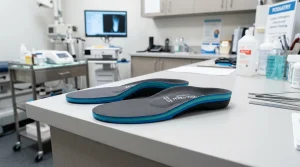
Choosing the right footwear can significantly impact ulcer prevention and management. Diabetics should opt for well-fitting shoes that provide adequate support and cushioning. Avoiding tight shoes or those that cause friction is essential, as they can exacerbate existing ulcers or create new ones. Using orthotic devices or specialized insoles can also help distribute pressure more evenly across the feet. Furthermore, consider utilizing pressure-relief techniques, such as offloading or changing positions frequently to minimize stress on ulcerated areas.
Nutrition and Overall Health
Understanding the role of nutrition in wound healing cannot be overstated. Individuals should emphasize a balanced diet rich in vitamins and minerals that promote skin integrity and vascular health. Focus on foods high in protein, antioxidants, and omega-3 fatty acids. Staying hydrated is equally important, as good hydration supports cellular function and healing. Regular follow-ups with healthcare professionals can help to ensure that dietary choices align with overall health and diabetes management plans.
In conclusion, adopting these home care strategies equips individuals with the tools necessary to manage and heal diabetic leg ulcers effectively. Continuous vigilance, combined with appropriate footwear and nutrition, fosters a proactive approach to living well with diabetes. Always consult with medical professionals before implementing changes to your care routine, as they can provide tailored advice that prioritizes safety and health.
Medical Treatments for Advanced Diabetic Leg Ulcers

For individuals facing advanced diabetic leg ulcers, timely and effective medical treatment is crucial to facilitate healing and prevent further complications. Advanced ulcers can become infected or lead to more severe complications, making it essential to seek professional medical care. Various treatment options are available, tailored to the severity and specific needs of the ulcer and the individual.
One common approach is the use of debridement, a procedure that involves removing dead or infected tissue from the ulcer area. This is vital for promoting healing and can be performed through various methods, including surgical, enzymatic, or mechanical debridement. By getting rid of unhealthy tissue, the wound is better prepared for healing, and clinicians can more accurately assess the ulcer’s progression.
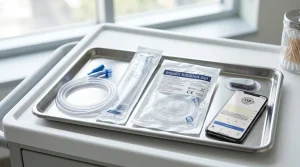
Wound dressings and management products play a significant role in treating advanced diabetic leg ulcers. Specialized dressings that maintain a moist environment can be highly effective, as they promote cell migration and accelerate healing. Examples include hydrocolloid, foam, and alginate dressings, each tailored for various stages of ulceration. It’s essential to follow the healthcare provider’s recommendations on changing these dressings frequently and monitoring for signs of infection, such as increased redness or discharge.
Pharmacological treatments may also be utilized depending on the underlying conditions that contribute to ulcer development. Antibiotics are often prescribed if an infection is present, and other medications might be recommended to enhance blood circulation or reduce inflammation. Using growth factors or bioengineered skin substitutes can aid in stimulating tissue regeneration and further support healing efforts.
For individuals struggling with persistent ulcers, consulting a specialist such as a wound care nurse or a podiatrist may provide additional insights into treatment plans. They can offer strategies to manage comorbid conditions like neuropathy or arterial disease, which often complicate diabetes management. Additionally, advanced therapies, including negative pressure wound therapy (NPWT), may also be appropriate for some patients, helping to create favorable conditions for healing while minimizing trauma to the affected area.
Ultimately, managing advanced diabetic leg ulcers requires a multidisciplinary approach, focusing on regular monitoring, tailored treatment strategies, and ongoing education about managing diabetes effectively. It’s essential always to discuss treatment options with qualified healthcare professionals who can provide personalized recommendations based on individual health circumstances. With the right care and attention, individuals can navigate the challenges of diabetic leg ulcers, empowering them to improve their quality of life.
The Role of Nutrition in Wound Healing
When it comes to healing diabetic leg ulcers, nutrition plays a pivotal role that cannot be overlooked. Proper dietary choices can significantly accelerate the healing process, improve immune response, and reduce the risk of infections. Diets rich in specific nutrients may aid in the regeneration of skin and connective tissues, which is especially crucial for those managing diabetes and dealing with or preventing ulcers.
Key nutrients for wound healing include:
- Protein: Essential for tissue repair, protein helps in the formation of collagen and new cells. Incorporate lean meats, fish, eggs, and plant-based alternatives like beans and lentils.
- Vitamins C and A: Vitamin C aids in collagen synthesis and immune function, while Vitamin A supports skin health. Citrus fruits, berries, carrots, and dark leafy greens are excellent sources.
- Zinc: This mineral is vital for cell division and protein synthesis, aiding in wound healing. Foods high in zinc include nuts, seeds, whole grains, and dairy products.
- Healthy Fats: Omega-3 fatty acids, found in fish and flaxseeds, can help reduce inflammation and promote healing. Consider adding fatty fish, walnuts, or chia seeds to your meals.
A well-rounded diet not only supports wound healing but also assists in maintaining stable blood glucose levels, which is crucial for individuals with diabetes. Consistent monitoring of carbohydrate intake and focusing on low-glycemic foods can prevent spikes in blood sugar that may impede the healing process. Foods such as whole grains, legumes, and non-starchy vegetables should be prioritized.
It’s also important to stay hydrated, as proper fluid intake is necessary for overall health and aids in the healing of wounds. Drinking plenty of water can support cellular functions and improve circulation, thereby facilitating nutrient transport to the site of the ulcer.
While implementing these dietary strategies, consulting with healthcare professionals, including registered dietitians, is essential. They can provide personalized nutrition plans tailored to an individual’s specific health needs and dietary restrictions, ensuring that the approach to healing diabetic leg ulcers is holistic and comprehensive. By focusing on nutrition alongside other treatments, individuals can take significant steps towards recovery and improved skin health.
When to Seek Professional Help for Leg Ulcers
Recognizing the right moment to seek professional help for leg ulcers is crucial, especially for individuals managing diabetes. Early intervention can significantly alter the course of healing and prevent potential complications. Leg ulcers can evolve rapidly from minor irritations to severe infections, so it’s important to stay vigilant for warning signs. If you notice increased redness, swelling, or warmth around the sore, this may indicate an infection that requires prompt medical attention. Additionally, if you experience new or worsening pain, or if the ulcer does not show signs of healing within two weeks, don’t hesitate to consult a healthcare professional.
Understanding when to seek help goes beyond just physical symptoms; it’s also about understanding your own health. Individuals with diabetes should be particularly aware of changes in sensation, as neuropathy can mask the pain that usually prompts medical evaluation. If you notice any discolored skin, the presence of pus, or a foul odor, these are significant indicators that your ulcer may be infected and necessitates immediate medical evaluation.
Practical Steps for Seeking Help
When preparing to meet your healthcare provider, consider documenting the following details to facilitate an effective consultation:
- Duration: How long has the ulcer been present?
- Changes: Have you noticed any changes in size, color, or drainage?
- Pain Levels: Rate your pain on a scale of 1 to 10.
- Other Symptoms: Have you experienced fevers, chills, or other systemic symptoms?
Being proactive and informed will empower you to advocate for your health. Collaborating with a team that may include a primary care doctor, endocrinologist, and possibly a wound care specialist can provide comprehensive management and support. Always remember that while monitoring and home care are important, there is no substitute for professional medical advice and treatment to navigate the complexities of diabetic leg ulcers. By staying engaged with your healthcare team, you’ll not only address immediate concerns but also learn how to prevent future complications, fostering a holistic approach to your diabetes management.
Innovative Therapies for Diabetic Leg Ulcers
Innovative therapies are transforming the management of diabetic leg ulcers, providing renewed hope and improved healing outcomes for those affected. One of the groundbreaking approaches is the use of bioengineered skin substitutes, which serve as temporary skin grafts. These substitutes are designed to mimic the properties of natural skin and promote growth and healing in chronic wounds. Their efficacy lies in their ability to provide a protective barrier while delivering essential growth factors that stimulate cell regeneration, significantly accelerating the healing process.
Another promising strategy involves negative pressure wound therapy (NPWT). This method uses a vacuum-assisted device to create negative pressure in and around the ulcer. This not only helps to draw out excess fluid but also promotes blood flow to the area, encouraging faster tissue repair. This technique is particularly beneficial for larger or more complex ulcers, as it reduces the overall healing time and minimizes the potential for infection.
In addition to these therapies, advanced dressings are also making significant strides in ulcer care. These dressings are often impregnated with antimicrobial agents such as silver or iodine, which help to combat infection while maintaining a moist wound environment-a critical factor in effective healing. Their ability to reduce inflammation and absorb exudate allows for optimal conditions that facilitate the body’s natural healing process.
Moreover, recent studies are exploring the role of stem cell therapy in the treatment of diabetic leg ulcers. Research indicates that stem cells can help regenerate damaged tissue and promote healing at a cellular level, which can be particularly advantageous for patients with chronic wounds that do not respond to standard therapies. Although still largely in the experimental phase, the potential for stem cell therapies to change the landscape of diabetic wound care is considerable, offering a glimpse into a future where even the most stubborn ulcers could be resolved effectively.
It’s important for individuals managing diabetes to stay informed about these advances, as discussing them with healthcare providers can lead to personalized treatment plans that leverage these innovative therapies. Engaging in open conversations about the latest options available can empower patients, helping them to manage their condition more effectively and improve their overall quality of life.
Preventive Measures to Avoid Leg Ulcers
To maintain optimal skin health and prevent the onset of diabetic leg ulcers, individuals with diabetes must adopt proactive measures tailored to their unique needs. Daily foot care is a cornerstone of prevention. Regularly inspecting feet for cuts, blisters, red spots, and swelling can significantly reduce the risk of ulcers. Since many diabetic patients experience reduced sensation in their extremities, it is crucial to take the time for thorough examination. Implementing a routine that includes washing and drying feet daily-and moisturizing them with appropriate creams (avoiding areas between the toes)-helps keep skin hydrated and prevents cracking.
A well-fitted pair of shoes can also work wonders in ulcer prevention. Diabetics should opt for shoes that provide ample support without causing friction. Regularly replacing shoes and opting for moisture-wicking socks can keep feet dry and comfortable, further reducing the risk of skin breakdown. It’s advisable to avoid walking barefoot, as even minor injuries can lead to significant complications in diabetic patients.
Managing Blood Sugar Levels
Maintaining stable blood sugar levels is yet another critical preventative measure. High glucose levels can impair circulation and decrease healing potential, making ulcers more likely to develop and harder to heal. Adopting a balanced diet rich in whole grains, vegetables, lean proteins, and healthy fats can help. Additionally, regular exercise tailored to personal ability encourages blood flow and enhances overall health. Collaborating with healthcare professionals to create a personalized diabetes management plan-including medication regimes, meal planning, and regular check-ups-ensures that potential concerns are addressed proactively.
Beyond physical health, emotional well-being plays a vital role as well. Stress management techniques such as meditation, yoga, or engaging in hobbies can aid in maintaining emotional balance, which is essential for effective diabetes management. Increased motivation to adhere to self-care routines is often a byproduct of improved mental health.
By integrating these preventative strategies into daily life, individuals living with diabetes can significantly reduce their risk of developing leg ulcers, paving the way for a healthier and more active lifestyle. It’s always encouraged to regularly consult with healthcare providers to adjust strategies based on one’s changing health status. This proactive approach not only fosters physical well-being but also empowers individuals to take charge of their diabetes management.
Living with Diabetes: Managing Skin Health
Effective skin health management is a crucial aspect of living with diabetes, particularly for preventing complications such as diabetic leg ulcers. The skin serves as the first line of defense against infections and injuries, and when blood sugar levels fluctuate, skin integrity can be compromised. For individuals managing diabetes, understanding the importance of skin care and implementing routine practices can greatly reduce the risk of skin-related issues, including ulcers.
To maintain skin health, consider adopting the following practices:
- Regular Skin Inspections: Conduct daily checks for any cuts, blisters, or signs of redness. Early intervention is key; catching issues before they develop into more serious conditions can significantly reduce complications.
- Hydration: Apply moisturizers to keep skin hydrated. Look for products that are hypoallergenic and suitable for sensitive skin to avoid irritation. Be mindful to avoid applying lotion between the toes to prevent fungal infections.
- Sun Protection: If exposed to sunlight, use sunscreen with a high SPF to prevent skin damage, as diabetic skin can be more sensitive to UV rays.
- Gentle Cleansing: Use mild soap and warm water to keep skin clean. Avoid hot water and harsh scrubs, which can strip natural oils and lead to dryness.
The impact of high blood sugar levels on skin health cannot be overstated. Elevated glucose can lead to dehydration and reduced blood flow, hindering the skin’s ability to heal. Therefore, maintaining stable blood sugar levels through balanced nutrition, regular exercise, and compliance with medication is fundamental not only for overall health but specifically for skin integrity. It’s advisable to incorporate a diet rich in vitamins, minerals, and antioxidants, focusing on foods like leafy greens, berries, nuts, and whole grains, all known for their skin-health benefits.
In addition to personal care, understanding when to seek medical advice is vital. If any blemish or wound does not improve or shows signs of infection-such as increased redness, swelling, or pus-prompt consultation with a healthcare provider is essential. This proactive approach can facilitate earlier intervention and better outcomes.
By committing to regular skin care and monitoring, those living with diabetes can enhance their skin health and mitigate the risks associated with diabetic leg ulcers. Embrace a holistic view of health that integrates diabetic management with a strong focus on skin care, empowering individuals to maintain their well-being effectively.
Patient Success Stories: Overcoming Leg Ulcers
The journey to overcoming diabetic leg ulcers is often filled with both challenges and triumphs, showcasing the resilience of individuals managing diabetes. Take, for instance, the story of Sarah, a 52-year-old woman who faced significant struggles with her foot health due to diabetes. After experiencing persistent pain and the alarming discovery of an ulcer on her left foot, she initially felt overwhelmed and uncertain. However, Sarah decided to take control of her situation. She started with daily foot inspections and improved her diet, focusing on nutrient-dense foods that would promote healing, such as leafy greens, berries, and lean proteins.
With the support of her healthcare team, Sarah implemented a strict wound care routine, which included cleaning her ulcer with saline and applying a special hydrocolloid dressing that helped maintain moisture while protecting the area. This approach, coupled with regular appointments with a podiatrist, significantly contributed to her progress. Over time, Sarah not only saw improvement in her ulcer but also felt empowered to manage her diabetes more effectively overall. The experience taught her the importance of proactive care and staying informed about her condition.
Strong community support and education played crucial roles in Sarah’s recovery. She joined a local diabetes support group where she learned valuable insights from others who faced similar challenges. Sharing stories and strategies with fellow patients helped her stay motivated and inspired others to remain vigilant about their foot care routines. Empowerment through sharing stories and experiences became a vital part of her success.
Sarah’s success is a testament to the power of resilience and proactive management in battling diabetic leg ulcers. Her story reminds us that while the path to healing can be daunting, it is also one paved with achievable goals and positive changes. Each small victory, from keeping regular medical appointments to making healthier food choices, contributes to a larger narrative of overcoming obstacles and fostering overall well-being for individuals living with diabetes.
Resources and Support for Diabetic Patients
Support and resources are vital for individuals managing diabetes, especially when it comes to preventing and treating diabetic leg ulcers. Knowledge is power, and understanding where to seek help can greatly enhance your journey toward health. Many organizations provide valuable information, tools, and a supportive community that can make a significant difference in managing not just diabetes but also its complications.
Diabetes Support Organizations
Numerous organizations offer resources specifically tailored to individuals with diabetes. The American Diabetes Association (ADA) provides a comprehensive range of support, from educational materials to local support groups. Engaging with these communities can help foster connections with others facing similar challenges, allowing for the sharing of insights and encouragement. Online resources from the Centers for Disease Control and Prevention (CDC) also offer excellent guidance on diabetes management and ulcer prevention.
Healthcare Team Collaboration
Building a strong relationship with healthcare professionals is crucial. Regular check-ups with a primary care physician, endocrinologist, or podiatrist can ensure comprehensive monitoring of foot health and timely intervention when issues arise. Patients should not hesitate to bring up any concerns regarding foot inspections or ulcer care during their visits. By maintaining open communication about symptoms or changes, individuals can receive tailored advice and timely treatment options.
Educational Resources
Utilizing educational materials can significantly benefit your understanding of diabetic leg ulcers. Consider resources such as:
- Books and pamphlets on diabetes self-care
- Online webinars and workshops focusing on diabetic foot care
- Videos demonstrating proper wound care and foot examination techniques
These tools can empower patients to adopt better self-management habits and increase awareness of the importance of foot health.
Community Support Groups
Beyond formal resources, local community support groups can provide emotional encouragement and practical tips. Many people find solace in sharing experiences, which can lead to newfound strategies for coping with the challenges of diabetes. Online forums and social media groups centered around diabetes can also offer a sense of belonging and understanding.
Encouragingly, managing diabetic leg ulcers doesn’t have to be a solitary journey. With the right resources, community support, and a proactive approach to care, patients can effectively navigate the often-complex landscape of diabetes management, transforming challenges into opportunities for healing and empowerment.
Frequently Asked Questions
Q: What are the early signs of diabetic leg ulcers?
A: Early signs of diabetic leg ulcers include persistent redness, swelling, blistering, or a change in skin texture around the feet and legs. If you notice any of these symptoms, it’s crucial to consult a healthcare professional promptly to prevent further complications.
Q: How can I prevent diabetic leg ulcers from developing?
A: To prevent diabetic leg ulcers, maintain good foot hygiene, wear well-fitting footwear, and regularly inspect your feet for any injuries or changes. Additionally, control blood sugar levels and follow a balanced diet rich in nutrients to support skin health.
Q: When should I see a doctor for diabetic leg ulcers?
A: You should see a doctor if you notice any signs of infection, persistent pain, or open sores on your legs or feet. Early medical intervention can significantly improve healing outcomes and prevent complications associated with diabetic leg ulcers.
Q: What role does nutrition play in healing diabetic leg ulcers?
A: Nutrition is vital for healing diabetic leg ulcers. A balanced diet rich in vitamins, minerals, and protein supports tissue repair and immune function. Foods high in zinc and vitamin C, such as fruits and vegetables, can promote faster healing.
Q: What are common treatments for early-stage diabetic leg ulcers?
A: Common treatments for early-stage diabetic leg ulcers include proper wound cleaning, applying topical antibiotics, and using dressings that promote a moist healing environment. Consultation with a healthcare provider can help determine the best treatment plan.
Q: How does diabetes increase the risk of developing leg ulcers?
A: Diabetes can lead to poor circulation and nerve damage, which reduce sensation and blood flow to the legs. These conditions increase the likelihood of foot injuries going unnoticed and getting infected, leading to the development of leg ulcers.
Q: Can diabetic leg ulcers heal on their own?
A: While some very early-stage ulcers may heal without intensive intervention, many require medical treatment to prevent complications and promote effective healing. It’s essential to seek professional guidance for proper care.
Q: What innovative therapies are available for diabetic leg ulcers?
A: Innovative therapies for diabetic leg ulcers include advanced wound dressings, skin substitutes, and bioengineered tissues that promote healing. These treatments are often tailored based on the ulcer’s severity, and a healthcare provider can guide next steps.
Feel free to explore our article sections for more information on managing diabetic leg ulcers effectively!
In Conclusion
Recognizing the early signs of diabetic leg ulcers is crucial for effective treatment and prevention of complications. If you notice any concerning symptoms, don’t hesitate to consult a healthcare professional for tailored advice. For ongoing support, explore our articles on daily diabetes management and healthy food choices to empower your journey.
Stay proactive-sign up for our newsletter to receive the latest updates on diabetes care and innovations. Remember, managing diabetes effectively involves a holistic approach: consider connecting with a specialist or exploring diabetic products that may enhance your quality of life. Together, we can navigate the challenges of diabetes and promote healing. Share your thoughts in the comments below, and don’t miss exploring our resources on skin care for diabetics and preventive measures for diabetic complications. Your health matters!
Get our latest guides, news, and insights highlighted in your Google Search & AI Overviews.