Did you know that millions of people with diabetes are often left with extra supplies that could significantly benefit others in need? With diabetes affecting how the body manages glucose and necessitating constant monitoring and medication, it’s common for individuals to accumulate more supplies than they require. “Diabetic Surplus: Where to Donate or Sell Extra Supplies” is an essential guide that addresses this vital concern, helping you to clear out those surplus items while making a positive impact on others’ lives. Whether you’re looking to donate or sell, understanding the options available not only supports your community but also alleviates challenges faced by fellow diabetics seeking affordable supplies. Join us as we explore how you can make a difference while navigating the complexities of diabetes management, ensuring others can benefit from your unused resources.
Assessing Your Surplus: What Supplies Are Eligible for Donation or Sale
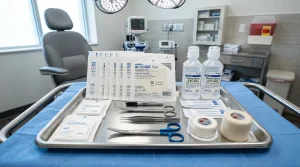
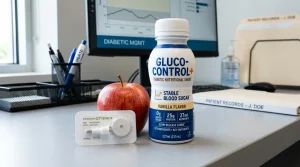
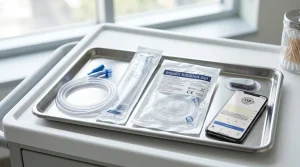
When it comes to managing diabetes, it’s not uncommon for individuals and families to find themselves with surplus medical supplies. These extras, whether they are unused glucose meters, excess test strips, or unopened medication, can often be put to good use rather than simply discarded. Before deciding to donate or sell these items, it’s essential to assess what qualifies as eligible for these actions. Different types of supplies can have varying regulations, and understanding this can simplify the process while ensuring that your contributions are both impactful and compliant.
Eligible Supplies for Donation
- Unopened and Unexpired Supplies: Items such as insulin, test strips, and unopened lancets are prime candidates for donation. They must be within their expiration dates to ensure safety and efficacy.
- Equipment: New, unmarked glucose monitors, lancing devices, and insulin pumps can often be donated to clinics or organizations that support those in need.
- Education Materials: Unused diabetes education resources, such as pamphlets and guides, can help others learn to manage their condition effectively.
Supplies to Avoid Donating
While many items can be donated, others should not be shared due to safety concerns:
- Open or Used Supplies: Items that have been opened or previously used, such as opened insulin vials or partially used test strips, cannot be donated for safety and hygiene reasons.
- Prescription Medications: Unused prescriptions should be returned to a pharmacy or disposed of according to local regulations, as these cannot be legally donated.
Before finalizing decisions on donating or selling surplus supplies, consider consulting with local diabetic support organizations or healthcare professionals. They can provide guidance on what supplies can be accepted based on local laws and regulations, taking the guesswork out of your generous intentions.
The Best Places to Donate Diabetic Supplies Locally
There are numerous opportunities for individuals and families to donate surplus diabetic supplies, ensuring that these valuable resources reach those in need within the community. By contributing these supplies, you not only declutter your space but also make a meaningful impact on the lives of others managing diabetes. Local hospitals, clinics, and charitable organizations often accept diabetic supplies, making them excellent first stops for anyone looking to donate.
Local Charities and Hospitals
Many hospitals and diabetes clinics run community outreach programs that include the collection of excess medical supplies. These institutions typically have established networks for distributing supplies to low-income patients. Contacting your nearest hospital to inquire about their donation policy is a great way to get started. Additionally, look for local diabetes support groups; they often know the best places for donations.
Pharmacies and Medical Supply Stores
Some pharmacies and medical supply stores partner with organizations that facilitate the donation of diabetic supplies. They may have designated bins or programs that ensure donated items are passed directly to those who need them most. It’s worth visiting or calling your local pharmacies to see if they can accept your donations or can guide you to an appropriate organization.
Community Health Fairs
Take advantage of health fairs and diabetes awareness events in your area. These gatherings often feature organizations that collect medical supplies as part of their outreach efforts. Not only can you donate, but you can also engage with others in your community, raising awareness about diabetes management while ensuring your surplus finds a worthy home.
By actively engaging in local donation opportunities, you not only declutter but also contribute to the well-being of those managing diabetes. Always check with the receiving organization to confirm their policy on accepted items, ensuring that your contributions are both safe and useful.
Online Platforms for Selling Extra Diabetes Products
In today’s digital age, selling extra diabetes supplies online has become a viable option for many individuals looking to declutter their homes while also assisting others who may need these essential items. Numerous platforms facilitate this process, ensuring that surplus supplies can find new homes without waste. For example, sites like eBay or Facebook Marketplace allow users to list unused diabetic supplies-everything from test strips to insulin pens-at competitive prices, helping others who may not have the financial means to purchase these items at retail prices.
Using these platforms is straightforward. First, it’s vital to take clear, high-quality photos of the items you’re selling and write detailed descriptions, including expiration dates and any pertinent information about usage. Honesty is crucial in these transactions; potential buyers appreciate knowing exactly what they are purchasing. Additionally, many sellers find it beneficial to check local Facebook groups that focus on diabetes management, where community members often seek shared resources, including supplies.
When selling online, ensure you research the rules and regulations that pertain to the sale of medical supplies in your area to remain compliant. Some platforms may have specific policies regarding the sale of medical items, so reviewing these can help prevent any issues. It’s also wise to consider safety and cleanliness, particularly for items that need to be sterile or have specific storage conditions. Providing assurance about the condition and handling of the supplies can build trust with potential buyers.
Moreover, utilizing these online platforms is not just about selling; it’s also a way to foster community connections. One effective approach is to share your listing in diabetes-related support groups or forums, where members often appreciate learning about available supplies at reduced costs. This way, you not only clear out your surplus but also contribute positively to the community, reinforcing the notion that we are all in this together in managing diabetes. Through these online avenues, you can turn your extras into valuable resources for others while also potentially gaining some financial return for your unused items.
Packing and Shipping Tips for Donating Supplies
When it comes to donating diabetic supplies, proper packing and shipping are essential to ensure that your items arrive safely and in good condition. This not only reflects your commitment to helping others but also ensures that the supplies maintain their efficacy. Start by gathering your surplus items and inspecting them for quality. Check expiration dates and ensure everything is intact, as this adds trust and value to your donation.
Packaging Diabetic Supplies
To package your diabetic supplies effectively, consider the following tips:
- Use Sturdy Boxes: Choose boxes that can withstand shipping conditions. Ensure they are clean and dry to avoid contamination.
- Protect Fragile Items: For items like vials or syringes, use bubble wrap or packing peanuts to prevent breakage during transit.
- Seal Securely: Use strong packing tape to seal boxes, ensuring that they won’t open during shipping.
- Label Clearly: Include a label outside the box that indicates the contents and any handling instructions. If some items are particularly sensitive, note that on the packaging.
Shipping Considerations
When it’s time to ship your donation, keeping a few additional factors in mind will help your effort remain efficient and impactful:
- Choose the Right Courier: Consider various shipping options for speed and cost-effectiveness. Some organizations have preferred carriers that may offer discounted rates for charitable donations.
- Insurance and Tracking: If your donation includes high-value items, consider insuring the package and opting for tracking to monitor its journey.
- Time the Shipment: Aim to ship your supplies early in the week to avoid prolonged transit times over weekends, which can increase the risk of temperature fluctuations for sensitive items.
By taking the time to pack and ship your diabetic supplies thoughtfully, you make a significant difference in the lives of those who need them. Your action not only helps in reducing waste but also supports others in managing their diabetes effectively, empowering them in their daily health journeys.
Trustworthy Organizations for Diabetic Supply Donations
There are numerous organizations dedicated to supporting individuals living with diabetes, and donating your surplus diabetic supplies can be an impactful way to help others manage their condition more effectively. Many of these organizations have established programs specifically designed to accept and distribute diabetic supplies, ensuring that your contributions make a significant difference in the lives of those in need.
One reputable organization is Diabetes Donations, which partners with various clinics and organizations to distribute donated supplies directly to individuals and families affected by diabetes. Their commitment to ensuring that all items are used effectively and responsibly gives donors peace of mind. Another notable organization is The Insulin Exchange, which facilitates the exchange or donation of insulin and diabetes supplies, enabling those who are underinsured or without insurance to access essential supplies.
Additionally, MedShare focuses on providing medical supplies to underserved communities. They regularly accept diabetic supplies that can help clinics in need, both domestically and abroad. Partnering with local health professionals, they ensure that your donations are utilized appropriately and reach the patients who require them most.
When considering where to donate your diabetic supplies, it’s crucial to ensure that these organizations are trustworthy and follow best practices for handling medical items. Researching each organization’s guidelines regarding what supplies they accept, their distribution methods, and any specific requirements can help you choose a reputable place to donate. Always look for organizations that prioritize transparency and have a clear mission to support diabetes care.
By connecting with these trustworthy organizations, not only do you contribute to a cause that can transform lives, but you also take a step towards fostering a community that supports individuals facing the daily challenges of managing diabetes. Every donation counts, and collectively, they can create a significant impact.
Understanding the Tax Benefits of Donating Medical Supplies
Donating medical supplies, such as diabetic testing kits, insulin pumps, and unused medications, not only supports those in need but can also provide significant tax benefits for donors. Under IRS regulations, charitable contributions made to qualified organizations may be deductible from your taxable income, allowing you to reduce your tax burden while helping individuals manage diabetes more effectively. This charitable deduction can be particularly valuable when assessing your year-end tax planning, especially if you have surplus diabetic supplies that you no longer need.
To ensure that your donations are tax-deductible, it’s crucial to give to organizations recognized as 501(c)(3) nonprofits by the IRS. Always request a receipt or documentation of your donation, which serves as proof for your tax records. When itemizing your deductions, you can claim the fair market value of the supplies donated. It’s important to assess the condition of the supplies; items that are unopened and unexpired can often be valued higher.
Maximizing Your Contribution
Consider keeping a detailed inventory of the supplies you intend to donate, along with their original purchase prices. This record will help substantiate the value you claim on your tax return. Additionally, consider consulting with a tax professional to navigate the specifics of claiming these deductions, ensuring compliance with tax laws while maximizing your financial support to charitable causes.
Ultimately, donating your surplus diabetic supplies not only extends a helping hand to fellow community members grappling with diabetes but also potentially rewards you with tangible financial benefits during tax season. This dual benefit underscores the importance of contributing to the well-being of others while also taking advantage of incentives designed to encourage charitable giving.
Selling Unused Diabetes Supplies: What You Need to Know
Selling unused diabetic supplies offers a practical solution for individuals looking to downsize their inventory while assisting others in the community. Many people struggle with the burden of excess supplies, which can include everything from glucose meters to insulin pens and test strips. Fortunately, not only can you recoup some costs, but you also have the chance to support those in need, empowering them on their diabetes management journey.
When considering selling these supplies, always start by assessing what you have on hand. It’s important to ensure the items are unopened and unexpired, as this drastically increases their marketability. Some online platforms cater specifically to the sale of medical supplies, such as forums, social media groups, or websites that specialize in health-related products. These venues provide a convenient way to connect with potential buyers who may be looking for affordable options.
Additionally, make sure to disclose all relevant information about the products you are selling, including expiration dates and any conditions affecting the items. Creating clear, honest listings not only builds trust with potential buyers but helps ensure that they can manage their diabetes effectively with the products you provide. Here are a few popular platforms to consider:
- Facebook Marketplace: A localized option where you can reach community members directly.
- Etsy: If the supplies entail some creative or DIY aspects, you can list them here.
- eBay: Ideal for a broader audience; take advantage of auction-style listings.
Always prioritize safety and compliance when selling medical supplies, as this ensures a smooth transaction for both the seller and the buyer. By choosing this route, you not only mitigate waste but also play a significant role in making diabetes management a little easier for someone else. Furthermore, keep in mind that selling these supplies may also help alleviate some financial pressures, helping you maintain your own health and wellness while supporting the needs of others in the diabetes community.
Connecting with Local Diabetes Support Groups for Donations
Finding a local diabetes support group can be a powerful way to make a meaningful impact through your surplus diabetic supplies. These groups not only foster a sense of community but also serve as a vital resource for individuals and families living with diabetes. By donating your excess supplies to these organizations, you’re not only decluttering your space but also directly assisting those who may be struggling with the cost of necessary diabetes management tools.
Consider starting your search by reaching out to local health clinics, hospitals, or diabetes education centers in your area. Many of these institutions have established connections with support groups that are actively seeking donations. Additionally, online platforms such as Meetup or Facebook can help you identify local diabetes groups that may benefit from your generous offerings. Public libraries or community centers often host meetings or can provide information about local support initiatives.
Moreover, make sure to inquire about how the supplies will be used. Some groups might distribute supplies directly to members in need or run programs that provide essential items to underinsured patients. This information can help you feel more connected to the impact of your contribution. Coupled with a direct donation, consider attending a support group meeting where you can learn about the ongoing challenges others face and offer encouragement as they navigate their diabetes journey.
By connecting with local diabetes support groups, you contribute to a culture of sharing, empathy, and support-an essential part of managing diabetes effectively. You’ll not only help others gain access to necessary supplies but also deepen your understanding of the community around you.
Ensuring Safety and Compliance When Donating Supplies
When considering donating diabetic supplies, it’s essential to prioritize safety and compliance to ensure that your contributions are beneficial and do not inadvertently cause harm. One crucial guideline is to verify the condition of your supplies. Items such as insulin syringes, glucose meters, and other diabetes management tools should be in their original, unopened packaging and within their expiration dates. Damaged or outdated supplies could pose health risks to recipients and should be properly disposed of instead.
Research Donation Guidelines
Before you donate, take the time to research the specific requirements and guidelines of the organization you are donating to. Each charity may have different policies, especially regarding the types of supplies they can accept. Some organizations focus on specific demographics and may only accept supplies for children or adults, while others may have stipulations regarding the brand or type of products. Contacting the organization directly can clarify what is permissible and help ensure that your donation complies with their needs.
Confidentiality and Privacy
When donating diabetic supplies, remember the importance of confidentiality and privacy, especially if the items contain personal medical information. If you are donating devices such as blood glucose meters that store data, make sure to erase any personal information before passing them along. Respecting privacy not only protects the previous user but also fosters trust in the community, assuring potential recipients that their information is secure.
Understand Local Regulations
Lastly, be aware of local regulations regarding the donation of medical supplies. Some regions may have specific legal requirements governing the donation of healthcare products, which could include labeling requirements or agreements acknowledging that you are donating a used item. Understanding these regulations will help you navigate the donation process smoothly and ensure compliance with local laws.
By following these guidelines, your efforts to donate diabetic supplies will not only contribute to helping others but will also align with best practices that ensure safety, compliance, and respect for recipients’ needs and rights. Your willingness to assist those in need is a powerful step in building a supportive community for individuals and families managing diabetes.
How to Organize a Community Donation Drive
Organizing a community donation drive can be an invigorating way to bring people together for a common purpose: helping those in need of diabetic supplies. With diabetes affecting millions worldwide, your initiative could significantly impact families struggling to manage their condition. Start by gathering a group of volunteers who share your passion; they could be friends, family members, or local diabetes support group members. Their enthusiasm will be contagious and can help spread the word within your community.
To ensure your drive’s success, set clear goals and a timeline. Define what type of diabetic supplies you wish to collect-glucose meters, test strips, insulin pens, or other items-and communicate this clearly through flyers, social media, and local community boards. Consider choosing a location that’s easily accessible, like community centers, places of worship, or even local pharmacies. Collaborate with these venues to secure your spot and gain their support in promoting the event.
Creating an engaging atmosphere during the drive can foster community spirit and encourage generosity. Set up tables for donations, provide refreshments, and consider hosting a small informational session about the importance of diabetes management and how unused supplies can help others. Inviting local healthcare professionals to speak can enhance the drive’s credibility and educate attendees on diabetes care, emphasizing that donations should be in their original packaging and unexpired.
Finally, don’t forget to thank your donors and volunteers, and share the success of your drive through local media or online platforms. A recap of how many supplies were collected and where they went can inspire others to host similar initiatives in the future. By leading a community donation drive, you’re not only helping those in need, but you’re also fostering a supportive network that promotes awareness and education around diabetes management.
Turning Your Extras into Cash: A Guide to Selling Supplies
Navigating the world of diabetes management can be costly, and many individuals and families often find themselves with surplus diabetic supplies that are no longer needed. Instead of letting these items go unused, there are effective ways to turn your extras into cash, which can provide a financial boost while also helping others who need these essential tools. Selling unused diabetic supplies can be a straightforward process, especially when you know the right platforms and steps to take.
First, it’s important to identify the types of diabetes supplies you have available for sale. Common items include glucose meters, test strips, insulin pen needles, and various types of insulin. Before listing your items, ensure they are within their expiration date, in original packaging, and have not been opened. This is crucial for both safety and compliance with selling regulations.
Online Selling Platforms
There are several online platforms tailored for selling surplus diabetic supplies. Consider these options:
- eBay: A popular choice for selling a wide range of items, eBay also has a category for medical supplies. Make sure to list your items with clear descriptions and photos.
- Facebook Marketplace: This platform allows you to connect with local buyers easily. Join diabetes support groups on Facebook, where you can post your listings within these communities.
- Diabetes-Specific Forums: Websites like TuDiabetes and Diabetes Daily have classified sections where you can advertise surplus supplies to community members.
- Craigslist: While it requires more caution, Craigslist can be another local option to connect with potential buyers.
When creating your listings, be upfront about the condition and expiration dates of the supplies. Specificity can build trust with potential buyers, enhancing your chances of a successful sale.
Practical Tips for Selling Your Supplies
To make the process smoother, consider these practical tips:
- Photograph Your Items: High-quality images of the supplies can attract buyers and provide them with confidence in the products you are selling.
- Set Fair Prices: Research similar items online to gauge competitive pricing, ensuring you remain reasonable while still aiming to recoup some of your investment.
- Communicate Promptly: Respond to inquiries quickly to optimize your chances of closing a sale.
- Meet Safely: If selling in person, choose a public location and consider bringing a friend for safety.
Selling unused diabetic supplies not only helps you recoup costs but also supports others in managing their diabetes more affordably. As you navigate this process, approach transactions as you would any business interaction, ensuring clarity, integrity, and safety. Remember that any health-related decisions should always involve consultation with qualified healthcare professionals.
Frequently asked questions
Q: What types of diabetic supplies can I donate?
A: You can typically donate unused insulin, glucose meters, lancets, test strips, and syringes. Ensure supplies are unexpired and in their original packaging. Check with local charities or organizations for specific eligibility details. For more information, explore the section on “Assessing Your Surplus” in our article.
Q: Where can I find local organizations that accept diabetic supplies?
A: Local hospitals, diabetes clinics, and nonprofit organizations often accept donations. Use platforms like the American Diabetes Association or local community service groups to identify suitable charities. Explore the section “The Best Places to Donate Diabetic Supplies Locally” in our article for recommendations.
Q: How can I safely package diabetic supplies for donation?
A: To package supplies safely, use a sturdy box and cushion fragile items with bubble wrap or padding. Clearly label the box, indicating the contents and specifying that it’s a medical donation. For detailed tips, refer to our “Packing and Shipping Tips for Donating Supplies” section.
Q: What should I know about selling diabetic supplies online?
A: Selling diabetic supplies online requires checking platform policies on medical items. Ensure your supplies are in excellent condition and unexpired. For a comprehensive guide, visit the “Selling Unused Diabetes Supplies” section of our article for more insights.
Q: Are there tax benefits for donating diabetic supplies?
A: Yes, donating medical supplies may qualify for tax deductions. Keep records of your donations and obtain receipts from organizations. For detailed guidance, refer to our “Understanding the Tax Benefits of Donating Medical Supplies” section.
Q: How do I organize a community donation drive for diabetic supplies?
A: Start by reaching out to local diabetes organizations to partner with. Promote the drive through social media, flyers, and word-of-mouth. For more step-by-step guidance, check out “How to Organize a Community Donation Drive” in our article.
Q: What are the legal requirements for donating diabetic supplies?
A: Donation laws vary by locale, but generally, supplies must be new and unexpired. Familiarize yourself with state regulations concerning medical donations. For more clarity, refer to the section on “Ensuring Safety and Compliance When Donating Supplies.”
Q: Can I connect with support groups to donate my diabetic surplus?
A: Yes, local diabetes support groups often facilitate surplus donations. They can help you connect with individuals in need. For more information, explore “Connecting with Local Diabetes Support Groups for Donations” in our article.
The Conclusion
Thank you for exploring “Diabetic Surplus: Where to Donate or Sell Extra Supplies.” We hope you found valuable insights on how to assist others while managing surplus diabetic products effectively. By taking action today, not only can you support individuals in need, but you also contribute to a community that prioritizes diabetes management. Don’t forget to check out our articles on daily diabetes management tips and food choices to empower your health journey further.
Ready to make a difference? Visit our resource center for step-by-step guidelines on donating or selling supplies and consider signing up for our newsletter to receive the latest updates and support directly in your inbox. Engaging with our community can enhance your knowledge and provide you with timely information on managing diabetes effectively. Your next steps matter-let’s navigate this journey together!
Explore more about specialist referrals and diabetic products that can simplify your daily life. Remember, informed choices lead to better health outcomes. We invite you to leave your thoughts in the comments below, share this resource with others, and keep the conversation going as we support each other in this journey. Together, we’ll pave the way for healthier lives and communities.
Get our latest guides, news, and insights highlighted in your Google Search & AI Overviews.