Living with diabetes brings unique challenges, especially when it comes to eye health. Many individuals managing diabetes worry about potential vision issues, which leads them to consider vision correction options like LASIK. This innovative laser eye surgery can significantly enhance quality of life, but is it suitable for diabetics? Understanding the nuances of laser eye surgery in the context of diabetes is crucial for informed decision-making. In this article, we will explore the possibilities and considerations that diabetics should weigh regarding LASIK, empowering you with knowledge to navigate your eye care journey effectively. Whether you’re seeking independence from glasses or just curious about your options, there’s valuable information ahead that will help guide your choices.
Understanding LASIK and Diabetes: What You Need to Know
Understanding the intersection of LASIK surgery and diabetes is crucial for diabetic individuals contemplating vision correction. LASIK, a popular laser eye surgery that reshapes the cornea, can provide a viable solution for many, but diabetes introduces unique considerations. For those managing diabetes, maintaining controlled blood sugar levels is essential not just for overall health, but also for ensuring optimal surgical outcomes. Poorly controlled diabetes can lead to complications in healing and may even increase the risk of surgery-related issues, such as infections or delayed recovery.
It’s important for potential LASIK candidates with diabetes to undergo thorough pre-procedure evaluations. This includes discussing their medical history, current diabetes management strategies, and any recent fluctuations in blood sugar levels with their ophthalmologist. Diabetics generally need to demonstrate stable, well-managed blood sugar for a certain period-often around three months-before being considered for the procedure. This ensures that the eyes are in good condition and that the risks associated with diabetes are minimized, promoting a smoother surgical process.
After surgery, follow-up care takes on added significance for those with diabetes. Meticulous attention to blood sugar control not only aids in healing but can also help prevent potential complications. Regular eye check-ups, adhering to prescribed post-operative care routines, and communicating with healthcare providers about any concerns are vital steps in securing a successful LASIK outcome. As each individual’s situation can vary widely, having a personalized discussion about the risks and benefits of LASIK with qualified professionals is key for anyone living with diabetes considering this transformative eye surgery.
Eligibility Criteria for Diabetics Considering LASIK Surgery

Managing diabetes can often feel like navigating a maze, especially when considering procedures like LASIK eye surgery. It’s important to understand the eligibility criteria that may affect whether a diabetic individual can safely undergo this transformative surgery. Typically, candidates must demonstrate well-controlled blood sugar levels for a specified period-often assessed through HbA1c tests showing consistent results below certain thresholds. These criteria ensure that potential LASIK patients are in optimal health, minimizing the risk of complications that could arise from fluctuating blood sugar levels.
A comprehensive pre-surgical evaluation is crucial for determining eligibility. This assessment usually involves a detailed discussion with an ophthalmologist, including an examination of the patient’s overall eye health and diabetes management strategies. Individuals who have experienced few blood sugar fluctuations and possess a sturdy diabetes management plan are often better suited for LASIK surgery. For those who may have additional complications related to diabetes, like diabetic retinopathy, specific assessments will help the medical team understand their treatment options better, ensuring that the risks of surgery are well managed.
Along with health indicators, understanding the long-term management of diabetes post-surgery is vital for eligibility. Patients should be committed to maintaining regular follow-ups and adhering to prescribed diabetes care regimens. This includes keeping consistent appointments with both their ophthalmologist and diabetes healthcare providers to monitor eye health and blood sugar levels. By establishing a solid foundation of medical care and adhering to treatment plans, individuals can empower themselves to move forward with LASIK with reassurance and clarity.
Ultimately, the journey towards LASIK for diabetics should be navigated with support and professional guidance. It’s beneficial to engage with multiple healthcare professionals-including ophthalmologists and diabetes educators-to create a comprehensive plan that addresses both vision and overall health needs. With thorough preparation and informed decision-making, many diabetic individuals may find themselves eligible for LASIK, opening a new door to clearer vision and enhanced quality of life.
How Diabetes Affects Lasik Surgery Results

Navigating the decision to undergo LASIK eye surgery can be particularly complex for individuals living with diabetes. The interplay between diabetes and eye health is multifaceted, and it plays a significant role in determining the outcomes of LASIK procedures. When blood sugar levels are fluctuating, they can lead to temporary changes in the shape of the cornea, which is the first part of the eye that the laser targets during surgery. If the cornea is not stable at the time of surgery, this can result in less-than-optimal surgical outcomes, including variations in vision correction.
Moreover, diabetes can affect the healing process post-surgery. Individuals with unstable blood glucose levels may experience delayed healing times, increasing the risk of complications such as dry eyes, infection, or corneal haze. This is particularly critical for diabetic patients, as optimal healing and recovery are essential for achieving the desired vision outcomes. In addition, diabetes can lead to other ocular complications such as diabetic retinopathy, which might further complicate assessments of eye health prior to surgery. Patients dealing with such conditions may require additional evaluations to determine their suitability for LASIK.
To improve the likelihood of successful LASIK results, it’s crucial for diabetic patients to stabilize their blood sugar levels prior to the procedure. Here are some practical steps that can boost both eligibility and outcomes:
- Consistent Monitoring: Regularly check blood sugar levels and maintain them within the target range.
- Healthy Lifestyle Choices: Follow a balanced diet, engage in regular physical activity, and manage stress effectively.
- Consult with Healthcare Providers: Work closely with endocrinologists and ophthalmologists to devise a holistic diabetes management plan leading up to surgery.
By adopting these strategies, not only can diabetic individuals enhance their candidacy for LASIK surgery, but they can also ensure that they are positioned for optimal recovery and results. Ultimately, informed discussions with healthcare professionals will guide them through this process, helping to address both vision and diabetes management needs effectively. Such collaborative care can make a significant difference in navigating the journey toward clearer vision.
What to Expect During Your LASIK Consultation
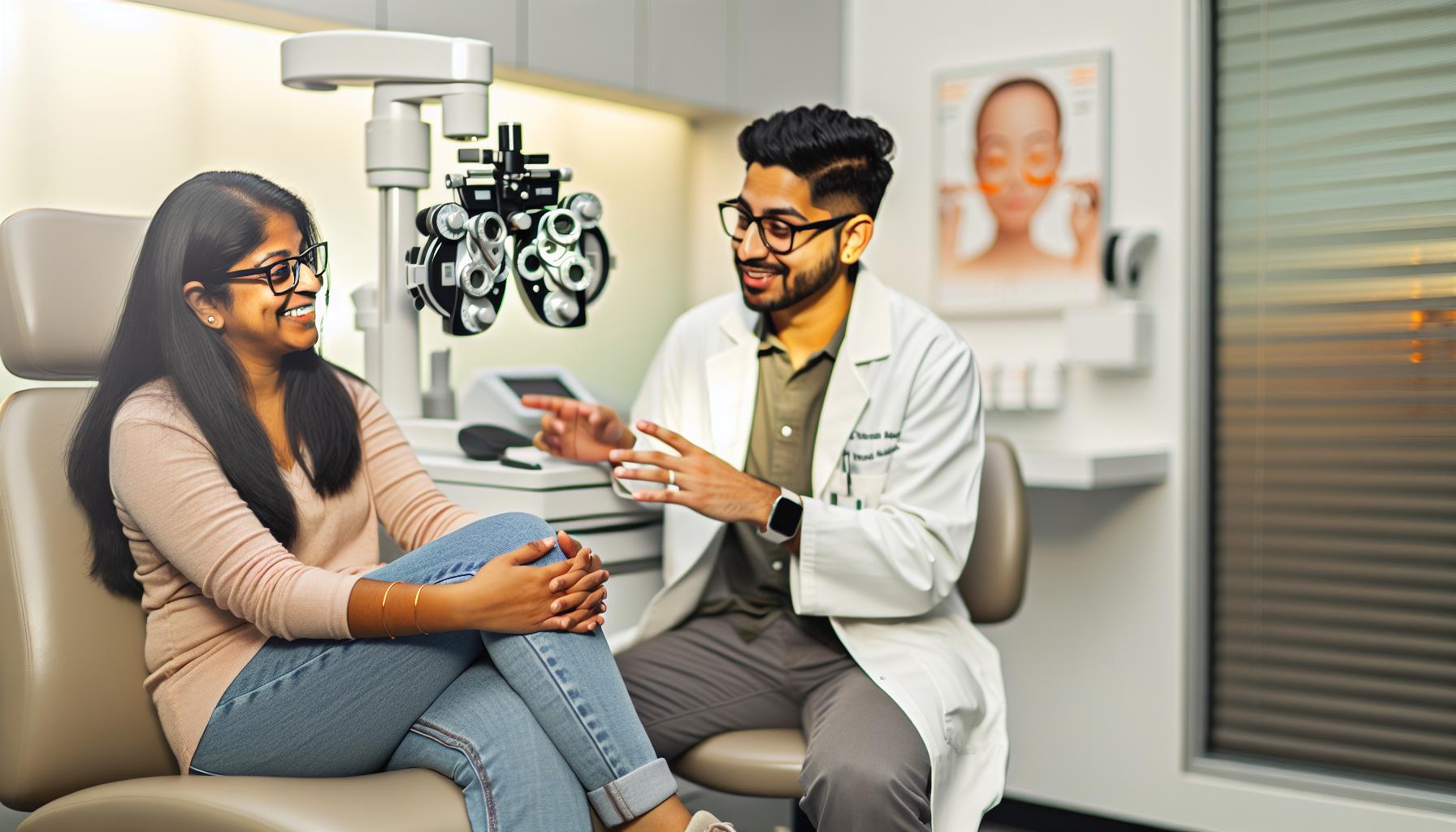
When considering LASIK eye surgery, understanding the consultation process is vital, especially for individuals with diabetes. This initial meeting sets the foundation for a successful procedure and involves various assessments to determine whether LASIK is the right choice. An enlightening fact is that specialized tests are often conducted to evaluate how diabetes might impact not just your vision but the overall surgery experience.
During your LASIK consultation, you can expect a thorough examination of your eye health and vision. The ophthalmologist will perform a series of tests, including measurements of your corneal thickness and shape, along with a detailed evaluation of your medical history, especially regarding your diabetes management. Your blood sugar levels, both past and current, will be discussed to gauge their stability. This information is critical because unstable blood glucose can affect both the surgery’s effectiveness and your recovery.
It’s also an opportunity for you to ask questions. You might want to inquire about how LASIK differs for diabetic patients, the expected outcomes, and any specific precautions you need to take. Don’t hesitate to express any concerns regarding your diabetes management, as the medical team can offer tailored advice. Additionally, they may recommend consultations with your endocrinologist to ensure that your diabetes is well-managed prior to surgery, which can significantly enhance the likelihood of a successful outcome.
Lastly, this consultation is not just about assessing your medical readiness; it’s also about setting realistic expectations. By discussing potential risks, recovery times, and what post-operative care will entail, the healthcare team will empower you to make an informed decision that aligns with your health goals. Remember, the journey to clearer vision begins with understanding and collaboration, so take this time to gather all the information you need to feel confident in your choice.
Types of Laser Eye Surgery for Diabetics
When it comes to laser eye surgery for individuals with diabetes, understanding the different types of procedures available can empower you to make informed choices about your vision correction journey. LASIK is among the most popular options, designed to correct refractive errors such as nearsightedness, farsightedness, and astigmatism. However, other specialized laser procedures cater to specific eye health needs of diabetic patients, ensuring a holistic approach to vision care.
Types of Laser Eye Surgery
- LASIK (Laser-Assisted In Situ Keratomileusis): This advanced technique reshapes the cornea to improve vision, typically resulting in a fast recovery and minimal discomfort. It is generally suitable for stable diabetic patients, provided that their diabetes is well-managed.
- PRK (Photorefractive Keratectomy): Unlike LASIK, PRK removes the outer layer of the cornea before reshaping it with a laser. This method may be recommended for those with thin corneas or other structural concerns, which can sometimes be a factor for diabetics.
- LASEK (Laser Epithelial Keratomileusis): Similar to PRK, this technique preserves the outer layer of the cornea using an alcohol solution before reshaping the cornea with a laser. This method is typically advised for patients with certain corneal irregularities.
- SMILE (Small Incision Lenticule Extraction): A newer procedure that uses a laser to create a thin lens within the cornea, which is then removed through a small incision. This technique might reduce the risk of complications such as dry eye syndrome, which can be of particular concern for individuals with diabetes.
It’s crucial to consult with a qualified ophthalmologist who specializes in diabetic eye care. They can assess your overall eye health and manage your diabetes comprehensively before recommending a specific laser surgery type. Additionally, your physician may discuss management plans that involve collaboration with your endocrinologist to ensure your blood sugar levels are stable, which is vital for the best surgical outcomes.
Understanding the various laser surgery options allows you to explore and choose the most suitable procedure tailored to your needs, ensuring you take an informed step toward clearer vision while managing your diabetes effectively.
Post-Surgery Care: Managing Eye Health with Diabetes
After undergoing LASIK surgery, managing eye health with diabetes is crucial for ensuring optimal recovery and maintaining long-term vision clarity. One of the first steps post-surgery involves paying close attention to your blood sugar levels. Fluctuating glucose can not only hinder the healing process but may also impact your eyesight. It’s essential to consistently monitor your blood glucose and maintain it within your target range, as stable levels can lead to better surgical outcomes and reduced risks of complications.
Post-surgery, you will likely receive specific guidelines from your ophthalmologist regarding care. These may include avoiding rubbing your eyes, adhering to medication schedules, and using prescribed eye drops to prevent dryness and irritation. Staying diligent about these care instructions is vital. Ensure you schedule follow-up appointments to allow your doctor to monitor your recovery closely and make any necessary adjustments to your care plan. Regular communication with your healthcare team, including both your eye doctor and diabetes specialist, can help you stay on track.
To further support your recovery, adopting a balanced diet rich in nutrients that promote healing is beneficial. Foods high in antioxidants, such as leafy greens, fruits, and nuts, can play a pivotal role in reinforcing eye health. Moreover, remaining hydrated and incorporating regular light exercise can improve overall health, contributing to better blood sugar management. Always collaborate with a registered dietitian familiar with diabetes and eye care to create a tailored nutrition plan.
Lastly, consider the mental and emotional aspects of managing diabetes post-surgery. It’s common to feel anxious about recovery, so seeking support from groups or professionals specializing in diabetes management can provide encouragement and guidance. Remember that taking charge of your eye health is a holistic effort that combines good diabetes control, proper surgical care, nutrition, and emotional support. Always consult with your healthcare providers regarding any concerns and before making changes to your routine, ensuring comprehensive care tailored to your unique needs.
Potential Risks of LASIK for Diabetics
While LASIK surgery has transformed the vision correction landscape, diabetics must be aware of various potential risks that could affect both their surgical outcomes and overall eye health. One significant concern is that diabetes can lead to slower healing times and an increased risk of infection. Fluctuating blood glucose levels can hinder the body’s natural healing processes, making it crucial for diabetic patients to maintain consistent blood sugar control leading up to and following the procedure. Patients should work closely with their healthcare team to manage these levels effectively to minimize complications.
Another risk factor for diabetics is the possibility of dry eye syndrome, which can be exacerbated after LASIK. This condition may lead to discomfort, blurred vision, and difficulty in achieving the desired visual acuity post-surgery. Individuals with a history of dry eye should discuss this with their ophthalmologist, who may recommend specific pre- and post-surgical treatments to ensure more comfortable healing and maintain optimal eye moisture levels.
Visual Stability and Refractive Changes
Diabetes can cause fluctuations in vision due to changes in the lens of the eye or other diabetic-related issues. This can lead to a higher likelihood of requiring an enhancement procedure after the initial LASIK surgery. Patients should be prepared for the possibility that their vision may not stabilize immediately, which could necessitate further corrective measures. Regular follow-ups with an eye care professional are essential for monitoring visual changes and addressing any issues as they arise.
Ultimately, while many diabetics can successfully undergo LASIK, understanding these potential risks allows for better preparation and decision-making. Those considering the procedure should engage in thorough discussions with their ophthalmologist about personal health factors and treatment options. By proactively managing diabetes and working with healthcare professionals, patients can enhance their chances for successful LASIK outcomes and maintain their eye health effectively.
Patient Testimonials: Diabetics Share Their LASIK Experiences
Experiencing improved vision post-LASIK is particularly significant for individuals with diabetes, who often manage multiple health concerns daily. Many diabetics have reported transformative journeys after undergoing LASIK surgery, finding not only enhanced eyesight but also a renewed sense of independence. These personal accounts reveal the importance of tailored care, preparation, and professional guidance for diabetics considering this vision correction option.
One patient, Sarah, a 34-year-old with type 2 diabetes, shared her success story: “Before LASIK, my fluctuating vision made daily activities like driving and reading a challenge. I was concerned about my eye health and the risks associated with diabetes, but my ophthalmologist was thorough and reassuring. After careful monitoring of my blood sugar levels and discussions about my options, I felt confident in choosing LASIK. The surgery itself was quick, and the next day, I could see clearly! It felt like a weight lifted off my shoulders.” Sarah’s experience exemplifies the power of working closely with medical professionals to ensure safe and effective outcomes.
Another story comes from David, a 42-year-old who has lived with diabetes since childhood. “I was hesitant about LASIK due to my medical history. However, after extensive consultations and a solid management plan for my blood sugar, I decided to proceed. To my surprise, the recovery was smooth, and I’m now enjoying life without glasses. The key was not just the surgery but ensuring my diabetes was under control beforehand,” he said. David’s example emphasizes the critical role of being proactive about diabetes management to achieve the best results from LASIK.
For those navigating similar paths, these testimonials highlight vital considerations and validate potential concerns. By sharing their stories, diabetic LASIK patients show that with the right preparation and support, achieving clear vision is not only possible but can significantly enhance overall quality of life. It’s essential to consult with healthcare providers, both for diabetes management and ophthalmic care, to make informed decisions tailored to individual needs.
Financial Considerations for Diabetic Patients Seeking LASIK
Navigating the financial landscape of LASIK surgery can be especially complex for individuals living with diabetes. Often, a major factor to consider is whether health insurance will cover this elective procedure, as opinions vary significantly between insurers. Some plans may offer partial coverage depending on the policy’s specific terms, while others may not cover laser eye surgery at all. It’s crucial for diabetic patients to check with their insurance providers to understand their benefits and any out-of-pocket costs.
Another important aspect to consider is the total cost of LASIK treatment, which can vary widely based on the surgeon’s experience, surgical technology used, and the geographic location of the practice. Prices typically range from $2,000 to $4,000 per eye. Many clinics offer financing options to help manage these costs, allowing patients to pay in installments rather than in a lump sum. Evaluating these payment plans and considering them as part of a long-term financial strategy can be empowering for diabetics seeking this vision correction.
Moreover, diabetic patients should also factor in the potential costs associated with pre- and post-operative care. Regular monitoring of blood sugar levels is vital before undergoing the procedure, and patients may need to see an eye care specialist multiple times before and after the surgery. This requirement underscores the importance of budgeting for these additional expenses, as well as securing professional guidance throughout the process.
Finally, patients may find value in seeking out testimonials or experiences shared by other diabetic individuals who have undergone LASIK. Hearing real-life financial strategies and insights can help guide their decision-making process. Engaging with community support groups, either online or in person, can also be beneficial for gaining a broader perspective on the financial considerations surrounding LASIK surgery and diabetes management. Always remember, discussing these financial aspects with qualified healthcare professionals can aid in making informed, stress-free decisions that align with individual health needs.
The Importance of Professional Guidance for Diabetics
Understanding the complexities of LASIK surgery, especially for those living with diabetes, is crucial for making informed decisions about eye health. Professional guidance is an indispensable resource that can empower diabetic individuals navigating the potential challenges associated with laser eye surgery. As diabetes can influence both the surgical outcomes and the overall healing process, seeking expert advice ensures that patients are considering all medical factors, risks, and post-operative care necessary for their specific situation.
Diabetic individuals must work closely with healthcare professionals who have expertise in both diabetes management and ophthalmology. This collaboration is crucial for evaluating whether LASIK is a suitable option based on the individual’s current health and diabetes stability. An eye care specialist can conduct a thorough assessment, checking for potential complications such as diabetic retinopathy, which may affect candidacy for surgery. Moreover, endocrinologists can help manage blood glucose levels leading up to the procedure, optimizing overall health and promoting better surgical outcomes.
In addition to pre-operative assessments, professional guidance plays a vital role in post-operative care. Following LASIK, diabetic patients may face unique challenges related to healing and vision stability. Regular follow-up appointments will not only help track recovery but also allow healthcare providers to address any concerns that arise during the healing process. This proactivity is essential to mitigate the risks of complications that could interfere with an already delicate balance of diabetes management.
Furthermore, beyond just technical and medical considerations, professionals can offer emotional support and education. For many, the prospect of undergoing LASIK can be daunting, and having a supportive network that understands both diabetes management and the intricacies of eye surgery fosters a sense of confidence and reassurance. Engaging with specialists, attending support groups, and sharing experiences can significantly empower diabetics as they consider their options for vision correction. Ultimately, professional guidance paves the way for informed, safe, and effective decision-making, essential for optimal health outcomes.
Alternative Vision Correction Options for Diabetics
When it comes to vision correction, individuals with diabetes often face unique challenges, but they also have a variety of alternatives to consider beyond LASIK surgery. Understanding these options can empower diabetic patients to make informed decisions that align with their health needs and lifestyle.
One popular alternative to LASIK is PRK (Photorefractive Keratectomy). This procedure is similar to LASIK but doesn’t involve creating a corneal flap, making it a potentially safer choice for diabetic individuals who may have concerns regarding flap healing. PRK removes the outer layer of the cornea and reshapes the underlying tissue using a laser. Its longer recovery time may be a disadvantage, but it can be suitable for patients whose eyes may not be ideal for LASIK.
Another effective option is ICL (Implantable Collamer Lens) surgery, which involves implanting a lens in front of the natural lens of the eye. This procedure is reversible and does not involve any corneal tissue removal, making it favorable for those with thinner corneas or other structural concerns. ICL can also provide excellent vision correction without the potential risks associated with corneal healing post-surgery.
For diabetic patients, corrective eyewear remains a viable option. High-index lenses are particularly beneficial, as they are thinner and lighter than standard lenses, providing comfort and better aesthetics. Additionally, progressive lenses can cater to various vision needs without the visible lines found in bifocals, accommodating those experiencing age-related changes combined with diabetic eye conditions.
Support and guidance from healthcare professionals remain essential, as they can help diabetic individuals navigate the complexities of these alternatives. Collaborating with a knowledgeable eye care specialist will ensure that all medical factors are considered, including managing diabetes effectively before and after vision correction procedures. By exploring these diverse options, diabetic patients can find the best solution for their visual health while maintaining an active and fulfilling lifestyle.
Future Trends in LASIK and Diabetic Eye Care
The landscape of LASIK surgery is rapidly evolving, particularly regarding its applicability and safety for diabetic patients. As technology advances, future trends indicate a significant potential for more customized and safer options tailored for those managing diabetes. These innovations aim to address specific concerns that diabetics face in their eye health, ensuring effective vision correction while considering the unique attributes of diabetic eyes.
One promising trend is the integration of diagnostic technologies that allow for more precise assessments of a patient’s eye condition. Enhanced imaging techniques, such as optical coherence tomography (OCT), provide detailed views of retinal structures, enabling surgeons to better evaluate the health of diabetic eyes pre-surgery. This advanced understanding opens avenues for personalized LASIK approaches that mitigate risks associated with existing diabetic eye complications, such as diabetic retinopathy.
The development of advanced laser technologies is another critical focus. With the introduction of smaller, more precise laser systems, surgeons can tailor the procedure based on individual corneal measurements and the overall health of a diabetic patient’s eyes. These innovations aim to improve surgical outcomes and minimize potential complications, making LASIK a more viable option for those with diabetes. Moreover, ongoing research into alternative interventions that complement LASIK, such as pharmacologic agents that enhance healing, is paving the way for a more holistic approach to eye care for diabetics.
Lastly, the importance of interdisciplinary collaboration among healthcare providers cannot be overstated. As models for diabetes management evolve, eye care specialists will increasingly work alongside endocrinologists and primary care providers to create comprehensive care plans. This ensures that diabetic patients receive well-rounded support that addresses their overall health, thus enhancing the safety and effectiveness of procedures like LASIK.
As these trends unfold, it’s vital for diabetic individuals and their families to stay informed and engaged. Conducting thorough research, asking questions during consultations, and seeking advice from qualified healthcare professionals can empower patients to make the right decisions about their eye health. By embracing these advancements, the future looks promising for diabetic patients considering LASIK and other vision correction options.
Faq
Q: Can diabetics undergo LASIK eye surgery safely?
A: Yes, many diabetics can undergo LASIK surgery safely. However, it is crucial to have well-controlled blood sugar levels and to consult with an eye care professional to assess individual eligibility and risks.
Q: What are the risks of LASIK for diabetics?
A: The primary risks include delayed healing, infection, and fluctuating vision. These complications can be exacerbated if diabetes is not well-managed. Patients should consult their doctor to evaluate these risks before proceeding with LASIK.
Q: How does diabetes impact LASIK surgery outcomes?
A: Diabetes can affect healing and the stability of vision post-surgery. Patients with diabetes may experience slower healing times and more significant fluctuations in vision. Close monitoring and proper management are essential for optimal results.
Q: Is there a required waiting period for diabetics before getting LASIK?
A: Yes, diabetics should ideally wait until their blood sugar levels are stabilized and their diabetes is well-controlled, often recommended for at least a year before surgery. This helps ensure better surgical outcomes.
Q: What alternative vision correction options do diabetics have?
A: Diabetics can consider options such as contact lenses, glasses, or even other types of refractive surgery like PRK. Individuals should discuss these alternatives with their eye care specialists to determine the most suitable approach.
Q: How can diabetics prepare for a LASIK consultation?
A: Diabetics should prepare for a LASIK consultation by gathering medical history, ensuring blood sugar levels are stable, and discussing any medications with their eye care professional. This helps in assessing suitability for surgery.
Q: Can LASIK improve vision for all diabetics?
A: Not all diabetics may experience significant improvements in vision post-LASIK. Factors such as the severity of diabetic eye conditions like diabetic retinopathy can affect outcomes. A thorough evaluation is essential.
Q: Are there specific post-operative care instructions for diabetic patients after LASIK?
A: Yes, diabetics should closely monitor their blood sugar levels following LASIK and adhere to the surgeon’s post-operative care regimen. Proper diabetes management is crucial to ensure smooth healing and optimal vision results.
Future Outlook
If you’re a diabetic considering LASIK eye surgery, understanding your options is crucial. While many diabetics can undergo LASIK, it’s essential to consult with a qualified eye care professional to discuss your specific health situation and any potential risks. Don’t let uncertainty hold you back-explore our comprehensive guides on managing diabetes and maintaining healthy vision.
Check out our articles on diabetes management tips and lifestyle adjustments that can enhance your overall well-being. As you navigate your journey, remember that staying informed and proactive is key to managing diabetes effectively. Join our community by subscribing to our newsletter for the latest updates and expert advice.
Your path to clearer vision and better health starts now-take the next step today! Feel free to share your experiences or ask questions in the comments below; we’re here to support you every step of the way.
Get our latest guides, news, and insights highlighted in your Google Search & AI Overviews.