
Did you know that diet plays a crucial role in managing diabetes? With the increasing prevalence of this condition, understanding what foods can affect your blood sugar levels is essential. One common question among those with diabetes is whether potatoes are harmful. In this complete guide on tubers, we will explore the nutritional aspects of potatoes, how they impact blood sugar, and offer practical advice for incorporating them into a balanced diet. Whether you’re looking to manage your diabetes effectively or support a loved one, this article will empower you with knowledge and insights to make informed food choices. Get ready to dive into the vibrant world of tubers and discover how they can fit into your diabetes management strategy!
The Impact of Potatoes on Diabetes Management
The belief that potatoes are detrimental to diabetes management often stems from their carbohydrate content. However, understanding how to incorporate them wisely can turn them into a valuable part of a diabetic-friendly diet. Potatoes have a High Glycemic Index (GI), which means they can raise blood sugar levels quickly. Despite this, they also provide important nutrients such as vitamin C, potassium, and fiber, particularly when consumed with the skin. Keeping these aspects in mind helps in making informed dietary choices.
One of the critical strategies in managing blood sugar levels is to focus on portion control. A well-planned serving size can mitigate excessive spikes in blood glucose. For instance, avoiding large servings of mashed potatoes or french fries, which tend to have added fats and sugars, is advisable. Instead, opting for boiled or baked potatoes and pairing them with protein and healthy fats can improve blood sugar responses. Additionally, cooking methods play a significant role: steaming or boiling potatoes retains more nutrients compared to frying.
Another important consideration is the way potatoes are prepared and consumed. For instance, cooling cooked potatoes can lead to the formation of resistant starch, which has a lower glycemic response when eaten. Combining potatoes with non-starchy vegetables not only enhances nutrient content but also aids in blood sugar control. Examples of healthy potato dishes include:
- Roasted sweet potatoes with a sprinkle of cinnamon.
- Baked potatoes topped with Greek yogurt and chives.
- Potato salad made with olive oil and vinegar instead of mayonnaise.
Ultimately, potatoes can be included in a balanced diet for those managing diabetes if approached mindfully. Consulting with healthcare professionals for individualized advice can help navigate the complexities of carbohydrate management while ensuring a varied and nutritious diet.
Understanding Glycemic Index: Potatoes and Blood Sugar
Understanding the glycemic index (GI) of foods is crucial for effective diabetes management, particularly when it comes to common staples like potatoes. The GI is a ranking of carbohydrates in foods according to how they affect blood glucose levels. Foods with a high GI can cause rapid spikes in blood sugar, while those with a low GI tend to release their sugars more slowly and steadily. For potatoes, different varieties and cooking methods can lead to significantly different GI values.
Potatoes are generally classified as high-GI foods, which means they can potentially raise blood sugar levels quickly if consumed in large quantities or without other balancing components. However, the GI of potatoes varies widely depending on several factors, including the type of potato, how it is cooked, and even the temperature at which it is consumed. For instance, a boiled potato has a lower GI compared to a baked one, while cooling cooked potatoes can increase the resistant starch content, leading to a lower GI response when consumed. This resistant starch acts similarly to dietary fiber, promoting better blood sugar control and overall digestive health.
To help manage blood sugar levels while incorporating potatoes into your diet, consider these strategies:
- Choose the Right Variety: Opt for potatoes with a lower GI, such as sweet potatoes or new potatoes, rather than high-GI options like Russets.
- Cooking Methods Matter: Techniques like steaming or boiling tend to retain more nutrients and generate a lower GI compared to frying.
- Pair Wisely: Combine potatoes with protein and healthy fats to mitigate blood sugar spikes. For example, enjoy a baked potato with a dollop of Greek yogurt or a side of steamed broccoli.
Understanding the glycemic index and making informed choices about how and when to consume potatoes can empower individuals to incorporate this versatile vegetable into their meals while maintaining better control over their blood sugar levels. Remember to consult healthcare professionals for personalized dietary advice, ensuring that these choices fit within your overall diabetes management plan.
Comparing Types of Potatoes: Which Are Best?
Certain types of potatoes can play a role in managing blood sugar levels for those with diabetes, making it essential to understand which varieties are most suitable. Among the myriad of potato breeds, their nutritional properties and glycemic index (GI) can vary greatly, influencing how they affect blood glucose levels. For instance, sweet potatoes, often praised for their vibrant orange color, not only have a lower GI compared to conventional white potatoes but also come packed with vitamins and antioxidants that contribute to overall health. Choosing these over higher-GI varieties, such as Russets, can be a strategic move for better blood sugar control.
Beyond sweet potatoes, other varieties like new potatoes (young, small potatoes) tend to have a lower GI and higher moisture content, which can be beneficial for those monitoring their sugar levels. Moreover, red potatoes and fingerling potatoes are also often considered better options due to their waxy texture that typically maintains more nutrients when cooked. It’s not just about what type of potato is used but how it is prepared that matters as well. Cooking methods such as boiling or steaming rather than frying can help keep the glycemic response lower.
When incorporating potatoes into a balanced diet, combining them with protein sources – for example, adding beans or lean meats – or healthy fats, such as olive oil or avocado, can mitigate blood sugar spikes. This versatile vegetable can fit into a diabetic-friendly meal plan if chosen and prepared wisely. For those with diabetes, focusing on the type of potato and cooking style allows for a balanced approach, ensuring that meals are both satisfying and health-conscious. Always consult with healthcare professionals for tailored dietary advice that fits individual needs and circumstances.
Nutritional Breakdown: Calories, Carbs, and Fiber
Potatoes can actually be a nutritious part of a diabetic-friendly meal plan when understood through the lens of their caloric content, carbohydrate levels, and fiber composition. Surprisingly, a medium-sized baked potato (about 150 grams) contains approximately 161 calories, which is a moderate amount for those monitoring their daily intake. However, the carbohydrate count is what often draws concern; a medium potato has about 37 grams of carbohydrates. This figure can indeed impact blood sugar levels, particularly if the potato is prepared in ways that elevate its glycemic index, such as frying or mashing with added sugars.
One essential aspect often overlooked in assessing potatoes is their fiber content. A medium potato provides about 4 grams of dietary fiber, most of which is found in the skin. Fiber plays a vital role in blood sugar management since it slows the digestion and absorption of carbohydrates, leading to more stable blood sugar levels. For those with diabetes, including fiber-rich foods can facilitate a more gradual release of glucose into the bloodstream. Hence, keeping the skin on during preparation can offer added nutritional benefits and enhance satiety.
For individuals looking to incorporate potatoes into their diets without spiking their blood sugar, portion control is crucial. It is advisable to limit servings to a quarter of a plate, especially when combined with other carbohydrate sources. Pairing potatoes with lean proteins and healthy fats can also help moderate the glycemic response. Consider herbs and spices for flavor over butter or cream, which can significantly increase the calorie and fat content. Managing how you prepare potatoes and what you eat alongside them can help in maintaining stable blood sugar levels while still enjoying this versatile vegetable.
By making mindful choices about the type of potato, portion sizes, and preparation methods, individuals can benefit from the nutritious qualities of potatoes without compromising their diabetes management. Always consult with healthcare professionals for tailored dietary advice that aligns with individual health needs and goals.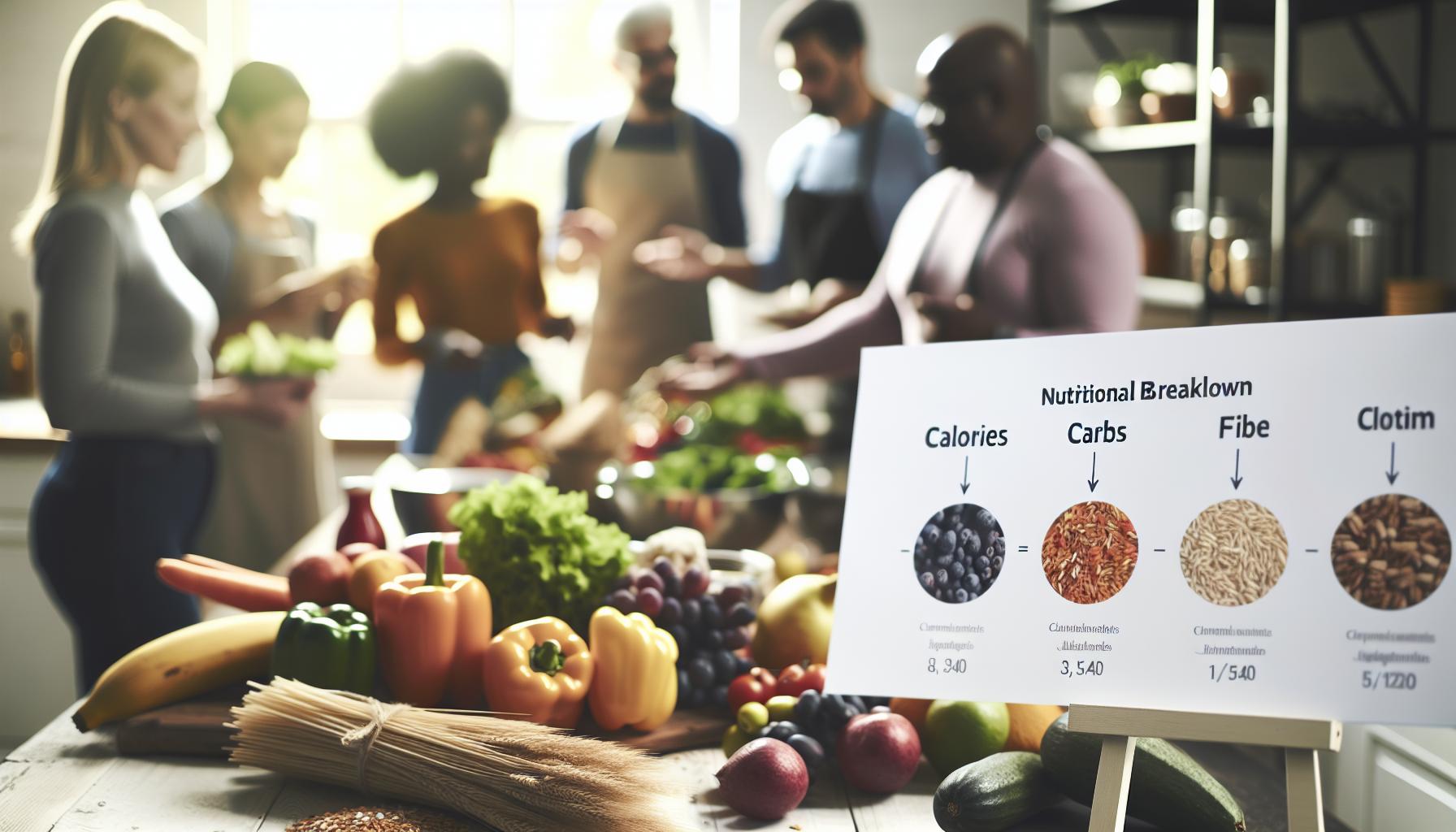
How to Prepare Potatoes for Diabetes-Friendly Meals
Preparing potatoes in a way that is diabetes-friendly can transform this often-misunderstood vegetable into a nutritious component of your meals. Knowledge about cooking methods and ingredient pairing can help mitigate blood sugar spikes while still allowing you to enjoy their flavor and versatility. Here are some strategies to keep in mind when integrating potatoes into a balanced diet for diabetes management.
Choose Healthy Cooking Methods
Cooking techniques significantly affect the glycemic index (GI) of potatoes. To maintain lower GI values, opt for methods such as baking, steaming, or boiling rather than frying. These methods retain more nutrients and soften the fiber in potatoes, which can help slow down glucose absorption. Additionally, consider roasting potatoes with a touch of olive oil and your favorite herbs instead of butter or heavy sauces.
Incorporate Healthy Pairings
Balancing your meals is crucial. Pair potatoes with high-fiber foods and proteins. For example, enjoy a baked potato topped with cottage cheese or Greek yogurt, which adds protein and can help stabilize blood sugar levels. Adding non-starchy vegetables like broccoli or sautéed greens not only enhances flavor but also increases the meal’s fiber content, providing a broader nutrient profile.
Emphasize Portion Control
Keeping an eye on portion sizes is key when preparing potatoes. A serving that fits well within a diabetes-friendly meal could be about one-quarter of your plate. This allows you to enjoy the taste of potatoes while ensuring that you’re not overloading on carbohydrates. Consider using measuring cups or a food scale until you get a feel for appropriate portions.
Experiment with Varieties
Different types of potatoes come with varying nutritional profiles. Sweet potatoes, for example, have a lower GI than white potatoes and are packed with vitamins A and C. Red and new potatoes also have higher antioxidant levels compared to their more starchy white counterparts. Explore these options to diversify your meals, benefiting from a wider range of nutrients, flavors, and textures.
By integrating these preparation tips into your cooking routine, you can help ensure that potatoes remain a satisfying and health-promoting part of your diet. Always prioritize consulting healthcare professionals when making dietary changes, so you can personalize your approach based on your health needs.
Alternatives to Potatoes: Healthier Choices for Diabetics
Many individuals managing diabetes seek alternatives to traditional starchy foods like potatoes. Fortunately, there are numerous vegetables and grains that can fulfill your cravings while supporting stable blood sugar levels. Opting for these alternatives can diversify your diet and offer essential nutrients without the potential spikes in glucose that some starchy foods can cause.
Nutritious Vegetable Alternatives
Consider incorporating non-starchy vegetables into your meals as they are low in carbohydrates and high in fiber, vitamins, and minerals. Some excellent choices include:
- Cauliflower: This versatile vegetable can be mashed, riced, or roasted as a potato substitute.
- Broccoli: Rich in fiber and antioxidants, broccoli can be steamed or sautéed as a delicious side dish.
- Turnips: A root vegetable that can be roasted or mashed, turnips are lower in carbohydrates compared to potatoes.
- Spaghetti squash: When cooked, its flesh can be shredded into strands resembling spaghetti, making it a creative pasta alternative.
Whole Grains and Legumes
Adding whole grains and legumes to your diet not only increases your fiber intake but also provides valuable nutrients. Consider these options:
- Quinoa: This whole grain is a complete protein and works well in salads or as a base for various dishes.
- Brown rice: A much healthier option compared to white rice, brown rice provides more fiber and nutrients.
- Beans and lentils: Full of protein and fiber, they can be used in soups, salads, or as a side dish, helping to regulate blood sugar levels.
Whenever introducing new foods, it’s crucial to monitor how they affect your blood sugar and consult with healthcare professionals to tailor your diet to your specific needs. Embracing these alternatives not only enhances your meals but can also contribute to better blood sugar control, making your dietary journey more enjoyable and varied.
Portion Control: Serving Sizes and Recommendations
Portion control is vital for anyone managing diabetes, especially when it comes to starchy foods like potatoes. A common misconception is that all potatoes are off-limits for individuals with diabetes. However, understanding serving sizes and how to incorporate them wisely can make a significant difference in maintaining stable blood sugar levels. Research indicates that the portion of carbohydrates consumed can greatly affect glycemic response, so measuring and being mindful of portions is key.
When serving potatoes, consider a standard portion size of about 1/2 cup of cooked potatoes or a medium-sized potato. This is approximately 15-20 grams of carbohydrates. Monitoring serving sizes can help prevent blood sugar spikes that occur when large quantities of high-carb foods are consumed. For a practical approach, use measuring cups or a food scale to ensure accuracy. Visually, a portion should be about the size of half your fist, which can serve as a helpful guide when dining out or cooking at home.
Practical Tips for Portion Control
- Balance your plate: Aim to fill half your plate with non-starchy vegetables, a quarter with lean protein, and the other quarter with your carbohydrate source, which can include potatoes.
- Experiment with different cooking methods: Boiling or steaming potatoes can result in a lower glycemic index compared to frying or baking with fats. This can help keep blood sugars more stable.
- Subtract from total daily carb intake: If you plan to include potatoes in your meal, adjust your intake of other carbohydrate sources throughout the day to stay within your recommended limits.
Discussing portion sizes with a dietitian can be incredibly beneficial, as they can provide personalized recommendations based on your specific health goals and lifestyle. Embracing potatoes in moderation and with the right approach can allow individuals with diabetes to enjoy this beloved tuber while effectively managing their condition.
Incorporating Potatoes into a Balanced Diet
isn’t only possible for those with diabetes, it can also be beneficial when done thoughtfully. Potatoes are rich in essential vitamins, like Vitamin C and Vitamin B6, and provide a good source of potassium, which is vital for heart health and muscle function. The key to adding potatoes to your meals lies in mindful preparation and pairing them with other nutrient-dense foods.
To make potatoes a healthy centerpiece on your plate, consider how they fit into your overall carbohydrate intake for the day. Opt for smaller portions-about 1/2 cup cooked potato-as part of a meal rich in non-starchy vegetables and lean protein sources. This can help slow down the absorption of carbohydrates, mitigating spikes in blood sugar levels. When preparing your potatoes, favor cooking methods such as steaming or boiling, which can keep the glycemic index lower compared to frying or roasting with added oils.
To further enhance the nutritional benefits, consider pairing potatoes with high-fiber foods such as beans, lentils, or green vegetables. This combination not only helps stabilize blood sugar but also keeps you feeling full longer. Include healthy fats, like olive oil or avocado, which can improve satiety and support heart health.
Remember that variety is essential; incorporating different types of potatoes-such as sweet potatoes, which have a lower glycemic index, or purple potatoes, which are rich in antioxidants-can bring a range of flavors and health benefits to your diet. By being thoughtful about how you incorporate potatoes and focusing on entire meals, you can enjoy this versatile tuber while effectively managing your diabetes. As always, consult with a healthcare professional or a registered dietitian for personalized advice tailored to your health needs.
Common Misconceptions About Potatoes and Diabetes
Many people living with diabetes often hear conflicting opinions about potatoes, leading to unnecessary fear and avoidance of this versatile food. One major misconception is that all potatoes are detrimental to blood sugar levels. However, the reality is more nuanced. The impact of potatoes on blood sugar depends significantly on the type of potato, how it is prepared, and the overall meal composition. For instance, sweet potatoes generally have a lower glycemic index compared to white potatoes, meaning they can have a lesser impact on blood sugar levels when consumed in moderation.
Another common belief is that eating potatoes should be completely avoided for diabetes management. In truth, potatoes can be part of a balanced diet if prepared thoughtfully. Boiled or steamed potatoes, particularly when consumed with the skin, offer beneficial nutrients and fiber, which can aid in blood sugar control. Pairing potatoes with high-fiber foods, such as vegetables and legumes, can further slow carbohydrate absorption. Portion control is also key; enjoying a moderate serving of potatoes – perhaps as half a cup with a robust meal – can help manage blood glucose levels effectively.
Furthermore, the misconception that one should only eat low-carb foods can neglect the importance of nutrient-rich sources, such as potatoes, which provide vitamins, potassium, and dietary fiber. Instead of thinking of potatoes as merely ‘bad’ or ‘good,’ it is useful to assess their role in meals. Incorporating them in the context of a healthful, balanced plate and considering how they contribute to daily carbohydrate intake can empower individuals to make informed choices that support their health.
In managing diabetes, it’s crucial to consult with healthcare professionals or registered dietitians who can provide personalized advice based on individual health needs. Embracing a diverse and balanced diet, including potatoes when prepared healthfully, allows for greater flexibility and enjoyment in meal planning without compromising blood sugar control.
Expert Opinions: What Dietitians Say About Potatoes
According to many nutrition experts, potatoes can actually play a beneficial role in a diabetic diet, contradicting the common belief that they should be entirely avoided. Registered dietitians emphasize that the glycemic index of potatoes varies significantly between types and preparation methods. For example, boiled potatoes often have a lower glycemic index than their fried counterparts, which results in a slower release of glucose into the bloodstream. This moderation in blood sugar spikes can be essential for effective diabetes management.
Understanding Potato Varieties
Dietitians commonly recommend choosing varieties like sweet potatoes or red potatoes, which not only contain essential vitamins and minerals but also provide fiber that aids in blood sugar stabilization. The skin of potatoes is particularly rich in nutrients, so including it in meals when possible can enhance their health benefits. Moreover, combining potatoes with high-fiber foods such as whole grains, legumes, or plenty of vegetables can further help mitigate blood sugar spikes, making them a more harmonious component of a balanced meal.
Practical Advice for Inclusion
Dietitians suggest that one of the keys to incorporating potatoes into a diabetic-friendly diet is proper portion control. Keeping servings to around half a cup and balancing them with proteins and healthy fats can help maintain stable blood sugar levels. Additionally, preparing them in healthier ways-such as baking, steaming, or boiling-versus frying can make a significant difference.
Lastly, health professionals encourage individuals with diabetes to be mindful of their overall dietary patterns rather than fixating on individual foods. Consulting with a registered dietitian can provide personalized insight, helping to create meal plans that integrate potatoes creatively and healthfully, ensuring that meal preparation remains enjoyable and inclusive without sacrificing essential health considerations.
Practical Shopping Tips for Diabetic-Friendly Potatoes
When navigating the grocery store as someone managing diabetes, knowing how to select the right potatoes can empower your meal planning and support blood sugar control. A little knowledge can transform potato shopping from a daunting task into an informed, confident experience. Prioritizing diabetes-friendly options begins with understanding the types of potatoes available and how their preparation can impact overall health.
Choosing the Right Potatoes
Focus on selecting potatoes that have a lower glycemic index, which translates to a slower release of glucose into the bloodstream. Among the best choices are:
- Sweet potatoes: Rich in fiber and nutrients, they help stabilize blood sugar levels.
- Red potatoes: With their skin packed with vitamins, they offer additional fiber.
- New potatoes: These smaller tubers retain more moisture and nutrients, making them a healthy option.
When possible, purchase organic potatoes, as they may contain fewer pesticides and additives. Opt for whole potatoes rather than processed forms, such as instant mashed potatoes, which often include unhealthy additives and can spike blood sugar levels.
What to Look For in the Store
Pay close attention to the freshness of your potatoes. Look for firm, unblemished skin, and avoid any with sprouting eyes or soft spots, as these indicate spoilage. Additionally, consider the size of the potatoes; smaller ones often cook more evenly and make it easier to keep portion sizes in check. Pre-packaged potatoes can be convenient but read labels carefully-some brands may include extra ingredients that could pose a risk for blood sugar spikes.
Preparation Tips
The way you prepare potatoes at home can also influence their health benefits. Favor healthier cooking methods-baking, boiling, or steaming-over frying. Pair your potatoes with proteins and healthy fats to balance the meal and stabilize blood sugar. For example, serve a baked sweet potato topped with black beans and a sprinkle of avocado for a nutrient-dense dish that supports diabetes management.
Ultimately, while potatoes can be part of a balanced diabetic diet, consulting with healthcare professionals remains crucial. They can provide personalized advice, ensuring you effectively incorporate potatoes into your meal plan without compromising your health. With these shopping tips in mind, you can confidently enhance your diet while enjoying the delicious versatility of potatoes.
Recipes: Delicious Potato Dishes for Diabetics
Potatoes can be a delicious and versatile addition to a diabetic diet when prepared thoughtfully. While it’s essential to be aware of portion sizes and cooking methods, there are plenty of ways to incorporate these tubers into tasty meals that won’t compromise blood sugar levels. Here are some delightful recipes that highlight the nutritious benefits of potatoes and demonstrate how they can fit seamlessly into a diabetes-friendly lifestyle.
Sweet Potato and Black Bean Tacos
These savory tacos pack a punch of flavor and fiber, making them an excellent choice for any meal. Start by roasting diced sweet potatoes with a dash of olive oil, cumin, and paprika until tender. Serve the sweet potatoes in whole grain tortillas and top with black beans, diced avocado, and fresh cilantro. The combination of hearty sweet potatoes and protein-rich beans helps stabilize blood sugar while offering a satisfying meal.
Red Potato Salad with Greek Yogurt Dressing
This twist on a classic potato salad is perfect for barbecues or picnics. Boil red potatoes until fork-tender, then cool and chop them into bite-sized pieces. For the dressing, mix Greek yogurt with a splash of lemon juice, diced pickles, and fresh dill. Combine the potatoes with this light dressing, along with chopped celery and green onions for crunch. This dish is lower in fat and calories than traditional potato salads, making it a healthy choice.
Baked New Potatoes with Garlic and Herbs
Baking brings out the natural sweetness of new potatoes while keeping their glycemic index lower. Simply scrub new potatoes, toss them with minced garlic, rosemary, thyme, and a bit of olive oil, then bake until crispy on the outside and tender within. This simple side dish pairs beautifully with grilled chicken or fish, providing a satisfying and nutritious complement to your meal.
Curried Potato and Cauliflower Soup
For a warm and comforting option, try this creamy soup. Sauté onions, garlic, and ginger in a pot, then add diced potatoes and cauliflower florets. Sprinkle in curry powder and simmer with low-sodium vegetable broth until all ingredients are tender. Blend until smooth for a creamy finish and garnish with plain Greek yogurt and fresh herbs. This soup is a hearty choice that keeps blood sugar in check, thanks to the filling fiber from the vegetables.
By making smart ingredient choices and practicing healthy cooking methods, you can enjoy a variety of delicious potato dishes that won’t impede your efforts in managing diabetes. Always consult with healthcare professionals to ensure that these recipes align with your specific dietary needs, and feel empowered to create meals that nourish both the body and the soul.
Faq
Q: Are potatoes safe for people with diabetes?
A: Yes, potatoes can be included in a diabetic diet when eaten in moderation and prepared healthily. Choose lower glycemic index varieties and control portion sizes to help manage blood sugar levels effectively. Consider incorporating them alongside fiber-rich foods for better blood sugar control.
Q: What type of potatoes are best for diabetics?
A: Sweet potatoes and red potatoes are often better choices for diabetics due to their lower glycemic index compared to white potatoes. They also provide more nutrients and fiber, which can aid in blood sugar management.
Q: How can I lower the glycemic index of potatoes?
A: To lower the glycemic index of potatoes, try cooking them with the skin on, cooling them after cooking, or pairing them with healthy fats and proteins. These methods can slow carbohydrate absorption and reduce blood sugar spikes.
Q: How much potato can a diabetic eat?
A: Diabetics can typically consume around 1/2 cup of cooked potatoes as a serving. However, it’s essential to consider overall carbohydrate intake and monitor blood sugar levels to determine personal serving sizes.
Q: Why do people think potatoes are bad for diabetes?
A: Many believe potatoes are bad for diabetes because they have a high glycemic index and can cause rapid blood sugar spikes. However, with proper portion control and preparation, they can be part of a balanced diabetic diet.
Q: Can diabetic patients eat mashed potatoes?
A: Yes, diabetic patients can enjoy mashed potatoes when made healthily, such as using less butter or cream. Mixing in vegetables or using sweet potatoes can enhance nutrition while keeping blood sugar levels stable.
Q: How do potatoes compare to other carb sources for diabetics?
A: Potatoes are a starchy vegetable and have a higher glycemic index than most non-starchy vegetables and some whole grains. Therefore, they can be less ideal compared to options like quinoa or whole grain bread, which offer more fiber and nutrients.
Q: What are some healthy ways to prepare potatoes for diabetics?
A: Healthy preparation methods include baking, steaming, or grilling potatoes instead of frying. Avoid adding excessive butter or cream. Instead, flavor with herbs and spices for a nutritious, flavorful dish. For further guidance, check our section on “How to Prepare Potatoes for Diabetes-Friendly Meals.”
Future Outlook
In summary, understanding the impact of potatoes on diabetes is crucial for effective management of your health. While they contain carbohydrates, you can enjoy them in moderation by incorporating healthier cooking methods and pairing them with fiber-rich foods to maintain stable blood sugar levels. Don’t let the myths hold you back-make informed food choices that empower you on your diabetes journey!
For more insights, explore our articles on managing diabetes through diet and the best products available for daily care. Also, consider subscribing to our newsletter to receive tips directly to your inbox, ensuring you stay up-to-date with the latest in diabetes management.
Ready to take control? View our comprehensive guides on meal planning and diabetes-friendly recipes, and feel free to share your thoughts or experiences in the comments below. Your journey matters, and together we can navigate the challenges!
Get our latest guides, news, and insights highlighted in your Google Search & AI Overviews.