Diabetic neuropathy affects millions, often leading to debilitating pain and lifestyle limitations. Understanding whether this condition qualifies as a disability can significantly impact your access to essential benefits and support. If you or a loved one are struggling with neuropathy, knowing your rights and options can empower you to navigate the complexities of medical care and financial assistance effectively. In this guide, we’ll explore the criteria for disability benefits related to diabetic neuropathy, addressing your concerns and providing the information you need to make informed decisions. Join us as we uncover the essentials of securing the support you deserve while managing diabetes and its challenges.
Understanding Diabetic Neuropathy: An Overview
Diabetic neuropathy is a common yet often overlooked complication of diabetes, affecting millions worldwide. It occurs when high blood sugar levels damage nerve fibers, particularly in the legs and feet, leading to symptoms that can significantly impact quality of life. Understanding this condition empowers patients to seek appropriate medical care, make necessary lifestyle changes, and advocate for themselves in various contexts, including disability claims if needed.
The effects of diabetic neuropathy can reach into many aspects of daily routine. Individuals may experience sensations ranging from numbness to sharp pain, and the condition can also impact balance and coordination. This discomfort may hinder basic activities such as walking, driving, or even standing for extended periods, making it essential for those affected to adjust their lifestyles accordingly. Incorporating regular foot care, maintaining optimal blood sugar levels, and engaging in physical activity can help manage symptoms and preserve mobility.
In managing diabetic neuropathy, it’s crucial to remain under the care of healthcare professionals. A multi-disciplinary approach that includes regular visits to doctors, dietitians, and diabetes educators can help tailor management plans that are effective and sustainable. Engaging in open conversations with healthcare providers about symptoms and treatment options fosters an environment of collaboration and support, ultimately leading to improved health outcomes.
Moreover, utilizing resources and support networks, both in-person and online, can provide encouragement and practical advice for those navigating life with diabetic neuropathy. Peer support groups can offer insights and shared experiences, making it easier to cope with the challenges of diabetes and its complications. By taking proactive steps and seeking community support, individuals can lead fulfilling lives despite the hurdles posed by diabetic neuropathy.
How Diabetic Neuropathy Affects Daily Life

Diabetic neuropathy can profoundly alter daily life, impacting everything from routine tasks to emotional well-being. For many individuals, the physical manifestations of this condition-such as numbness, tingling, or sharp pain-can create barriers that complicate otherwise simple activities like walking, driving, or even cooking. Managing these sensations often requires individuals to make significant adjustments in their daily routines to maintain an acceptable level of comfort and safety.
Understanding the importance of lifestyle adjustments is essential. Patients are encouraged to incorporate regular foot care as part of their daily regimen, as minor injuries can escalate quickly due to reduced sensation. Regular monitoring of blood sugar levels is also crucial, as stable glucose can prevent further nerve damage and alleviate some symptoms. Active engagement in physical activity, tailored to individual capabilities and supervised by healthcare professionals, not only helps in managing weight and blood sugar but also strengthens muscles and improves balance, mitigating some effects of neuropathy.
In addition to physical care, emotional and mental health support is key. Recognizing the emotional toll that chronic pain and the lifestyle limitations of diabetic neuropathy can have is vital. Many find that connecting with support groups-either in-person or online-offers a safe space to share experiences and strategies for coping. Such networks can provide valuable insights into managing daily challenges, helping individuals feel less isolated and more empowered in their journey.
Working closely with healthcare providers remains indispensable in navigating life with diabetic neuropathy. A collaborative approach that involves regular consultations with doctors, dietitians, and mental health professionals can lead to personalized care plans that address both the physical and emotional aspects of living with this condition. By fostering open communication and utilizing available resources, individuals can cultivate resilience and maintain a fulfilling lifestyle despite the hurdles posed by diabetic neuropathy.
Recognizing the Symptoms of Diabetic Neuropathy

Recognizing the early signs of diabetic neuropathy is crucial for timely intervention and effective management. Many individuals may experience subtle symptoms initially, which, if ignored, can progress to more severe manifestations that significantly impact daily functioning. Symptoms can vary widely, but understanding and identifying them early can lead to better outcomes.
Common early symptoms include:
- Numbness or tingling: Many people report a “pins and needles” sensation in their feet or hands, which can be the first sign of nerve damage.
- Sharp pain: Some individuals may experience sudden, intense pain that often feels like a burning sensation.
- Increased sensitivity: Even light touches can cause pain or discomfort, making everyday tasks challenging.
- Muscle weakness: This might manifest as difficulty in lifting objects or a feeling of heaviness in the limbs, affecting mobility and coordination.
As diabetic neuropathy progresses, symptoms may escalate, leading to challenges with balance and walking. It’s essential to monitor for changes, as ongoing nerve damage can lead to complications such as foot ulcers or injuries that might not heal properly due to reduced sensation. Regular foot inspections and proper footwear can mitigate these risks, fostering better management.
If you or a loved one notice these symptoms, it’s vital to consult with a healthcare professional. They can perform a thorough evaluation and create a tailored management plan that not only addresses physical aspects but also considers emotional and psychological support. Remember, early recognition and proactive management can significantly improve quality of life and help prevent debilitating complications associated with this condition.
Evaluating Disability Criteria for Neuropathy
Evaluating eligibility for disability benefits related to diabetic neuropathy involves understanding specific criteria set by the Social Security Administration (SSA). For individuals dealing with this condition, the challenge often lies in demonstrating the severity and impact of their symptoms on their daily functional capacity. Diabetic neuropathy can potentially qualify for benefits if it severely impairs one’s ability to work and perform daily activities.
To begin, it’s essential to recognize that the SSA has detailed medical criteria for evaluating neuropathy. For diabetic neuropathy to be considered a disabling condition, the symptoms must significantly impede movement, sensory function, or both. For example, if an individual’s ability to walk, grip objects, or perform fine motor tasks is compromised, this can warrant further examination. The SSA may assess medical records, treatment history, and neurological examinations that reveal consistent findings of nerve damage.
Moreover, it is not solely the presence of neuropathy that qualifies one for disability benefits; rather, the extent to which it disrupts typical activities is crucial. Important considerations include:
- Functional Limitations: Demonstrating how the neuropathy affects mobility, balance, and the performance of work-related tasks.
- Severity of Symptoms: Documenting intense pain, numbness, or muscle weakness that hinders daily living.
- Response to Treatment: Evidence of attempts to manage symptoms through medical interventions and their limited success may support your claim.
Individuals applying for benefits should thoroughly document their condition and its effects. Consulting with healthcare professionals for detailed evaluations, standard tests, and personalized treatment plans is essential not only for managing diabetic neuropathy but also for establishing a strong case for disability claims. Gathering comprehensive medical documentation and ensuring ongoing communication with specialists can empower those affected to better navigate the disability evaluation process. Being proactive in managing one’s health condition is a pivotal aspect of both living with diabetic neuropathy and pursuing any potential benefits.
Types of Disability Benefits Available

Navigating the landscape of disability benefits can often feel overwhelming, especially for individuals grappling with conditions like diabetic neuropathy. Understanding the different types of benefits available is crucial to ensuring that you receive the support you need. The social safety net provides various forms of assistance, each designed to cater to specific needs and eligibility requirements.
The two primary types of federal disability benefits available through the Social Security Administration (SSA) are Social Security Disability Insurance (SSDI) and Supplemental Security Income (SSI). SSDI is intended for individuals who have a work history and have paid into Social Security through their payroll taxes. If your diabetic neuropathy has significantly affected your ability to work, you may qualify for this benefit. On the other hand, SSI is a need-based program designed for individuals with limited income and resources, regardless of work history. If your neuropathy has rendered you unable to support yourself financially, you might explore applying for SSI.
In addition to these federal programs, some states offer additional assistance programs that provide financial support and resources for disability claimants. Many state-based programs can supplement the funds you may receive from SSDI or SSI. It is advisable to research your state’s specific offerings, as these can enhance your overall financial stability while you manage your condition.
A crucial aspect of securing these benefits is understanding how each program’s criteria align with your circumstances. Ensure you gather substantial medical documentation and evidence that articulates the severity of your symptoms and their impact on daily living. Consulting with a disability attorney or advocate can also be beneficial in navigating this complex process, as they can provide insights tailored to your situation and help streamline your claim, increasing your chances of approval.
Ultimately, being informed about the types of benefits available and understanding the application process can empower individuals with diabetic neuropathy to seek the support they deserve. Don’t hesitate to reach out to healthcare professionals and local resources dedicated to diabetes management, as they can guide you through both your health management and disability claims journey.
Applying for Disability Benefits: A Step-by-Step Guide

Applying for disability benefits can seem daunting, especially for those dealing with the complications of diabetic neuropathy. However, understanding the process step-by-step can empower you to navigate this essential journey with confidence. The first step is to determine which program fits your situation-either Social Security Disability Insurance (SSDI) for those with a work history or Supplemental Security Income (SSI) for those with limited income and resources.
Step 1: Gather Medical Documentation
Collect comprehensive medical records that detail your diagnosis of diabetic neuropathy and how it affects your daily life. This includes:
- Physician’s notes and treatment history
- Diagnostic tests, such as nerve conduction studies
- Medication lists and side effects
The more detailed your documentation, the stronger your case will be.
Step 2: Complete the Application
You can apply online through the Social Security Administration’s website, visit a local office, or call for assistance. When filling out the application, be thorough and clear about how your condition limits your ability to work. Answer all questions accurately, and don’t leave anything blank; missing information can delay the process.
Step 3: Review Before Submission
Before submitting your application, review all documents to ensure accuracy. Confirm that all required forms are included and that there are no discrepancies. Even minor errors can slow down your application.
Step 4: Follow Up
After submitting your application, keep track of its status. You can check online or contact the SSA for updates. If your application is denied, don’t be discouraged-many claims are initially rejected. This is where understanding the appeals process becomes crucial, as you have the right to appeal within a specific timeframe.
Throughout this process, don’t hesitate to seek assistance from advocacy groups or disability attorneys. They can offer invaluable insights and help bolster your case. Remember, you are not alone-many have successfully navigated this path, and with the right preparation and support, you can too.
Navigating the Appeals Process for Denied Claims
Navigating the appeals process can feel overwhelming, especially after receiving a denial for disability benefits related to diabetic neuropathy. Many applicants hear a resounding “no” initially, but it’s crucial to understand that this is not the end of the road. In fact, the appeals process is a significant opportunity to strengthen your case. Research shows that approximately 60% of disability claims that are appealed ultimately result in approval, highlighting the importance of persistence and thoroughness.
When you receive a denial letter, take a moment to carefully review the reasons provided. Often, claims are denied due to insufficient medical documentation or failure to meet specific criteria outlined by the Social Security Administration (SSA). It’s essential to address these points directly when you file your appeal. Gather additional evidence from healthcare providers. This can include updated medical reports, letters detailing your condition’s impact on your daily life, and further diagnostic tests that demonstrate the severity of your diabetic neuropathy.
Steps to Appeal Successfully
- Request a Reconsideration: This is the first step in the appeals process. Within 60 days of receiving your denial notice, you can request that the SSA review your application again. It’s an opportunity to submit new evidence or clarify previously submitted information.
- File a Hearing Request: If your reconsideration is denied, you can request a hearing before an administrative law judge. This step usually takes longer but allows for a more personal approach, where you can present your case directly and provide further evidence.
- Seek Legal Advice: Consider consulting with a disability attorney or advocate who specializes in cases of diabetic neuropathy. They can provide guidance on the nuances of the appeals process and help ensure your claim is as robust as possible.
Remember, the appeals process is designed to provide a fair chance for claimants, and with the right preparation and support, your chances of success increase significantly. Keep your spirits high and remain proactive; many individuals have triumphed over denied applications, paving the way toward the support they need for managing their diabetes and associated conditions. You are not alone in this journey-many resources are available to assist you in claiming your rightful benefits.
Essential Documentation for Your Disability Claim
Gathering the right documentation is crucial when applying for disability benefits related to diabetic neuropathy, as it serves as the backbone of your claim. Without sufficient evidence, even the most deserving cases may face denial. Statistics indicate that a significant number of initial claims are denied due to inadequate supporting documentation, underscoring the importance of having a well-prepared application.
To strengthen your case, focus on collecting detailed medical records that illustrate the severity and impact of your condition. This includes:
- Complete Medical History: Ensure that your medical records provide a comprehensive overview of your diabetes management, any progression of diabetic neuropathy, and the treatments you have undergone. Include doctor’s notes, lab results, and treatment plans.
- Neuropathy Diagnosis: Obtain a formal diagnosis from a healthcare professional that explicitly states the presence of diabetic neuropathy. This may include specialized test results, such as nerve conduction studies, which demonstrate the extent of nerve damage.
- Symptom Descriptions: Detailed letters from your healthcare providers can help describe how your symptoms interfere with daily activities. These letters should outline limitations in mobility, sensation, or any secondary effects like pain or balance issues.
- Functional Limitations: Document how diabetic neuropathy affects your daily life. Provide examples of challenges faced at work, home, or in social situations, emphasizing how activities like walking, standing, or performing tasks may be hindered.
By compiling this essential documentation, you enhance the likelihood of a favorable outcome for your disability claim. Always consult with healthcare professionals who can provide insights into your condition and assist you in gathering these vital documents. Remember, the more thorough and well-organized your submission, the better your chances for approval. Each piece of information can serve to create a clearer picture of your situation, helping decision-makers understand the unique challenges you face in managing your diabetic neuropathy.
Supporting Evidence: Medical Records and Tests
Gathering comprehensive medical records and test results is not just a procedural step when applying for disability benefits related to diabetic neuropathy; it’s a vital component that can significantly influence the course of your claim. The absence of robust supporting evidence is a frequent reason why applicants face denials, as it can create a lack of clarity about the extent and impact of the condition on daily life. Documenting your experience with diabetic neuropathy is essential in painting a clear picture for decision-makers.
- Comprehensive Medical History: Your medical records should chronicle your journey with diabetes and highlight the specific progression to diabetic neuropathy. This includes all treatment plans and changes in your health status over time, which can help establish context for your current situation.
- Formal Neuropathy Diagnosis: Secure a clear diagnosis from a healthcare provider, ideally one that specifies the type of neuropathy you have, such as diabetic peripheral neuropathy. Diagnostic tests such as nerve conduction studies and electromyography (EMG) can often validate the diagnosis and demonstrate the severity of nerve damage.
- Symptom Documentation: Detailed accounts from healthcare professionals can illustrate how your symptoms affect your daily living. Request letters from your providers detailing your limitations, such as difficulties walking or performing specific tasks, which showcase how the condition restricts your functionality.
- Impact on Daily Life: It’s crucial to document the practical implications of your diabetic neuropathy on your everyday activities. Keep a journal or log outlining challenges faced at home, work, or during social interactions. Specific examples of how you may struggle with tasks like climbing stairs or grasping objects can provide compelling evidence of your limitations.
Establishing a well-rounded collection of supporting evidence through medical records and tests is not only beneficial for your disability claim, but it can also enhance your overall diabetes management by encouraging better care coordination with your healthcare team. As you prepare these documents, collaborate closely with your doctors and specialists; their insights and professional opinions can strengthen the credibility of your application. Each piece of evidence, meticulously assembled, can contribute to a more persuasive case, ultimately promoting an understanding of the lived experience of diabetic neuropathy.
The Role of Healthcare Professionals in Your Claim
Navigating the complexities of diabetic neuropathy can feel overwhelming, especially when the stakes involve securing disability benefits to enhance your quality of life. Healthcare professionals serve a critical role in this journey, acting as both guides and advocates. A solid partnership with your medical team can not only improve your health outcomes but also provide the necessary documentation and support to fortify your disability claim.
To begin, maintaining regular consultations with your primary care physician and specialists is integral to both effective diabetes management and detailed documentation of your neuropathy. Providers can monitor the progression of your condition, adjusting treatment plans as needed, and documenting your symptoms. They can also perform essential diagnostic tests, such as nerve conduction studies or electromyography (EMG), which provide vital evidence of nerve damage necessary for your claim.
It’s also beneficial to leverage the insights of allied health professionals. Physical and occupational therapists can offer personalized assessments of how diabetic neuropathy impacts your mobility and daily activities. They can provide letters detailing your functional limitations-such as difficulties in standing, walking, or gripping-bolstering your claim with professional assessments of your daily challenges. These descriptions can vividly convey to claims reviewers how your condition detracts from your quality of life.
Furthermore, don’t overlook the importance of clear and open communication with your healthcare team. Regularly discussing the implications of your diabetic neuropathy, including its emotional and physical impact, ensures that all aspects of your health are considered. By collaborating closely with your doctors and specialists, you can compile a comprehensive collection of medical records that not only assists your disability claim but also creates a clearer picture of your health journey. Remember, informed and proactive engagement with your healthcare providers is an empowering step toward navigating the path to disability benefits.
Resources for Diabetic Neuropathy Support
Navigating the maze of diabetic neuropathy can be challenging, but countless resources are available to support patients and their families in managing this condition effectively. Engaging with these resources can lead to greater empowerment and a better quality of life for those affected by diabetic neuropathy. Whether seeking education, support, or practical tips, knowing where to turn can make all the difference.
Support Organizations
Several national organizations focus on diabetes and its complications, offering educational materials, support groups, and advocacy. For instance, the American Diabetes Association (ADA) provides resources on managing diabetes, including information on diabetic neuropathy. Additionally, the Diabetes Action Research and Education Foundation supports research and offers resources for patients and caregivers seeking to understand and manage their condition.
Online Communities and Forums
Finding a community of peers who understand your experiences can alleviate feelings of isolation. Online forums like Diabetes Daily and the Diabetes.co.uk forum allow individuals to share their stories, exchange tips, and provide emotional support. Engaging with others facing similar challenges can offer fresh perspectives and encouragement, making day-to-day struggles more manageable.
Educational Resources
Educational materials specific to diabetic neuropathy can provide valuable insights into managing symptoms and preventing complications. Websites such as Healthline offer guidelines on nutritional choices, daily foot care, and more, helping you develop a comprehensive management plan tailored to your needs. Furthermore, checking out free webinars, online classes, or nutrition workshops can aid in enhancing your disease management strategies.
Professional Guidance
Building a strong relationship with healthcare professionals, such as endocrinologists, dieticians, and neurologists, can offer critical support in managing diabetic neuropathy. These experts can provide personalized treatment plans, monitor for complications, and refer you to specialists as needed. Seek out professionals familiar with diabetic neuropathy; they can guide you through the complexities of your condition, ensuring that your management plan is as effective as possible.
By tapping into these resources, individuals with diabetic neuropathy and their families can gain vital knowledge, connect with supportive communities, and enhance their overall management of the condition. Empowerment through education and support is an invaluable step in taking control of diabetes and its complications.
Real-Life Stories: Living with Diabetic Neuropathy
Living with diabetic neuropathy can be a profound journey filled with challenges and adaptations. Many individuals find that sharing their experiences not only helps themselves but also inspires others facing similar struggles. For instance, take the story of Lisa, a 52-year-old woman diagnosed with diabetic neuropathy after years of battling type 2 diabetes. Initially overwhelmed by symptoms like foot pain and tingling sensations, Lisa sought guidance from her healthcare team, leading to a comprehensive management plan. Through consistent monitoring of her blood sugar levels, adopting a balanced diet rich in whole grains and lean proteins, and incorporating regular physical activity into her routine, she not only alleviated her symptoms but also regained a sense of control over her life.
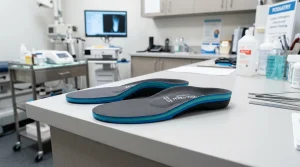
Another impactful example is Michael, a former construction worker in his late 40s, who found it increasingly difficult to perform his job due to neuropathic pain. After consulting with a specialist, he learned about assistive devices that could help him continue working without exacerbating his condition. By adjusting his work environment and using specialized footwear designed for individuals with neuropathy, Michael managed to keep his job while prioritizing his health. His journey highlights the importance of being proactive and exploring all available options, whether they are medical interventions or workplace adjustments.
Support networks play a crucial role in coping with diabetic neuropathy. Many find solace in local support groups where they can share experiences and strategies with those who understand the daily hurdles. Online communities are invaluable as well, providing a platform for individuals to connect, share advice, and offer encouragement. Engaging in discussions about the latest research, treatment options, and even lifestyle modifications can empower individuals to take control of their condition.
As these stories illustrate, adapting to life with diabetic neuropathy involves not just medical management, but also a strong commitment to lifestyle changes and community support. By focusing on daily management strategies, fostering connections, and collaborating with healthcare professionals, individuals can significantly enhance their quality of life and navigate the complexities of this condition with confidence. Always consult with medical professionals for tailored advice and to ensure effective management of diabetic neuropathy, as every individual’s journey is unique.
FAQ
Q: What are the criteria for qualifying diabetic neuropathy as a disability?
A: To qualify diabetic neuropathy as a disability, you must demonstrate that it significantly impairs daily functioning. This often involves showing the impact on activities like walking, using hands, or managing personal care. Medical documentation and assessments are crucial in supporting your claim.
Q: How can I prove my diabetic neuropathy is a disability?
A: Proving diabetic neuropathy as a disability requires comprehensive medical evidence, including doctor reports, imaging tests, and detailed descriptions of your symptoms. Documenting the limitations it imposes on your daily life enhances your chances of approval for disability benefits.
Q: Can I receive Social Security benefits for diabetic neuropathy?
A: Yes, you can receive Social Security benefits for diabetic neuropathy if it meets the criteria set by the Social Security Administration. This includes proving how the condition limits your ability to work and perform everyday activities.
Q: What types of doctors can help with diabetic neuropathy disability claims?
A: Doctors specializing in neurology, endocrinology, or pain management can provide valuable assessments for diabetic neuropathy. They can help document your condition and its impact on your functionality, which is essential for disability claims.
Q: How long does it take to get disability approval for diabetic neuropathy?
A: The approval process for disability benefits for diabetic neuropathy can vary widely, typically taking three to six months. Factors such as the complexity of your case and timely submission of medical evidence influence this timeframe.
Q: What additional support can I access while my disability claim is pending?
A: While your disability claim is pending, consider accessing community resources, support groups, or local health services that offer assistance with managing the effects of diabetic neuropathy. These resources can provide emotional support and practical advice.
Q: Are there non-financial benefits available for those with diabetic neuropathy?
A: Yes, non-financial benefits for diabetic neuropathy include access to rehabilitation services, counseling, and educational programs focused on diabetes management. These resources can improve your quality of life while managing the condition.
Q: What information is critical when filling out a disability application for diabetic neuropathy?
A: When filling out a disability application for diabetic neuropathy, include detailed medical history, symptoms descriptions, treatment plans, and how the condition affects daily activities. This comprehensive approach strengthens your application and increases your chances of approval.
Future Outlook
Understanding whether diabetic neuropathy qualifies as a disability can open doors to vital benefits and support, enhancing your quality of life. If you or a loved one is navigating this challenging condition, don’t hesitate to explore our comprehensive resources on managing diabetic symptoms and improving daily wellness. Check out our articles on effective diabetic management strategies and treatment benefits for actionable insights.
Take the next step towards empowerment-consider scheduling a consultation with healthcare professionals who can guide your treatment decisions. Your journey doesn’t end here; stay informed by subscribing to our newsletter for the latest updates on diabetes management and treatments. Sharing your experiences in the comments below can also foster community support-let’s navigate this together!
Get our latest guides, news, and insights highlighted in your Google Search & AI Overviews.