
Did you know that guava is not just a delicious tropical fruit but also a powerhouse of nutrients that can benefit those managing diabetes? This vibrant fruit is packed with fiber, vitamins, and antioxidants, making it a great addition to your diet. However, navigating food choices can feel overwhelming for those with diabetes. Understanding how to incorporate sweet fruits like guava responsibly can help you enjoy their benefits while keeping blood sugar levels stable. In this article, we’ll explore the best ways to eat guava, highlight its health benefits, and provide practical tips to enhance your diabetes management. By the end, you’ll feel more empowered to make informed dietary choices that support your health goals without sacrificing flavor.
Understanding Guava: Nutritional Benefits for Diabetics
Guava is not just another tropical fruit; it’s a powerhouse of nutrition, especially beneficial for those managing diabetes. Packed with vitamins, minerals, and antioxidants, guava offers a unique combination of health benefits that can support blood sugar control. Notably, this fruit is low in calories and contains a high amount of dietary fiber, which can enhance digestive health and contribute to better blood sugar regulation. The fiber content helps slow down the absorption of sugar in the bloodstream, preventing spikes in blood glucose levels that can be detrimental for diabetics.
Additionally, guava has a low glycemic index (GI), making it a safe choice for those watching their carbohydrate intake. The presence of beneficial phytochemicals in guava, such as flavonoids and carotenoids, supports overall health and may reduce the risk of chronic diseases associated with diabetes. This makes guava a smart addition to a diabetic-friendly diet.
When incorporating guava into daily meals, consider eating it whole, blending it into smoothies, or adding it to salads. It’s versatile and can be used in desserts or as a sweet component in savory dishes, enhancing the flavor profile without significantly impacting blood sugar. Always consult with a healthcare provider before making significant dietary changes to ensure they fit within your overall management plan.
Why Guava is a Diabetic-Friendly Fruit

Guava stands out as a remarkably nutritious fruit, particularly beneficial for those managing diabetes. Its unique composition makes it an excellent choice for maintaining healthy blood sugar levels while also satisfying sweet cravings. A significant factor contributing to guava’s diabetic-friendly nature is its high fiber content. Fiber plays a crucial role in slowing the absorption of sugar in the bloodstream, which helps prevent the rapid spikes in blood glucose that can be harmful for diabetics. In fact, just a single guava can provide more than 3 grams of dietary fiber, promoting not only better blood sugar control but also improved digestive health.
Another compelling reason to incorporate guava into a diabetic diet is its low glycemic index (GI). Foods with a low GI are digested and absorbed slowly, leading to a gradual increase in blood sugar levels rather than sudden spikes. Guava’s low GI makes it a satisfying option for those looking to manage their carbohydrate intake effectively. Additionally, this tropical fruit is packed with essential vitamins and antioxidants, such as vitamin C and carotenoids, which can help combat oxidative stress, a common concern for individuals with diabetes. The presence of phytochemicals further supports overall health, potentially lowering the risk of developing complications associated with diabetes.
Aside from its inherent health benefits, guava is incredibly versatile in the kitchen. Whether you enjoy it fresh, blended into smoothies, or as an intriguing addition to salads, its sweet and tangy flavor can enhance a variety of dishes without leading to significant increases in blood sugar levels. Many people find that experimenting with guava allows them to rediscover joy in their dietary choices while adhering to their health goals. Always consult with a healthcare provider when making substantial dietary changes, ensuring that your choices align with your specific management plan. By incorporating guava thoughtfully into your meals, you can relish its sweetness while supporting your journey toward better health.
How to Incorporate Guava into Your Diet

Incorporating guava into your diet can be a delicious way to manage your diabetes effectively. With its rich flavor and numerous health benefits, this tropical fruit can add variety to your meals while helping to stabilize blood sugar levels. One easy way to enjoy guava is to consume it fresh. Simply wash the fruit and slice it into wedges for a convenient snack. You can also enjoy it with a sprinkle of lime juice or a dash of chili powder for an extra kick.
Another excellent approach is to blend guava into smoothies. Combining it with leafy greens like spinach or kale, along with a source of protein such as Greek yogurt or a nut butter, creates a satisfying breakfast or snack that won’t spike your blood sugar. Guava can also enhance savory dishes; try adding diced guava to salads for a sweet twist or mix it into salsa to accompany grilled fish or chicken.
For those who love experimenting in the kitchen, guava makes an interesting ingredient in baking. You can puree guava and incorporate it into muffins or pancakes, providing natural sweetness and moisture while keeping the sugar content low. If you prefer more traditional recipes, guava can be cooked down into a jam using a sugar substitute, allowing you to enjoy its flavor spread on whole-grain toast.
When looking for fresh guavas, opt for those that are slightly soft to the touch and have a fragrant aroma. Avoid those with dark blemishes or overly firm skin. Always remember to consult with your healthcare provider before making significant changes to your diet, particularly if you have specific dietary restrictions or concerns. Incorporating guava can be a sweet and beneficial experiment that aligns with your diabetes management plan, bringing a sense of joy and satisfaction to your daily meals.
Tips for Choosing Fresh Guavas
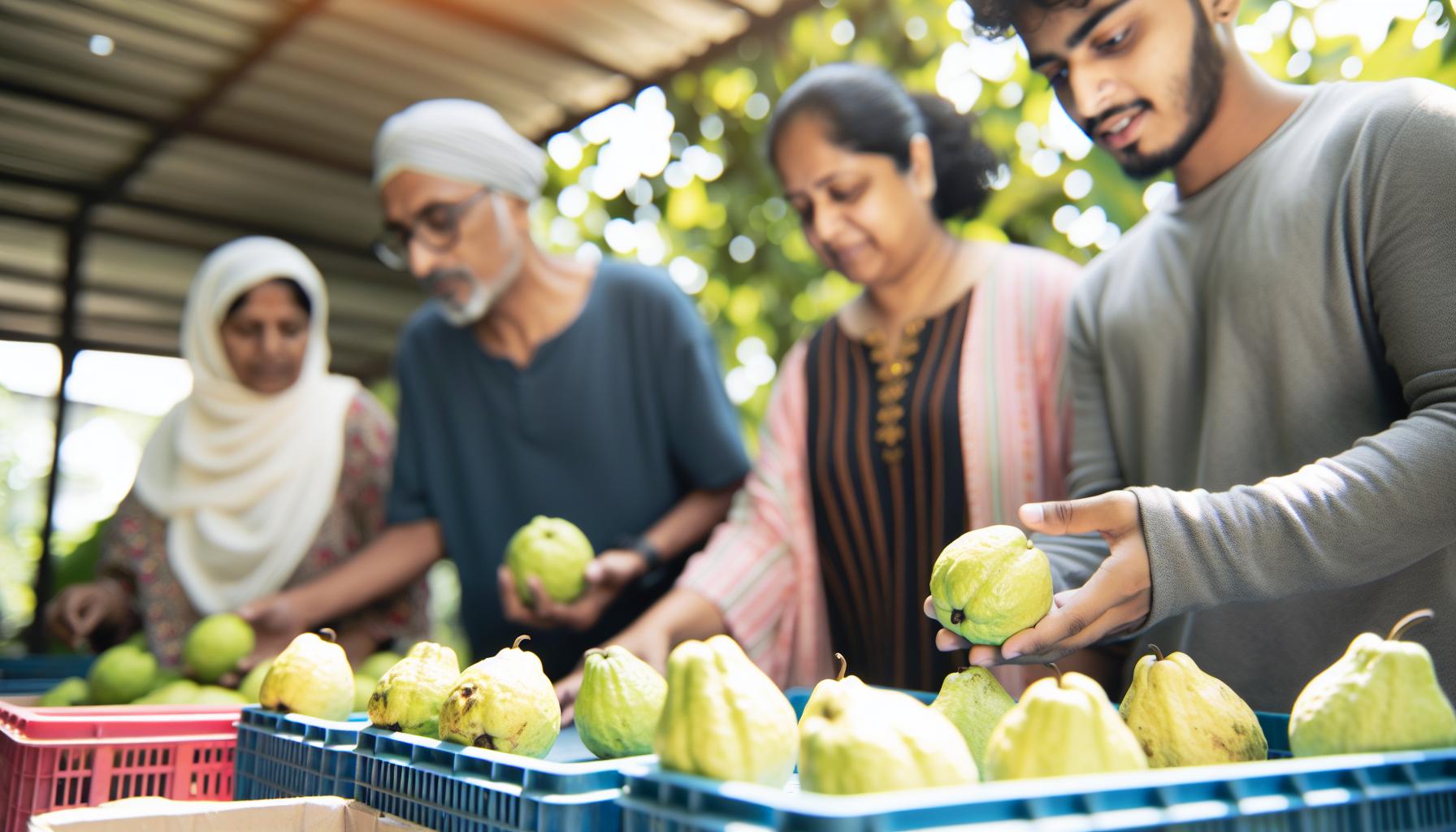
When selecting fresh guavas, understanding their quality indicators can make all the difference in enjoying this nutrient-rich fruit. Guavas are not only delicious but also packed with essential vitamins, antioxidants, and dietary fiber, making them a favorable choice for those managing diabetes. To ensure you’re picking the best guavas, keep these helpful tips in mind.
First and foremost, look for guavas that are slightly soft but not mushy when gently squeezed. A good guava should yield slightly to pressure, indicating ripeness. The color is also a crucial factor; ripe guavas typically exhibit a vibrant yellow or green hue, depending on the variety, with minimal dark spots or blemishes. Be wary of guavas with overly firm skin, as this usually means they are underripe and may not have developed their characteristic sweetness.
Another essential consideration is the aroma. Fresh, ripe guavas emit a sweet, fruity fragrance that signals peak ripeness. If the fruit lacks any distinctive scent, it might be a sign that it’s not ready to eat. After purchase, store guavas at room temperature until they ripen fully. Once ripe, they can be refrigerated to prolong their freshness, but it’s best to consume them within a few days for optimal taste and health benefits.
When you’re out shopping, it’s also wise to consider the source of your guavas. Ideally, buy from local farmers’ markets or reputable grocery stores that prioritize fresh produce. Organic options are preferable, as they often come without synthetic pesticides, aligning well with health-conscious choices. Always consult your healthcare professional if you have questions about dietary changes or include new foods in your diabetes management plan. Making informed choices about fruits like guava can enhance your diet while helping you maintain stable blood sugar levels.
Guava Recipes for Blood Sugar Control
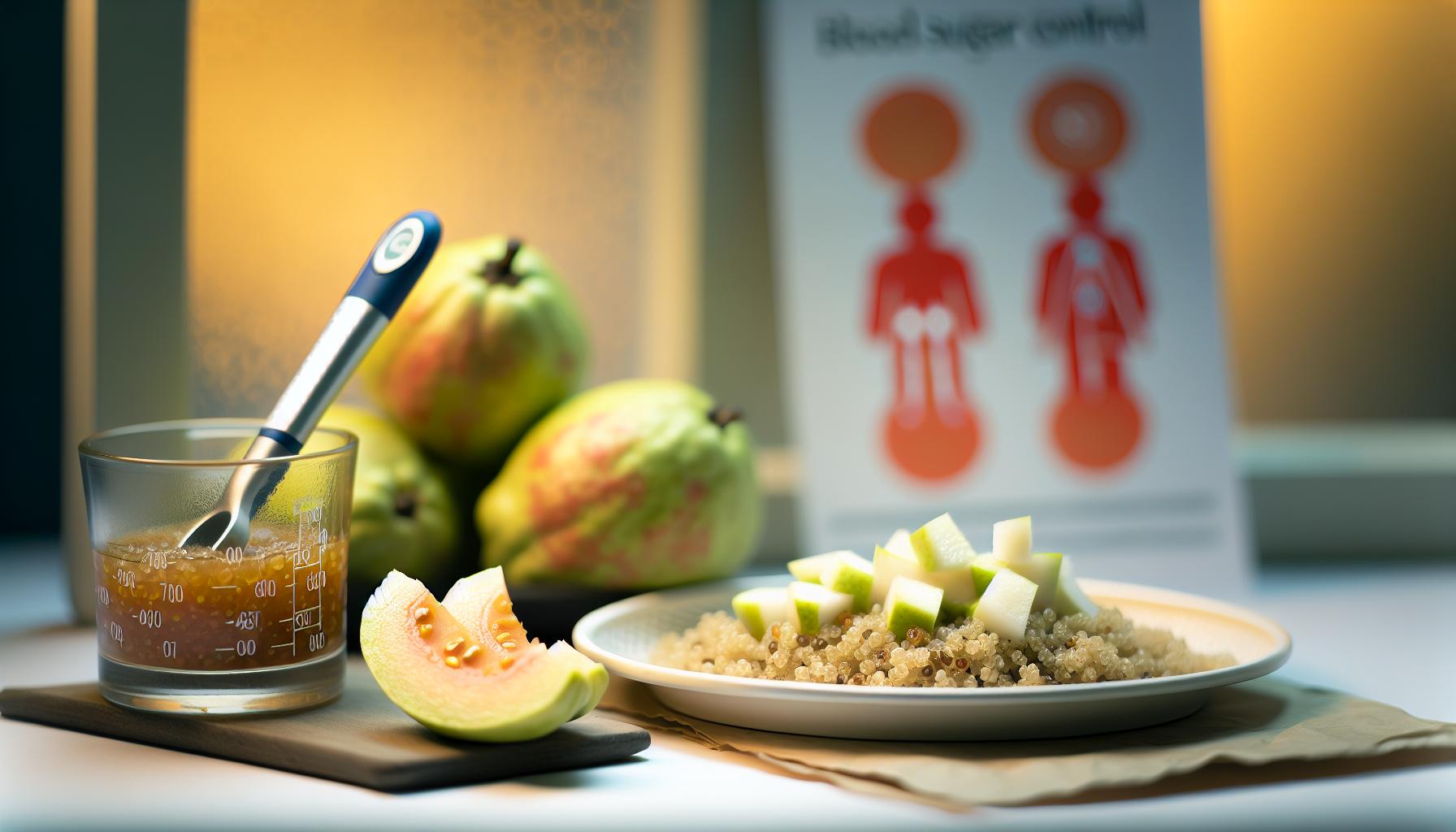
Incorporating guava into your meals can be both enjoyable and beneficial for managing blood sugar levels. This tropical fruit is not only delicious but is also a powerhouse of nutrients, making it an excellent addition to a diabetic-friendly diet. Guava’s low glycemic index, along with its high fiber content, can help moderate blood sugar spikes, promoting overall health while satisfying your sweet cravings.
One delightful way to enjoy guava is by making a refreshing guava salad. Combine ripe guava slices with avocados, cherry tomatoes, and a sprinkle of lime juice for a zesty, nutrient-rich dish that is high in healthy fats and low in carbohydrates. For breakfast, consider blending guava into a smoothie with spinach and unsweetened almond milk. This not only masks the taste of leafy greens but also adds a fruity flavor without compromising blood sugar levels.
If you’re looking for a more substantial option, guava can be used in savory dishes as well. Try grilling chicken or fish and serving it with a guava salsa made from diced guava, red onion, cilantro, and jalape├▒o. This not only enhances the dish with a tropical flavor but also adds fiber and essential vitamins to your meal, helping keep blood sugar in check.
For those who enjoy cooking, a delicious guava chutney can be made by simmering chopped guavas with vinegar, ginger, and spices. This condiment can be paired with lean meats or spread on whole-grain bread, providing both flavor and health benefits. By experimenting with guava in various recipes, you can enjoy its unique taste while maintaining your diabetes management plan.
As you explore these recipes, remember to consult with healthcare professionals on dietary changes, ensuring they align with your personalized diabetes management strategy. Balancing enjoyment and nutrition is key, and guava offers a fulfilling way to do just that while supporting blood sugar control.
Potential Risks of Eating Guava for Diabetics
Eating guava can be a delightful experience, but it’s essential to consider potential risks, particularly for individuals managing diabetes. Although guava is often celebrated for its health benefits, it is crucial to acknowledge that moderation is key. Consuming large amounts of any fruit, including guava, can lead to significant fluctuations in blood sugar levels due to the natural sugars they contain. While guava has a lower glycemic index compared to many other fruits, portion sizes should be monitored to avoid spikes in glucose.
One important factor to consider is the overall carbohydrate intake in relation to your daily meal plan. Guavas can form part of a balanced diet, but it’s best to pair them with other low-glycemic-index foods like nuts or seeds to mitigate any blood sugar impacts. This approach helps create balanced meals that support stable glucose levels. It’s also wise to avoid guava products that contain added sugars or sweeteners, which can negate the positive effects of the fruit and exacerbate blood sugar issues.
Additionally, individuals with certain digestive sensitivities may experience discomfort when consuming high-fiber foods such as guava. While fiber is beneficial for overall health, sudden increases in dietary fiber can lead to gastrointestinal distress, including gas or bloating. To mitigate this risk, gradually incorporating guava into your diet while maintaining hydration can help ease any potential digestive challenges.
As you navigate your dietary choices, continual consultation with healthcare professionals is vital. A registered dietitian or diabetes educator can provide personalized advice on incorporating guava safely into your meal plan, helping you enjoy its benefits while managing your blood sugar levels effectively. Remember, successful diabetes management is a journey that involves understanding your body’s unique responses to various foods.
Guava Supplements: Are They Worth It?
While fresh guava is celebrated for its health benefits, the availability of guava supplements has led many to wonder whether they can provide similar advantages, especially for those managing diabetes. Guava supplements typically come in the form of extract, powder, or capsules, concentrating the beneficial properties of the fruit in a more convenient format. They often contain bioactive compounds such as flavonoids, carotenoids, and vitamins, which contribute to their health-promoting capabilities.
Guava supplements may offer potential benefits for blood sugar control, as some studies suggest that the compounds found in guava can improve insulin sensitivity and may even help lower blood glucose levels. For individuals struggling to include whole fruits in their diets due to lifestyle constraints or preferences, supplements could serve as an effective alternative. However, it’s crucial to remember that the efficacy of supplements can vary significantly between brands and formulations, making it essential to select those with credible manufacturing standards and third-party testing.
Despite the appealing prospect of guava supplements, they shouldn’t replace fresh guava or other whole foods that provide essential fiber and additional nutrients. Whole fruits offer a synergistic effect where the nutrients work together optimally, something that is often lost in processed supplements. Furthermore, excessive reliance on supplements can lead to potential side effects or interactions with medications, especially for diabetics who may be on multiple treatments. Consulting a healthcare professional before adding any new supplements to your regimen is vital to ensure they align with your individual health needs and medication plan.
Ultimately, while guava supplements might be worth considering for their convenience and potential benefits, they should be viewed as an adjunct to a well-rounded diet rich in varied fruits and vegetables. For those managing diabetes, it’s vital to focus on holistic approaches to dietary health, involving professional guidance to optimize food choices that empower better blood sugar management.
Pairing Guava with Other Diabetic-Friendly Foods
Incorporating guava into a diabetes-friendly diet can be both delightful and nutritious, providing a flavorful way to manage blood sugar levels. This tropical fruit is not only low in calories but also rich in fibers and other essential nutrients that are beneficial for diabetics. Pairing guava with complementary, diabetes-friendly foods can enhance its health benefits while ensuring a satisfying meal or snack.
When considering food pairings, it’s essential to focus on options that provide balanced nutrition without causing spikes in blood glucose levels. One excellent way to enjoy guava is by combining it with high-fiber foods. For instance, slicing guava and pairing it with Greek yogurt creates a delicious snack that is rich in protein and probiotics, promoting digestive health. Another option could be guava served with raw nuts or seeds, which add healthy fats and further stabilize blood sugar levels due to their low glycemic index.
Incorporating guava into smoothies can also be beneficial. Mixing guava with leafy greens such as spinach or kale can enhance the nutrient profile while adding volume and fiber to the meal, which helps in better blood sugar management. You may also consider blending guava with unsweetened almond milk and a scoop of protein powder for a low-sugar breakfast option that keeps you energized throughout the day.
Additionally, guava pairs well with spices such as cinnamon and ginger, both of which have been shown to have positive effects on blood sugar control. Adding a sprinkle of cinnamon to sliced guava can provide a flavorful twist while offering additional health benefits.
When planning meals or snacks that incorporate guava, always remember to consult with a healthcare professional or a registered dietitian who specializes in diabetes management. They can provide personalized recommendations that consider your overall dietary needs and help you make informed choices to maintain your blood sugar levels effectively. By wisely pairing guava with other nutritious foods, you can enjoy its sweet, tropical flavors while supporting your health journey.
Understanding the Glycemic Index of Guava
The glycemic index (GI) is a crucial tool for managing diabetes, as it measures how quickly foods raise blood sugar levels after consumption. Guava stands out in this regard, with a low to moderate GI score, typically ranging from 30 to 40. This means that guava has a slower impact on blood sugar compared to high-GI foods, making it a favorable option for those looking to regulate their glucose levels.
In practical terms, incorporating low-GI foods like guava into your diet can lead to more stable blood sugar management and reduced cravings for sugary snacks. The fiber content found in guava-approximately 3 grams per 100 grams-greatly contributes to its low GI, as fiber helps slow down the digestion and absorption of carbohydrates. Eating whole guava rather than drinking guava juice can further lower blood sugar spikes, as the whole fruit offers more fiber and fewer concentrated sugars.
When considering how to effectively include guava in your meals, think about balancing it with other low-GI foods. Combining guava with a source of lean protein, such as chicken or fish, or healthy fats, like avocado or nuts, can also help stabilize blood sugar levels. For example, a salad that includes sliced guava, leafy greens, nuts, and a light vinaigrette can create a balanced meal that satisfies the palate without overwhelming your blood sugar control.
As with any dietary change, it’s essential to consult a healthcare professional, such as a registered dietitian, who can help tailor your eating plan based on your individual health needs. By and making informed choices, you can enjoy its sweet flavor while maintaining better control over your diabetes management.
The Role of Fiber in Guava for Diabetes Management
The dietary choices you make can significantly influence your management of diabetes, and one essential component that plays a vital role is fiber. Guava, a tropical fruit packed with dietary fiber, not only offers a satisfying sweetness but also assists in regulating blood sugar levels. Research indicates that fiber helps improve insulin sensitivity and slows carbohydrate absorption, which is crucial for maintaining stable glucose levels. This makes guava an excellent addition to a diabetic-friendly diet.
Incorporating fiber-rich foods like guava can enhance your overall health by aiding digestion and fostering a feeling of fullness, which may help prevent overeating. A 100-gram serving of guava contains approximately 3 grams of fiber, which contributes significantly to your daily fiber intake. Consuming whole fruits, including guava, rather than fruit juices is preferable, as whole fruits provide more fiber and fewer concentrated sugars. This promotes better blood sugar control and helps manage cravings, which is particularly important for those living with diabetes.
For those looking to seamlessly include guava into their daily meals, consider making it a staple in various scenarios. You might add sliced guava to a morning smoothie for extra texture and sweetness, or toss diced guava into a salad with greens and nuts for a refreshing lunch. Combining guava with protein sources-like a piece of grilled chicken or legumes-can further stabilize blood sugar levels, ensuring a balanced meal that sustains energy without causing spikes in blood glucose.
As you explore the benefits of fiber-rich foods like guava, it’s vital to consult with healthcare professionals to tailor your dietary choices to your specific needs. By making informed and health-driven decisions regarding your food intake, you empower yourself to better manage diabetes while enjoying the delicious flavors that guava and other fruits have to offer. Remember, every positive choice contributes to your journey of health and well-being!
Expert Opinions: Health Professionals Weigh In
Emerging research and practical experiences shared by healthcare professionals underscore the impressive benefits of incorporating guava into the diet of individuals managing diabetes. Nutritionists emphasize that this tropical fruit, rich in fiber and antioxidants, can play a crucial role in maintaining stable blood sugar levels. According to Dr. Sarah Thompson, a registered dietitian specializing in diabetes care, “Guava possesses a unique combination of essential nutrients that can help enhance metabolic health. Its high fiber content not only aids digestion but helps to slow the absorption of sugar into the bloodstream, which is crucial for glucose control.”
Health experts recommend that patients take advantage of guava’s versatility in meal planning. For instance, incorporating guava into smoothies or salads can provide a refreshing twist while ensuring a fiber boost. “Smoothies made with guava and spinach or kale not only taste great but can significantly contribute to daily fiber intake, which is essential for anyone striving to manage their blood sugar levels,” says Dr. Mark Ellis, an endocrinologist. He further advises patients to pair guava with protein-rich foods, like nuts or yogurt, to create a well-rounded meal that can help avoid post-meal glucose spikes.
When selecting guavas for consumption, healthcare professionals advise focusing on fresh, ripe fruits. “Look for guavas that have a fragrant aroma and slightly soft texture. This indicates ripeness and maximizes the nutritional benefits,” notes Maria Lopez, a community health worker. Additionally, she suggests experimenting with different varieties of guava, such as pink or white-fleshed options, to explore flavors while receiving similar health benefits.
While guava is generally considered safe and beneficial for diabetics, it’s essential to acknowledge individual variations in dietary responses. Consultation with healthcare providers is crucial for tailoring personal nutrition plans. “Every person’s body is different; therefore, it’s important to monitor blood glucose levels and observe how guava affects them specifically,” advises Dr. Thompson. By fostering an open dialogue with medical professionals, individuals can make informed decisions that enable them to enjoy the sweet benefits of guava while effectively managing their diabetes.
Personal Stories: Success with Guava in Diabetes Care
In the journey of managing diabetes, personal testimonies often illuminate the path to better health. Several individuals have shared inspiring experiences of incorporating guava into their daily diets, highlighting the tangible benefits this fruit can offer. For instance, Maria, a long-time diabetic, began adding guava to her breakfast routine after learning about its fiber content. “I used to struggle with managing my morning blood sugar levels, but guava has become my ally,” she shares. “Not only do I enjoy its sweet taste, but I’ve noticed that my glucose readings are far more stable now.”
Another user, James, transformed his approach to snacks by replacing store-bought options with guava slices. He emphasizes, “I didn’t even realize how much sugar was in those packaged snacks until I started monitoring my intake closely. Switching to guava not only reduced my sugar consumption but also kept my cravings in check. Plus, adding some nuts for protein makes it a delicious combo!” This simple change illustrates the practical steps individuals can take to make healthy food choices that align with their diabetes management goals.
Families also benefit from guava as an everyday food. Sarah, a mother of a child with diabetes, incorporates guava into her family’s meals by blending it into smoothies or adding it to yogurt. “It has become a family favorite, and I love knowing that each serving is contributing to my child’s nutrition without spiking their blood sugar,” she explains. Such experiences underline the versatility of guava, allowing it to fit seamlessly into various meal plans while bolstering overall health.
As these personal stories resonate, they underscore the importance of individualizing diets and discussing changes with healthcare professionals. While guava presents numerous benefits, each person’s experience with diabetes is unique. These narratives inspire others to explore how incorporating foods like guava can cultivate a healthier lifestyle, encouraging discussions with medical providers for tailored dietary advice. By fostering a supportive community and sharing knowledge, individuals can navigate the challenges of diabetes management with confidence and optimism.
Faq
Q: Can guava help lower blood sugar levels?
A: Yes, guava can help lower blood sugar levels due to its low glycemic index and high fiber content. Its antioxidants and vitamins also promote overall health, making it a beneficial option for diabetics. Incorporate it into your diet for potential blood sugar benefits.
Q: What are the best ways to eat guava for diabetes?
A: The best ways to eat guava for diabetes include consuming it raw, adding it to smoothies, or incorporating it into salads. Pairing guava with other diabetic-friendly foods can enhance its benefits. Check the section on recipes for more practical ideas.
Q: When is the best time to eat guava for diabetes management?
A: Eating guava in the morning or before exercise can provide an energy boost without causing spikes in blood sugar. It’s best to consume it as part of a balanced diet throughout the day. Explore the section on incorporating guava into your diet for more insights.
Q: Are there any side effects of eating guava for diabetics?
A: While guava is generally safe, some diabetics may experience gastrointestinal discomfort if consumed in large amounts due to its fiber content. It’s wise to start with small portions and monitor your body’s response.
Q: How does the fiber in guava benefit diabetics?
A: The fiber in guava aids in stabilizing blood sugar levels by slowing digestion and absorption. This helps prevent spikes in glucose levels after meals. Consider reading about the role of fiber in guava for diabetes management for detailed information.
Q: Can guava be consumed in juice form without affecting blood sugar?
A: Guava juice can be consumed, but it is best to consume it in moderation. Whole guava contains fiber, which helps regulate blood sugar levels, while juice can lead to quicker sugar absorption. Opt for blending whole guava for smoothies instead.
Q: Is guava high in carbohydrates for diabetes management?
A: Guava is relatively low in carbohydrates compared to many fruits, making it suitable for diabetics. A serving provides essential nutrients without overwhelming your carb limit. Check the nutritional benefits section for specific carbohydrate content.
Q: What other fruits can be paired with guava for a diabetic-friendly snack?
A: Fruits like berries, apples, and pear can be combined with guava for tasty, diabetic-friendly snacks. These combinations offer additional nutrients and fibers that support blood sugar management. Learn more in the section on pairing guava with other foods.
Insights and Conclusions
Incorporating guava into your diet can be a game-changer for managing diabetes, offering a delightful blend of sweetness and health benefits. Remember, it’s not just about enjoying this delicious fruit but also about understanding how it fits into your overall meal plan. If you’re eager to explore more ways to enhance your diabetes management, check out our articles on “Healthy Snack Options for Diabetics” and “The Best Fruits for Blood Sugar Control” for additional insights and tips to bolster your health journey.
Don’t wait-experiment with guava today and experience its unique taste and nutritional advantages! Do you have questions or concerns about your dietary choices? We encourage you to consult your healthcare provider for personalized advice. Join our community by subscribing to our newsletter for the latest updates and resources tailored for diabetes management. Feel free to share your thoughts below and connect with others on similar journeys; your experiences could inspire someone else!
Can a Diabetic Eat Guava? Glycemic Index, Pectin Fiber and Leaf Extract
Tropical fruit lovers wondering can a diabetic eat guava? will be pleased to discover that guava (Psidium guajava) is one of the most glucose-friendly fruits on earth. Delivering a low Glycemic Index (GI 12–24) and over 9 grams of soluble pectin fiber per cup, guava delays glucose absorption in the small intestine. Furthermore, peer-reviewed clinical studies demonstrate that polyphenol-rich guava leaf extract inhibits intestinal alpha-glucosidase enzymes, lowering postprandial glucose curves.
| Guava Form | Serving Size | Fiber Content | Glycemic Index (GI) | Endocrine Recommendation |
|---|---|---|---|---|
| Fresh Raw Guava (Skin intact) | 1 medium fruit (100g) | 5.4 g | 12 (Extremely Low) | Clinical Gold Standard: 4x the Vitamin C of oranges; skin blunts glucose |
| Guava Fruit (Peeled) | 1 medium fruit | 3.0 g | 24 (Low) | Good Choice: Beneficial pectin; modest glycemic impact |
| Guava Leaf Herbal Tea | 1 brewed cup (240ml) | 0.0 g carbs | 0 (Zero) | Proven Therapeutic: Alpha-glucosidase inhibitor; drink with meals |
| Commercial Guava Nectar / Juice | 8 fl oz (240ml) | 0.5 g | 68 (High) | Strictly Avoid: High added sucrose; induces rapid hyperglycemia |
Get our latest guides, news, and insights highlighted in your Google Search & AI Overviews.