Living with diabetes can be complex, especially for those experiencing neuropathy, which often leads to discomfort in the feet. Selecting the right footwear is crucial not only for comfort but also for safety. The best slippers for diabetics with neuropathy provide essential support, cushioning, and protection, reducing the risk of injury while promoting overall well-being. With countless options available, understanding the key features of diabetic-friendly slippers can empower individuals to make informed choices that enhance their quality of life. As you explore this guide, you’ll discover valuable insights and recommendations that can help you find the perfect pair of slippers that prioritize your comfort and health.
Best Features in Slippers for Diabetics
The right slippers can significantly enhance comfort and safety for individuals with diabetes, especially those dealing with neuropathy. One key feature to look for is soft, padded interiors that reduce friction and minimize pressure points on the feet. This can help alleviate discomfort and prevent skin irritations, which are crucial given the potential for decreased sensation and increased vulnerability to injury in diabetics. Additionally, selecting slippers with moisture-wicking materials can help keep feet dry, thus reducing the risk of fungal infections.
Another essential aspect is adjustability. Slippers that offer adjustable straps or elastic bands allow for a customized fit, accommodating changes in foot size or swelling associated with conditions like edema. This feature not only enhances comfort but also provides better stability, reducing the risk of slips and falls. Furthermore, well-designed slippers should include arch support to promote proper alignment and reduce strain on the feet, which is particularly important for individuals with diabetic neuropathy who might already have compromised foot function.
When it comes to safety, opting for slippers with non-slip soles is paramount. These soles improve traction, allowing for secure footing on various surfaces, which is crucial to preventing falls-a significant concern for many diabetics, especially those with balance issues. Furthermore, breathable uppers can boost ventilation, helping to regulate foot temperature and maintain comfort throughout the day.
In summary, when selecting slippers for diabetics, focus on features that prioritize comfort, adjustability, and safety. Understanding these elements can be a game-changer, as they contribute to overall foot health and the well-being of those managing diabetes.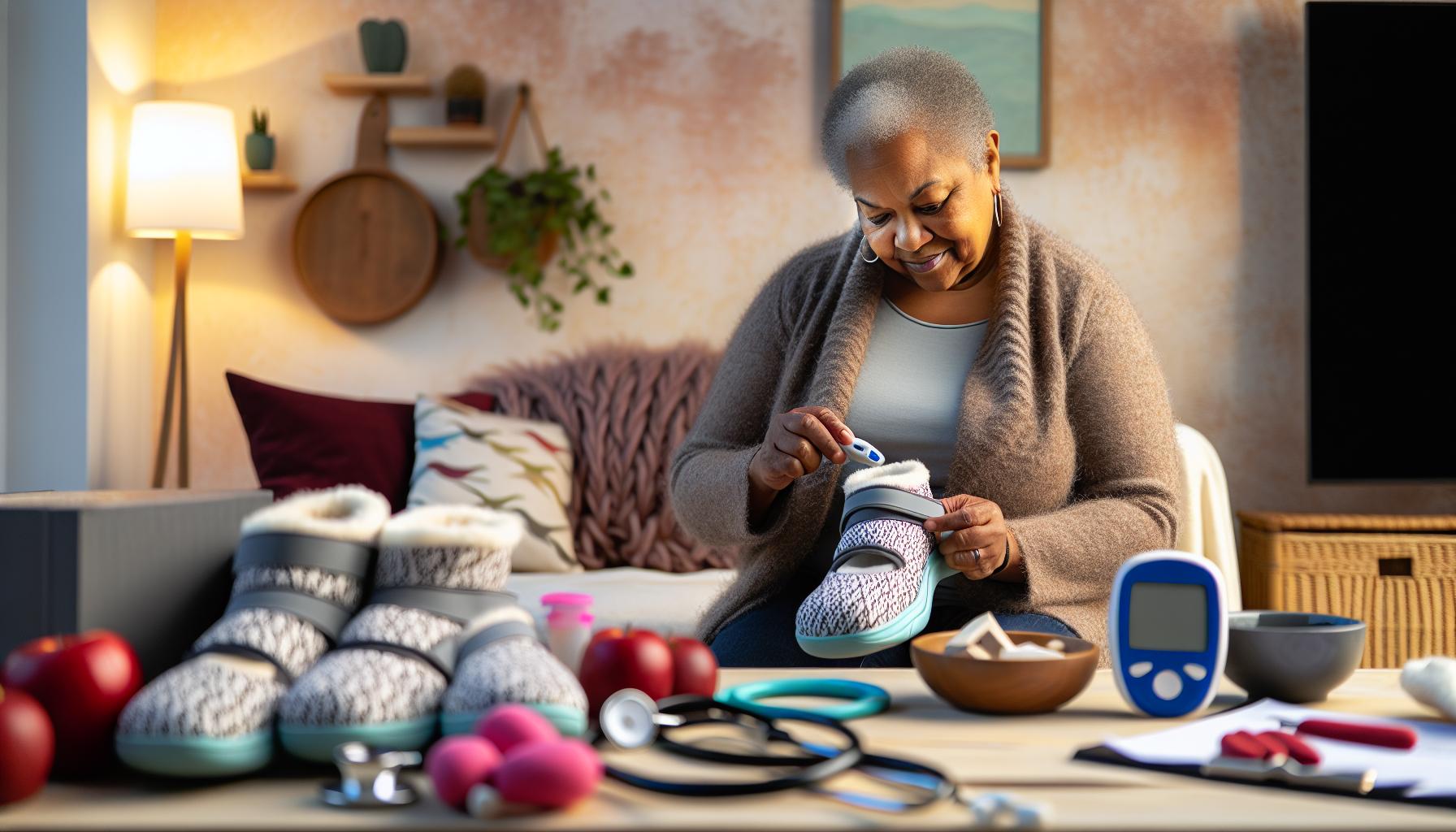
Understanding Diabetic Neuropathy and Foot Care
Living with diabetes often comes hand-in-hand with various complications, one of the most concerning being diabetic neuropathy. This condition affects nerve function, particularly in the feet, leading to decreased sensation, discomfort, and an increased risk of injuries. With approximately half of all people with diabetes experiencing some form of neuropathy, it’s essential to understand its implications for foot care and the importance of selecting suitable footwear, such as slippers designed specifically for diabetic needs.
Individuals suffering from diabetic neuropathy may find it challenging to detect injuries, ulcers, or foot infections due to diminished sensation. This underscores the necessity of regular foot inspections and maintaining proper hygiene to prevent complications. Choosing the right slippers can play a significant role in foot care. For example, soft interiors and seams help minimize friction, while breathable materials keep feet dry and comfortable. Additionally, selecting slippers with a wider toe box can alleviate pressure on sensitive areas, thereby reducing discomfort and promoting better foot health.
Another vital aspect of foot care for those with neuropathy involves foot stability. Slip-resistant soles are crucial to preventing falls, especially since balance can be compromised in individuals with neuropathy. Adjustable designs in slippers allow for a customized fit, accommodating changes in foot size or swelling that may occur throughout the day. By focusing on these key features when selecting footwear, diabetics can enhance their comfort and safety, contributing positively to their overall well-being.
Ultimately, it’s important for individuals with diabetic neuropathy to consult healthcare professionals about their specific foot care needs. This consultation should include discussions on appropriate footwear, as well as regular check-ups to monitor foot health. Empowering oneself with knowledge about diabetic neuropathy and making informed choices regarding foot care can significantly elevate one’s quality of life while managing the complexities of diabetes.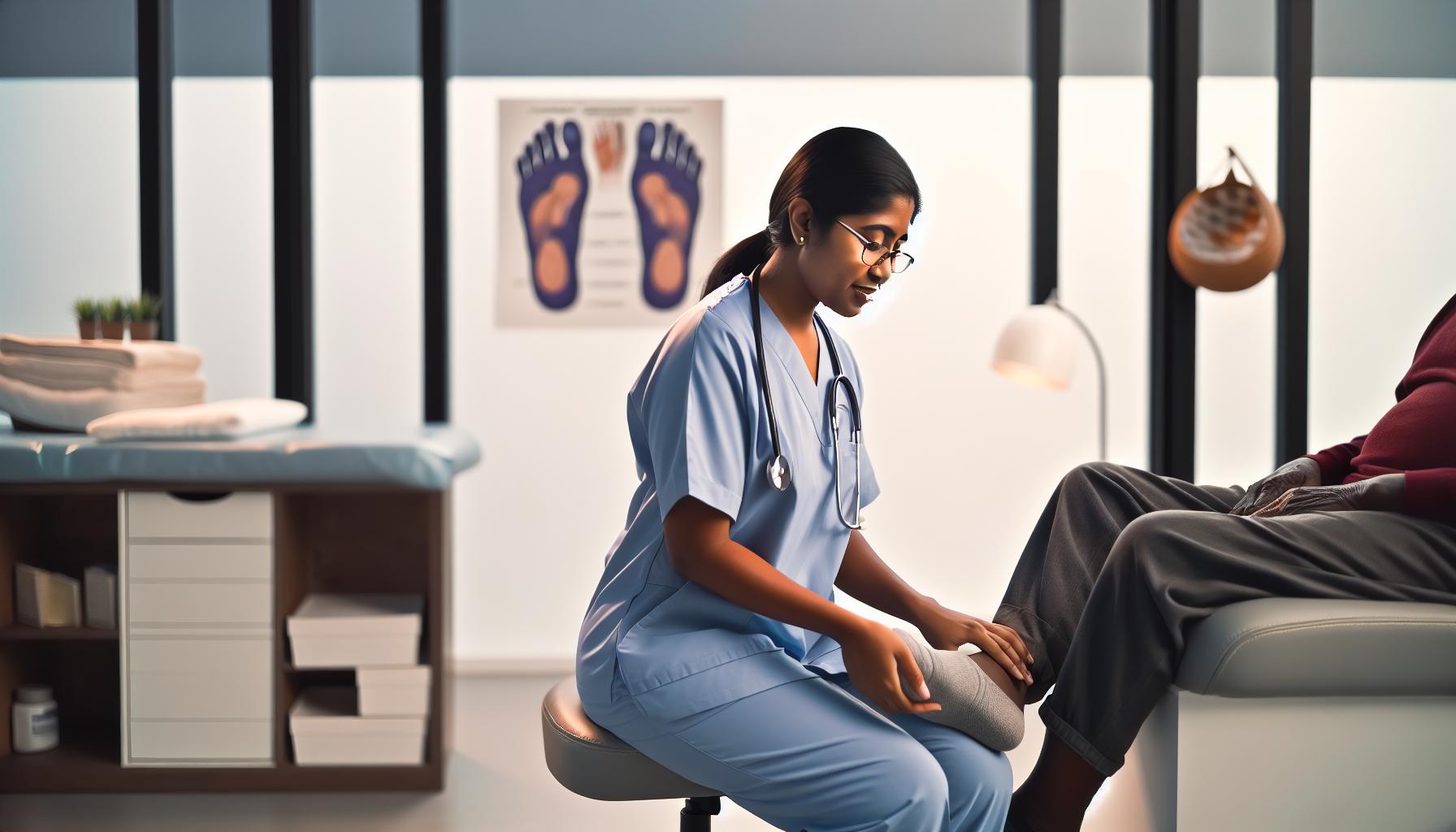
Top Brands Offering Diabetic-Friendly Slippers
When it comes to enhancing comfort and safety for those living with diabetes, particularly with neuropathy, selecting the right slippers is crucial. Several brands stand out for their commitment to creating diabetic-friendly footwear that addresses the unique challenges faced by individuals with diabetic foot issues. These brands prioritize specialized features such as adequate arch support, cushioned interiors, and slip-resistant soles, making them leaders in women’s and men’s slippers.
Top Brands to Consider
- Healthy Feet Shoe Store: Renowned for its wide selection of diabetic slippers, Healthy Feet offers options with extra depth and support, accommodating various foot shapes and sizes. Their designs often incorporate adjustable closures, allowing for a customized fit, which is especially beneficial for those managing foot swelling.
- Orthofeet: This brand is often recommended by podiatrists for its ergonomic footwear. Orthofeet slippers provide a cushioned insole, arch support, and a wider toe box, reducing pressure on sensitive areas. Their innovative designs also include non-slip outsoles for safety both indoors and out.
- Propet: Known for their comfortable and durable diabetic footwear, Propet slippers feature breathable materials, cushioned heels, and anti-microbial properties that help keep feet dry and comfortable. Their diverse range caters to various preferences, from styles to colors.
- Acorn: Acorn has made a name for itself with its ultra-comfortable fleece-lined slippers designed for warmth and mobility. Their contoured footbeds and arch support make them ideal for those who require extra cushioning while walking around the house.
Each of these brands brings a unique offering to the table, ensuring that there is something available for every individual’s needs. By focusing on the specific features that matter most-such as comfort, support, and safety-these brands empower diabetic individuals and families to make informed choices about their footwear. Always remember that consulting with healthcare professionals can provide additional guidance tailored to personal circumstances, enhancing overall foot health and comfort in daily activities.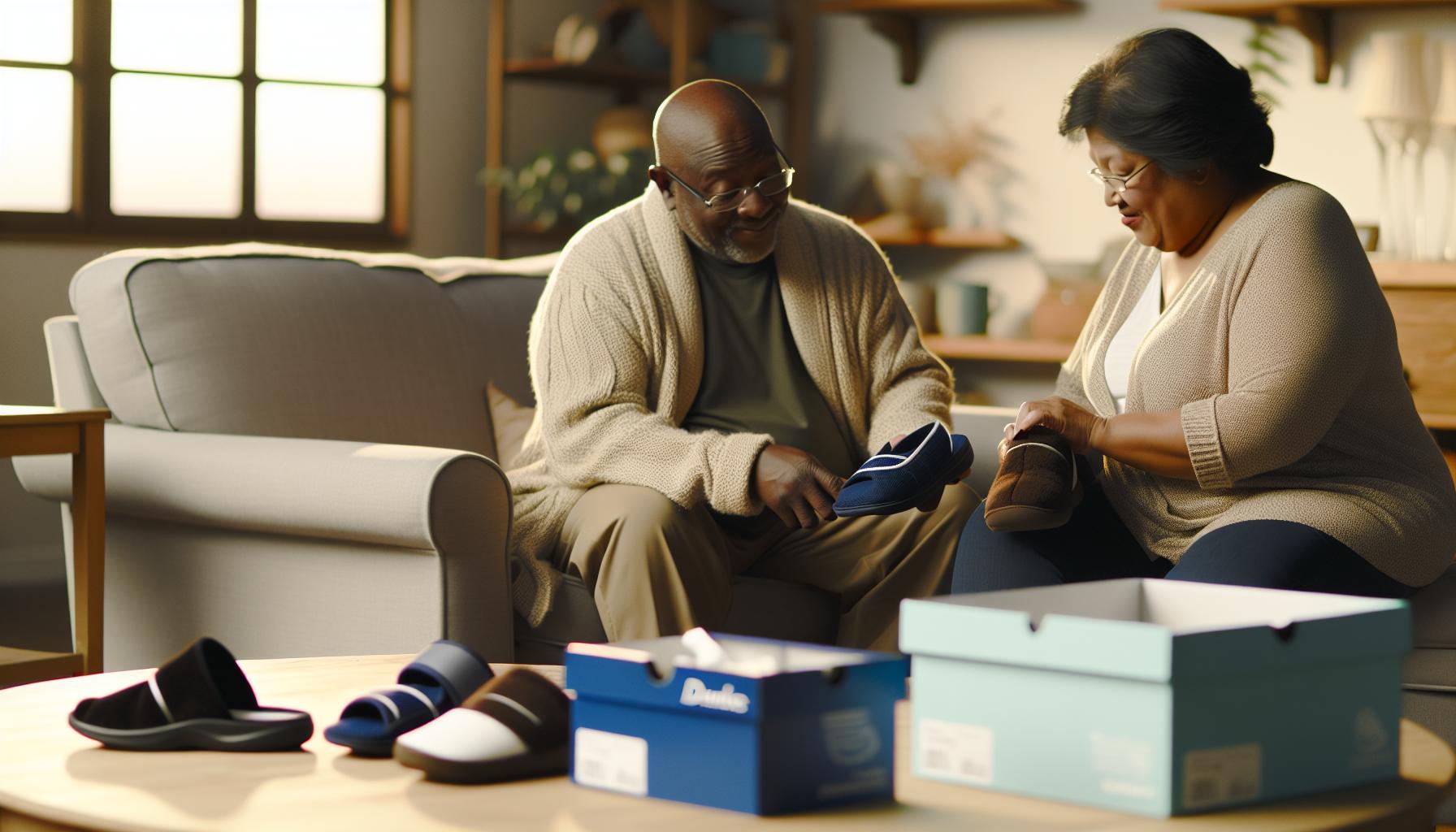
Materials that Enhance Comfort and Safety
When choosing slippers for individuals with diabetes, particularly those who experience neuropathy, the materials used in their construction play a significant role in ensuring comfort and safety. Quality materials can provide the necessary support, reduce friction, and keep feet dry, all of which are crucial for preventing injuries and enhancing overall foot health.
One of the most beneficial materials found in diabetic slippers is memory foam. This material molds to the foot’s shape over time, providing customized cushioning that alleviates pressure points. Memory foam also offers a soft, forgiving surface that is less likely to cause discomfort or abrasions, making it ideal for sensitive feet. Additionally, look for slippers made with breathable fabrics, such as cotton blends or moisture-wicking synthetic materials. These fabrics help manage moisture and temperature, reducing the risk of fungal infections and ensuring that feet stay dry and comfortable throughout the day.
Furthermore, many diabetic slippers feature seamless construction and padded interiors to minimize the possibility of irritation. Placing emphasis on slippers that have lined interiors made from soft materials can greatly enhance comfort, especially for those with reduced sensation or neuropathy. The absence of protruding seams protects the skin from unnecessary friction, thereby reducing the risk of ulcers or blisters, which can be a serious concern for diabetic individuals.
Incorporating these material choices into your footwear can make a substantial difference in the daily comfort and safety of those managing diabetes. When selecting slippers, prioritize brands that focus on using high-quality, supportive, and breathable materials. This thoughtful selection will not only enhance the walking experience but also promote better foot health over time, allowing individuals to navigate their daily routines more safely and confidently.
Arch Support and Cushioning for Optimal Comfort
Proper arch support and cushioning are vital for anyone dealing with diabetic neuropathy, as they play a critical role in overall foot health and comfort. When you consider the daily challenges that come with diabetes, including potential loss of sensation and increased risk of foot injuries, the right slipper design can make a dramatic difference in your quality of life. Slippers that offer superior arch support and tailored cushioning help to distribute pressure evenly across the foot, reducing the likelihood of blisters, sores, and discomfort.
Many individuals with diabetes may experience varying degrees of foot swelling due to poor circulation or medication side effects. Slippers designed with built-in arch supports can alleviate pressure on the arches and provide stability while walking, enhancing the overall gait. Moreover, cushioning made from materials like gel or foam can adapt to the foot’s contours, minimizing shock and impact on joints with every step. This can be particularly beneficial for those who spend extended periods standing or walking, as it reduces fatigue and promotes better mobility.
In choosing slippers, it’s essential to seek models that feature not only arch support but also multi-layer cushioning systems. Options with dual-layer memory foam or special orthopedic designs offer tailored comfort, adapting to the unique shape of the foot. Features such as removable insoles can facilitate accommodating custom orthotics if prescribed by healthcare providers, offering a double advantage of personalized comfort and support.
- Look for: Slippers that have arch support tailored for your foot type, whether flat, normal, or high arches.
- Prioritize: Slippers made with materials that provide cushioning and shock absorption.
- Consider: Orthopedic options that allow for custom orthotics, allowing for a truly personalized fit.
Choosing slippers that offer exceptional arch support and cushioning not only enhances comfort but also supports proactive diabetes management. Empowering yourself by investing in quality footwear can lead to happier, healthier feet and improve your overall quality of life. Always consult with your healthcare provider to ensure the chosen footwear aligns with your specific needs and conditions.
Slip-Resistant Soles: Importance and Features
Having the right footwear is paramount for individuals with diabetes, especially given the increased risk of slips and falls due to neuropathy and other complications. Slip-resistant soles are a critical feature that can significantly enhance safety while walking around the home or in other environments. These specially designed soles provide a greater grip on various surfaces, helping to prevent accidents that could lead to serious injuries.
Many diabetic individuals may experience a loss of sensation in their feet, making them less aware of potential hazards like wet floors or uneven surfaces. A slipper with slip-resistant soles is not just an added convenience; it’s a substantial safety measure. The materials used in slip-resistant soles often feature advanced rubber compounds and textured surfaces that improve traction. When paired with thoughtful design and a comfortable fit, these features enable users to move confidently, reducing the anxiety associated with the unpredictability of foot placement.
Choosing slippers with high-quality slip-resistant soles can help alleviate some of the common fears around mobility for those with diabetic neuropathy. It’s essential to look for products that have undergone rigorous testing for slip resistance. Many brands provide this information, and user reviews can offer insights into real-world performance. Furthermore, consider models with soles that extend up the side of the slipper, providing additional stability and preventing the foot from sliding out or off the edge.
In addition to safety, the right slipper can boost confidence. Knowing that your footwear is designed to provide grip can allow you to navigate your home more freely and comfortably. As with any footwear decisions, consult your healthcare provider to choose options that align with your individual health needs and lifestyle. Investing in high-quality, slip-resistant slippers is a proactive step towards better safety and mobility, essential components of effective diabetes management.
Adjustable Fits for Personalized Comfort
Finding the right footwear can significantly influence the comfort and mobility of individuals living with diabetes, particularly for those affected by neuropathy. One of the standout features to look for in slippers is their adjustable fit. Slippers with adjustable components such as straps, laces, or stretchy materials cater to the unique needs of diabetic feet, especially during times when swelling occurs. This versatility allows wearers to customize the snugness of the slipper, ensuring that it accommodates fluctuating foot sizes without sacrificing comfort.
Benefits of Adjustable Fits
The ability to adjust slippers provides several advantages:
- Accommodating Swelling: Diabetic patients often experience changes in foot size due to swelling, particularly if they have conditions such as edema. Slippers that feature adjustable straps make it easy to loosen or tighten as needed, ensuring a comfortable fit throughout the day.
- Prevention of Pressure Points: An adjustable slipper helps distribute pressure evenly across the foot, reducing the risk of calluses and sores that can arise from ill-fitting shoes.
- Enhanced Comfort: A personalized fit can significantly enhance the overall comfort of the slipper, allowing users to wear them for longer periods without discomfort.
Moreover, adjustable slippers often come equipped with padded linings, which add an extra layer of comfort and protection against friction. Materials like velcro or elastic bands ensure that the fit remains secure without being constrictive, addressing common concerns among diabetic individuals about finding the perfect footwear.
In the quest for the best diabetic slippers, it’s pivotal to prioritize features that allow for a customized fit. Such choices not only improve comfort but also promote proactive foot health management, an essential aspect of diabetes care. Consult with a healthcare provider to explore options that best meet individual needs, ensuring that adjustments made for comfort do not compromise overall foot safety.
How to Choose the Right Size for Diabetic Feet
Choosing the proper size for diabetic slippers is crucial not only for comfort but also for the risk management of foot complications. Since many individuals with diabetes may experience neuropathy, changes in foot shape, or swelling, finding the right fit takes on added significance. Ideally, the slipper should provide enough room to allow natural foot movement while securing the foot to prevent slipping or tripping, which can lead to injuries.
To start, it’s best to measure both feet while standing, as this provides the most accurate size due to natural expansion and weight. Compare the measurements to the manufacturer’s sizing chart before purchasing, remembering that sizing can vary between brands. If you find that one foot is larger than the other, opt for a size that accommodates the larger foot to ensure comfort across both.
Another critical aspect is the design of the slipper, particularly the presence of adjustable features. Look for slippers that incorporate adjustable straps, elastic bands, or lace systems that can accommodate fluctuations in foot size throughout the day. This adaptability not only enhances comfort during instances of swelling but also helps prevent the development of painful pressure points. Additionally, some slippers have soft, breathable materials that conform to the foot’s shape, improving the fit even further.
Before making a final decision, consider trying on the slippers with the type of socks you typically wear. Ensuring that there is adequate space for socks can significantly improve warmth and comfort. After securing the slippers, walk around for a few minutes to test for any uncomfortable spots or pressure points. When trying slippers, your heel should fit snugly at the back, while the front of your foot has some space – about a thumb’s width between your longest toe and the front of the slipper.
Ultimately, consulting with a healthcare provider can provide guidance tailored to individual needs. They may offer recommendations based on specific foot conditions or broader diabetes management strategies, ensuring your choices align with your overall health goals. By thoughtfully considering size and fit, diabetics can enhance their comfort and protect their feet, which is a vital aspect of their daily care.
Styles of Slippers: Slip-Ons vs. Closed-Back
When considering the best slippers for diabetics, especially those managing diabetic neuropathy, the choice between slip-ons and closed-back styles can significantly impact comfort and safety. Each style offers distinct advantages that cater to different preferences and foot care needs, making it essential for individuals to assess which option aligns best with their lifestyle.
Slip-On Slippers: These are typically favored for their ease of use. With no straps or fastenings, they allow for quick wear, which is convenient for those who may have mobility challenges or want to minimize effort. However, while they provide comfort, slip-on designs may lack the necessary support for individuals with diabetes, particularly if they struggle with balance or foot swelling. If you opt for slip-on slippers, look for features such as a wide opening, soft edges, and a non-slip sole to enhance stability and prevent falls.
Closed-Back Slippers: In contrast, closed-back slippers provide a secure fit that can be highly beneficial for people with diabetic foot issues. The backing helps encapsulate the foot, minimizing movement within the slipper during walking and reducing the risk of slipping. Closed-back styles often incorporate elements like adjustable straps or elastic materials that accommodate varying foot sizes, which is ideal for managing swelling throughout the day. For added comfort, choose slippers lined with cushioning materials or those designed specifically for diabetic needs, which might include seamless interiors to prevent irritation.
Ultimately, whether one prefers the convenience of slip-ons or the secure fit of closed-back slippers, prioritizing features like cushioning, breathability, and non-slip soles is vital for safety and comfort. Diabetic individuals should consult with healthcare professionals to determine the most suitable option based on their specific foot care needs. By making an informed choice between these styles, you can help ensure comfort and protection for your feet, significantly contributing to your overall well-being.
Care and Maintenance Tips for Longevity
Taking proper care of diabetic slippers is crucial for ensuring that they remain comfortable and functional, especially for those managing diabetic neuropathy. The right maintenance not only extends the lifespan of the slippers but also maintains the essential features that support foot health. Here are some effective care and maintenance tips that can help you get the most out of your diabetic footwear.
One of the most important aspects of maintaining diabetic slippers is regular cleaning. To avoid the buildup of dirt and bacteria, clean your slippers weekly or as needed. Most fabric slippers can be machine washed, but it’s wise to check the manufacturer’s care label first. If your slippers are made of leather or suede, consider gently wiping them with a damp cloth and using a specialized cleaner for deeper stains. Allow them to air dry naturally away from direct heat sources, as artificial heat can warp the material and alter the fit.
Additionally, be mindful of the insoles. If your slippers have removable insoles, take them out and clean them regularly to prevent odor and bacteria buildup. Many insoles can also be replaced periodically to ensure they maintain their cushioning and support capabilities. If they show signs of wearing out, such as flattening or cracking, invest in a new pair that aligns with your specific foot care needs, particularly those designed for diabetic patients.
It’s also crucial to store your slippers correctly. Keep them in a cool, dry place away from moisture or extremes of temperature. This helps prevent mold and deterioration of materials. If your slippers have adjustable features or straps, ensure they are loosened when not in use; this can help the slipper maintain its shape.
Lastly, pay attention to how the slippers fit over time. Diabetic foot conditions often mean that foot size can change, particularly due to swelling. If your slippers begin to feel tight or uncomfortable, it may be time to replace them. Regularly evaluating your footwear will help you catch any issues early on, allowing you to prioritize comfort and safety.
By following these care tips, you can significantly enhance the lifespan and effectiveness of your diabetic slippers, ensuring they provide the comfort and support necessary for healthy feet. Remember, maintaining your footwear is a key part of managing diabetes effectively, so make it a priority in your daily routine.
Cost Considerations: Budget-Friendly Options
Finding budget-friendly options for diabetic slippers can significantly relieve the financial burden of managing diabetes, especially considering the specialized needs involved. Investing in comfortable and supportive slippers doesn’t have to break the bank; there are numerous options available that prioritize foot health while being financial friendly.
One effective way to find affordable diabetic slippers is to look for sales and discounts, especially during seasonal clearance events or holiday sales. Many trusted brands that focus on diabetic-friendly footwear often have promotions that provide excellent value. Additionally, subscribing to newsletters or following brands on social media can alert you to exclusive discounts and offers. Websites that specialize in diabetic care products sometimes offer bundles or multi-pair discounts, which can be beneficial if you want to stock up for the season.
Another strategy is to consider generic or lesser-known brands that still meet the necessary quality and comfort standards. While popular brands often have loyal followings for their superior comfort and technology, lesser-known alternatives can provide similar features at a lower cost. Be sure to check customer reviews and testimonials to ensure that these alternatives still offer the required arch support, cushioning, and slip-resistant soles essential for diabetic foot care.
It’s also wise to consider the materials used in your slippers. While premium materials might promise luxury and durability, many budget-friendly options use synthetic materials that deliver adequate support and comfort without the high price tag. Look for slippers with removable insoles, as these can often be replaced with more supportive ones, prolonging the lifespan of the shoes and providing flexibility in terms of comfort.
By adopting these approaches, you can ensure that you’re choosing slippers that align with your diabetic needs without compromising your budget, all while enhancing your overall comfort and safety at home. Always remember to consult with a healthcare professional for personalized recommendations that best suit your specific health needs.
User Reviews and Recommendations for Popular Choices
With many individuals navigating the complexities of diabetic neuropathy, user experiences can offer invaluable insights into selecting effective slippers designed for comfort and safety. Real-life testimonials often highlight specific features that make a difference in daily wear. For instance, many users praise slippers that incorporate soft, breathable materials, as they reduce the risk of overheating and sweating-a common issue when dealing with neuropathy. Those with personalized arch support frequently report decreased foot pain and improved mobility, emphasizing the importance of choosing slippers that align with individual comfort needs.
Key Brands and Their Popular Models
Some brands consistently receive positive feedback for their diabetic-friendly slippers. Brands such as Orthofeet and Propet are frequently recommended for their combination of cushioning and support. Customers often find that Orthofeet slippers provide excellent heel stability, perfect for those struggling with balance and neuropathic discomfort. Propet’s adjustable ties and padded insoles are frequently cited as game-changers for people looking for custom-fit solutions.
What Users Look For
When browsing reviews, potential buyers often search for mentions of specific attributes:
- Cushioning: Users note how adequate cushioning can alleviate pressure points, making it suitable for wearing over extended periods.
- Slip Resistance: Many testimonials emphasize the importance of slip-resistant soles, which help provide a safer walking experience, particularly for those affected by neuropathy.
- Adjustable Features: Slippers that offer adjustable straps or elastic bands receive high marks for allowing a customized fit that can accommodate swollen feet or foot changes.
User reviews can serve as a guiding light, pointing potential buyers in the right direction. Always remember, however, that personal fit and comfort are paramount; consulting with healthcare professionals can further aid in making an informed decision that prioritizes foot health while remaining responsive to the unique needs of diabetic individuals.
Frequently Asked Questions
Q: What features should I look for in slippers for diabetics with neuropathy?
A: Look for slippers that have ample cushioning, arch support, adjustable fits, and slip-resistant soles. These features enhance comfort and safety, reducing the risk of falls and ensuring proper foot alignment, which is essential for individuals with diabetic neuropathy.
Q: Are there specific materials recommended for diabetic slippers?
A: Yes, materials like breathable fabrics and soft leather are recommended for diabetic slippers. These materials help regulate temperature, prevent moisture buildup, and reduce friction, which can be crucial for sensitive feet prone to ulcers or infections.
Q: How can I ensure a proper fit for diabetic slippers?
A: To ensure a proper fit, measure your foot size regularly and consider slippers with adjustable closures. This allows for a snug fit that accommodates any swelling, ensuring comfort and preventing movement that can lead to blisters or sores.
Q: What are the benefits of slip-resistant soles in slippers for diabetics?
A: Slip-resistant soles provide better traction, reducing the likelihood of slips and falls, which can be dangerous for diabetics. This feature contributes to overall safety, especially for those with compromised sensation in their feet.
Q: How often should I replace slippers if I have diabetic neuropathy?
A: It’s advisable to replace slippers every six to twelve months, or sooner if they show signs of wear. Regular replacement ensures continued support, cushioning, and protection, which are vital for foot health in diabetics.
Q: What are some brands known for high-quality diabetic slippers?
A: Brands like Orthofeet, Propet, and Vionic are well-known for offering high-quality diabetic slippers. They focus on features like comfort, support, and safety, catering specifically to the needs of individuals with diabetic neuropathy.
Q: Can wearing the wrong type of slippers worsen diabetic neuropathy?
A: Yes, wearing unsuitable slippers can exacerbate diabetic neuropathy by increasing the risk of foot injuries, worsening discomfort, and leading to complications like ulcers. It’s crucial to select slippers that offer the right support and protection.
Q: What is the importance of proper foot care for diabetics?
A: Proper foot care is critical for diabetics to prevent complications such as infections or ulcers. Regular inspections, proper fitting footwear, and maintaining good hygiene can help manage and mitigate risks, enhancing overall foot health.
For additional insights on managing diabetes through footwear choices, check out our detailed sections on materials and comfort features tailored specifically for diabetic needs.
Insights and Conclusions
As we wrap up our exploration of the best slippers for diabetics with neuropathy, remember that comfort and safety are paramount for maintaining your foot health. By choosing the right footwear, you can enhance your daily mobility and overall quality of life. Don’t wait-take action today to prioritize your well-being by selecting a pair that meets your unique needs.
For more insights on diabetes management, check out our guides on daily blood sugar monitoring and nutritious meal planning tailored for diabetics. If you have concerns about proper care or product choices, consider reaching out to a diabetes educator or a healthcare professional for personalized advice. We invite you to engage with us-leave a comment, share your experiences, or explore our related articles to arm yourself with the knowledge you need for effective diabetes management. Your journey toward greater comfort starts now!