Did you know that over 800 million adults globally are living with diabetes, a condition that significantly impacts daily life, especially when traveling? Packing your diabetes travel case smartly is crucial for ensuring a hassle-free and enjoyable journey. From managing blood sugar levels to having access to essential supplies, thoughtful preparation can alleviate stress and empower you to focus on creating memorable experiences. In this guide, we’ll explore practical tips and invaluable insights on how to pack like a pro, so you can confidently navigate travel while prioritizing your health needs. Whether you’re planning a weekend getaway or a long vacation, understanding how to pack your diabetes supplies effectively can make all the difference. Let’s embark on this journey together, as we unlock the secrets to worry-free travel for those managing diabetes.
Packing Essentials for Diabetic Travel Success
Packing for travel can be a daunting task, especially for those managing diabetes. It’s essential to ensure that you have everything you need to keep your blood sugar levels stable and to be prepared for any unexpected situations. A well-organized travel case filled with the right supplies not only empowers you to enjoy your journey but also reinforces your commitment to managing your health effectively.
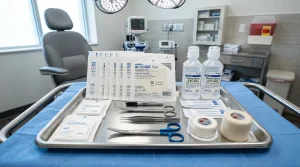
Begin by assembling all essential diabetes supplies into a dedicated travel bag. This should include your insulin, syringes or insulin pens, glucose meters, and ample testing strips. Be sure to pack extra supplies in case of delays or emergencies-having a sufficient supply of snacks or glucose tablets for low blood sugar episodes can be a lifesaver. Consider specific items like alcohol wipes for cleanliness and a sharps container for safe disposal of used needles. It’s also wise to bring along any medications unrelated to diabetes that you may need during your trip.
Smart Packing Tips
There are a few strategies to keep in mind while packing your diabetes essentials. First, always carry your supplies in your carry-on bag rather than checked luggage. This helps to ensure that they are always within reach and not exposed to extreme temperatures, which could affect the efficacy of your insulin. Additionally, familiarize yourself with airport security procedures relating to medical supplies to avoid any unnecessary delays. Use clear, labeled containers or pouches to keep everything organized so you can quickly find what you need when you need it.
Ultimately, traveling with diabetes doesn’t have to be complicated. With thorough planning, you can embrace your adventures confidently, knowing you’re fully prepared to manage your condition on the go.
How to Organize Your Diabetes Supplies
Traveling with diabetes demands careful planning and organization to ensure that you can manage your condition effectively while on the go. One powerful strategy for stress-free travel is to create a dedicated diabetes travel case that is not only compact but also fully equipped with all necessary supplies. This proactive approach can help prevent last-minute scrambles or potential health risks during your trip.
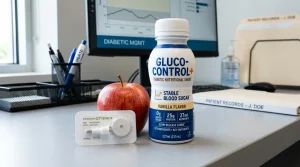
Start by categorizing your supplies into essential groups. Include diabetes-specific items such as insulin, syringes or pens, glucose meters, and testing strips in one section. Use clear, labeled pouches to keep these organized, ensuring you can access them quickly when needed. Make sure to add extra insulin or oral medications, as the last thing you want is to run out while away from home. Additionally, think about including items for low blood sugar management, like glucose tablets, snacks, and sugar sources, as they can be lifesavers in unexpected situations.
To enhance accessibility and safety, consider incorporating items like alcohol wipes for sanitization, a sharps container for safe needle disposal, and a small first-aid kit with essential medical supplies. Always double-check your quantities before you leave, remembering that having extra supplies can make all the difference in emergencies or unforeseen delays. Lastly, consolidating your insulin and medications in an insulated pouch can protect them from temperature extremes during travel, ensuring their effectiveness.
Organizing your diabetes supplies in this manner not only makes packing easier but also provides peace of mind, allowing you to focus on enjoying your trip rather than worrying about your health. With your diabetes travel case in order, you’re better positioned to embrace new experiences confidently and ensure your blood sugar management remains a top priority.
Tips for Traveling with Insulin and Medications
Traveling with diabetes requires not just careful preparation but also strategic packing of insulin and medications. Consider that insulin is a temperature-sensitive medication, and exposure to excess heat or cold can compromise its effectiveness. Therefore, it’s essential to invest in a quality insulated bag to maintain the appropriate temperature throughout your journey. Look for options with added features like gel packs or dedicated compartments to safely store your insulin and prevent contamination.
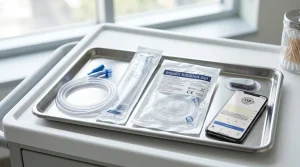
When it’s time to pack, assemble your medications along with essential supplies into a travel case. Start by including a sufficient supply of your insulin, along with any syringes, pens, or associated devices you typically require. It’s wise to carry more than you think you’ll need – aim for double your regular supply, especially if you’re traveling for an extended period or expecting delays. Don’t forget the necessary accessories such as alcohol wipes, a sharps container for disposing of used needles safely, and glucose monitoring equipment including your meter and testing strips.
Stay Organized and Prepared
Utilizing labelled pouches within your travel case can significantly streamline access to your items. Maintain a clear categorization: keep your insulin in one section, your syringes in another, and your blood glucose monitoring supplies in a separate pouch. This organization can ease the stress of searching for items when you need them urgently, particularly during travel through airports, where you may need to present these items at security checkpoints.
Consider also downloading relevant apps or keeping a written log for medical information, such as your prescriptions, contacts for healthcare providers, and details on what to do in an emergency.
Ultimately, while traveling can present challenges, careful planning and organization of your diabetes supplies can help create a smooth experience. Empower yourself with knowledge and planning, ensuring you approach your travel adventures with confidence.
Managing Blood Sugar Levels on the Go
Maintaining stable blood sugar levels while traveling can be a challenge, but with the right strategies, it becomes manageable. One essential practice is to monitor your blood glucose levels regularly, especially when your routine is disrupted. Always have your glucose meter and testing supplies easily accessible in your travel case, and set reminders on your phone or watch to check your levels, particularly before meals and any activity.
Food choices can significantly impact your blood sugar, so planning ahead is crucial. Research healthy food options available at your destination or along your travel route. Carry healthy snacks like nuts, low-carb protein bars, or fruit that won’t spoil easily. When dining out, don’t hesitate to ask about portion sizes or ingredient preparation methods. Eating balanced meals that include a good mix of carbohydrates, proteins, and fats can help keep your blood sugar levels steady.
Another important consideration is physical activity. If you find yourself sitting for long periods-whether on a plane, train, or car-take time for short walks whenever possible. Engaging in light exercises can help mitigate blood sugar spikes. In case of time zone changes, adapt your medication schedule accordingly. Consult your healthcare provider about the best approach to manage insulin or other diabetes medications when traveling across time zones.
Lastly, keep a personal diabetes management plan handy, outlining how you adjust your routine when traveling. This plan can encompass monitoring schedules, medication adjustments, dietary preferences, and emergency contacts. Having this information at hand not only reassures you but also assists caregivers or fellow travelers in understanding your needs.
By proactively managing your blood sugar levels, you can enjoy your travels with confidence, knowing that you are taking effective steps toward maintaining your health.
Choosing the Right Carry-On for Diabetes Gear
When preparing for travel with diabetes, selecting the right carry-on for your diabetes gear can mean the difference between a smooth journey and unnecessary stress. Your carry-on should serve as a well-organized mini-clinic, ensuring all essential supplies are easily accessible at a moment’s notice. A lightweight, durable bag with multiple compartments is ideal for keeping your diabetes supplies organized and safe.
Start by including a section for your medication, such as insulin vials or pens, which should always be stored at the correct temperature. Insulin packs, like Frio bags, are excellent for travel as they keep your insulin cool without the need for ice or refrigeration. Additionally, consider implementing an insulated pouch for items that require temperature regulation to avoid spoilage.
Organize your blood sugar testing supplies, including your glucose meter, test strips, and lancets, in a dedicated, cushioned compartment to prevent damage. Labeling each section of your bag can also enhance efficiency, making it quicker to grab what you need, especially during busy travel times. Always carry extra supplies, such as glucose tablets or snacks, to manage potential hypoglycemic incidents during travels.
Lastly, make sure to have duplicates of critical items, like medications and glucose meters, in different parts of your carry-on or personal item. This redundancy can come in handy if one bag goes missing. Packing in this systematic way allows you to maintain peace of mind while traveling, empowering you to focus on enjoying your trip rather than worrying about managing your diabetes.
Preparing for Different Time Zones and Meals
Traveling across time zones can present unique challenges for those managing diabetes, especially when it comes to monitoring blood sugar levels and meal timing. The body’s internal clock is closely tied to its eating habits, and sudden shifts in time zones can disrupt that rhythm, potentially leading to fluctuating glucose levels. To maintain effective diabetes management while on the go, it’s essential to plan strategically for these changes.
Begin by adjusting your meal schedule a few days before your departure. Gradually shift your eating times toward the destination’s time zone. For instance, if you’re traveling east and the time difference is three hours, aim to eat meals three hours earlier than usual. This practice can help your body adapt more smoothly, reducing the shock of the sudden time change. When arriving at your destination, keep to your adjusted schedule for a few days to allow your body to acclimate.
Medication timing is equally important. If you take insulin or other diabetes medications, be mindful of when you typically administer them relative to meal times. Consult with your healthcare team on how to adjust dosages if necessary, particularly if you’re moving into a time zone with a significant difference. Carry a watch or use your phone to monitor both your original time zone and the new one; this can be a handy reminder for taking your medication at the right times.
Meal options may vary greatly from what you’re accustomed to, especially in different cultures. Research local cuisine ahead of time and identify restaurants or grocery stores that cater to your dietary needs. It’s also advantageous to familiarize yourself with common carbohydrate counts for popular local dishes. Don’t hesitate to ask restaurant staff for nutritional information or make adjustments to meals-most places are quite accommodating. Adding a small snack, comprising protein and complex carbohydrates, between meals can help stabilize your blood sugar as well, particularly if meal timings are irregular.
By staying proactive and adjusting your routine, you can ensure that traveling across time zones remains an enriching experience rather than a stressful journey. Your effort in preparing for the unexpected not only supports better blood sugar control but also empowers you to focus on the adventure, food, and cultures that await you.
Emergency Planning for Diabetic Travelers
Planning for the unexpected is a critical component of diabetes management, especially when traveling. Emergencies can happen regardless of how careful you are, and being adequately prepared can make a world of difference in those situations. From losing your medication to having an unexpected low blood sugar episode, having an action plan in place can help you maintain your peace of mind and health while on the go.
Start by compiling a comprehensive emergency kit tailored to your diabetes needs. This should include extra medications, glucose tablets or gel, syringes, and any necessary medical supplies like insulin pumps or continuous glucose monitors. Pack these items in a waterproof, insulated bag to protect them from extreme temperatures and moisture. Make sure to include a list of your medications, including dosages and any allergies. This information can be critical if you need to seek medical assistance, especially in a foreign country where language barriers may exist.
Additionally, always carry a reliable form of identification indicating that you have diabetes. Medical alert bracelets or cards can be invaluable in emergencies, particularly if you become incapacitated. It’s also essential to have contact details for your healthcare provider and nearby clinics at your destination saved on your phone or written down. In the event of a medical emergency, knowing where to find help quickly can save crucial time and ensure proper treatment.
Consider obtaining travel insurance that includes coverage for pre-existing conditions. This can offer additional peace of mind, knowing that you have financial protection in case of an emergency related to your diabetes while traveling. Furthermore, familiarize yourself with how to access healthcare in your destination country, including hospital locations and emergency numbers. Proactive research can significantly reduce stress during your journey, allowing you to focus on enjoying your trip rather than worrying about potential challenges.
As you step out to explore the world, remember that knowledge and preparation are your best allies. By taking these steps, you empower yourself to navigate your travels confidently, ensuring that your diabetes management continues smoothly, no matter where your adventures take you.
Navigating Food Options While Traveling
When traveling, navigating food options can be one of the most daunting challenges for someone managing diabetes. New cuisines, unfamiliar terms, and varying meal customs can complicate meal choices and potentially affect your blood sugar levels. To successfully manage your diabetes while enjoying local flavors, consider being proactive about your food options.
Start by researching local foods and dining customs in your travel destination. Understanding what’s typically available can help you plan your meals better. For instance, many cuisines offer fresh vegetables, lean proteins, and healthy fats-foods that are often diabetic-friendly. Make a list of common dishes and ingredients that align with your dietary needs, such as grilled meats, salads, and whole grains. Additionally, familiarize yourself with local fruits, as some may provide healthier alternatives to sugary snacks.
Making Smart Choices at Restaurants
When dining out, communication is key. Don’t hesitate to ask restaurant staff about how dishes are prepared and what ingredients are used. Here are some tips to keep in mind:
- Ask for modifications: Request sauces on the side, substitute fried items for grilled options, or swap out sugary dressings for oil and vinegar.
- Portion control: Consider sharing a meal or asking for a half-portion to prevent overeating.
- Be mindful of carbohydrates: Opt for meals with a balance of protein, healthy fats, and low-GI carbohydrates to help maintain stable blood sugar levels.
Additionally, always carry a source of quick energy, such as glucose tablets or snacks like nuts or a low-carb protein bar, in case of unexpected low blood sugar episodes. They can help you respond promptly and avoid complications while navigating food experiences.
Preparing for Meals on the Go
If you’re exploring an area where healthy food options may be scarce, look into packing meals or snacks ahead of time. Consider preparing items like:
| Snacks | Meal Ideas |
|---|---|
| Raw vegetables and hummus | Whole-grain wrap with lean protein |
| Fruit (like berries or apples) | Quinoa salad with vegetables |
| String cheese or Greek yogurt | Vegetable soup or stew |
Packing these options allows you to have healthy choices readily available, reducing the temptation to grab convenience store snacks that may not align with your dietary needs.
By conducting a bit of research, communicating your needs, and preparing ahead of time, you can confidently enjoy your culinary adventures while effectively managing your diabetes. Empower yourself to make informed choices, and remember, knowledge is your best ally in supporting your health on the go.
Travel Insurance and Medical Care for Diabetics
Traveling with diabetes requires more than just packing insulin and snacks; it demands thoughtful preparation regarding insurance and medical care options. Did you know that having comprehensive travel insurance not only protects your luggage but can also be a lifesaver in a medical emergency related to your condition? As you venture out, ensure that you select travel insurance that covers diabetes management, including any potential hospitalization, medication refills, and medical evacuations.
When evaluating policies, look for specific inclusions such as coverage for diabetes-related supplies and medications. Some plans may even provide access to a network of healthcare providers specialized in diabetes care, which can offer peace of mind while you’re away from home. Make sure that your insurance covers pre-existing conditions; otherwise, you could face hefty out-of-pocket expenses should an unexpected health issue arise.
Understanding Local Medical Resources
Before you embark on your journey, research the healthcare options available at your destination. Knowing the location of nearby medical facilities, diabetes specialists, and pharmacies where you can obtain supplies is crucial. Apps and websites are available that help locate medical care abroad, often including reviews from other travelers who manage diabetes. This resource can be invaluable when you’re in an unfamiliar environment, providing quick access to vital health services.
Additionally, it might be beneficial to register with a diabetes organization or online support group that caters to traveling patients. These communities can offer firsthand insights into managing diabetes while exploring new destinations, from culinary experiences to local healthcare advice. Always keep your endocrinologist’s contact information handy; they can provide medical guidance even from afar, ensuring continuity in your care.
In conclusion, proactive steps toward ensuring adequate medical coverage can significantly enhance your travel experience. By securing robust travel insurance and familiarizing yourself with local healthcare resources, you empower yourself to navigate potential challenges with confidence. Remember, the goal is to enjoy your journey while maintaining optimal health management.
Packing Smart: Essential Health Documentation
Traveling with diabetes brings unique challenges, but being prepared can transform potential stressors into smooth sailing. One of the most critical aspects of your journey is ensuring that you have all your essential health documentation readily accessible. This not only serves as a safeguard for your health but also helps in navigating any medical situations that may arise while you’re away from home.
Start by assembling a diabetes health kit that includes your medical documentation. This should consist of your diabetes management plan, prescriptions for your medications, and any letters from your healthcare provider that outline your diagnosis and treatment. Having these documents easily accessible can help healthcare providers understand your needs quickly and facilitate necessary treatments or prescription refills while you’re traveling.
Next, consider including a list of emergency contacts, which should contain your endocrinologist’s information along with any other healthcare providers who are involved in your diabetes management. Equally important is a list of your allergies, current medications, and emergency protocols in case of a hypo- or hyperglycemic event. This information can be invaluable to those who may assist you in a medical emergency or when you need care overseas.
Lastly, keep both physical and digital copies of these documents. Use a secure app or cloud storage to store your information, making it accessible from anywhere. Additionally, consider using a travel wallet or folder to keep this documentation organized within your diabetes travel case, ensuring everything is in one place when you need it. Not only does this preparation empower you, but it also aids in reducing anxiety during travel, allowing you to focus on enjoying your journey.
Supportive Resources for Diabetic Travelers
Traveling with diabetes doesn’t have to be daunting; with the right resources at your fingertips, you can manage your condition effectively and enjoy your journey. One invaluable tool is the wealth of online diabetes communities and forums. Websites like Diabetes Daily and the Diabetes Support Community offer platforms where travelers can share their experiences, tips, and personal stories. Engaging with others facing similar challenges can provide practical advice and emotional support, making you feel less isolated in your travel experiences.
In addition to community support, various mobile applications can significantly enhance your travel experience. Apps like MySugr and Glucose Buddy allow you to log your blood sugar levels, track your meals, and even remind you to take medication. These apps can be particularly useful for keeping your diabetes management organized, ensuring you have the necessary information at your fingertips, whether you’re at an airport or festival. Make sure to download the latest updates before your trip to avoid service interruptions.
Another essential resource is local healthcare providers, especially if you’re traveling abroad. Before you leave, spend some time researching hospitals or clinics near your destination that specialize in diabetes care. Many international travel health insurance providers also include coverage for chronic conditions, so checking your policy and understanding its specifics can give you peace of mind. Furthermore, consider carrying translated documents that outline your diabetes management plan and emergency protocol; this may expedite care in non-English speaking countries.
Lastly, packing diabetes-friendly snacks can alleviate stress during travel. Options like nuts, whole-grain crackers, or portable protein bars can help maintain stable blood sugar levels, especially during long waits or unexpected delays. Preparing a list of safe snacks and packing them in your travel case will ensure you always have nutritious options readily available. By leveraging these resources, you can empower your diabetes management journey, turning what could be a stressful experience into an opportunity for adventure and exploration.
Empowering Your Diabetes Management Journey
Traveling with diabetes isn’t just about managing blood sugar; it’s about seizing the opportunity to explore the world while maintaining your health. One of the key aspects of successful travel is preparation. When done right, having your diabetes management tools on hand can transform your journey from a source of anxiety into an empowering experience.
Consider creating a tailored travel kit that contains all your essential diabetes supplies. This kit should include items such as glucose meters, test strips, insulin (and its cooler or storage bag if needed), syringes or pens, alcohol wipes, and any necessary medications. Use labeled containers to keep everything organized, making it easy to grab what you need quickly. Additionally, make sure your supplies are in carry-on luggage, as checked bags can sometimes be lost or delayed, jeopardizing your health during the trip.
Planning is also crucial for managing the challenges of travel time zones and meal irregularities. Communicate with your healthcare provider beforehand, as they can offer actionable advice on adjusting your medication schedule when crossing time zones. Setting alerts on your mobile device to remind you of your medication times can help ensure adherence even when you’re in a new environment.
Moreover, familiarize yourself with available food options at your destination. Research local grocery stores or markets where you can find diabetes-friendly snacks, and consider packing a variety of healthy, portable foods like nuts and seeds, which are great for on-the-go energy and stable blood sugar levels. Having a list of potential dining spots that accommodate a variety of dietary needs can also ease the stress of meal planning during your travels.
Lastly, remember that knowledge is power. Equip yourself with essential health documentation explaining your condition, treatments, and any allergies, not just for your sake but also to assist medical professionals you may encounter. By approaching your travel preparations with this proactive mindset, you are not just managing diabetes; you are embracing your journey with confidence and assurance.
Q&A
Q: What should I include in my diabetes travel kit?
A: Your diabetes travel kit should include insulin, syringes or pens, blood glucose meter, lancets, test strips, a carb counting guide, and glucose tablets. Additionally, pack snacks that are diabetes-friendly and ensure you have necessary prescriptions and medical documentation for travel.
Q: How can I keep my insulin cool while traveling?
A: To keep insulin cool, use insulated bags or cool packs. Many travel-specific insulin coolers are available. Avoid direct exposure to extreme temperatures, and always keep insulin in your carry-on luggage to ensure it doesn’t get too hot or cold during transit.
Q: Can I travel with syringes and diabetic supplies on a plane?
A: Yes, you can travel with syringes and diabetic supplies on a plane, but notify the airline ahead of time. Keep all supplies in their original packaging, and have a doctor’s note or prescription available if needed to clear security smoothly.
Q: How should I manage my blood sugar when changing time zones?
A: To manage blood sugar when changing time zones, adjust your medication schedule gradually before your trip. Maintain your meal timing as closely to your routine as possible. Monitor blood sugar levels frequently to identify any changes and adjust as needed.
Q: What should I do in case of a diabetes emergency while traveling?
A: In a diabetes emergency, follow your emergency plan: carry glucagon for severe hypoglycemia, inform travel companions of your condition, and know local emergency contacts. Always have health insurance that covers emergencies abroad and keep emergency contacts accessible.
Q: Is it safe to eat out if I have diabetes?
A: Yes, it is safe to eat out with diabetes. Choose restaurants with healthy options, ask about ingredients, and control portion sizes. When dining, consider strategies such as ordering salads or grilled items while monitoring your carb intake to maintain blood sugar levels.
Q: How do I find diabetes-friendly food options while traveling?
A: To find diabetes-friendly food options, use apps that track nutrition, look for local grocery stores, and read menus carefully. Research restaurants in advance that cater to dietary needs, and don’t hesitate to ask servers about healthy choices or modifications.
Q: Should I inform hotel staff about my diabetes?
A: Informing hotel staff about your diabetes can be helpful, especially for special requests like accessing a fridge for insulin storage. They can also assist in emergency situations. It’s part of preparing adequately for your health needs during your stay.
Key Takeaways
Packing your diabetes travel case like a pro not only empowers you to maintain control over your health but ensures you’re fully prepared for any adventure that comes your way. As you plan your travels, remember to revisit the essential elements of daily diabetes management-consider your food choices, medical care, and necessary supplies. Don’t leave any room for uncertainty; take the first step now by checking out our detailed guides on creating a comprehensive diabetes care plan and tips for managing your condition while on the go.
Ready to dive deeper? Explore our resources on lifestyle considerations and diabetic products that keep you thriving. And if you have questions or experiences to share, we encourage you to comment below. Your journey matters, and connecting with our supportive community can make a difference. Stay informed, stay empowered, and pack your bags with confidence! 💼✈️
Get our latest guides, news, and insights highlighted in your Google Search & AI Overviews.