Did you know that diabetes is one of the leading health issues affecting pets, particularly dogs? Just like in humans, canine diabetes can lead to serious complications, including vision loss. Understanding the link between diabetes and blindness is crucial for pet owners who want to ensure a happy, healthy life for their furry friends. As your dog’s caregiver, navigating daily management, from dietary choices to regular veterinary check-ups, can feel overwhelming. However, with the right information and support, you can take proactive steps to safeguard your pet’s vision and overall well-being. In this article, we’ll explore essential prevention strategies and helpful tips to manage diabetes effectively, empowering you to protect your canine companion from the threat of blindness. Together, let’s ensure your beloved pet leads a vibrant life, free from the shadows of diabetes-related complications.
Understanding Dog Diabetes: Symptoms and Early Detection
Recognizing the signs of diabetes in dogs can be crucial for early intervention and successful management of the disease. Just like humans, dogs can suffer from diabetes, a condition marked by high blood sugar levels due to insufficient insulin production or insulin resistance. One of the first symptoms that may alert you to the possibility of diabetes in your furry friend is increased thirst, known as polydipsia. If your dog is drinking more water than usual and frequently needs to go outside, it might be time to consult a veterinarian.
Other common symptoms include increased urination (polyuria), unexpected weight loss despite a normal or increased appetite, and lethargy. You might notice your dog seems less energetic or less interested in playtime. Additionally, some diabetic dogs may develop skin issues or urinary tract infections due to the high glucose levels in their systems. Recognizing these symptoms and correlating them with behavioral changes can pave the way for an early diagnosis, which is essential in preventing complications such as vision loss associated with diabetes.
It’s important to remember, however, that many of these symptoms can overlap with other health issues, so seeking veterinary advice is essential. A veterinarian can perform blood tests to diagnose diabetes accurately and establish a management plan tailored to your dog’s specific needs. Early detection not only aids in managing the condition effectively but also contributes significantly to your dog’s overall well-being and longevity.
As a dog owner, being vigilant and proactive about your pet’s health can make a substantial difference in their quality of life. Regular check-ups with the vet, along with monitoring your dog’s behavior at home, are crucial steps in ensuring they remain healthy and happy. If you’re ever in doubt about your pet’s health, don’t hesitate to reach out to a professional for guidance. Your attentive care can lead to early intervention and a more effective management strategy for managing diabetes and its associated risks.
The Link Between Diabetes and Vision Loss in Dogs
Diabetes in dogs is not just about managing blood sugar levels; it can also significantly impact their vision. In fact, one of the notable complications of untreated or poorly managed diabetes is diabetic cataracts, a condition that can lead to blindness. This occurs when high blood sugar levels cause osmotic changes in the lens of the eye, leading to the accumulation of sorbitol, which can cause cloudiness. Understanding the link between diabetes and vision loss is critical for dog owners who wish to ensure their pets maintain a good quality of life.
Regular monitoring is essential for managing diabetes and preventing complications such as vision loss. Owners should pay attention to any changes in their dog’s behavior or physical condition, such as difficulty seeing, bumping into objects, or changes in eye clarity. Implementing a consistent routine for monitoring blood glucose levels, along with a proper diet and regular exercise, can greatly decrease the risk of developing cataracts. Additionally, keeping a close relationship with your veterinarian for regular eye exams can aid in early detection and treatment of any ocular issues, ensuring any necessary adjustments can be made before complications worsen.
When it comes to nutritional strategies, a high-fiber diet combined with the right balance of protein and carbohydrates can support overall health, including eye health. Foods rich in antioxidants, such as Vitamin E and beta carotene, can contribute to eye health and reduce the risk of cataracts. Furthermore, administering supplements specifically designed for eye health can provide additional support. Always consult your veterinarian before introducing new foods or supplements into your dog’s diet.
Ultimately, the journey of managing a diabetic dog’s health requires a proactive partnership between owner and veterinarian. Regular vet check-ups, along with watching for signs of vision changes and adjusting diets accordingly, can help keep your furry friend in the best shape possible. Staying informed and involved in your dog’s health journey not only enhances their well-being but also permits you to enjoy many more happy moments together.
Nutritional Strategies for Managing Diabetic Pets
Managing a diabetic dog’s diet is a crucial component in their overall health, particularly when it comes to preventing complications like vision loss. A balanced diet not only helps regulate blood sugar levels but can also offer essential nutrients that support eye health. Research indicates that carefully curating a dog’s nutrition can be as impactful as medication. Thus, understanding what constitutes a suitable diet for a diabetic pet is vital for owners looking to enhance their furry friends’ quality of life.
A high-fiber diet is one of the most effective nutritional strategies for managing diabetes in dogs. Fiber slows glucose absorption, which helps maintain stable blood sugar levels. Pet owners should consider incorporating foods such as:
- Vegetables: Green beans, carrots, and broccoli are excellent low-calorie options high in fiber.
- Whole Grains: Brown rice and oats can provide slow-releasing carbohydrates.
- High-quality protein sources: Lean meats and fish are vital for maintaining healthy muscle mass.
In addition to fiber, integrating foods rich in antioxidants can help combat oxidative stress in diabetic dogs, which is linked to cataract formation. Nutrients like Vitamin E, Vitamin C, and beta carotene are known for their eye-health benefits and can be found in:
- Fruits: Blueberries and cranberries can be beneficial.
- Fish oils: Omega-3 fatty acids found in fish can support both eye and heart health.
Ultimately, it’s about creating a tailored plan with the help of a veterinarian. Supplements designed for diabetic pets can also provide additional nutritional support, but it is critical to consult with a veterinary professional before adding anything new to ensure it aligns with your dog’s management plan. Regular discussions with your veterinarian about food choices, portion sizes, and dietary adjustments are essential to navigate the complexities of managing diabetes effectively.
By putting in the effort to monitor and adjust your dog’s diet accordingly, you may reduce their risk of dietary-related complications, including vision loss. The ongoing commitment to proper nutrition helps in maintaining not only their physical health but also their emotional well-being, as a happy, healthy dog enhances the bond shared with their owner.
Essential Medical Care for Diabetic Dogs
Managing diabetes in dogs is a multifaceted journey that requires vigilant attention to various aspects of their health, particularly in relation to vision loss. A staggering number of diabetic dogs may experience complications, including sight impairment, which makes proactive medical care crucial. Regular veterinary check-ups and proactive monitoring are fundamental in preventing complications and ensuring the overall well-being of your furry friend.
Consistent glucose monitoring is an essential part of medical care for diabetic dogs. Pet owners should work closely with their veterinarians to establish a routine for checking blood sugar levels. This often includes learning how to use a glucometer or considering continuous glucose monitoring systems designed for pets. These tools not only provide critical data about your dog’s glucose levels but also help identify trends that can inform treatment adjustments. A well-maintained blood glucose range helps reduce the risk of diabetes-related complications, including vision loss.
In addition to monitoring glucose levels, regular vet visits are vital. During these appointments, comprehensive health assessments can be conducted, including eye examinations by a veterinarian or a veterinary ophthalmologist. These specialists can check for early signs of cataracts or retinal changes that may affect your dog’s vision. Early detection of such issues can significantly increase the chances of effective intervention. Keeping up with vaccinations and preventive care will also support overall health and reduce the risk of infections that could complicate diabetes management.
Medication management, particularly insulin therapy, is another cornerstone of care for diabetic dogs. Administering the correct dosage at scheduled times is critical for maintaining stable blood sugar levels. Some pet owners may find it beneficial to consult with a veterinary endocrinologist for tailored treatment plans, especially if their dog exhibits unique or challenging symptoms. Furthermore, discussing any changes in behavior, appetite, or thirst with your vet can provide insight into your dog’s health status, allowing for timely modifications to their care plan.
In essence, a collaborative and comprehensive approach to medical care not only helps manage diabetes effectively but also plays a pivotal role in preserving your dog’s vision and overall quality of life. Pet owners are encouraged to stay informed and proactively engage in their dog’s health management with the support of veterinary professionals, ensuring a happier, healthier companion.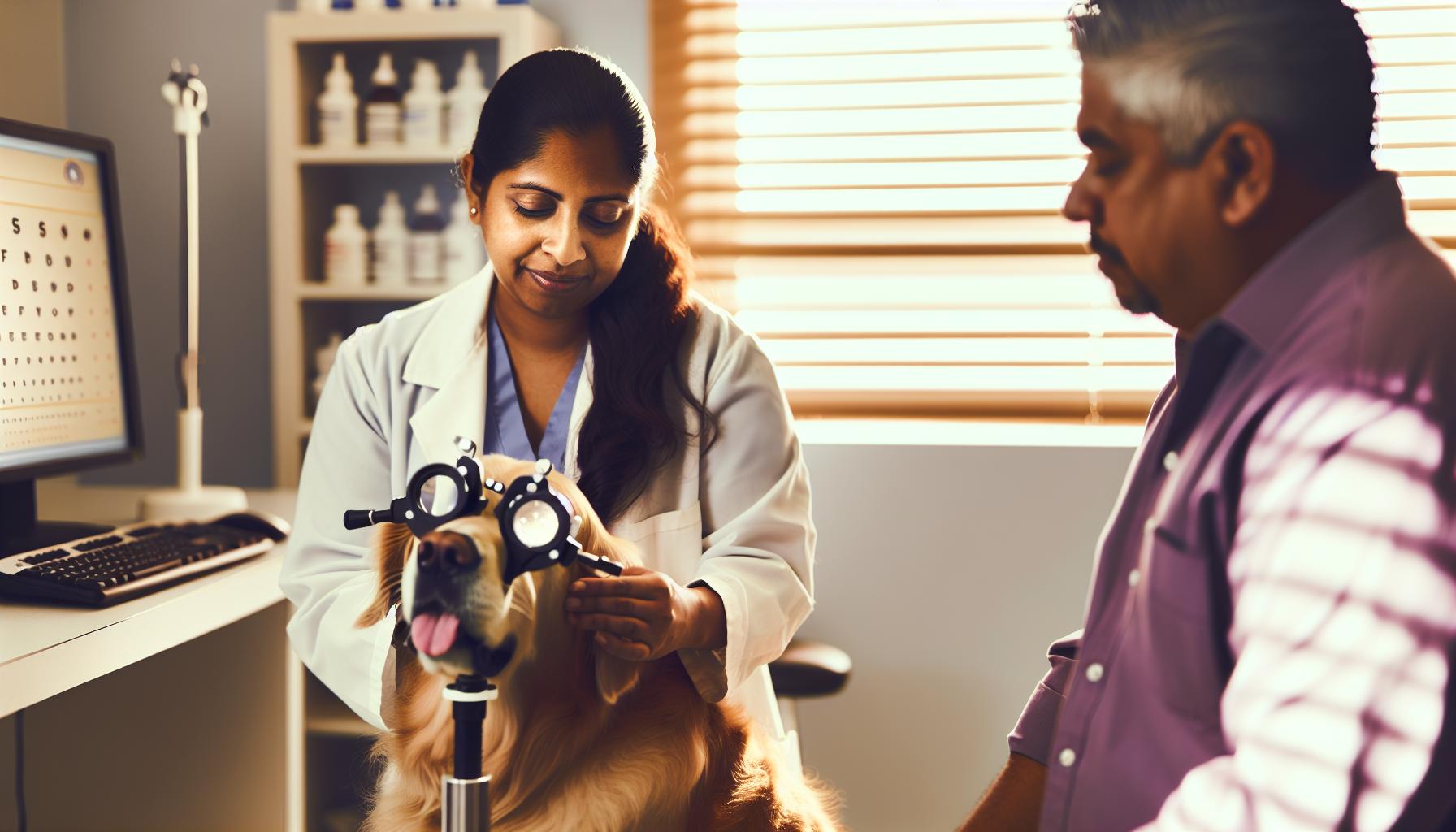
Preventing Blindness: Eye Care Tips for Diabetic Dogs
Diabetes in dogs can lead to serious health complications, including vision loss, which is why proactive eye care is paramount. As diabetes affects the body’s ability to regulate blood sugar, increased glucose levels can alter the fluid in the eyes, potentially causing conditions such as cataracts. Research indicates that around 75% of diabetic dogs may develop cataracts, which can progress swiftly and lead to blindness if not addressed. Understanding how to care for your dog’s eyes is crucial in preventing blindness and maintaining their overall quality of life.
Regular eye examinations are essential for early detection of any changes. Schedule bi-annual visits with a veterinarian, who can thoroughly check your dog’s eyes for signs of cataracts, changes in the lens, or any other potential issues stemming from diabetes. Keeping an eye on your dog’s behavior can also provide hints about their eye health. For example, if your dog seems disoriented, bumps into objects, or has difficulty following commands, it might indicate vision problems that warrant a vet visit.
In addition to regular check-ups, you can strengthen your dog’s eye health through proper nutrition. A diet rich in antioxidants, such as vitamins C and E, can be beneficial for eye care. Consider discussing with your veterinarian about specific nutritional supplements that can support ocular health in diabetic dogs. Hydration also plays a critical role-ensure your dog has access to fresh water at all times. Dehydration can exacerbate both diabetes and eye issues, so keeping your dog well-hydrated is vital.
Maintaining stable blood sugar levels is crucial for preventing diabetes-related complications. Consistency in feeding, insulin administration, and regular monitoring of your dog’s blood glucose can significantly reduce the risk of eye issues. Additionally, keeping your dog’s environment free from hazards that could lead to injury is important, especially as their vision may be compromised. Utilizing non-slip mats or padded bedding can help prevent accidents at home.
Ultimately, awareness and proactive management can make a significant difference in your diabetic dog’s eye health. By being vigilant and working closely with your veterinarian, you can help safeguard their vision, ensuring they lead a happy and fulfilling life despite their diabetes.
Recognizing and Managing Diabetes-Related Complications
Complications stemming from diabetes can significantly impact your dog’s health and quality of life, making early recognition and effective management crucial. Many dog owners may not know that common issues arising from diabetes include not only vision loss but also kidney disease, urinary tract infections, and skin conditions. Recognizing these complications early can lead to better outcomes, enhancing your furry friend’s well-being.
Monitoring your dog’s behavior and health status plays a vital role in managing diabetes-related complications. Look for indicators such as increased thirst and urination, changes in appetite, lethargy, or unusual behavior. These signs may signify that your dog’s diabetes is not well-controlled and require immediate attention. Regularly checking your dog’s weight is also essential-significant weight loss can be a warning sign of worsening diabetic conditions.
Practical Strategies for Management
To prevent complications, maintaining stable blood glucose levels is paramount. Aim for a consistent feeding schedule and adhere to your veterinarian’s insulin administration plan. Here are additional strategies that can help:
- Diet management: Consult with your veterinarian to create a balanced diet plan, focusing on low-glycemic foods that help regulate blood sugar levels.
- Regular health checks: Schedule consistent veterinary visits for monitoring blood glucose levels and overall health. Don’t hesitate to request specific tests that can check for complications such as kidney function.
- Hydration: Ensure your dog has unlimited access to fresh water, as adequate hydration is crucial in managing diabetes and can aid in preventing urinary tract infections.
- Healthy weight maintenance: Keep an eye on your dog’s weight, as obesity can exacerbate diabetes and its related complications. Discuss any necessary weight loss or maintenance plans with your vet.
Another important aspect is recognizing when specialist care is needed. If you notice persistent issues or complications such as vision changes, working with a veterinary ophthalmologist can provide insights and treatment options tailored to your dog’s needs. Likewise, if your dog develops frequent infections or skin issues, seeking a dermatologist could offer specialized strategies for management.
Living with a diabetic dog can undoubtedly be challenging, but proactive management and regular veterinary consultation can significantly reduce the risk of complications. With careful attention to detail and a commitment to their care, you can navigate these challenges more effectively, ensuring that your furry companion enjoys a vibrant and healthy life.
The Role of Regular Vet Check-ups in Pet Care
Regular veterinary check-ups are an essential cornerstone in the health management of diabetic dogs, playing a pivotal role in preventing complications such as vision loss. Just as in humans, consistent care is critical for managing diabetes in pets. During these visits, veterinarians can perform routine assessments of blood glucose levels, adjust insulin doses, and evaluate the dog’s overall health. This proactive approach helps in early detection of any potential issues such as diabetic cataracts or retinopathy, which can lead to blindness if not addressed promptly.
Understanding the importance of preventive care can encourage dog owners to prioritize their pet’s health. Regular visits allow for tailored dietary recommendations, which are vital for maintaining stable blood sugar levels. A vet can guide you in selecting appropriate foods that not only help in controlling diabetes but also promote better eye health. Additionally, these appointments provide a platform to discuss any behavioral changes or symptoms that could indicate health complications, ensuring that any concerns are promptly addressed.
Establishing a Monitoring Routine
A routine that incorporates regular vet visits can significantly enhance a diabetic dog’s quality of life. Consider setting a schedule that aligns with your veterinary practice’s recommendations; typically, check-ups may be needed every 3-6 months, depending on the individual dog’s condition. During these visits, expect to cover key aspects such as:
- Blood glucose monitoring: Regularly testing blood sugar levels can reveal trends that assist your veterinarian in adjusting treatment plans.
- Weight checks: Keeping your dog at a healthy weight is crucial, as obesity can exacerbate diabetes-related complications.
- Physical examinations: Routine checks can help identify early signs of complications, such as vision changes or skin conditions.
Committing to consistent veterinary care not only helps manage diabetes effectively, but it can also provide peace of mind for pet owners. Each check-up is an opportunity to gather insights and strategies directly from your veterinarian, empowering you with knowledge that can help keep your furry family member healthy and vibrant. Remember, every step taken toward diligent care contributes to preventing long-term complications, ensuring a happier, healthier life for your beloved pet.
Emotional Support and Guidance for Dog Owners
Caring for a dog diagnosed with diabetes can be an overwhelming experience, making it crucial for owners to seek emotional support and practical guidance. Knowing that your furry companion relies on you for management can lead to feelings of anxiety, especially when you consider the potential complications, such as vision loss. Understanding that you are not alone in this journey can provide comfort. Many pet owners face similar challenges, and sharing experiences in support groups-whether online or in-person-can cultivate a sense of community and shared understanding.
To bolster your emotional well-being, it’s essential to educate yourself about diabetes management and the intricacies of the condition. Having knowledge empowers you to make informed decisions regarding your pet’s care routine. For example, setting a structured schedule for feeding and insulin administration helps develop predictability, benefiting both you and your dog. Keep a journal to track your pet’s symptoms, food intake, and any changes in behavior; this log can facilitate discussions with your veterinarian. Celebrate the small victories, such as maintaining stable blood sugar levels or successfully implementing a new diet.
Further, surrounding yourself with support can make a significant difference. Consulting with your veterinarian or a veterinary nutritionist can provide expert guidance tailored to your dog’s specific needs. Additionally, explore resources to connect with others managing canine diabetes, as they can offer practical advice and coping strategies. Websites, forums, and social media groups are invaluable for sharing insights on daily management techniques, food choices, and appropriate products to enhance your dog’s health.
In moments of frustration or uncertainty, don’t hesitate to reach out for professional advice, whether it’s from your vet or a specialist. Recognizing that you are providing the best care possible for your pet can alleviate some pressure. Remember, managing a chronic condition takes grace, patience, and resilience from both you and your dog-it’s a journey of learning and adapting together. Embracing this process can lead to a rewarding bond that enriches both your lives.
Choosing the Right Diabetic Products for Your Dog
Caring for a diabetic dog involves selecting the right products that can help manage their condition effectively while maintaining their quality of life. With a multitude of options available on the market, it is crucial to focus on a few key areas to ensure that you equip your pet with the best support for their diabetes management.
One of the most significant choices you’ll make is related to your dog’s diet. Diabetic dog food is formulated specifically to help manage blood sugar levels. Look for products that are high in fiber and low in fat and carbohydrates, helping to regulate your dog’s glucose intake. Consult your veterinarian to find the most appropriate food for your dog’s unique health requirements. Often, brands that have specialized diabetic formulas will also offer options enriched with omega fatty acids to support eye health, which is particularly beneficial in preventing diabetes-related vision loss.
In addition to food, diabetes management supplies such as insulin syringes, glucose monitoring tools, and diabetic treats are essential. It is vital to choose syringes with the right gauge and size recommended by your vet. Check for brands that provide clear markings for accurate dosing. For glucose monitoring, consider investing in a pet-specific glucometer. These devices will allow you to easily test your dog’s blood sugar levels at home, facilitating timely adjustments to their care plan.
Another area to consider is supplements and medications that may aid in managing diabetes symptoms and overall health. Look for products that include vitamins and minerals tailored for dogs with diabetes, such as chromium and zinc, that can enhance insulin sensitivity. Additionally, speak with your veterinarian about any preventive medications or supplements that could support eye health and vision in diabetic dogs, reducing the likelihood of complications.
Finally, consider the importance of supportive gear for your diabetic pet. This includes items like shoes to protect their paws during walks, especially if they are experiencing sensitivity due to diabetes. Harnesses can provide better control during outings, ensuring safety as they navigate their environment. By investing in the right products and keeping an open line of communication with your vet, you’ll cultivate a caring and responsive approach to your dog’s diabetes management, ultimately enhancing their health and happiness.
Lifestyle Adjustments for Diabetic Dog Owners
Navigating life with a diabetic dog often requires adaptation and foresight, especially when considering the potential impact on their vision. Owners must prioritize a lifestyle that supports their furry friend’s health, making daily adjustments to routine and environment that promote well-being and minimize risks associated with diabetes-related complications.
One of the most pivotal adjustments involves meal consistency and portion control. Establish a regular feeding schedule to keep your dog’s blood sugar levels stable, and opt for high-fiber diabetic dog food that helps prevent spikes in glucose. Engaging a veterinarian in this process is crucial; they can recommend specific diets and portion sizes based on your dog’s unique health profile. In tandem, you’ll want to monitor their weight closely, as obesity can exacerbate diabetes and heighten the risk of vision loss. Incorporating controlled portions along with scheduled feeding times can make a significant difference in your dog’s health and overall energy levels.
Regular exercise is another cornerstone of managing diabetes and maintaining a healthy weight. Aim for brisk walks or play sessions that both engage and tire your dog without overexerting them. Be mindful of your dog’s physical limits, particularly if they begin to experience vision changes. Activities that are well-structured and familiar are key; keep the surroundings predictable to mitigate the risk of accidents. Keeping a routine that encourages both physical activity and mental stimulation is essential; consider puzzle toys or training sessions that can challenge your pet while keeping them active.
Additionally, pet owners should adapt their homes to ensure a safe environment for diabetic dogs, particularly those at risk of vision loss. Simple modifications can prevent accidents and help your dog navigate their space more securely. Consider using non-slip rugs, ensuring that pathways are clear of obstructions, and providing familiar resting places that are away from heavy foot traffic. If your dog starts to show signs of decreased vision, using sound or scent cues can help them adjust. For example, placing identifiable markers at the edges of steps or using textured surfaces can guide them safely.
Another crucial aspect of managing the lifestyle of a diabetic dog is fostering an open line of communication with your veterinarian. Regular check-ups allow for the monitoring of your dog’s condition and any necessary adjustments to their care plan. These visits can also provide an opportunity to discuss eye health and explore preventive measures, such as specific supplements that support overall vision health. Additionally, consider joining support groups for diabetic pet owners; sharing experiences and strategies can provide valuable insight and community support.
By embracing these lifestyle adjustments, dog owners can effectively manage their pet’s diabetes while maintaining a high quality of life. This proactive approach not only helps in preventing complications such as vision loss but also strengthens the bond you have with your furry companion, ensuring they remain healthy and active for years to come.
When to Seek Specialist Care for Your Diabetic Pet
Recognizing when your beloved dog needs specialist care can be crucial in managing diabetes and safeguarding their overall health, particularly in relation to potential vision loss. It’s important to stay vigilant and act swiftly if any of the following signs occur, as early intervention can significantly improve outcomes.
Firstly, if you notice any changes in your dog’s vision-such as bumping into objects, hesitance when approaching stairs, or a sudden reluctance to engage in activities they once enjoyed-it’s time to consult a veterinary ophthalmologist. Vision problems can develop due to diabetes-related conditions like cataracts or diabetic retinopathy, which need specialized assessment and intervention.
Additionally, fluctuations in blood sugar levels can indicate that your dog’s diabetes is not being managed effectively. If you observe severe weight loss, excessive thirst, or increased urination, these symptoms warrant immediate veterinary attention. A specialist can provide a more detailed evaluation of your dog’s insulin needs, medication adjustments, and tailored dietary recommendations, creating a comprehensive management plan.
When to Refer to a Specialist
It can be difficult for pet owners to navigate the complexities of diabetes management. Here’s a quick checklist for when to consider seeking specialist care:
- Severe Behavioral Changes: Sudden aggression, lethargy, or fearfulness.
- Vision Changes: Signs of vision impairment or sudden onset of cataracts.
- Inconsistent Blood Sugar Levels: Wild fluctuations despite following the prescribed management plan.
- Persistent Health Issues: Continuing urinary or gastrointestinal issues that do not resolve with standard treatment.
It’s also beneficial to maintain open communication with your primary veterinarian. Regular check-ups can facilitate timely referrals to specialists when necessary, ensuring that your dog receives the most comprehensive care possible. Seeking the advice of a veterinary endocrinologist or an ophthalmologist will arm you with the expertise to tackle specific diabetes complications, minimizing the risk of vision loss while maximizing your dog’s quality of life.
Finally, considering the emotional weight of managing a diabetic pet, joining support groups or online forums can provide invaluable community resources. Sharing experiences and gaining insights from fellow dog owners can empower you, making the journey a bit easier as you advocate for your pet’s health and well-being.
FAQ
Q: What are the signs of vision loss in diabetic dogs?
A: Signs of vision loss in diabetic dogs include bumping into objects, reluctance to jump or climb stairs, and a cloudy appearance to the eyes. If you observe these behaviors, consult your vet immediately for further evaluation and potential treatment options.
Q: How does diabetes cause blindness in dogs?
A: Diabetes can lead to blindness in dogs by causing cataracts and diabetic retinopathy, which result from high blood sugar levels damaging the eye’s tissues. Regular check-ups with your veterinarian can help monitor and manage these risks effectively.
Q: Can diet help prevent blindness in diabetic dogs?
A: Yes, a well-balanced diet can help manage blood sugar levels and reduce the risk of complications like blindness. Focus on high-fiber foods and low-glycemic options to maintain stable glucose levels, which supports overall eye health. Refer to “Nutritional Strategies for Managing Diabetic Pets” for more details.
Q: When should I seek veterinary care for my dog’s eyesight?
A: You should seek veterinary care if you notice any sudden changes in your dog’s eyesight or behavior related to vision. Early intervention can prevent further complications, especially for diabetic pets. Regular vet check-ups are crucial in managing diabetes-related issues.
Q: What treatments are available for diabetic dogs with vision loss?
A: Treatments may include medication to manage blood sugar levels, surgical options for cataracts, or specialized eye care. Your vet will assess the situation to recommend the best course of action tailored to your dog’s needs.
Q: Can regular vet visits prevent vision loss in diabetic dogs?
A: Yes, regular vet visits are essential for monitoring your diabetic dog’s health and managing potential complications. Consistent check-ups enable early detection of issues like cataracts and retinopathy, which can prevent vision loss.
Q: Are there any supplements that might help diabetic dogs with eye health?
A: Certain supplements like omega-3 fatty acids and antioxidants (like vitamins C and E) may support eye health in diabetic dogs. Always consult your veterinarian before introducing new supplements to ensure they align with your dog’s overall treatment plan.
Q: How can I make my home safer for a blind diabetic dog?
A: To make your home safer for a blind diabetic dog, keep the environment clutter-free, create consistent pathways, and use fragrance markers to help your dog navigate. Ensuring safe spaces for resting and eating will help them feel secure in their surroundings.
The Way Forward
Managing your pet’s diabetes is crucial not just for their health, but also for preventing potential complications like vision loss. By implementing daily routines in dietary choices and medical care, you can significantly enhance your dog’s quality of life. Don’t wait-take action now by reviewing our guide on maintaining a balanced diet for diabetic dogs and learn about important lifestyle adjustments that can make a difference.
For more insights on diabetes management, check out our articles on diabetic products and specialist referrals. Empower yourself with the knowledge you need to support your furry friend’s journey towards health. Remember, professional medical consultation is essential; let your vet be your guide in navigating this challenge. Share your experiences with us in the comments and join our community; together, we can ensure our pets live happy, healthy lives.
Can Diabetes in Aussie Dogs Cause Blindness? Canine Diabetic Cataracts and Lens Surgery
Pet owners of Australian Shepherds frequently ask veterinary ophthalmologists can diabetes in aussie dogs cause blindness following a diabetes diagnosis. In canine endocrinology, nearly 75% to 80% of diabetic dogs develop bilateral cataracts within 5 to 12 months of onset. High circulating glucose enters the canine crystalline lens where aldose reductase enzymes convert excess glucose into sorbitol. Because sorbitol cannot diffuse out of the lens capsule, it exerts intense osmotic draw, swelling and rupturing lens fibers into complete opaque blindness.
| Canine Cataract Stage | Ophthalmic Examination Findings | Impact on Aussie Dog Vision | Veterinary Treatment Plan |
|---|---|---|---|
| Incipient Diabetic Cataract | Subtle equatorial vacuoles and focal water clefts (<15% lens opacity) | Normal functional vision; intact menace response | Strict systemic insulin titration; topical NSAID drops to prevent lens-induced uveitis |
| Immature Diabetic Cataract | Diffuse cortical cloudiness; tapetal reflection still partially visible | Reduced night vision; bumping into objects in dim light | Ophthalmic ultrasound (B-scan); ERG (electroretinography) candidate screening |
| Mature / Intumescent Cataract | Dense, pearl-white swollen lens completely obscuring fundus | Complete functional blindness; pupillary light reflex sluggish | Surgical Gold Standard: Phacoemulsification with intraocular lens (IOL) implant |
| Hypermature Cataract (Complicated) | Lens capsule wrinkling; deep anterior chamber; lens protein leakage | Severe painful secondary glaucoma and phacolytic uveitis | Emergency veterinary surgery to prevent irreversible globe enucleation |
Get our latest guides, news, and insights highlighted in your Google Search & AI Overviews.