Did you know that managing blood sugar levels doesn’t mean sacrificing delicious snacks? For those living with diabetes, finding tasty options can be a challenge, especially when it comes to granola, which is often loaded with sugar. Our “Diabetic Granola Recipe: Crunchy Clusters Without the Sugar” offers a satisfying solution that caters to your cravings while supporting your health goals. This recipe allows you to enjoy crunchy, wholesome clusters without the worry of added sugars, making it a perfect choice for breakfast or an on-the-go snack. By focusing on dietary choices that align with diabetes management, you can nourish your body and enjoy your meals. Let’s dive into this easy-to-make recipe that not only tastes great but also contributes positively to your daily meal plan!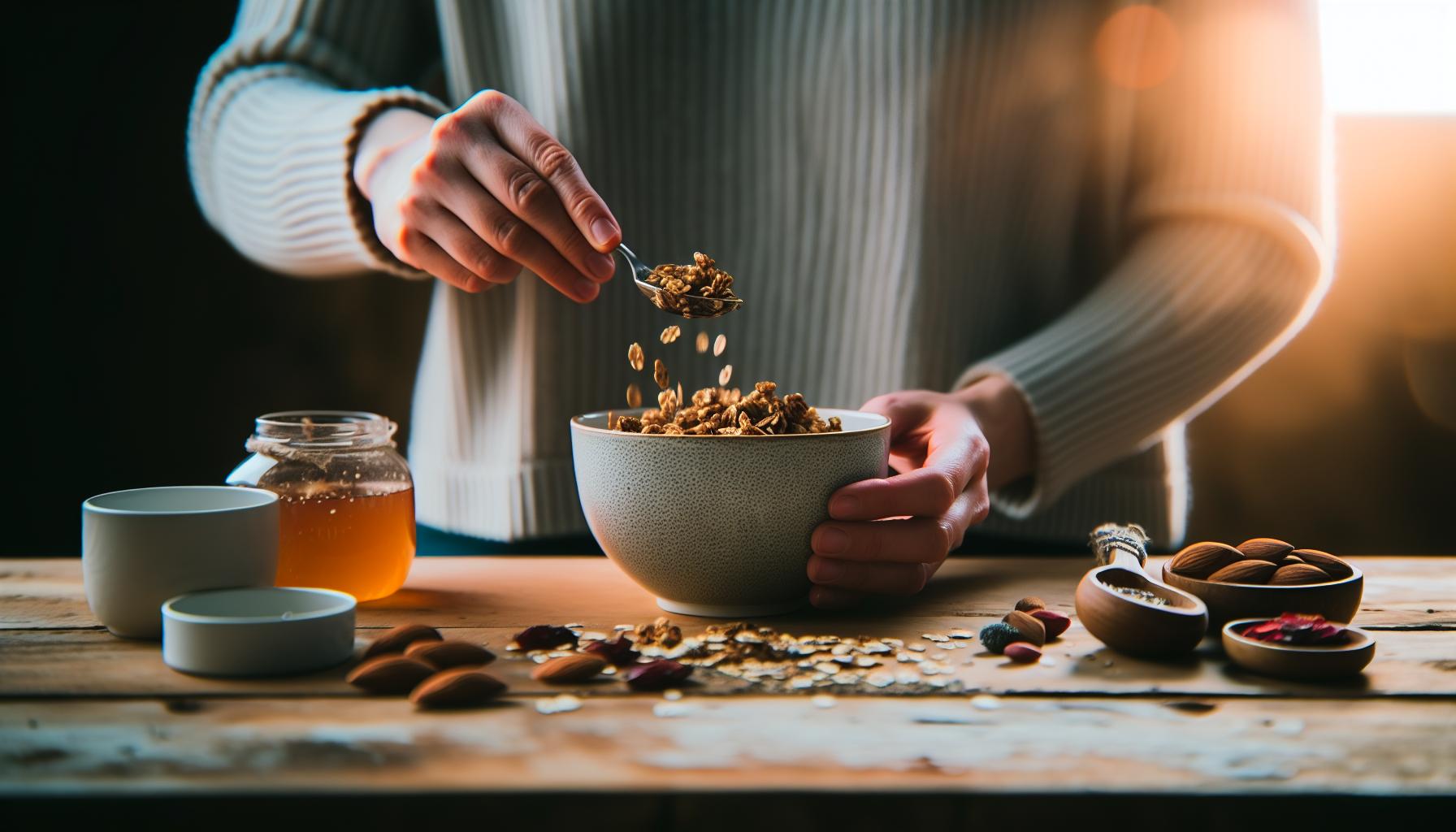
Diabetic-Friendly Ingredients for Your Granola
Creating granola that’s enjoyable while also being mindful of blood sugar levels is entirely possible with the right ingredients. Using diabetic-friendly components not only enhances the nutritional profile of your granola but also ensures that it remains a satisfying snack without spiking your blood sugar. Incorporating whole, unprocessed ingredients is key, as these options are high in fiber and lower in glycemic index, making them ideal for anyone managing diabetes.
Start with a solid base of whole grains. Rolled oats are a great choice, as they contain soluble fiber that can help regulate blood sugar levels. When choosing oats, aim for the steel-cut or old-fashioned varieties, which are less processed and have a lower glycemic index compared to instant oats. To add healthy fats, consider incorporating nuts and seeds like almonds, walnuts, pumpkin seeds, or chia seeds. These not only provide crunch but also supply protein and healthy omega-3 fatty acids, important for overall heart health, especially in diabetic individuals.
Avoid refined sugars and instead explore natural sweeteners that won’t spike blood sugar. Unsweetened apple sauce or mashed ripe bananas can be excellent binding agents that provide moisture and subtle sweetness without added sugar. Dried fruits, such as unsweetened cranberries or apricots, can also be used in moderation, but it’s essential to keep portions controlled as they can still contain concentrated sugars. For an extra flavor boost without the sugar, consider spices like cinnamon or vanilla extract, which can enhance the sweetness perception without impacting blood sugar.
Finally, don’t forget to add some flavor and texture to your granola. Ingredients like unsweetened cocoa powder can be a delight for chocolate lovers, while coconut flakes (unsweetened) can provide a tropical twist. Be sure to experiment with different combinations that suit your taste preferences while ensuring they align with your dietary needs. By carefully selecting diabetic-friendly ingredients, you can create delicious granola clusters that fit seamlessly into a healthy eating plan, making your dietary journey much more enjoyable.
How to Achieve Crunchy Clusters Without Sugar
Creating deliciously crunchy granola clusters without relying on sugar is not only attainable but can also enhance your snacking experience, especially for those managing diabetes. The secret lies in using a variety of wholesome ingredients and smart cooking techniques that promote natural textures and flavors.
One effective method to achieve that satisfying crunch is to incorporate a combination of healthy fats and binding agents. Nut butters, such as almond or peanut butter, serve as an excellent adhesive in granola. They provide both flavor and a source of healthy fats, helping hold the clusters together while adding richness. Additionally, using coconut oil can contribute to a crisp texture. When mixed with dry ingredients, it helps the mixture clump together during baking, creating those coveted clusters.
Utilizing whole grains like rolled oats or quinoa can further enhance the crunchiness of your granola. To make your clusters even more substantial, consider adding toasted nuts and seeds. Almonds, pecans, and pumpkin seeds not only offer great flavor but also improve the texture and nutritional profile. Aim to toast these ingredients lightly beforehand, as toasting can deepen their flavor and elevate the crunch factor significantly.
The baking process is crucial in forming those delicious clusters. Make sure to spread your granola mixture evenly on a parchment-lined baking sheet. Bake it at a moderate temperature of around 325°F (160°C), and allow it to bake undisturbed for the first 20-25 minutes. After this initial phase, gently stir the granola, which helps create both even cooking and clusters. Returning it to the oven will allow moisture to escape and lead to that crunchy finish that’s often missed in sugar-laden varieties.
By choosing the right ingredients and employing these techniques, you can achieve delightful clusters in your granola that are both satisfying and diabetic-friendly. Enjoy the process of making your granola a fun and health-conscious endeavor; it’s a fantastic way to take control of your snacking habits while enjoying every bite!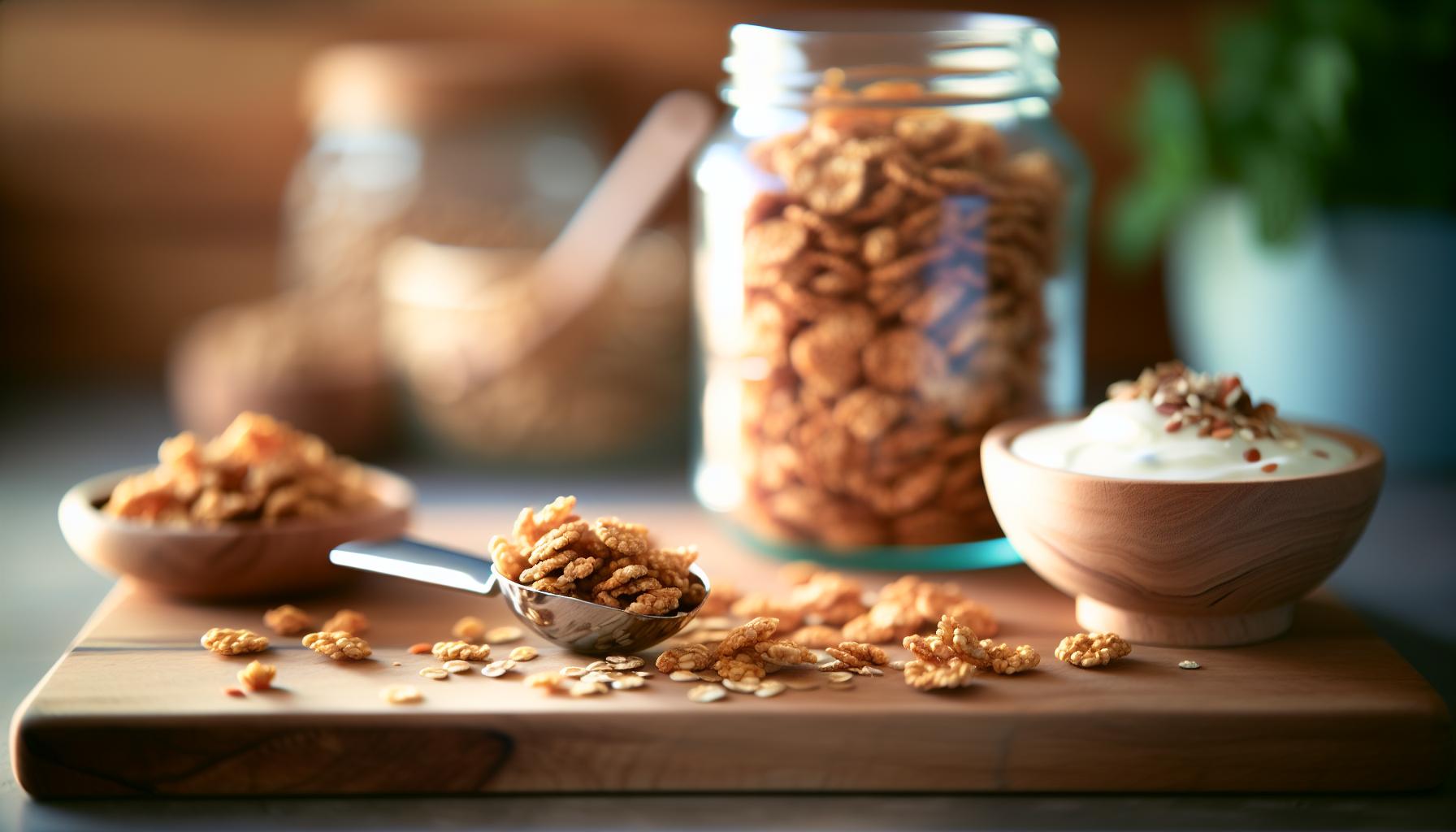
Creative Flavor Additions to Enhance Your Granola
Exploring creative flavor additions can transform your diabetic-friendly granola from a simple snack into a delightful experience. Flavours not only elevate taste but can also offer additional health benefits, making your granola a powerhouse of nutrients. By incorporating a variety of ingredients, you can create a personalized blend that suits your preferences while keeping your blood sugar levels in check.
Spices and Seasonings
Consider enhancing your granola with spices like cinnamon, nutmeg, or even ginger. These spices add warmth and sweetness without the calories or sugar, while cinnamon is particularly noted for its potential to improve insulin sensitivity. A sprinkle of vanilla extract can also bring out the flavors and provide a comforting aroma. For an exotic twist, cardamom or a hint of cocoa powder can make your granola stand out.
Dried Fruits and Zests
Adding dried fruits like unsweetened cranberries, blueberries, or raspberries can introduce natural sweetness and vibrant flavor. Always opt for unsweetened versions to minimize sugar intake while enjoying the fruity goodness. Additionally, citrus zests, such as lemon or orange, can add a fresh and zesty note, balancing out the richer ingredients.
Nut and Seed Variety
While you might already include nuts and seeds for crunch, think about diversifying the types you use. Incorporate chia seeds, hemp seeds, or sunflower seeds for different textures and nutrients. Toasted coconut flakes can also offer a subtle sweetness and delightful chewiness that elevates the overall experience. Mixing different nuts not only adds flavor but also enhances the heart-healthy fats profile of your granola.
Natural Extracts and Flavorings
For an additional layer of flavor, consider using natural extracts like almond or maple extracts. They impart rich flavors without the added sugars, fitting perfectly into a diabetic-friendly diet. Experimenting with these flavor-enhancers can lead to discoveries of combinations you never knew might work well together.
By thoughtfully incorporating these creative additions, you can customize your granola, making it both exciting to eat and supportive of your diabetes management journey. The key is moderation and balance, taking into account individual dietary needs while ensuring that every bite remains enjoyable.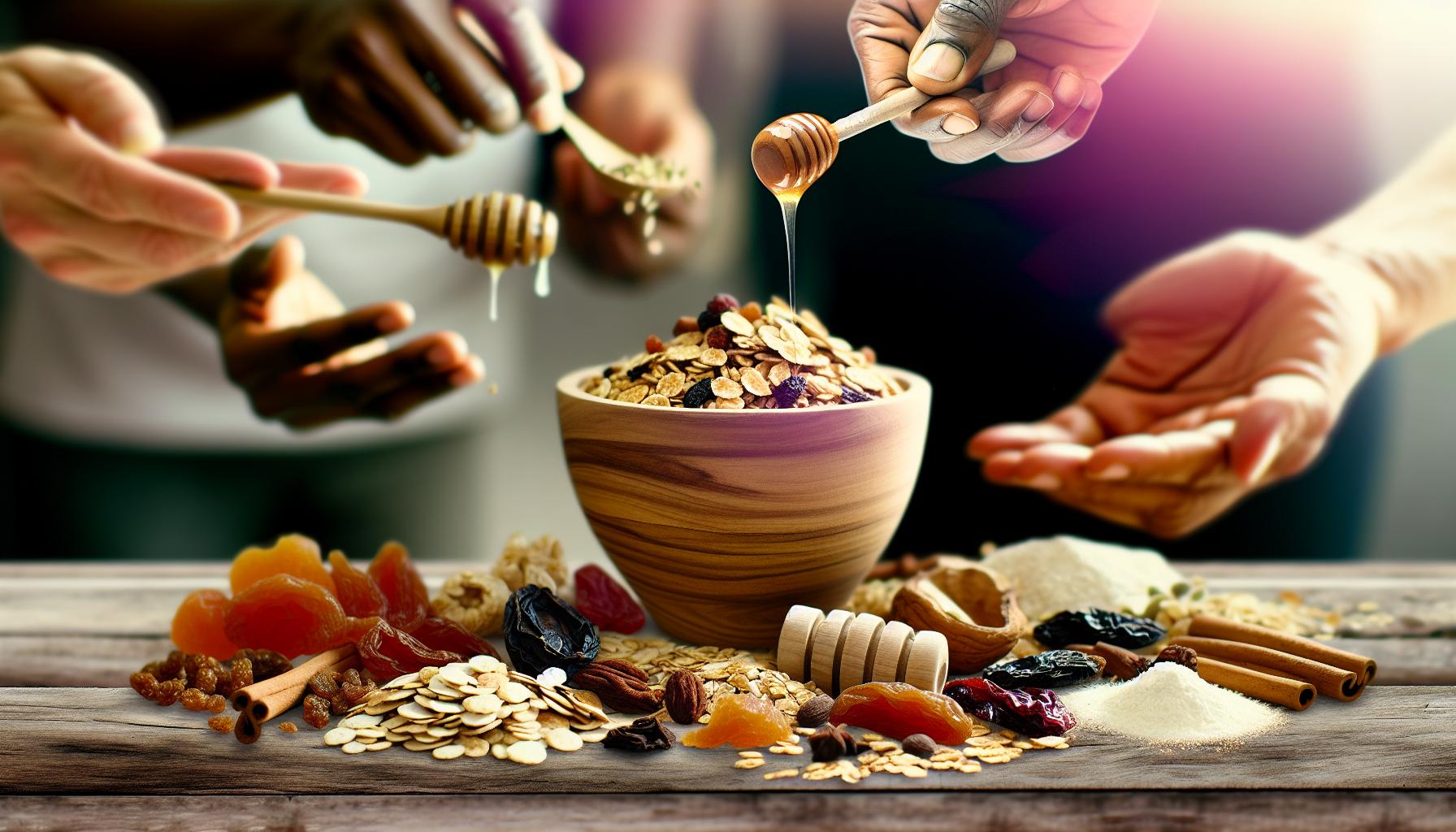
Step-by-Step Guide to Making Diabetic Granola
Creating your own diabetic-friendly granola is not only a rewarding culinary experience but also an excellent way to ensure that you can enjoy a nutritious snack tailored to your dietary needs. By using wholesome ingredients and avoiding unnecessary sugars, you can craft a crunchy, satisfying blend that supports your blood sugar management in a delicious way. Here’s how to get started on making your very own diabetic granola, providing a perfect balance of taste and health benefits.
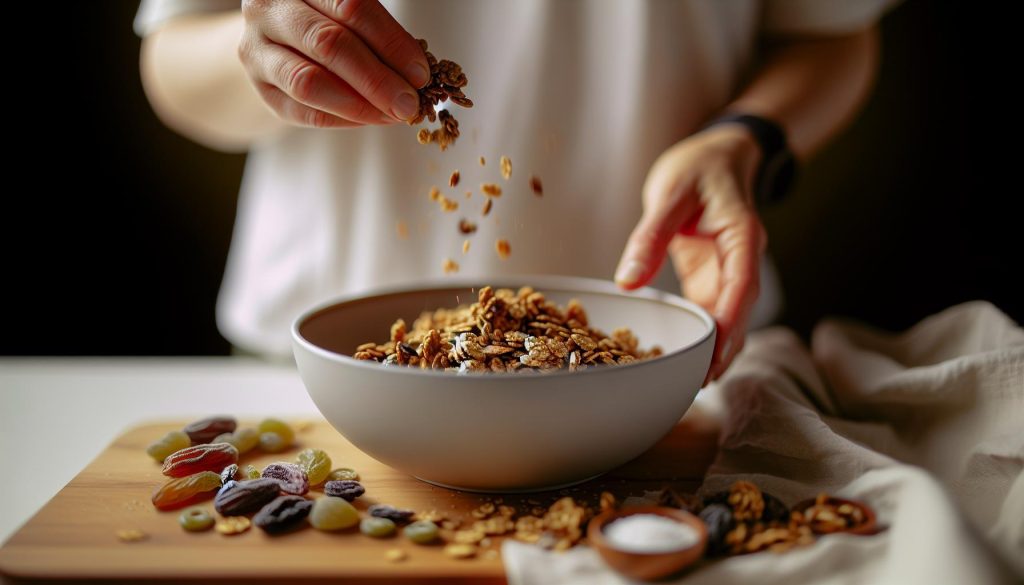
Begin by preheating your oven to 325°F (163°C). Line a baking sheet with parchment paper to prevent the granola from sticking and to make for easier cleanup later. In a large mixing bowl, combine the base ingredients for your granola, which typically include rolled oats, a mix of nuts (such as almonds, walnuts, or pecans), and seeds (like sunflower or pumpkin seeds). From here, you can add spices for flavor-cinnamon works wonderfully to bring out sweetness without sugar, along with a touch of salt to enhance the overall taste.
Next, it’s time to add your binding ingredients which will help create those desired crunchy clusters. For a diabetic-friendly option, consider using unsweetened applesauce or mashed ripe bananas as your base. These not only offer moisture but also a natural sweetness without spiking blood sugar levels. If you prefer a bit of richness, a small amount of melted coconut oil or nut butter can add depth while complementing the other flavors. Once these ingredients are mixed in, spread the mixture evenly onto your prepared baking sheet.
Bake the granola for about 20-25 minutes, stirring halfway through to ensure even browning. Keep a close eye on it, as granola can quickly transition from perfectly toasted to burnt. Once the mixture is golden brown and fragrant, remove it from the oven and allow it to cool completely on the baking sheet, which will help it form those coveted clusters. After cooling, you can stir in any additional ingredients like unsweetened dried fruits or a sprinkle of nutmeg for extra flavor.
Finally, once your granola has cooled, transfer it to an airtight container for storage. It can typically last for up to two weeks at room temperature, but for longer freshness, consider refrigerating it. Enjoy your homemade granola as a nutritious snack all on its own, or pair it with yogurt and fresh fruit for a balanced meal option. By following these steps, you’ll not only create a delicious treat but also maintain control over your nutrition, allowing you to indulge without the worries of elevated blood sugar levels.
Storage Tips for Freshness and Crunch
Storing your diabetic granola correctly is essential to maintain its delightful crunch and rich flavors while ensuring it remains a safe snack option. Granola can lose its texture and taste if not stored appropriately, leading to a soggy experience instead of the satisfying crunch you desire. Proper storage techniques can help you enjoy your homemade creation for weeks while keeping your blood sugar management in check.
To start, use airtight containers to keep your granola fresh. Glass jars, plastic containers with tight-fitting lids, or resealable bags work wonderfully. Airtight storage prevents air exposure, which can cause the granola to become stale. Ideally, store your granola in a cool, dry place, away from heat sources and sunlight, as these elements can accelerate the spoilage process. If you’re looking to extend its shelf life even further, consider refrigerating your granola. This method can help maintain the crunch and enhance its freshness, allowing you to enjoy it longer.
When it comes to portion control, consider dividing your granola into single-serving bags or containers immediately after making it. Not only does this make snacking easier, but it also helps you avoid overindulgence, which is particularly crucial for managing diabetes. Label each bag with the date to keep track of freshness, ensuring that you consume it within the recommended two-week timeframe if stored at room temperature. For example, you might set a reminder on your phone to check your granola stash every week, making it easier to stay on top of your dietary needs.
To ensure maximum enjoyment with every bite, consider placing a silica gel packet or a small piece of bread into your container. These natural moisture absorbers can help prevent the granola from becoming too moist and losing its beloved crunch. Always remember to prioritize your health and consult with healthcare professionals regarding your dietary choices, especially when managing diabetes. By mastering simple storage techniques, you can savor the wholesome goodness of your diabetic-friendly granola while navigating the challenges of daily life!
Nutritional Insights: Understanding Carb Counts
Understanding carbohydrate counts is crucial for those managing diabetes, especially when it comes to tasty homemade snacks like granola. Granola often contains various ingredients that can significantly affect blood sugar levels, making it essential to be mindful of what goes into your recipe. For instance, while whole grains can provide beneficial fiber, some ingredients, such as dried fruits, can still contain higher amounts of sugar, so the net carbs can quickly add up.
To optimize your diabetic-friendly granola, it’s vital to select ingredients wisely. Stick to low-glycemic options like oats, nuts, and seeds, while being cautious with higher-carb additions such as sweetened yogurt or honey. Tracking the carbohydrate content of your recipe can empower you to make informed decisions. Using tools like nutrition calculators or apps can help you easily sum up the total carbs per serving, which is particularly helpful when at the grocery store or preparing meals ahead of time.
When assessing nutritional value, pay attention to both total carbohydrates and dietary fiber. Items rich in fiber may help regulate blood sugar levels and promote a sense of fullness, which is particularly helpful for those managing appetite and weight. Consider incorporating ingredients like chia seeds, flaxseeds, or psyllium husk into your granola for an added fiber boost.
By becoming knowledgeable about carb counts, you’re not just making better choices; you’re empowering yourself to continue enjoying delicious snacks while maintaining healthy blood sugar levels. Always consult with healthcare professionals regarding your dietary needs, ensuring that your choices align with your overall diabetes management plan.
Alternative Sweeteners for Diabetic Recipes
Finding sweetness in a diabetic-friendly recipe can present a challenge, particularly with classic snacks like granola. Many traditional sweeteners can spike blood sugar levels, which is why exploring alternative sweeteners is essential for those managing diabetes. Fortunately, a range of low-glycemic sweeteners can help achieve that delightful taste without compromising health.
One popular option is stevia, a natural sweetener derived from the leaves of the Stevia plant. It offers a sweetness level much higher than sugar without contributing calories or carbs, making it an excellent choice for granola. Another favorable alternative is erythritol, a sugar alcohol that contains minimal calories and has a negligible effect on blood sugar levels. Its taste is similar to sugar, with about 70% sweetness, making it an easy substitute in granola recipes.
Additionally, monk fruit sweetener is gaining popularity due to its natural origins and zero-calorie profile. It has a sweetness level comparable to sugar as well but does not raise blood glucose levels. For those who prefer a more classic approach, using a small amount of cinnamon or vanilla extract can help enhance sweetness perception without added sugar.
When experimenting with these alternative sweeteners, it’s important to adjust the quantities according to taste preferences and the specific sweetener used, as some are significantly sweeter than others. Always consult with a healthcare professional when making dietary changes, ensuring that the sweeteners fit within your overall diabetes management plan. Embracing these alternatives not only enriches your granola but also empowers you to enjoy delicious, satisfying snacks that align with your health goals.
Customizing Your Granola for Allergies and Preferences
Creating granola can be a delightful culinary adventure, especially when tailoring it to meet individual dietary needs. For those managing diabetes, customizing granola to avoid allergens or suit personal preferences not only enhances enjoyment but also fosters a healthier lifestyle without compromising on taste or texture. A well-crafted granola mix can be accommodating to various dietary restrictions, whether it’s gluten intolerance, nut allergies, or simply a preference for vegan options.
One effective strategy is to start with a base of whole grains that suit your needs. For instance, if gluten-free is a necessity, consider options like rolled oats that are specifically labeled gluten-free or alternative bases such as quinoa or puffed rice. To add crunch, incorporate seeds such as pumpkin or sunflower seeds, which provide healthy fats and protein while being gluten-free and nut-free. Additionally, being mindful of nut allergies doesn’t mean sacrificing flavor; experimenting with coconut flakes can provide a similar texture and a hint of sweetness without triggering any allergens.
When it comes to flavor, creative substitutions can elevate your granola. For individuals avoiding certain ingredients, spices and extracts can be game-changers. For instance, cinnamon, nutmeg, or even cardamom can add warmth and depth without the need for added sugars or allergens. Using dried fruits like raisins, cranberries, or even chopped dates can also enhance sweetness naturally while avoiding processed sugars. However, it’s essential to keep portion sizes in check, especially with dried fruits, as they can have higher sugar content.
Finally, incorporating personalized mix-ins can create a granola that suits every palate. Whether you prefer a protein boost or a hearty crunch, adding things like seeds, unsweetened cocoa nibs, or even chia seeds can enrich your granola. Here’s a quick guideline to think about when customizing your granola:
- Base: Choose between oats, quinoa, or puffed rice.
- Add-ins: Seeds (e.g., pumpkin, sunflower) for crunch and nutrition.
- Sweeteners: Utilize low-glycemic options such as stevia or erythritol if desired.
- Flavorings: Experiment with spices or dried fruits to enhance taste without allergens.
Customization is not just about personal taste; it’s about empowering healthy choices. Ensure any changes align with your diabetes management plan by consulting with a healthcare professional, thus making the most of your granola experience while staying true to your health goals.
Serving Suggestions for Balanced Meals
A delightful way to integrate diabetic granola into your meals is by pairing it with a variety of nutrient-dense options. This not only enhances flavor but also balances the macronutrient profile, ensuring your meal aligns with careful glucose management. For example, topping a serving of granola with a dollop of Greek yogurt provides a protein boost that can help stabilize blood sugar levels. Opt for plain Greek yogurt, which is lower in sugar, and consider adding fresh fruits like berries, which are rich in fiber, antioxidants, and lower in carbohydrates compared to other fruits.
Another fantastic serving suggestion is to mix granola into your morning smoothies. Blend together your choice of unsweetened almond milk, a handful of spinach or kale, some low-glycemic fruits such as strawberries or peach slices, and a scoop of granola. This approach not only adds a delightful crunch but also incorporates healthy fats and fiber, contributing to a satisfying, nutrient-dense meal that keeps you full longer.
For a quick snack, you can spread some nut butter (such as almond or sunflower seed butter) on whole-grain crispbreads or apple slices and sprinkle a bit of granola on top for added texture and flavor. This combination provides a good mix of protein, healthy fats, and fiber, similarly maintaining steady energy levels. Make sure to use nut butters that are free from added sugars and oils to keep everything in line with your dietary requirements.
Lastly, consider enjoying granola as part of a balanced meal during lunch or dinner by adding it to salads for a crunchy topping. Mixing your favorite leafy greens with raw vegetables, a protein source like grilled chicken or chickpeas, and a sprinkle of granola can transform a simple salad into a hearty dish. Remember, the key is to mindfully balance portions and keep an eye on overall carbohydrate intake by integrating these flavorful suggestions into your diabetic-friendly meals. Always consult with your healthcare provider when making significant changes to your diet to ensure they align with your diabetes management plan.
Popular Pairings: What to Enjoy With Your Granola
Enjoying granola while managing diabetes can be both flavorful and nutritious when paired with the right ingredients. The aim is to create combinations that not only satisfy your taste buds but also promote stable blood sugar levels. Whether you’re enjoying a breakfast bowl, an afternoon snack, or a creative meal, here are some delightful pairings that complement diabetic-friendly granola.
One of the best ways to boost nutrition is by incorporating high-protein options. Topping your granola with plain Greek yogurt adds a creamy texture while providing a significant protein boost, which is essential for blood sugar management. Consider using unsweetened yogurt to keep sugar content low, and feel free to sprinkle in low-glycemic fruits like raspberries or blackberries for a touch of natural sweetness and added fiber. This combination not only adds depth of flavor but also promotes satiety.
Another excellent pairing is with nut butters. Smearing almond or sunflower seed butter on rice cakes or apple slices and then sprinkling granola on top creates a satisfying crunch while delivering healthy fats and protein. This snack is perfect for an energy boost without the sugar spikes associated with more traditional sweet snacks. Be sure to choose nut butters that do not contain added sugars or unhealthy oils to maintain alignment with your dietary goals.
For those who prefer smoothies, blending unsweetened almond milk or coconut milk with spinach, a scoop of protein powder, and your granola can create a nutrient-dense drink. Adding low-sugar fruits like strawberries or cherries can enhance the flavor without significantly increasing carbohydrate content. This method not only integrates granola seamlessly into your diet but also helps you stay full longer, thanks to the fiber from the spinach and the added texture from the granola.
Lastly, don’t overlook the versatility of granola as a salad topper. Mixing leafy greens, colorful vegetables, and a protein source such as grilled chicken or chickpeas can create a fulfilling meal. A sprinkle of granola adds a unique crunch without overwhelming the dish with sugar. Drizzling a light vinaigrette makes for a balanced meal, ensuring that every bite is nutrient-rich and satisfying.
By experimenting with these pairings, you can transform your diabetic-friendly granola into dynamic meals and snacks that not only tantalize your taste buds but also support your health. Each combination encourages a thoughtful approach to carbohydrate management while promoting a satisfying eating experience. Always keep in mind the importance of portion control and consult with healthcare professionals to tailor these suggestions to your personal dietary needs.
Healthy Snacking: Portion Control Techniques
Managing portion sizes while snacking is crucial for individuals with diabetes, especially when enjoying a tasty treat like granola. Did you know that even healthy snacks can lead to unintended blood sugar spikes if consumed in large quantities? By employing effective portion control techniques, you can indulge in your diabetic-friendly granola without jeopardizing your health.
One of the simplest strategies is to measure out serving sizes before snacking. Using small containers or pre-portioned bags can help you stick to recommended amounts, preventing mindless eating directly from larger bags. A standard serving of granola is generally about 1/4 to 1/2 cup, depending on the specific recipe. To make it easier, consider keeping a measuring cup in your pantry or a set of pre-measured snack packs ready to go. This approach not only helps you manage your carbohydrate intake but also reinforces mindful eating habits.
Another effective strategy is to pair your granola with nutrient-dense foods that can elevate satiety. For instance, enjoying your granola with a side of high-protein Greek yogurt or a handful of nuts not only makes for a more filling snack but can also help to stabilize blood sugar levels. By combining foods rich in protein and healthy fats with your granola, you’re less likely to overindulge. Additionally, try to avoid eating granola straight from the box, as it’s easy to lose track of how much you consume this way.
Keeping a food diary can further strengthen your awareness of portion sizes and overall intake. Tracking when and what you eat will help you identify patterns over time; for example, you might notice that you tend to eat larger portions when you mindlessly snack while watching TV. This can serve as a prompt to switch to a healthier snacking environment or choose lower-carb alternatives on those days when cravings strike.
Finally, visual cues can be incredibly helpful. Using smaller bowls for serving your granola can create the illusion of a fuller portion without overshooting your carbohydrate counts. By setting aside time for healthy snacking, you can savor each bite while maintaining control over your intake. Always remember to consult with healthcare professionals for tailored advice on managing your diabetes through diet, ensuring your choices align with your individual health needs.
Tips for Meal Prep and Batch Cooking Granola
Preparing your own granola can be a rewarding and healthful choice, especially for individuals managing diabetes. Not only does it allow for complete control over the ingredients-ensuring diabetic-friendly selections-but it also enables batch cooking, saving time and effort during busy weeks. By making granola in larger quantities, you can avoid last-minute decisions that might lead to unhealthy choices. Here’s how to streamline meal prep for your diabetic granola.
First, just like any thoughtful cooking endeavor, having a comprehensive plan can make all the difference. Start by selecting a diabetic-friendly recipe that focuses on low-sugar ingredients and healthy fats. Gather all required ingredients-like rolled oats, nuts, and seeds-before you begin. A well-organized workspace reduces prep time significantly. Pre-mixing your dry ingredients in a large bowl not only speeds up your process but allows the flavors to meld beautifully. You can also store this dry blend in an airtight container to use for quick assembly later.
When it comes to baking, consider your storage needs. Rather than baking multiple single batches, make a large tray of granola at once. Spread your mixture evenly on a baking sheet to achieve those coveted crunchy clusters. After they’ve cooled, portion your granola into individual serving-sized bags or containers. This method not only promotes portion control-critical in managing blood sugar levels-but also prepares you for snacking or breakfast on the go when time is tight.
For added convenience, explore creative customization options. Want to mix it up? Rotate flavors or additions each week-experimenting with different nuts, seeds, or sugar-free ingredients like coconut or dark chocolate can refresh your recipe without compromising health goals. Finally, label your containers with the date and nutritional information to keep you informed of freshness and support your health management journey.
By implementing these tips for meal prep and batch cooking, you’ll pave the way for healthier snacking that aligns with diabetes management goals, making it easier to stay on track while enjoying delicious, homemade granola. Always consult with healthcare professionals for personalized advice tailored to your dietary needs as you embark on this culinary journey.
Frequently asked questions
Q: What ingredients are best for making a diabetic-friendly granola?
A: Diabetic-friendly granola should include ingredients like rolled oats, nuts, seeds, and unsweetened coconut. Use high-fiber grains and incorporate spices like cinnamon for added flavor without extra sugar. Check the “Diabetic-Friendly Ingredients for Your Granola” section for specific recommendations.
Q: How can I make clusters in my granola without using sugar?
A: To create clusters without sugar, use natural binding agents like nut butter or sugar-free syrup. Mixing these with the dry ingredients ensures they stick together during baking. For detailed techniques, refer to the “How to Achieve Crunchy Clusters Without Sugar” section.
Q: Can I use dried fruits in diabetic granola? How should I choose them?
A: Yes, but choose unsweetened varieties and use them sparingly to keep sugar content low. Look for dried fruits without added sugars and consider portion sizes to manage carbohydrate intake effectively.
Q: What are some creative flavor additions for diabetic granola?
A: Consider adding chocolate chips made from cocoa or flavoring with vanilla extract or almond extract. Additionally, spices like nutmeg and cardamom can enhance flavor without added sugar. Explore the “Creative Flavor Additions to Enhance Your Granola” section for more ideas.
Q: What nutritional information should I look for in diabetic granola?
A: When assessing nutritional content, focus on low sugar, high fiber, and moderate protein levels. Consider carbohydrates per serving, aiming for options that fit your dietary needs. The “Nutritional Insights: Understanding Carb Counts” section provides further guidance.
Q: How should I store my homemade diabetic granola for freshness?
A: Store your granola in an airtight container at room temperature to keep it fresh and crunchy. For longer shelf life, consider refrigeration. More storage tips can be found in the “Storage Tips for Freshness and Crunch” section.
Q: Are there alternative sweeteners that I can use in diabetic granola?
A: Yes, alternatives like stevia, monk fruit, or erythritol can be excellent choices for sweetening without raising blood sugar. Remember to adjust quantities as needed to maintain desired sweetness. The “Alternative Sweeteners for Diabetic Recipes” section has more options.
Q: How can I customize my granola recipe for food allergies?
A: Identify the specific allergens and seek ingredient substitutions, like using gluten-free oats or nut alternatives. Always check labels for cross-contamination. Customize your granola further in the “Customizing Your Granola for Allergies and Preferences” section.
In Summary
Thank you for exploring our “Diabetic Granola Recipe: Crunchy Clusters Without the Sugar”! By choosing this recipe, you’re taking a proactive step towards delicious yet healthy snacking that aligns perfectly with your diabetes management goals. Don’t forget, making informed food choices is key-consider checking out our guides on Daily Diabetes Management and Healthy Meal Planning for more insights.
We invite you to join our community! Subscribe to our newsletter to receive tips, recipes, and support directly to your inbox. Share your thoughts or modifications in the comments below, and feel free to connect with others on their diabetes journeys. For those interested in further enhancing their health journey, explore our resources on Diabetic Products and Lifestyle Tips. Remember, consulting with healthcare professionals is essential in your journey, and we’re here to support you every step of the way. Let’s make managing diabetes a positive experience together!
Get our latest guides, news, and insights highlighted in your Google Search & AI Overviews.