

Cornbread is a beloved staple of Southern cuisine, evoking feelings of comfort and nostalgia. However, for those managing diabetes, traditional cornbread can often be off-limits due to its high carbohydrate content. The good news is that you can still enjoy this classic dish with a low-carb twist! Our “Diabetic Cornbread Recipe: Southern Comfort Without the Carbs” provides a delicious alternative that maintains the rich, savory essence you crave while being kind to your blood sugar levels. As you navigate food choices and meal planning, this recipe not only satisfies your taste buds but also aligns with your health goals, allowing you to enjoy hearty comfort food without compromising your dietary needs. Explore how a simple shift in ingredients can transform your cornbread experience and empower your journey toward better diabetes management. Let’s dive into the delightful world of low-carb cooking and see how you can bring Southern charm to your table!
Diabetic-Friendly Ingredients for Cornbread
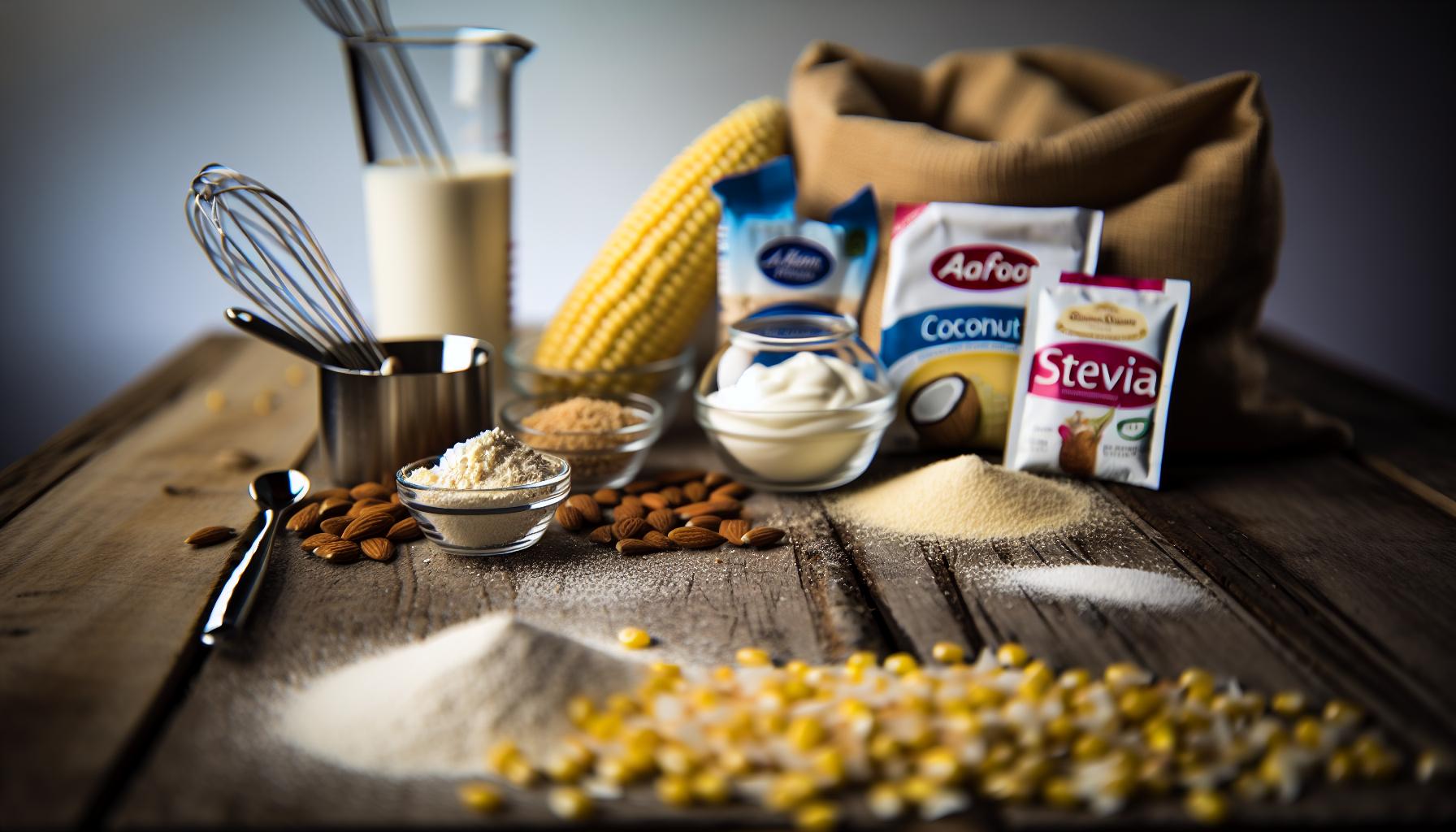
The quest for delicious, diabetic-friendly cornbread is not as daunting as it may seem. By carefully selecting the right ingredients, you can craft a cornbread that satisfies your cravings while aligning with your dietary needs. Traditional cornbread often contains high levels of carbohydrates and sugars, which can complicate blood sugar management. However, with a few strategic swaps, you can create a satisfying low-carb alternative that doesn’t sacrifice flavor.
Key Diabetic-Friendly Ingredients
When embarking on your cornbread journey, the choice of flour is paramount. Instead of regular all-purpose flour, consider using almond flour or coconut flour, both of which are low in carbohydrates and have a lower glycemic index. These flours not only reduce carbs but also add a delightful nutty flavor that complements the cornbread perfectly. Additionally, you can use cornmeal, but choose a finely ground variety and limit the amount to keep carb levels in check.
Another crucial element is the sweetener. Traditional recipes typically call for sugar, but there are plenty of healthier options. Substitute regular sugar with natural sweeteners such as erythritol or stevia, which provide sweetness without the same blood sugar spike. These alternatives can help satisfy your sweet tooth without derailing your dietary goals.
For moisture and richness, incorporating healthy fats is essential. Instead of using butter, consider options such as olive oil, avocado oil, or Greek yogurt. These alternatives not only enhance the flavor but also contribute beneficial nutrients. Finally, don’t shy away from adding ingredients like vegetables, herbs, or spices to amplify the taste without extra carbs-think jalapeños for heat or spinach for extra nutrients.
By leaning on these diabetic-friendly ingredients, you can enjoy cornbread that supports your health goals while remaining true to its comforting roots. Always remember, however, to consult your healthcare provider or a nutritionist when making significant changes to your diet, particularly for managing diabetes.
Crafting the Perfect Low-Carb Cornbread

One of the greatest joys in the kitchen is creating a dish that not only satisfies your cravings but also supports your health goals, especially when managing diabetes. Crafting a perfect low-carb cornbread is about balancing flavor, texture, and nutritional value without compromising on that comforting taste that everyone loves. The secret lies in the thoughtful selection of ingredients and clever baking techniques.
To start, ensure you have the right base for your cornbread. Opt for a combination of almond flour and finely ground cornmeal. Almond flour is not only low in carbohydrates but also adds a delicious nutty flavor and richness, while using a small amount of cornmeal keeps that familiar corn taste without driving up the carb count. Be mindful to limit the portion of cornmeal, as it does contain more carbohydrates than almond flour.
Next, choosing a low-calorie sweetener is pivotal in crafting your low-carb masterpiece. Erythritol and stevia are popular choices that can mimic sugar’s sweetness without causing a spike in blood sugar. Experimenting with different ratios can help you achieve the perfect sweetness level according to your palate. For additional depth of flavor, consider incorporating spices such as cinnamon or nutmeg, or even a touch of vanilla extract.
When it comes to moistness, healthy fats play a key role. Replacing traditional butter with olive oil or avocado oil not only adds moisture but also provides heart-healthy fats that can enhance the overall nutritional profile. If you’re looking to boost protein and creaminess, Greek yogurt is an excellent choice, creating a light and fluffy texture without the carbs.
Finally, don’t forget the power of add-ins. Incorporating finely chopped vegetables, herbs, or spices can elevate your cornbread and provide additional nutrients without significantly increasing the carbohydrate content. Popular choices include diced jalapeños for a spicy kick or spinach for an added nutrient boost. As you embark on your baking adventure, remember to taste and adjust your seasonings to suit your preferences-this is your creation, after all!
By embracing these strategies and ingredients, you can craft a low-carb cornbread that is not only delicious but also perfectly aligned with your health ambitions. Always consult with healthcare professionals when making dietary changes, to ensure you’re supporting your overall management plan effectively.
Flavor Variations to Enhance Your Recipe
Creating a low-carb cornbread doesn’t mean sacrificing flavor. In fact, enhancing your recipe with diverse flavor variations can make your cornbread an intriguing dish that appeals to everyone, including those managing diabetes. By using complementary ingredients and spices, you can elevate the taste and visual appeal of your cornbread, offering exciting options for meal enjoyment.
One enjoyable variation is to include herbs and spices. Fresh herbs like rosemary, thyme, or chives can add a vibrant touch, while spices such as smoked paprika or garlic powder provide a savory depth. Consider adding diced green chilies or jalapeños for a kick of spice-just be mindful of the amount to keep the heat at a level that’s enjoyable for everyone.
Cheese is another great addition for a rich, savory flavor. Incorporate shredded cheddar, feta, or even a spicy pepper jack for a flavor-packed twist. Using reduced-fat cheese options can help keep the overall fat content reasonable while still delivering on taste. For a more Mediterranean flair, think about adding sun-dried tomatoes or olives, which provide both flavor and bright color.
For a hint of sweetness, you might consider folding in some pureed pumpkin or butternut squash, which not only sweetens the cornbread naturally but also adds moisture and nutrition. Cinnamon or nutmeg can be delightful as well, especially if you’re leaning toward a slightly sweeter or spicier profile. Just be cautious with amounts, as some spices can have strong flavors that might overwhelm the dish.
Finally, the inclusion of nuts or seeds such as walnuts or flaxseeds can add a satisfying crunch and boost your intake of healthy fats and protein. Just sprinkle them on top before baking or mix them into the batter for an even distribution. Experimenting with these variations not only keeps the cornbread exciting but also makes it a versatile side dish that can complement different meals while aligning with dietary goals. As you explore these flavor options, remember to taste your batter and adjust according to your preferences, ensuring that your creation is one that you will truly enjoy.
Tips for Optimal Texture and Moisture

Creating cornbread that is both low in carbs and delicious requires a thoughtful approach to achieve the ideal texture and moisture. A common challenge many face is the dry, crumbly nature that often accompanies diabetic-friendly recipes. To avoid this, incorporating certain techniques and ingredients makes all the difference.
One of the best tips is to blend a variety of flours to enhance the moisture content. Consider using almond flour as a base, combined with a smaller portion of coconut flour. Almond flour retains moisture well and adds a wonderful nutty flavor, while coconut flour absorbs liquid, so balancing the two can create a remarkably moist texture. Additionally, be mindful of your liquid ingredients. Including unexpected elements like unsweetened applesauce, Greek yogurt, or even mashed ripe bananas not only boosts moisture but also provides natural sweetness without impacting blood sugar levels significantly.
Incorporating Healthy Fats
Another effective method for achieving optimal moisture involves integrating healthy fats into your batter. Options such as melted coconut oil, avocado oil, or even a small amount of unsalted butter can greatly enhance the overall richness and tenderness of your cornbread. Healthy fats contribute to a soft, moist crumb and help prevent the bread from becoming overly dry during baking. Remember, while these fats are beneficial, portion control remains crucial for managing your overall dietary needs, especially for those monitoring fat intake.
Monitoring Baking Time
Baking the cornbread accurately is also vital for maintaining texture. Overbaking can lead to dryness even if your ingredients are well-balanced. Be sure to check your cornbread a few minutes before the suggested baking time. The ideal cornbread will be golden brown on top and a toothpick inserted into the center should come out clean but not dry. This careful timing ensures you achieve a delightfully moist cornbread that feels indulgent yet aligns perfectly with your dietary preferences.
Remember, achieving the right texture and moisture level in cornbread isn’t just about following a recipe-it’s about understanding your ingredients and how they interact. With these tips, you can create a cornbread that serves as a delightful, diabetic-friendly comfort food, making every bite enjoyable while supporting your health goals.
Serving Suggestions for Diabetic Cornbread
Serving diabetic cornbread doesn’t just stop at putting a slice on the plate; it’s about elevating your dining experience while keeping your health goals in check. This versatile dish can serve as a base or a side that complements various meals, making it a favorite in diabetic-friendly meal planning. One great way to enjoy cornbread is to pair it with hearty soups or stews. Creamy vegetable soups, like a butternut squash soup, are enriched by the cornbread’s texture and flavor, creating a satisfying and balanced meal.
Accompaniments and Toppings
Consider topping your cornbread with healthy options that enhance flavor without adding excessive carbs or sugars. A spread made from avocado, or a dollop of Greek yogurt can provide a creamy texture and a nutritional boost. You might also experiment with sugar-free fruit preserves or a sprinkle of cinnamon for those looking for a sweet touch without the blood sugar spikes. For those who enjoy a savory palette, a sprinkle of shredded low-fat cheese or fresh herbs can turn a simple slice of cornbread into a gourmet side.
Incorporating into Meals
Cornbread can be sliced into squares and used alongside grilled chicken, blackened fish, or even as a base for a light salad. Create a “cornbread crouton” by cutting it into cubes and baking until crispy. This delightful addition can elevate your salads, balancing the crunchy with tender textures, while still keeping the meal diabetic-friendly.
Seasonal Variations
Seasonal vegetables can also be a great addition to your cornbread servings. Think of sautéed greens, roasted tomatoes, or even lightly grilled zucchini served on the side. Not only do these options add color and nutrition to the plate, but they also offer a variety of flavors that can complement the natural sweetness of the cornbread. Embrace seasonal produce to keep your meals exciting and fresh throughout the year.
In conclusion, whether you’re creating a comforting family meal or a simple dinner for one, finding the right can enhance your culinary experience without compromising your health goals. By incorporating a mix of flavors, toppings, and sides, you can enjoy this classic dish in meaningful ways that both satisfy cravings and support diabetes management. Always consult with healthcare professionals when making dietary choices to ensure they align with your individual health needs.
Pairing Diabetic Cornbread with Southern Dishes
The rich flavors and textures of Southern cuisine can be beautifully complemented by diabetic-friendly cornbread, creating a harmonious balance that respects dietary needs without sacrificing taste. For many, cornbread is more than just a side dish; it’s a staple that can elevate a meal, especially when paired thoughtfully with traditional Southern dishes. By selecting the right accompaniments, you can enjoy this comforting bread while staying mindful of your carbohydrate intake.
One classic pairing is cornbread with chili, a dish that allows you to enjoy the comforting texture of cornbread while keeping your meal nutritious. Opt for a low-sodium, vegetable-loaded chili that uses lean proteins such as turkey or chicken. This not only adds depth to your dish but also keeps it heart-healthy and low in carbs, allowing the cornbread to shine as a delightful complement. Additionally, incorporating beans and legumes into your chili can provide fiber and protein, further stabilizing blood sugar levels.
Another fantastic pairing is with grilled meats, such as marinated chicken or balsamic-glazed pork. The smoky char of grilled meats provides a savory contrast to the slightly sweet and soft texture of cornbread. Consider seasoning your cornbread with herbs like rosemary or thyme to align the flavors, creating a symphony of tastes that highlight the best of Southern cuisine without the added sugars or processed ingredients.
Don’t forget about vegetable-based dishes either! Roasted or sautéed seasonal veggies, like collard greens, okra, or squash, add nutrition and flavor, enhancing your meal’s overall profile. Cornbread can also serve as a base for toppings-think of a lightly sautéed shrimp and vegetable medley. This versatile dish can help transform a simple serving of cornbread into an elevated meal where every bite is enjoyable and satisfying.
By being strategic about your pairings, you can savor the comforting appeal of Southern cooking while adhering to your dietary lifestyle. Always remember to consult healthcare providers or dietitians to tailor these suggestions to your specific health needs, ensuring you achieve a delicious yet diabetes-friendly dining experience.
Nutritional Benefits of Low-Carb Cornbread
Low-carb cornbread offers a delightful twist on a classic favorite, allowing those managing diabetes to enjoy a comforting side dish without the burden of excess carbohydrates. With a thoughtful selection of ingredients, this variant not only satisfies cravings but also aligns with healthier dietary guidelines-providing an opportunity to indulge without compromising health. By significantly reducing carbohydrate content, this adaptable recipe can help maintain stable blood sugar levels while nourishing the body.
One of the primary lies in its ingredient choices. Many recipes replace traditional high-carb flours with almond flour or coconut flour, both of which are lower in carbohydrates and higher in fiber. This increase in fiber can enhance digestive health and promote a feeling of fullness, which is vital for weight management. Moreover, these nut-based flours introduce healthy fats and protein, further supporting energy levels without spiking insulin.
In addition to promoting healthier blood sugar levels, low-carb cornbread can also be a great platform for adding nutrients. Incorporating ingredients like ground flaxseed or chia seeds enriches the dish with omega-3 fatty acids, known for their heart health benefits. You can further elevate the nutritional profile by folding in vegetables such as grated zucchini or spinach, adding vitamins and minerals without significantly increasing carbohydrates.
Another compelling aspect is that low-carb cornbread can complement various nutrient-dense meals flawlessly. Pairing it with protein-rich foods, like grilled chicken or legumes, can create well-rounded meals that help sustain energy throughout the day. As you explore different recipes, remember that customizing your cornbread with herbs or spices not only enhances flavor but may also provide additional health benefits. For instance, herbs like rosemary and thyme can offer anti-inflammatory properties, contributing to overall wellness.
Embracing these nutritional advantages of low-carb cornbread can empower you in your diabetes management journey, helping you enjoy traditional flavors without compromising health. Always consult with your healthcare provider or a registered dietitian when making significant dietary changes, ensuring that your meal choices support your personal health needs.
Common Mistakes to Avoid in Baking
Baking low-carb cornbread can be a delightful experience, but certain pitfalls can turn your southern comfort into a frustrating endeavor. Many home bakers overlook key aspects that can impact the flavor, texture, and overall success of the recipe. By being aware of these common mistakes, you not only enhance your baking skills but also ensure that your cornbread is a delicious, diabetes-friendly option.
One frequent error is the improper measurement of ingredients. For low-carb recipes, precise measurements are crucial, especially when substituting traditional flours with nut-based options like almond or coconut flour. These flours can vary in density and moisture absorption, so using a kitchen scale to weigh your ingredients can help ensure consistency. Additionally, always sift your dry ingredients together before mixing them with wet ingredients to avoid clumping and promote even distribution of leavening agents.
Another mistake involves neglecting the importance of moisture. Low-carb cornbread can easily turn dry if ingredients aren’t balanced appropriately. Incorporating ingredients like unsweetened applesauce, Greek yogurt, or even a bit of extra butter or oil can help maintain moisture without adding excessive carbohydrates. If you’re adding vegetables to boost nutrition and moisture-like grated zucchini or carrots-be sure to squeeze out excess water to avoid making the batter too wet.
Ignoring Oven Temperature
Many bakers also underestimate the impact of oven temperature. It’s essential to preheat your oven fully before placing your cornbread inside, as a sudden temperature drop can lead to poor rising and uneven baking. Use an oven thermometer to ensure your oven is at the correct temperature before beginning the baking process. This small step can make a significant difference in achieving that perfect golden-brown crust without burning the outside.
Lastly, resist the temptation to constantly check on your cornbread while it bakes. Frequent opening of the oven door releases heat and can lead to uneven cooking. Instead, follow the recipe’s baking time and use a toothpick to test for doneness only at the very end. These attention-to-detail practices can elevate your cornbread from average to extraordinary, making it a satisfying and health-conscious option for those managing diabetes. Always consult with a healthcare provider or a registered dietitian when making changes to your diet to ensure it aligns with your health goals.
Storage and Reheating Tips for Freshness
To keep your low-carb cornbread fresh and delicious, knowing how to properly store and reheat it is vital. Many home bakers are unaware that the texture and taste of baked goods can be significantly impacted by how they’re preserved. By following a few simple guidelines, you can ensure your diabetic-friendly cornbread remains moist and flavorful long after you’ve baked it.
For short-term storage, let your cornbread cool completely at room temperature before wrapping it in plastic wrap or aluminum foil. If you plan to enjoy it within a few days, store it in an airtight container at room temperature. For longer storage, consider freezing your cornbread. Slice it into serving sizes for convenience, and place parchment paper between each slice to prevent sticking. Then, wrap the entire loaf in plastic wrap and place it in a freezer-safe bag or container. This method can keep your cornbread fresh for up to three months.
When it comes to reheating, there are several methods to preserve as much moisture as possible. If you’re using an oven, preheat it to 350°F (175°C), wrap your cornbread in foil to prevent it from drying out, and heat for about 10-15 minutes, or until warmed through. Alternatively, the microwave is a quicker option: place a slice of cornbread on a microwave-safe plate and cover it with a damp paper towel. Heat for 10-15 seconds at a time, checking frequently to avoid overheating.
By implementing these storage and reheating tips, you can savor your low-carb cornbread without compromising its quality, making it a delightful staple in your diabetic-friendly meal rotations. Always remember that maintaining the moisture and texture of your baked goods is key to enjoying them to their fullest!
User Testimonials: Success Stories with Diabetic Recipes
Discovering ways to enjoy beloved dishes while managing diabetes can feel like a daunting task, but countless individuals have turned their challenges into success stories. Many have found creative solutions, such as adapting traditional cornbread recipes to low-carb versions, enabling them to indulge in comforting flavors without compromising their health.
One user, Sarah, shares her experience of adapting her grandmother’s cherished cornbread recipe. By replacing regular cornmeal with a mix of almond flour and coconut flour, she achieved a delightfully moist texture while significantly reducing the carbohydrate content. “My family can’t even tell the difference,” she says. “Being able to serve cornbread at our holiday gatherings without worrying about my blood sugar has made all the difference.” Her success highlights how simple ingredient substitutions can transform a classic recipe into a diabetic-friendly option.
Another testimonial comes from Mark, who struggled to find satisfying snacks that fit his dietary restrictions. He experimented with a reduced-carb cornbread muffin recipe, incorporating flaxseed meal for added fiber. “It was a game changer,” he asserts. “Not only did I find a great low-carb alternative, but these muffins are perfect for breakfast on the go, and they keep me full longer.” Mark emphasizes the importance of meal prep, stating that having healthy options like cornbread muffins on hand has helped him make better food choices throughout the week.
These real-life stories emphasize that managing diabetes does not mean sacrificing the joy of food. Instead, with innovative recipes and thoughtful ingredient choices, individuals can enjoy traditional Southern comfort foods while keeping their health on track. Each testimony serves as a reminder that with creativity and determination, it is possible to enjoy favorite dishes and maintain a balanced lifestyle-encouraging others to explore their options and consult with healthcare professionals for safe dietary choices.
Frequently Asked Questions About Diabetes and Diet
Managing diabetes can often feel overwhelming, especially when it comes to food choices and meal planning. One area of concern for many individuals is how to enjoy beloved comfort foods while adhering to dietary restrictions. When it comes to cornbread, a traditional Southern favorite, many wonder if it’s possible to indulge without sabotaging their blood sugar levels. The answer is yes! With the right adjustments and understanding, you can craft a delicious, low-carb cornbread that satisfies cravings and fits within a diabetic meal plan.
What Ingredients Should I Use for Diabetic-Friendly Cornbread?
When creating a diabetic-friendly version of cornbread, the choice of ingredients is crucial. Opt for gluten-free and low-carb alternatives such as almond flour, coconut flour, and flaxseed meal. These ingredients not only lower the carbohydrate content but also provide additional fiber and healthy fats, which can help regulate blood sugar levels. For sweetness, consider using natural sweeteners like stevia or erythritol, which have minimal impact on blood sugar.
How Can I Ensure My Cornbread is Moist and Flavorful?
Texture is a common concern in low-carb baking. To achieve a moist and fluffy cornbread, incorporate ingredients like Greek yogurt or sour cream into your recipe. These additions not only enhance moisture but also contribute protein, making the dish more filling. Additionally, blending in eggs adds structure and richness while keeping the recipe suitable for diabetic diets.
What Are Some Healthy Serving Suggestions?
Serving suggestions can elevate the enjoyment of your diabetic cornbread. Consider pairing it with a side of vegetable soup or salad to enhance its nutritional value. You can also top your cornbread with avocado for a boost of healthy fats or serve it alongside low-sugar chili for a hearty meal. These accompaniments not only balance the meal but also ensure you’re meeting your dietary needs without feeling deprived.
As you embark on this journey of healthier eating, remember that consulting with healthcare providers can provide personalized guidance tailored to your dietary needs. Innovative and thoughtful recipe modifications allow you to enjoy traditional dishes while actively managing diabetes. Keep experimenting with flavors and textures, and you’ll be empowered to create delightful meals that support both your health and your taste buds!
Customizing Recipes for Dietary Restrictions
When navigating dietary restrictions, particularly for those managing diabetes, adapting traditional recipes can feel daunting. However, with the right adjustments, you can create a corn bread that not only maintains its beloved flavor but also meets various dietary needs. Many ingredients traditionally used in cornbread, like high-carb flours and sugars, can be swapped out for options that are more aligned with a diabetic-friendly diet without sacrificing taste or texture.
For gluten-free diets, using almond flour or coconut flour is an excellent choice. These alternatives are lower in carbohydrates compared to standard wheat flour and also provide essential nutrients and fiber. You might also consider adding ingredients such as pureed pumpkin or mashed bananas to bring natural sweetness and added moisture, all while lending a unique flavor to the cornbread. For those who are lactose intolerant, using plant-based yogurt or nut milk can not only enhance the texture but also keep the recipe dairy-free.
Incorporating spices and herbs can further customize the recipe to suit specific taste preferences or dietary restrictions. For example, add cinnamon or nutmeg for a cozy, warm flavor, or try incorporating jalapeños or cheese for a savory kick. Customize the sweetness level using natural, low-glycemic sweeteners like monk fruit or erythritol, which can provide the sweetness you crave while having a minimal impact on blood sugar levels.
Lastly, remember that portion control plays a significant role in managing diabetes. Even with modifications, enjoying cornbread should be part of a balanced meal. Serve it with a hearty vegetable stew or a fresh salad to increase fiber intake and provide various nutrients without overloading on carbs. By implementing these thoughtful customizations, you can enjoy a delightful, comforting dish while aligning with your dietary restrictions. Always consult healthcare providers for personalized advice tailored to your unique health needs, as they can guide you in balancing your favorite comfort foods with effective diabetes management strategies.
Q&A
Q: What are the best low-carb alternatives for cornmeal in a diabetic cornbread recipe?
A: Almond flour and coconut flour are excellent low-carb alternatives to traditional cornmeal. They provide a similar texture while significantly reducing the carbohydrate content, making them suitable for a diabetic-friendly cornbread. Consider using a combination for optimal flavor and moisture in your recipe.
Q: How can I improve the texture of my low-carb cornbread?
A: To enhance the texture of your low-carb cornbread, consider adding ingredients like Greek yogurt or sour cream, which can add moisture without unnecessary carbs. Additionally, ensure you whisk your dry ingredients thoroughly and avoid overmixing the batter to maintain a light, airy crumb.
Q: Can I use sweeteners in my diabetic cornbread recipe?
A: Yes, you can use zero-calorie sweeteners such as erythritol or stevia to add sweetness without increasing carbohydrate content. These sweeteners can keep your cornbread light and flavorful, making it a delightful addition to your meals while managing blood sugar levels.
Q: Why is it important to check the nutritional value of low-carb cornbread?
A: Checking the nutritional value helps you better manage your carbohydrate intake, which is crucial for blood sugar control in diabetes. Understanding the components of each ingredient can guide you in maintaining a balanced diet while enjoying your cornbread.
Q: How can I store leftover diabetic cornbread for freshness?
A: Store leftover cornbread in an airtight container at room temperature for up to three days. For longer storage, wrap it in plastic wrap and freeze for up to three months. When reheating, use the oven or microwave to maintain its moist texture.
Q: What spices can I add to enhance the flavor of diabetic cornbread?
A: Adding spices like cumin, paprika, or garlic powder can significantly enhance the flavor of your diabetic cornbread. You can also experiment with herbs like rosemary or thyme for a unique twist that complements Southern-style dishes perfectly.
Q: Can I add vegetables to my diabetic cornbread?
A: Absolutely! Adding finely grated vegetables like zucchini or bell peppers can boost the nutrition and moisture of your cornbread without adding significant carbs. This is a great way to sneak extra vegetables into your meals.
Q: What are some delicious pairings for diabetic cornbread?
A: Diabetic cornbread pairs beautifully with Southern dishes like chili, gumbo, or grilled meats. For a lighter option, try serving it with a fresh salad to create a balanced meal that’s both satisfying and healthy.
Future Outlook
Thanks for exploring our “Diabetic Cornbread Recipe: Southern Comfort Without the Carbs”! You’ve discovered how to enjoy a beloved classic without compromising your health. Ready to take your low-carb journey further? Dive into our additional diabetic-friendly recipes like the delicious salad options or tantalizing desserts that are kind to your blood sugar levels.
Don’t forget to check out our guide on pantry staples for a pre-diabetic diet-essential information to keep your kitchen stocked and your meals balanced. If you have questions or want to share your version of this cornbread, comment below! For ongoing support in managing your diabetes, consider signing up for our newsletter for tips and recipes straight to your inbox. Remember, always consult with your healthcare professional to tailor dietary choices that work best for you. Keep cooking and nourishing your body with joy!
Get our latest guides, news, and insights highlighted in your Google Search & AI Overviews.










