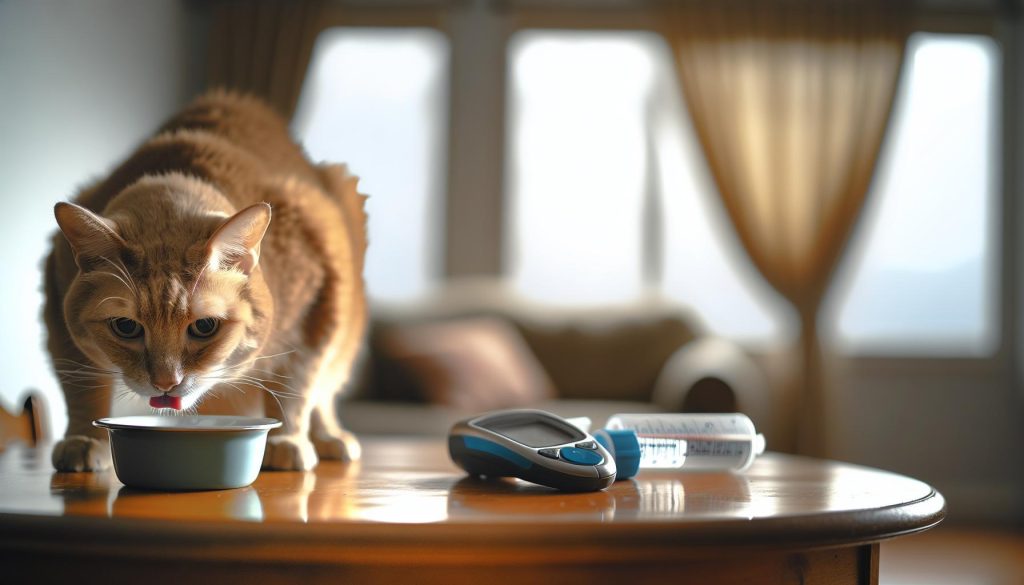
Did you know that hydration is just as crucial for your diabetic cat as it is for you? Managing your pet’s diabetes requires close attention to various factors, including water intake. Understanding how much water your feline friend needs can prevent both dehydration and excessive drinking, which can lead to further health complications. This guide will explore how to identify the right balance for your diabetic cat, keeping their overall health in mind while ensuring they stay comfortable and happy. Whether you’re a new pet owner or have been navigating feline diabetes for a while, knowledge about water intake will empower you to provide the best care possible. Let’s dive in and discover what you need to know.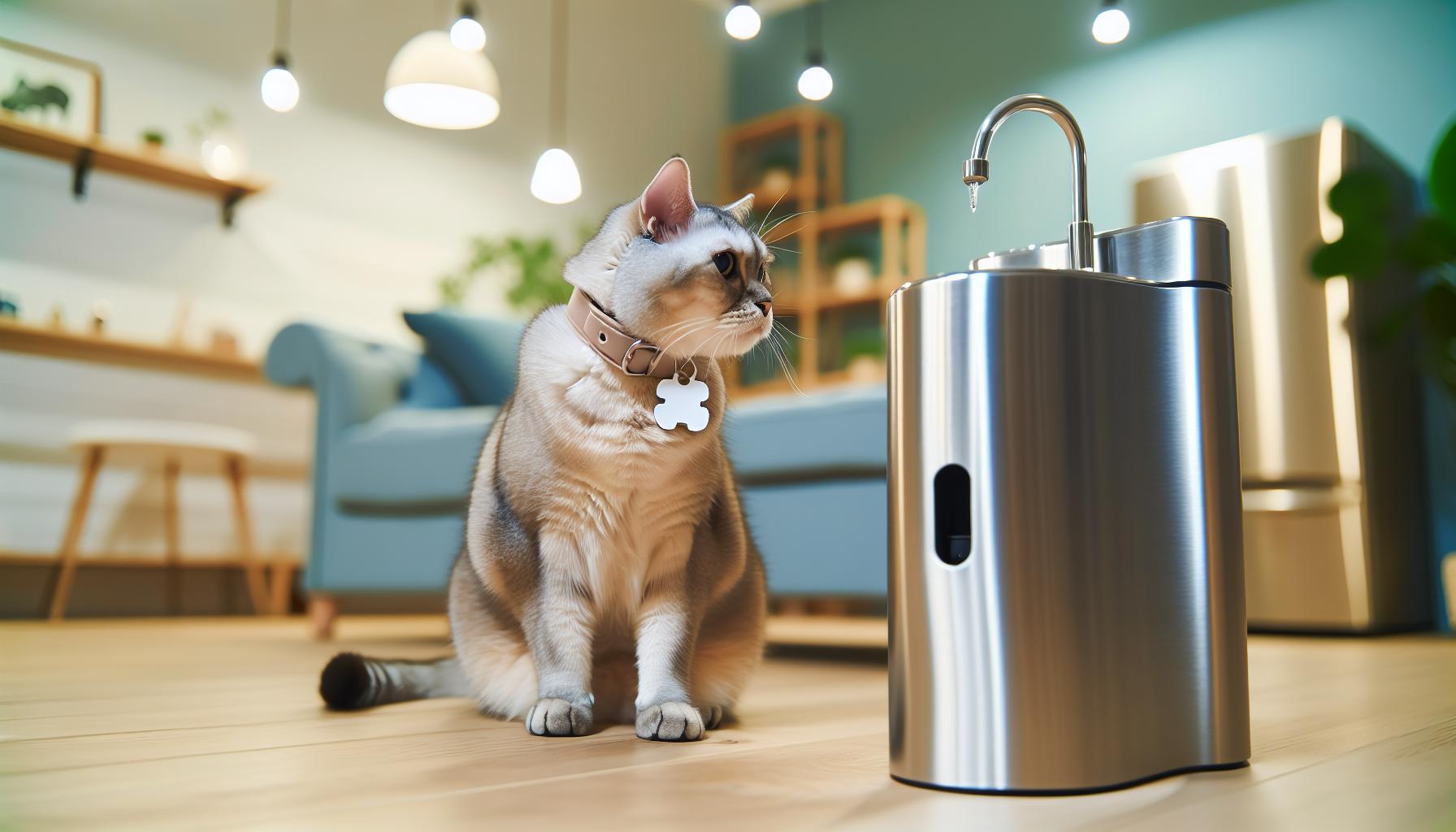
Understanding Diabetic Cats’ Water Needs
Understanding a diabetic cat’s water needs is crucial for their overall health and well-being. Cats with diabetes often experience increased thirst, a condition known as polydipsia, which can lead to excessive water intake. This can be a response to high blood sugar levels that stimulate the kidneys to excrete more glucose and subsequently draw more water into the urine. Consequently, it is vital for cat owners to keep a close watch on their feline companions’ hydration levels and adjust their water intake accordingly.
Diabetic cats often require more water than non-diabetic cats due to the effects of the disease on their bodies. A typical cat needs about 2 to 4 ounces of water per 5 pounds of body weight daily, but this can significantly increase depending on the severity of their diabetes. It’s essential to provide fresh, clean water at all times, as even mild dehydration can aggravate health issues and complicate diabetes management. Factors such as environmental temperature, activity level, and dietary choices can also affect a cat’s hydration needs, making it essential for owners to tailor their care routines to their pet’s specific situation.
To monitor your cat’s hydration, consider observing their drinking habits and urine output. If you notice an increase in thirst or urination, it’s essential to consult a veterinarian to assess their blood glucose levels and overall health. Providing opportunities for hydration, such as using multiple water bowls throughout the home or investing in a pet water fountain, can encourage regular drinking. Ultimately, understanding and managing your diabetic cat’s water intake is a vital aspect of their daily care, promoting both comfort and longevity.
Signs of Dehydration in Diabetic Cats
Dehydration can be one of the critical challenges faced by diabetic cats, making it essential for pet owners to stay vigilant about the signs that indicate their feline friends might not be getting enough water. One notable manifestation is an increase in thirst, often coupled with an uptick in urination. This condition, known as polydipsia, is a common response to elevated glucose levels in diabetic cats, where the body attempts to flush out excess sugar through urine, consequently drawing more water from the body.
Observing subtle changes in your cat’s behavior can be incredibly telling. Look for symptoms such as:
- Dry Mouth or Gums: If your cat’s mouth appears dry or their gums dull, it may indicate dehydration.
- Skin Elasticity: Gently pinch the skin at the back of your cat’s neck; if it doesn’t quickly return to its normal position, your cat may be dehydrated.
- Lethargy: A decrease in energy or playful behavior can be a sign of various issues, including dehydration.
- Changed Urination Patterns: Increased urination may sometimes be coupled with straining to urinate, suggesting a urinary tract issue or severe dehydration.
Monitoring your cat’s water intake is pivotal, as both excessive and inadequate hydration can complicate their diabetes management. If you notice any of these signs, it’s vital to consult a veterinarian promptly. They can assess your cat’s overall health and tailor a management plan that addresses hydration needs, considering the nuances of diabetes. With diligent observation and proactive care, pet owners can ensure their diabetic cats maintain optimal hydration, which is crucial for their health and well-being.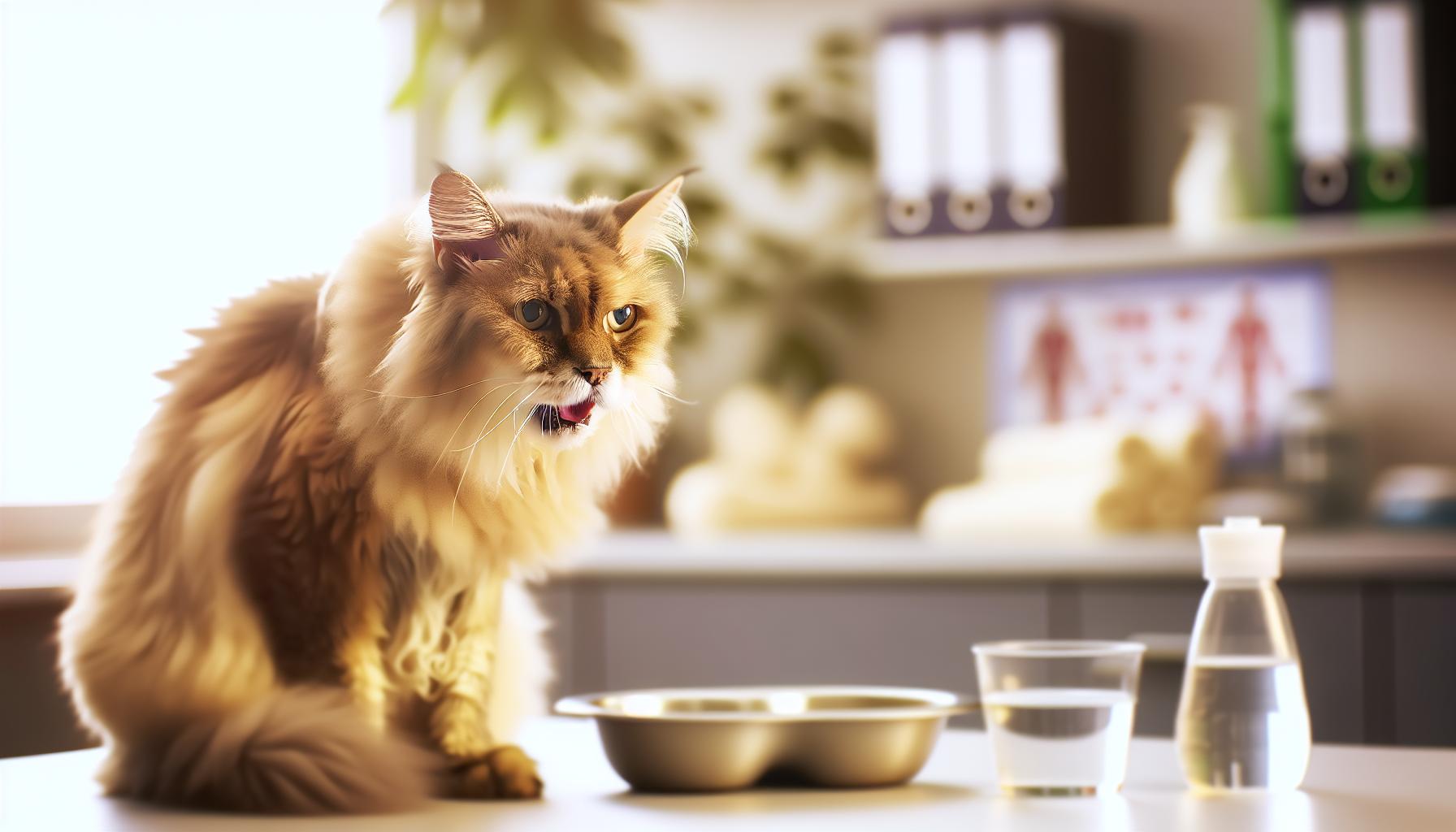
Ideal Water Intake for Diabetic Cats
Maintaining proper hydration is essential for diabetic cats, as it directly influences their overall health and diabetes management. Typically, cats need about 2 to 4 ounces of water per 5 pounds of body weight daily; however, diabetic cats often require more due to increased urination caused by elevated glucose levels. It’s crucial for caregivers to monitor their cats’ water consumption closely and ensure they have consistent access to fresh and clean water.
Several factors can influence the ideal water intake for a diabetic cat. First, the cat’s diet plays a significant role; wet cat food, for instance, contains more moisture than dry kibble, potentially reducing the amount of additional water needed. Additionally, activity levels and environmental conditions, like temperature and humidity, can affect hydration needs. A cat that is more active or lives in a warmer climate may require extra hydration to compensate for fluid loss through panting or active play.
Regularly measuring your cat’s water intake can help in recognizing changes that might signal health issues or chronic dehydration. One effective approach is to track both the volume of water provided and how much remains in their bowl after a day. If you notice a drastic increase or decrease in water consumption, have a discussion with your veterinarian, as this can be indicative of diabetes complications or other underlying health issues.
Encouraging hydration can be achieved through multiple strategies, such as providing multiple water bowls in different locations, using pet water fountains which may be more appealing, and incorporating wet food into their diet. By keeping close tabs on water intake and understanding your cat’s unique hydration needs, you can better support their health and help manage their diabetes effectively.
Impact of Diet on Water Consumption
Feeding your diabetic cat isn’t just about managing their glucose levels; it also plays a crucial role in maintaining proper hydration. The type of diet you choose directly influences how much water your feline friend needs to consume daily. For example, wet food contains significantly higher moisture content compared to dry kibble, which can help reduce the total amount of drinking water required. A diet rich in water can be especially beneficial for diabetic cats, as their bodies often struggle with hydration due to increased urination as a result of elevated blood glucose levels.
Additionally, a cat’s diet may affect their overall thirst response. If a cat’s meals are primarily dry food, they will naturally need to drink more water to compensate for the lack of moisture. In contrast, incorporating wet food into their diet can not only improve hydration but also enhance palatability, motivating your cat to consume food more enthusiastically. This can be particularly useful for diabetic cats who may be finicky eaters due to their condition. Monitoring what type of food your cat is consuming can provide essential insights into their hydration needs.
When considering the best diet for your diabetic cat, it’s important to look for those that are specifically formulated to manage blood sugar levels. Many of these specially designed diets are moisture-rich, offering a twofold benefit: they help stabilize blood glucose levels while also ensuring your cat stays hydrated. Consult with your veterinarian to determine which diet might be most effective for your cat’s individual needs. They can provide tailored advice based on your cat’s health status, activity level, and any other underlying conditions that may impact hydration needs.
- Moisture content: Prefer wet food to increase hydration.
- Diet quality: Select diabetic-friendly options that support water intake.
- Consistency of feeding: Regular feeding schedules can also help manage hydration levels effectively.
By understanding how diet impacts your cat’s water consumption, you can play an active role in managing their diabetes while promoting overall health and wellbeing.
Managing Excessive Thirst in Diabetic Cats
Excessive thirst in diabetic cats, medically known as polydipsia, is often a significant concern for pet owners. Adjusting to the diagnosis of diabetes can be overwhelming, but understanding the reasons behind your cat’s thirst can ease some of those worries. Elevated blood glucose levels cause the kidneys to work overtime, resulting in increased urine production. This process leads to dehydration, and as a direct response, your cat may drink more water. While it’s normal for diabetic cats to exhibit some degree of increased thirst, observing excessive drinking-consuming more than one cup of water daily-can indicate that their condition is not well-managed or that additional medical intervention is needed.
Managing your cat’s thirst effectively begins with regular monitoring. Keeping a daily log of your cat’s water intake can help you establish a baseline and identify any troubling changes. Ideally, you should also track their food intake and frequency of urination. If you note a significant increase in thirst or urination, consider visiting the veterinarian. They can assess whether your cat’s diabetes treatment plan needs adjustment or if other underlying health issues may be contributing to the problem. Regular veterinary check-ups are essential, as they can lead to early detection of complications associated with diabetes.
Another key aspect of managing excessive thirst is maintaining a well-balanced diet. Many cat owners find that feeding their pets with high-protein, low-carbohydrate diets specifically formulated for diabetic health can encourage better hydration. These diets often help stabilize blood glucose levels, subsequently reducing excessive thirst. It’s also beneficial to provide a consistent feeding schedule, ensuring your cat receives meals at the same time each day. This helps regulate their overall metabolism and may alleviate excessive thirst.
To encourage healthy hydration habits, consider providing multiple water sources around your home. Cats can be finicky drinkers, so various water bowls or a pet water fountain can stimulate their natural curiosity and encourage them to drink more water. Regularly refreshing the water and keeping it clean is equally important. Using strategies like adding water to dry food or incorporating wet food in their diet can also increase fluid intake and reduce the need for excessive drinking. Always consult with your veterinarian for tailored advice based on your cat’s specific needs and health status.
Recognizing the Risks of Low Water Intake
in diabetic cats is crucial for their long-term health. Without adequate hydration, a diabetic cat may face serious complications, including hyperglycemia, kidney damage, and potential diabetic ketoacidosis-a serious condition that occurs when the body starts breaking down fat instead of glucose for energy, leading to dangerous acid buildup. The signs of insufficient water intake can be subtle, making it essential for pet owners to be vigilant and proactive in monitoring their cat’s drinking habits.
If your cat is not drinking enough water, the first thing to monitor is their urination. Diabetic cats typically urinate more frequently due to elevated blood sugar levels. A reduction in urination may be a red flag that your cat is not consuming enough fluids, posing various risks to their health. Dehydration can also lead to a decrease in appetite, lethargy, and dry, sticky gums. If your cat displays any of these signs, immediate attention is warranted, as these symptoms can escalate quickly into more severe health issues.
To help mitigate the risks associated with low water intake, it’s vital to create an environment that encourages drinking. Ensure your cat has easy access to fresh, clean water at all times. Consider multiple water bowls located throughout your home, or invest in a pet water fountain, which many cats find more appealing than still water. Pay attention to the diet you provide, as wet food can significantly contribute to hydration levels, helping maintain a balanced fluid intake.
Lastly, regular veterinary check-ups are critical in monitoring your diabetic cat’s health. A veterinarian can provide tailored advice, ensuring that everything from water intake to insulin levels is managed effectively. They can also recommend specialized diets and hydration strategies that will work best for your cat’s specific needs. Remember, keeping your pet hydrated is not just about providing water; it’s about understanding their unique health needs and taking an active role in their care to prevent complications related to diabetes.
Best Practices for Encouraging Hydration
To ensure your diabetic cat maintains proper hydration, it’s essential to create an environment that is not only conducive to drinking water but also encourages healthy hydration habits. Did you know that cats have an instinctive tendency to avoid stagnant water sources? This behavioral instinct can significantly influence their water intake. Here are several effective strategies to promote hydration for your furry friend.
One of the best practices is to provide multiple water stations around your home. Cats might feel more inclined to drink if they have easy access to water in various locations. Consider adding bowls of fresh water in areas where your cat frequently spends time, such as near their food or favorite resting spots. Additionally, many cats are attracted to flowing water. Investing in a pet water fountain can be a game-changer, as the sound and movement of the water often entice cats to drink more regularly.
Another vital aspect is the diet you feed your cat. High-moisture wet food can contribute significantly to your cat’s overall hydration intake. Incorporating more wet food into their diet not only helps maintain hydration levels but also reduces the risk of urinary issues, which are common in diabetic cats. If your cat is reluctant to drink water, offering wet food alongside their regular meals can be an excellent way to bolster their fluid consumption.
Additionally, it’s important to monitor how your cat responds to different environmental variables. For instance, some cats are more inclined to drink from stainless steel bowls rather than plastic ones. Experiment with various bowl shapes and materials to determine what your cat prefers, as familiarity can encourage them to drink more.
Finally, consider adding flavor enhancers designed specifically for pets to their water if your cat is particularly finicky. These products can make water more appealing and encourage your cat to drink regularly. Remember, while encouraging hydration, your primary goal should always be to consult with your veterinarian for tailored advice and to ensure that your cat’s health management plan, including their hydration strategy, aligns with their specific medical needs. Proper hydration is not just a habit but a fundamental aspect of managing diabetes in cats, helping to prevent complications that arise from dehydration.
Hydration Products: What to Consider
Ensuring your diabetic cat remains well-hydrated can be facilitated through various specially designed hydration products that cater to their specific needs. A common challenge for cat owners is finding solutions that provide adequate water intake while being appealing to their furry friends. Innovative products are available that not only encourage hydration but also support overall health, especially for cats diagnosed with diabetes.
One highly recommended product is the pet water fountain. These fountains mimic flowing water, which cats instinctively prefer, as they are less likely to be contaminated compared to stagnant sources. Many models offer adjustable flow rates, allowing you to customize the water movement to cater to your cat’s preferences. Additionally, the sound and sight of flowing water can entice even the most finicky drinkers, making it a valuable investment for promoting hydration.
When considering hydration products, another option is flavored water enhancers. These products are designed specifically for pets and can transform plain water into a tasty treat. Offering a variety of flavors can engage your cat and encourage them to drink more often. However, it’s essential to choose products that are free of sugars or artificial additives, ensuring they align with your cat’s diabetes management plan.
Moreover, self-dispensing water bowls that refill automatically can be beneficial. These bowls keep the water level constant, ensuring that fresh water is always accessible. Their design eliminates the need for frequent manual refills, which can sometimes be overlooked, especially in busy households. Additionally, consider using stainless steel bowls over plastic ones, as they are less likely to retain odors and are easier to clean, appealing to your cat’s preferences.
Lastly, while exploring hydration products, consult with your veterinarian to tailor your choices to your cat’s individual health needs. They can provide specific recommendations based on your cat’s unique condition, ensuring you make informed decisions that positively impact your diabetic cat’s overall well-being. By incorporating suitable hydration products into your cat’s routine, you can take significant steps toward managing their diabetes effectively while keeping them happy and hydrated.
When to Consult a Veterinarian
Monitoring your diabetic cat’s hydration is crucial, as it can significantly influence their overall health and diabetes management. If you notice shifts in your cat’s drinking habits-whether they’re drinking excessively or not enough-it’s time to take action. Changes in water intake can indicate potential underlying issues, so keeping close tabs on your cat’s hydration can provide valuable insights into their condition.
Understanding is vital for proactive care. If your cat exhibits signs of dehydration, such as dry gums, loss of skin elasticity, or lethargy, it’s essential to seek veterinary advice promptly. These symptoms can indicate more serious conditions, including diabetic ketoacidosis, a potentially life-threatening complication of diabetes. Furthermore, if your cat starts drinking significantly more water than usual, this could be a sign of poorly managed diabetes or other health problems such as kidney disease, necessitating immediate veterinary assessment.
Regular check-ups with your veterinarian can help establish a baseline for your cat’s usual water intake and hydration needs. Tracking these changes provides an essential reference point for discussion during your visits. Be sure to discuss any modifications in appetite, energy level, or litter box habits, as these can significantly impact hydration needs and management strategies.
Remember, while it’s important to monitor hydration, any adjustments to your cat’s diet or insulin regimen should be guided by your veterinarian. Engaging in open conversations about your cat’s health can empower you to make informed decisions related to their care. Additionally, consider keeping a log of your cat’s water intake, food consumption, and any other relevant behavioral changes to provide comprehensive data for your vet. Such proactive engagement not only fosters better outcomes for your diabetic cat but can also ease the burden of managing their condition on a day-to-day basis.
Understanding the Role of Insulin and Hydration
Understanding the intricate relationship between insulin and hydration is crucial for managing the health of diabetic cats. Insulin plays a vital role in regulating blood sugar levels, and its effectiveness can directly impact a cat’s hydration needs. When a diabetic cat receives insulin therapy, it helps utilize glucose in the bloodstream. However, if the insulin is insufficient or if the cat becomes resistant to insulin, blood glucose levels can remain elevated, leading to increased urination-a condition known as polyuria. This excessive urination can quickly deplete the body’s water reserves, heightening the risk of dehydration.
Recognizing the impact of insulin on hydration is essential when caring for a diabetic cat. Proper insulin management can help stabilize blood sugar levels, which may reduce excessive thirst and urination. When a cat is adequately hydrated, it can better metabolize nutrients and maintain balance in bodily functions. On the flip side, when hydration is not adequate, the effectiveness of insulin may diminish, leading to a cycle of poor diabetes control. Regular monitoring of hydration levels, combined with diligent insulin management, enables pet owners to keep a finger on the pulse of their cat’s overall health and well-being.
To promote optimal hydration, consider implementing the following strategies:
- Maintain a consistent feeding schedule: Align mealtimes with insulin injections to enhance glucose utilization.
- Encourage water intake: Offer multiple water bowls around the house, or consider a pet water fountain to entice your cat to drink more.
- Select appropriate diets: Consult with your veterinarian about specially formulated wet foods that can help increase your cat’s overall fluid intake.
Furthermore, keeping an eye on changes in drinking behavior can provide valuable insights. If your cat suddenly increases or decreases its water intake, it may signal that a review of its insulin regimen or medical care is needed. Empower yourself with knowledge and work closely with your veterinarian to adapt your diabetes management plan as needed, ensuring both adequate hydration and effective blood sugar control.
Monitoring Your Cat’s Water Intake Effectively
Monitoring your diabetic cat’s water intake is crucial for maintaining their overall health and well-being. Did you know that a diabetic cat’s drinking habits can serve as an early indicator of changes in their health? Monitoring can help you catch issues before they become serious, and support effective diabetes management. Since diabetic cats often experience increased thirst due to high blood glucose levels leading to polyuria (excessive urination), keeping track of their hydration can give you valuable insights into their condition and the effectiveness of their treatment regimen.
To effectively monitor your cat’s water intake, start by measuring the amount of water you provide and how much remains at the end of the day. You can use a standard measuring cup to keep track of their consumption. A general guideline is that cats typically need about 60 ml of water per kilogram of body weight daily, but this can vary based on factors such as diet, activity level, and individual health. A sudden increase or decrease in their drinking pattern might indicate a need for a veterinarian’s consultation regarding their insulin therapy or dietary adjustments.
Consistently documenting your cat’s water intake can help identify patterns associated with their eating and insulin administration. It might be helpful to keep a simple chart or use a mobile app that allows you to log daily updates. Additionally, look for signs of hydration-like skin elasticity, gum moisture, and energy levels-alongside water intake measurements. This holistic approach provides a clearer image of their hydration status and can enhance your ability to manage their diabetes effectively.
If you notice significant fluctuations or concerns while monitoring, it’s important to reach out to your veterinarian. They can provide tailored advice and may recommend adjustments to your cat’s treatment plan, ensuring both optimal hydration and diabetes management. Engaging in this vigilant monitoring allows you to advocate for your pet’s health, leading to a happier, more comfortable life for your furry companion.
Faq
Q: How can I tell if my diabetic cat is drinking enough water?
A: Monitor your cat’s water intake regularly; they should drink about 2-4 ounces of water daily. Signs they may be dehydrated include decreased energy, dry gums, and skin elasticity issues. Check the section on “Signs of Dehydration in Diabetic Cats” for more details on what to watch for.
Q: What factors influence a diabetic cat’s water intake?
A: Several factors can affect a diabetic cat’s water intake, including their diet, medication, activity level, and overall health. Cats on dry food typically drink more water than those on wet food. Refer to “Impact of Diet on Water Consumption” for more insights.
Q: Can changes in water intake indicate problems in diabetic cats?
A: Yes, significant changes in water intake can suggest health issues. Increased thirst could indicate poor glucose control, whereas decreased intake may reflect dehydration or illness. It’s crucial to consult your veterinarian for any unusual changes.
Q: What are the risks of excessive water consumption in diabetic cats?
A: Excessive water consumption can lead to dehydration or electrolyte imbalances if not managed properly. It might also signal uncontrolled diabetes or other health issues. Consult your veterinarian to assess your cat’s overall health and hydration.
Q: How can I encourage my diabetic cat to drink more water?
A: Make water more appealing by providing fresh, clean water daily, using different water bowls, or adding water to their food. Consider incorporating pet hydration products listed under “Best Practices for Encouraging Hydration” for optimal results.
Q: When should I be concerned about my diabetic cat’s water intake?
A: Seek veterinary advice if your cat’s water intake fluctuates significantly or if you notice symptoms like vomiting, lethargy, or changes in urination habits. Early intervention is key in managing diabetes effectively. Check “When to Consult a Veterinarian” for further guidance.
Q: How does insulin therapy affect my cat’s water needs?
A: Insulin therapy can influence your cat’s hydration levels. Proper management of diabetes through insulin can help stabilize water intake. Be sure to have regular check-ups outlined in “Understanding the Role of Insulin and Hydration” to adjust treatment as needed.
Q: What are the signs of dehydration in diabetic cats?
A: Signs of dehydration in diabetic cats include dry mouth, lethargy, loss of skin elasticity, and sunken eyes. Regularly monitor your pet and refer to “Signs of Dehydration in Diabetic Cats” for a comprehensive list.
Insights and Conclusions
Understanding your diabetic cat’s water intake is vital for their health and well-being. Remember, striking the right balance is crucial-too much or too little can signal underlying issues. If you have further questions or concerns, don’t hesitate to consult your veterinarian for personalized advice. For more insights on diabetic pet care, explore our guides on managing diabetes in cats and the best food choices to support their health.
Take action today by signing up for our newsletter to receive the latest tips and tools for effectively managing your pet’s diabetes. Don’t miss out on our resources, such as specialized products and advice on daily management and lifestyle choices. Your furry friend deserves the best, and you have the power to help them thrive! Share your experiences and questions with us in the comments below, or check out more articles on diabetic management to keep your cat healthy and happy!
Get our latest guides, news, and insights highlighted in your Google Search & AI Overviews.