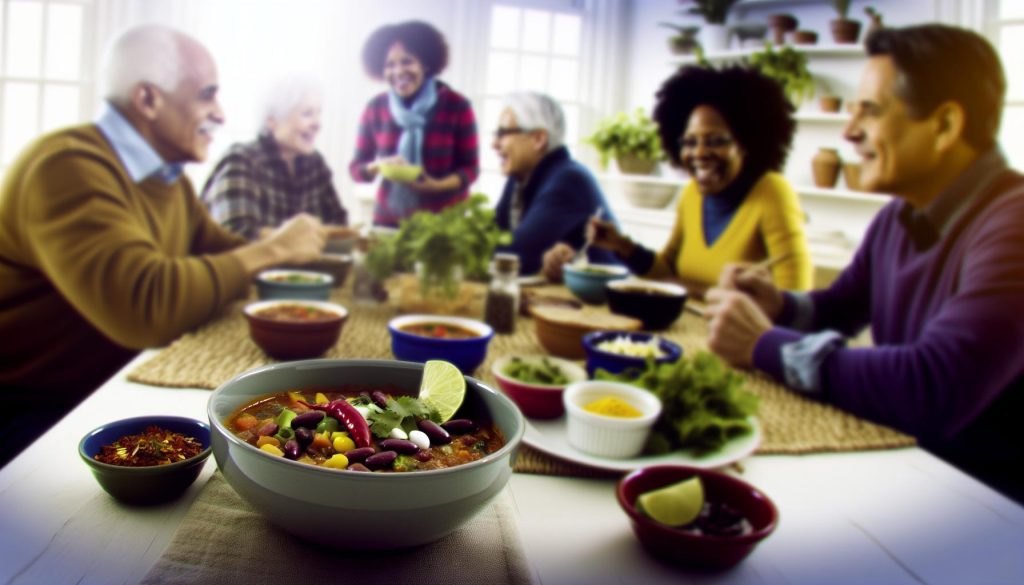
Chili is not just a cozy comfort food; for those managing diabetes, it can also be a hearty, heart-healthy choice when made with care. Did you know that legumes, vegetables, and lean proteins can create delicious and satisfying chili recipes that help regulate blood sugar levels? Addressing the challenges of tasty meal planning while keeping health in mind can feel overwhelming. However, with the right ingredients, you can enjoy flavorful chili bowls that align with your dietary needs. In this collection, we present 12 diabetes-friendly chili recipes designed to bring warmth and satisfaction to your table without compromising on health. Each recipe is crafted to support your health goals, encouraging you to indulge in delicious, nutritious meals that the whole family can enjoy. Let’s explore these comforting options that make managing diabetes a little easier and a lot more enjoyable.
Healthy Chili Ingredients for Diabetics
Including the right ingredients in chili can transform it into a diabetic-friendly dish that not only satisfies but also nourishes. Health-conscious chili lovers should prioritize ingredients that are low in carbohydrates and high in fiber, helping to regulate blood sugar levels while providing essential nutrients. Lean proteins like ground turkey or chicken are excellent choices, as they are lower in saturated fat than traditional beef and still pack a protein punch.
Vegetables such as bell peppers, onions, and zucchini can enhance the flavor and texture of your chili while contributing fiber and vitamins. Beans are also a smart addition; kidney beans and black beans are rich in fiber and protein, making them a great choice for satiety. However, it’s essential to monitor portion sizes, as beans contain carbohydrates. Using low-sodium canned tomatoes and broth can help keep sodium levels in check, crucial for heart health considerations.
Herbs and spices elevate the flavor without adding carbs or sugars, so be generous with seasonings like cumin, chili powder, and garlic. These not only add depth but can also have beneficial effects on health. Another innovative ingredient is non-starchy vegetables-think spinach or kale-that can be stirred in at the end of cooking for an extra boost of nutrients and fiber without significantly raising carbohydrate content.
Adapting chili recipes to include these healthier ingredients allows for a fulfilling meal that fits well within a diabetes management plan. Always consult with a healthcare professional for personalized dietary advice to ensure individual nutritional needs are met.
Nutritional Benefits of Chili for Heart Health
Eating chili can be a delicious way to support heart health while managing diabetes. A well-crafted chili is packed with nutrient-dense ingredients that are not only heart-friendly but also beneficial for overall wellness. With heart disease being a major concern for individuals with diabetes, incorporating chili into your diet can offer an attractive solution by focusing on healthy fats, quality proteins, and fiber-rich vegetables.
One of the standout benefits of chili is its rich content of lean proteins and fiber, which are vital for heart health. Ingredients like ground turkey or chicken provide high-quality protein without excessive saturated fats, which can be detrimental to heart health. Meanwhile, the inclusion of fiber-rich ingredients such as beans and non-starchy vegetables helps to stabilize blood sugar levels and improve cholesterol profiles, both crucial factors in managing diabetes and reducing heart disease risk.
Chili is also versatile in its incorporation of antioxidant-rich ingredients, such as tomatoes and spices like chili powder and garlic. These ingredients are known to combat inflammation and lower blood pressure, contributing to a healthier heart. Moreover, spices provide flavor without adding hidden sugars or sodium, making chili a flavor-packed, heart-healthy option that can be modified to suit personal taste preferences while adhering to dietary needs.
To maximize these benefits, consider the cooking method. Slow-cooking chili not only enhances the flavors but also allows the nutrients from the vegetables and spices to meld together. This method can result in a fragrant, hearty meal that satisfies hunger without unwanted calories. By making informed choices about the ingredients and preparation methods, chili can serve as a nutritious comfort food that caters to the unique nutritional needs of those managing diabetes. Always consult with healthcare professionals for personalized dietary guidance tailored to individual health conditions and goals.
Creative Chili Variations for Flavorful Meals
Discovering new flavors in your chili can make a world of difference for those managing diabetes, helping to keep meals exciting while still adhering to dietary needs. One of the key benefits of chili as a base is its versatility, allowing you to incorporate a variety of ingredients that not only enhance taste but also provide nutritional value. By experimenting with different proteins, vegetables, and spices, you can create unique variations that cater to your palate while supporting your health goals.
- Protein Alternatives: Instead of traditional ground beef, consider using lean proteins such as ground turkey, chicken, or even plant-based options like lentils or chickpeas. These choices reduce saturated fat while boosting fiber content, which is essential for blood sugar regulation.
- Vegetable Exploration: Get creative with vegetables! Add bell peppers, zucchini, or kale for added nutrients and color. Each vegetable brings its own set of vitamins and antioxidants, valuable for overall health.
- Spice It Up: Enhance the flavor profile with spices beyond just chili powder. cumin, smoked paprika, or even cinnamon can add depth without extra calories or sugar. Experimenting with fresh herbs like cilantro or basil can also brighten the dish.
- Global Inspirations: Don’t shy away from international flavors! Try incorporating spices and ingredients from different cuisines, such as chipotle for a smoky kick, coconut milk for a creamy consistency, or even curry powder for a fragrant twist.
Incorporating these variations not only makes your chili meals enjoyable but also ensures you’re meeting dietary needs that come with diabetes management. For families, including children in the cooking process can turn meal prep into an engaging activity. They can help with selecting ingredients or even suggesting their favorite add-ins, making healthy eating a communal effort.
By focusing on creative chili variations, you can stay on track with delicious meals that nourish your body and support your lifestyle. Remember, incorporating a mix of flavors and textures can keep mealtime interesting and help transform healthy eating from a chore into a joy. As always, maintain open communication with healthcare providers for personalized dietary guidance tailored to individual health needs and preferences.
Tips for Making Chili Lower in Carbohydrates
To create a flavorful chili that’s also low in carbohydrates, it’s essential to think creatively about ingredient substitutions and cooking methods. Many traditional chili recipes are high in carbohydrates due to ingredients like beans and starchy vegetables, but you can easily modify these recipes to align with your dietary needs. By focusing on lean proteins, fiber-rich vegetables, and flavorful spices, you can enjoy a hearty, satisfying dish without compromising your health or blood sugar levels.
Start by selecting your protein base. Instead of using ground beef, consider alternatives such as ground turkey or chicken, which are lower in fat and calories. If you’re looking for plant-based options, options like textured vegetable protein (TVP) or plant-based crumbles can provide a similar texture while keeping carbs low. Additionally, lean cuts of meat can also be diced and cooked to create a chunky chili texture without the extra fat and calories.
Incorporating non-starchy vegetables is key to lowering the carbohydrate content of your chili. Vegetables such as bell peppers, zucchini, spinach, and cauliflower can add bulk and nutrition while being low in carbs. For instance, adding diced cauliflower can mimic the texture of beans while adding fiber. You can also enhance flavor and texture using spices such as cumin, smoked paprika, and garlic which pack a punch without any added sugars.
Lastly, consider the cooking method. Slow cooking can help meld flavors beautifully without overcooking and losing the nutrients in your vegetables. If you’re short on time, an instant pot can be a great option for quick and tasty chili that retains the vitamins in your ingredients. Remember to always taste and adjust your seasonings in the end as the flavors will develop as the chili cooks.
By strategically selecting lower-carb ingredients and cooking methods, you can enjoy delicious chili that supports your health goals while still satisfying your cravings for comfort food. Always consult with healthcare providers for personalized guidance in managing your dietary needs, especially when creating new recipes.
Cooking Methods for Quick and Delicious Chilis
When time is of the essence but a hearty meal is still desired, adopting efficient cooking methods for chili can make all the difference. Not only do these methods save you valuable time, but they also help preserve the flavor and nutritional integrity of each ingredient, ensuring that your chili remains a diabetes-friendly comfort food.
One of the most effective ways to create quick and delicious chili is using an Instant Pot. This versatile kitchen appliance significantly reduces cooking time without sacrificing taste. Simply sauté your chosen proteins and vegetables, add your spices and liquids, and then set the Instant Pot to pressure cook. In about 30 minutes, you will have a rich and flavorful chili ready to enjoy. The Instant Pot’s pressure cooking locks in moisture and flavors, making it ideal for creating chili that feels like it has simmered for hours.
For those who prefer a slower approach, a slow cooker offers another fantastic option. Although this method requires a bit more planning, you can set your ingredients in the morning and come home to a warm, fragrant chili simmering away. By allowing the flavors to meld over several hours, slow cooking enhances the overall taste, creating a comforting meal that feels homemade without the labor. Consider preparing double batches during the weekend to enjoy throughout the week, as slow-cooked chili freezes well for future meals.
If you find yourself pressed for time but still want a homemade touch, stovetop cooking is a practical choice for making chili in under an hour. Start by browning your protein, then add your vegetables and spices, followed by broth or tomato sauce. Let everything simmer on medium heat for 20-30 minutes. This method allows for easy adjustment of flavors and ingredients based on personal preferences while being quick enough for a weeknight dinner.
To make the process even easier, consider using pre-chopped vegetables or frozen veggie blends to save prep time. This way, you can focus on building flavors with spices and seasonings rather than spending time chopping and dicing.
By selecting the appropriate cooking method that fits your lifestyle, you can ensure that enjoying a heart-healthy bowl of chili is both a quick and fulfilling experience. Always remember to check with your healthcare provider for personalized advice regarding your dietary needs, especially when experimenting with new recipes.
Serving Size Guidelines for Diabetic Chili
When it comes to enjoying chili, understanding proper serving sizes is crucial for managing blood sugar levels while still savoring this hearty dish. For those with diabetes, the right portion can help strike a balance between satisfying hunger and adhering to nutritional guidelines. Generally, a serving size of chili for diabetics should be around 1 cup (approximately 240 ml). This amount allows for a hearty meal filled with protein and fiber without overwhelming the carbohydrate content, which is key for glucose control.
To further tailor portions to individual needs, consider the following components that make up a balanced chili meal. Incorporating a mix of lean protein, such as chicken, turkey, or beans, enhances satiety and supports muscle health, while vegetables provide essential vitamins and minerals without adding excessive carbohydrates. For instance, a chili loaded with bell peppers, zucchini, and tomatoes not only enriches flavor but also keeps the total carb count in check.
Helpful Tips for Portion Control
- Use measuring cups: When serving chili, opt for a measuring cup to ensure that you’re not inadvertently exceeding recommended servings.
- Plate it wisely: Consider your entire meal when planning your serving sizes. Pair your chili with low-carb side options like a simple green salad to round out the nutritional profile.
- Monitor your blood sugar: After enjoying your chili, take note of your blood sugar levels. This practice will help you determine how your body reacts to certain ingredients, allowing for future adjustments.
Remember that personal medical advice from healthcare professionals should always take precedence. Individuals may have varying dietary restrictions or preferences that could affect serving sizes. Consulting with a registered dietitian or diabetes educator can provide personalized insights tailored to unique health needs. Additionally, taking the time to assess how your body responds can empower you to make more informed choices about portion sizes, ensuring that your chili remains a delicious and health-conscious option.
How to Pair Chili with Diabetic-Friendly Sides
When enjoying a hearty bowl of chili, the choice of side dishes can significantly influence the overall nutritional profile of your meal, especially for those managing diabetes. Opting for diabetic-friendly sides not only enhances the flavors but also optimizes your meal’s health benefits. For instance, pairing chili with a fresh salad is an excellent strategy; a mix of leafy greens, cherry tomatoes, and cucumbers tossed in a vinaigrette dressing adds fiber and essential vitamins while keeping carbohydrates low. This combination can help improve glycemic control by providing antioxidants and nutrients without spiking blood sugar levels.
Another fantastic side option is roasted or steamed non-starchy vegetables, such as broccoli, cauliflower, or Brussels sprouts. These veggies are low in carbohydrates and high in fiber, which can aid in digestion and increase satiety. Incorporating a variety of colors and textures will not only make your plate visually appealing but also ensure a broader range of nutrients. You might also consider serving a small portion of whole grain, like quinoa or brown rice, which offers more fiber than white rice and can be a good source of sustained energy when consumed in moderation.
Complementing Flavor Profiles
Flavorful sides can elevate the overall dining experience. For instance, a small serving of guacamole or a dollop of Greek yogurt can add creaminess and healthy fats, providing a contrast to the spicy notes of your chili. These additions can contribute to a satisfying mouthfeel without excessive calories or carbohydrates. Plus, consider adding a side of salsa for an additional kick of flavor, packed with fresh vegetables like tomatoes, onions, and cilantro.
Pairing chili with healthy drinks can also enhance the meal. Unsweetened herbal teas, sparkling water with lemon, or even a glass of low-fat milk can keep your hydration in check without introducing unnecessary sugars. Keeping an eye on beverages can be just as crucial as the meal itself when managing diabetes.
Ultimately, the key is to focus on balance. By thoughtfully selecting sides that are low in carbohydrates, high in fiber, and rich in essential nutrients, you can create a well-rounded meal that supports diabetes management while ensuring satisfaction and enjoyment. Always remember to consult with healthcare professionals for personalized dietary advice that aligns with your individual health needs.
Spicy Tips: Boosting Flavor Without Sugar
Adding bold and exciting flavors to your chili doesn’t have to mean reaching for sugar-laden sauces or ingredients that could impact your blood sugar levels. There are numerous spices, herbs, and fresh ingredients that can elevate your bowl of chili while fitting seamlessly into a diabetes-friendly diet. For instance, consider the zesty kick of fresh lime or lemon juice; these bright flavors can enhance the richness of your chili without any added sugar.
Utilizing spices is another fantastic way to strengthen flavors. Ingredients like cumin, smoked paprika, and chili powder not only bring warmth but also introduce a depth that can satisfy your taste buds thoroughly. Hot peppers, such as jalapeños or serranos, can lend a satisfying heat – just be mindful of your tolerance! You can also explore options like cayenne pepper, which can enhance flavor without adding any carbohydrates.
Fresh herbs like cilantro, parsley, or oregano can be tossed in just before serving for an aromatic finish. If you’re looking for something unique, consider adding a touch of unsweetened cocoa powder or dark chocolate to your chili; this ingredient can beautifully deepen the flavor profile, offering a complex taste experience without the sweetness.
Finally, don’t overlook the importance of savory components. A splash of low-sodium soy sauce or a dollop of plain Greek yogurt (used as a creamy topping) can significantly elevate the flavor without sacrificing nutritional integrity. Remember, the focus is on enhancing taste while being mindful of blood sugar control, so experiment with these suggestions to find your perfect chili profile tailored for your health needs.
Chili Batch Cooking and Meal Prep Strategies
Preparing chili in batches is an excellent strategy for busy individuals and families, particularly for those managing diabetes. Not only does batch cooking save time, but it also ensures you have healthy, delicious meals on hand when you need them most. By making larger quantities of chili at once, you can simplify meal planning for the week while controlling ingredients to maintain blood sugar levels.
To start, consider dedicating a day each week to batch cooking. Choose a recipe that aligns with your dietary needs and preferences, focusing on lean proteins and plenty of vegetables. Utilize ingredients like ground turkey or chicken, which are lower in fat than traditional beef, and load up on fiber-rich beans and colorful bell peppers. As you cook, you can portion out the chili into individual servings, which makes it easy to grab and reheat throughout the week.
Another effective method is to freeze portions of your chili. Once cooled, transfer the chili into freezer-safe containers or bags, labeling them with the date and contents. This strategy not only helps prevent waste but also allows you to enjoy your homemade meals later. When you’re ready to eat, simply let a portion thaw in the refrigerator overnight before reheating. A quick microwave or stovetop heat can transform last night’s chili into today’s lunch or dinner.
For variety, consider preparing a few different chili recipes in advance. This way, you can rotate meals throughout the week, keeping your dining experience exciting. Incorporating unique spices or different types of beans can also provide diverse flavors while remaining within a diabetic-friendly framework. Remember, having a stock of quick, nutritious meals at your disposal not only supports better blood sugar management but also ensures that you and your loved ones enjoy healthy eating without added stress.
Incorporating Beans and Legumes in Chili
Incorporating beans and legumes into chili recipes not only enhances the flavor and texture but also significantly boosts the nutritional value, making them an excellent choice for those managing diabetes. Beans are high in fiber, protein, and essential nutrients, which can help regulate blood sugar levels and promote heart health. For instance, black beans, kidney beans, and chickpeas are all versatile options that can be easily added to your chili mix, offering a hearty and filling foundation for this beloved dish.
When choosing beans for your chili, consider options that are low in sodium and sugar to ensure you stay within your dietary guidelines. Rinsing canned beans before use can help reduce sodium levels even further. Additionally, you can experiment with different types of legumes, such as lentils, which cook quickly and can add a unique flavor profile and texture to your chili. Legumes are also an excellent way to enhance the fiber content of your meal, contributing to better digestive health and a feeling of fullness, which is particularly beneficial for diabetes management.
Here are some practical tips for incorporating beans and legumes into your chili recipes:
- Start Small: If you’re new to using legumes in your chili, begin by substituting a portion of the meat with beans to gradually acclimate your palate.
- Mash or Blend: For a creamier texture, consider mashing or blending some of the beans before adding them to the chili, which can help thicken the dish.
- Spice it Up: Complement the earthy flavors of beans with spices such as cumin, chili powder, or smoked paprika for an added depth that enhances the overall taste.
- Consider Cooking Methods: Slow cooking or pressure cooking your chili can help meld the flavors of the beans with the other ingredients, resulting in a deliciously rich dish.
By integrating beans and legumes thoughtfully into your chili, not only do you create a tastier and heartier meal, but you also contribute to a more balanced diet that supports better health outcomes. Remember to consult with a healthcare professional or dietitian when planning your meals, ensuring that your dietary choices align with your overall health objectives and diabetes management plan.
Chili for Special Diets: Gluten-Free and Vegan Options
Creating chili that meets gluten-free and vegan dietary needs can be both easy and delicious, making it accessible for everyone, especially those managing diabetes. A fact that might surprise many is that chili can pack a powerful punch in flavor, nutrition, and heart health without needing meat or gluten. By focusing on wholesome ingredients, chili can be a satisfying, comforting meal suitable for various eating styles without compromising taste.
To ensure your chili is gluten-free, always check labels on pre-packaged ingredients, such as vegetable broth, beans, and canned tomatoes, to avoid any hidden gluten. Instead of traditional meat, you can opt for hearty plant-based proteins, such as lentils or beans, which not only provide protein but are also rich in fiber, aiding in blood sugar regulation. Incorporating a variety of beans like black beans, kidney beans, or even chickpeas can enhance the texture and nutrients while keeping it deliciously filling.
Spices are where the magic happens in vegan chili. Flavor enhancers like cumin, smoked paprika, and chili powder can transform a simple mixture of vegetables and legumes into a culinary delight. Adding vegetables such as bell peppers, zucchini, and carrots will contribute color, texture, and essential vitamins without adding unnecessary carbs. Another fantastic option is to include diced tomatoes or tomato sauce, which can give your chili that classic rich base while being naturally low in sugar.
When it comes to cooking methods, consider using a slow cooker or Instant Pot. These methods allow the flavors to meld beautifully, often leading to a richer tasting dish that is simple to prepare. For those who enjoy batch cooking, make a large quantity of chili and store it in portion-sized containers in the freezer; it makes for quick, nutritious meals throughout the week.
So, whether you’re a seasoned vegan or just trying to make healthier choices, these gluten-free and vegan chili options can easily fit into your meal planning. Always remember to consult with a healthcare professional or dietitian when making significant dietary changes, especially for managing diabetes, ensuring your choices align with your health goals. Enjoy the creativity of making chili that celebrates inclusivity without sacrificing flavor, nutrition, or comfort!
Storing and Freezing Leftover Chili Safely
When it comes to enjoying chili, knowing how to store and freeze leftovers safely can enhance your meal prep and help you manage your diabetes effectively. Chili not only tastes great but also can be a nutritious, filling option that is perfect for batch cooking. Proper storage ensures you maintain its taste and nutritional value, allowing you to have heart-healthy meals ready at your fingertips.
To store leftover chili, consider the following steps:
- Cool Down: Allow your chili to cool down to room temperature before storing. Rapid cooling helps to minimize the growth of bacteria.
- Container Choice: Use airtight containers or resealable plastic bags to prevent air from getting in. This helps maintain freshness and prevents freezer burn. Consider portioning out servings to make reheating easy.
- Label and Date: Clearly label each container with the contents and the date it was made. This practice enables you to track how long the chili has been stored, ensuring it is consumed within a safe timeframe.
### Freezing Your Chili
If you’re planning on freezing your chili, you’ll want to maximize its shelf life while preserving its flavors. Chili can typically be frozen for up to three months without losing its quality. Here’s how to do it right:
- Refrigerator Storage: First, store your chili in the refrigerator for no more than three to four days if you’re consuming it soon after cooking.
- Freezing: For longer-term storage, transfer it to the freezer once adequately cooled. Divide into smaller portions, so you only thaw what you need at one time.
### Reheating Tips
When it’s time to enjoy your frozen chili, thaw it in the refrigerator overnight for best results. However, if you’re short on time, you can also reheat directly from frozen in the microwave or on the stove. Just make sure it reaches an internal temperature of 165°F to ensure it’s safe to eat.
By following these tips for storing and freezing chili, you can enjoy delicious and heart-healthy meals that fit within your dietary needs. Always remember to consult with healthcare professionals when making significant dietary changes, as they can provide tailored advice that aligns with your health goals. Enjoy the convenience and nourishment that comes with having homemade chili ready whenever you need it!
FAQ
Q: What are the best beans to use in diabetic chili recipes?
A: Kidney beans, black beans, and pinto beans are excellent choices for diabetic chili recipes. They are high in fiber and protein, which help regulate blood sugar levels. Incorporating beans can enhance the nutritional profile of your chili while adding heart-healthy benefits. Check out more on incorporating legumes in your dish.
Q: How can I make chili less spicy for sensitive stomachs?
A: To make chili less spicy, reduce or omit hot peppers, use mild chili powder, and add more tomatoes or beans to dilute the heat. A dollop of plain yogurt or sour cream can also help tone down spiciness. Explore more tips on boosting flavor without excessive heat in your dishes.
Q: Can I use turkey instead of beef in my chili for heart health?
A: Yes, using ground turkey instead of beef in chili can be heart-healthy. Turkey is generally lower in saturated fat and can still provide ample protein. Just ensure to season it well, as turkey can be milder in flavor. For creative variations, check out the article section on flavorful meals.
Q: How can I make chili with low-sodium ingredients?
A: To create low-sodium chili, choose low-sodium canned beans and tomatoes and skip the added salt in your recipe. Season with herbs and spices instead to enhance flavor without increasing sodium. For more cooking methods, refer to our tips on preparing quick and delicious chilis.
Q: What is the ideal serving size of chili for diabetics?
A: The ideal serving size for chili is typically about one cup. This portion balances nutritional needs while controlling carbohydrate intake. Always adjust based on your personal dietary plan. For more on serving sizes, see our guidelines on portions in diabetic meals.
Q: How can I store leftover chili safely?
A: Leftover chili should be cooled and transferred to an airtight container, then refrigerated within two hours. It can be safely stored in the fridge for up to four days or frozen for up to three months. For detailed tips on storing, check our section on freezing leftovers.
Q: Are there vegetarian options for diabetic-friendly chili recipes?
A: Yes, there are many vegetarian options for diabetic-friendly chili, typically using beans, lentils, and various vegetables as the base. These recipes are not only low in saturated fat but also rich in fiber. Explore our section on gluten-free and vegan options for more ideas.
Q: Is it possible to make chili in the slow cooker for diabetes-friendly meals?
A: Absolutely! A slow cooker is a great way to prepare diabetes-friendly chili. Combine your ingredients in the slow cooker, set it on low, and let it cook for several hours. This method often enhances flavors while allowing you to manage ingredient choices effectively. For quicker methods, refer to our cooking tips.
The Way Forward
Thank you for exploring our collection of “Chili Recipes for Diabetics: 12 Heart-Healthy Comfort Bowls.” Each recipe is designed to not only satisfy your taste buds but also support your diabetes management goals, helping you enjoy flavorful meals without compromising your health. Remember, making informed food choices is a crucial part of daily diabetes management-it’s about fostering a lifestyle that empowers you!
For more tips and recipes, check out our articles on effective meal planning for diabetics and healthy snacks that perfectly complement your meals. If you’re seeking personalized advice, consider consulting with a healthcare professional to tailor your dietary needs.
We invite you to share your favorite chili experiences in the comments below and sign up for our newsletter for additional resources and updates. Keep experimenting in the kitchen and enjoying heart-healthy meals that work for you-your journey matters!
Get our latest guides, news, and insights highlighted in your Google Search & AI Overviews.