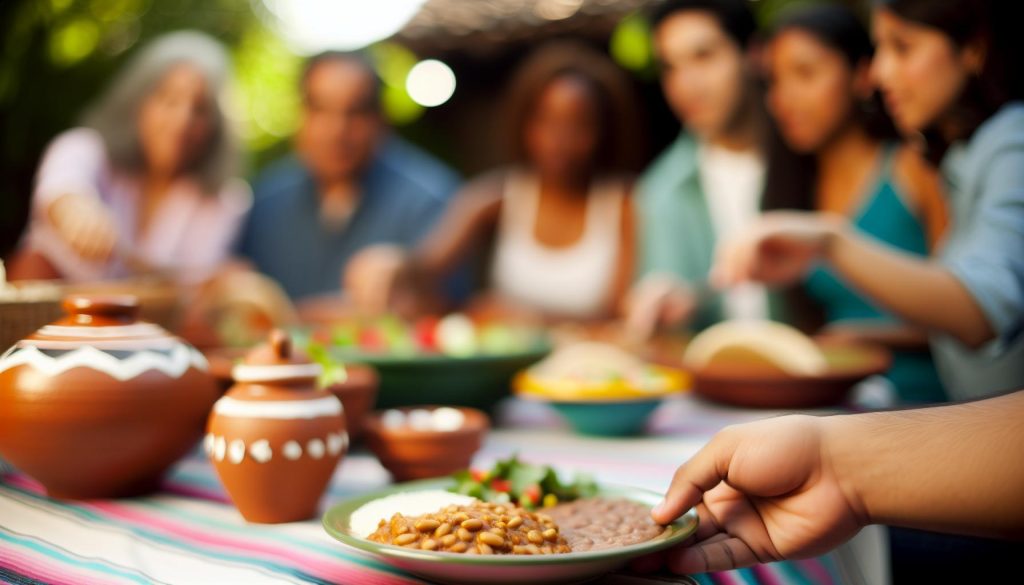
Navigating food choices can be a challenge for those living with diabetes, especially when it comes to enjoying beloved cuisines like Mexican food. A common question arises: Can diabetics indulge in refried beans? These traditional beans are often a staple in Mexican dishes but can raise concerns about their nutritional impact. Understanding how to safely integrate such foods into your diet is essential for maintaining balance and enjoying meals without guilt. This guide will explore the benefits of refried beans and offer practical tips for making smart choices, so you can savor delicious, flavorful meals while managing your health effectively. Continue reading to discover how you can enjoy Mexican food safely and with confidence.
Can Diabetics Safely Enjoy Refried Beans?
Many people are surprised to learn that refried beans can be a part of a diabetes-friendly diet when consumed mindfully. Rich in protein and fiber, refried beans have unique nutritional properties that can actually contribute to better blood sugar control. However, understanding how to enjoy them healthily is crucial. Since they are often prepared with added fats or high-sodium ingredients, diabetics must focus on choosing and preparing refried beans that align with their dietary needs.
To safely incorporate refried beans into a diabetic meal plan, it’s essential to consider their preparation method. Traditional recipes may include lard or excessive oil, which can increase the unhealthy fat content. Opting for homemade versions that use healthier fats, such as olive oil, or even preparing them from scratch can offer better nutritional value. Be vigilant about sodium content as well; many canned varieties contain added salt, which can contribute to hypertension-another concern for those managing diabetes. Reading labels or rinsing canned beans can mitigate this issue.
When it comes to meal planning, pairing refried beans with nutrient-dense, low-glycemic foods can provide a balanced approach. Serving them alongside non-starchy vegetables or whole grains can help stabilize blood sugar levels. Furthermore, keeping portion sizes reasonable-about a half-cup serving-is key. Incorporating refried beans into a diet can be both enjoyable and beneficial when these considerations are kept in mind. Always discuss dietary choices with a healthcare professional to tailor individual recommendations based on specific health needs.
The Glycemic Impact of Refried Beans Explained
Refried beans can be an excellent choice for those managing diabetes, but understanding their glycemic impact is vital for maintaining healthy blood sugar levels. The glycemic index (GI) measures how quickly foods raise blood glucose after consumption. Foods with a low GI are generally better for blood sugar control, as they are digested more slowly, leading to a gradual rise in glucose levels.
Refried beans typically have a moderate glycemic index, which contributes positively to their role in a diabetic meal plan. The fiber content in beans plays a crucial role in this regard; dietary fiber helps slow digestion and absorption of carbohydrates, preventing sharp spikes in blood sugar. For example, a standard portion of refried beans can lead to a slower increase in blood sugar compared to other higher-GI side dishes, making them a more favorable option for individuals with diabetes.
To maximize the benefits of refried beans while mitigating the glycemic impact, consider how they are prepared and served. Homemade refried beans prepared without added sugars or unhealthy fats can enhance nutritional value. Additionally, combining beans with other low-GI foods-such as leafy greens or non-starchy vegetables-can further balance meals. For instance, pairing a half-cup serving of refried beans with a fresh salad can create a nutrient-dense, diabetes-friendly meal that supports overall glycemic control.
Encouragingly, understanding these nuances empowers individuals with diabetes to make informed dietary choices. As always, it’s safe and wise to consult with healthcare professionals to tailor dietary strategies that best suit personal health needs and lifestyle.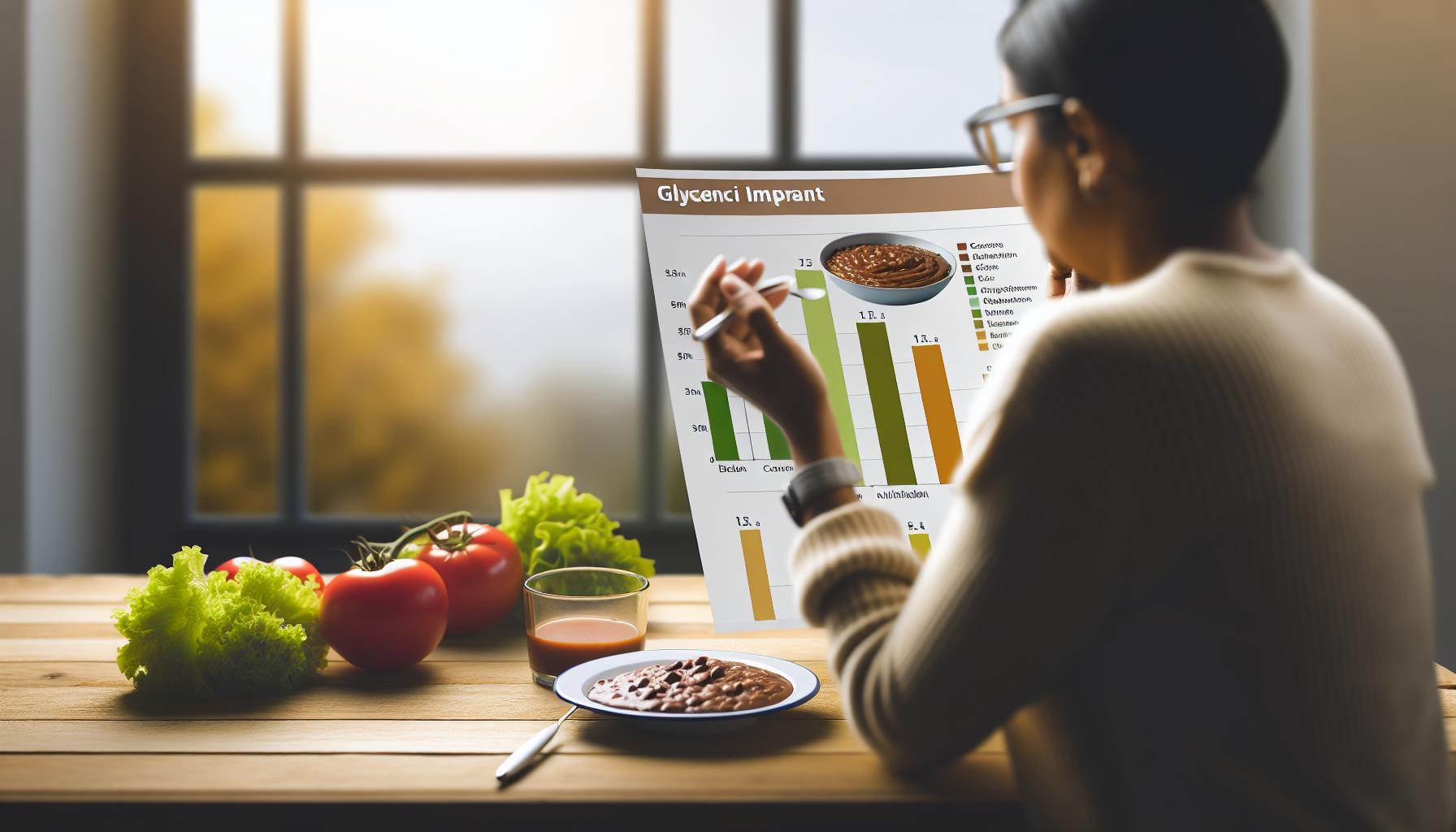
Incorporating Refried Beans into Meal Plans
Incorporating refried beans into a diabetic meal plan can not only enhance the flavor of your dishes but also provide a wealth of nutritional benefits that help maintain stable blood sugar levels. With their moderate glycemic index and high fiber content, refried beans can be a smart addition to meals, allowing you to enjoy various flavors while managing diabetes effectively. Their versatility makes them a great companion to various ingredients, offering endless possibilities for healthy meal combinations.
When planning meals, consider using refried beans as a base for burritos or tacos, pairing them with whole grain tortillas and a variety of fresh, non-starchy vegetables. Add grilled chicken or fish for protein and avocado for healthy fats, creating a balanced meal that supports overall health. Alternatively, refried beans can be incorporated into soups and stews, enriching the dish while maintaining a comforting and hearty consistency. Utilizing them in dips alongside fresh veggies keeps snacking enjoyable without the fear of blood sugar spikes.
Creative Meal Ideas
Here are a few ideas to help you seamlessly integrate refried beans into your weekly meal surroundings:
- Burrito Bowls: Layer refried beans with brown rice, diced tomatoes, lettuce, grilled vegetables, and lean protein for a satisfying meal.
- Stuffed Peppers: Mix refried beans with quinoa and spices, then stuff into bell peppers and bake for a nutritious dish.
- Bean Dip: Create a healthy bean dip by blending refried beans with garlic, lime juice, and spices, served with cucumber or bell pepper slices.
- Breakfast Tacos: Scramble eggs and mix them with refried beans, avocado, and salsa, wrapped in a whole grain tortilla.
Always remember, everyone’s body reacts differently to foods, making it crucial to monitor how your blood sugar responds after meals. Keeping a food diary can help identify which combinations work best for you. Furthermore, consulting with healthcare professionals about incorporating refried beans and other foods into your meal plan ensures that you are making choices aligned with your specific health needs.
By embracing the nutritional profile of refried beans and using them creatively, you have the power to enjoy a diverse and satisfying diet that supports your diabetes management journey.
Tips for Choosing the Healthiest Refried Beans
When choosing refried beans, it’s essential to look for options that not only satisfy your taste buds but also fit well within a healthy eating plan for diabetes. One of the first things to consider is the ingredient list; the best refried beans will have a simple composition. Look for brands that use minimal additives, ideally just beans, water, and spices. Avoid products with added sugars, preservatives, or unhealthy fats-these can significantly affect blood sugar levels and overall health.
Healthier Alternatives
Consider opting for lower-sodium varieties to help manage blood pressure, another crucial aspect of diabetes care. If possible, choose organic options, as they are less likely to contain harmful additives. Many brands now offer in-store or online options that cater to health-conscious consumers. If canned beans are your go-to, rinsing them before use can help reduce sodium content even further.
Another great way to ensure you’re consuming the healthiest refried beans is to explore making them at home. Homemade refried beans allow for complete control over the ingredients, providing a nutritious alternative that eliminates unwanted additives. Simply cook dried beans until tender, then mash them with spices and a touch of olive oil for flavor.
Packaging and Serving Suggestions
Pay attention to packaging; some refried beans come in pouches that are more convenient and environmentally friendly than traditional cans. Opt for pouches made from recyclable materials if possible. It’s also beneficial to practice portion control when enjoying refried beans. Always check serving sizes on nutrition labels, and consider pairing beans with fiber-rich vegetables or whole grains to create more balanced, blood-sugar-friendly meals.
As always, individuals will have different reactions to foods, so it’s smart to monitor blood sugar levels after trying new products. Keeping track of how your body responds can help in making informed dietary choices, paving the way towards more effective diabetes management. For any dietary changes or concerns, consulting with healthcare professionals or a dietitian can offer personalized guidance tailored to your specific health needs and conditions.
How to Prepare Diabetic-Friendly Refried Beans
Preparing refried beans at home can be a game changer for diabetics, allowing you to control ingredients and avoid unnecessary additives that might spike blood sugar levels. The process is simple and offers a delicious, nutritious alternative to store-bought versions that may contain unhealthy fats or sugars. Begin by selecting high-quality dried beans, such as black or pinto beans, which provide essential fiber and protein-key components for managing diabetes.
Start by rinsing and soaking your beans overnight or for several hours. This helps to soften them and reduce cooking time. Once soaked, drain the beans and transfer them to a pot. Cover the beans with fresh water, adding aromatics like onion and garlic for a robust flavor. Bring the mixture to a boil, then reduce the heat and simmer until the beans are tender, usually about 1 to 1.5 hours. Alternatively, you could use a pressure cooker to speed up the process significantly.
Once the beans are cooked, you can mash them to your desired consistency. To create a creamy texture while keeping the dish light, consider using a small amount of olive oil or avocado. This not only enhances flavor but adds heart-healthy fats that are beneficial for overall well-being. Season with spices like cumin, chili powder, and fresh cilantro to taste. Remember to keep sodium low-try adding lime juice or vinegar instead for a zing without the salt.
By making your own refried beans, you also open up the door to creative additions that boost nutritional value while being mindful of blood sugar. For instance, incorporating finely chopped vegetables like bell peppers or zucchini can increase fiber content and add essential vitamins without significant calories. Enjoying homemade refried beans as part of a balanced meal can help maintain steady blood sugar levels, especially when paired with whole grains or vegetables. Monitoring how your body responds to different recipes can provide valuable insights into what works best for you. Always consult with healthcare professionals for personalized advice on dietary needs and adjustments.
Pairing Refried Beans with Low-Glycemic Foods
can optimize their nutritional benefits while helping to manage blood sugar levels effectively. When combined thoughtfully, refried beans not only contribute essential fiber and protein but can also create a satisfying and balanced meal that aids in blood sugar control. Foods with a low glycemic index (GI) are digested slowly, leading to a gradual rise in blood sugar levels, which is particularly important for people managing diabetes.
To create a plate that maintains steady energy levels, consider incorporating vegetables like bell peppers, spinach, or zucchini alongside your refried beans. These vegetables are not only low in calories and high in nutrients, but they also add bulk and flavor to your meal. Additionally, combining refried beans with whole grains such as quinoa, barley, or brown rice can provide complex carbohydrates that digest more slowly compared to refined grains. This combination ensures that you benefit from the protein and fiber of the beans while pairing with grains that have a lower GI, thus supporting better blood sugar management.
Another popular option is to enhance your plate with healthy fats. Avocado, for instance, is an excellent pairing with refried beans as it delivers beneficial monounsaturated fats, vitamins, and fiber. This complements the dish beautifully while helping to keep you feeling full longer. Moreover, including low-fat dairy products like Greek yogurt or cottage cheese can add creaminess and protein to your meal, contributing further to a balanced plate.
When planning meals, it’s crucial to maintain portion control. While refried beans are healthy, they still contain calories that can add up. Aim for a serving size of about 1/2 cup of refried beans and fill the rest of your plate with low-GI vegetables and a moderate serving of healthy fats or whole grains. Monitoring your body’s response to different food combinations will provide insights into what works best for your individual dietary needs. As always, consulting with healthcare professionals ensures that these dietary choices align with your personalized health plan, facilitating effective diabetes management without sacrificing flavor or satisfaction.
Portion Control: Managing Bean Servings for Blood Sugar
Maintaining portion control is crucial for those managing diabetes, especially when it comes to incorporating foods like refried beans into a meal plan. One common misconception is that beans, being a plant-based protein source, can be consumed in unlimited quantities without impacting blood sugar levels. In reality, while refried beans are nutrient-dense and beneficial for blood sugar management due to their high fiber and protein content, they still contain carbohydrates that can raise blood sugar if consumed excessively.
A practical approach is to aim for a serving size of roughly 1/2 cup of refried beans per meal. This portion provides a satisfying source of protein while keeping calorie counts reasonable. To complement this, consider filling the rest of your plate with non-starchy vegetables, which are low in calories and carbohydrates. Vegetables like spinach, bell peppers, and zucchini not only enhance nutritional value but also add volume to the meal without significantly impacting blood sugar levels.
Moreover, experimenting with meal timing can also help manage portion sizes effectively. For instance, integrating refried beans into a lunch that includes whole grains and healthy fats-like adding avocado or a side of quinoa-can help sustain energy levels throughout the day without leading to an uptick in blood sugar. Utilizing smaller plates or bowls can also trick the mind into feeling satisfied with smaller portions, promoting better control over servings.
Always monitor how your body responds to different combinations of foods, and adjust your intake accordingly. Each person’s body can react differently, so keeping a food diary might help identify which portion sizes work best for your blood sugar management. Consulting with healthcare professionals regularly is essential for personalized advice, ensuring that dietary choices align well with your overall diabetes management plan. Keeping portions manageable while enjoying the delicious experience of dishes like refried beans can enhance meal satisfaction and contribute positively to your health journey.
Understanding the Role of Fiber in Refried Beans
Fiber plays a pivotal role in managing diabetes, particularly through foods like refried beans, which are an excellent source of this vital nutrient. A diet high in fiber can help regulate blood sugar levels, making it an essential factor for those living with diabetes. Refried beans, made primarily from pinto or black beans, are packed with both soluble and insoluble fiber. This combination not only aids in digestion but also promotes a feeling of fullness, which can prevent overeating-a common challenge for individuals managing their weight and blood sugar.
One of the standout benefits of dietary fiber is its ability to slow down the absorption of sugar in the bloodstream. This gradual release helps mitigate spikes in blood sugar levels that can occur after meals. Studies have found that including fiber-rich foods like refried beans in a balanced diet can lead to improved glycemic control. Incorporating a variety of fiber sources is beneficial; beans, with their unique combination of protein, fiber, and essential nutrients, create a favorable impact on metabolic health.
When incorporating refried beans into your meals, consider pairing them with other fiber-rich foods. For example, serving them alongside whole grains or adding them to salads can enhance the overall fiber content of the meal, contributing to better digestion and steadier blood sugar levels. This is especially pertinent when enjoying traditional Mexican dishes where refried beans are commonly featured. By focusing on meals that prioritize fiber, individuals can create a balanced plate that aligns with their diabetes management goals.
In light of the importance of fiber, always opt for refried beans that are made from whole beans rather than processed varieties loaded with unhealthy fats and added sugars. Checking the ingredient list and selecting products with minimal additives is crucial. When preparing your own refried beans at home, you can control the amount of salt and fat used, ensuring a healthier dish that supports your dietary needs. Remember, your healthcare provider or dietitian can provide personalized advice based on your unique health situation, making consultations an essential part of any dietary strategy in managing diabetes.
Common Misconceptions About Beans and Diabetes
Many individuals managing diabetes may shy away from beans, fearing their carbohydrate content could lead to blood sugar spikes. However, this common misconception overlooks the nutritional value and benefits that beans, particularly refried beans, can offer. Beans are a powerhouse of nutrients, providing protein, fiber, vitamins, and minerals that make them a smart choice for anyone looking to maintain a balanced diet. In fact, beans have a low glycemic index, which means they are less likely to cause rapid increases in blood sugar levels compared to other carbohydrate sources.
Recognizing the Power of Fiber
One of the key reasons beans should be included in the diet of those with diabetes is their high fiber content. Unlike refined carbohydrates, fiber-rich foods like refried beans can slow the absorption of sugar into the bloodstream. This gradual process helps in maintaining stable blood sugar levels, proving essential for diabetes management. Many studies highlight that diets high in fiber correlate with lower levels of hemoglobin A1c, an important marker of blood sugar control.
Comparing Beans with Other Foods
Another misconception is that beans are somehow less healthy than other protein sources. On the contrary, beans are often lower in calories and saturated fats than animal proteins while still offering substantial protein. They are versatile, satisfying, and can easily replace meat in many dishes, making them an excellent option for a diabetic-friendly diet. Many people find that incorporating beans into meals helps them feel fuller longer, aiding in weight management-another crucial aspect of diabetes control.
By squashing these myths, individuals with diabetes can embrace refried beans as a viable component of their dietary plan. When prepared with minimal added fats and paired with other low-glycemic foods, refried beans can support overall health and wellness, contributing positively to the daily management of blood sugar. Of course, as with any dietary choices, it’s important to consult with healthcare professionals to tailor individual meal plans that best fit personal health needs.
Dining Out: Making Healthy Choices with Mexican Food
When you’re managing diabetes, dining out can often feel like navigating a minefield, especially when choosing a cuisine packed with flavor, such as Mexican food. However, with a few mindful strategies, you can savor a delicious meal that doesn’t compromise your health. Refried beans, a staple in many Mexican dishes, can be part of a balanced plate, but it’s crucial to make smart choices to enhance your dining experience.
One effective strategy is to look for options that feature whole beans rather than those prepared with excessive lard or cream. Whole or slightly mashed beans can maintain their fiber content and nutritional benefits. When ordering refried beans, consider asking for them to be cooked with minimal oil or spices that can raise blood sugar levels. Opting for vegetarian refried beans can also be a healthier choice since they often exclude animal fats. Your server will typically be happy to accommodate special requests, so don’t hesitate to speak up.
Additionally, pairing refried beans with low-glycemic foods can aid in stabilizing blood sugar levels. For instance, consider enjoying them alongside grilled vegetables or a fresh salad dressed simply with lime juice. These accompaniment choices not only enhance your meal’s flavor but also increase fiber intake, which is essential for managing glucose levels. Avoiding high-carb side dishes-such as rice or corn tortillas-can also help keep your meal balanced.
Lastly, always keep portion sizes in check. While refried beans are nutritious, they still contain carbohydrates. Ask for a smaller serving or share a plate with someone to manage your intake more effectively. Being conscious of how much you consume helps you enjoy Mexican food while keeping your blood sugar within target ranges. By planning ahead, being informed about your options, and communicating your dietary needs, you can experience the vibrant flavors of Mexican cuisine confidently. Always remember, maintaining open lines of communication with healthcare professionals can provide further guidance tailored to your unique needs.
Consulting with Healthcare Professionals on Diet Choices
It’s essential to remember that managing diabetes is a nuanced journey that involves a partnership with healthcare professionals. Regular consultations with dieticians, endocrinologists, or diabetes educators can provide you with tailored strategies that suit your lifestyle, preferences, and health goals. Given the rich culinary options available in Mexican cuisine, incorporating favorites like refried beans into your diet becomes more manageable with professional guidance.
Engaging with healthcare providers can help you understand not just what to eat, but also how your unique body responds to different foods. For example, a registered dietitian can help you analyze your blood sugar levels in relation to specific meals, creating a personalized meal plan that includes healthy portions of refried beans. They can educate you on balancing your plate with other nutrient-rich foods, such as leafy greens, lean proteins, and healthy fats, ensuring that your meal maintains a low glycemic load.
Moreover, these professionals are invaluable sources of information regarding food selection. They can assist you in identifying the healthiest brands of refried beans available and how to prepare them in a diabetic-friendly way. Whether you choose canned options or make them from scratch, an expert can help ensure the ingredients align with your dietary requirements. This connection can also extend to exploring substitutes or alternatives that maintain flavor without compromising your health, enriching your experience of Mexican cuisine.
Don’t hesitate to communicate openly with your healthcare team about your cravings and preferred meals. For instance, you might feel inclined to enjoy burritos or enchiladas alongside your refried beans. By discussing these preferences, your providers can help you strategize how to enjoy these dishes while monitoring your blood sugar levels. It’s about finding a balance, and with the right support, you can savor delicious meals while effectively managing your diabetes.
Frequently asked questions
Q: Can refried beans raise blood sugar levels in diabetics?
A: Yes, refried beans can raise blood sugar levels, but their low glycemic index helps mitigate this effect. Portion control and pairing with low-glycemic foods can assist in maintaining stable blood sugar. Always monitor your response to beans and adjust your diet accordingly.
Q: Are refried beans a good source of protein for diabetics?
A: Yes, refried beans are a great plant-based protein source, offering about 7-8 grams per serving. Including them in your meals can help meet protein needs without significantly impacting blood sugar.
Q: What types of refried beans should diabetics avoid?
A: Diabetics should avoid refried beans that contain added sugars, high sodium, or unhealthy fats. Opt for low-sodium, organic, or homemade options to ensure a healthier choice, aligning with tips from our article on choosing healthy refried beans.
Q: How can diabetics incorporate refried beans into their meals?
A: Diabetics can enjoy refried beans by adding them to salads, using them as a dip, or incorporating them in tacos or burritos. Pair them with low-glycemic foods like vegetables to help balance blood sugar.
Q: What are healthier alternatives to traditional refried beans?
A: Healthier alternatives include black beans or lentils, which offer similar textures and flavors with lower glycemic impacts. Explore our article on preparing diabetic-friendly refried beans for other nutritious options.
Q: Can portion size of refried beans impact blood sugar for diabetics?
A: Yes, portion size is crucial; consuming large amounts can lead to higher blood sugar spikes. Managing servings, as discussed in our article, can help maintain better glycemic control.
Q: How often can diabetics eat refried beans?
A: Diabetics can enjoy refried beans regularly as part of a balanced diet, ideally 2-3 times a week. However, it’s essential to monitor blood sugar responses, as individual tolerances may vary.
Q: Are canned refried beans safe for diabetics?
A: Canned refried beans can be safe for diabetics if they contain no added sugars or unhealthy ingredients. Always read labels and choose options low in sodium and free from preservatives, aligning with our tips for choosing healthy versions.
In Summary
In conclusion, refried beans can be a nutritious part of a diabetic diet when prepared mindfully. Remember to check labels for added sugars and fats, and consider homemade versions for better control over ingredients. For more insights, explore our articles on “Healthy Mexican Recipes for Diabetics” and “Managing Blood Sugar Levels with Beans” to broaden your understanding and meal options. Don’t hesitate to join our newsletter for the latest tips on diabetes management, or check out our consultation services if you have specific dietary concerns. Your journey toward better health can start today-take charge with informed choices! Feel free to share your thoughts or questions in the comments; we love hearing from you. Together, let’s break through barriers and bridge the gaps in diabetes care!
Get our latest guides, news, and insights highlighted in your Google Search & AI Overviews.