Did you know that mushrooms may offer more than just culinary appeal for those managing diabetes? These versatile fungi are low in calories and carbohydrates while boasting essential nutrients that can support blood sugar control. As a diabetic, making informed food choices is vital, and understanding the surprising benefits of mushrooms can help you navigate your dietary landscape effectively. Whether you’re looking to add variety to your meals or seeking ways to manage your blood sugar levels, exploring the role of mushrooms in your diet can empower you on your health journey. Join us as we delve into the potential advantages mushrooms hold for diabetes management and how incorporating them into your meals can contribute to balanced nutrition.
Can Diabetics Eat Mushrooms? Understanding the Nutritional Value
Mushrooms may not be the first food that comes to mind when considering a diabetic-friendly diet, yet they offer a plethora of nutritional benefits that can support blood sugar management. Low in calories and carbohydrates, mushrooms can serve as a versatile ingredient in a variety of dishes while providing essential nutrients. Among their key attributes, mushrooms are rich in vitamins such as B vitamins (especially riboflavin and niacin) that promote energy production and metabolic processes, making them an excellent choice for maintaining overall health.
One of the standout features of mushrooms is their high fiber content, which can be beneficial for diabetes management. Fiber aids in slowing down digestion and the absorption of sugars, helping to stabilize blood sugar levels. In addition, certain varieties of mushrooms, such as shiitake and maitake, are known to contain beta-glucans-soluble fibers that have been shown to improve insulin sensitivity. This can lead to better blood glucose control over time, making mushrooms a smart addition to a diabetic’s diet.
Moreover, mushrooms are a rich source of antioxidants, including selenium and ergothioneine, which help combat oxidative stress in the body. This is particularly important for individuals with diabetes, as they are at a higher risk for oxidative damage and inflammation. Incorporating mushrooms into meals not only adds depth and flavor but also enhances nutritional intake, contributing to overall wellness.
When selecting mushrooms, it’s essential to choose fresh and unblemished varieties to maximize their health benefits. Common options like button, portobello, and oyster mushrooms can be found in most grocery stores and are easy to prepare. By exploring the diverse world of mushrooms, people with diabetes can enjoy nutritious dishes that support their health goals while delighting their taste buds.
How Mushrooms Affect Blood Sugar Levels
Mushrooms might not often be top-of-mind when considering foods that can help regulate blood sugar levels, but they hold remarkable potential for those managing diabetes. Rich in nutrients while low in calories and carbohydrates, mushrooms have properties that favor stable blood glucose levels. Their high fiber content is particularly beneficial: fiber slows down the digestion and absorption of sugars, leading to a more gradual increase in blood glucose after meals. This can be crucial for individuals looking to maintain balanced blood sugar levels.
Moreover, certain mushrooms, such as shiitake and maitake, contain unique compounds called beta-glucans. These soluble fibers have been shown to improve insulin sensitivity, enhancing the body’s ability to utilize insulin effectively. Improved insulin sensitivity can lead to better overall blood glucose control, which is essential for diabetes management. The inclusion of mushrooms in meals can therefore be a strategic choice for those striving to maintain or improve their blood sugar levels.
In addition to their fibrous benefits, mushrooms are also abundant in antioxidants, like selenium and ergothioneine, which help mitigate oxidative stress-a common concern for diabetic individuals. Oxidative damage can contribute to complications associated with diabetes, so incorporating antioxidant-rich foods like mushrooms into one’s diet may provide an additional layer of protection.
Ultimately, understanding how mushrooms can positively impact blood sugar levels encourages diabetic individuals and their families to explore various mushroom varieties in their cooking. From sautéed portobello burgers to creamy mushroom risottos, there is an array of delicious dishes that can be both enjoyable and beneficial for blood sugar management.
The Different Types of Mushrooms Beneficial for Diabetics
Certain types of mushrooms can play a surprisingly beneficial role for those managing diabetes due to their unique nutritional profiles and health-promoting properties. Incorporating a variety of mushrooms into meals not only adds flavor but also provides an array of nutrients that can positively impact blood sugar levels. Here are some mushrooms that stand out for their potential in a diabetic-friendly diet:
Shiitake Mushrooms
Shiitake mushrooms are known for their rich flavor and numerous health benefits. They contain polysaccharides, which may help enhance immune function and lower blood sugar levels. Their fiber content can aid in slowing digestion, thereby promoting steadier blood sugar levels post-meal.
Maitake Mushrooms
Maitake, often called the “dancing mushroom,” holds potential for enhancing insulin sensitivity. Some studies suggest that maitake extract may help lower blood glucose levels and improve lipid profiles in individuals with diabetes. Their ability to modulate insulin responses makes them a valuable addition to diabetic diets.
Reishi Mushrooms
Often celebrated in traditional medicine, reishi mushrooms are famous for their adaptogenic properties. While primarily known for their immune-boosting effects, some research suggests that they may also benefit blood sugar regulation, making them a worthy option for those managing diabetes.
Portobello Mushrooms
Portobello mushrooms are not just versatile but are also low in calories and rich in nutrients. They provide essential minerals like potassium and copper, which are vital for overall health. Their substantial meat-like texture makes them a great substitute for higher-carb foods, making diets richer in plant-based options more accessible.
Other Beneficial Varieties
Beyond these popular types, a host of other mushroom variants like enoki and oyster mushrooms also offer their unique nutritional benefits. Including a mix ensures a broader array of nutrients, enhancing overall health while keeping meals exciting.
By understanding the specific benefits these mushrooms can offer, individuals managing diabetes can feel more empowered to make informed dietary choices. Always remember that any dietary changes should be discussed with a healthcare professional, who can provide personalized advice that considers individual health needs and goals.
Incorporating Mushrooms into a Diabetic Diet
can be a simple yet effective way to enhance both flavor and nutritional value in meals. With their low carbohydrate content and abundance of beneficial nutrients, mushrooms can serve as a versatile ingredient for those managing blood sugar levels. Beyond their unique umami flavor, these fungi can enrich meals without significantly impacting glycemic responses, making them an excellent choice for a healthier diet.
To seamlessly integrate mushrooms into daily meals, consider the following practical strategies:
- Add to Stir-Fries and Sautéed Dishes: Incorporating a mix of mushrooms like shiitake and portobello into stir-fries can enhance texture and flavor while keeping the dish lower in carbohydrates.
- Use as a Meat Substitute: For those looking to reduce meat consumption, portobello mushrooms can provide a hearty, umami-rich base for burgers and sandwiches, allowing you to enjoy satisfying meals while minimizing carbs.
- Incorporate into Soups and Stews: Adding various mushrooms to soups not only deepens the flavor but also increases the meal’s fiber content. Consider a hearty mushroom and vegetable soup for nutrient density.
- Experiment with Mushroom-Based Sauces: Create savory sauces using blended mushrooms. These can serve as excellent toppings for grilled meats or vegetables, adding depth while remaining diabetes-friendly.
With a variety of available options, mushroom varieties can cater to diverse culinary preferences. For a slightly different flavor profile, try using fresh enoki mushrooms in salads or sautéing oyster mushrooms as a side dish. The adaptability of mushrooms means you can create countless dishes tailored to your taste and dietary needs.
While incorporating these nutrient-dense foods, it is crucial to remain aware of overall dietary patterns and blood sugar responses. Monitoring glucose levels and paying attention to how your body reacts to different foods will inform your best choices. Remember that any significant dietary changes should be discussed with a healthcare professional. They can provide personalized guidance that aligns with your health goals and dietary requirements, ensuring that mushroom consumption fits comfortably within your broader diabetes management strategy.
Mushrooms vs. Other Low-Carbohydrate Foods
In the quest for maintaining balanced blood sugar levels, it’s essential to choose foods thoughtfully. Mushrooms, with their remarkable low carbohydrate count and rich vitamin profile, present a compelling option within the realm of low-carb foods. They stand out for their ability to add substantial flavor and nutrition without causing a spike in glucose levels, making them a popular choice for individuals managing diabetes.
Compared to other low-carbohydrate foods like leafy greens, cruciferous vegetables, and nuts, mushrooms offer a unique combination of texture and umami flavor, which can enhance meal satisfaction. For example, while spinach and kale are excellent sources of nutrients, they lack the hearty texture of mushrooms, which can be particularly beneficial in recipes aimed at replacing higher-carb ingredients. With various types, such as portobello or shiitake, mushrooms can easily serve as meat alternatives in recipes, providing a satisfying and hearty feel without the accompanying carbohydrates.
In addition to their palatability, mushrooms are also beneficial for their nutrient density. Rich in antioxidants, vitamins, and minerals, they can complement other low-carb foods. Pairing mushrooms with zucchini noodles or cauliflower rice can create a colorful and nutritious plate that satisfies both hunger and dietary restrictions. To maximize the benefits of incorporating mushrooms, consider blending them into dishes alongside other low-carb staples, such as legumes or non-starchy vegetables, to create balanced meals that are both delicious and diabetes-friendly.
When making dietary choices, individuals should remember to monitor their blood sugar responses to various food combinations, including mushrooms. The goal is to find what works best for their unique metabolic needs. As always, it’s advisable to consult with healthcare professionals for personalized dietary guidance tailored to individual health goals, ensuring a comprehensive approach to managing diabetes effectively.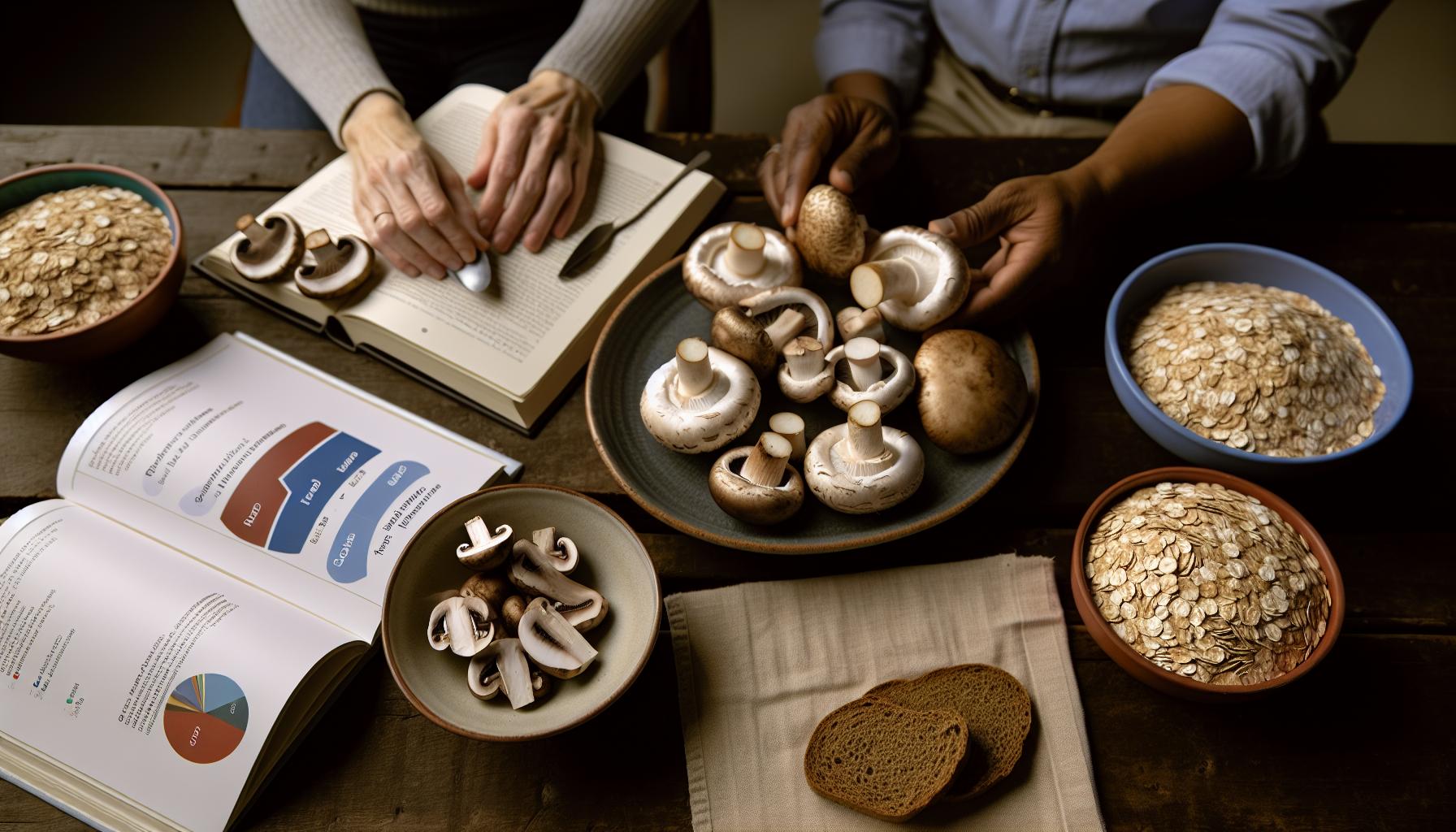
The Role of Fiber in Mushrooms and Diabetes Management
Mushrooms may not be the first food that comes to mind when considering high-fiber options, yet they surprisingly pack a nutritional punch that can significantly benefit individuals managing diabetes. A well-balanced diet is crucial for maintaining stable blood sugar levels, and fiber plays a vital role in this process. While mushrooms contain a modest amount of dietary fiber, their unique compounds can enhance overall gut health and contribute to better glucose regulation.
One of the key benefits of dietary fiber is its ability to slow down the absorption of sugar into the bloodstream. This results in more stable blood glucose levels, making fiber-rich foods an important ally for diabetics. Mushrooms contain both soluble and insoluble fiber, each offering unique benefits. Soluble fiber can help lower cholesterol and improve blood sugar control, while insoluble fiber supports digestive health by aiding regularity and preventing constipation. Incorporating mushrooms into your meals can boost your fiber intake while adding depth and flavor to dishes.
Utilizing mushrooms as a source of fiber is not just beneficial; it’s also practical. For instance, replacing traditional grains in recipes with finely chopped mushrooms can enhance fiber content without adding extra carbohydrates. Think of blending mushrooms into sauces, soups, or casseroles-where they can not only provide a satisfying texture but also promote fullness, which may help with weight management as well. Managing weight is an essential component of diabetes care, as even a small reduction in body weight can lead to improved blood sugar control.
Despite their benefits, it’s important to approach dietary changes thoughtfully. Individuals should pay attention to how different foods, including mushrooms, affect their blood sugar levels. A diverse diet is key; pairing mushrooms with other fiber-rich foods, like vegetables and legumes, can further assist in achieving a balanced intake. As with any dietary approach, consulting with healthcare professionals can provide tailored advice to meet personal health needs and ensure that your choices align with your diabetes management plan. This way, you can enjoy the surprising benefits of mushrooms while promoting a holistic approach to your health.
Potential Risks of Eating Mushrooms for Diabetics
Despite the numerous benefits of incorporating mushrooms into a diabetic diet, it’s essential to acknowledge that there are potential risks associated with their consumption. One of the most significant concerns is the risk of allergic reactions. While not common, certain individuals may experience allergies to specific types of mushrooms, resulting in symptoms that can range from mild (such as itching or hives) to severe (such as difficulty breathing or anaphylaxis). Therefore, if you’re trying mushrooms for the first time or introducing a new variety into your diet, it may be wise to do so cautiously, monitoring for any adverse reactions.
Another important consideration is the sourcing and preparation of mushrooms. Some mushrooms can absorb toxins and contaminants from their environment, which can be particularly concerning if they are foraged wild mushrooms. Consuming contaminated mushrooms can lead to gastrointestinal issues that can disrupt blood sugar regulation. To mitigate this risk, opt for commercially sourced mushrooms from reputable providers, ensuring they’re free from pesticides and other harmful substances. Cooking mushrooms thoroughly is also crucial, as it can eliminate possible pathogens and enhance their digestibility.
Additionally, while mushrooms are low in carbohydrates, they do contain a small amount of carbohydrates that should be considered within the broader context of your dietary intake. For individuals with diabetes, monitoring carbohydrate consumption is vital for effective blood sugar management. Therefore, it’s beneficial to be mindful of portion sizes when consuming mushrooms, especially if paired with other carbohydrate-rich foods. Consulting with a healthcare professional or a registered dietitian can provide personalized guidance on how to balance mushroom intake within your overall dietary plan.
In summary, while mushrooms can provide valuable nutrients and potential benefits for diabetes management, it’s essential to remain aware of possible risks. By paying attention to sources, preparation methods, potential allergies, and overall carbohydrate intake, individuals can enjoy mushrooms as a flavorful component of their diet while supporting their health goals. Always remember that open communication with healthcare professionals is key to making informed dietary choices that align with your individual needs.
Delicious Mushroom Recipes for Diabetes-Friendly Meals
Mushrooms are not only delicious but also versatile, making them an excellent choice for diabetes-friendly meals. Packed with essential nutrients and low in calories, they provide a satisfying base for many recipes without causing significant spikes in blood sugar levels. Incorporating mushrooms into your diet can introduce new flavors and textures while supporting overall health. Here’s how you can transform simple ingredients into delightful dishes that are diabetic-friendly.
Sautéed Garlic Mushrooms
A quick yet flavorful side dish, sautéed garlic mushrooms can complement various meals. Simply heat a tablespoon of olive oil in a pan, add minced garlic, and toss in sliced mushrooms. Cook until tender, adding a sprinkle of herbs like thyme or parsley for added flavor. This dish is rich in antioxidants, low in carbs, and offers a savory taste that can balance any meal.
Stuffed Mushrooms
For a heartier option, stuffed mushrooms are a fantastic choice. Start with large mushrooms, such as portobello or cremini, and remove their stems. In a bowl, mix together cooked quinoa, diced vegetables (such as spinach, bell peppers, and onions), and a sprinkle of feta cheese. Fill each mushroom cap with this mixture and bake at 375°F (190°C) for about 15-20 minutes. The result is a nutrient-dense dish that’s both filling and flavorful, perfect as an appetizer or a standalone meal.
Mushroom Soup
A warm bowl of mushroom soup can be comforting, especially during colder months. Begin by sautéing onions and garlic in olive oil, then add sliced mushrooms and cook until they release their moisture. Pour in low-sodium vegetable broth and let it simmer. Blend until smooth for a creamy finish without added cream, keeping the dish low in carbs while delivering rich flavors. This soup offers a great way to enjoy the health benefits of mushrooms while staying mindful of blood sugar levels.
Creative Salads with Mushrooms
Adding raw or lightly cooked mushrooms to salads can maximize flavor and nutrition. Combine mixed greens with sliced button mushrooms, cherry tomatoes, avocado, and a handful of walnuts for a crunchy texture. Drizzle with a lemon vinaigrette for a refreshing, diabetes-friendly lunch option. The combination of healthy fats, fiber, and protein helps stabilize blood sugar levels while providing essential nutrients.
Incorporating mushrooms into your meals can be both tasty and beneficial for managing diabetes. These recipes not only highlight the versatility of mushrooms but also serve as a reminder to explore various cooking methods and combinations. Always remember to consult with healthcare professionals about your dietary choices and to consider your individual needs when planning meals. Embracing the flavors and textures of mushrooms can add excitement to your cooking while supporting your health goals.
Consulting Healthcare Professionals About Dietary Choices
When it comes to managing diabetes, the importance of consulting healthcare professionals cannot be overstated. Each person’s health journey is unique, and tailored advice from a physician, dietitian, or certified diabetes educator can provide invaluable guidance in making informed dietary decisions, including how mushrooms may fit into an individual’s meal plan. These professionals are equipped with the knowledge to help you understand your specific nutritional needs based on your health status, lifestyle, and treatment goals.
It’s essential to address common concerns about incorporating new foods, such as mushrooms, into your diet. Healthcare professionals can provide insights into how mushrooms, with their low carbohydrate content and rich nutrients, can support blood sugar management. They can also help identify which mushroom varieties offer the best benefits for diabetics, factoring in the potential for individual dietary restrictions or allergies. Regular consultations, particularly when considering significant dietary changes, ensure that foods like mushrooms complement your broader nutritional strategy effectively.
Moreover, in a world where information about food choices is vast yet sometimes contradictory, having a trusted healthcare provider helps navigate myths surrounding diabetic diets. By fostering open communication, you can discuss any questions or uncertainties regarding dietary fibers, weight management, and blood sugar control. Many healthcare professionals also advocate for the inclusion of whole foods over processed options, emphasizing how natural choices can empower diabetes management.
Finally, don’t hesitate to share your culinary experiences or challenges with your healthcare team. They can provide practical tips for preparing mushrooms to maximize their health benefits and even suggest meal plans or recipes that align with your dietary goals. Embracing a proactive approach to your diabetes management, coupled with expert guidance, allows you to make informed decisions while enjoying meals that are both flavorful and conducive to your health. Engaging with healthcare professionals is not just about managing diabetes; it’s about empowering you to take control of your health journey sustainably.
Shopping Tips for Selecting Healthy Mushrooms
When selecting mushrooms for a diabetes-friendly diet, it’s important to consider freshness, type, and preparation methods. Fresh mushrooms not only retain their nutritional value but also enhance the flavors of your meals without adding carbohydrates. Look for mushrooms that are firm, plump, and free from blemishes or dark spots. A quick check for freshness is to gently squeeze the mushroom; if it springs back, it’s a good sign!
Types to Consider
Different varieties of mushrooms offer unique benefits and flavors. Common options like button, cremini, and shiitake are often recommended for their low carbohydrate content and high nutritional value. Portobello mushrooms can be used as a meat substitute in dishes, making them an excellent choice for heart-healthy recipes. On the other hand, mushrooms like oyster and enoki provide diverse textures and can easily be added to soups, salads, and stir-fries.
Packaging and Sourcing Tips
When shopping, pay attention to the packaging. If purchasing pre-packaged mushrooms, ensure the packaging is sealed and not damaged. If buying loose mushrooms, feel free to ask the seller about their sourcing; locally-sourced mushrooms are often fresher and may even support your local economy. Organic options can also be beneficial, as they are less likely to contain pesticides-another plus for maintaining overall health.
Storage Suggestions
Once you bring your mushrooms home, proper storage is essential. Store them in a paper bag in the fridge to allow air circulation, which prevents moisture build-up that can lead to spoilage. Avoid washing them until you are ready to cook, as mushrooms are like little sponges and can absorb water, which may diminish their natural flavor.
By following these shopping tips, you can confidently select healthy mushrooms that enhance your meals while supporting your dietary needs as a diabetic. Always keep in mind that discussing specific dietary needs with a healthcare professional will provide tailored guidance to complement your individual health journey. Enjoy the wonderful world of mushrooms and their surprising blood sugar benefits!
Q&A
Q: Can mushrooms help regulate blood sugar levels for diabetics?
A: Yes, mushrooms can help regulate blood sugar levels due to their low carbohydrate content and high fiber. They also contain bioactive compounds that may improve insulin sensitivity, making them a beneficial addition to a diabetic diet. For more insights, refer to “How Mushrooms Affect Blood Sugar Levels”.
Q: Are there specific types of mushrooms that are better for diabetics?
A: Certain mushrooms, like shiitake and maitake, are particularly beneficial for diabetics due to their antioxidant and anti-inflammatory properties. These types can help enhance overall health and blood sugar control. Check “The Different Types of Mushrooms Beneficial for Diabetics” for more details.
Q: What is the best way to incorporate mushrooms into a diabetic meal plan?
A: Incorporate mushrooms into your diet by adding them to salads, soups, and stir-fries. They can also replace higher-calorie ingredients in various dishes, making meals healthier. See “Incorporating Mushrooms into a Diabetic Diet” for more ideas.
Q: Can eating mushrooms cause any risks for diabetics?
A: While mushrooms are generally safe, some diabetics may be sensitive to certain varieties or might face allergy risks. It’s essential to consult healthcare professionals before introducing new foods into your diet. For more on this, check “Potential Risks of Eating Mushrooms for Diabetics”.
Q: How do mushrooms compare to other low-carb foods?
A: Mushrooms are lower in carbs than many vegetables, making them an excellent choice for blood sugar management. Their unique nutritional profile provides additional health benefits that other low-carb foods may not offer. For more, refer to “Mushrooms vs. Other Low-Carbohydrate Foods”.
Q: When is the best time to eat mushrooms for optimal blood sugar control?
A: There’s no specific time to eat mushrooms; however, incorporating them into meals can provide steady energy throughout the day. Pairing them with protein can enhance satiety and blood sugar stability. Find more guidance in “Incorporating Mushrooms into a Diabetic Diet”.
Q: Do mushrooms affect insulin levels in diabetics?
A: Mushrooms may positively influence insulin sensitivity, which can be helpful in managing diabetes. Regular consumption can potentially lower insulin resistance over time. For further details, see “How Mushrooms Affect Blood Sugar Levels”.
Q: What are some simple mushroom recipes for diabetics?
A: Simple recipes include stuffed mushrooms with lean protein and vegetables, or sautéed mushrooms with garlic as a side dish. These can easily fit into a diabetic diet. Explore “Delicious Mushroom Recipes for Diabetes-Friendly Meals” for more recipes.
The Conclusion
In conclusion, mushrooms can be a fantastic addition to a diabetic diet, offering potential blood sugar benefits and a host of nutrients. As you explore this versatile food, don’t hesitate to delve deeper into how other ingredients can positively impact your health by checking out our articles on preventing diabetes and understanding prediabetes. Remember, each small change in your dietary choices can make a significant difference, so why not try incorporating mushrooms into your meals today?
If you have questions or need personalized advice, consider reaching out to a diabetes educator or a registered dietitian. Your journey toward better diabetes management is ongoing, and we’re here to support you every step of the way. Share your thoughts below, and don’t forget to subscribe for more valuable insights into managing diabetes effectively!
Get our latest guides, news, and insights highlighted in your Google Search & AI Overviews.