Did you know that pickles can be a surprisingly beneficial snack for those managing diabetes? As you navigate the complexities of blood sugar control, finding tasty yet diabetic-friendly options is essential. Pickles are low in carbs and calories, making them a suitable addition to a balanced diet. However, understanding how they affect your blood sugar is crucial. In this article, we’ll explore the health benefits of pickles for diabetics, addressing common concerns while empowering you to make informed dietary choices. Join us as we uncover the surprising ways pickles can fit into a diabetes-friendly lifestyle, providing you with both satisfaction and nourishment.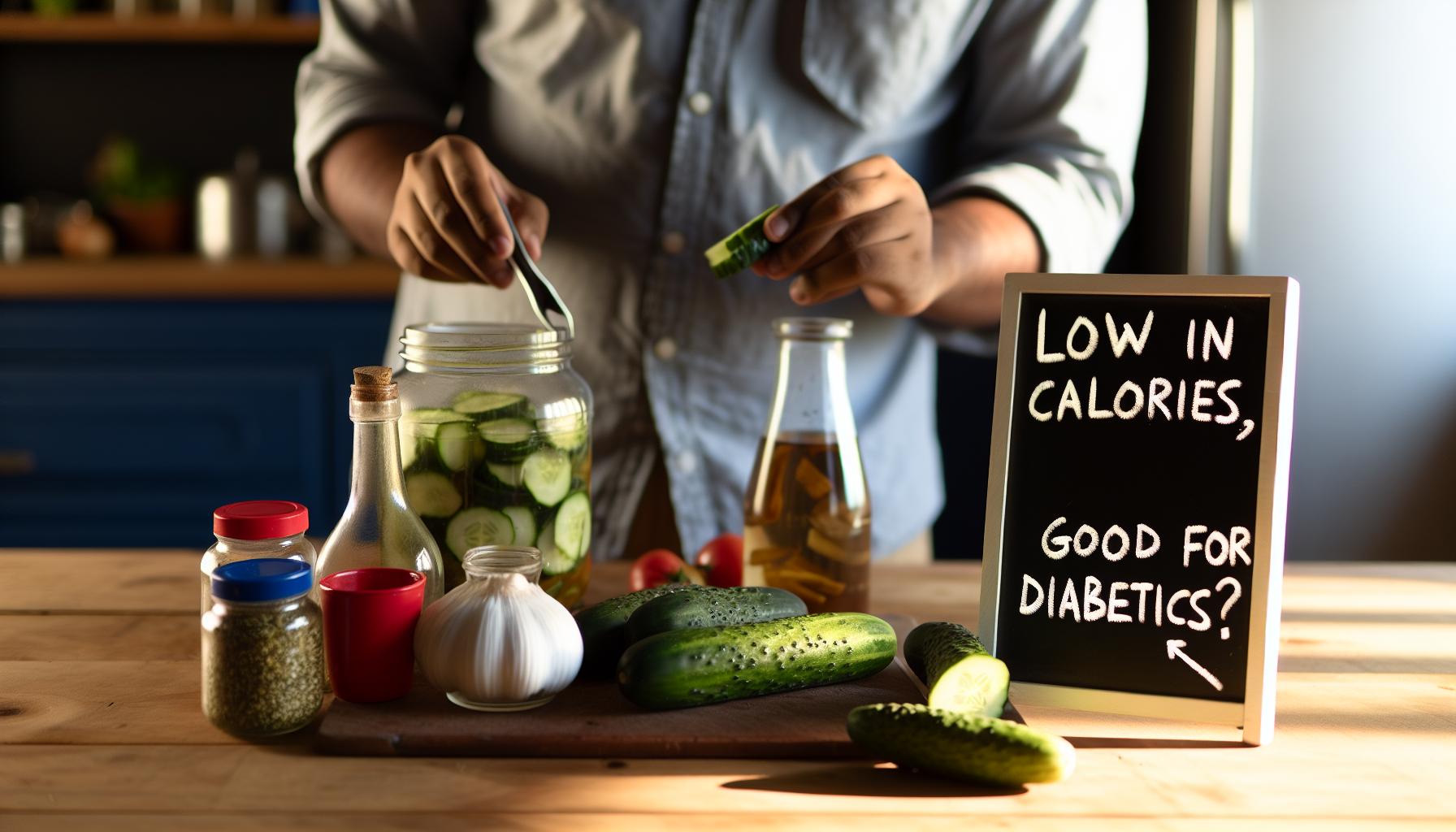
Are Pickles Good for Diabetics? Understanding the Nutritional Profile of Pickles
While pickles are often seen as a tangy snack, they carry a surprising range of nutritional benefits that can be beneficial for individuals managing diabetes. Understanding the nutritional profile of pickles helps to demystify their role in a diabetic-friendly diet. Generally, pickles are low in calories and do not contain sugar, making them a suitable option for those looking to uphold their blood sugar levels. Notably, a typical serving of dill pickles has only about 5 calories and negligible carbohydrates, allowing for easy integration into various meal plans.
When considering pickles’ nutritional components, it’s essential to highlight their role as a source of probiotics, particularly in the case of naturally fermented varieties. These probiotics can promote gut health, which is increasingly recognized as an important factor in overall wellness and metabolic regulation. Additionally, the presence of vinegar in many pickled products may also have a positive impact on blood sugar levels post-meal, helping to stabilize glucose spikes. This potential benefit means that including pickles in moderation can provide flavor and texture without significant carbohydrate concerns.
However, it’s crucial to remain mindful of the sodium content. Pickles are often high in salt due to the brining process, which could pose risks for blood pressure and cardiovascular health. Diabetics should carefully read labels and consider low-sodium versions when available or limit their overall consumption to avoid excessive sodium intake. Balancing the enjoyment of pickles with awareness of their nutritional content is vital for making informed choices that benefit both taste and health for those managing diabetes.
By incorporating pickles mindfully into a diet, individuals can enjoy these flavorful additions without sacrificing their health management goals. As always, it’s advised to consult with a healthcare professional to tailor dietary choices to individual health needs.
The Health Benefits of Pickles for Diabetes Management
Incorporating pickles into a diabetes management plan can be a flavorful way to enjoy snacks without compromising health. One of the standout features of pickles, especially varieties like dill pickles, is their minimal carbohydrate content-often just 1 gram or less per serving. This makes them an excellent choice for diabetics looking to maintain stable blood sugar levels. Furthermore, many pickles are made with vinegar, which has been shown to help improve insulin sensitivity and reduce blood sugar spikes after meals, potentially offering a simple way to enhance dietary choices.
Beyond blood sugar management, pickles can also provide digestive benefits. Naturally fermented pickles are rich in probiotics, which are beneficial bacteria that support gut health. A healthy gut microbiome is increasingly recognized as essential for overall metabolic health, including the proper regulation of glucose levels. By including fermented pickles in the diet, individuals may not only enjoy better digestion but also support their body’s response to insulin. This can create a positive feedback loop that aids overall diabetes management.
However, while the benefits are noteworthy, it’s important to remain aware of the sodium levels in many pickled products. Pickles are typically high in salt due to the brining process, which can be a concern for individuals managing their blood pressure, a common consideration for those with diabetes. Opting for low-sodium varieties can mitigate this issue. Additionally, moderation is key; enjoying pickles as part of a balanced diet, along with various other vegetables and healthy snacks, can provide satisfaction without excessive sodium intake.
As people with diabetes navigate their dietary needs, pickles can be a fun and innovative way to add variety to meals and snacks. Whether served as a crunchy side with sandwiches, diced into salads, or as a tangy garnish for protein dishes, pickles can enhance flavor without burdening one’s carbohydrate count. As always, it’s recommended that individuals consult with healthcare professionals to tailor dietary choices to their specific health needs and lifestyle, ensuring that incorporating pickles aligns with their overall diabetes management plan.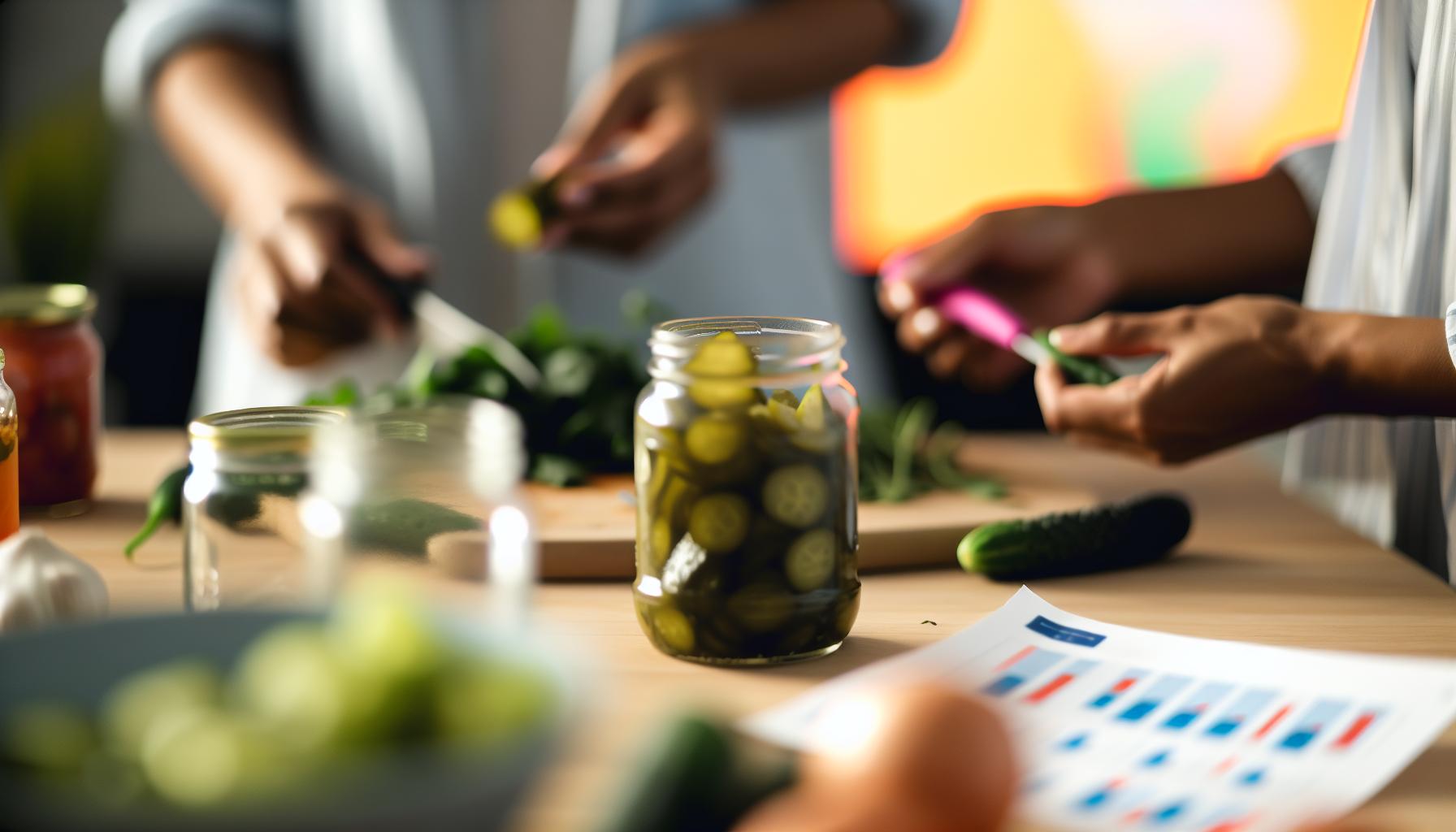
Pickles and Blood Sugar: What You Should Know
Including pickles in your diet can be a delicious way to maintain blood sugar levels within a healthy range. With their low carbohydrate content-often just 1 gram or less per serving-pickles are a flexible option for those managing diabetes. What’s particularly interesting is the presence of vinegar in many pickled products, which has been shown to improve insulin sensitivity and may help stabilize blood sugar levels after meals. This makes pickles not just a crunchy snack but a potential ally in diabetes management.
Moreover, studies suggest that vinegar may lower blood sugar spikes when consumed alongside carbohydrates, adding an extra layer of metabolic support. Incorporating pickles into meals could mean enjoying them in salads, sandwiches, or as a snack with hummus, fostering both satisfaction and stability in blood sugar levels. However, it’s essential to monitor personal responses, as individual reactions to foods can vary significantly.
While the benefits of pickles are noteworthy, awareness of sodium content is crucial. Many pickles are high in salt due to the brining process, which could affect those with hypertension, a common concern for diabetics. Choosing low-sodium varieties can maintain flavor without the excessive salt intake, allowing you to enjoy pickles while keeping your overall health in check.
In summary, while pickles can be a tasty and beneficial addition to a diabetes-friendly diet, it’s always wise for individuals to consult with healthcare professionals. This ensures that their dietary choices align well with their personal health objectives, helping them navigate their diabetes journey confidently and healthily.
Fermented Foods and Gut Health: A Diabetic Perspective
Fermented foods, including pickles, can be a surprising ally in managing diabetes due to their impact on gut health. Emerging research indicates that gut health plays a significant role in overall metabolic function, including blood sugar regulation. The fermentation process not only enhances the flavor of vegetables like cucumbers but also enriches them with probiotics-beneficial bacteria that can support digestive health and improve insulin sensitivity. This connection is vital for those living with diabetes, as a balanced gut microbiome can influence how effectively the body processes glucose.
Including pickles in a diabetes-friendly diet may contribute to various health benefits. For instance, the probiotics found in fermented foods have been associated with improved gut health, which can lead to better nutrient absorption and heightened immunity. While not all pickles are naturally fermented, choosing those that are unpasteurized can help retain these probiotics. By enhancing gut health, these foods may support more stable blood sugar levels, potentially making them a valuable addition to meals and snacks.
When considering fermented foods, it’s essential to pay attention to how your body responds. Keep a food diary to track your blood sugar levels after consuming pickles or other fermented items. This practice helps identify any individual sensitivities or reactions, allowing you to customize your diet to your own needs. As always, consult with healthcare professionals when incorporating new foods into your regime. Personalizing your dietary choices with the guidance of experts can empower you to navigate diabetes management more effectively, ensuring that your approach is tailored to your health objectives.
Low-Calorie Snack Options: Are Pickles a Smart Choice?
When it comes to managing diabetes, finding low-calorie snack options can be a game-changer. Pickles, surprisingly, emerge as a delightful and nutritious choice. With a low calorie count that typically ranges from 5 to 15 calories per serving, pickles provide a satisfying crunch without spiking blood sugar levels. Their unique flavor can add zest to various meals and snacks, making it easier to adhere to dietary guidelines while still enjoying food.
The nutritional profile of pickles offers even more advantages. They are primarily made from cucumbers, which are low in carbohydrates and high in water content, making them a hydrating snack. Additionally, many pickles are fermented, providing probiotics that can benefit gut health. A well-functioning gut can enhance digestion and metabolism, further supporting diabetes management. This makes pickles not just a snack but a background player in promoting overall wellbeing.
However, moderation and mindful consumption are key. While pickles can be part of a healthy diet, they often contain high levels of sodium, which can pose risks for those with hypertension or other cardiovascular concerns, frequently associated with diabetes. Individuals should look for reduced-sodium options or homemade recipes to maintain flavor without compromising health. Incorporating pickles into a balanced diet, alongside monitoring body responses, can help ensure they remain a positive addition to meals and snacks.
For anyone looking to enhance their assortment of healthy snacks, consider pairing pickles with lean proteins or whole grain options. Think of adding them to salads, sandwiches, or as a side with hummus or yogurt. This not only balances your plate but also helps maintain steady blood sugar levels. Before making any significant changes to your diet, it’s wise to consult with healthcare professionals who can tailor advice to your personal health needs.
Exploring the Sodium Content: Is It Safe for Diabetics?
The crunchy, tangy delight of pickles can be an exciting addition to a diabetic-friendly diet, but they come with a caveat: sodium content. Understanding the implications of sodium intake is crucial for managing diabetes, particularly for those who may have accompanying conditions like hypertension. While pickles themselves are low in calories and carbohydrates, their sodium levels can sometimes be quite high, particularly in commercially prepared varieties.
Many conventional pickles are loaded with salt, used primarily for preservation and to enhance flavor. A typical dill pickle spear can contain anywhere from 200 to 600 milligrams of sodium, depending on the brand and preparation method. For individuals with diabetes, who may also be navigating issues with blood pressure, managing sodium intake is essential. High sodium consumption can lead to fluid retention and spike blood pressure, potentially complicating diabetes management.
Given this context, it’s wise for diabetic individuals to consider alternatives to traditional pickles. Options like reduced-sodium pickles or homemade varieties can provide the desired crunch and flavor without as much salt. Making pickles at home allows for greater control over ingredients, enabling you to experiment with herbs and spices for flavor without relying heavily on salt. A simple cucumber and vinegar pickle can be seasoned with garlic, dill, or peppercorns to create a delicious addition to meals, while keeping sodium levels in check.
When incorporating pickles into your diet, moderation is key. Consuming pickles as an occasional side or garnish, rather than a primary snack, can help maintain a balanced approach to sodium intake. Pairing pickles with foods naturally low in sodium can further contribute to a well-rounded, diabetes-friendly meal. Always consult healthcare professionals for personalized dietary advice, especially when managing diabetes, to craft an eating plan that supports your unique health needs and goals.
Pickles vs. Other Snacks: Making Healthier Choices
The world of snacks is vast, with many options vying for attention. For individuals managing diabetes, choosing the right snack can significantly influence blood sugar levels and overall health. Among the variety of options, pickles stand out as a low-calorie, low-carbohydrate choice that can satisfy cravings without the hefty glucose load of conventional snacks. However, understanding how pickles compare to other snack options is essential for making informed, health-conscious decisions.
When considering healthier snacking choices, it’s helpful to look at alternatives based on their nutritional profiles. Options like fresh vegetables, nuts, and yogurt come with unique benefits:
- Fresh Vegetables: Carrot sticks, cucumber slices, and bell pepper strips provide fiber, vitamins, and minerals, all while being low in calories and carbohydrates.
- Nuts: A small handful of unsalted nuts offers healthy fats and protein, but their higher calorie density means portion control is crucial.
- Yogurt: Opting for plain, unsweetened yogurt introduces probiotics for gut health and can be paired with fresh fruit for a satisfying blend of flavors.
Pickles, while tasty, can be easily overshadowed by these nutrient-dense alternatives, especially when considering sodium intake. High sodium snacks can pose risks, particularly for those with diabetes who also manage hypertension or heart-related concerns. Therefore, while enjoying pickles occasionally is perfectly fine, balancing them with snacks that have lower sodium content is advisable.
Making informed choices can empower diabetics to navigate daily snack dilemmas effortlessly. Pairing pickles with fresh vegetables or a protein source can enhance meal satisfaction while minimizing overall sodium consumption. For instance, using sliced pickles as a crunchy topping on a salad, alongside leafy greens and lean proteins, not only elevates flavor but also creates a visually appealing dish that aligns with diabetes management goals.
Ultimately, the journey toward effective diabetes management is about making smart food choices, understanding individual needs, and consulting healthcare professionals when crafting dietary strategies. Whether incorporating pickles into your snack routine or exploring other healthier options, the focus should always be on variety, moderation, and flavor.
Incorporating Pickles into a Diabetes-Friendly Diet
Including pickles in a diabetes-friendly diet can offer both flavor and potential health benefits, particularly when enjoyed in moderation. These tangy treats are low in calories and carbohydrates, making them an appealing option for adding crunch and zest to meals without significantly affecting blood sugar levels. As you navigate the delicious world of pickles, understanding how to incorporate them thoughtfully will enhance your snacking and meal experiences while staying within your dietary goals.
When looking to add pickles to your meals, consider using them as versatile components in various dishes. For example, they can serve as a zesty addition to salads, lending a unique flavor to leafy greens and protein sources like grilled chicken or fish. Slicing pickles and placing them on whole-grain wraps or sandwiches can enhance your meal with a satisfying crunch. Furthermore, pickles can be enjoyed with healthy dips, such as hummus or Greek yogurt, combining flavor with nutrient-rich ingredients.
Making Smart Choices
It’s essential to pay attention to the sodium content in pickles, as many varieties can be high in salt, which may complicate blood pressure management. Seek out low-sodium options or consider making homemade pickles using vinegar and spices of your choice to control the ingredients. This allows you to enjoy the crunchy goodness of pickles without the extra sodium. Homemade pickles can also present an opportunity to add probiotics, which are beneficial for gut health, especially in fermented varieties.
Pairing pickles with nutritionally dense foods increases their healthfulness. Create balanced snack plates with pickles, fresh vegetables, and lean protein to maintain energy and stabilize blood sugar levels throughout the day. Experiment with flavors-such as dill or bread-and-butter pickles-to keep your meals interesting, ensuring that your culinary journey is both enjoyable and compliant with your diabetes management goals.
Ultimately, it is always advisable to consult with healthcare professionals or dietitians when making significant changes to your diet. They can provide personalized advice and strategies for integrating pickles into your meal plans while considering your specific health needs, helping you make delicious yet health-conscious choices on your diabetes management journey.
Homemade Pickles: Crafting Your Healthy Option
Crafting your own pickles can be an empowering experience, especially for those managing diabetes. By making pickles at home, you have full control over the ingredients, allowing you to create tasty snacks that fit seamlessly into your dietary needs. Homemade pickles can offer not only delicious flavors but also health benefits, particularly when prepared with low sodium and added probiotics.
Starting with the right base is crucial. Use fresh, crisp vegetables like cucumbers, carrots, or radishes as your main ingredient. For the pickling solution, opt for vinegar (such as apple cider or white vinegar) paired with water, ensuring you control the sugar content. Consider adding herbs and spices, like dill, mustard seeds, or garlic, to enhance flavor without adding unnecessary calories or carbohydrates. The key here is to experiment with ratios and ingredients to find the balance that suits your taste.
Benefits of Homemade Pickles
Homemade pickles can provide several advantages, particularly for those with diabetes:
- Lower Sodium Option: Store-bought pickles often contain high levels of sodium, which can raise blood pressure. By making your own, you can significantly reduce the salt content.
- No Added Sugars: Sweet pickles can contribute to higher blood sugar levels. Avoid recipes with added sugars, or use sugar substitutes that align with your diet.
- Probiotics: If you decide to ferment your pickles, you can introduce beneficial probiotics that support gut health, potentially improving overall well-being.
When preparing homemade pickles, it’s crucial to store them properly to ensure their safety and longevity. Using clean jars and sealing them correctly can help prevent spoilage. Furthermore, always consult with your healthcare professional or dietitian to understand how these homemade treats fit into your overall dietary plan, ensuring you make informed choices that support your health journey.
Incorporating homemade pickles into your daily meals can also encourage creativity in snacking. Serve them alongside lean proteins or use them as a topping for salads, sandwiches, or wraps. Remember, the goal is to enhance your meals with flavorful, diabetes-friendly options that satisfy your cravings without compromising your health.
Pickles in Moderation: How Much is Safe for Diabetics?
Including pickles in your diet can be a flavorful way to add variety, especially for those managing diabetes. However, understanding portion sizes is essential to ensure that these tangy treats contribute to, rather than complicate, your health goals. Consuming pickles in moderation allows you to enjoy their unique taste while minimizing potential downsides, particularly concerning sodium levels and blood sugar impacts.
Most nutritionists recommend limiting pickles to a few pieces or a couple of tablespoons per serving. This portion size typically aligns well with maintaining low carbohydrate intake, as pickles are generally low in calories and carbohydrates. However, one of the biggest considerations with pickles is their sodium content. Many store-bought options can be high in salt, with some containing over 1,000 mg per serving, which can raise blood pressure and lead to water retention. Choosing low-sodium varieties or preparing homemade pickles can help mitigate these risks significantly.
If you’re looking for a practical approach, consider using pickles as a flavor enhancer rather than a central ingredient. For instance, adding a few slices to a salad or using them as a topping on a sandwich can provide a zesty kick while keeping your overall sodium and carbohydrate intake in check. Also, integrating pickles as a side dish with more substantial meals can help keep portions controlled and offer a satisfying crunch without overindulgence.
It’s crucial to remember that individual responses to foods can vary, especially for those with diabetes. Keeping a food diary can help track how your body reacts to pickles and other foods, making it easier to identify what fits best into your dietary routine. Ultimately, consulting with a healthcare professional or registered dietitian is advisable to personalize recommendations based on your unique health needs, ensuring that your choices promote your well-being while enjoying the flavors of your favorite snacks.
Expert Opinions: What Dietitians Say About Pickles
When considering the role of pickles in a diabetic-friendly diet, many dietitians emphasize the importance of moderation and mindful choices. Nutrition experts often highlight that while pickles can be a flavorful addition to meals, they must be consumed with caution, especially concerning their sodium content. For individuals managing diabetes, selecting low-sodium varieties is encouraged, as high sodium intake can exacerbate hypertension, a common concern among those with diabetes.
Experts note that pickles, particularly those made through the fermentation process, can offer benefits due to their probiotic content. These probiotics may support gut health, which is increasingly recognized as an integral aspect of overall well-being and metabolic health. A well-functioning gut can enhance nutrient absorption and potentially aid in blood sugar control. However, dietitians advise patients to pay attention to how their bodies respond to fermented foods like pickles, as individual reactions can vary significantly.
In practical terms, dietitians recommend using pickles as a seasoning or condiment rather than the main component of a meal. This approach allows for flavor enhancement without overwhelming the dish with calories or carbohydrates. Incorporating a few slices into salads or sandwiches can provide zest while adhering to dietary guidelines. It’s also beneficial for individuals to keep a food log, noting how different foods, including pickles, affect their blood sugar levels.
Ultimately, healthcare professionals advocate for personalized dietary planning. Consulting a registered dietitian can provide tailored advice that aligns with individual health needs, ensuring that enjoying pickles does not compromise blood sugar control or overall wellness.
Real-Life Experiences: Diabetics Share Their Thoughts on Pickles
Many individuals managing diabetes have found creative and supportive ways to incorporate pickles into their diet while reaping the benefits of this tangy treat. For some, pickles serve not only as a flavorful addition to meals but also as a satisfying snack option. One user shared, “I love adding dill pickles to my sandwiches; it gives them that crunch I crave without adding a lot of calories or sugar!” This sentiment echoes the experiences of many diabetics who appreciate how pickles can complement various dishes without significantly impacting their blood sugar levels.
Another common viewpoint among diabetics is the importance of moderation. Participants in online diabetes support groups often share anecdotes about their experiences with pickles, emphasizing that while they enjoy the taste, they remain mindful of their salt intake. One participant noted, “I choose low-sodium pickles whenever I can. It lets me enjoy the flavor without worrying too much about my blood pressure.” Such insights highlight the significance of reading labels and selecting products that align with personalized health goals.
Moreover, numerous individuals have praised the digestion benefits they experience from fermented pickles. A diabetic shared, “Since I started eating more fermented foods like pickled vegetables, I feel my digestion has improved, and I have better overall gut health.” This aligns with expert recommendations that underscore the benefits of probiotics found in fermented products, which may contribute positively to metabolic health and blood sugar management.
Through these real-life experiences, it’s clear that pickles can be tailored to fit within a balanced and enjoyable diet for those living with diabetes. The key is to remain open to experimentation while closely monitoring how different foods affect individual blood sugar responses. Engaging with a registered dietitian can further enhance this journey, offering personalized strategies for including pickles and other foods in a way that supports overall health and well-being.
FAQ
Q: Can pickles help lower blood sugar levels?
A: Pickles may help manage blood sugar levels due to their low glycemic index. The vinegar in pickles has been linked to better glucose control, potentially making them a good snack for diabetics if eaten in moderation. For further insights, check out our section on “Pickles and Blood Sugar: What You Should Know.”
Q: What are the best types of pickles for diabetics?
A: The best pickles for diabetics are those that are low in sugar and sodium. dill pickles and cucumber pickles made with vinegar are generally preferred. Always look for options with no added sugars or preservatives. For more information, see “Incorporating Pickles into a Diabetes-Friendly Diet.”
Q: How often can diabetics eat pickles?
A: Diabetics can include pickles as an occasional snack, but they should be consumed in moderation due to high sodium levels. A good guideline is to limit intake to a few servings per week. Explore “Pickles in Moderation: How Much is Safe for Diabetics” for detailed advice.
Q: Are homemade pickles healthier for diabetics?
A: Yes, homemade pickles can be healthier for diabetics because you can control the ingredients, including sugar and salt levels. Making pickles at home allows for customization to fit dietary needs. Check “Homemade Pickles: Crafting Your Healthy Option” for recipes and ideas.
Q: What other health benefits do pickles offer for diabetics?
A: Beyond blood sugar control, pickles can aid in digestion and provide probiotics if they are fermented. They also serve as a low-calorie snack, making them a smart choice within a balanced diet. For more, see “The Health Benefits of Pickles for Diabetes Management.”
Q: Are there any risks of eating pickles for diabetics?
A: Yes, the main risks include high sodium content, which can lead to blood pressure issues, and potential additives in store-bought varieties. It’s best to read labels carefully or prepare your own. Refer to “Exploring the Sodium Content: Is It Safe for Diabetics?” for more details.
Q: Can pickles cause any side effects for diabetics?
A: Some diabetics may experience digestive discomfort or blood pressure spikes due to high sodium in pickles. Monitoring your body’s response and consuming them in moderation is crucial. For tips on managing side effects, review “Real-Life Experiences: Diabetics Share Their Thoughts on Pickles.”
Q: What nutrition should diabetics look for in pickles?
A: Diabetics should look for pickles that are low in carbohydrates and sugars, while offering some fiber and probiotics when fermented. Nutritional labels can guide choices. Refer to “Understanding the Nutritional Profile of Pickles” for a detailed breakdown.
Concluding Remarks
In conclusion, incorporating pickles into a diabetic diet can offer surprising benefits, including low-calorie snacking without sugar concerns. However, moderation is key due to their high sodium content. If you’re interested in other diabetes-friendly food choices, check out our article on “Healthy Snack Options for Diabetics” and discover more meal ideas that align with your health goals. For a deeper dive into managing diabetes effectively, explore our comprehensive guide on daily management strategies.
Don’t forget to share your thoughts with us in the comments below! If you’re looking for personalized guidance, consider signing up for our newsletter for the latest tips and expert advice. Remember, taking control of your diabetes management journey starts with informed choices-let’s continue this journey together for a healthier future!
Get our latest guides, news, and insights highlighted in your Google Search & AI Overviews.