
Managing diabetes in dogs can be challenging, but finding suitable treats can make a significant difference in your pet’s quality of life. With the right snacks, you can reward your furry friend while also maintaining their health and well-being. It’s important to choose treats that are not only safe but also beneficial for their condition. Many dog owners worry about their pet’s diet and how it affects their diabetes management. Fortunately, there are delicious options that can satisfy your dog’s cravings without compromising their health. This guide will introduce you to safe snack choices that will keep your dog happy and healthy while navigating their diabetes journey. Let’s explore these tasty treats that your pet will love and learn how to make better food choices together!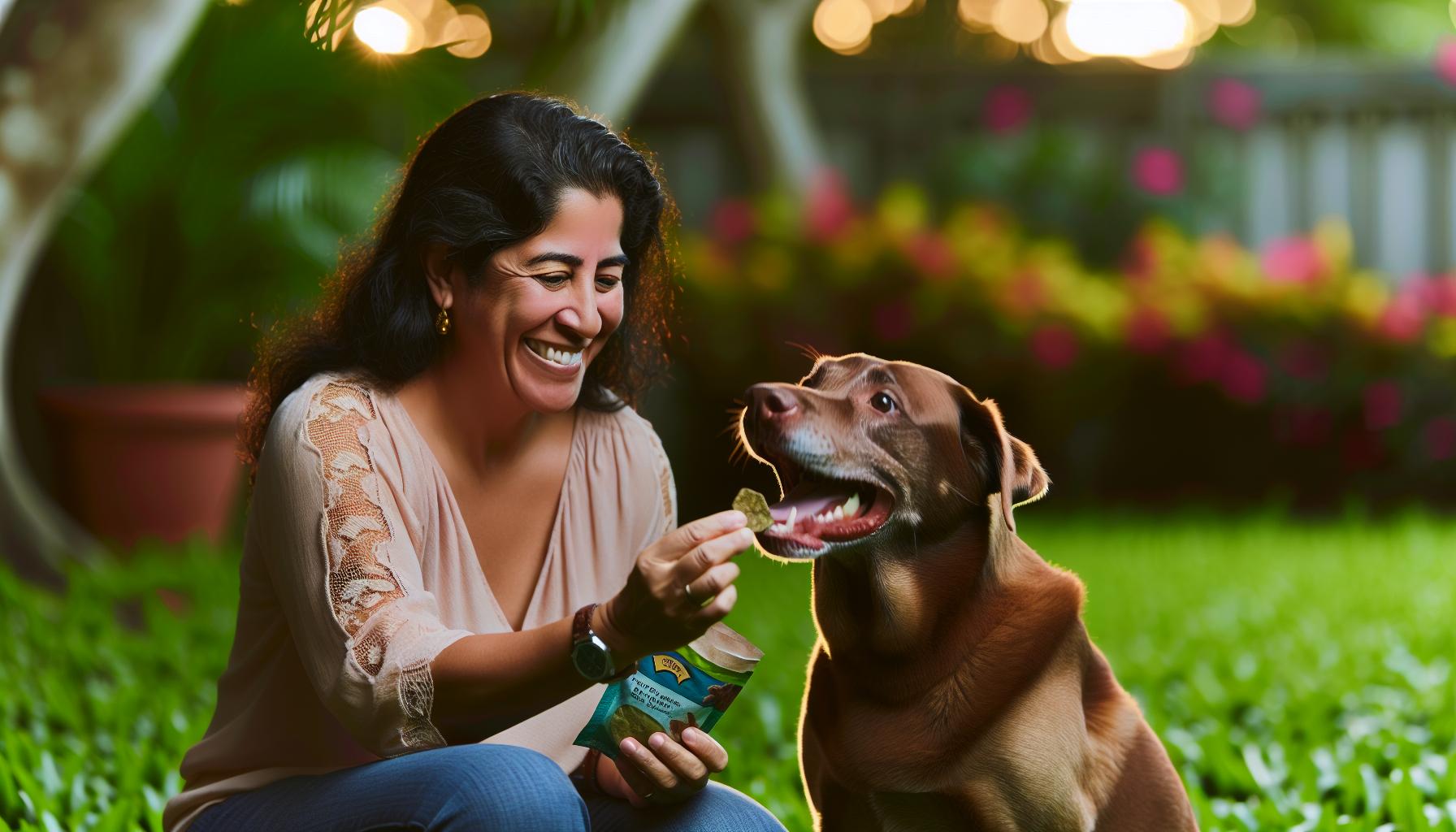
Safe Ingredients for Diabetic Dog Treats
When it comes to treating your diabetic dog, the ingredients you choose matter immensely. Just like in humans, certain foods can significantly influence blood sugar levels and overall health in pets with diabetes. Prioritizing safe ingredients not only helps manage their condition but also ensures that snack time remains a joyful experience. The key is to select ingredients that are low in carbohydrates and high in fiber, which can aid in stabilizing blood sugar levels.
To craft healthy treats, consider the following safe ingredients:
- Lean Proteins: Ingredients like chicken breast, turkey, and salmon are both nutritious and low in carbohydrates, making them excellent base ingredients for treats.
- Vegetables: Vegetables such as green beans, carrots, and sweet potatoes provide fiber and nutrients without spiking blood sugar. They can be used in various treat recipes.
- Whole Grains: If using grains, opt for whole grains like brown rice or quinoa, which are digested more slowly than processed grains and provide a steady energy release.
- Healthy Fats: Incorporating small amounts of healthy fats, such as fish oil or flaxseed oil, can support overall health and encourage palatability without affecting blood sugar levels.
- Natural Flavorings: Use herbs and spices like parsley or pumpkin (in moderation) to enhance taste without adding extra sugars or calories.
By focusing on these ingredients, you can create treats that are safe and enjoyable for your diabetic dog. Always ensure that treats are given in moderation and consider consulting your vet to tailor treats to your dog’s specific dietary needs. With thoughtful ingredient selection, you can maintain your pet’s health and happiness while also rewarding their good behavior with delicious snacks.
How to Choose Healthy Snacks for Your Diabetic Dog
Choosing the right snacks for your diabetic dog can make a significant difference in their health and well-being. It’s important to remember that not all treats are created equal, especially when managing diabetes. Your pet’s snacks should not only be tasty but also align with their dietary needs to help maintain stable blood sugar levels. This means prioritizing treats that are low in carbohydrates and high in fiber, ensuring that they contribute positively to their overall diet rather than hindering it.
When selecting healthy snacks, start by evaluating the ingredient list carefully. Look for treats that are made primarily from lean proteins, as these provide essential amino acids without excessive carbohydrates. Protein-rich options like chicken, turkey, or fish can help maintain muscle mass and provide the energy your dog needs.
Incorporate vegetables into your dog’s diet, as many are low-carb and packed with nutrients. Veggies such as green beans, carrots, and zucchini can serve as crunchy, satisfying snacks that won’t disrupt blood sugar levels. These ingredients are not only healthy but can also introduce variety into your dog’s diet, keeping them engaged and excited about mealtime.
Additionally, if you wish to include grains in your dog’s treats, opt for whole grains like quinoa or brown rice. These grains are digested more slowly than their processed counterparts, which can help avoid sudden spikes in blood sugar. Remember that moderation is key; even healthy grains should not dominate your dog’s diet.
Regularly consult with your veterinarian to establish a snack suitable for your pet’s unique condition and requirements. A good veterinarian can help you understand your dog’s specific caloric needs, ensuring that any treats offered don’t exceed their daily intake recommendations. By being meticulous about ingredient selection and maintaining open communication with your vet, you can confidently choose snacks that not only please your dog’s palate but also support their health and longevity.
Top Homemade Treat Recipes for Diabetic Dogs
Providing your diabetic dog with homemade treats can be a rewarding experience for both you and your furry friend. Not only do these recipes allow you full control over what ingredients are used, but they can also ensure that the treats are low in carbohydrates and high in beneficial nutrients. Here are some delightful recipes that your dog will love while helping to manage their diabetes effectively.
Chicken and Spinach Treats
These treats are packed with lean protein and fiber, creating a filling snack that won’t spike your dog’s blood sugar.
Ingredients:
- 1 cup cooked, shredded chicken
- 1/2 cup cooked spinach
- 1 cup whole wheat flour (or a low-carb alternative like almond flour)
- 1 egg
- 1 tablespoon olive oil
Directions:
1. Preheat your oven to 350°F (175°C).
2. In a mixing bowl, combine the shredded chicken and spinach.
3. Add the flour, egg, and olive oil, mixing until a dough forms.
4. Roll out the dough on a lightly floured surface and cut it into shapes using cookie cutters.
5. Bake for 20-25 minutes until golden brown. Allow to cool before serving.
Peanut Butter and Pumpkin Bites
These treats not only taste great, but pumpkin is also high in fiber, which is beneficial for your dog’s digestive health.
Ingredients:
- 1/2 cup pure pumpkin puree (unsweetened)
- 1/4 cup natural peanut butter (ensure it’s xylitol-free)
- 1 cup oat flour
- 1 egg
Directions:
1. Preheat your oven to 350°F (175°C).
2. In a bowl, mix the pumpkin, peanut butter, and egg until well combined.
3. Gradually add the oat flour until a dough forms.
4. Roll the dough into small balls and place them on a parchment-lined baking sheet.
5. Flatten each ball slightly and bake for 15-20 minutes. Let them cool before sharing with your dog.
Sweet Potato Chews
Sweet potatoes are a fantastic source of vitamins and fiber, making them a perfect treat for your diabetic dog.
Ingredients:
- 2 medium sweet potatoes
Directions:
1. Preheat your oven to 250°F (120°C).
2. Wash and slice the sweet potatoes into thin strips.
3. Arrange the strips on a baking sheet, ensuring they don’t overlap.
4. Bake for 2-3 hours until they are dried and chewy. Monitor closely to prevent burning.
5. Let them cool completely before giving one to your dog.
These recipes are not only simple to prepare but provide a wonderful way to treat your diabetic dog without the worry of harmful ingredients. Remember, while homemade treats can be healthier options, moderation is essential. Always consult with your veterinarian regarding your dog’s dietary needs and any specific health considerations. By making thoughtful choices, you can keep your diabetic dog happy and healthy while enjoying the benefits of homemade goodness.
Store-Bought Treats: What to Look For
When searching for store-bought treats suitable for dogs with diabetes, it’s crucial to be a discerning shopper. Many commercial dog treats are laden with sugars and simple carbohydrates that can lead to dangerous spikes in blood sugar levels. Instead, focus on finding treats specifically formulated for diabetic dogs or those that contain low glycemic ingredients. Here are some vital factors to consider when selecting treats for your furry friend.
Firstly, always read the ingredient label thoroughly. Look for treats that prominently feature real meat or fish as the primary ingredient, ensuring high protein content. Avoid treats with added sugars-these can be deceptively labeled as “natural” or “organic” but can still contain ingredients that are harmful for diabetic dogs. Ingredients like corn syrup, molasses, or dextrose can rapidly increase blood sugar. Opt for those with healthier fillers such as vegetables, which can provide nutritional benefits without compromising blood sugar management.
In addition, consider the carbohydrate content. Treats made from whole grains like brown rice or oats are typically better choices than those made from wheat or corn. It’s also wise to avoid treats high in fat, as they can contribute to obesity, a common concern for dogs with diabetes. Instead, seek out low-calorie options that still satisfy your dog’s urge to chew and snack.
When it comes to portion control, pay attention to the suggested feeding guidelines on the packaging. Since diabetic dogs need to maintain a consistent diet, it’s critical to monitor both the quantity and nutritional quality of the treats. You might also check for treats fortified with omega fatty acids or probiotics, which support overall health and digestion.
In summary, while it can be a challenge to find suitable store-bought treats for diabetic dogs, keeping these key points in mind will help you make informed choices. Always consult your veterinarian for personalized advice tailored to your dog’s health needs, ensuring that the treats fit seamlessly into their diabetes management plan. By making careful selections, you can keep your pet healthy and happy, making treat time enjoyable without compromising their well-being.
Managing Treat Portions for Diabetic Pets
To effectively manage treat portions for your diabetic dog, it’s essential to balance indulgence with dietary restrictions to maintain their health. Understanding that treats should not make up a significant portion of their overall diet is crucial; instead, they should be viewed as an occasional reward within the framework of a diabetes-friendly eating plan. The right approach not only keeps their glucose levels stable but also ensures that treat time remains a positive experience for both you and your furry companion.
Start by determining the appropriate calorie allowance for treats based on your dog’s size, age, and activity level. A good rule of thumb is to allocate no more than 10% of your dog’s daily caloric intake to treats. For example, if your dog requires 400 calories a day, this means that their total treat intake should not exceed 40 calories. This guideline helps prevent overindulgence, which can lead to weight gain and subsequent health issues. Always consider the caloric content of the specific treats you choose, as some may be more calorie-dense than others.
Next, it’s vital to establish a consistent feeding schedule that incorporates treat times strategically. Treats should ideally be given in conjunction with regular feeding times or after a successful training session, which can motivate your dog without disrupting their meal routine. Additionally, consider breaking larger treats into smaller pieces to extend the enjoyment while managing calorie intake effectively. This practice allows you to treat your dog without overwhelming their dietary limits.
Maintaining a journal or using an app to track your dog’s treat consumption can also be beneficial. This not only helps you stay within the caloric limits but also assists in monitoring your dog’s response to the treats, enabling you to make adjustments if any fluctuations in their glucose levels are observed. Most importantly, regular consultations with your veterinarian can provide tailored advice regarding treat options and portion control, ensuring that your dog’s diabetes management plan remains robust and effective. By keeping a close eye on treat portions and their overall diet, you can help keep your diabetic dog happy and healthy while enjoying the little moments of joy that treats can bring.
Signs Your Dog Loves Their Diabetic Treats
When managing a diabetic dog, it’s crucial to ensure that treats not only remain enjoyable but also fit within their dietary restrictions. A dog’s reaction to their diabetic treats can tell you a lot about their preferences and wellbeing. One of the most telling signs that your dog loves their diabetic treats is their excitement and eagerness during treat time. If your pup starts wagging their tail energetically, jumping up, or even ‘talking’ (barking or whining), it’s a clear indication that they look forward to this special moment.
Another positive sign is the way your dog devours the treat. If they quickly consume it and seem to crave more (without the intention of overindulgence), this suggests they genuinely enjoy the flavor and texture of the treats. Pay attention to their body language as well; a relaxed stance, along with a bright expression, generally means they are happy and satisfied with their treat selection. In contrast, if your dog turns away or ignores a treat, it might not suit their taste or might not be appealing to them, signaling the need for a different choice next time.
It’s also beneficial to observe your dog’s behavior after they have their treats. A visibly happy and playful disposition indicates that the treats are not only safe but enjoyable. Look for signs of a content dog, such as playful behavior, active engagement in their surroundings, and a willingness to follow commands, especially if treat rewards are involved. This reinforces the bond you share while ensuring they remain motivated and engaged, even with dietary limitations.
Lastly, keep a close watch on any shifts in their energy levels or overall mood. If your dog appears more enthusiastic during playtime or during walks after enjoying their diabetic treat, this could suggest that the treat fits well within their dietary regimen. Conversely, any lethargy or behavioral changes should prompt a reevaluation of the treat types or portions you are providing. By remaining mindful of these signs, you can create a positive and healthy snack experience for your diabetic companion.
Incorporating Treats into a Balanced Diet
Incorporating treats into the diet of a diabetic dog requires careful planning and consideration to ensure their health and wellbeing. Treats can serve not only as occasional rewards but also as a way to enhance your dog’s overall dietary experience. Understanding how to include healthy snacks while maintaining a balanced diet is crucial for effective diabetes management.
To start, consider the overall daily caloric intake required for your dog. Generally, diabetic dogs need a consistent and balanced diet that prioritizes low glycemic index ingredients. Treats should fit within their daily caloric limit, ideally comprising no more than 10% of their total daily calories. This can be accomplished by carefully measuring out treat portions alongside their regular meals. For example, if your dog’s total daily caloric requirement is 400 calories, aim to keep treats to around 40 calories.
In selecting treats, look for options that contain high fiber and low carbohydrate content. Ingredients like pumpkin, green beans, and carrots can offer nutritious snacking without significantly impacting blood sugar levels. Additionally, consider creating homemade treats tailored to your dog’s taste and health needs. For instance, simple recipes using mashed sweet potatoes mixed with whole wheat flour and baked into small bites can be both delectable and safe.
While treats are a great tool for training and bonding, it’s essential to observe your dog’s overall diet. Incorporate treats that complement their nutritional requirements, such as protein-rich options like chicken or fish. You might want to reserve certain treats for special occasions or training sessions, thus ensuring they remain a special reward rather than a daily staple. Be mindful of any changes in behavior or energy levels after offering treats, as these can be key indicators of how well your dog’s diet is managing their diabetes.
By thoughtfully incorporating treats into your dog’s diet, you not only maintain their quality of life but also support their health management journey. Regular consultations with your veterinarian will provide guidance and adjustments based on your dog’s unique needs, ensuring a happy and healthy life for your furry friend.
Creative Ways to Reward Your Diabetic Dog
Rewarding your diabetic dog doesn’t have to be a challenge; with a little creativity, you can provide delicious and safe treats that keep your furry friend happy and healthy. Dogs thrive on routine and rewards, so integrating treats into their day can strengthen your bond and motivate positive behavior. When choosing how to reward your pet, opt for methods that prioritize their well-being while still making them feel cherished and special.
One effective way to reward your diabetic dog is through interactive feeding experiences. Use a puzzle toy or a treat-dispensing ball filled with small, safe snacks. Treats that are low in carbohydrates and high in fiber, such as carrots or green beans, can be excellent candidates for this method. The challenge of working for their treat not only engages their mind, but also helps manage their weight-a key aspect of diabetes management. You can also freeze homemade dog-friendly broth into ice cubes for a refreshing and low-calorie snack on hot days, offering a rewarding crunch that they’ll love.
Incorporating Training Sessions
Training sessions can serve as dual-purpose rewards. Consider incorporating short training sessions into your routine, where you use healthy treats as positive reinforcement. This creates a fun activity for both of you while ensuring the treats remain part of their balanced diet. For example, if your diabetic dog successfully follows a command, reward them with a small piece of boiled chicken or a specially prepared treat that fits within their dietary restrictions. This playful approach not only reinforces good behavior but also allows your dog to receive the affection and approval that enhances their confidence.
Celebrating Special Occasions
Special occasions provide an excellent opportunity to make memories while treating your furry friend. For birthdays or “gotcha” days, create a dog-friendly cake using ingredients like mashed sweet potatoes, peanut butter (ensure it’s xylitol-free), and whole wheat flour. Slice it into portions suitable for your dog’s caloric intake and let them enjoy a slice alongside a small gathering of family. Celebrating together strengthens your connection and makes your dog feel loved and indulged without compromising their health.
In all these rewarding scenarios, it’s critical to consult with your veterinarian to ensure any new treat or food aligns with your dog’s dietary plan. Regular veterinary check-ups will help you monitor your dog’s health, adjusting their meals as necessary. Remember, the goal is to provide joy and enrichment for your pet while managing their diabetes effectively. With the right approach, every treat time can become a moment to celebrate your dog’s unique personality and strengthen the bond you share.
Consulting Your Vet about Diabetic Snacks
When it comes to selecting snacks for your diabetic dog, consulting your veterinarian is not just advisable-it’s essential. Your vet can provide tailored advice based on your dog’s specific health needs, weight, and diabetes management plan. It’s easy to get overwhelmed by the abundance of ingredient options and homemade treat recipes available online, but not all treats are created equal. Some seemingly healthy ingredients can have unexpected effects on your dog’s blood sugar levels. By working closely with your vet, you can navigate this landscape more effectively, ensuring that every treat contributes positively to your dog’s health.
A productive conversation with your vet can cover several crucial areas, such as suitable treats that align with your dog’s dietary restrictions, portion sizes, and how to incorporate treats into their overall meal plan. Providing your vet with a list of potential ingredients or recipes you’d like to try can facilitate a more focused discussion. Moreover, your vet can help identify appropriate alternatives if certain foods may cause fluctuations in blood sugar. This collaboration will help you to create a balanced approach to your dog’s diet that maintains both their happiness and health.
Furthermore, regular check-ups are integral to monitoring your dog’s condition. As their health evolves, dietary adjustments may be necessary, and your vet can help you recognize when it’s time to modify treat options or portion sizes. They can also assist in understanding how exercise, weight management, and insulin therapy interact with your dog’s treat consumption. Seek out a veterinary clinic that specializes in canine diabetes, as they can offer deeper insights and resources specific to diabetic dogs.
Lastly, remember that while treats are a delightful way to bond with your dog, they should not make up a significant portion of their daily caloric intake. Your vet can provide guidelines not only for choosing the right snacks but also for establishing a responsible treat schedule that enhances your dog’s quality of life without compromising their health. Consulting your veterinarian empowers you to make informed decisions, ensuring that the treats you offer also support your dog’s journey towards optimal diabetes management.
Understanding Diabetic Dog Nutrition Basics
Understanding the nutritional needs of a diabetic dog is crucial for maintaining their health and well-being. Just like humans, dogs with diabetes require a balanced diet that helps regulate their blood sugar levels while providing essential nutrients. The right food choices can significantly impact their overall diabetes management, making it vital for pet owners to become informed about proper canine nutrition.
When considering the diet for a diabetic dog, look for foods that are high in fiber and low in simple sugars. Fiber can slow down glucose absorption in the bloodstream, which is beneficial for controlling blood sugar levels. It is advisable to choose dog food formulated specifically for diabetic dogs or those with a low glycemic index. Ingredients like sweet potatoes, lentils, and peas can be good carbohydrate sources, offering nutrients without causing spikes in blood sugar.
In addition to focusing on carbohydrates, pay attention to protein sources in your dog’s diet. High-quality proteins are essential to maintain muscle mass and support overall health. Lean meats, such as chicken or turkey, can be excellent choices. Moreover, incorporating healthy fats-found in fish oil or flaxseed-can help promote healthy skin and coat while also providing a source of energy.
Important Considerations
While treats can be part of a balanced diet, they should not replace a core meal plan. Here are some guidelines to consider when managing your dog’s nutrition:
- Consult Your Veterinarian: Before making any major dietary changes, discuss your plans with a vet who understands canine diabetes.
- Portion Sizes: Treats should only make up about 10% of your dog’s daily caloric intake. Adjust meals accordingly to maintain a balanced diet.
- Monitor Blood Sugar Levels: Keep a close eye on how different foods and treats affect your dog’s blood sugar. Regular monitoring can help guide dietary choices.
- Avoid Human Foods: Many human snacks can be high in sugar or fat; always opt for vet-approved or specially formulated dog treats.
By adhering to these principles and maintaining an open line of communication with your veterinarian, you can make informed choices that will contribute to your diabetic dog’s health and happiness. Remember, every dog is unique, so tailoring their diet to address specific needs is paramount for optimal care.
Common Mistakes with Dog Treats and Diabetes
When it comes to providing treats for diabetic dogs, many pet owners inadvertently make mistakes that could negatively impact their furry friends’ health. Understanding these missteps is crucial to maintaining a stable blood sugar level and overall well-being. One of the most common errors is not reading the ingredient label; many seemingly healthy dog treats can contain hidden sugars or high-glycemic ingredients that can cause blood sugar spikes. Always opt for treats specifically designed for diabetic dogs or those that list low-glycemic ingredients prominently.
Another frequent pitfall is overindulging in treats without adjusting the dog’s regular meals accordingly. Treats should only account for about 10% of your dog’s daily caloric intake, meaning that extra calories from treats can lead to weight gain and unhealthy blood sugar fluctuations. It’s important for owners to keep a careful track of treat portions and adjust meal sizes to maintain their dog’s weight and health.
Pet owners might also confuse their dog’s enthusiasm for certain treats as indicators of their healthfulness. Just because a dog loves the taste of a treat doesn’t mean it’s appropriate for their diet. Ingredients such as corn syrup or trans fats may enhance flavor but can have detrimental effects on a diabetic dog’s health. Therefore, look for treats made from whole, natural ingredients that provide nutritional benefits without adding unnecessary sugars or calories.
Lastly, neglecting to consult with a veterinarian about suitable treat options is a mistake that can lead to unintended health problems. Each dog is unique, and what works for one may not be suitable for another. Engaging in a dialogue with your vet ensures that you can provide your furry friend with the best options tailored to their specific health needs. By avoiding these common blunders, you can better support your diabetic dog’s health and happiness.
Lifestyle Tips for Keeping Your Diabetic Dog Happy
Maintaining a happy and fulfilling life for your diabetic dog involves more than just monitoring their diet-it’s about enhancing their quality of life while effectively managing their condition. One captivating approach to this is incorporating daily routines filled with love, exercise, and engagement. Did you know that regular, controlled exercise not only aids in weight management but also helps regulate blood sugar levels? Short but frequent walks, interactive play sessions, and mentally stimulating activities can uplift your dog’s spirit and contribute significantly to their overall health.
Engagement and Routine
A consistent routine can provide stability for your diabetic dog. Schedule feeding, medication, and exercise times to help regulate their blood sugar levels. Establishing a predictable environment can reduce anxiety, which is crucial for both your dog’s emotional well-being and their health. Engaging your dog in puzzle toys or training sessions not only keeps them mentally stimulated but also strengthens your bond. These activities can serve as excellent reward opportunities, allowing you to use small, low-calorie treats or healthy bites as positive reinforcements.
Nurturing Social Interaction
Socialization plays an essential role in your dog’s happiness. Encourage healthy interactions with other dogs and people, whether through dog parks, playdates, or structured training classes. Just like humans, dogs are social creatures that thrive on companionship and can experience loneliness. Ensure their interactions are safe and positive, as this can alleviate stress and contribute to a balanced emotional state. Always monitor their behavior, particularly after exercise or socialization, to observe how they respond and adjust their activities accordingly.
Safe Treats and Satisfying Alternatives
When it comes to treats, creativity knows no bounds! You can make snack time exciting with homemade recipes that incorporate safe, diabetic-friendly ingredients. Consider using vegetables like carrots or green beans, or try baking treats using whole grains or low-sugar fruits. Always ensure that any treat fits within their daily caloric allowance to maintain blood sugar stability. Engaging your dog with training while offering these healthy treats can create a rewarding experience that enhances their enthusiasm and trust in you.
Incorporating these lifestyle tips can make a significant difference in your diabetic dog’s life. Regular veterinary consultations ensure that any lifestyle changes align with their health needs. Together, you and your dog can enjoy a vibrant life filled with joy, proper management of health, and, most importantly, love.
FAQ
Q: What treats should I avoid giving my diabetic dog?
A: Avoid treats high in sugars and carbohydrates, such as biscuits, cakes, and sweet fruits. Instead, opt for low-carb options like vegetables or specially formulated diabetic treats. Always read labels carefully and consult your vet for personalized recommendations.
Q: How often can I give my diabetic dog treats?
A: Treats for diabetic dogs should be given sparingly, ideally making up no more than 10% of their daily caloric intake. Manage treat portions closely and ensure they complement the dog’s balanced diet to maintain healthy glucose levels.
Q: What are some good store-bought treats for diabetic dogs?
A: Look for commercially available treats specifically designed for diabetic dogs, which are low in sugar and carbs. Ingredients should include fiber-rich or protein-based components. Always check for veterinary endorsements and nutritional information.
Q: Can I give my diabetic dog fruits as treats?
A: Some fruits can be given in moderation, such as blueberries or strawberries, as they are lower in sugar. However, fruits should be offered sparingly and should not replace standard diabetic-friendly treats. Consult with your vet for safe options.
Q: Are there homemade treat options for diabetic dogs?
A: Yes, homemade treats can be great for diabetic dogs. Options include baked chicken or turkey bites, peanut butter biscuits made with whole grain, or frozen pureed vegetables. Always use safe ingredients and limit portions to avoid excess calories.
Q: How can I tell if my dog likes a new diabetic treat?
A: Signs your dog enjoys their diabetic treats include eagerness to eat, tail wagging, and excitement during treat time. Monitor their overall reaction and ensure they digest the treats well over time without adverse effects.
Q: Should I consult my vet before changing my dog’s treats?
A: Yes, always consult your veterinarian before introducing new treats to your diabetic dog’s diet. They can provide tailored advice based on your dog’s health needs and help ensure that the treats align with their overall diabetes management plan.
Q: How can I make treat time special for my diabetic dog?
A: You can make treat time special by incorporating interactive elements like puzzles or hiding treats around the house. This not only rewards them with treats but also engages their mind and promotes physical activity.
Future Outlook
As you explore the world of treats for dogs with diabetes, remember that keeping your furry friend happy and healthy is entirely achievable. By choosing safe snacks, you’re ensuring their well-being while satisfying their sweet tooth! Don’t let hesitation hold you back-act now to provide your dog with delicious and diabetic-friendly options that they will love. For more tips on daily management of pet diabetes and quality food choices, check out our articles on diabetic care and specialized nutrition.
We invite you to share your thoughts or questions in the comments below, and don’t forget to sign up for our newsletter for the latest insights on managing pet diabetes and other health concerns. Your journey to providing the best for your pet doesn’t stop here-explore additional resources to enhance their quality of life. Together, we can navigate the challenges of diabetes management while celebrating your pet’s unique needs. Thank you for being part of our community!