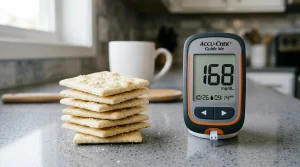
Managing diabetes can sometimes feel overwhelming, especially when it comes to meal preparation. Did you know that slow cookers can be a game-changer for busy individuals striving for healthier eating? With “Slow Cooker Recipes for Diabetics: 15 Set-and-Forget Meals,” you’ll discover convenient, delicious recipes that fit your dietary needs while saving you time in the kitchen. These meals not only promote better blood sugar control but also simplify your daily routine, allowing you to focus on what truly matters. Whether you’re looking to maintain balanced meals or explore new flavors, these recipes offer an empowering approach to managing your health without sacrificing taste. Dive into this collection and get ready to embrace the ease of mindful cooking while supporting your wellness journey!
Slow Cooker Benefits for Diabetics
Slow cookers offer a convenient solution for individuals managing diabetes, catering to their specific dietary needs while simplifying meal preparation. One of the most significant benefits is that slow cookers allow for the use of whole, unprocessed ingredients, which is key for maintaining stable blood sugar levels. Preparing meals slowly enhances flavor without the need for excessive sugars or unhealthy fats, making it easier to adhere to a diabetic-friendly diet.
The set-it-and-forget-it nature of slow cooking is perfect for busy lifestyles, providing delicious, nutritious meals with minimal effort. You can prepare ingredients in advance and let the slow cooker do the work, saving valuable time during hectic weekdays. Plus, this cooking method retains more nutrients in vegetables and proteins while minimizing the risk of burning or overcooking, ensuring that meals are both healthy and appetizing.
Moreover, slow cooking promotes portion control. By preparing a single recipe in a slow cooker, you can serve balanced meals that allow for appropriate meal size, helping to manage calorie intake and better regulate blood sugar levels. Utilizing portion control also reduces the likelihood of leftovers, which can often lead to tempting snacking or unhealthy eating choices.
Incorporating slow cooking into a diabetic meal plan not only supports dietary goals but also nourishes body and soul by creating warm, comforting foods the entire family can enjoy. Families can gather around hearty, homemade meals that cater to diabetic needs without feeling deprived or excluded from family dinners. This method empowers individuals and families to engage actively with their dietary choices while enjoying the process of cooking and the benefits of healthy eating.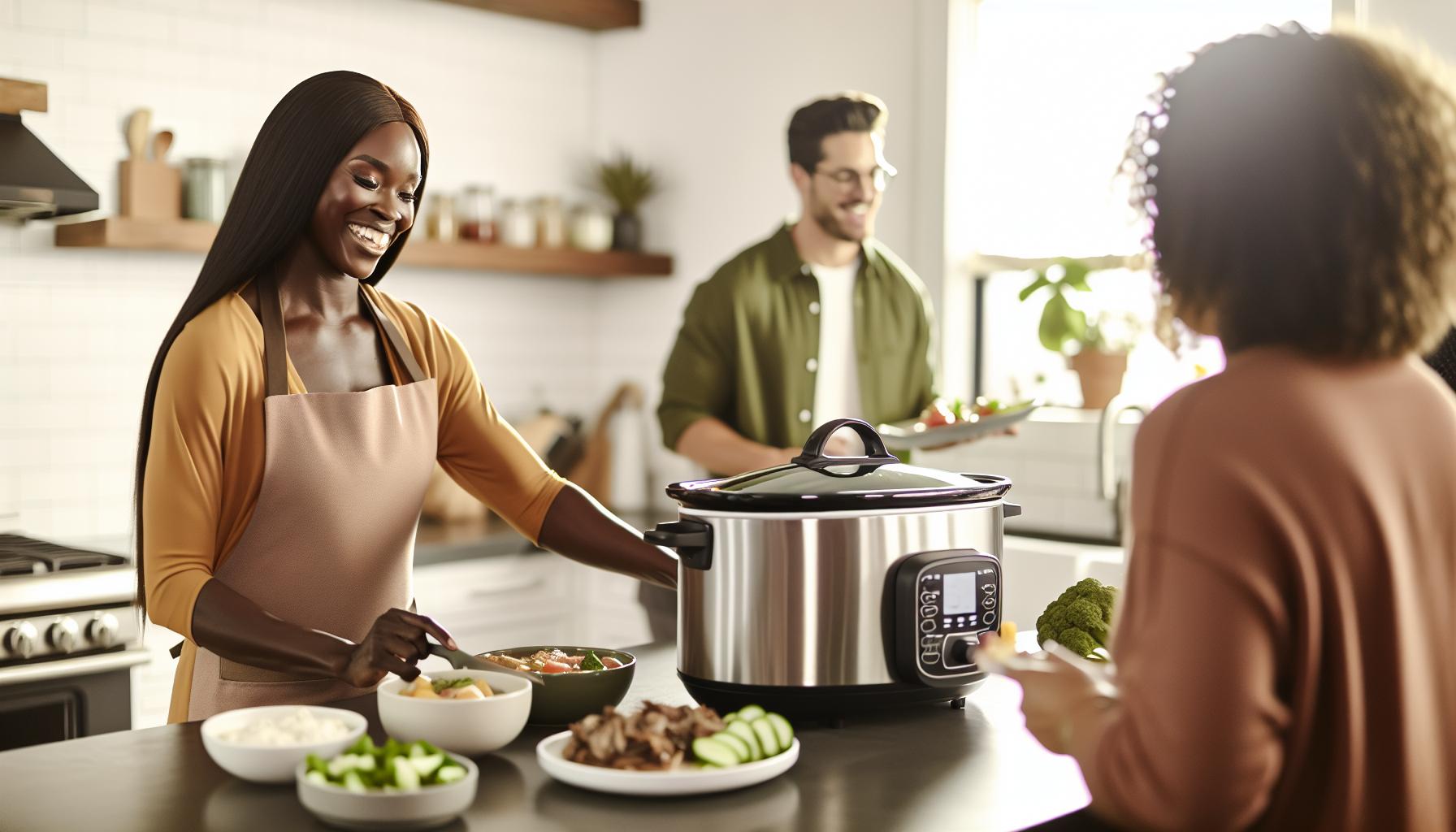
Key Ingredients for Healthy Slow Cooking
Using a slow cooker can be a game-changer for those managing diabetes, and selecting the right ingredients is crucial. The focus should be on whole, minimally processed foods that are naturally low in sugar and high in fiber. For instance, incorporating a vibrant array of non-starchy vegetables not only enhances the nutrient profile of your meals but also contributes to stable blood sugar levels. Vegetables such as spinach, broccoli, zucchini, and bell peppers add volume and color while providing essential vitamins and minerals without significant calories.
Another cornerstone of healthy slow cooking is lean proteins. Opt for skinless chicken, turkey, and fish, or plant-based sources like lentils, beans, and tofu. These protein sources help keep you feeling full and satisfied, which is essential in managing hunger and preventing overeating. Additionally, they have a low glycemic impact, meaning they won’t cause sudden spikes in blood sugar.
In terms of grains, consider whole grains like quinoa, barley, or brown rice. These options provide complex carbohydrates that digest slowly, offering a more gradual effect on blood sugar. Pairing proteins and whole grains with healthy fats-such as olive oil, nuts, or seeds-can enhance the absorption of vitamins and provide a balanced meal that helps maintain energy levels throughout the day.
Don’t forget about herbs and spices; they’re powerful allies in flavoring your dishes without added sugars or salt. Ingredients such as garlic, turmeric, cumin, and rosemary not only elevate taste but also bring health benefits that can support overall well-being. Experimenting with different combinations can keep your meals exciting while adhering to dietary needs.
By focusing on these key ingredients, you can craft satisfying, healthful meals in your slow cooker that align perfectly with diabetes management goals. Always consult with a healthcare provider or a registered dietitian to tailor meal choices to your individual health needs, ensuring a safe and effective approach to your dietary strategies.
15 Must-Try Slow Cooker Recipes for Diabetics
Using a slow cooker can transform mealtime into an effortless experience, especially for those managing diabetes. With minimal preparation, you can set your slow cooker in the morning and return home to a delightful, nutritious meal that supports your health goals. Here are 15 must-try slow cooker recipes that are not only simple but also designed to help maintain stable blood sugar levels.
1. Zucchini and Tomato Stew
A delightful mix of zucchini, tomatoes, garlic, and herbs, this stew packs a punch of flavor without the sugar. Serve it as a side or over whole grain quinoa for a complete meal.
2. Chicken and Vegetable Curry
Using lean chicken breast and an array of vibrant vegetables, this curry is flavored with anti-inflammatory spices like turmeric and cumin. Serve it with brown rice for a balanced dish.
3. Black Bean Soup
High in fiber and protein, black beans are a great base for a heartwarming soup. Simply add diced tomatoes, bell peppers, and spices, letting the slow cooker do the work.
4. Lentil and Spinach Stew
Lentils are a staple for those managing diabetes due to their low glycemic index. Paired with spinach and spices, this stew is both nutritious and filling.
5. Beef and Vegetable Stir Fry
Using lean cuts of beef, this stir fry incorporates a colorful medley of veggies. A splash of low-sodium soy sauce brings the flavors together without adding excessive salt.
6. Quinoa Stuffed Peppers
Bell peppers stuffed with quinoa, black beans, and spices make for a satisfying meal. Bake them in the slow cooker for a delicious presentation and easy clean-up.
7. Mediterranean Chickpea Stew
Chickpeas are a fantastic protein source, and when stewed with tomatoes, olives, and herbs, they create a heart-healthy and flavorful dish.
8. Turkey Chili
Lean ground turkey, kidney beans, and a blend of chili spices come together in this comforting chili. Make a big batch and freeze portions for later.
9. Ratatouille
This classic French dish features fresh vegetables like eggplant, zucchini, and bell peppers simmered with herbs for a nourishing side dish or main course.
10. Lemon Garlic Chicken
A twist on traditional slow-cooked chicken, this recipe uses zesty lemon and garlic to infuse flavor while keeping calories in check.
11. Sweet Potato and Black Bean Chili
Combining sweet potatoes and black beans provides fiber and healthy carbs. Season with chili powder and cumin for a spicy kick.
12. Cauliflower and Chickpea Curry
Packed with flavor, this vegetarian curry is a filling, low-carb option. Serve it over riced cauliflower for a grain-free alternative.
13. Herb-Roasted Pork Tenderloin
This lean cut of pork tenderloin is seasoned with fresh herbs and slow-cooked to juicy perfection. Pair it with non-starchy vegetables for a well-rounded meal.
14. Spaghetti Squash with Marinara Sauce
Replace traditional pasta with spaghetti squash for a low-carb meal. Top with homemade marinara sauce made from crushed tomatoes and herbs.
15. Mixed Bean Soup
Utilizing different beans brings a variety of textures and flavors to this hearty soup. Add your favorite herbs and spices for a personal touch.
By incorporating these recipes into your meal planning, you’ll enjoy a wide array of flavors while effectively managing your diabetes. Always remember to consult with a healthcare provider or dietitian when making significant changes to your dietary habits to ensure your choices align with your health needs. These meals empower you to take charge of your nutrition, encouraging a delicious and healthy lifestyle.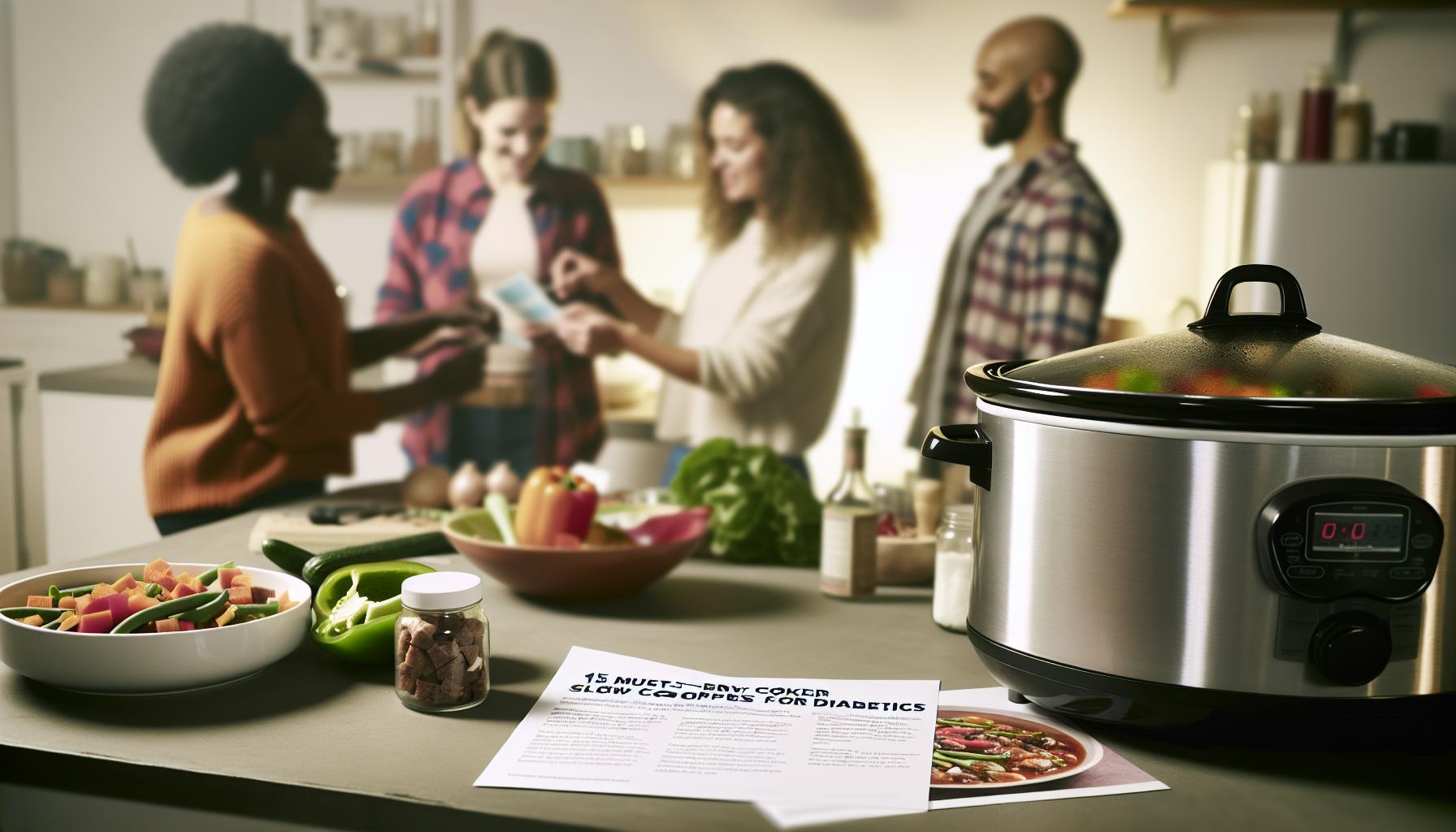
Meal Prep Tips for Busy Diabetics
Preparing nutritious meals can often feel overwhelming, especially when managing diabetes. However, with a little planning and the magic of a slow cooker, busy diabetics can create delicious, healthful meals with ease. To make the most out of your slow cooking experience, consider these practical meal prep tips that fit into your busy lifestyle while supporting your health needs.
Start your week by dedicating a couple of hours to meal prep. This can make all the difference in easing your daily cooking burdens. Chop vegetables, portion proteins, and gather spices ahead of time. For instance, you can dice bell peppers, onions, and garlic for a flavorful base that can be easily added to any recipe. Store these prepped ingredients in airtight containers in your refrigerator. This shortcut not only saves time during the week but also helps you stay on track with your meal planning.
Utilize the freezer strategically. Cook large batches of your favorite slow cooker recipes and freeze individual portions. This way, you can easily defrost a meal in the morning and have a wholesome dinner ready by evening. Label each portion with the date and content to keep track of your inventory. Dishes like turkey chili or black bean soup freeze well and maintain their flavor, making them perfect for future meals.
Another effective strategy is to leverage a “theme” approach for your meals. For example, dedicate a day to preparing vegetarian recipes and another day for lean meats. This not only streamlines your grocery shopping but also helps you gain familiarity with certain ingredients and techniques. Staying organized in this way reduces stress and increases efficiency, which is crucial for maintaining a balanced diet.
Finally, always have a well-stocked pantry of diabetic-friendly essentials on hand, such as whole grains, legumes, and low-sodium broths. These staples can make it easier to whip up a meal even on the busiest days. When you have the right ingredients readily available, you can focus on creating meals that support your health rather than feeling pressured to cook from scratch daily.
Embracing these tips can transform your cooking routine, allowing you to enjoy a variety of delicious slow cooker meals that cater to your dietary needs. Always remember, consulting with a healthcare provider or a registered dietitian is vital when making significant changes to your diet, ensuring you are making the best choices for your health.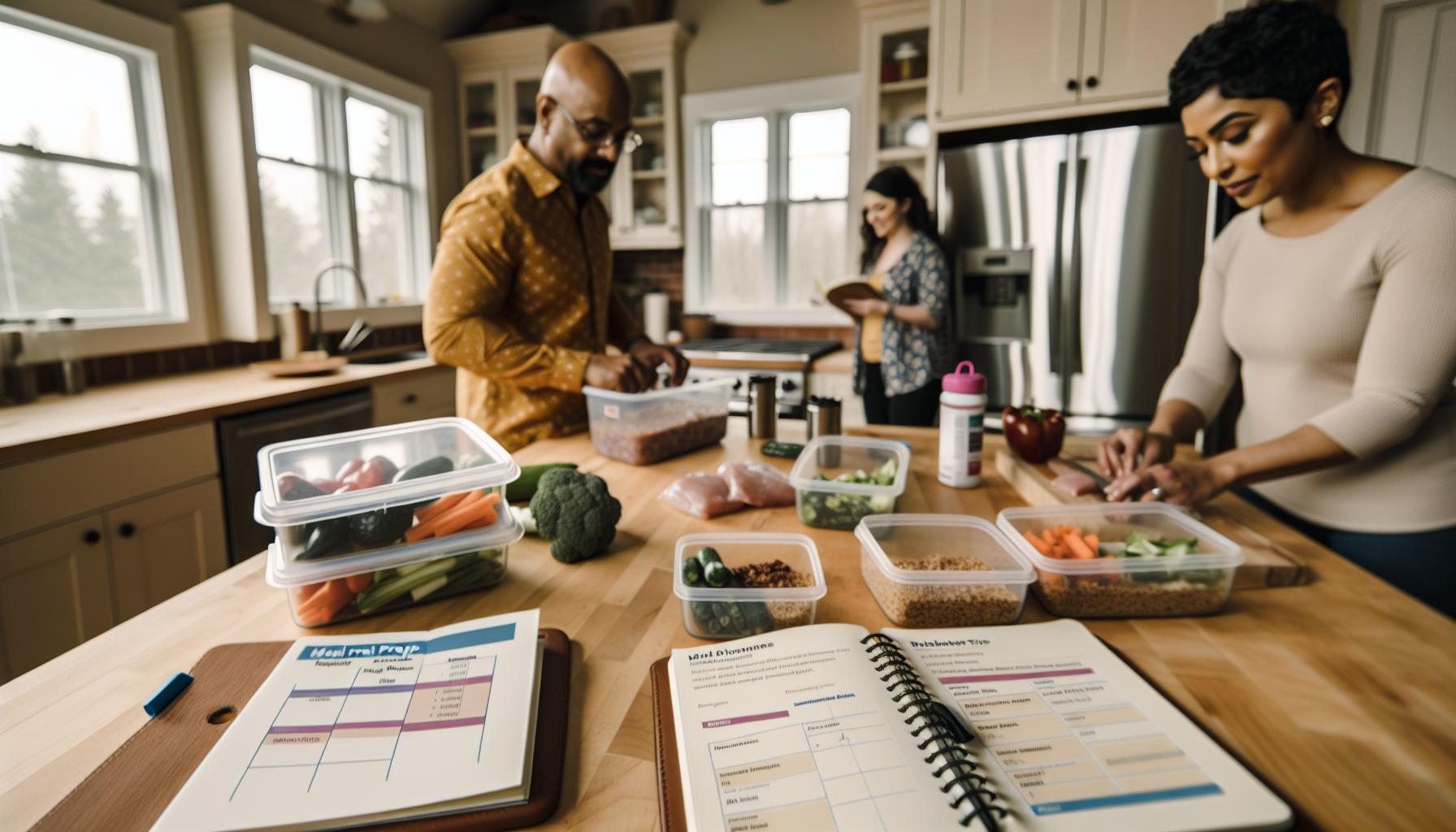
Nutritional Considerations for Diabetic Meals
Nutritional considerations are essential when preparing meals with a slow cooker, especially for those managing diabetes. One crucial aspect is understanding carbohydrate content, as these macronutrients directly impact blood glucose levels. Opt for high-fiber, low-glycemic index (GI) carbohydrates, such as beans, lentils, and whole grains, to maintain steady blood sugar levels. This ensures that meals are not only satisfying but also promote better glycemic control.
Protein is another vital component in diabetic meal planning. Lean sources, such as chicken, turkey, fish, and plant-based proteins like tofu and tempeh, provide the necessary building blocks for muscle repair and overall health without excessive saturated fat. Incorporating a variety of proteins into your slow cooker recipes can help you stay full longer, curbing unnecessary snacking and helping to maintain a healthy weight.
Moreover, the inclusion of healthy fats, such as olive oil, nuts, and avocados, can enhance both flavor and nutrition. These fats are essential for overall health and can contribute to improved heart health, an important consideration for individuals with diabetes. However, it’s important to use these fats in moderation, as they are calorie-dense.
When designing your slow cooker meals, prioritize the incorporation of colorful vegetables. Not only do they add essential vitamins and minerals, but they also boost fiber content, which further aids in managing blood sugar levels. Aim for a variety of colors on your plate, including leafy greens, bell peppers, carrots, and zucchini-each offering unique health benefits and flavor profiles.
Remember, while these nutritional considerations are beneficial, it is crucial to consult with a healthcare provider or a registered dietitian for personalized guidance. They can help tailor these recommendations to fit your specific health needs, ensuring that your slow cooker meals are both nutritious and enjoyable.
How to Control Portions with Slow Cooker Recipes
Controlling portion sizes is a fundamental strategy for effective diabetes management, particularly when using a slow cooker. With the convenience of set-and-forget meals, it can be tempting to indulge without considering the impact on blood sugar levels. Understanding how to measure and serve appropriate portions will not only help maintain stable glucose levels but also support weight management, which is crucial for overall health.
One effective method is to pre-portion meals before cooking. Utilizing single-serving containers can aid in managing portions right from the start. After cooking, divide the meal into smaller servings based on your dietary needs. This prevents the temptation to serve larger portions during meals. Additionally, familiarizing yourself with specific serving sizes for various food groups-such as a palm-sized portion of protein or a fist-size portion of carbohydrates-can provide a visual guide that simplifies this process.
Incorporating measuring tools can also enhance portion control. Using measuring cups and spoons while assembling ingredients can ensure precise servings. For those who prefer a less hands-on approach, the use of a digital kitchen scale can help weigh food portions accurately, providing a clear understanding of serving sizes. Regularly applying these practices can build healthy habits, making it easier to balance carbohydrate intake with your blood glucose management goals.
Lastly, consider applying the plate method as a visual guide. Divide your plate into sections: half should be filled with non-starchy vegetables, a quarter with lean protein, and a quarter with whole grains or starchy vegetables. This method helps ensure a balanced meal, making it easier to avoid overeating. Emphasizing portion control not only enhances your diabetes management but fosters a healthier relationship with food, ultimately leading to more satisfying and mindful eating experiences.
Glycemic Index Insights for Slow Cooker Dishes
Understanding the glycemic index (GI) is crucial for individuals managing diabetes, especially when utilizing a slow cooker for meal preparation. The GI measures how quickly a carbohydrate-containing food raises blood sugar levels; foods with a low GI are digested and absorbed more slowly, leading to gradual increases in blood glucose. This makes them a vital choice for maintaining stable blood sugar levels.
When preparing meals in a slow cooker, it’s important to select ingredients that are low on the glycemic index. For instance, selecting whole grains, legumes, and non-starchy vegetables can create nourishing dishes that are less likely to cause spikes in blood sugar. Incorporating lean proteins, such as chicken or turkey, also helps maintain a balanced meal without excessive carbohydrates, thereby contributing to overall diabetic management.
Low-GI Ingredients for Slow Cooking
Consider these low-GI options for your slow cooker meals:
- Whole grains: Brown rice, quinoa, and barley.
- Legumes: Lentils, beans, and chickpeas.
- Non-starchy vegetables: Spinach, broccoli, kale, and peppers.
- Healthy fats: Avocados and olive oil can enhance flavor without raising blood sugar.
Combining low-GI ingredients in your slow cooker not only supports glycemic control but also contributes to meal variety and satisfaction. For instance, a hearty lentil stew brimming with colorful vegetables not only keeps your blood sugar stable but is also comforting and easy to prepare.
In addition to selecting the right ingredients, be mindful of cooking methods. Slow cooking is generally gentle on food, preserving nutrients and beneficial fibers that further aid digestion and blood sugar management. However, you should be cautious with sauces or condiments that may contain sugar-opt for homemade alternatives using herbs, spices, and citrus to enhance flavor without compromising your health goals.
By focusing on the glycemic index when preparing slow cooker meals, you empower yourself with the knowledge to make informed food choices that align with effective diabetes management strategies. As always, consult with a healthcare professional to tailor dietary decisions to your personal health needs.
Flavor Boosting Techniques without Extra Sugars
Experimenting with flavor in your slow cooker is not only a delightful culinary adventure but also essential for making meals enjoyable while managing diabetes. Fortunately, there are numerous ways to enhance the taste of your dishes without resorting to extra sugars or unhealthy additives. Using fresh herbs, spices, and other natural ingredients can infuse your meals with vibrant flavors that satisfy your palate while keeping your blood sugar levels stable.
Start by incorporating a variety of herbs and spices, which can elevate the taste of your meals without additional calories or sugars. For example, rosemary and thyme can enhance roasted vegetables, while garlic and ginger add a punch to soups and stews. A pinch of cumin or coriander can bring warmth and depth to chili dishes, making your meals not only healthier but also more exciting. Experimenting with these flavor boosters allows you to customize your dishes while avoiding the pitfalls of processed flavor enhancers that often contain hidden sugars.
Another excellent method for enhancing flavor is to use acid from citrus fruits or vinegar. Adding a splash of lemon juice or a drizzle of balsamic vinegar right before serving can brighten the dish and highlight its natural flavors. Moreover, incorporating low-sodium broth instead of plain water when cooking grains or legumes allows the overall dish to be more flavorful without the need for sugar-laden sauces. Using natural sweeteners like cinnamon or nutmeg can impart sweetness without the carbs or calories associated with sugar, making them perfect companions for slow-cooked fruits or oatmeal.
Lastly, consider the role of textures in flavor perception. Adding toasted nuts or seeds as a topping can introduce a delightful crunch, enriching your meal experience. Additionally, layering different ingredients-starting with a base of sautéed onions and garlic before adding your main ingredients-enhances the overall flavor profile of your dish. Not only does this approach elevate the taste, but it also aligns with the goals of effective diabetes management, offering satisfying meals that foster a balanced lifestyle.
Incorporating these flavor-boosting techniques will help you create delicious and diabetic-friendly meals that your entire family will love, proving that healthy eating doesn’t have to be bland or boring. Always remember to check with healthcare professionals for dietary advice tailored to your specific needs.
Alternatives to Enhance Flavor in Diabetic Recipes
Using flavorful ingredients can transform diabetic recipes from mundane to magnificent, ensuring that healthy eating stays enjoyable. When it comes to preparing slow-cooked meals, there are numerous wonderful alternatives that can significantly enhance flavor without compromising your dietary needs. These options will empower you to create delicious dishes that cater to your health while pleasing your taste buds.
To begin with, herbs and spices can be a game changer in any slow cooker dish. Not only do they add depth and richness, but they often come with health benefits as well. Turning to spices like turmeric, known for its anti-inflammatory properties, or cayenne pepper, which can enhance metabolism, can elevate both flavor and nutritional value. Fresh herbs like basil or cilantro can be added at the end of cooking to brighten dishes and provide fresh notes without added calories.
Citrus zests and acids from vinegar or citrus juices can also brighten flavors significantly. A splash of lemon juice or a teaspoon of apple cider vinegar right before serving can lift the overall taste, making hearty stews or roasted vegetables feel vibrant and alive. Incorporating items like low-sodium vegetable broth instead of water not only enhances the flavor but also adds vitamins and minerals to your meals.
Moreover, texture can contribute greatly to the enjoyment of meals. Adding toasted nuts or seeds to the top of a creamy slow-cooked dish not only provides a satisfying crunch but also introduces healthy fats and proteins, which are beneficial for blood sugar control. Similarly, using whole grains or legumes with varied textures can create a more filling and enjoyable meal experience. Consider mixing in quinoa with your slow-cooked vegetables or serving lentils for a nutrient-rich base that provides fiber and protein.
Lastly, utilizing natural sweeteners such as stevia or monk fruit in moderation can satisfy your sweet cravings without impacting blood sugar levels. Incorporating spices like cinnamon into slow-cooked fruits or oatmeal provides warmth and a hint of sweetness that can make meals feel indulgent.
By experimenting with these alternatives, you can create a repertoire of diabetic-friendly recipes that don’t sacrifice flavor for health. Good food is a cornerstone of wellness, and with the right techniques and choices, managing diabetes can be a delicious endeavor. Always engage with healthcare professionals for personalized advice tailored to your specific dietary needs and health goals.
Slow Cooker Safety Tips and Best Practices
When it comes to utilizing a slow cooker, ensuring safety throughout the cooking process can enhance not just the quality of your meals but also your peace of mind. One common misconception is that slow cookers are entirely hands-off appliances; however, there are crucial safety measures to keep in mind. For instance, always ensure that the cooker is placed on a stable, heat-resistant surface away from flammable materials. This minimizes the risk of fire hazards while cooking.
To promote food safety, start by thoroughly cleaning all ingredients. Additionally, it’s important to avoid overfilling the slow cooker; filling it too high can lead to spills and uneven cooking. A good rule of thumb is to fill it no more than two-thirds full to allow heat to circulate. When preparing meals, particularly for diabetics, ensure that the cooking temperature is maintained at 140°F (60°C) or higher, as this will prevent bacterial growth while safely cooking your food.
Another critical aspect is the proper handling of leftovers. After cooking, food should be refrigerated within two hours to prevent bacterial risks. Be mindful that when reheating meals, the entire dish should reach a safe temperature of 165°F (74°C) before consumption. Monitoring cook time is equally important since different ingredients require varying cook times-especially when managing portion sizes for diabetes. Always use a food thermometer to check the internal temperature of meats and other dishes, ensuring they reach the recommended levels for safety and optimal nutrition.
Lastly, familiarize yourself with the specific instructions for your slow cooker model. Different brands may have unique features or settings that can affect cooking time and temperature. Regular maintenance, including checking the power cord and ensuring the lid fits properly, will also contribute to safety. By following these guidelines, you can enjoy the convenience of slow cooking while prioritizing health and safety in your diabetes management journey.
Family-Friendly Slow Cooker Meals for Diabetics
Creating meals that everyone in the family can enjoy while being mindful of diabetes management is entirely possible with the help of a slow cooker. These versatile appliances allow you to prepare wholesome and flavorful dishes that cater to the dietary needs of diabetics without sacrificing taste or convenience. Imagine coming home after a busy day to the delightful aroma of a hearty meal that everyone can enjoy, all while being loaded with nutrients and beneficial ingredients.
Family-friendly slow cooker meals often emphasize lean proteins and a rainbow of vegetables, making them ideal for maintaining a balanced diet. Dishes like chicken and vegetable stew or beef and broccoli stir-fry can easily be prepared in the morning, allowing you to set it and forget it until dinner. Not only do these meals save time, but they also help regulate blood sugar levels. Here are a few more meal ideas that are both delicious and suitable for the whole family:
- Turkey Chili: Packed with beans for fiber, tomatoes for antioxidants, and lean ground turkey, this meal is fulfilling and can be adjusted to suit everyone’s spice preferences.
- Vegetarian Lentil Curry: A great way to incorporate plant-based protein; serve it over cauliflower rice for a lower-carb option that’s still satisfying.
- Herb-Crusted Salmon with Asparagus: Salmon is rich in omega-3 fatty acids, and pairing it with asparagus makes for a nutrient-dense dinner.
When cooking for a family, it’s also essential to consider the glycemic index (GI) of the ingredients you choose. Selecting whole grains, legumes, and non-starchy vegetables can aid in maintaining stable blood sugar levels. To further decrease the potential sugar content in meals, consider using fresh herbs and spices, which not only add flavor but also provide health benefits without unnecessary calories or carbs.
It’s advisable to involve the whole family in the meal preparation process. This can be an excellent opportunity to educate children about healthy eating and the significance of managing diabetes. Cooking together can also foster a sense of community and connection, allowing everyone to share their preferences and experiences. Ultimately, slow cooking can become an enjoyable family tradition that promotes healthier eating habits and helps manage diabetes effectively.
Shopping List Essentials for Diabetic Cooking
When it comes to cooking delicious and nutritious meals that are diabetes-friendly, a well-thought-out shopping list can make all the difference. Selecting the right ingredients not only simplifies meal prep but also ensures that you manage blood sugar levels effectively while enjoying every bite. Stocking up on essential components will empower you to create a diverse array of meals in your slow cooker-meals that are wholesome, satisfying, and family-approved.
Start by focusing on lean proteins, which are crucial for helping to maintain muscle mass and overall health. Consider options like chicken breast, turkey, fish (especially fatty types like salmon for their omega-3s), and plant-based proteins such as beans and lentils. These choices can form the foundation for hearty stews, soups, and casseroles.
Next, fill your cart with a variety of non-starchy vegetables. Think vibrant colors and textures; aim for greens like spinach, kale, and broccoli, but don’t shy away from adding bell peppers, zucchini, and carrots. These ingredients not only add flavor and volume to meals but also are low in carbohydrates, helping to stabilize blood sugar levels.
Grains can be tricky, but opting for whole grains is a smart move. Quinoa, brown rice, and farro can elevate your meals while providing fiber that aids digestion. Always choose whole grain varieties over refined grains, which can spike blood sugar levels.
Don’t forget about herbs and spices! Fresh herbs like cilantro, parsley, and basil, along with spices such as cumin and turmeric, can significantly enhance the flavor of your dishes without adding sugar or calories. They can make even simple recipes feel special and satisfying.
Lastly, prepare a list of healthy fats to include in your meals. Use olive oil or avocado oil for cooking and dressings, and consider incorporating nuts and seeds for added crunch in salads or as toppings for soups.
With this empowering shopping list, you can create easy, healthy, and delightful slow cooker recipes. Remember to consult with your healthcare provider or a dietitian for personalized advice tailored to your specific needs. Embracing these shopping essentials will help streamline your cooking process, allowing you to focus on what truly matters: nourishing yourself and your loved ones while managing diabetes effectively.
Q&A
Q: What are some easy slow cooker recipes for diabetics?
A: Some easy slow cooker recipes include vegetable soup, chili made with lean ground turkey, and chicken curry using coconut milk. These meals are healthy, delicious, and can be prepared with minimal effort, aligning well with dietary needs for diabetes management. For more detailed recipes, check out the section on “15 Must-Try Slow Cooker Recipes for Diabetics.”
Q: How can I modify slow cooker recipes for diabetes?
A: Modify slow cooker recipes by reducing sugar, using whole grains instead of refined carbs, and incorporating plenty of non-starchy vegetables. Opt for low-sodium broths and incorporate lean proteins to better manage blood glucose levels. Gain more insights in the “Nutritional Considerations for Diabetic Meals” section.
Q: How long can I leave a slow cooker on?
A: Generally, a slow cooker can be left on for 6 to 8 hours on low heat or about 3 to 4 hours on high. Always refer to your specific slow cooker’s guidelines for best practices and safety tips provided in the “Slow Cooker Safety Tips and Best Practices” section.
Q: What are some healthy side dishes to serve with slow cooker meals?
A: Healthy side dishes include steamed broccoli, mixed green salads, and quinoa. These pair well with slow cooker meals and help maintain balanced blood sugar levels. For more meal prep tips, see the “Meal Prep Tips for Busy Diabetics” section.
Q: Can I prepare slow cooker meals in advance?
A: Yes, preparing slow cooker meals in advance is easy and convenient. You can chop ingredients a day before and store them in the refrigerator. Assemble everything in the slow cooker in the morning for a hassle-free dinner. Learn more about meal prep efficiency in the article.
Q: What should I consider when selecting ingredients for diabetic slow cooker recipes?
A: Consider opting for low glycemic index ingredients, healthy fats, and fiber-rich foods. Avoid processed ingredients and added sugars to ensure nutritious meals. For more guidance, refer to the “Key Ingredients for Healthy Slow Cooking” section.
Q: How can I enhance the flavors of diabetic-friendly slow cooker meals?
A: Enhance flavors by using herbs and spices like garlic, cumin, and basil instead of salt or sugar. Freezing fresh herbs or using lemon juice can provide a fresh twist. More ideas can be found in the “Flavor Boosting Techniques without Extra Sugars” section.
Q: What safety tips should I follow while using a slow cooker?
A: Always follow the manufacturer’s instructions, avoid overfilling, and ensure the lid is secured during cooking. Monitor cooking times and check that food reaches safe temperatures. Find comprehensive safety tips in the “Slow Cooker Safety Tips and Best Practices” section.
Wrapping Up
Thank you for exploring “Slow Cooker Recipes for Diabetics: 15 Set-and-Forget Meals.” By embracing these delicious, easy-to-make recipes, you’re taking a significant step towards managing your diabetes while enjoying flavorful meals. Don’t let meal prep stress you out-start your journey today with our collection designed to simplify your cooking and support your health goals.
Ready to dive deeper? Check out our articles on “Healthy Snacks for Diabetics” and “Understanding Portion Control” to enhance your knowledge and further improve your daily management. Remember to sign up for our newsletter for regular tips and recipes tailored specifically for your lifestyle.
Your experience matters, so we’d love to hear your feedback! Share your thoughts in the comments and connect with our community. Together, we can empower one another to make informed choices that support our health and well-being. Keep cooking, keep thriving!
Get our latest guides, news, and insights highlighted in your Google Search & AI Overviews.