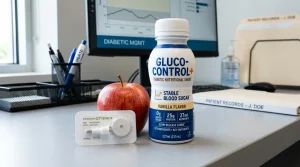
Did you know that proper hydration plays a crucial role in diabetes management? For many, balancing hydration with glucose control can be challenging. Gatorade, a popular sports drink, often raises questions among diabetics-Is it a healthy choice for rehydration? This article dives deep into the hydration facts surrounding Gatorade, exploring whether it can safely fit into the diet of someone managing diabetes. Understanding your hydration needs is essential, especially when it comes to choosing beverages that won’t compromise your health goals. Join us as we uncover the benefits and potential drawbacks of Gatorade, so you can make informed decisions that support your daily management of diabetes. Your health deserves the right fuel-let’s find out if Gatorade can be part of it!
Should Diabetics Drink Gatorade? Understanding Hydration Needs
Consuming the right fluids is crucial for everyone, but for those managing diabetes, hydration plays an even more significant role in maintaining overall health and blood sugar levels. When considering drinks like Gatorade, it’s important to understand the body’s hydration needs and how specific ingredients can impact those with diabetes. Gatorade, marketed as a sports drink, contains electrolytes such as sodium and potassium that are beneficial during intense physical activity, helping to replenish what is lost through sweat. However, its sugar content can be a concern for diabetics who need to maintain carefully balanced blood sugar levels.
For individuals with diabetes, hydration needs may vary based on medication, physical activity levels, and overall health. Water is often the best choice for hydration due to its lack of calories and sugar. However, in situations where energy resources are quick to deplete, such as during extended exercise or recovery from illness, beverages like Gatorade could be reconsidered under careful conditions. The key is to monitor blood sugar levels before and after consuming such drinks to assess their impact on individual health.
Ultimately, while Gatorade can provide hydration and quick energy replenishment during physical exertion, diabetics should approach it cautiously. Always consult healthcare professionals to determine when a sports drink may be appropriate, and explore other hydration options that might be lower in sugar or even sugar-free alternatives that still deliver electrolytes without significantly impacting blood glucose levels. Staying informed and adapting hydration strategies can empower diabetics to lead active and healthy lives, knowing that they are making choices that support their health and well-being.
The Role of Electrolytes in Diabetes Management
Maintaining a balance of electrolytes is crucial for everyone, but it takes on special significance for those managing diabetes. Electrolytes, such as sodium, potassium, calcium, and magnesium, are vital for numerous bodily functions, including regulating nerve impulses, muscle contractions, hydration, and maintaining acid-base balance. For individuals with diabetes, proper electrolyte balance helps in blood glucose control, especially during times of physical exertion or illness when the body faces increased stress.
When engaging in physical activities, diabetics may lose electrolytes through sweat, which can lead to dehydration and an imbalance in blood sugar levels if not addressed. For instance, during intense exercise or hot weather, the consumption of beverages that replenish electrolytes-like Gatorade-can be beneficial. However, it’s essential to carefully monitor the accompanying sugar content, as excessive sugar can lead to spikes in blood glucose levels. Instead of relying solely on sugary sports drinks, consider alternatives such as low-sugar electrolyte solutions or even making homemade electrolyte drinks with water, a pinch of salt, and a splash of citrus for flavor.
It’s also important for diabetics to adjust their electrolyte intake based on individual health conditions and physical activity levels. Regularly consulting with healthcare professionals can help determine the right balance. For example, if you regularly participate in high-intensity workouts or have specific health conditions like kidney issues, your electrolyte needs may differ significantly. Keeping a hydration log that tracks water and electrolyte consumption, alongside blood sugar levels, can aid in recognizing patterns and making necessary adjustments, empowering individuals in their journey to manage diabetes effectively.
In conclusion, understanding the role of electrolytes in hydration not only supports physical performance but also significantly impacts diabetes management. With proper guidance and knowledge, diabetics can make informed choices regarding hydration, utilizing electrolytes in a way that complements their health and lifestyle. Always be proactive in discussing your hydration strategy with healthcare providers to navigate these daily challenges confidently.
Gatorade vs. Water: Which is Better for Diabetics?
When it comes to hydration choices, both Gatorade and water serve important roles, yet their impact can vary significantly for those managing diabetes. While Gatorade provides a convenient source of electrolytes and carbohydrates, it is crucial for diabetics to make informed decisions based on their individual health needs and circumstances. With the right knowledge, diabetics can navigate their hydration strategies effectively while managing their blood sugar levels.
Water is the fundamental necessity for hydration, offering a zero-calorie option without any impact on blood glucose levels. It efficiently rehydrates the body during everyday activities and is essential for overall health. For people with diabetes, staying hydrated with water can help maintain optimal kidney function and support metabolic processes. It is particularly vital when managing blood sugar, as dehydration can lead to increased glucose levels, complicating control efforts.
On the other hand, Gatorade can be useful for athletes and individuals engaged in intense physical activity, particularly when electrolyte replenishment is necessary. However, most Gatorade varieties contain added sugars, which can lead to spikes in blood sugar levels if consumed without caution. This makes it essential for diabetics to choose lower-sugar options or use Gatorade strategically during high-exertion activities. Monitoring blood glucose before and after consumption can help diabetics gauge the impact of Gatorade on their levels and adjust accordingly.
In conclusion, the choice between Gatorade and water will depend on the context of use-daily hydration or during exercise. It’s always advantageous to consult with healthcare professionals to tailor hydration strategies that align with individual health goals. By being proactive and informed, individuals with diabetes can enhance their hydration practices while effectively managing their condition.
The Impact of Sugar on Blood Sugar Levels
When it comes to managing diabetes, understanding is crucial. Consuming sugary beverages like Gatorade can quickly raise blood glucose levels, which is why diabetics need to be particularly cautious. Gatorade, a popular sports drink, often contains high levels of carbohydrates, primarily in the form of sugar, designed to replenish energy during physical exertion. For someone managing diabetes, the sudden spike in blood sugar that can occur after drinking was not considered could potentially lead to complications, especially if not balanced out with appropriate insulin or diabetes medications.
Moreover, the glycemic index (GI) of a food or drink is a key factor that diabetics must consider. The higher the GI, the more rapidly glucose will enter the bloodstream. Gatorade’s sugar content can lead to a high glycemic response, making it important for individuals to monitor their glucose levels before and after consumption. For active individuals, particularly those engaging in prolonged or intense exercise, Gatorade may offer temporary relief from fatigue due to its sugar content, but it does not come without risks. A thoughtful approach is essential: planning consumption timing and pairing it with other low-GI foods might help mitigate blood sugar spikes.
To empower effective management, here are some actionable tips:
- Monitor Blood Glucose: Regularly check your levels before and after consuming sugary drinks, including Gatorade, to understand how your body responds.
- Choose Lower-Sugar Options: Consider opting for sugar-free or lower-sugar sports drinks to help maintain better control over blood glucose levels while still benefiting from electrolytes during physical activity.
- Hydrate with Water: Prioritize water as your primary hydration source, reserving sports drinks for times of elevated exertion or when you’re needing electrolyte replenishment after workouts.
- Consult Healthcare Professionals: Always involve your healthcare team in your hydration choices-especially when considering high-sugar beverages-as they can provide tailored advice based on your individual health profile.
In conclusion, staying informed and aware of how sugar impacts blood sugar levels can empower individuals with diabetes to make safer hydration choices, mitigating risks while enjoying physical activities. Adjusting hydration strategies in a way that aligns with personal health needs and lifestyle will greatly enhance overall diabetes management.
Identifying Alternative Hydration Solutions for Diabetics
Staying hydrated is essential for everyone, but for those living with diabetes, choosing the right beverages is crucial to managing blood sugar levels effectively. While Gatorade and similar sugary sports drinks are often marketed for rehydration and electrolyte replenishment, they may pose significant risks due to their high carbohydrate content. Fortunately, there are numerous alternative hydration solutions that can support diabetic needs without compromising blood sugar control.
Water should always be the go-to choice for hydration. It is calorie-free and won’t impact glucose levels, making it ideal for daily consumption. For those seeking a bit more flavor without the added sugar, consider infusing water with slices of fresh fruits like cucumbers, lemons, or berries. This not only enhances the taste but also adds a variety of vitamins and antioxidants without the risk of spiking blood sugar.
Another excellent alternative is electrolyte-enhanced water or sugar-free electrolyte drinks. These beverages are specifically designed to replenish electrolytes without the excessive sugar found in Gatorade. Brands that offer low-calorie or no-sugar electrolyte powders can be mixed with water, allowing for customization of taste and electrolyte content while remaining mindful of glucose levels. Additionally, coconut water in moderation can serve as a natural hydration option, rich in potassium, though it’s important to check the label for sugar content since it varies by brand.
For those who enjoy a fizzy experience, unsweetened sparkling water can satisfy cravings for carbonation without adding sugars. It can be combined with a splash of lemon or lime juice for a refreshing twist. Herbal teas, whether served hot or cold, are another healthy option that provides hydration while offering various health benefits, such as antioxidants and anti-inflammatory properties.
In summary, while Gatorade might seem like a convenient option for hydration during physical activity, there are safer and more effective alternatives for those managing diabetes. By prioritizing water and exploring low-sugar or no-sugar alternatives, individuals can stay hydrated without compromising their health. Always consult healthcare professionals when making changes to dietary plans, ensuring that these choices align with personal health needs and treatment goals.
How to Read Nutrition Labels for Diabetic Safety
Understanding nutrition labels is a fundamental skill for anyone managing diabetes, especially when it comes to selecting beverages like Gatorade. Many diabetic-friendly options can appear misleading, particularly with drinks that boast appealing flavors and marketing, but may not align with your health goals. By learning to navigate these labels, you can make more informed choices that help maintain balanced blood sugar levels while ensuring adequate hydration.
When examining a nutrition label, start by looking at the total carbohydrates per serving. Since carbohydrates directly impact blood sugar levels, it’s critical to be mindful of sugar content. Gatorade, for example, contains a high amount of sugars which can spike your glucose levels. When assessing drinks, aim for options with <5 grams of sugar per serving, as these are generally more suitable for diabetic management.Next, check the serving size listed on the label. It can be tempting to consume more than the suggested serving, which can inadvertently increase your carbohydrate intake. Always measure out portions if you decide to indulge in flavored drinks or opt for alternatives. Additionally, pay attention to the ingredient list. Ingredients are listed in order of quantity, which means that if sugars (or sweeteners) are at the top, this indicates a higher sugar content. You should look for beverages that feature whole ingredients and avoid those with artificial sweeteners or preservatives, which might have unintended side effects on your health.
Finally, consider any additional nutrients that might be beneficial in a particular drink. Look for options enriched with electrolytes while ensuring the sugars remain minimal. Products that offer potassium, magnesium, or calcium without added sugars can support hydration and electrolyte balance without compromising your diabetes management.
By mastering the skill of reading nutrition labels, diabetics can make better choices that align with their health goals. Remember, it’s vital to consult healthcare professionals before making significant changes to your diet or beverage intake. They can provide personalized advice tailored to your health needs, ensuring you stay on the right track while enjoying a variety of flavors in your hydration routine.
When and How Much Should Diabetics Hydrate?
Hydration is a critical aspect of diabetes management that goes beyond just quenching thirst. It’s essential for maintaining overall health, regulating body temperature, and supporting vital functions – particularly when your body is managing blood sugar levels. Diabetics often face increased risks of dehydration due to high blood sugar levels, which can lead to excessive urination. Understanding how and when to hydrate effectively can make a significant difference in daily management.
The amount of fluid a diabetic should consume can vary based on individual needs, activity levels, and environmental conditions. As a general guideline, aiming for about 8-10 cups (64-80 ounces) of water per day can help meet hydration needs. However, during physical activity or hot weather, this intake should be increased. It’s vital to pay attention to your body’s signals; if you’re feeling thirsty, fatigued, or experiencing dark-colored urine, you may need to hydrate more.
When it comes to timing, sipping water consistently throughout the day is more effective than consuming large amounts at once. For those who exercise, it’s advisable to hydrate before starting, drink during activity at regular intervals, and replenish fluids afterward. This strategy helps maintain electrolyte levels and supports an active lifestyle without risking blood sugar spikes from sugary sports drinks like Gatorade.
Moreover, incorporating foods with high water content-such as cucumbers, watermelon, and oranges-can also contribute to hydration. If you choose to consume sports drinks, it’s crucial to do so mindfully. Opt for lower-sugar versions and combine them with regular water intake to avoid excess carbohydrate consumption.
Staying informed about your hydration strategies is paramount. Working with healthcare professionals can help you develop a personalized hydration plan tailored to your lifestyle, blood sugar control, and daily activities. Creating a routine that includes regular fluid intake while being mindful of what you drink can empower you to manage diabetes more effectively, keeping you healthy and hydrated.
Exploring Sports Drinks: Pros and Cons for Diabetics
Sometimes, the challenge of staying hydrated goes beyond just drinking water, especially for those managing diabetes. Sports drinks like Gatorade can be tempting, particularly during exercise or hot weather, as they promise quick refreshment and replenishment of lost electrolytes. However, the suitability of these beverages for diabetics often raises questions and concerns. Understanding the benefits and drawbacks of sports drinks is essential for making informed choices that align with effective diabetes management.
On the positive side, sports drinks can provide rapid hydration and essential electrolytes such as sodium and potassium, which may be lost during intense physical activity. For individuals engaging in prolonged exercise or participating in sports, these drinks can help prevent dehydration and muscle cramps. However, it’s crucial to scrutinize the sugar content. Many commercial sports drinks contain significant amounts of sugar, which can lead to spikes in blood glucose levels. For diabetics, the key takeaway is to search for lower-sugar or sugar-free alternatives when selecting a sports drink.
Navigating this landscape involves personalizing hydration strategies based on individual activity levels and blood sugar management. For example, one approach is to combine the use of sports drinks with water, ensuring that hydration remains a priority while minimizing sugar intake. It can also be beneficial to test blood sugar levels before and after consuming these drinks. Monitoring will help understand how different beverages affect personal glycemic control.
Ultimately, exploring sports drinks requires balancing immediate hydration needs with long-term health considerations. Engaging with healthcare professionals can provide additional insights tailored to individual circumstances, ensuring that hydration choices support overall diabetes management effectively. By making informed decisions, diabetics can stay active and hydrated without compromising their health.
Managing Hydration During Physical Activity
Staying properly hydrated during physical activity is vital, particularly for individuals managing diabetes. Engaging in exercise not only helps maintain a healthy weight but also plays a key role in controlling blood sugar levels. Interestingly, research indicates that even mild dehydration can impair physical performance and exacerbate blood sugar imbalances. Therefore, understanding how to manage hydration effectively can serve as a significant ally in your diabetes management plan.
When selecting beverages during exercise, it’s essential to match hydration strategies with the duration and intensity of your activity. For shorter, less intense workouts, water may suffice. However, during prolonged physical activity-especially in hot conditions-sports drinks like Gatorade can provide necessary electrolytes that help maintain performance and prevent cramping. It’s crucial for diabetics to choose low-sugar or sugar-free alternatives to avoid spikes in blood glucose levels. Experimenting with alternatives allows individuals to find what works best for them without compromising blood sugar control.
Testing blood sugar levels before and after exercising is an effective way to gauge how different hydration options affect individual glycemic response. Some might find that using a mix of water with a sports drink works best to balance hydration and maintain stable glucose levels. Additionally, integrating electrolyte-rich snacks before and after exercise can reinforce hydration needs. Foods such as bananas or a small serving of nuts can complement fluid intake and provide the needed nutrients without elevating blood sugar excessively.
Lastly, it’s wise to consult with healthcare professionals who are familiar with your unique diabetes situation. They can provide personalized recommendations that cater to your level of activity and nutritional needs, ultimately helping you create an effective hydration strategy. By empowering yourself with knowledge and practical tools, you can navigate the complexities of hydration and exercise, making informed decisions to support your health while enjoying physical activity.
Personalizing Your Hydration Strategy for Diabetes
Maintaining adequate hydration is crucial for everyone, but for those managing diabetes, personalizing hydration strategies becomes even more vital. With varying levels of physical activity and individual responses to foods and drinks, what works for one person may not suit another. Staying mindful of how hydration choices affect blood glucose levels allows for better management and overall well-being.
When considering beverages like Gatorade during physical activity, it is essential to evaluate the sugar content. Many traditional sports drinks contain high levels of sugars that can lead to spikes in blood glucose. Opting for low-sugar or sugar-free alternatives can help regulate blood sugar while still replenishing electrolytes lost during sweating. Monitoring blood glucose before, during, and after exercise can provide insights into how different drinks impact individual levels, enabling adjustments to be made based on personal experiences.
Another effective strategy is to combine water with a small portion of sports drink. This hybrid approach ensures hydration while also supplying necessary electrolytes without excessive sugar intake. Pairing hydration with nutrient-rich snacks-such as a handful of nuts or a piece of fruit-can further support hydration needs and maintain energy levels. Incorporating these practices fosters a more comprehensive and individualized hydration plan.
Moreover, it’s essential to understand that hydration needs can vary based on several factors, including temperature, altitude, and the intensity of physical activity. Therefore, staying attuned to one’s body signals and adjusting fluid intake accordingly can help prevent dehydration. Consulting healthcare professionals who understand your diabetes management can be incredibly beneficial. They can assist in tailoring your hydration strategies to fit your lifestyle while considering your overall health goals. As you experiment with different hydration options, remember that effective management is about finding what makes you feel your best and supports your health objectives.
Consulting Healthcare Professionals About Hydration Choices
Understanding your hydration needs is essential for managing diabetes effectively. For many, the complexity of hydration choices can be overwhelming, particularly when considering options like sports drinks, which often come loaded with sugar. Consulting healthcare professionals plays a crucial role in navigating these decisions. Experts such as endocrinologists, dietitians, and diabetes educators can provide tailored advice, ensuring that individuals not only stay hydrated but also manage their blood glucose levels effectively.
When discussing hydration choices with your healthcare team, consider bringing specific examples of drinks you frequently consume, such as Gatorade. This can lead to a thorough evaluation of their nutritional content, including sugar and electrolyte levels. These professionals are equipped to educate you on how these beverages can impact your blood sugar, especially during and after physical activity. They can help you understand the implications of consuming high-sugar beverages while also providing alternatives that will sustain your energy levels without compromising your health.
Another vital aspect of these consultations is creating a personalized hydration strategy. Factors such as your level of physical activity, climate, and individual metabolic responses all influence how much and what you should drink. Professionals can help you develop a plan that aligns your hydration choices with your lifestyle and health goals. For instance, they might suggest specific hydration techniques for workouts, like alternating between water and low-sugar electrolyte drinks, or incorporating a balanced snack to stabilize your blood sugar.
Lastly, establishing an ongoing dialogue with your healthcare team can empower you. Regular check-ins will allow you to reassess your hydration strategy, particularly as your exercise habits or health needs evolve. They can also offer resources for tracking your hydration levels and their effects on your blood glucose, helping you make informed decisions. By engaging with qualified professionals, you not only enhance your understanding of diabetic nutrition but also take an active role in your health management journey. This cooperative approach is essential for successful diabetes management, fostering a sense of confidence and control in everyday decisions.
Tips for Staying Hydrated Without Excess Sugar
Staying hydrated is crucial for everyone, but for those managing diabetes, the stakes are particularly high. The challenge lies in finding hydration options that do not compromise blood sugar levels. Many pre-packaged drinks, including popular sports beverages, contain high amounts of sugar that can cause spikes in glucose levels. However, with a few mindful choices, you can keep your hydration in check without the excess sugar.
To stay hydrated without adding unnecessary sugar, consider incorporating alternatives like infused water. Infusing water with slices of citrus fruits, berries, or herbs such as mint can provide flavor without calories or sugar. This simple practice not only enhances the taste of water but also encourages more frequent consumption, which is essential for maintaining hydration. Additionally, there are various low-sugar or sugar-free electrolyte options available in stores that can be a practical substitute for drinks like Gatorade. Always look for brands that use natural sweeteners or check for those with zero sugar.
Another effective strategy is to establish a hydration routine based on your physical activities. For those exercising regularly, it can be beneficial to drink water before, during, and after workouts. Setting reminders on your phone can help in developing this habit. For longer exercise sessions or in hot weather, consider sipping on a homemade electrolyte drink made from water, a pinch of salt, and a splash of lemon juice. This is not only hydrating but also helps maintain electrolyte balance without the added sugar.
Lastly, always read nutrition labels to make informed choices. Look for drinks that clearly indicate low or no sugar content, and try to choose products with fewer than five grams of sugar per serving. Understanding how to navigate these labels can empower you to make healthier hydration choices that align with your diabetes management plan. Remember, your healthcare team can provide guidance tailored to your individual needs, helping you ensure that your hydration strategy supports your overall health goals.
Frequently Asked Questions
Q: Can diabetics drink Gatorade safely?
A: Diabetics can drink Gatorade, but it’s essential to consider its sugar content, which can affect blood sugar levels. Opting for low-sugar or electrolyte-focused alternatives is often a better choice. Always consult with a healthcare professional for personalized advice regarding hydration and beverage options.
Q: What are the sugar content differences in Gatorade varieties?
A: Different Gatorade varieties have varying sugar levels, with traditional Gatorade being higher in sugar compared to Gatorade Zero or G2. Diabetics should review nutrition labels carefully and choose options that align with their carbohydrate goals to maintain stable blood sugar levels.
Q: How often should diabetics hydrate during exercise?
A: Diabetics should hydrate regularly while exercising, aiming to drink water or an electrolyte beverage every 15-20 minutes, especially during intense activities. Monitoring blood sugar before and after exercise can also help ensure hydration strategies are effective without causing spikes.
Q: What symptoms indicate dehydration in diabetics?
A: Common symptoms of dehydration in diabetics include increased thirst, dry mouth, fatigue, and dark-colored urine. Promptly addressing dehydration can help maintain blood sugar control and prevent complications related to diabetes management.
Q: Can sports drinks affect blood sugar levels in diabetics?
A: Yes, sports drinks like Gatorade can raise blood sugar levels due to their sugar content. It’s vital for diabetics to monitor their blood glucose levels closely after consuming such drinks and to consider alternatives that provide hydration without excessive sugar.
Q: Are there better hydration alternatives for diabetics than Gatorade?
A: Yes, alternatives such as coconut water, diluted electrolyte solutions, or plain water can be better choices for hydration. These options typically contain lower sugar levels while still replenishing necessary electrolytes, making them more suitable for diabetic hydration needs.
Q: What’s the best way to manage hydration while minimizing sugar intake?
A: To manage hydration effectively while keeping sugar intake low, diabetics should focus on water-based beverages, use sugar-free electrolyte tablets, or infuse water with fruit for flavor. Regular hydration can help control blood sugar levels and support overall health.
Q: How can reading nutrition labels help diabetics choose better drinks?
A: Reading nutrition labels helps diabetics identify the total carbohydrate content, including sugars, and the types of ingredients in beverages. This knowledge enables informed choices, ensuring they select options that support their diabetes management goals.
The Way Forward
As you navigate your hydration options, remember that understanding what to drink is crucial for effective diabetes management. The insights shared in “Should Diabetics Drink Gatorade? Hydration Facts Revealed” are designed to empower you in making informed choices. Whether it’s understanding electrolyte balance or the impact of sugary drinks, your health is a priority that deserves careful consideration.
For more guidance, explore our articles on healthy food choices for diabetics and practical tips for daily diabetes management. Don’t forget to subscribe to our newsletter for the latest updates and resources tailored to help you thrive with diabetes. If you have questions or concerns about your dietary choices, always consult your healthcare professional. Your journey toward optimal health is ongoing, and we’re here to support you every step of the way!
Can Diabetics Drink Gatorade? Electrolyte Replacement vs Sugar Spikes
Athletes and active individuals often wonder can diebeticsdrink gatorade safely during prolonged endurance exercise. Classic Gatorade Thirst Quencher delivers 36 grams of liquid sucrose and dextrose per 20 oz bottle, producing instantaneous hyperglycemic spikes. However, modern reformulated alternatives like Gatorade Zero provide essential sodium and potassium electrolytes without any carbohydrate burden.
| Sports Drink Formulation | Serving Size | Carbohydrates / Sugar | Sodium / Potassium | Clinical Exercise Guidance |
|---|---|---|---|---|
| Gatorade Zero (Sugar-Free) | 20 fl oz (591ml) | 0.0 g | 270mg Na / 75mg K | Optimal: Electrolyte rehydration without disrupting insulin dosage |
| Gatorade Thirst Quencher (Original) | 20 fl oz (591ml) | 36.0 g (Liquid sugar) | 270mg Na / 75mg K | Avoid: Fast absorption causes severe glucose spikes; use only for acute hypoglycemia rescue |
| G2 Low Calorie Gatorade | 20 fl oz (591ml) | 12.0 g (8g sugar) | 270mg Na / 75mg K | Caution: Still contains meaningful rapidly absorbable sugar |
| Pure Coconut Water (Unsweetened) | 1 cup (240ml) | 9.0 g (6g sugar) | 600mg Potassium | Acceptable: High natural potassium; consume with protein buffer |
Get our latest guides, news, and insights highlighted in your Google Search & AI Overviews.