Did you know that dietary choices can significantly impact blood sugar levels for those living with diabetes? One common concern is whether or not rice, a staple in many diets, can fit into a diabetic meal plan. Understanding the relationship between carbohydrates and diabetes management is vital for individuals and families navigating daily food choices.
In this article, we will explore whether diabetics can eat rice, guiding you through the considerations of portion sizes, types of rice, and their effects on blood sugar. We aim to empower you with knowledge and practical tips, while emphasizing the importance of consulting with healthcare professionals for personalized advice. Join us as we uncover the truth about rice and diabetes, ensuring your dietary decisions contribute positively to your health journey.
Can Diabetics Eat Rice? Understanding the Basics
Many people living with diabetes may wonder whether rice can fit into their meal plans. It’s important to understand that while rice is a carbohydrate source, its impact on blood sugar levels depends on various factors including the type of rice, portion sizes, and overall dietary choices. Incorporating rice into a diabetic diet is not an outright prohibition; rather, it requires mindful consideration of how rice can fit into a balanced meal.
When consumed, rice breaks down into glucose, influencing blood sugar levels significantly. The glycemic index (GI) of the rice chosen plays a crucial role here. For instance, white rice typically has a high GI, causing quicker spikes in blood sugar, while brown rice has a lower GI and provides added fiber, which can help mitigate these spikes. Understanding these nuances can empower individuals with diabetes to make informed choices.
Portion control and meal composition are also key. Eating rice as part of a meal that includes lean proteins, healthy fats, and fiber-rich vegetables can promote better blood sugar management. This combination slows down digestion and the release of glucose into the bloodstream, creating a more stable and balanced blood sugar response. It is advisable to consult with healthcare professionals to tailor advice according to individual health needs, including guidelines for portion sizes and meal timing.
Ultimately, the journey toward managing diabetes and making dietary choices around rice is a personal one. With ongoing education and support from healthcare providers, individuals can confidently navigate their meal options while still enjoying familiar foods like rice. Remember, moderation and balance are essential, and proactive management can lead to successful outcomes in diabetes care.
The Glycemic Index of Rice: What You Need to Know
The glycemic index (GI) serves as a vital tool for individuals managing diabetes, especially when it comes to understanding how different carbohydrates, like rice, can impact blood sugar levels. The GI measures how quickly a food raises blood glucose levels, categorizing foods on a scale from 0 to 100. Foods that score high on the GI, typically above 70, are rapidly digested and result in swift spikes in blood sugar, which can be particularly concerning for those managing diabetes.
Rice varieties vary significantly in their glycemic indexes. For instance, white rice-a common staple-ranges from 70 to 89 on the GI scale, making it a high-GI food. Consuming white rice can lead to quick increases in blood glucose, which may create challenges in blood sugar management. In contrast, brown rice ranks much lower, around 50 to 55 on the GI, due to its higher fiber content and less processed nature. The fiber in brown rice helps slow the absorption of glucose, providing a more gradual increase in blood sugar levels.
When incorporating rice into a meal plan, it’s important to consider not only the type of rice but also how it fits within your overall dietary context. Pairing rice with beneficial components-such as lean proteins, healthy fats, and an abundance of vegetables-can create meals that support better blood sugar management. For example, a bowl of brown rice topped with grilled chicken and sautéed vegetables can provide the balanced nutrition necessary for stable blood sugar levels.
To help guide choices effectively, here is a quick comparison of common rice types along with their GI values:
| Type of Rice | Glycemic Index (GI) | Notes |
|---|---|---|
| White Rice | 70 – 89 | High GI; rapid blood sugar spike |
| Brown Rice | 50 – 55 | Medium GI; slower glucose release |
| Wild Rice | 45 – 50 | Low GI; high in nutrients and fiber |
| Basmati Rice | 50 – 58 | Medium GI; improves satiety |
In summary, awareness of the glycemic index is key for anyone with diabetes looking to include rice in their diet. By choosing lower-GI options like brown or wild rice and balancing meals thoughtfully, individuals can enjoy the versatility of rice while managing their blood sugar levels more effectively. Consulting healthcare professionals for personalized advice is always recommended, reinforcing the importance of tailored dietary strategies in diabetes management.
Types of Rice: Which is Best for Diabetics?
The variety of rice available today can offer both nutritious options and potential challenges for those managing diabetes. With careful selection, individuals can incorporate rice into their diets while keeping blood sugar levels in check. When considering rice, it’s essential to look beyond basic types and examine the glycemic index (GI), which indicates how quickly a carbohydrate raises blood sugar levels. Lower GI options can allow for better blood sugar control, making it a crucial factor in choice.
Among the most prominent rice types, brown rice is often championed for its health benefits. With a GI of around 50 to 55, this whole grain retains its bran and germ layers, showcasing higher fiber content, vitamins, and minerals compared to its white counterpart. The fiber in brown rice contributes to slower digestion, helping to stabilize blood glucose levels. Moreover, it provides a satisfying texture and nutty flavor that can enhance various dishes, paired adeptly with vegetables or lean proteins.
Wild rice is another excellent choice, featuring a low GI of 45 to 50. This nutrient-dense option is not only high in fiber but also offers an abundance of antioxidants. Its unique, earthy flavor makes it a fantastic addition to salads or soups, adding depth and nutritional value. For those looking for a rice alternative, basmati rice-especially the brown variety-can also fit into a diabetic-friendly meal plan. With a medium GI ranging from 50 to 58, it tends to digest more slowly than white rice, causing a more gradual rise in blood sugar levels.
In contrast, white rice remains a staple in many diets but poses challenges for blood sugar management due to its high GI of 70 to 89. It can lead to rapid increases in glucose levels and might encourage cravings for further carbohydrate intake. If white rice is to be consumed, it is advisable to do so in moderation and always in combination with other low-GI foods to mitigate spikes in blood sugar.
When selecting rice, it’s also crucial to consider individual health profiles and meal planning. Always consult with healthcare professionals to determine the best choices for personal dietary needs. Armed with knowledge about different rice types and their effects on blood sugar, individuals can make informed decisions that enhance both their meals and diabetes management.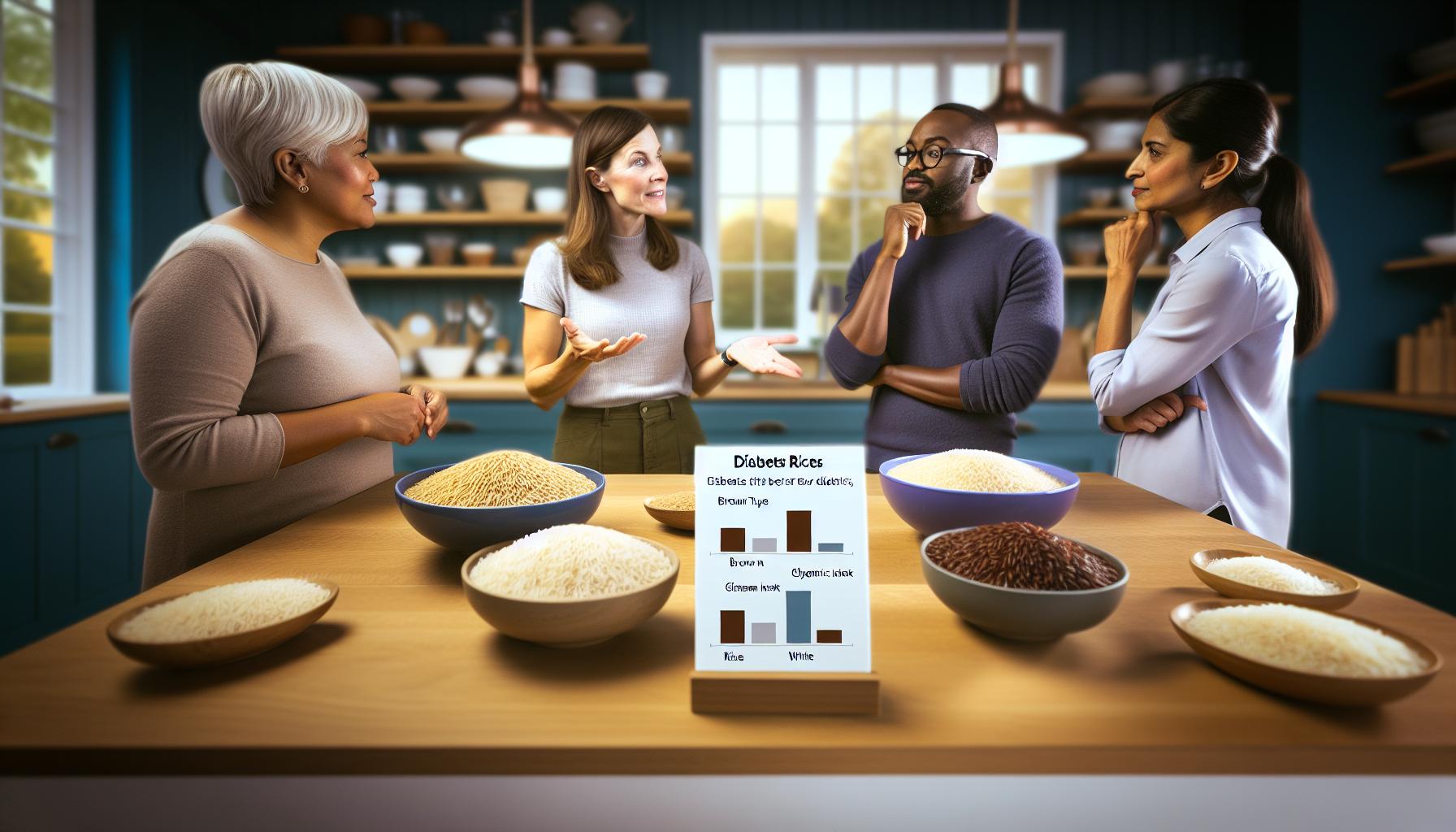
How Portion Control Affects Blood Sugar Levels
Managing blood sugar levels is a critical aspect of living with diabetes, and understanding how portion size interacts with carbohydrate intake can make a significant difference. Research has shown that larger portions of carbohydrates, including rice, can lead to more pronounced spikes in blood glucose levels. This highlights the importance of being mindful about serving sizes, as even low-GI options can affect blood sugar if consumed in excessive amounts.
When it comes to rice, a common dietary staple, carefully controlling portions can help maintain steady blood glucose levels. For instance, a serving size of cooked rice is typically about one-half cup. Sticking to this recommended portion allows individuals to enjoy the flavors and versatility of rice while minimizing the risk of significant blood sugar spikes. Pairing rice with other nutrient-dense foods can also enhance satiety and further stabilize blood glucose. Including high-fiber vegetables and lean proteins in meals not only balances the carbohydrate load but also promotes a more gradual release of sugars into the bloodstream.
Here are some practical tips for portion control:
- Measuring Tools: Use measuring cups or a food scale to ensure portion sizes are appropriate for your personal dietary needs.
- Visual Cues: Familiarize yourself with visual portion sizes, such as comparing half a cup of rice to the size of a tennis ball.
- Plate Method: Fill half of your plate with non-starchy vegetables and allocate a quarter for rice and a quarter for protein to maintain balanced meals.
Understanding empowers individuals to make informed choices about their meals. By focusing on moderation and balance, those with diabetes can incorporate rice into their diet without compromising their health goals. Always consult with healthcare professionals for tailored advice that reflects your individual health profile, ensuring that any dietary changes support your overall diabetes management strategy.
Alternatives to Rice for Diabetic-Friendly Meals
Finding satisfying alternatives to rice can significantly help individuals with diabetes maintain balanced blood sugar levels while still enjoying their meals. Many options not only fulfill a craving for something hearty but also offer unique nutritional benefits. For instance, cauliflower rice has gained popularity due to its low carbohydrate content and high fiber levels. Simply pulsing cauliflower florets in a food processor creates a rice-like texture that can be seasoned and cooked in much the same way as traditional rice.
Another excellent option is quinoa, which stands out for being a complete protein, meaning it contains all nine essential amino acids. This makes it a fantastic choice for those looking to enhance their protein intake while keeping carbohydrates in check. Additionally, quinoa has a lower glycemic index compared to regular rice, making it a heartier option that can help in controlling blood sugar spikes.
For a more unconventional route, consider incorporating legumes such as lentils or chickpeas. These are not only rich in protein and fiber but also provide complex carbohydrates that digest more slowly, preventing sharp increases in blood sugar. They can be integrated into salads, soups, or even as a base for grain bowls, offering a satisfying meal that’s both nutritious and fulfilling.
When preparing meals, embracing a variety of these alternatives can not only enhance nutritional value but also keep your dining experience diverse and enjoyable. Mixing and matching these ingredients with lean proteins and plenty of vegetables can create filling and heart-healthy plates. By making these substitutions and being creative with your cooking, individuals can successfully manage their diabetes while indulging in flavorful meals that elevate their dining experience.
Cooking Methods: Healthier Ways to Prepare Rice
Cooking rice in a healthier way can significantly impact blood sugar management for those living with diabetes. While rice is often considered a staple in many diets, understanding the best cooking methods can help make it a better fit for your meal plan. Opting for specific cooking techniques can lower the glycemic load of rice and enhance its nutritional profile, making it a more suitable option for diabetic individuals.
One effective method to consider is rinsing rice thoroughly before cooking. This simple step can help remove excess starch, which is often responsible for rapid increases in blood sugar levels. By rinsing, you may also improve the texture of the rice, resulting in a fluffier final dish. Additionally, choose to cook rice in a larger ratio of water than usual. This allows the rice to absorb more liquid and results in a softer consistency, which is easier for the body to digest and may help in lowering the glycemic response.
Another innovative approach to rice preparation is the use of parboiling or soaking rice before cooking it fully. Parboiling involves partially cooking the rice in water before steaming or boiling it fully. This process alters the structure of the starches, which can lead to a lower glycemic index. Soaking rice for a period of time, typically around 30 minutes, can also reduce cooking time and improve the texture, making it less sticky and easier to digest.
For those looking to enhance the nutritional benefits of rice, consider incorporating vegetables or legumes into the cooking process. Adding finely chopped or grated vegetables, such as carrots or zucchini, introduces fiber and vitamins, which are essential for overall health and can help balance the carbohydrate content of the meal. Mixing in legumes, such as lentils or beans, creates a more wholesome dish that not only keeps you fuller for longer but also contributes to stabilizing blood sugar levels.
Experimenting with these cooking methods can empower diabetics to enjoy rice while maintaining better control over their dietary choices. By using healthier techniques, you can transform an everyday staple into a more diabetes-friendly component of your meals, ensuring that you can savor your favorite dishes without compromising your health.
Tips for Managing Carbohydrate Intake
Managing carbohydrate intake effectively is crucial for those living with diabetes, especially when it comes to foods like rice that can impact blood sugar levels. Here are some practical tips to help you maintain a balanced diet while enjoying rice.
One of the most effective strategies is to keep track of your carbohydrate servings. Familiarize yourself with the carbohydrate content in various types of rice and other foods. Consider using a food diary or an app to log your meals, which can help you make informed choices about portions. A standard serving of cooked rice typically contains about 15 grams of carbohydrates, so it’s important to measure your portions carefully to avoid spikes in blood glucose levels.
Another useful tip is to balance your meals. Pair rice with lean proteins and healthy fats to reduce its glycemic impact. For example, combining rice with grilled chicken or tofu and a variety of colorful vegetables not only enhances the meal’s flavor but also decreases the overall carbohydrate load and stabilizes blood sugar. This combination encourages a more gradual rise in glucose levels, contributing to better overall management of diabetes.
Increase your intake of fiber-rich foods in conjunction with rice. Fiber slows down carbohydrate absorption and helps prevent blood sugar spikes. You might consider adding legumes, like black beans or lentils, to your rice dish. These additions not only boost fiber content but also provide additional protein and other essential nutrients.
Lastly, remain mindful of the cooking methods used for rice. Using techniques that lower its glycemic index, such as rinsing and soaking, can significantly reduce its effect on blood sugar levels. For instance, opt for brown rice or wild rice over white rice when possible, as these options tend to have higher fiber content and lower glycemic responses.
By implementing these strategies, you can take control of your carbohydrate intake while still enjoying rice as part of your meals. Always remember to consult with healthcare professionals or registered dietitians for personalized advice tailored to your specific health needs.
The Role of Fiber in Reducing Blood Sugar Spikes
Incorporating fiber into your meals is crucial for managing blood sugar levels, especially for individuals with diabetes. High-fiber foods can significantly slow down the absorption of carbohydrates, leading to a more gradual release of glucose into the bloodstream. This is particularly important when consuming foods like rice, which is rich in carbohydrates. By integrating fiber into your diet, you can help mitigate potential blood sugar spikes associated with carbohydrate-rich foods.
One effective approach is to blend high-fiber foods with your rice dishes. Consider adding ingredients such as legumes (beans, lentils), vegetables (broccoli, spinach), or even seeds (chia, flaxseed). Each of these additions not only contributes dietary fiber but also enhances the overall nutritional profile of your meal. For example, a simple dish of brown rice paired with black beans and sautéed vegetables creates a delicious, fiber-rich meal that helps control blood glucose levels.
Moreover, different types of rice carry varying fiber contents. While white rice contains minimal fiber, options like brown rice or wild rice retain their bran layer, which is a rich source of dietary fiber. Consuming brown rice instead of white can increase fiber intake, ultimately assisting in achieving better blood sugar control.
Remember to consult a healthcare professional when making significant changes to your diet to determine what strategies work best for you. By making informed food choices and including fiber in your meals, you can effectively manage your carbohydrate intake and contribute to your overall health and well-being.
Meal Planning: Incorporating Rice Wisely
Meal planning for diabetics doesn’t mean sacrificing favorite foods, including rice. In fact, with smart strategies, rice can be incorporated into a balanced diet while effectively managing blood sugar levels. Consider this: research indicates that the type of rice chosen, its preparation, and portion sizes can all play significant roles in influencing glucose responses. Understanding these factors empowers individuals with diabetes to enjoy rice without compromising their health.
When incorporating rice into meals, it’s essential to focus on portion control. Rather than filling the plate solely with rice, aim for a balanced plate that includes vegetables, protein, and healthy fats. For instance, you might opt for a half-cup serving of brown rice as a base, adding colorful vegetables like bell peppers or zucchini, and a source of lean protein, such as grilled chicken or tofu. This combination not only enhances flavor but also helps keep blood sugar stable by slowing carbohydrate absorption.
Another practical approach is to integrate rice with ingredients that boost its nutritional value. Think about mixing quinoa with rice for a fiber-rich alternative or creating a hearty stir-fry with a variety of vegetables. These modifications not only improve the meal’s overall health profile but also provide a satisfying texture and flavor experience. To ease meal prep, consider batch cooking rice at the beginning of the week, which can then be easily added to different meals, ensuring that healthy choices are always within reach.
Lastly, while exploring different rice varieties, it’s worthwhile to pay attention to cooking methods as well. Opt for steaming or boiling rice instead of frying or adding excessive oils, which can increase the calorie count and affect blood sugar. Pairing this with a generous serving of fiber-rich foods like lentils or beans can further support well-rounded meal choices. By thoughtfully planning meals, diabetics can enjoy rice while maintaining a delicious and healthful diet that supports their overall wellness.
Expert Insights: FAQs from Diabetes Specialists
Understanding how to include rice in a diabetic diet often raises many questions for both patients and their families. For instance, a common inquiry is whether diabetics can enjoy rice without compromising their blood sugar control. The good news is that with mindful eating and smart choices, it is possible to incorporate rice into your meals while managing diabetes effectively.
One of the most frequently asked questions by diabetes specialists is about the glycemic index (GI) of various rice types. The GI is a ranking of carbohydrates on a scale from 0 to 100 based on their effect on blood sugar levels. White rice typically has a higher GI compared to brown rice, which means it can cause a quicker spike in blood sugar. Specialists often recommend choosing lower-GI options like basmati or brown rice, as these have a more gradual impact on glucose levels. Additionally, combining rice with high-fiber foods-such as beans or vegetables-can further lower the overall glycemic response.
Another area of focus for specialists is portion control. It’s essential to monitor serving sizes while ensuring meals are balanced. A common recommendation is to fill half your plate with non-starchy vegetables, a quarter with lean protein, and the remaining quarter with rice. This strategy not only adds nutrients to your meal but also helps stabilize blood sugar levels by slowing carbohydrate absorption. Meal planning and preparation tactics, such as cooking rice in bulk and portioning it out, can make it easier to manage daily carb intake effectively.
Moreover, many diabetes experts highlight the importance of personalized diets. Each individual may respond differently to rice based on their unique metabolic response, activity level, and overall dietary patterns. Therefore, working closely with a registered dietitian or healthcare provider can provide tailored advice that respects personal preferences while ensuring health goals are met. In summary, with the right knowledge and resources, it’s entirely feasible for individuals with diabetes to include rice in their diets in a manageable way.
Success Stories: Diabetics Who Manage Rice Consumption
Celebrating success stories can be inspiring for those navigating the complexities of managing diabetes, especially when it comes to incorporating rice into their diets. Many diabetics have found creative strategies to enjoy rice while keeping their blood sugar levels stable. For instance, Maria, a mother of two, shares her journey of cooking with brown rice and combining it with an abundance of non-starchy vegetables. By experimenting with portion sizes-filling her plate with half veggies, a quarter rice, and a quarter lean protein-she has maintained excellent control over her blood glucose and feels satisfied with her meals.
Similarly, John, a retired teacher, highlights the benefits of choosing lower-GI options like basmati rice. He has incorporated it into his favorite stir-fried dishes while utilizing a special recipe that muddles in plenty of colorful produce. He emphasizes how portion control, as recommended by his healthcare provider, has been crucial. John often pre-measures his servings, keeping track of his carbohydrate intake effectively to enjoy his meals without the stress of unpredictability in his blood sugar readings.
These success stories shed light on empowering methods to manage diabetes without sacrificing favorite foods. By prioritizing balance, selecting the right types of rice, and practicing mindful eating, many individuals living with diabetes are finding their unique path to healthy and enjoyable meal planning. Working closely with healthcare professionals, like registered dietitians, allows for personalized strategies that cater to each person’s lifestyle and preferences, making these successes achievable for everyone.
Together, these positive examples exemplify that with careful planning and education, rice can indeed be part of a delicious and nutritious diet for those managing diabetes. Whether through portion control, choosing the best types of rice, or pairing it with fiber-rich foods, diabetics can enjoy rice while keeping their blood sugar levels in check, demonstrating that a fulfilling and varied diet is still possible.
Resources and Tools for Diabetic Meal Management
Managing diabetes successfully involves a combination of education, practical tools, and resources that empower individuals to make informed food choices. For those pondering if rice can fit into their meal plans, understanding how to navigate carbohydrate control and nutritional balance is key. Various resources are available, ranging from digital apps to books that cater specifically to diabetic dietary needs, helping individuals maintain optimal blood sugar levels while enjoying meals that include their favorite ingredients, such as rice.
Several smartphone applications can significantly simplify meal planning and carbohydrate tracking. Apps like MySugr, Carbs & Cals, and Glucose Buddy allow users to monitor their blood sugar, log meals, and access extensive food databases, which often include glycemic indexes and carbohydrate content. This way, individuals can effortlessly calculate the ideal portion sizes of rice and other carbohydrates, ensuring they stay within their daily goals.
Educational resources, including cookbooks specifically tailored for diabetes management, often feature creative recipes that incorporate low-GI rice varieties, such as brown rice or basmati rice, mixed with fiber-rich vegetables. These cookbooks can offer valuable insights on meal preparation techniques that enhance the nutritional profile of traditional dishes. Furthermore, many health organizations provide online workshops and webinars that discuss diabetic meal management, where participants can learn about cooking methods, portion control, and even engage with dietitians who can answer specific questions.
It’s also beneficial to seek support from communities, whether online forums, local support groups, or social media platforms. These spaces can foster a sense of belonging while providing practical tips from others who share similar journeys. Many individuals find inspiration in sharing recipes, meal plans, and success stories, reinforcing the understanding that managing diabetes, including how to incorporate rice into the diet, is not just a solitary pursuit but a shared experience.
Accessing reliable information and engaging with supportive communities while collaborating with healthcare professionals ensures that each person can create a personal diabetes management plan that works for them and their unique lifestyle. This holistic approach empowers individuals, helping them navigate dietary choices with confidence and enjoy a satisfying and varied diet.
FAQ
Q: Can diabetics eat rice in moderation?
A: Yes, diabetics can eat rice in moderation. Portion control is key, as smaller servings can help manage blood sugar levels effectively. It’s important to choose lower glycemic index (GI) rice varieties and balance meals with proteins and vegetables for better glucose control.
Q: What type of rice is best for diabetics?
A: Brown rice and basmati rice are often recommended for diabetics due to their lower glycemic index and higher fiber content. These types can help prevent blood sugar spikes compared to white rice, making them a healthier choice. For more details, refer to the “Types of Rice: Which is Best for Diabetics?” section.
Q: How does cooking method affect the glycemic index of rice?
A: Cooking methods can influence rice’s glycemic index. For instance, cooking rice al dente rather than fully softening it can lower its GI. Steaming or stir-frying rice with healthy fats may also impact blood sugar response. Check the “Cooking Methods: Healthier Ways to Prepare Rice” section for tips.
Q: Is white rice really that bad for diabetics?
A: White rice has a higher glycemic index, which can cause rapid blood sugar spikes in diabetics. While it can be included occasionally, it’s better to replace it with whole grain or lower GI options for sustained energy and blood sugar stability.
Q: What should diabetics pair with rice in meals?
A: Diabetics should pair rice with high-protein foods like lean meats or legumes and non-starchy vegetables. This combination balances carbohydrates and helps stabilize blood sugar levels. For specific meal planning tips, refer to “Meal Planning: Incorporating Rice Wisely.”
Q: How can diabetics enjoy rice without impacting their blood sugar levels?
A: Diabetics can enjoy rice by watching portion sizes and choosing whole grain varieties. Incorporating fiber-rich foods and balancing meals with healthy fats and proteins can also help mitigate blood sugar spikes. More strategies are discussed in “Tips for Managing Carbohydrate Intake.”
Q: Are there good alternatives to rice for diabetics?
A: Yes, alternatives like quinoa, cauliflower rice, and whole grain barley can provide nourishing options for diabetics. These foods often have more fiber and a lower glycemic index, which supports better blood sugar management. Explore “Alternatives to Rice for Diabetic-Friendly Meals” for more options.
Q: Can meal timing affect how rice impacts blood sugar?
A: Yes, meal timing can influence blood sugar levels. Eating rice as part of a balanced meal, preferably at lunch, may cause a gentler impact on blood sugar than at dinner. Consult the “Expert Insights: FAQs from Diabetes Specialists” section for more on timing.
These FAQs are designed to provide value and encourage further exploration of the article’s content. For personalized advice, always consult with healthcare professionals.
In Summary
As we’ve explored, the question of whether a diabetic can eat rice reveals a nuanced truth about food choices and managing diabetes. Remember, moderation is key, and integrating rice into a balanced diet is possible with mindful portion control and pairing it with fiber-rich vegetables and proteins. Don’t hesitate to consult with your healthcare provider for personalized advice tailored to your health needs.
Ready to take charge of your diabetes journey? Dive into our tips on daily diabetes management and discover more about maintaining a healthy lifestyle by visiting our articles on effective meal planning and understanding carbohydrates. Join our newsletter for the latest updates and resources that empower you to navigate diabetes confidently. Your journey doesn’t stop here-start making informed choices today for a healthier tomorrow! Share your thoughts in the comments below and connect with others who are navigating similar paths.
Get our latest guides, news, and insights highlighted in your Google Search & AI Overviews.