
Potato salad is often a beloved side dish at gatherings, but for those managing diabetes, traditional recipes can pose a blood sugar challenge. Did you know that making a few simple adjustments can transform this classic into a healthier option? Understanding how to prepare potato salad that is both delicious and blood sugar friendly is essential for those looking to enjoy their favorite foods without compromising their health. This article delves into practical tips and alternatives, focusing on healthier ingredients and portion control. By being mindful of your choices, you can savor the tastes you love while effectively managing your diabetes. Join us as we explore ways to make your potato salad a diabetes-friendly dish, ensuring you can indulge without worry.
Understanding Diabetes and Its Dietary Needs
Diabetes is a chronic condition that affects how your body processes glucose, a critical energy source derived from carbohydrates. Understanding your dietary needs is essential in managing diabetes effectively. Since blood sugar levels can fluctuate significantly based on food choices, individuals with diabetes must prioritize nutrient-dense foods and balanced meals to maintain physiological stability.
When constructing meals, especially starchy dishes like potato salad, it’s important to embrace ingredients that promote healthy blood sugar levels. Opt for complex carbohydrates, such as those found in whole grains and legumes, that digest more slowly and cause a gradual rise in blood sugar. Additionally, incorporating fiber-rich vegetables not only aids in digestion but also helps regulate blood sugar. Healthy fats from sources like avocados can contribute to satiety without spiking blood glucose levels. Paying close attention to portion sizes also plays a crucial role, as larger servings of carbohydrates can overwhelm your body’s insulin response.
For those creating a potato salad, consider the cooking method and the additional ingredients to enhance its diabetes-friendly profile. Boiling potatoes rather than frying ensures they retain their complex carbohydrate status. Additionally, balancing the dish with low-fat dairy options, herbs, or acidic dressings (like vinegar or lemon juice) can improve flavor while promoting a healthier glycemic response. Ultimately, building a supportive meal plan involves recognizing how different foods interact and making choices that align with your health goals.
Always remember that managing diabetes is a personal journey, and what works for one individual may not work for another. It’s beneficial to consult healthcare professionals-like a registered dietitian or certified diabetes educator-who can tailor dietary advice to fit your unique needs. Their expertise can help navigate the myriad of dietary options available and shed light on meal planning strategies that effectively incorporate your favorites, such as potato salad, into a well-balanced diet.
The Nutritional Benefits of Potatoes for Diabetics
Potatoes often get a bad rap in dietary discussions, especially concerning diabetes. However, understanding their nutritional benefits can transform them into a valued part of a diabetes-friendly diet. Rich in essential nutrients, potatoes are a good source of vitamins C and B6, and potassium, all of which support overall health. They are versatile and can be prepared in various ways that align with dietary needs, helping maintain stable blood sugar levels.
One of the standout nutritional features of potatoes is their fiber content, particularly when the skins are left on. Fiber plays a crucial role in slowing down digestion, which can help prevent rapid spikes in blood glucose levels. The glycemic index (GI) of potatoes can vary based on preparation methods; boiling typically results in a lower GI compared to frying or baking at high temperatures. Choosing methods that preserve the potatoes’ fiber and nutrient content can further enhance their health benefits.
To maximize the positive impact of potatoes in a diabetic’s diet, pairing them with other low-GI foods is beneficial. For example, incorporating non-starchy vegetables like leafy greens, peppers, or cucumbers into a potato salad not only adds freshness and flavor but also increases fiber intake, contributing to overall satiety without excessive calories. The addition of healthy fats, such as olive oil or avocado, can further stabilize blood sugar by slowing down the absorption of carbohydrates.
While potatoes can be a healthy option, portion control is essential. A typical serving size for a side dish like potato salad is about half a cup, which allows enjoyment of this nutritious food while keeping carbohydrate intake in check. Individuals with diabetes should always consult with healthcare professionals to tailor their dietary choices, ensuring they align with their specific health goals and lifestyle. This personalized approach empowers individuals to make informed decisions about incorporating potatoes into their meals, promoting both enjoyment and health.
Choosing Low-Glycemic Ingredients for Your Salad
Incorporating low-glycemic ingredients into your salad can significantly support blood sugar management, making it an important strategy for those managing diabetes. Low-glycemic index (GI) foods-those that cause a slower rise in blood glucose levels-are essential in creating balanced meals. When crafting a potato salad that aligns with your dietary needs, consider using ingredients that not only enhance flavor but also contribute to maintaining stable blood sugar levels.
Begin with a base of non-starchy vegetables, which are not only low in carbohydrates but also rich in nutrients and fiber. Options like spinach, kale, bell peppers, and cucumbers are excellent choices, adding crunch and a variety of vitamins. These vegetables bring low-calorie bulk to your salad, which helps you feel full longer without overwhelming your carbohydrate limits. Pair these with potatoes that have been boiled or steamed to keep their GI lower, ensuring that your salad remains both satisfying and blood sugar-friendly.
When it comes to dressing your salad, the selection of fats can significantly impact glycemic response. Choose healthier fats such as extra virgin olive oil, avocado, or nuts, as they slow down carbohydrate absorption. A dressing made from olive oil and vinegar not only provides a delicious flavor but can also promote heart health, which is beneficial for those with diabetes. Furthermore, using herbs such as basil, parsley, or cilantro can elevate the taste without adding extra calories or carbohydrates.
Finally, aiming to balance your meal by incorporating plant-based proteins like quinoa, chickpeas, or bean varieties can enhance satiety and provide vital nutrients while keeping the overall GI in check. These ingredients contribute to a well-rounded meal that is enjoyable, nutritious, and compliant with diabetes management goals. By carefully selecting low-GI ingredients for your potato salad, you can enhance your health while savoring flavorful dishes that fit into your lifestyle. Always consult healthcare professionals to tailor your food choices to your specific needs for the best outcomes.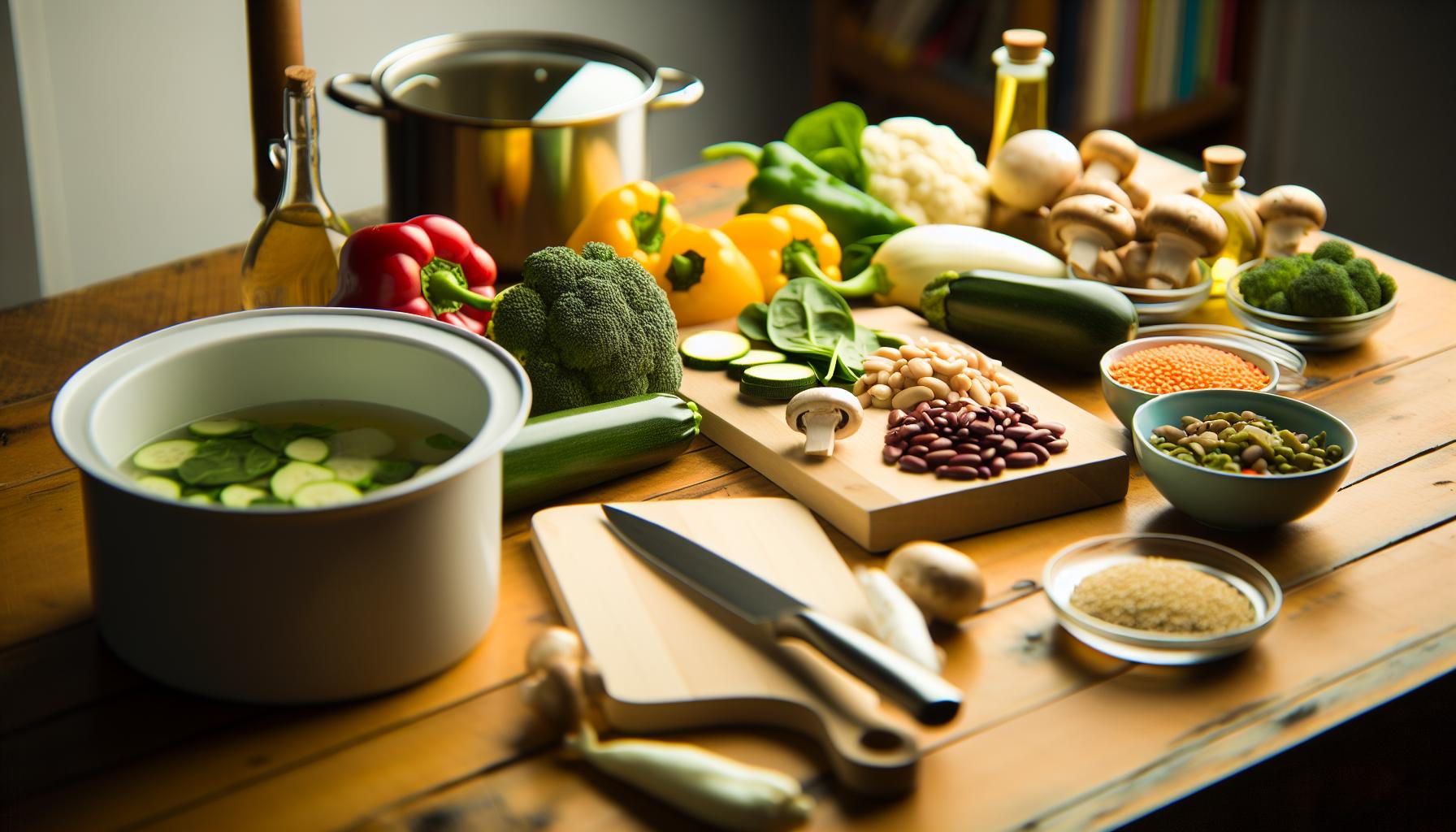
Essential Tips for Making Potato Salad Blood Sugar Friendly
Potato salad can be a delightful dish that aligns with dietary needs while allowing for a variety of flavors and textures. However, for those managing diabetes, creating a blood sugar-friendly version is crucial. An essential step is selecting the right potatoes. Opt for waxy varieties like red or new potatoes, as they have a lower glycemic index compared to starchy types like Russet potatoes. This subtle choice can significantly influence how quickly carbohydrates are absorbed into the bloodstream.
When preparing your potato salad, consider cooking the potatoes with the skin on. The skin adds fiber, which can help mitigate blood sugar spikes by slowing digestion. After boiling or steaming, cool the potatoes slightly; cold potatoes have a lower glycemic index due to the formation of resistant starch, a type of fiber that aids in digestion and helps regulate blood sugar levels.
Incorporating colorful, non-starchy vegetables is another powerful strategy. Ingredients such as diced bell peppers, broccoli, or green beans not only boost the nutritional value but also add crunch and flavor without significantly raising carbohydrate content. Using a dressing rich in healthy fats-like olive oil or avocado-can further enhance the salad while promoting better blood sugar control by slowing carbohydrate absorption.
Finally, balance the dish by adding protein sources, such as beans or grilled chicken, which can create a more satisfying meal and improve overall blood sugar response. Remember, planning your servings is essential; keeping portions moderated will help maintain stable blood sugar levels. By thoughtfully crafting your potato salad with these tips, you can enjoy this classic dish while effectively managing your dietary needs. Always consult with healthcare professionals to personalize your approach, ensuring that your meals align with your health goals.
Flavorful Additions: Herbs, Spices, and Healthier Fats
Adding flavor to your potato salad can transform a simple dish into a vibrant culinary experience, especially when managing blood sugar levels. Studies show that herbs and spices not only enhance the taste but can also offer health benefits important for those with diabetes. For instance, incorporating spices such as cinnamon and turmeric has been linked to improved insulin sensitivity and lower blood sugar levels. These natural flavor enhancers can work wonders in creating a tasty, blood sugar-friendly meal.
Herbs can take your potato salad to the next level while providing additional nutritional benefits. Fresh herbs like parsley, dill, or basil not only add color and freshness but are also rich in antioxidants. A sprinkle of these herbs can elevate the dish without adding calories or carbohydrates. For a flavor twist, consider blending in herbs like cilantro or chives, which can introduce unique taste notes and pair wonderfully with potatoes.
When it comes to fats, opting for healthier choices is crucial. Instead of conventional dressings loaded with added sugars, try using extra virgin olive oil or avocado oil. These oils are not only heart-healthy but also promote satiety, helping to manage portion control more effectively. Adding mashed avocado can also create a creamy texture while providing healthy monounsaturated fats, which can benefit heart health and support stable blood sugar levels.
Additionally, consider the inclusion of flavor-boosting ingredients like lemon juice or apple cider vinegar. These acidic components add brightness to your salad and can promote better digestion and improved glycemic control. By thoughtfully selecting herbs, spices, and healthier fats, you can create a flavorful, satisfying potato salad that aligns with diabetes management goals. Always consult with healthcare professionals to ensure your dietary choices work best for your individual health needs.
Portion Control: Serving Sizes and Blood Sugar Impact
Managing portion sizes is a crucial aspect of diabetes control, especially when it comes to carbohydrate-rich foods like potatoes. Did you know that truly understanding portion control can make a significant difference in blood sugar management? For those monitoring their glucose levels, it’s essential to grasp how serving sizes can influence their overall health. When it comes to potato salad, common servings can range significantly, and being mindful of size can empower you to enjoy your favorite dishes without compromising your well-being.
To start, using measuring tools can be a straightforward method to help with portion control. A standard serving of potato salad typically hovers around half a cup, which contains approximately 15-30 grams of carbohydrates. This range can vary based on additional ingredients like dressings and other mix-ins. Keeping track of how much you’re consuming can prevent unwelcome spikes in blood sugar. It’s beneficial to think of your plate as a balanced composition, incorporating ample vegetables, a modest portion of potatoes, and a healthy protein source, which can help stabilize your blood glucose response.
Consider customizing your potato salad to include lower glycemic index ingredients or additional fibrous vegetables like cucumbers or bell peppers, which can further enhance satiety while allowing for appropriate portion sizes. This strategy not only helps in controlling blood sugar but also enriches your meal with nutrients.
In addition to adhering to recommended serving sizes, maintaining a routine can help foster mindful eating habits. Training your body to recognize hunger cues, as opposed to eating out of habit or social obligation, can be transformative. Coupling this approach with regular consultations with healthcare professionals ensures that your portion control strategies align with your personal health goals. By actively managing portion sizes and making informed ingredient choices, individuals with diabetes can savor their culinary creations without fear, empowering them in their daily management journey.
Delicious Recipes for Diabetic-Friendly Potato Salads
Creating diabetic-friendly potato salads is a delightful way to enjoy this versatile ingredient while managing blood sugar levels effectively. With the right recipes and ingredient substitutions, potato salad can be transformed into a nutritious dish that satisfies cravings without compromising health. Here are some unique and delicious recipes to inspire your next meal:
Creamy Avocado Potato Salad
Instead of using traditional mayonnaise, blend ripe avocados with a splash of lemon juice, salt, and pepper to create a creamy, healthy dressing. Combine boiled, cooled potatoes with diced celery, red onion, and fresh herbs like dill or parsley. This version retains the comforting texture of creamy potato salad while adding beneficial fats from the avocado, which can help improve heart health and satiety.
Mediterranean Potato Salad
This vibrant salad combines boiled potatoes with cherry tomatoes, cucumbers, red onion, olives, and feta cheese for a refreshing twist. Dress it with a mix of olive oil, red wine vinegar, lemon juice, and a sprinkle of oregano. The fiber-rich vegetables and healthy fats from the olive oil complement the potatoes, providing a balanced dish that’s both flavorful and supportive of blood sugar management.
Spicy Sweet Potato Salad
Swap regular potatoes for sweet potatoes, which are lower on the glycemic index. Roast diced sweet potatoes until tender and combine with black beans, corn, red bell peppers, and chopped cilantro. For added zest, drizzle with a lime vinaigrette made from fresh lime juice, olive oil, and a hint of cumin. This salad not only offers a wealth of vitamins and minerals but also a colorful display that makes for an enticing side dish.
Herb-Infused Quinoa Potato Salad
Mix cooked, cooled potatoes with quinoa for a protein boost. Add in diced cucumbers, bell peppers, and fresh herbs like basil and parsley. For the dressing, whisk together greek yogurt, lemon juice, and a touch of garlic powder. This nutritious salad marries the benefits of complex carbs from quinoa with the heartiness of potatoes, making it a wholesome choice for any meal.
Tips for Preparing Diabetic-Friendly Potato Salads
- Use Lower Glycemic Ingredients: Incorporate ingredients like quinoa, sweet potatoes, or fibrous vegetables to help keep blood sugar levels stable.
- Enhance Flavor with Herbs and Spices: Add fresh herbs, mustard, or spices to amplify taste while reducing the need for heavier dressings.
- Monitor Portions: Even healthy salads should be enjoyed in moderation. Aim for a balanced plate that includes protein and a variety of vegetables.
By experimenting with these delicious recipes, you can create potato salads that not only fit within your dietary needs but are also enjoyable and satisfying. Always remember to customize these recipes based on individual preferences and nutritional needs, consulting with healthcare professionals for personalized dietary advice. This approach will ensure that your meals are not only tasty but also pivotal in managing diabetes effectively.
Meal Planning: Incorporating Potato Salad into Your Diet
Incorporating potato salad into a diabetic-friendly meal plan can be both enjoyable and practical, especially when you understand how to manage portion sizes and select nutritious ingredients. Potato salad can be a versatile addition to your diet, offering the chance to blend flavors while keeping blood sugar levels in check. With the right planning, you can create satisfying meals that align with your dietary needs without feeling deprived.
One effective approach is to batch-prep diabetic-friendly potato salads at the beginning of the week. This not only saves time but also makes it easier to incorporate healthy meals into your daily routine. For example, prepare a Mediterranean potato salad with boiled potatoes, cherry tomatoes, and a light vinaigrette; this can serve as a delightful side dish for lunch or dinner. Portion out servings in advance, so you’ll have easy access to a healthy option whenever hunger strikes.
As you plan your meals, consider balancing your carbohydrates. Pair your potato salad with lean proteins such as grilled chicken or baked fish, and include fibrous veggies like spinach or kale to create a well-rounded plate. This combination helps maintain steady blood sugar levels and promotes overall satiety. Tracking your carbohydrate intake can be beneficial, allowing you to enjoy starchy foods like potatoes while still adhering to your dietary goals.
Don’t forget to include family or friends in your meal planning. Cooking large batches of recipes together can encourage teamwork and make healthy eating a social experience. Engage with your loved ones by exploring various potato salad recipes that accommodate everyone’s tastes. Incorporating flavorful herbs and spices not only enhances the dish but also supports a healthier lifestyle, ensuring that you are all enjoying meals that contribute positively to your health journey.
Lastly, remember to consult with qualified healthcare professionals when adjusting your diet. They can provide personalized advice tailored to your specific needs, ensuring your meal planning is effective and safe. By focusing on these strategies, you can seamlessly integrate potato salad into your diet, making healthy eating an exciting part of managing diabetes.
Common Mistakes to Avoid with Potato Salad and Diabetes
Potato salad can be an enjoyable dish, but making it blood sugar-friendly requires awareness of common pitfalls that could negatively impact diabetes management. One major mistake is neglecting portion sizes. Potatoes, while nutritious, are high in carbohydrates, and consuming them in large amounts can lead to spikes in blood sugar levels. Always measure your serving size-generally, about a half-cup is a safe baseline for most diabetic meal plans.
Another frequent oversight is using high-sugar or high-fat dressings. Traditional mayonnaise-based dressings can add unwanted calories and sugars. Instead, opt for alternatives like Greek yogurt or a vinaigrette made with olive oil and vinegar. These choices not only reduce overall sugar content but also provide healthy fats that are beneficial for heart health, making your potato salad both nourishing and suitable for managing diabetes.
Additionally, many people forget to include a balance of nutrients in their potato salad. While potatoes should be the star ingredient, adding protein such as hard-boiled eggs, chicken, or beans can help stabilize blood sugar levels. Including fibrous vegetables like celery, onions, or bell peppers will enhance the dish’s fiber content, further aiding in blood sugar control.
Lastly, avoid the mistake of overlooking preparation methods. Boiling or steaming potatoes is ideal; avoid frying them, which can increase unhealthy fat content. By making these adjustments, you can create a potato salad that is both delicious and diabetes-friendly, ensuring that meal preparation becomes a manageable and enjoyable part of your daily routine. Always consider consulting healthcare professionals for personalized advice tailored to your dietary needs, helping you navigate your choices effectively.
How to Balance Carbohydrates in Your Meals
Balancing carbohydrates is crucial for effective diabetes management, especially when enjoying a dish like potato salad. Potatoes, while nutritious, are dense in carbohydrates, and understanding how to incorporate them into your diet without spiking blood sugar levels can make all the difference. One essential strategy is to pair carbohydrates with other macronutrients such as protein and healthy fats, which can assist in slowing the absorption of sugars into your bloodstream.
To maintain healthy blood sugar levels, consider dividing your plate into sections. For example, use the following proportions when assembling a meal:
- 50% Non-starchy vegetables: Fill half your plate with vegetables like leafy greens, cucumbers, or bell peppers.
- 25% Protein: Include a source of protein, such as grilled chicken, beans, or low-fat cheese, which can help stabilize blood sugar.
- 25% Carbohydrates: Limit your portion of potatoes to about one-half cup, blended within the salad or served without high-sugar dressings.
Along with these guidelines, it’s also vital to monitor the glycemic index (GI) of the ingredients you use in your potato salad. Choosing lower GI options can reduce the impact on your blood sugar. For instance, opting for red or new potatoes, which generally have a lower GI compared to russet potatoes, can be a wise choice. Preparing your potatoes by boiling or steaming rather than frying also helps keep their glycemic load in check.
When planning your meals, it’s hugely beneficial to view carbohydrate sources with an eye toward quality rather than quantity. Not every carbohydrate has the same effect on blood sugar levels. Incorporate more fiber-rich foods such as legumes or whole grains, which can enhance your overall nutrient intake and reduce sugar spikes.
As you navigate these adjustments, remember that everyone’s body responds differently. Continuous glucose monitoring or keeping a food diary can provide insights into how various meals affect your blood glucose levels. Always prioritize professional guidance from healthcare providers to tailor these recommendations to your unique health needs. Empowering yourself with knowledge about carbohydrate balance can lead to more enjoyable and health-conscious meal times.
Consulting Healthcare Professionals for Dietary Advice
Consulting a healthcare professional is an essential part of managing diabetes, particularly when it comes to dietary choices like potato salad. Nutrition is a powerful tool in diabetes management, and a registered dietitian or a certified diabetes educator can provide personalized guidance tailored to your individual health status, lifestyle, and preferences. They can help demystify complex food labels, clarify carbohydrate counts, and identify how specific meals, including potato salad, fit into your overall dietary plan.
It’s important to consider that diabetes affects everyone differently. What works for one person may not be suitable for another. For instance, while some may tolerate potatoes well, others might experience significant blood sugar spikes. Regular consultations with healthcare professionals ensure that you’re not only aware of these nuances but also equipped to make informed choices. They can offer practical strategies on how to manage portions effectively and suggest low-GI alternatives that complement potato salads, such as adding plenty of non-starchy vegetables or healthy fats.
Moreover, leveraging technology like continuous glucose monitors (CGMs) can also play a crucial role in this process. Discussing your observations with your healthcare team can fine-tune your meal plans. They may recommend keeping a food diary to log your food intake and blood glucose levels, providing clear insights that can lead to adjustments in your dietary approach.
Consulting healthcare providers also strengthens your support network, empowering you to advocate for your health and make choices that keep you feeling your best. Don’t forget to discuss any new recipes, like a blood sugar-friendly potato salad, with your dietitian. They can help ensure that you’re balancing taste, nutrition, and blood sugar control, making your meals not only healthier but also more enjoyable. Engaging in these discussions is not just about managing diabetes; it’s about embracing a lifestyle that promotes overall well-being.
Q&A
Q: Can diabetics eat potato salad?
A: Yes, diabetics can eat potato salad, especially if it’s prepared with low-glycemic ingredients and controlled portions. Opt for healthier dressings and fresh vegetables to enhance nutritional value while keeping the blood sugar impact minimal. For detailed guidelines, check the section on “Choosing Low-Glycemic Ingredients for Your Salad.”
Q: What potatoes are best for diabetic-friendly potato salad?
A: Waxy potatoes, like red or new potatoes, are better choices for diabetic-friendly potato salads. They have a lower glycemic index compared to starchy potatoes, helping to maintain stable blood sugar levels. For more on potato types, see “The Nutritional Benefits of Potatoes for Diabetics.”
Q: How can I reduce the calories in potato salad?
A: To reduce calories in potato salad, use Greek yogurt instead of mayonnaise, add more vegetables, and adjust the portion sizes. Incorporating these changes will keep it healthy and satisfying without excessive calorie intake, as discussed in “Essential Tips for Making Potato Salad Blood Sugar Friendly.”
Q: What are some diabetic-friendly alternatives to traditional potato salad dressings?
A: Use vinaigrettes made with vinegar, olive oil, and herbs as a diabetic-friendly alternative to traditional dressings. These options lower calorie intake and contain healthier fats, addressing the need for blood sugar management. Refer to “Flavorful Additions: Herbs, Spices, and Healthier Fats” for more suggestions.
Q: How does portion size affect blood sugar when eating potato salad?
A: Portion size significantly impacts blood sugar levels; larger servings can lead to spikes. It’s advisable for diabetics to keep their portions moderate, around one cup, to effectively manage blood glucose. For more details, explore “Portion Control: Serving Sizes and Blood Sugar Impact.”
Q: When is the best time to eat potato salad for diabetes management?
A: The best time for diabetics to eat potato salad is during meals balanced with protein and fiber, which can help stabilize blood sugar levels. Consider incorporating it into lunch or dinner, as indicated in “Meal Planning: Incorporating Potato Salad into Your Diet.”
Q: Are there any specific mistakes to avoid when making potato salad for diabetics?
A: Common mistakes include using high-sugar dressings, overcooking potatoes, and neglecting portion sizes. It’s vital to choose low-glycemic ingredients and serve appropriate portions to maintain blood sugar levels effectively. Learn more about these pitfalls in “Common Mistakes to Avoid with Potato Salad and Diabetes.”
Q: Why is it important to consult healthcare professionals for dietary advice on potato salad?
A: Consulting healthcare professionals ensures personalized dietary advice that considers individual health needs and insulin response. A tailored approach helps maintain better blood sugar control when incorporating foods like potato salad. For more information, refer to “Consulting Healthcare Professionals for Dietary Advice.”
To Wrap It Up
In conclusion, making potato salad blood sugar friendly is not only achievable but can also be a delicious addition to your meal plan. By incorporating healthier ingredients and cooking methods, you can enjoy this classic dish while effectively managing your diabetes. Don’t hesitate to explore more nutritious recipes like our Low-Carb Potato Alternatives or Sweet Potato Variations to diversify your diet further.
Remember, maintaining balanced blood sugar levels is a daily commitment, and you’re not alone in this journey. For personalized advice, consult your healthcare provider to tailor your meal plans. Stay informed and engaged by signing up for our newsletter for more insightful topics on diabetes management, including food choices and lifestyle tips. Share your thoughts and experiences in the comments below, and keep exploring our resource hub for valuable guidance on diabetic care. Your path to better health starts with informed choices-let’s make it happen together!
Get our latest guides, news, and insights highlighted in your Google Search & AI Overviews.