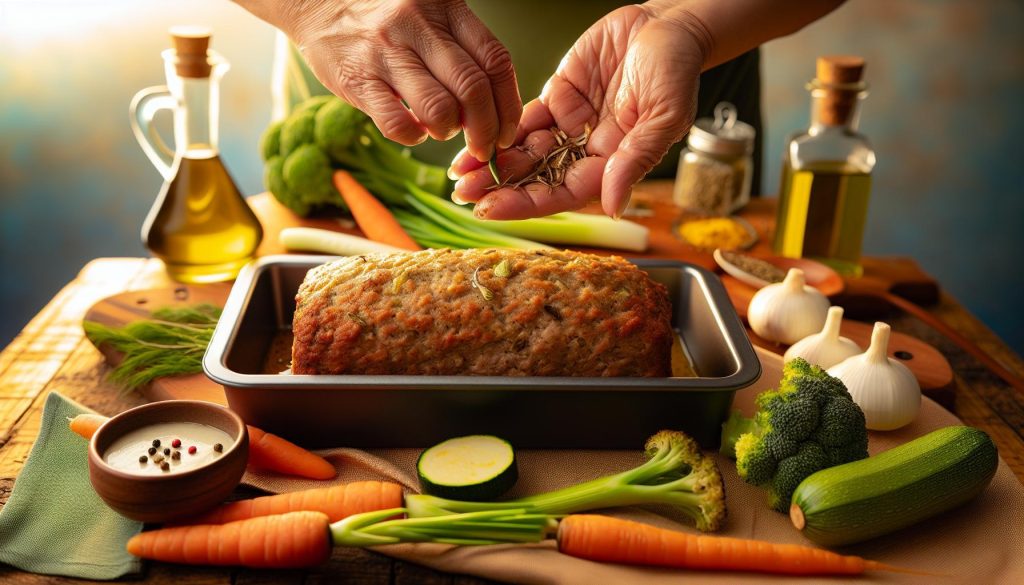
For many, meatloaf represents the essence of comfort food, but if you’re managing diabetes, traditional recipes can often pose challenges. Luckily, there is a way to enjoy this hearty meal without compromising your health. This “Meatloaf Recipe for Diabetics” is crafted to deliver the rich flavors you love while being mindful of your dietary needs.
Understanding how to make healthier food choices is crucial in managing diabetes, and the right ingredients can transform a classic dish into a nutritious option for you and your family. By using lean meats, whole grains, and plenty of vegetables, you can create a meatloaf that satisfies both your taste buds and your health goals. As you explore this recipe, remember that making informed choices is a key component of diabetes management, so let’s dive into creating a dish that blends comfort with wellness!
Meatloaf: A Classic Comfort Food Redefined for Diabetics
There’s something undeniably comforting about a well-prepared meatloaf, evoking memories of family gatherings and home-cooked meals. For those managing diabetes, traditionally high-carb ingredients may create concerns, but with a few thoughtful adjustments, this beloved dish can be transformed into a diabetic-friendly masterpiece. By focusing on nutritious ingredients and mindful preparation techniques, you can enjoy this classic dish while staying on track with your dietary goals.
To make meatloaf suitable for individuals with diabetes, it’s essential to consider both ingredient selection and portion size. Traditional meatloaf recipes often include breadcrumbs or high-carb fillers, but swapping these out for alternatives like finely chopped vegetables, oats, or almond flour can significantly reduce carbohydrate content. Using lean meats such as turkey or chicken also helps lower saturated fat, which is crucial for heart health-a primary consideration for those with diabetes.
Moreover, enhancing the flavor of your meatloaf can be achieved without adding extra carbohydrates. Incorporating a variety of herbs and spices not only boosts taste but can also provide additional health benefits. For instance, herbs like oregano and thyme are both flavorful and low in calories, offering the added benefit of antioxidants. Consider also adding vegetables like bell peppers, onions, and zucchini for moisture and nutrition, all while keeping your meatloaf healthy and hearty.
Remember, serving sizes matter. Adopting a mindful approach by measuring out portions can help in managing blood sugar levels effectively. As you prepare your meal, aim to enjoy a balanced plate, pairing your meatloaf with non-starchy vegetables or a fresh salad. This balanced approach promotes satisfaction while keeping your meal nutritious and diabetic-friendly. With a few smart swaps and a focus on whole ingredients, meatloaf can easily be reimagined as a comforting dish that supports your health and dietary needs.
Understanding Diabetes and Dietary Needs

It’s crucial for anyone managing diabetes to understand how dietary choices impact overall health. Diabetes, a condition characterized by elevated blood glucose levels, can significantly affect various bodily functions if not managed properly. Maintaining a balanced diet is a key component in controlling blood sugar levels and preventing complications associated with the disease. This is particularly important when it comes to comfort foods like meatloaf, which often contain higher amounts of carbohydrates and unhealthy fats that could compromise blood sugar stability.
To effectively navigate dietary needs, individuals with diabetes should prioritize foods that have a low glycemic index (GI) as they raise blood sugar levels more slowly compared to high-GI foods. Incorporating sources of healthy protein, fiber, and plenty of non-starchy vegetables can help create a well-rounded meal. For instance, while traditional meatloaf recipes may rely heavily on breadcrumbs for texture, swapping them out for options like oats or finely chopped vegetables can lower the carbohydrate content while enhancing the nutritional value. This approach not only supports blood sugar management but also provides essential vitamins and minerals.
Being mindful of portion sizes is another important aspect of diabetes management. Using measuring tools can help maintain appropriate portion control, ensuring that each meal supports health goals without leading to excessive calorie intake. In addition to controlling portions, it’s beneficial to pair meals with non-starchy sides, such as a fresh salad or steamed vegetables, which can promote fullness and provide additional nutrients without spiking blood glucose levels.
Implementing these dietary strategies empowers individuals with diabetes to enjoy their meals while staying within their nutritional needs. For those seeking further support, consulting with a registered dietitian or diabetes educator can provide tailored guidance tailored to individual circumstances, making diabetes management feel less daunting and more achievable. Remember, you’re not alone in this journey, and with the right information and resources, you can make informed choices that align with your health goals.
Choosing Healthy Ingredients for Your Meatloaf

Choosing ingredients for meatloaf that are both delicious and diabetes-friendly can transform this comfort food into a guilt-free meal. The key lies in understanding which elements enhance flavor and nutritional value while keeping blood sugar levels in check. When selecting your ingredients, prioritize those that are high in nutrients and low in glycemic impact. This approach not only satisfies cravings but also contributes to overall health management.
One fantastic way to start is by selecting lean protein sources. Choosing ground turkey, chicken, or extra-lean ground beef can reduce saturated fat levels while providing ample protein. These options are beneficial for muscle health and can help stabilize blood sugar levels. Additionally, incorporating legumes such as lentils or black beans can add fiber and protein, enhancing the meatloaf’s texture and nutrition without drastically increasing carbohydrate content.
Another strategy revolves around including vegetables in your meatloaf. Finely chopped onions, bell peppers, or carrots not only boost the flavor but also elevate the vitamin content. These non-starchy vegetables are low in calories and rich in essential nutrients, making them great allies in a diabetic-friendly diet. Consider replacing traditional breadcrumbs with oats or almond flour, which offer a lower glycemic index, ensuring that your meatloaf remains hearty without spiking blood sugar levels.
When seasoning your meatloaf, reach for fresh herbs and spices instead of high-sodium sauces or pre-packaged mixes. Ingredients like garlic, basil, rosemary, and smoked paprika can increase flavor profile without adding unnecessary sugars or unhealthy fats. By actively choosing health-conscious components, you’re not just making a delicious dish but also promoting better blood sugar control and overall well-being for yourself or loved ones managing diabetes. Remember, these thoughtful ingredient choices can turn a typical meal into a nourishing experience that supports long-term health goals.
Tips for Reducing Carbohydrates in Meatloaf

Reducing carbohydrates in your meatloaf doesn’t mean sacrificing flavor or satisfaction-on the contrary, with a few thoughtful adjustments, you can create a dish that not only tastes delicious but also adheres to dietary needs. Start by substituting high-carb fillers traditionally found in meatloaf with healthier options. For instance, while breadcrumbs are a staple, consider using ground flaxseed or finely crushed nuts. These alternatives provide healthy fats and protein while significantly lowering the carbohydrate count, leading to better blood sugar management.
Incorporating vegetables is another smart tactic. Choose varieties that are lower in starch, such as zucchini, spinach, or bell peppers, which can be grated or finely chopped and added to the meat mixture. This not only adds moisture and flavor but also boosts the overall nutrient profile without piling on the carbs. The fiber from these non-starchy vegetables can help slow digestion and maintain steady blood sugar levels.
To enhance the flavor of your meatloaf without extra carbs, delve into the world of spices and herbs. Bold flavors can be achieved with garlic, onion powder, black pepper, and herbs like thyme or oregano. These ingredients not only boost taste but also provide nutritional benefits without contributing to carbohydrate content. Avoid pre-packaged seasoning mixes that often contain added sugars and starches, and instead, opt for fresh or dried herbs and spices to keep your meatloaf healthy.
Moreover, cooking techniques can play a crucial role in creating a diabetes-friendly meatloaf. Baking instead of frying can help reduce unnecessary fats and calories, allowing you to focus on the quality of your ingredients. Ensuring that you monitor portion sizes can also aid in carb control, making it easier to enjoy this beloved dish without overindulgence. When planning meals, always consider discussing dietary changes with a healthcare professional to tailor your approach to your specific health needs.
Best Protein Sources for Diabetic-Friendly Meatloaf

When crafting a diabetic-friendly meatloaf, selecting the right protein sources is crucial not only for flavor but also for managing blood sugar levels effectively. Protein is an essential macronutrient that helps keep you full and satisfied, making it an ideal choice for those looking to maintain a healthy weight and stable blood glucose. Here are some excellent protein options that align perfectly with diabetic dietary needs.
Lean meats are a great starting point for your meatloaf. Options like ground turkey or chicken provide a lower-fat alternative to traditional beef, reducing overall calorie content without sacrificing flavor. Look for varieties that are at least 93% lean to minimize unhealthy fats-which can contribute to insulin resistance if consumed in excess. For those who prefer a heartier flavor, lean cuts of beef like sirloin or round can be included, ensuring to trim any visible fat before cooking.
If you’re exploring plant-based proteins, consider incorporating beans or lentils into your meatloaf. They offer not only protein but also an abundance of fiber, which can aid in stabilizing blood sugar levels. For instance, black beans or chickpeas can be mashed and mixed into the meat blend, enhancing both texture and nutritional value. Another excellent plant-based option is quinoa, which is packed with protein and contains all nine essential amino acids. This versatile grain can easily be integrated into any meatloaf recipe, providing a unique flavor and beneficial nutrients.
For those looking to get a bit creative, including tofu or tempeh can elevate your meatloaf while keeping it diabetes-friendly. Firm tofu can be crumbled and mixed into the meatloaf for added texture and protein perks. Tempeh, with its nutty flavor and multiple cooking benefits, can be finely chopped or crumbled to replace a portion of the meat while also increasing the fiber content.
Utilizing a combination of these protein sources can not only enrich your meatloaf with flavor and nutrients but can also help in blood sugar regulation. Remember, it’s always wise to consult healthcare professionals when making dietary changes, ensuring your meal plans suit your individual health requirements and diabetes management strategies. By stocking your pantry with a variety of protein options and experimenting with recipes, you can enjoy classic comfort food while adhering to a healthy and balanced diet.
Spices and Herbs: Enhance Flavor Without Extra Carbs
Incorporating herbs and spices into your meatloaf can transform a simple dish into a culinary delight without adding unnecessary carbohydrates. These flavor-enhancing ingredients not only elevate the taste but can also offer health benefits, making them an essential component of any diabetic-friendly recipe. Many herbs and spices are naturally low in calories and carbohydrates while bringing a medley of flavors that can satisfy even the pickiest eaters.
Consider using garlic powder, onion powder, oregano, basil, and thyme to provide depth and aromatic notes to your meatloaf. Garlic, in particular, has been linked with improved insulin sensitivity and can contribute to better blood sugar management. Similarly, spices like cumin and paprika can add warmth and nuance, lighting up your palate without the risk of raising blood glucose levels.
To make your meatloaf truly unique, don’t shy away from experimenting with more exotic herbs and spices such as dill, rosemary, or even a pinch of saffron. Not only do they elevate the taste, but these herbs often contain antioxidants that can contribute to overall health. Below are some spices you might consider adding to your recipe:
- Garlic Powder: Enhances flavor while possibly benefiting insulin sensitivity.
- Onion Powder: Adds sweetness and depth without the carbs.
- Oregano: Offers a classic Italian flavor and contains powerful antioxidants.
- Thyme: Adds an earthy taste and may support respiratory health.
- Cumin: Provides a warm, nutty flavor and has various health benefits.
- Paprika: This spice adds color and a mild sweetness, rich in antioxidants.
Utilizing fresh herbs like parsley or cilantro can also brighten the dish and provide fleeting freshness that balances the hearty textures of the meatloaf. Not only do these enhancements make your meal exciting and flavorful, but they also support a balanced diet and encourage creative cooking in diabetic meal planning. Just remember to consult with registered dietitians or healthcare professionals when making substantial changes to your diet, ensuring that those choices are right for your unique health situation. By infusing your meatloaf with delightful flavors from herbs and spices, you can create a comforting and healthy dish that the whole family will cherish, diabetes-friendly style.
How to Customize Your Meatloaf Recipe
Transforming a traditional dish like meatloaf into a diabetic-friendly version doesn’t mean sacrificing flavor or satisfaction. Instead, it opens up a world of customization where you can infuse your unique culinary creativity while keeping blood sugar levels in check. One exciting way to personalize your meatloaf is by incorporating a variety of vegetables that not only enhance texture but also pack in vital nutrients. Think about adding finely chopped carrots, bell peppers, or spinach to boost fiber content, which can aid in digestion and help moderate blood glucose spikes.
It’s also worthwhile to experiment with different proteins as the base of your meatloaf. While lean ground beef or turkey is often the go-to, consider mixing in ground chicken or even plant-based options like lentils or chickpeas for a denser, fiber-rich loaf. Using a combination of proteins can not only vary the flavor but also contribute to more balanced meals. For example, adding beans can enhance the protein content while providing complex carbohydrates that digest more slowly.
Flavor can also be adjusted to suit personal preferences by varying sauces or toppings. Instead of the traditional ketchup, which can be high in sugars, try a homemade tomato sauce with herbs, or opt for a glaze made from mustard and horseradish to give your meatloaf a zesty kick. Furthermore, adding a splash of Worcestershire sauce can deepen the umami flavors without compromising your health goals.
Keeping texture in mind is crucial for a satisfying meatloaf. You can incorporate oats or quinoa as healthy fillers or binders. These ingredients not only help hold the meatloaf together but are also beneficial for heart health due to their fiber content. A helpful tip is to cook any grains beforehand to ensure they mix well with the other ingredients and enhance the loaf’s overall moisture.
As you undertake these culinary adventures, always remember to consult with healthcare professionals regarding how new ingredient combinations fit into your personal dietary needs. This approach not only helps create a dish that is delightful and nourishing but empowers individuals and families managing diabetes to reclaim comfort food in healthy ways. Your customized meatloaf can become a beloved staple in your home, proving that healthy eating and indulgence can go hand in hand.
Cooking Techniques for Healthier Meatloaf Options
Cooking a hearty meatloaf that meets diabetic dietary needs is entirely achievable with the right techniques. Preparation methods not only influence the taste and texture of the dish but also its nutritional profile. By employing smarter cooking techniques, you can craft a meatloaf that is satisfying, flavorful, and aligns with your health goals without compromising on comfort food satisfaction.
To start, utilizing moist cooking methods can enhance the texture of your meatloaf while preserving nutrients. Baking in a loaf pan is traditional, but consider using a broiler or a grill for a healthier approach. Both techniques can help drain excess fat and moisture, resulting in a denser and less greasy final product. Additionally, consider incorporating a water bath when baking to keep the meatloaf moist and prevent it from drying out. This method utilizes steam to create a gentle cooking environment, which can help regulate the temperature and maintain moisture.
Another critical aspect is the seasoning and flavoring process. Instead of relying on pre-packaged sauces that can be high in sugar, create homemade seasoning blends and glazes using fresh herbs and spices. A combination of garlic powder, onion powder, and black pepper can provide depth without added carbs. Using flavorful aromatics like onions and garlic within the mixture can elevate the meatloaf without the need for additional unhealthy ingredients.
When it comes to ensuring lower carbohydrate content, consider how you mix and bind your ingredients. Instead of traditional breadcrumbs, opt for ground almonds or oats, which have a lower glycemic index and bring additional health benefits. Also, incorporating vegetables like zucchini, mushrooms, or spinach not only reduces carbs but also adds moisture and flavor. These elements work together to keep the meatloaf tender without the heaviness that often accompanies traditional recipes.
Lastly, allow your meatloaf to rest for a few minutes after cooking. This step ensures that juices redistribute, creating a juicier final product. Not only does this improve taste, but it helps to minimize any potential spikes in blood sugar by making the meal overall easier to digest. As you integrate these techniques, don’t hesitate to reach out to healthcare professionals for personalized advice that complements your diabetic management plan, ensuring your culinary explorations support your health and well-being.
Portion Control: Serving Sizes for Diabetics
Maintaining proper portion sizes is essential for effective diabetes management, especially when enjoying a comforting dish like meatloaf. For those living with diabetes, understanding serving sizes not only helps regulate blood sugar levels but also encourages mindful eating habits that can lead to healthier lifestyle choices. A typical serving of meatloaf for diabetics is around 3 to 4 ounces-approximately the size of a deck of cards. It’s important to remember that individualized needs may vary based on specific health goals, weight management, and activity levels.
Incorporating a variety of components into meals is another helpful strategy. For instance, pairing a portion of meatloaf with a generous serving of non-starchy vegetables-such as steamed broccoli or a mixed salad-can create a balanced plate. This not only enhances nutritional value but also helps with satiety, making it easier to stick to recommended serving sizes. Generally, aim to fill half your plate with vegetables, a quarter with your protein (meatloaf), and a quarter with a whole grain or healthy starch (like quinoa or sweet potato) to create a well-rounded meal.
Additionally, consider using measuring tools or visual cues to assess serving sizes accurately. Measuring cups or a food scale can be invaluable for gauging portions until one feels more comfortable with estimating their own. Engaging in these practices fosters accountability and allows for better control over carbohydrate intake, which is crucial in managing diabetes effectively.
Always consult a healthcare professional or a registered dietitian to create a personalized meal plan that meets your health needs. Tailoring portion sizes to individual dietary requirements empowers you to enjoy comforting meals like meatloaf while keeping blood sugar levels in check, promoting a balanced and fulfilling eating experience.
Meal Prep Strategies for Busy Diabetic Lifestyles
Busy lifestyles can make healthy eating seem like a daunting task, especially for those managing diabetes. The good news is that with some strategic meal prep, you can enjoy delicious, diabetic-friendly meals without sacrificing time or flavor. Preparing a meatloaf that meets your dietary needs can be both easy and satisfying.
One effective strategy is to dedicate a specific day each week to meal prep. This could be a Sunday afternoon where you batch-cook multiple meatloafs, portion them out, and store them in the refrigerator or freezer. Consider using a muffin tin to create mini meatloafs that are pre-portioned, making it easier to control serving sizes and reduce time spent reheating meals during the week. These individual servings can be paired with different sides throughout the week, adding variety and preventing mealtime monotony.
Utilizing frozen vegetables is another time-saving technique. A quick steam or stir-fry of these can complement your meatloaf beautifully, providing fiber and nutrients without the added carbohydrates. Prepping sauces or low-sugar condiments in advance, such as a homemade tomato sauce or a tangy mustard glaze, can also enhance flavor and keep your meals exciting.
Keep in mind that keeping healthy snacks and ingredients on hand is crucial to prevent the temptation of unhealthy convenience foods. Stock your pantry and fridge with diabetic-friendly options like whole grains, legumes, fresh produce, and lean meats. Always remember to consult with a healthcare provider or dietitian to align your meal prep strategy with your unique health goals, ensuring you maintain blood sugar control while still enjoying the comfort of home-cooked meals.
Creative Sides to Accompany Your Meatloaf
Pairing a hearty meatloaf with the right sides can elevate your meal while keeping your blood sugar in check. Creative, nutritious accompaniments not only enhance the overall dining experience but also balance out your plate with essential nutrients and lower carbohydrates. Here’s how to make informed choices for sides that complement your comforting meatloaf perfectly.
Vegetable Wonders
Vegetables should take center stage when it comes to your side dishes. Opt for non-starchy vegetables which are low in carbohydrates and high in fiber-perfect for those managing diabetes. Steamed broccoli, sautéed spinach, or roasted Brussels sprouts contribute both flavor and nutrition. You can also whip up a colorful salad tossed with leafy greens, cherry tomatoes, cucumbers, and a sprinkle of nuts or seeds for added crunch. Not only do these sides bring vibrant colors to your plate, but they also provide essential vitamins and minerals without spiking your blood sugar.
Whole Grain Delights
If you prefer something a little heartier alongside your meatloaf, think about whole grains that have a lower glycemic index. Quinoa and brown rice are excellent options and can be flavored with herbs or citrus for an extra kick. Besides being versatile, these grains offer more fiber and extended energy release, helping to keep your blood sugar stable throughout the day.
Creative Purees and Cauliflower Alternatives
For those craving something resembling mashed potatoes, consider making a cauliflower puree. Simply steam cauliflower florets and blend them with a bit of garlic and olive oil for a creamy, satisfying side that’s low in carbs. Other alternative options include mashed sweet potatoes or other low-carb root vegetables like turnips, providing a slightly sweeter contrast to the savory meatloaf while still being friendly to diabetic diets.
Protein Pairings
Incorporating additional protein into your sides can also be beneficial. Consider adding a small portion of beans or lentils seasoned with herbs; they provide plant-based protein and fiber to help control hunger levels. For a quick and easy option, whip up a batch of improved baked beans with reduced sugar content, which can complement your meatloaf seamlessly.
Finding the right sides to accompany your meatloaf can enhance not only the flavors but also your journey toward managing diabetes effectively. Combining various colors, textures, and nutrients can lead to satisfying and balanced meals-without compromising on taste or health. Always remember to stay informed about managing your diabetes by consulting healthcare professionals who can provide personalized advice and strategies tailored to your specific needs.
Q&A
Q: What ingredients should I avoid when making a diabetic-friendly meatloaf?
A: Avoid high-carb ingredients like white bread, sugary sauces, and processed meats. Instead, opt for whole grain bread, low-sugar sauces, and lean protein sources to maintain a balanced meal. Always check food labels to ensure you’re selecting diabetic-friendly options.
Q: How can I make meatloaf lower in calories and carbs?
A: To lower calories and carbs in meatloaf, use ground turkey or chicken instead of beef, incorporate vegetables like mushrooms or zucchini, and replace breadcrumbs with oats or flaxseed. These substitutions enhance nutrition without sacrificing flavor.
Q: Can I use oats instead of breadcrumbs in a diabetic meatloaf recipe?
A: Yes, using oats instead of breadcrumbs in your meatloaf is a great idea. Oats are a whole grain high in fiber, helping to regulate blood sugar levels while providing a hearty texture. Just ensure to adjust the moisture in your mixture accordingly.
Q: What are the best herbs and spices for flavoring diabetic meatloaf?
A: Excellent herbs and spices for diabetic meatloaf include garlic powder, onion powder, oregano, basil, and pepper. These options enhance flavor without adding extra carbs or sodium, making your meatloaf both tasty and healthy.
Q: How can I add vegetables to my meatloaf without changing the taste?
A: Incorporate finely grated vegetables like carrots, zucchini, or bell peppers into your meatloaf mixture. They blend well with the meat and add nutrition without significantly altering the taste. Cooking them lightly before mixing can also enhance their flavors.
Q: Is it safe to eat meatloaf with ketchup if I have diabetes?
A: It can be safe to use ketchup in moderation if you choose a low-sugar or no-sugar-added variety. Check the label for carbohydrates and sugar content. Mixed with spices, you can create your own healthier sauce for added flavor without excess sugar.
Q: What are some healthy sides to serve with diabetic-friendly meatloaf?
A: Healthy sides for diabetic meatloaf include steamed vegetables, salad with low-fat dressing, or cauliflower mash. These options are low in carbs and calories, complementing your meatloaf while providing essential nutrients.
Q: Can I meal prep diabetic meatloaf for the week?
A: Yes, meal prepping diabetic meatloaf is a smart strategy! Prepare and cook your meatloaf in advance, then store it in portions in the refrigerator or freezer. This makes it easy to enjoy healthy meals throughout the week.
Concluding Remarks
As you prepare to enjoy our Meatloaf Recipe for Diabetics, remember that comfort food can be both satisfying and healthy. This delicious dish not only supports your dietary needs but also brings joy to family meals. Ready to make more positive food choices? Explore our related articles on healthy meal planning and snacks for diabetics, or consider signing up for our newsletter for tips and recipes delivered directly to your inbox.
Your journey in managing diabetes doesn’t have to be daunting-taking small, enjoyable steps can lead to better health outcomes. If you have questions about meal options or want personalized advice, don’t hesitate to consult with a healthcare professional. Share your thoughts below, and let’s build a supportive community together! Check out our resources on diabetes management for more helpful insights; your healthy lifestyle is just a click away!