Navigating meal preparation can be challenging for those managing diabetes, especially when it comes to making flavorful choices that align with health goals. Did you know that many store-bought salad dressings are loaded with sugars and unhealthy additives? This can be a concern for those looking to maintain stable blood sugar levels. In this guide, we’ll explore eight delicious, sugar-free homemade salad dressing recipes that not only satisfy your taste buds but also support your health. By making your own dressings, you can easily control ingredients, ensuring that every bite aligns with your dietary needs. Let’s dive into these simple recipes that empower you to enjoy salads without compromising on flavor or your health objectives!
Homemade Salad Dressing: Why It’s Ideal for Diabetics
When managing diabetes, making informed food choices is critical, and salad dressings often fly under the radar as a significant source of hidden sugars and unhealthy ingredients. Homemade salad dressings offer a compelling alternative that empowers individuals to take control of their dietary needs while still enjoying flavorful meals. By creating your own dressings, you can ensure that they are not only tailored to your taste preferences but also aligned with your health goals.
One of the primary advantages of homemade dressings is the ability to select diabetic-friendly ingredients that minimize blood sugar spikes. Instead of relying on store-bought options laden with added sugars and preservatives, making your own allows you to experiment with natural flavor enhancers like herbs, spices, and vinegar. For example, using balsamic vinegar or citrus juices can provide a tangy kick without the calories and carbohydrates found in many commercial dressings. Furthermore, you can use healthy fats, such as olive oil or avocado oil, which can help stabilize blood sugar levels and support overall heart health.
Creating sugar-free dressings is not just about eliminating sweeteners; it’s also about incorporating nutritious elements that enhance your salads. Adding ingredients rich in fiber, such as mustard or yogurt, not only contributes to a creamy texture but also aids in improving digestion and maintaining satiety. Furthermore, by adjusting the acidity and seasoning, you have the opportunity to elevate the flavor of any salad, encouraging the consumption of more vegetables-an essential component of any diabetes-friendly diet.
Overall, opting for homemade salad dressings isn’t just a culinary choice; it’s a proactive step toward better diabetes management. With each batch you create, you are actively participating in your health journey, discovering new flavors, and making meals that are both delightful and nourishing. Always remember to consult a healthcare professional for personalized dietary advice and to ensure that your choices align with your health needs.
Understanding Diabetic-Friendly Ingredients
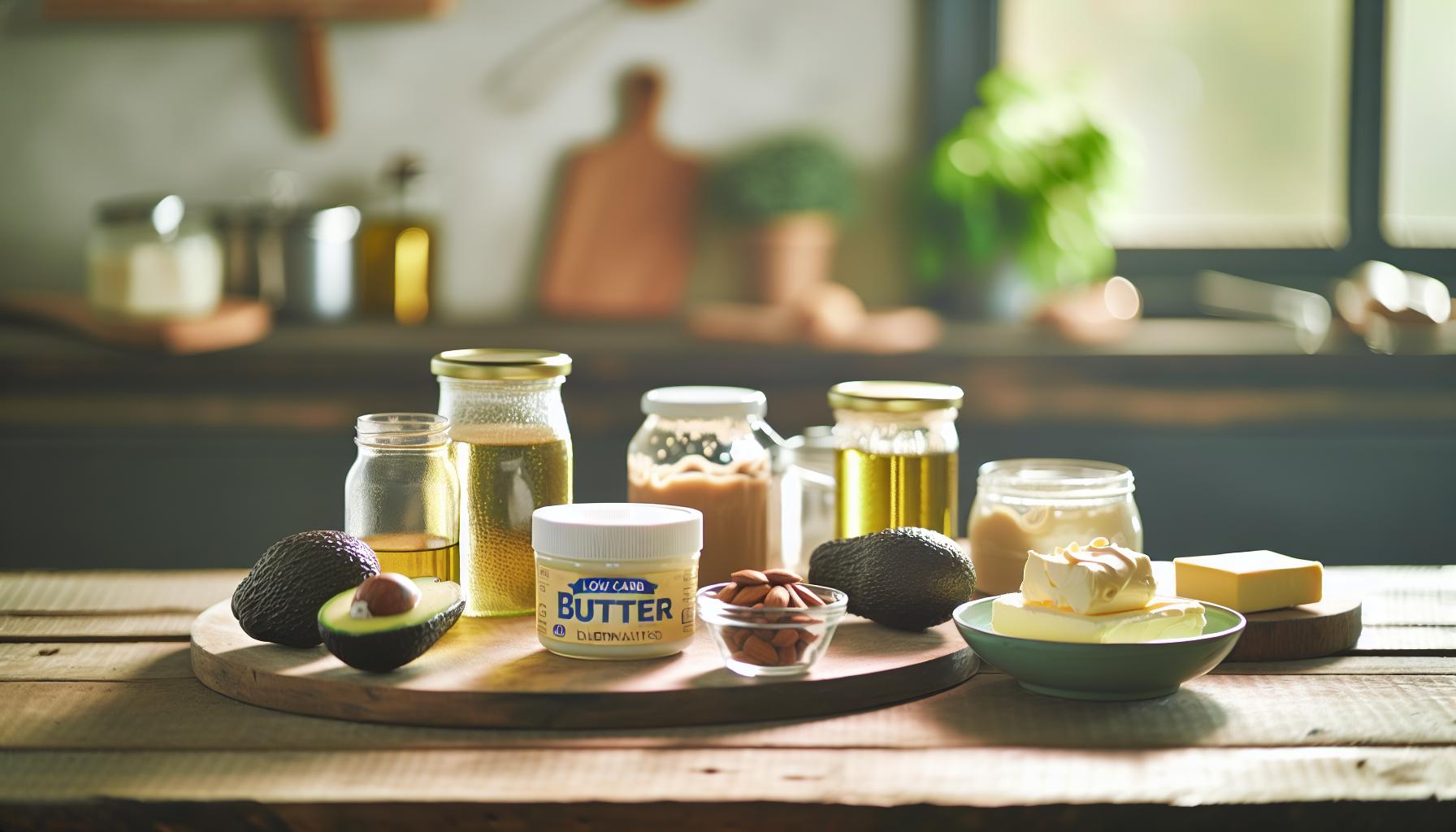
When creating homemade salad dressings, understanding which ingredients are diabetic-friendly is crucial for maintaining stable blood sugar levels. Many store-bought dressings contain hidden sugars and unhealthy additives that can raise blood sugar unexpectedly. By choosing the right components, you not only enhance flavors but also ensure your dressings are aligned with your health goals.
One of the best ways to start is by selecting healthy fats. Oils like olive oil or avocado oil are wonderful choices, as they are rich in monounsaturated fats, which can benefit heart health. These fats also help administer a slow, steady release of energy, an essential factor for blood sugar control. Additionally, incorporating vinegar varieties like balsamic or apple cider can introduce zingy flavors without the carbohydrates that sweet dressings usually possess.
Look to flavor enhancers that can elevate your dressings without compromising health. Fresh herbs such as basil, parsley, and cilantro not only provide vibrant flavors but are also low in calories and carbohydrates. Spices like garlic powder or paprika deliver flavor depth, and spices like cinnamon have been noted to help with blood sugar management. You can even use blends of herbs and spices to experiment, keeping meals interesting and nutritious.
Furthermore, consider adding fiber-rich ingredients like Greek yogurt or tahini, which can not only thicken your dressings but improve gut health and promote satiety. Fiber slows down carbohydrate digestion, allowing for better blood sugar management. For a bit of sweetness, use natural sources like stevia or erythritol, both of which provide sweetness without the spike in blood sugar associated with traditional sugars.
Ultimately, the journey of finding the right diabetic-friendly ingredients for homemade dressings can be empowering. It allows you to take control of your health while creating delicious meal enhancements. As you experiment, always consult with your healthcare professional to ensure that your dietary choices support your health needs and diabetes management.
How to Make Your Own Sugar-Free Dressings

Creating sugar-free dressings at home not only allows individuals with diabetes to better manage their blood sugar levels but also opens the door to experimenting with flavors and ingredients that support a healthier lifestyle. With a few simple ingredients and a bit of creativity, you can whip up delicious dressings that can elevate your salads, vegetables, and even proteins without the hidden sugars found in store-bought options.
To begin making your dressing, select a base oil that suits your palate and provides health benefits. Olive oil is a fantastic choice for its heart-healthy monounsaturated fats, while avocado oil offers a high smoke point and a light flavor. Combine your oil with an acid, such as balsamic vinegar, red wine vinegar, or apple cider vinegar, which add brightness without adding sugar.
Next, consider adding flavor enhancers to create a dressing that is truly your own. Fresh herbs like parsley, cilantro, or basil can infuse your dressing with fresh taste, while spices such as garlic powder, onion powder, or black pepper can provide depth. For sweetness without the added sugar, consider incorporating a small amount of stevia or erythritol, both of which are naturally derived and do not spike blood sugar levels.
Here’s a simple framework for creating your unique sugar-free dressing:
- Ratio: Start with 3 parts oil to 1 part vinegar.
- Flavor enhancers: Add herbs, spices, or a teaspoon of mustard for extra zest.
- Sweetness: Add a pinch of stevia or erythritol if desired, adjusting to taste.
Mix all these ingredients in a jar, seal it tightly, and shake vigorously. Taste and adjust as necessary-this flexibility allows you to customize your dressings to your health goals and personal preferences. Making your own dressings not only contributes to better blood sugar control but also empowers you to embrace fresh and diversified meals. Always remember, though, to consult your healthcare provider or dietitian about dietary adjustments, ensuring that these homemade creations fit well within your overall diabetes management plan.
8 Delicious Sugar-Free Salad Dressing Recipes
When it comes to enhancing your salads without the hidden sugars of store-bought dressings, preparing your own sugar-free salad dressings can be a delightful and healthy endeavor, especially for those managing diabetes. Here are a few tantalizing recipes that not only bring flavor but also align with a diabetic-friendly lifestyle.
1. Lemon Herb Vinaigrette
This light and zesty dressing is perfect for summer salads. Combine the juice of 1 lemon, ½ cup of olive oil, a teaspoon of Dijon mustard, and a sprinkle of salt and pepper. Add chopped fresh herbs, such as parsley and basil, for an extra flavor boost.
2. Creamy Avocado Dressing
For a rich, creamy option, blend together 1 ripe avocado, 1 cup of Greek yogurt, 1-2 tablespoons of lime juice, and a pinch of salt. This dressing is delicious over mixed greens or as a dip for veggies.
3. Spicy Mustard Dressing
Mix ½ cup of apple cider vinegar, 3 tablespoons of spicy brown mustard, and ¼ cup of olive oil. Whisk until emulsified and season with salt and pepper. This dressing pairs beautifully with roasted vegetables.
4. Balsamic Reduction
Gently simmer 1 cup of balsamic vinegar in a small saucepan until it reduces by half and thickens, about 10-15 minutes. Let it cool and drizzle over salads for a sweet-and-sour bite without any sugar.
5. Cilantro Lime Dressing
Blend 1 cup of fresh cilantro, ¼ cup of lime juice, 1 teaspoon of garlic powder, and ½ cup of avocado oil for a fresh and vibrant dressing, perfect for tacos and grilled dishes.
6. Ginger Sesame Dressing
Combine ¼ cup of sesame oil, 2 tablespoons of rice vinegar, and 1 tablespoon of fresh grated ginger. Whisk together and enjoy over a mixed salad with Asian flavors.
7. Garlic and Chive Dressing
Whisk together ½ cup of extra virgin olive oil, 2 tablespoons of apple cider vinegar, finely chopped chives, and minced garlic. This dressing brings a savory touch that complements any salad.
8. Coconut Milk Dressing
Mix 1 cup of coconut milk with juice from 1 lime and a pinch of salt. This creamy dressing is not only sugar-free but also rich and satisfying.
Using these homemade salad dressings allows you to tailor flavors to your personal taste while keeping your blood sugar levels stable. Remember to consult with a healthcare provider or dietitian to ensure these creative mixtures align with your overall diabetes management goals. The key is to enjoy your meals, making every bite count towards your health!
Tips for Customizing Your Dressings
Enhancing your homemade salad dressings to fit your unique taste palette is not just a culinary adventure but also a beneficial way to manage diabetes more effectively. Customizing your dressings allows you to control the ingredients, ensuring everything aligns with your dietary needs and personal preferences. Here are some practical tips to get you started on this flavorful journey.
Start by experimenting with different types of oils and vinegars. While olive oil is a popular choice for its heart-healthy fats, consider using avocadas or nut oils for additional flavor profiles and nutritional benefits. For vinegars, balsamic, apple cider, and rice vinegar can offer distinct acidity levels, enhancing the dressing’s overall taste. Remember, balancing acidity and richness is key; a good rule of thumb is to keep a 3:1 ratio of oil to vinegar as a starting point.
Adding herbs and spices is a surefire way to elevate your dressings without adding sugar. Fresh herbs like basil, cilantro, or parsley impart vibrant flavors while spices such as cumin, paprika, or crushed red pepper can introduce a delightful kick. Consider creating flavor blends that reflect different cuisines; for example, a pesto-inspired dressing using basil, nuts, and Parmesan cheese or a zesty taco blend with chili powder and lime.
For those looking to add sweetness without the sugar, natural options like stevia or erythritol can work beautifully. Also, incorporating ingredients like mashed fruits (e.g., avocado or mango) can achieve creaminess and an added depth of flavor. Don’t forget to check the nutrition information of any additives you use, focusing on their impact on your blood sugar levels.
Finally, it’s essential to taste test and adjust your creations before serving. Make small adjustments, such as adding a dash of salt or a squeeze of lemon, to refine the flavors. Keep a note of what works well together, as this can help streamline the process when you make your dressings in the future. With these customization tips, you can enjoy a variety of delicious and diabetes-friendly dressings that keep your meals exciting while supporting your health goals.
Storing and Using Homemade Dressings Safely
Storing homemade salad dressings properly not only extends their shelf life but also ensures they remain safe and tasty for you and your family. When creating your own sugar-free dressings, it’s essential to understand how to manage storage effectively. Generally, homemade dressings can last between 1 to 2 weeks in the refrigerator, but this can vary based on the ingredients used. Using fresh herbs, dairy, or other perishable items in your dressings may shorten their shelf life.
To store your dressings, it is best to use airtight containers or glass jars with tight-fitting lids. This prevents exposure to air, which can lead to oxidation and spoilage. Be sure to label your containers with the date you made the dressing to keep track of their freshness. For dressings with vinegar as a primary ingredient, such as vinaigrettes, they can last longer due to the preservative qualities of vinegar. However, always inspect your dressing before use; if you notice any changes in smell, color, or texture, it’s safer to discard it.
When you’re ready to use your dressing, give it a good shake or stir to recombine any ingredients that may have separated during storage. This is particularly important for oil-based dressings, where oil and vinegar naturally separate. If the dressing appears thicker than expected, consider adding a splash of water or a bit more vinegar to thin it out and restore its original consistency. For those who enjoy meal prep, making larger batches and dividing them into smaller containers can help in portion control while providing convenient, ready-to-use dressings for different meals throughout the week.
In conclusion, ensuring the safety and longevity of your homemade salad dressings directly contributes to a healthier eating experience, particularly for those managing diabetes. With proper storage techniques, not only can you enjoy the flavors you love, but you can also maintain the health benefits that come from controlling your ingredients. Always prioritize food safety, and when in doubt, consult with a dietitian or healthcare provider to discuss the best practices tailored to your individual health needs.
Nutritional Benefits of Homemade Dressings
Creating your own salad dressings at home not only inspires culinary creativity, but it also provides significant nutritional advantages, especially for those managing diabetes. One of the most appealing aspects of homemade dressings is the ability to control the ingredients, which empowers you to make healthful choices tailored to your dietary needs. By opting for homemade versions, you can avoid the added sugars, preservatives, and unhealthy fats often found in store-bought dressings that can adversely affect glucose levels.
When you craft your own dressings, you can utilize a variety of ingredients known for their health benefits. For instance, incorporating olive oil can help lower cholesterol levels and provide heart-healthy fats, while vinegar has been studied for its potential to improve insulin sensitivity and reduce blood sugar spikes. Additionally, fresh herbs and spices not only enhance flavor but also deliver antioxidants and anti-inflammatory properties, which can be beneficial for overall health. Foods rich in antioxidants can help combat oxidative stress, which plays a role in diabetes complications.
Key Components of Nutritional Benefits
- Control over Sugar Content: Homemade dressings allow you to eliminate or significantly reduce sugar, making it easier to adhere to a diabetic-friendly diet.
- Healthy Fats: Using heart-healthy oils, such as olive oil or avocado oil, can support cardiovascular health while providing essential fatty acids.
- Fresh Ingredients: Opting for fresh produce, herbs, and spices not only boosts flavor but also packs in vitamins and minerals, promoting better health outcomes.
- Customization: Tailoring dressings to meet your taste and dietary preferences helps maintain enjoyment in meals while adhering to a special diet.
By prioritizing the use of whole and fresh ingredients in your homemade salad dressings, you create not just a condiment but a healthful addition to your meals. This strategic approach not only enhances the flavor of your salads but also supports your overall dietary goals. Remember, while the benefits are inspiring, it’s always crucial to consult with healthcare professionals, such as a registered dietitian, for personalized recommendations tailored to your specific health needs and dietary restrictions. This ensures that your meal choices are not only delicious but also strategically beneficial for managing diabetes.
Common Mistakes to Avoid When Making Dressings
When crafting your own salad dressings, it’s essential to avoid common pitfalls that can compromise both flavor and nutritional value, especially for those managing diabetes. One significant mistake is using high-sugar ingredients without realizing their impact. Many pre-made sauces and sweeteners, such as honey or sugary fruit juices, can quickly increase the sugar content of your dressing. Instead, consider using natural flavor enhancers like lemon juice or flavored vinegars, which can add zest without spiking blood sugar levels.
Another frequent error is neglecting the importance of balance in flavor profiles. A dressing that’s overly acidic (from too much vinegar or citrus) can be overwhelming, while one that lacks acidity may taste flat. Start by incorporating a blend of fat (such as olive oil), acid (like balsamic vinegar or apple cider vinegar), and a sweet element (such as a small amount of stevia or erythritol) to achieve a harmonious taste. Experimenting with various herbs and spices can also complement the basic ingredients while enhancing your dressing’s nutritional profile.
Storing homemade dressings improperly is another issue that can affect both flavor and safety. Always use clean, dry containers, and remember that oil and vinegar dressings can separate over time. Making small batches can help ensure freshness, as homemade dressings don’t contain preservatives. It’s also wise to label your containers with the preparation date; typically, your creations should be consumed within a week for optimal flavor and safety.
Lastly, there’s a tendency to skip tasting during preparation. Each ingredient impacts the final flavor, so tasting as you go is crucial. This practice allows you to adjust seasoning and ingredients to suit your personal preferences, making healthy eating more enjoyable. With these tips in mind, you can create delicious, diabetic-friendly dressings that enhance your meals while supporting your dietary goals. Always consult with a healthcare professional for tailored advice and to understand how diet affects your diabetes management effectively.
Creative Ways to Use Salad Dressings Beyond Salads
Incorporating homemade salad dressings into your meals can offer a delightful burst of flavor, but their versatility extends far beyond just salads. These dressings can act as flavor-enhancing marinades, vibrant dips, and even unique toppings that can elevate various dishes without adding unnecessary sugars or carbs, making them a fantastic choice for individuals managing diabetes.
One of the most rewarding ways to use salad dressings is as a marinade for proteins and vegetables. For instance, a zesty lemon vinaigrette can infuse chicken breasts or firm fish like salmon with vibrant flavors. Just a couple of hours in the marinade can transform your meal, ensuring it’s both delicious and diabetic-friendly. Additionally, grilled or roasted vegetables tossed in a balsamic vinaigrette make for a flavorful side dish that complements almost any main course.
You can also repurpose your dressings as dipping sauces. A creamy avocado dressing can provide a smooth, rich dip for raw veggies, making for an ideal snack that satisfies cravings without spiking blood sugar levels. Consider using your favorite herb-infused salad dressings as sauces for whole-grain sandwiches or wraps; they can replace heavier, more calorie-dense spreads and deliver the flavor you crave without the added sugar.
Lastly, consider using dressings as finishing drizzles. A homemade mustard vinaigrette can elevate a simple plate of roasted vegetables or enhance the flavors of a grain bowl. These dressings can be applied just before serving to ensure they maintain freshness and flavor, creating new textures and flavor profiles that keep your meals exciting and enjoyable.
By creatively using salad dressings this way, you not only minimize waste but also maximize the health benefits that come with homemade ingredients. Always keep in mind that moderation is key, and consulting a healthcare professional for personalized advice and adjustments is essential for managing your diabetes effectively.
The Impact of Store-Bought Dressings on Blood Sugar
Many store-bought salad dressings are deceptively packaged as healthy options, yet they can contain surprising ingredients that can impact blood sugar levels significantly. Often, these dressings are loaded with added sugars, high-fructose corn syrup, and other refined carbohydrates that can spike glucose levels in individuals with diabetes. A single serving of a typical commercial vinaigrette can contain 5 grams of sugar or more, which might seem small but can add up quickly if used liberally.
Another concern with store-bought dressings is the presence of unhealthy fats, particularly trans fats and high amounts of saturated fats. These fats can not only affect heart health but also influence insulin sensitivity, making diabetes management more challenging. Additionally, many dressings contain preservatives and artificial ingredients that may contribute to inflammation, another risk factor for diabetes complications. Therefore, it’s crucial to inspect nutrition labels carefully before making a purchase.
For those managing diabetes, making homemade dressings can provide a great opportunity to control the ingredients used, thus directly impacting overall health. Homemade dressings allow you to choose diabetes-friendly ingredients like olive oil, vinegar, herbs, and spices, giving you full control over what you’re consuming. Not only do these ingredients enhance flavor without adding sugar, but they also provide beneficial nutrients that support overall well-being. By opting for homemade alternatives, you can avoid the pitfalls of store-bought dressings and embrace a diet that supports your health goals.
To navigate the dressing aisle with confidence, consider keeping a few essential homemade recipes on hand. If you find yourself in the salad dressing aisle, remember that a little extra effort in the kitchen can lead to not only better health outcomes but also deliciously tailored flavors that complement your meals without the unwanted sugars. Always consult with a healthcare professional to tailor dietary decisions to your specific needs and lifestyle.
Consulting a Dietitian for Personalized Tips
Consulting with a dietitian can significantly enhance your journey toward effective diabetes management, especially when it comes to making informed choices about homemade salad dressings. A registered dietitian brings specialized knowledge that can help tailor your dietary plan to consider your unique health needs, lifestyle choices, and personal preferences. Understanding the intricacies of how different ingredients can affect blood sugar levels is essential for managing diabetes, and a dietitian can guide you in selecting the most suitable components for your homemade dressings.
When creating sugar-free dressings, a dietitian can help identify flavors and ingredients that not only taste great but also align with your dietary goals. For instance, they may suggest using herbs and spices creatively to enhance flavor without adding carbs, or choosing healthy fats like avocado oil or nut oils that offer nutrients while benefiting heart health. With their expertise, a dietitian can also educate you on appropriate portion sizes and how to balance dressings within your overall meal plan, ensuring that you maintain stable blood sugar levels.
Additionally, dietitians offer practical advice for navigating special dietary needs, such as food allergies or preferences like vegetarianism, which can influence the types of ingredients you might want for your dressings. They can also assist in meal planning techniques that incorporate your homemade salad dressings, turning your dishes into deliciously diabetes-friendly options. Frequent check-ins with a dietitian can provide ongoing support and motivation, helping you stay committed to your health goals.
Ultimately, while homemade salad dressings are a fantastic way to control ingredients and promote better health, professional advice can empower you to make choices that truly support your journey with diabetes. Remember, the insights gained from a dietitian can be invaluable, guiding you not just in making dressings but in honing your overall approach to dietary management. Make sure to take advantage of this resource as you navigate your culinary adventures!
Faq
Q: What are the best sugar substitutes for homemade salad dressings for diabetics?
A: The best sugar substitutes for homemade salad dressings include stevia, erythritol, and monk fruit. These alternatives provide sweetness without raising blood sugar levels, making them ideal for diabetics. Consider experimenting with different ratios to find the taste that suits you best.
Q: How can I make a low-carb salad dressing?
A: To make a low-carb salad dressing, use high-quality oils like olive or avocado oil, vinegar, and fresh herbs. You can also add flavor enhancers like garlic or mustard while avoiding sugar and high-carb ingredients. This will help keep the dressing delicious and diabetic-friendly.
Q: Can homemade salad dressings help manage diabetes?
A: Yes, homemade salad dressings can help manage diabetes by allowing you to control the ingredients. You can avoid added sugars, unhealthy fats, and preservatives found in store-bought dressings, leading to healthier meal choices and better blood sugar control.
Q: How long can I store homemade salad dressings?
A: Homemade salad dressings can typically be stored in the refrigerator for about one week. Be sure to use airtight containers to protect their freshness. Check for any changes in smell or appearance before using, especially if you include sensitive ingredients like dairy.
Q: Are vinegar-based dressings better for diabetics?
A: Yes, vinegar-based dressings are often better for diabetics because vinegar can help lower blood sugar levels after meals. Additionally, these dressings tend to be lower in calories and sugar compared to creamy dressings. Pairing vinegar with healthy oils enhances flavor without compromising health.
Q: What oils are best for making diabetic-friendly dressings?
A: The best oils for diabetic-friendly dressings include extra virgin olive oil, avocado oil, and flaxseed oil. These oils contain healthy fats that are beneficial for heart health and do not negatively impact blood sugar levels, making them ideal for salad dressings.
Q: How do I customize my salad dressing recipes?
A: You can customize your salad dressing recipes by adjusting the acidity with lemon juice or vinegar, altering the sweetness with sugar alternatives, and adding spices or herbs that suit your taste preferences. This allows you to create dressings that complement different salads and meals.
Q: Is it safe to use store-bought dressings for diabetics?
A: While some store-bought dressings are safe for diabetics, many contain added sugars and preservatives. Always read the ingredient label to choose dressings lower in sugar and carbs. Homemade dressings are often fresher and free from unhealthy additives, making them a better choice for managing diabetes.
These FAQs can provide useful insights and encourage further exploration of diabetic-friendly cooking, supporting readers as they navigate their dietary choices. For more on ingredient benefits, check out the article section on Understanding Diabetic-Friendly Ingredients.
The Conclusion
Thank you for exploring our “Homemade Salad Dressing for Diabetics: 8 Sugar-Free Mix.” You now have the tools to create delicious, diabetes-friendly dressings that enhance your meals without the added sugars. Remember, incorporating these dressings not only adds flavor but also supports your overall health management as you navigate diabetes. Don’t let mealtime be a challenge-start mixing your own dressings today and taste the difference!
For more insights on managing your diabetes through delicious choices, check out our articles on healthy meal plans and diabetic-friendly snacks. Curious about how to balance your carbohydrate intake? Our guide on understanding food labels will help you make informed decisions.
Join our community! Leave a comment below sharing your favorite dressing mixes or any questions you might have. Sign up for our newsletter for regular tips and recipes to support your diabetes journey. Empower yourself with knowledge, and let’s continue this journey together toward healthier choices!
Get our latest guides, news, and insights highlighted in your Google Search & AI Overviews.