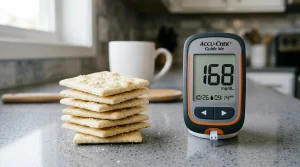
For those managing diabetes, finding satisfying snacks that align with dietary goals can feel challenging. Did you know that traditional snacks often contain hidden sugars that can impact blood sugar levels? Graham crackers, a favorite for many, can be reimagined into low-sugar alternatives that not only satisfy cravings but also fit into a diabetes-friendly diet. Exploring healthier versions of these delightful treats allows you to maintain your lifestyle while making mindful food choices. In this article, we’ll delve into creative ways to enjoy graham crackers without compromising your health. Whether you’re seeking a sweet fix or a convenient snack for on-the-go moments, you’ll discover options that empower you on your journey to better diabetes management. Let’s unlock the potential of graham crackers and make snacking a delicious part of your healthy lifestyle.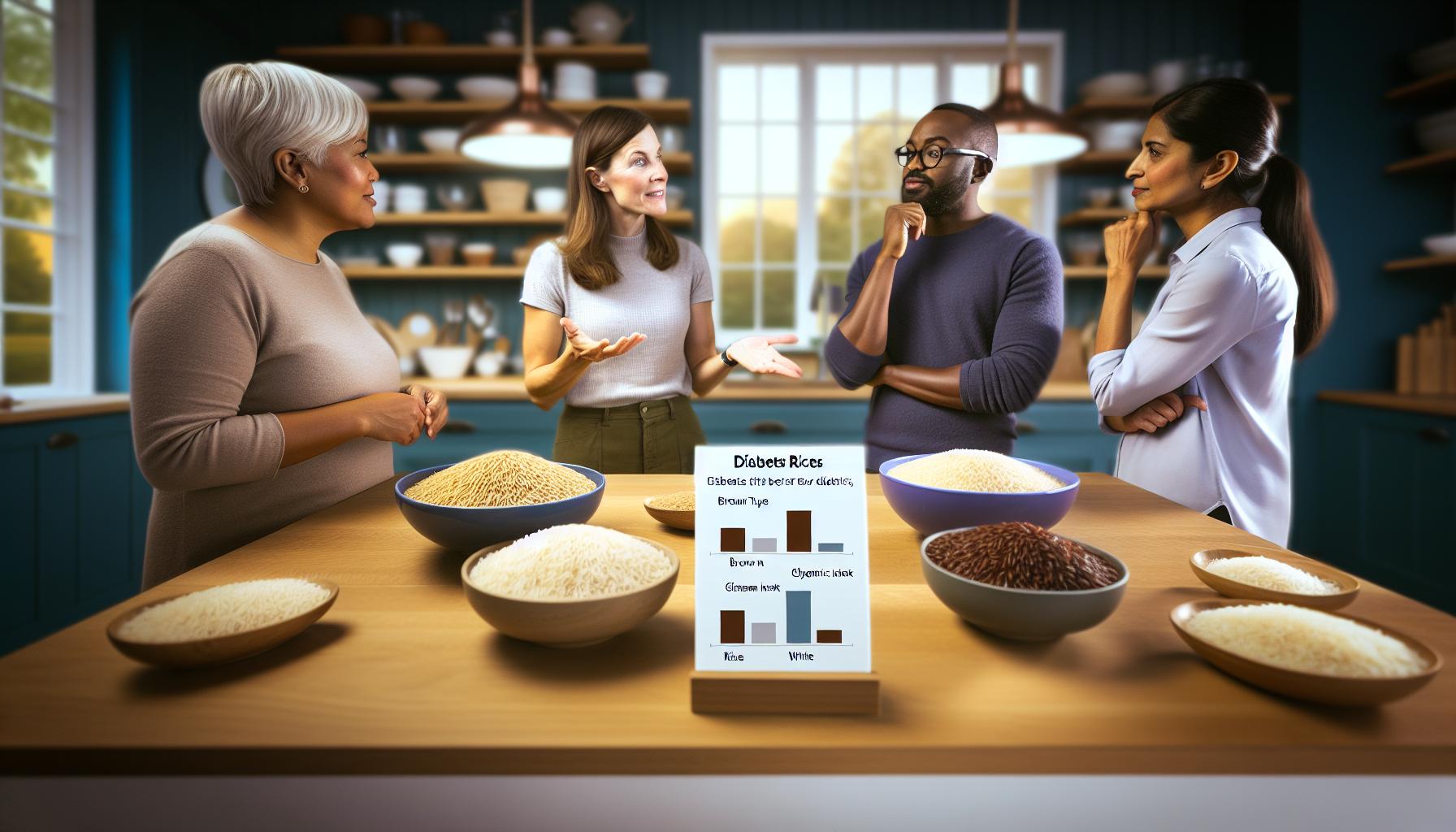
Healthy Alternatives to Traditional Graham Crackers
When it comes to satisfying your sweet tooth while managing blood sugar levels, exploring alternatives to traditional graham crackers can provide delicious and nutritious options. Many people assume that snacks are off-limits for diabetics, but with the right substitutes, it’s possible to enjoy treats without compromising health.
One great alternative to graham crackers is rice cakes. These offer a neutral flavor that can easily be topped with peanut butter and a sprinkle of cinnamon, giving you the crunch and sweetness without excess sugar. Additionally, you might consider whole grain crackers. Look for varieties that are low in sugar and high in fiber, which can help mitigate blood sugar spikes. Many brands now offer products made with seeds and legumes, which not only enhance nutrition but also add a delightful crunch.
For those who enjoy a bit of sweetness, experimenting with nut and seed bars can be a perfect solution. They often come in low-sugar versions that incorporate natural sweeteners like stevia or erythritol, making them diabetic-friendly. You can also make your own at home by blending oats, nuts, and unsweetened cocoa powder, then pressing the mixture into a pan and letting it cool.
Finally, consider homemade oat cookies. They can be prepared using oats, mashed bananas, and a touch of cinnamon, allowing you to indulge in a sweet treat that’s free from refined sugars. This not only satisfies cravings but also provides a good source of fiber. With all these options, it’s clear that maintaining a tasty snack routine while managing diabetes is entirely achievable. Always remember to consult with healthcare professionals before making significant changes to your diet.
Understanding Diabetic-Friendly Sweeteners
When it comes to managing diabetes, understanding sweeteners is crucial for maintaining stable blood sugar levels while still enjoying flavorful snacks. Diabetic-friendly sweeteners come in various forms, allowing you to satisfy your sweet tooth without the downsides associated with traditional sugars. Many of these alternatives can be used to create delicious low-sugar variations of snacks, including graham crackers, ensuring you don’t feel deprived.
One popular choice among diabetics is stevia, a natural sweetener derived from the leaves of the Stevia plant. It contains no calories and does not affect blood sugar levels, making it an excellent option for sweetness without the guilt. Another viable option is erythritol, a sugar alcohol that has about 70% of the sweetness of sugar but is low in calories and has a negligible glycemic index. These sweeteners can easily be substituted in homemade recipes for graham crackers or other desserts, allowing you to keep your treats sweet yet safe for blood sugar management.
Additionally, monk fruit extract is gaining attention as a powerful sweetener that is both natural and calorie-free. It’s made from the monk fruit and offers a sweet flavor without the aftertaste that some sugar substitutes have. Incorporating these sweeteners into your cooking and baking can lead to innovative and satisfying versions of your favorite snacks, such as cookies or dessert bars.
When exploring sweeteners, it’s important to choose options that align with your overall dietary goals and preferences. Always read labels to confirm potential additives or combinations with sugars that may not be helpful for managing diabetes. As you experiment with these alternatives, consult with a healthcare professional or a registered dietitian to develop a strategy that works best for your individual needs and lifestyle. This way, you can create and enjoy sweet snacks without fear, achieving a balance between enjoyment and health.
Understanding Portion Control for Diabetic Snacks
Navigating portion control is a cornerstone of effective diabetes management, especially when enjoying snacks like graham crackers. It’s crucial to recognize that even lower-sugar alternatives can impact blood sugar levels if consumed in excessive amounts. A mindful approach to portion sizes can help you savor your snacks without the worry of overindulgence.
When it comes to graham crackers, a standard serving size generally ranges from around 2 to 4 crackers, depending on the brand and recipe. To better manage portion sizes, consider these practical tips:
- Pre-portion your snacks: Instead of munching straight from the box, pre-portion your graham crackers into snack bags or containers. This helps create a visual and practical boundary for how much you should eat.
- Pair with proteins or healthy fats: Combining graham crackers with nut butter, Greek yogurt, or low-fat cheese can make your snack more satisfying while encouraging proper portion sizes. Protein and fats can help slow the absorption of sugars, contributing to more stable blood sugar levels.
- Mindful eating: Take time to enjoy your snack without distractions. Focus on the flavor and texture of the food. This can enhance your eating experience and help you recognize when you’re full.
In addition, understanding the nutritional content of your snacks is essential. Look for variations that include whole grains or added fiber, as these can aid in satiety and stabilization of glucose levels. For example, homemade graham crackers using almond flour instead of refined flour can have a higher fiber content, which is beneficial for blood sugar control.
Ultimately, the guidance of healthcare professionals is invaluable. They can provide personalized advice on how to effectively incorporate snacks into your meal plan while maintaining balance and stability in your blood sugar levels. Consider sharing your snack choices with a registered dietitian, who can help ensure that your snacks not only taste good but also fit well within your overall dietary goals. Empower yourself with knowledge and the right strategies to enjoy peanut butter on graham crackers or any snacks while managing diabetes effectively.
Homemade Graham Crackers: Simple Recipes
Creating your own graham crackers at home not only allows you to control the ingredients but also enables you to craft a snack that is better suited for your dietary needs, particularly if you’re managing diabetes. Homemade alternatives can be tailored to reduce sugar and increase fiber, making them a perfect addition to your low-sugar snack repertoire. Imagine biting into a crisp, lightly sweetened graham cracker that complements your favorite spreads or can be enjoyed on its own without the guilt.
To make these diabetic-friendly graham crackers, start with almond flour, which is lower in carbohydrates and higher in fiber compared to traditional wheat flour. Here’s a simple recipe to get you started:
Simple Homemade Graham Crackers
- 1 ½ cups almond flour
- ¼ teaspoon baking soda
- 1 teaspoon cinnamon
- 2 tablespoons melted coconut oil or unsalted butter
- 2 tablespoons erythritol or another diabetic-friendly sweetener
- 1 teaspoon vanilla extract
- 1 egg
Instructions
- Preheat your oven to 350°F (175°C).
- In a bowl, mix the almond flour, baking soda, cinnamon, and sweetener until well combined.
- In a separate bowl, whisk together the melted coconut oil, vanilla extract, and egg.
- Combine the wet ingredients with the dry ingredients, mixing until a dough forms.
- Place the dough between two pieces of parchment paper and roll it out to about 1/8-inch thickness.
- Cut into squares or rectangles and place them on a baking sheet lined with parchment paper.
- Bake for 10-12 minutes or until lightly golden. Allow them to cool before enjoying!
These homemade graham crackers can be stored in an airtight container for several days. Pair them with a dollop of Greek yogurt or a smear of nut butter for a more satisfying snack option that keeps your blood sugar in check while satisfying your taste buds.
As you explore your options for healthier snacking, consider consulting with a registered dietitian or healthcare professional familiar with diabetes management. They can assist you in adjusting recipes and meal plans to suit your individual needs, helping you maintain stable blood sugar levels while enjoying delicious homemade treats. Take charge of your snack choices by experimenting with recipes like these, all while nurturing your health!
Store-Bought Snack Options for Diabetics
Navigating the snack aisle while managing diabetes can be a daunting task, especially when searching for options that satisfy cravings without compromising blood sugar levels. Fortunately, there are several store-bought snacks specifically designed for individuals with diabetes, providing both convenience and peace of mind. When selecting snack options, look for products that are low in sugar, high in fiber, and made with wholesome ingredients that support overall health.
Many manufacturers have begun to recognize the demand for healthier snack alternatives, leading to the availability of various diabetic-friendly graham cracker options in stores. These snacks often use whole grain or nut flours and natural sweeteners, making them a suitable choice for maintaining stable blood sugar levels. When shopping for pre-packaged snacks, keep an eye out for labels that prominently indicate “diabetic-friendly” or “low-sugar.”
It’s also worthwhile to explore the aisle dedicated to health-conscious items, as you may discover delicious alternatives from brands specializing in gluten-free or low-carbohydrate options. Look for products containing whole grains, nut flours, or natural sweeteners like erythritol or stevia. These ingredients can help achieve a satisfying crunch while maintaining lower carbohydrate counts compared to traditional snacks.
Before purchasing, always check the nutrition labels for important details:
- Serving Size: Be aware of how many crackers or servings are in a pack to avoid overeating.
- Carbohydrate Content: Aim for snacks with less than 15 grams of carbohydrates per serving.
- Sugar Content: Look for snacks with no added sugars or those sweetened with suitable alternatives.
- Fiber: Target snacks that provide at least 3 grams of fiber per serving, as fiber can help regulate blood sugar levels.
By selecting the right store-bought options, you can incorporate guilt-free delights into your diet. Pair these snacks with suitable accompaniments, such as a slice of cheese or a handful of nuts, for a more balanced treat. Be sure to consult with healthcare professionals or registered dietitians to tailor snack choices to your personal dietary needs and blood sugar management goals, ensuring a holistic approach to your health and wellness journey.
Nutritional Breakdown: What to Look For
Understanding the nutritional makeup of snacks is crucial for those managing diabetes. When it comes to selecting graham crackers or low-sugar alternatives, being informed can make a significant difference in blood sugar control and overall health. One key aspect to examine is the ingredient list. Look for products that prioritize wholesome ingredients, such as whole grain flours or nut-based flours, as they offer more fiber and nutrients compared to refined flour options. Whole grains help slow down digestion, which can aid in keeping blood sugar levels stable.
The carbohydrate content should also be a priority when assessing snack options. For diabetics, snacks ideally contain less than 15 grams of carbohydrates per serving. This guideline helps manage insulin response and avoid spikes in blood sugar levels. It’s also wise to pay attention to sugar content; choose snacks with no added sugars, or those using diabetes-friendly sweeteners like erythritol or stevia. These alternatives can satisfy your sweet tooth without adversely affecting your glucose levels.
Fiber content is another critical factor in graham cracker alternatives. It’s advisable to seek out snacks that provide at least 3 grams of fiber per serving. Fiber not only contributes to satiety but also plays a vital role in regulating digestion and blood sugar levels. To further assist in making informed choices, consider using a simple table to compare nutritional values across different brands.
Lastly, keeping an eye on the serving size can prevent unintentional overeating. Many individuals may underestimate the number of servings in a pack, leading to higher carbohydrate intake than intended. Always refer to the nutrition label to understand what constitutes a serving and how that fits into your overall dietary plan. Empower yourself with knowledge and consult with healthcare professionals to ensure your snack choices align with your health goals and dietary needs.
Pairing Graham Crackers with Diabetic-Friendly Foods
Incorporating graham crackers into a diabetic-friendly diet can be both enjoyable and nutritious when paired thoughtfully with other foods. These versatile snacks can complement various toppings and accompaniments that enhance their flavor and health benefits while keeping carb counts in check. Pairing graham crackers with high-protein and high-fiber options can help stabilize blood sugar levels and promote a longer feeling of fullness.
One of the simplest ways to enjoy graham crackers in a healthy manner is to top them with nut butter. Options like almond butter or peanut butter are rich in healthy fats and protein, which can help slow the absorption of carbohydrates. Just be mindful of portion sizes, as nut butters can be calorie-dense. A tablespoon of nut butter spread on one or two graham crackers can create a satisfying snack that balances taste and nutrition.
Another excellent pairing involves using low-fat Greek yogurt as a dip or spread. With added protein and probiotics, Greek yogurt not only adds creaminess but also supports digestive health. You can enhance the flavor by mixing in a sprinkle of cinnamon or a handful of fresh berries. This combination offers a refreshing and satisfying snack option that is equally delightful and nutritious.
For those craving something sweet without the added sugars, consider pairing graham crackers with slices of fresh fruit, such as strawberries or apple slices. The natural sweetness from fruits and their accompanying fiber content will contribute to a fulfilling snack experience. This combination is especially appealing during warm months and can make for a perfect snack after a workout or during break time.
Finally, think outside the box with savory options such as hummus or avocado. Hummus, made from chickpeas, provides fiber and protein, while mashed avocado offers healthy fats and a creamy texture. These toppings create a different snacking experience and can make graham crackers an integral part of a balanced lifestyle for those managing diabetes. Remember, managing diabetes effectively involves creative, healthy eating habits, and partnering with health professionals can provide personalized guidance tailored to individual needs.
Innovative Snack Ideas Featuring Graham Crackers
Incorporating graham crackers into your snacking routine can open doors to a world of creativity, making it easier to maintain a diabetic-friendly diet while satisfying your taste buds. Not only can these crunchy treats serve as a base for various toppings, but they can also be transformed into innovative snack ideas that align with dietary guidelines for diabetes management. Here are several unique combinations that offer both flavor and nutrition.
Flavor-Packed Combinations
- Chocolate Avocado Mousse: Blend ripe avocado with unsweetened cocoa powder, a sugar substitute, and a splash of vanilla extract. Spread or dip graham crackers into this creamy, rich mousse for a sweet treat that won’t spike blood sugar levels.
- Berry & Cottage Cheese Parfait: Layer graham cracker crumbs with low-fat cottage cheese and a mix of fresh berries in a glass. This dessert-like snack is high in protein and fiber, helping you feel full longer while satisfying your sweet tooth.
- Cinnamon Apple Nachos: Slice apples thinly and arrange them over broken graham crackers. Drizzle a blend of cinnamon, a dash of nutmeg, and a sugar-free sweetener on top for a crunchy, sweet treat that’s rich in fiber.
- Spicy Chickpea Spread: Mash cooked chickpeas with tahini, lemon juice, garlic, and a hint of chili powder for a savory spread. Use this as a dip for your graham crackers, elevating them into a protein-packed snack.
Savory Alternatives
Switching up the flavors can keep things exciting. You can also pair graham crackers with savory toppings to create snacks that are both satisfying and diabetes-friendly.
- Herbed Ricotta Spread: Mix ricotta cheese with fresh herbs such as basil and chives. Spread generously over graham crackers for a sophisticated appetizer that feels indulgent but is still nutritious.
- Guacamole & Cilantro Lime: Layer guacamole on graham crackers, topped with cilantro and a sprinkle of lime juice for a refreshing twist. This combination not only tastes great but offers healthy fats from the avocado.
Pairing graham crackers with these creative ingredients allows you to enjoy a wide variety of flavors and textures while keeping your carbohydrate intake in check. Remember, managing diabetes is a journey, and experimenting with healthy snacks can make this path more enjoyable. Consult with healthcare professionals to tailor these ideas to your unique dietary needs, ensuring they fit within your overall meal plans and do not disrupt blood sugar control.
Addressing Cravings: Healthier Snack Strategies
Cravings can be one of the most challenging aspects of managing a diabetic diet, especially when it comes to making satisfying yet healthy choices. Many people often reach for sugary or highly processed snacks that can lead to spikes in blood sugar levels. Instead, finding healthier alternatives that not only curb cravings but also fit within dietary guidelines is essential for overall health and well-being. Graham crackers can be a fantastic base for creating delicious, satisfying snacks that help manage those cravings without sacrificing flavor.
Integrating healthy toppings and accompaniments with graham crackers opens up a world of possibilities. Consider pairing them with protein-rich options like Greek yogurt or nut butter, which not only enhance the flavor but also help stabilize blood sugar levels. For instance, a thin spread of almond or peanut butter on graham crackers can provide a satisfying crunch and a dose of healthy fats, making it a fulfilling snack that is less likely to lead to cravings for something sweet later.
Experimenting with spices and flavors is another great strategy. Instead of reaching for sugary toppings, try sprinkling graham crackers with aromatic spices like cinnamon, which not only adds sweetness without sugar but also has been found to have blood sugar-lowering properties. You can also combine graham crackers with fruits that are lower in glycemic index-like berries or apples-while minimizing portions to maintain balance. Combining graham cracker crumbs with fresh fruit and a dollop of low-fat yogurt can create a delightful parfait that satisfies your sweet tooth without unhealthy sugars.
Don’t forget about the importance of mindfulness in snacking. Taking time to savor each bite can help reduce the urge to overindulge. Listening to your body’s hunger cues is crucial, as is planning your snacks wisely. Pre-portioning graham crackers and their toppings ensures that you stick to reasonable serving sizes, avoiding the temptation to binge on larger quantities that may destabilize your blood sugar levels. Remember to consult with healthcare professionals to fine-tune your snack choices, ensuring they fit your personal dietary needs and promote overall health.
The Importance of Consultations with Healthcare Professionals
Managing diabetes is a journey filled with important choices, particularly when it comes to snacks. The role of healthcare professionals in this journey is invaluable, offering personalized guidance that can significantly impact health outcomes. Engaging with a dietitian or diabetes educator can provide tailored advice on incorporating snacks like diabetic-friendly graham crackers into your diet strategy effectively. They can help identify which combinations of ingredients and flavors can enhance enjoyment while managing blood sugar levels.
Consultations with healthcare professionals also ensure that snack choices align with your individual health goals and metrics. For example, they can recommend specific brands of graham crackers that are lower in sugar and carbohydrates, or advise on appropriate portion sizes to keep your energy balanced. Having these discussions helps you to develop a comprehensive understanding of how daily choices sit within your overall diabetes management plan. This personalized approach empowers individuals and families to make informed choices, making the challenge of diabetes feel more manageable.
Moreover, it’s essential to remember that diabetes is not just impacted by what we eat but by our overall lifestyle-including physical activity and stress management. Healthcare professionals can provide holistic support, addressing these multifaceted aspects. Seek guidance on how to incorporate physical activity alongside snack choices, and learn stress-reduction techniques that promote overall wellbeing. Building this rapport with healthcare professionals not only enhances your knowledge base but also encourages accountability and support in your everyday life.
Feeling confident in your snack selections, such as low-sugar graham crackers, should come from informed decisions made in collaboration with qualified professionals. Regular consultations, whether in person or via telehealth, can make all the difference in navigating the complexities of diabetes. Stay open to asking questions and sharing your experiences; these interactions are key to mastering the art of diabetes management while enjoying tasty snacks and maintaining a vibrant lifestyle.
Tips for Reading Food Labels Effectively
When managing diabetes, deciphering food labels can feel like cracking a complex code, but it’s a vital skill for making informed choices, especially when it comes to snacks like graham crackers. Understanding what each section of a food label means helps you to choose options that align with your dietary goals and blood sugar management. For instance, a graham cracker brand that seems to be low in sugar might still pack a hefty amount of carbohydrates which can spike blood sugar levels.
Start by focusing on the serving size, as this determines the nutritional content provided on the label. A common pitfall is assuming that the listed values apply to the portion you actually eat. If a snack contains 15 grams of carbs per serving but you eat two servings, you’ll need to double that number in your calculations. Additionally, it’s important to look for sugar content-ideally, you want a snack that has minimal added sugars. The “sugars” part of the label includes both natural and added sugars; therefore, be cautious of misleading claims such as “sugar-free,” which may indicate the presence of other carbs that can affect glucose levels.
Next, pay close attention to the total carbohydrate count. This is perhaps the most significant number for someone with diabetes. Instead of focusing solely on sugar, consider the overall carb content, as all carbohydrates can impact blood glucose. An effective tip is to opt for snacks that have a higher fiber content, as fiber can help moderate blood sugar spikes. Look for snacks that have at least 3 grams of fiber per serving, which can slow down the absorption of sugar.
Lastly, don’t overlook ingredient lists. Ingredients are listed in descending order, meaning the first few ingredients are the most significant. Aim for graham crackers made from whole grains, with minimal artificial additives or preservatives. For a quicker, more effective shopping experience, consider using apps or guides from certified diabetes organizations that help in the evaluation of food products.
Remember, while reading labels can empower your choices, consulting with a healthcare professional can provide additional insights tailored to your unique circumstances. As you become more adept at reading labels, you’ll build confidence in selecting low-sugar and diabetes-friendly snacks that satisfy cravings while supporting your health.
Incorporating Low-Sugar Snacks into a Diabetic Meal Plan
can significantly contribute to maintaining stable blood sugar levels, enhancing overall health and enjoyment of food. For those who love the taste of graham crackers, understanding how to integrate them into a balanced diet is essential. Low-sugar alternatives can satisfy sweet cravings while being mindful of carbohydrate and sugar intake. A great starting point is to choose whole-grain or high-fiber versions of graham crackers, as these can help reduce the glycemic impact.
To create a well-rounded snack plan that includes graham crackers, consider pairing them with healthy combinations. Here are some ideas:
- Greek Yogurt and Berries: Pair graham crackers with a serving of plain Greek yogurt topped with fresh berries. This combo provides protein and antioxidants that help regulate blood sugar.
- Nut Butter Spread: Spread almond or peanut butter on graham crackers. The healthy fats and protein in nut butter can help slow sugar absorption.
- Cheese and Veggies: Serve graham crackers with slices of cheese and cucumber or bell pepper sticks. Adding protein and fiber from cheese and veggies offers satiety and nutrient balance.
- Avocado Dip: Blend avocado with lime juice and spices for a tasty dip that pairs well with graham crackers, offering healthy fats and a creamy texture.
When selecting snacks, consider the overall macro and micronutrient profile, making sure to keep track of portion sizes. A handy tip is to prepare snack packs in advance, measuring out appropriate servings of graham crackers and their pairings to avoid mindless eating. This preparation helps maintain consistent eating patterns throughout the day, preventing dramatic spikes in blood sugar levels.
Lastly, discussing any dietary changes with a healthcare professional is crucial. They can provide personalized advice on meal planning and snack integration based on individual health needs and glucose management goals. Remember, by being proactive and informed, incorporating low-sugar snacks can become a positive aspect of diabetes management, leading to healthier choices and improved well-being.
Q&A
Q: Can diabetics eat graham crackers?
A: Yes, diabetics can eat graham crackers, but it’s important to choose low-sugar or whole grain options. Look for brands that offer diabetic-friendly alternatives with reduced sugar content. Always monitor portion sizes to manage blood sugar levels effectively.
Q: What are the best low-sugar snacks for diabetes?
A: The best low-sugar snacks for diabetes include nuts, yogurt (preferably Greek), fresh fruit, and vegetables with hummus. Opt for whole grain crackers or homemade options like low-sugar graham crackers. These choices help maintain energy levels without spiking blood sugar.
Q: How can I make graham crackers more diabetic-friendly?
A: To make graham crackers more diabetic-friendly, consider using almond flour or coconut flour as a base, and sweeteners like stevia or erythritol. This can help lower carbs while retaining flavor. Check the “Homemade Graham Crackers: Simple Recipes” section for instructions.
Q: Are there any sugar substitutes suitable for diabetics?
A: Yes, suitable sugar substitutes for diabetics include stevia, erythritol, and monk fruit. These provide sweetness with fewer or no calories, making them great alternatives for recipes like low-sugar graham crackers. Consult the “Understanding Diabetic-Friendly Sweeteners” section for details.
Q: How many graham crackers can a diabetic eat?
A: The number of graham crackers a diabetic can eat varies based on individual dietary needs. Generally, it’s safe to enjoy a few low-sugar graham crackers as part of a balanced snack, but always check carbohydrate content and consult with a healthcare professional for personalized advice.
Q: Can diabetics enjoy sweets made with graham crackers?
A: Yes, diabetics can enjoy sweets made with graham crackers by modifying recipes to include low-sugar substitutes and monitoring portion sizes. Consider pairing graham cracker desserts with diabetic-friendly toppings like sugar-free pudding or fresh berries for added flavor without excessive sugar.
Q: Why are whole grain graham crackers better for diabetics?
A: Whole grain graham crackers are better for diabetics because they contain more fiber and nutrients compared to refined versions. This helps slow down sugar absorption, which can aid in better blood sugar control. Look for options that highlight whole grains on the label.
Q: What to pair with graham crackers for a balanced snack?
A: For a balanced snack, pair graham crackers with protein sources like peanut butter or Greek yogurt, and add some fruit for fiber. This combination not only satisfies cravings but also supports stable blood sugar levels. Explore “Pairing Graham Crackers with Diabetic-Friendly Foods” for more ideas.
Future Outlook
As you explore low-sugar snack alternatives like graham crackers for diabetics, remember that making informed food choices is a vital part of managing your diabetes. These tasty options not only help satisfy your sweet cravings but also support your overall health and glucose control. Don’t hesitate-start incorporating these snacks into your diet today for a healthier lifestyle!
For further guidance, check out our resources on managing diabetes and preventing complications through tailored meal planning and food choices. You might also find our articles on diabetic-friendly recipes and lifestyle tips helpful in your journey. If you’re seeking personalized advice, consider consulting with a healthcare professional to create a comprehensive care plan that suits your unique needs.
Don’t forget to subscribe to our newsletter for the latest updates and expert insights. Let’s empower each other in this journey toward better health, and feel free to share your experiences or ask questions in the comments below. Together, we can beat the challenges of diabetes!
Get our latest guides, news, and insights highlighted in your Google Search & AI Overviews.