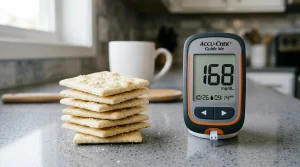
Did you know that 1 in 10 Americans has diabetes? With proper management, including mindful eating choices, you can feel empowered and enjoy delicious meals. Homemade salad dressings are not just tasty but also allow you to control ingredients, ensuring they fit into your diabetes care plan. These quick and easy recipes provide a way to add flavor to your salads without the added sugars and unhealthy fats often found in store-bought varieties. Whether you’re looking to lower your blood sugar, manage your weight, or simply enjoy healthier meals, making dressings at home can make a significant difference. Dive into these delightful recipes that not only tantalize your taste buds but support your health goals, proving that managing diabetes doesn’t mean sacrificing flavor.
Homemade Salad Dressing Benefits for Diabetics
Creating homemade salad dressings can be a game changer for diabetics looking to enhance their meals while managing blood sugar levels effectively. Store-bought dressings often contain hidden sugars, unhealthy fats, and preservatives, which can contribute to spikes in blood glucose. By crafting your own dressings, you can take control of the ingredients, ensuring they align with your dietary needs. Homemade dressings allow for customization with flavor and nutrition, making them a delightful way to enjoy fresh salads without compromising health.
One of the primary benefits of making salad dressings at home is the ability to use low-carb and healthy fats. Ingredients like olive oil, avocado oil, and vinegar provide essential nutrients while keeping carbohydrate counts low. This is especially important for diabetics who are often advised to monitor their carbohydrate intake. For example, using balsamic vinegar adds flavor without the added sugars found in many commercial dressings. Additionally, homemade dressings can incorporate herbs and spices, enriching the taste without extra calories or carbohydrates.
Moreover, preparing your own dressings fosters a deeper connection to the foods you consume, empowering you to make healthier choices. Engaging with the cooking process can be a rewarding experience, making it easier to incorporate more vegetables and nutritious components into your diet. You can experiment with various flavor profiles, whether you prefer zesty citrus, creamy avocado, or herbaceous basil, ensuring every salad becomes a unique culinary experience that supports your health goals.
In summary, choosing to make your own salad dressings presents a fantastic opportunity for diabetics to monitor and control their dietary intake. By focusing on wholesome ingredients and avoiding the pitfalls of processed dressings, you can enhance both the flavor and nutrition of your meals-promoting better blood sugar management and overall health.
Essential Low-Carb Ingredients for Salad Dressings
Crafting your own salad dressings not only enhances the flavors of your meals but also allows you to keep a tight rein on carbohydrate content, which is crucial for managing diabetes. The choices you make in selecting ingredients can significantly affect your blood sugar levels. By focusing on low-carb staples, you can create dressings that are not only delicious but also aligned with your health goals.
- Oils: Healthy fats like olive oil and avocado oil are excellent bases for dressing. They are low in carbohydrates and high in monounsaturated fats, which can help reduce inflammation and improve heart health. Olive oil, for example, is rich in antioxidants and has been linked to better blood sugar control.
- Vinegars: Balsamic, apple cider, and red wine vinegar are all low in carbs and can add a tangy flavor profile to your dressings. Certain vinegars, like apple cider vinegar, may also help improve insulin sensitivity and lower blood glucose levels when consumed regularly.
- Mustard: This ingredient adds a zesty kick while being very low in carbohydrates. Mustard can serve as a great emulsifier in your dressings without impacting blood sugar significantly.
- Herbs and Spices: Fresh herbs like parsley, basil, and cilantro, or dried spices like garlic powder, onion powder, and pepper can enhance flavors without adding carbs. These ingredients not only elevate the taste of your dressings but also provide antioxidants that support overall health.
- Greek Yogurt: As a creamy alternative to mayonnaise, Greek yogurt provides a rich texture and protein without the added sugars and fats found in many processed dressings. Opt for plain, unsweetened yogurt to keep the carb count low.
The beauty of homemade salad dressings lies in their versatility. By mixing and matching these low-carb ingredients, you can create unique combinations that satisfy your taste while also supporting your dietary preferences. Remember, it’s important to experiment and find what flavors resonate with you, transforming healthy eating into an enjoyable experience rather than a chore. Always consider consulting a healthcare professional when making significant dietary changes, especially if you have specific health concerns or conditions.
Quick & Easy Diabetic Salad Dressing Recipes
Crafting quick and easy salad dressings can be a delightful way to enhance your meals while ensuring they align with your dietary needs. For those managing diabetes, homemade dressings not only help control carbohydrate intake but also allow you to customize flavors with fresh, healthy ingredients. Here are some simple recipes that you can whip up in minutes, bringing freshness and zest to your salads.
Classic Vinaigrette
This timeless dressing combines the benefits of healthy fats and tangy flavor.
- Ingredients:
- 1/4 cup olive oil
- 2 tablespoons apple cider vinegar
- 1 teaspoon Dijon mustard
- Salt and pepper to taste
Simply whisk together the olive oil, apple cider vinegar, and Dijon mustard in a bowl. Season with salt and pepper, adjusting to your taste. This dressing pairs beautifully with mixed greens and a variety of veggies.
Herbed Yogurt Dressing
For a creamy option that’s low in carbs, this yogurt dressing is perfect.
- Ingredients:
- 1/2 cup plain Greek yogurt
- 1 tablespoon lemon juice
- 1 tablespoon fresh dill (or any herb of your choice)
- Garlic powder, salt, and pepper to taste
Mix the Greek yogurt, lemon juice, and fresh herbs in a bowl. Add garlic powder, salt, and pepper as desired. This dressing is great on a spinach salad topped with grilled chicken or roasted vegetables.
Spicy Avocado Dressing
Add a kick to your salads with this creamy avocado dressing.
- Ingredients:
- 1 ripe avocado
- 1/4 cup lime juice
- 1 tablespoon olive oil
- 1 teaspoon cumin
- Salt and pepper to taste
Blend the avocado, lime juice, olive oil, and cumin in a food processor until smooth. Season with salt and pepper. This dressing works wonderfully with a fresh taco salad or grain bowls.
Mustard-Miso Dressing
This unique dressing combines the nuttiness of miso with the sharpness of mustard.
- Ingredients:
- 1 tablespoon miso paste
- 1 tablespoon Dijon mustard
- 2 tablespoons rice vinegar
- 1/4 cup water
- 1 tablespoon sesame oil
Whisk together the miso paste, Dijon mustard, and rice vinegar. Gradually add water to reach your desired consistency, then stir in the sesame oil. This delicious dressing is ideal for Asian-inspired salads or slaw.
By choosing homemade dressings, you can avoid the hidden sugars and carbs often found in store-bought options, making your meals not only tasty but also aligned with your health goals. Remember, it’s essential to experiment and modify these recipes according to your preferences. Always consult with healthcare professionals regarding your dietary choices and diabetes management for the best outcomes. Enjoy dressing your salads in a way that supports your health journey!
Flavorful Herb and Spice Combinations for Dressings
Fresh herbs and spices can elevate your homemade salad dressings, bringing a burst of flavor and nutritious benefits that are particularly advantageous for those managing diabetes. Using a variety of herbs and spices not only prevents your meals from feeling bland but also allows you to creatively tailor your dressings to your taste preferences without additional calories or carbs. Herbs like basil, parsley, dill, and cilantro offer different flavor profiles that can transform a simple dressing into a culinary delight, while spices such as cumin, paprika, and garlic powder add depth and complexity.
To create vibrant, tasty dressings, consider combinations that highlight the freshness of herbs and the boldness of spices. For a Mediterranean-inspired dressing, mix chopped fresh basil, oregano, and a touch of garlic with olive oil and lemon juice. This combination harmonizes beautifully on salads packed with tomatoes, cucumbers, and feta cheese. Alternatively, a zesty cilantro-lime dressing can complement south-of-the-border salads, combining chopped cilantro, lime juice, olive oil, and a pinch of chili powder for a refreshing kick.
Here are some more flavorful combos to inspire your salad dressing creations:
- Herbaceous Green Goddess: Fresh parsley, chives, and dill blended with Greek yogurt or avocado for creaminess.
- Spicy Southwest Blend: Cumin, chili powder, and lime juice mixed with avocado or yogurt for a tangy dressing.
- Fruity Basil Pesto: Blend fresh basil, walnuts, garlic, and a drizzle of olive oil for a unique dressing.
- Garlic-Lemon Delight: A mix of minced garlic, lemon juice, olive oil, and a bit of Dijon mustard for a zingy touch.
Experimenting with these combinations can not only restore excitement to your salad but also provide valuable nutrients beneficial for managing diabetes. Fresh herbs are generally low in calories and carbohydrates, making them perfect allies in your culinary toolkit. Empower yourself in the kitchen, and remember to consult healthcare professionals when making significant changes to your dietary routine. Enjoy crafting vibrant dressings that not only tantalize your taste buds but also support your health journey!
Sugar Substitutes for Healthier Salad Dressings
Finding ways to enhance the flavor of homemade salad dressings while keeping them diabetic-friendly can sometimes feel challenging, especially when it comes to sweetness. Traditional recipes often call for sugar, which can quickly raise blood sugar levels and counteract healthy eating efforts. Thankfully, there are numerous sugar substitutes available that can help you create delicious dressings without compromising your health goals.
One popular option is stevia, a natural sweetener derived from the leaves of the Stevia plant. It is calorie-free and does not affect blood sugar levels, making it a fantastic choice for dressing recipes. You can use liquid stevia or powdered stevia depending on your preference, simply adjusting to taste. Another great choice is erythritol, a sugar alcohol that closely resembles sugar in taste but has minimal calories and a very low glycemic index. It can seamlessly blend into various dressings without any aftertaste.
If you’re looking for a different flavor profile, monk fruit sweetener is another excellent alternative. This natural sweetener comes from monk fruit and is also calorie-free. Its unique taste works particularly well in slightly tangy dressings, complementing the acidity of vinegar or citrus. Another noteworthy mention is xylitol, although it should be used with caution if you have pets, as it is toxic to dogs.
When formulating your dressings, consider incorporating these alternatives into basic recipes, like a vinaigrette or creamy dressing. For instance, mix olive oil, vinegar, a pinch of salt, and a few drops of stevia or erythritol for a simple, yet flavorful dressing. You can even add mustard or herbs to create a delightful blend that suits any salad. Always remember to taste and adjust the sweetness as needed to find the perfect balance for your palate.
By experimenting with these sugar substitutes, you can elevate your homemade salad dressings without worrying about spikes in blood glucose levels. This not only enhances the dining experience but also aligns with effective diabetes management. As with any dietary changes, consulting with a healthcare professional is crucial to ensure your choices fit your personal health needs. Enjoy crafting tasty, guilt-free dressings that keep you on track with your dietary goals!
Nutritional Tips for Balanced Diabetic Meal Prep
Meal prepping is a game changer for those managing diabetes, allowing for controlled portions and nutrient-dense choices right at home. By preparing your meals ahead of time, you can significantly reduce the temptation to reach for unhealthy options when hunger strikes. When it comes to salad dressings, creating your own can be an excellent way to enhance flavor without adding excess sugars or unhealthy fats, which can negatively impact blood sugar levels.
To maintain a balanced diabetic meal prep, incorporate a variety of low-carb ingredients into your salad dressings. Using healthy fats, such as olive oil or avocado oil, ensures that your body receives essential fatty acids while keeping your meals satisfying. Additionally, vinegars-like apple cider or balsamic-can add flavor without the calories, and they may even assist in regulating blood sugar levels. Pair these oils and vinegars with fresh herbs and spices to infuse vibrant flavors into your dressings while avoiding sodium-laden store-bought options.
Another crucial aspect is to be mindful of portion sizes. While healthy fats are beneficial, they are calorie-dense. Measuring your ingredients can help maintain the right balance to ensure your dressings support your dietary goals without adding unnecessary calories. Aim to include a source of protein in your salads, such as grilled chicken, chickpeas, or tofu, to create a balanced meal that helps stabilize blood sugar throughout the day.
Ultimately, meal prep is not just about convenience; it empowers individuals to take charge of their health by making informed choices. Engaging in regular discussions with a healthcare professional can further enhance your understanding of how to best tailor meal preparations to suit your personal needs and health objectives. As you explore various salad dressing recipes, remember to experiment boldly and enjoy the process of crafting meals that are both nutritious and delicious!
Creative Ways to Use Salad Dressings in Meals
Using homemade salad dressings in your meals can elevate not only the flavors but also the nutritional quality of your dishes. These dressings are versatile and can be employed in various ways beyond simply drizzling over greens. For example, they can serve as fantastic marinades for meats and vegetables, imparting flavor and moisture while keeping your dishes healthy. A quick marinade of olive oil, lemon juice, and herbs can transform chicken breasts or tofu, making them juicy and delicious without unnecessary sugars or additives.
Salad dressings can also work wonders as a zesty finishing touch to roasted vegetables. Just a splash of a balsamic vinaigrette or a herby yogurt dressing after the cooking process can enhance both flavor and texture, making the vegetables more appealing. Additionally, you can incorporate salad dressings into grain dishes. Quinoa or brown rice can benefit greatly from a light toss in a vinaigrette, adding complexity and taste that will keep you coming back for more.
If you’re looking to elevate your sandwiches or wraps, homemade dressings can replace traditional condiments like mayonnaise or ketchup. A zesty tahini dressing or a spicy mustard vinaigrette can add a delightful kick while offering health benefits, as they are often lower in carbs and sugars. For those who enjoy breakfast, consider using a creamy dressing as a base for egg dishes, such as mixing with scrambled eggs or drizzling over an omelet.
Lastly, don’t forget the potential of dressings in snack time! Use them as dipping sauces for vegetable sticks or whole-grain crackers, turning healthy snacking into an enjoyable ritual. The versatility of homemade dressings not only enhances your meals but also supports your journey in managing diabetes effectively, empowering you to make flavorful choices that align with your health goals.
Storage Tips for Homemade Salad Dressings
Homemade salad dressings offer not only delightful flavors but also nutritional benefits, particularly for those managing diabetes. Proper storage is essential to maximize these benefits while ensuring the dressings remain safe and tasty. An effective storage strategy can extend the freshness of your homemade dressings, so you can whip them out whenever you need to add a healthy zing to your meals.
To start, always store your salad dressings in clean, airtight containers. Glass jars with tight-fitting lids are ideal, as they prevent air from entering and keep out potentially spoilage-causing bacteria. If you prefer plastic, make sure it’s BPA-free to avoid any harmful chemicals. Label each container with the type of dressing and the date it was made, which will help you keep track of freshness and avoid using expired dressings.
Refrigeration Guidelines
Most homemade dressings can safely be stored in the refrigerator for about 5 to 7 days. However, this can vary based on the ingredients used. Dressings made with dairy or fresh herbs may spoil faster than vinaigrettes or oil-based dressings. For best practices, regularly check for any off smells or changes in texture, and when in doubt, discard anything that seems questionable. Freezing is another option for extending shelf life; vinaigrettes can be frozen in an ice cube tray and stored in a freezer bag for an easy flavor boost to your meals.
Separation is Normal
Another aspect to keep in mind is that homemade dressings often separate when stored. This is perfectly normal! Before using, simply give the container a good shake or stir to recombine the ingredients. With a little attention to how you store your dressings, you can enjoy an array of delicious and healthy choices to enhance your meals while managing diabetes effectively.
By incorporating these storage techniques, you can ensure that your homemade salad dressings remain both delicious and beneficial, adding plenty of flavors to your meals without compromising your health goals.
Adjusting Recipes for Dietary Preferences
When it comes to crafting homemade salad dressings, flexibility and personalization are key, especially for those who are managing diabetes. not only allows for greater enjoyment but also fits individual nutritional needs. For instance, someone following a low-carb lifestyle can easily swap regular sweeteners with natural sugar substitutes like erythritol or stevia, keeping the dressing flavorful without spiking blood sugar levels. If you’re dairy-free, consider using alternatives such as almond or coconut milk, which can provide a creamy texture without added sugars or lactose.
Including an array of herbs and spices can enhance flavors significantly while avoiding extra calories and carbs. Fresh basil, cilantro, or dill can elevate the taste of any dressing. Experiment with citrus juices like lemon or lime to replace vinegar for an invigorating zing, which can be particularly appealing in a summer salad. This not only provides a refreshing flavor but also incorporates beneficial vitamins and antioxidants that support overall health.
Dietary needs can also steer the base of your dressing. For a heart-healthy option, olive oil is an excellent choice due to its monounsaturated fats, while those looking for a lighter alternative might opt for a vinegar-based dressing with minimal oil. This adaptability encourages creativity without sacrificing health, allowing individuals to feel empowered in their meal preparations.
Furthermore, when adjusting recipes, it’s helpful to keep portion sizes in mind. Even delicious, homemade dressings should be used in moderation to maintain a balanced diet. Utilizing small containers for measuring out dressings can help with portion control, ensuring deliciousness without overindulgence, which is crucial for diabetes management. By approaching salad dressings with these adjustments, you can create nourishing, satisfying flavors that cater to personal dietary requirements while supporting your healthcare goals.
Inspiring Diabetic-Friendly Salad Ideas
Creating delicious salads that accommodate diabetic nutritional needs can be both satisfying and flavorful! By incorporating fresh ingredients and well-thought-out dressings, one can elevate the basic salad to a culinary delight while managing blood sugar levels effectively. Here are some inspiring salad ideas that incorporate homemade dressings tailored for diabetics.
Start with a vibrant Mediterranean Chickpea Salad. Combine canned chickpeas (rinsed), diced cucumbers, cherry tomatoes, red onion, and feta cheese. For dressing, mix olive oil, lemon juice, oregano, and a pinch of salt. Chickpeas provide fiber and protein, which help stabilize blood sugar, and the fresh vegetables offer essential vitamins and minerals.
Another fantastic option is a Spinach and Avocado Salad. Toss together fresh spinach, sliced avocados, nuts (like walnuts or almonds), and sliced strawberries for a burst of flavor. Drizzle with a homemade balsamic vinaigrette made from balsamic vinegar, dijon mustard, and a sugar substitute like stevia to manage sweetness. Avocados are rich in healthy fats that promote heart health, making this salad a heart-healthy choice for those with diabetes.
For a Zesty Quinoa Salad, combine cooked quinoa, black beans, corn, bell peppers, and cilantro. Dress it with a tangy lime vinaigrette composed of lime juice, olive oil, cumin, and crushed garlic. Quinoa is a low-GI grain packed with protein and fiber, aiding in maintaining stable energy and blood sugar levels throughout the day.
Lastly, consider a Grilled Chicken Caesar Salad using grilled chicken breast, romaine lettuce, and a sprinkle of parmesan. Create a dairy-free dressing using tahini, lemon juice, garlic, and a touch of water to achieve a creamy consistency. This version keeps carbs low while delivering a satisfying meal that is equally enjoyable and nutritious.
By experimenting with different textures and flavors, these salad ideas not only cater to diabetic dietary preferences but also promote a balanced lifestyle. It’s essential to monitor your portion sizes and listen to your body while enjoying these vibrant meals. Always consult with a healthcare professional for personalized advice regarding dietary choices and diabetes management.
Expert Tips for Dressing Choices and Portion Control
Finding the right balance in dressing choices and portion sizes can significantly influence your daily meals, especially when managing diabetes. Homemade dressings not only allow you to control the ingredients – thus making healthier options that suit your dietary needs – but they also empower you to explore various flavors without the added sugars and unhealthy fats often found in store-bought versions. Understanding how to make informed dressing choices is essential for enjoying your meals while keeping blood sugar levels within a healthy range.
Choosing the right ingredients can make all the difference in your salad dressings. Opt for healthy fats like olive oil, avocado oil, or nut-based oils, as these can help improve insulin sensitivity and contribute to heart health. Additionally, using vinegars such as apple cider or balsamic vinegar not only adds flavor but also may help lower blood sugar levels post-meal. Adding fresh herbs and spices like garlic, ginger, and cayenne can enhance flavors without added calories or carbs.
When it comes to portion control, it’s crucial to be mindful of how much dressing you use. A simple rule of thumb is to aim for about 1-2 tablespoons of dressing per serving of salad. This amount enhances flavor without overwhelming your dish with excess calories or carbohydrates, helping you maintain stable blood sugar levels. One effective strategy is to use a small container or bottle to mix your dressing, which allows for proper portioning before adding to your salad.
Lastly, consider tracking how different dressings affect your blood sugar. Keep a log of the types and amounts of dressing you use and note any fluctuations in your glucose levels. This practice can help identify which ingredients keep your blood sugar balanced and provide insights into your personal preferences. Remember, it’s always best to consult with a healthcare professional or a registered dietitian for tailored advice so you can optimize your eating habits while enjoying delicious, homemade salads.
Health Risks of Store-Bought Dressings for Diabetics
Store-bought salad dressings can be a hidden source of health risks, particularly for those managing diabetes. While these dressings seem convenient, they often contain ingredients that can disrupt blood sugar levels and undermine a balanced diet. Many commercial options are loaded with added sugars, artificial flavorings, and unhealthy fats like high-fructose corn syrup and hydrogenated oils. These ingredients can contribute to insulin resistance, a common concern for diabetics, making it crucial to scrutinize labels carefully.
Furthermore, portion control can easily go awry with store-bought dressings. They often come in larger bottles that encourage excessive pouring, which can lead to unknowingly consuming high amounts of calories, sugars, and unhealthy fats in a single meal. A typical serving size might not accurately reflect what many people actually pour onto their salads. For instance, recipes and guidelines suggest aiming for two tablespoons of dressing, yet many store-bought options contain enough sugar and fat that even two tablespoons could significantly impact blood sugar levels.
Another concern with processed dressings is the presence of preservatives and additives, which can affect overall health. Ingredients like sodium benzoate and artificial colors might not only compromise nutritional quality but can also lead to additional health complications over the long term. These factors contribute to increased health risks, including cardiovascular disease, which is particularly relevant for those with diabetes, given their already heightened risk.
To empower individuals managing diabetes, it is recommended to embrace homemade dressing alternatives. Using simple, whole ingredients like olive oil, vinegar, herbs, and spices allows individuals to customize flavors and nutritional profiles, minimizing the risks associated with store-bought versions. Home preparation not only ensures control over the ingredients but also promotes a more balanced, health-conscious approach to daily meals.
Q&A
Q: What are some easy homemade salad dressing recipes for diabetics?
A: Easy homemade salad dressings include vinaigrettes made with olive oil, vinegar, and herbs, or creamy dressings with Greek yogurt as a base. Combine 1 part vinegar to 3 parts olive oil, add mustard and spices for flavor. These options minimize sugar while enhancing taste. Explore our Quick & Easy Diabetic Salad Dressing Recipes section for more ideas.
Q: How can I make salad dressings without sugar?
A: To make sugar-free salad dressings, use natural sweeteners like stevia or monk fruit, or enhance flavor with lemon juice, vinegar, and herbs. Avoid traditional sweeteners and opt for spices like garlic or onion powder for added taste. This approach aligns with our Sugar Substitutes for Healthier Salad Dressings section.
Q: What are the best oils to use in diabetic salad dressings?
A: The best oils for diabetic salad dressings include olive oil, avocado oil, and walnut oil, as they provide healthy fats and flavor without raising blood sugar. These oils can be combined with vinegar and spices for delicious dressings. Find more tips in our Essential Low-Carb Ingredients for Salad Dressings section.
Q: Can I use store-bought dressings if I have diabetes?
A: Yes, but check labels for hidden sugars and unhealthy fats. Opt for dressings low in carbohydrates and free from added sugars. Homemade dressings, covered in our expert tips, offer a healthier alternative while ensuring you control ingredients.
Q: How do I enhance the flavor of homemade salad dressings?
A: Enhance the flavor of homemade dressings by adding fresh herbs, spices, garlic, or lemon juice. Experiment with different combinations to find what you love. Our Flavorful Herb and Spice Combinations for Dressings section provides inspiration for making your dressings stand out.
Q: Is it okay to use yogurt in salad dressings for diabetics?
A: Yes, Greek yogurt is an excellent base for creamy dressings that are lower in sugar and provide protein. Combine it with herbs and a splash of vinegar for a tasty, diabetic-friendly option. Check our Creative Ways to Use Salad Dressings in Meals for more utilization ideas.
Q: How should I store homemade salad dressings?
A: Store homemade salad dressings in a sealed container in the refrigerator for up to a week. Shake well before using, as ingredients may separate. For tips on prolonging freshness, refer to our Storage Tips for Homemade Salad Dressings.
Q: What should I consider when adjusting salad dressing recipes for diabetes?
A: When adjusting dressing recipes, focus on reducing sugar, opting for healthy fats, and incorporating fresh ingredients. Monitor portion sizes to manage carbohydrate intake. Explore our Adjusting Recipes for Dietary Preferences section for further guidance on tailoring recipes to your needs.
Key Takeaways
Ready to elevate your meals with diabetic-friendly, homemade salad dressings? Incorporating these quick and tasty recipes not only enhances your dishes but also supports your health by allowing you to control ingredients and flavors. Don’t wait-try them out today and taste the difference! For more insights on daily diabetes management and nutritious food choices, check out our articles on healthy meal planning and smart snack ideas.
Remember, managing diabetes effectively involves consistent choices and sometimes professional guidance. If you have questions about your specific dietary needs or how to adjust your meal plan, consult with a healthcare provider who understands your unique situation. We’d love to hear your thoughts or experiences with these recipes-drop a comment below, share this with fellow diabetes warriors, and explore more of our resources to continue your journey towards better health. Your path to delicious, diabetic-friendly meals starts now!
Get our latest guides, news, and insights highlighted in your Google Search & AI Overviews.