
The holiday season often comes with a plethora of mouthwatering treats, but for those managing diabetes, indulging can feel daunting. Did you know that with thoughtful ingredient swaps, your favorite pumpkin pie can be enjoyed without compromising your health? This “Diabetic Pumpkin Pie Recipe” not only caters to your taste buds but also supports your wellness goals, allowing you and your loved ones to savor the season’s flavors without worry. Navigating holiday meals can be challenging, but this recipe empowers you to create a classic dessert makeover that’s both delicious and diabetes-friendly. Dive in to discover how simple adjustments can help you celebrate without sacrificing joy or health, making this holiday one to remember.
Diabetic-Friendly Ingredients for Pumpkin Pie
In crafting a pumpkin pie that’s both festive and diabetes-friendly, the key lies in choosing ingredients that not only reduce sugar and carbs but also enrich the flavor and nutrition of this classic dish. Certain ingredients can elevate the taste and keep blood sugar levels stable, creating a pumpkin pie that everyone can enjoy without guilt.
Start by selecting fresh or canned pumpkin puree, which provides a rich source of fiber and vitamins A and C while keeping the carb count lower than many other pie fillings. When it comes to dairy, opt for low-fat or non-dairy alternatives like unsweetened almond or coconut milk. These options not only keep calories in check but also contribute to a creamy texture that complements the pumpkin beautifully.
Incorporating spices is a wonderful way to enhance flavor without added sugar. Cinnamon, nutmeg, and ginger not only infuse warmth but can also have beneficial effects on blood sugar levels. You might also consider adding a pinch of salt to amplify the sweetness of the pumpkin without needing extra sweeteners. Vanilla extract or almond extract can provide an additional depth of flavor, making each slice a delight for the senses.
Avoid traditional sweeteners by using diabetic-friendly alternatives. Sweeteners like erythritol, stevia, or monk fruit can be ideal since they provide sweetness without raising blood sugar levels. When baking, it’s vital to remember that not all sweeteners behave the same way in recipes, so follow specific conversion guidelines to achieve the desired sweetness without overwhelming the pie’s natural flavors.
By thoughtfully selecting diabetic-friendly ingredients, you can create a pumpkin pie that aligns with healthful eating while still allowing for the joy of holiday desserts. Empower yourself and your loved ones to indulge in a slice of pie that honors both tradition and health!
How to Make a Perfect Crust Without Sugar
Crafting the perfect pie crust can seem daunting, especially when looking to create a diabetes-friendly version. However, a crust without sugar can be delicious and satisfying, enhancing your pumpkin pie beautifully while fitting health-conscious needs. The key lies in using the right ingredients and techniques to bake a pie crust that is flavorful, flaky, and enjoyable for everyone at the holiday table.
To start, consider using alternative flours such as almond flour or coconut flour instead of traditional wheat flour. These options not only lower the carbohydrate content but also provide added nutrients, healthy fats, and a unique flavor. For a simple crust, you can combine:
- 1 ½ cups almond flour
- 1/4 cup coconut oil or unsalted butter, softened
- 1 large egg
- 1/2 teaspoon salt
Mix these ingredients until well combined, then press the mixture into a pie dish, making sure to evenly cover the bottom and sides. Pre-bake the crust at 350°F (175°C) for about 10 minutes to establish a solid base that won’t become soggy when you add the pumpkin filling.
Tips for a Flaky Texture: Achieving the right texture is crucial. When handling the dough, avoid overmixing to prevent a tough crust. Additionally, chilling the mixed dough for about 30 minutes before pressing it into the pan can help in creating a flakier texture, as it allows the fats to solidify, leading to a better structure during baking.
Storing Your Crust: If you plan to make your crust in advance, it can be stored in the refrigerator for up to 3 days or frozen for up to a month. Wrap it tightly in plastic wrap to ensure freshness. Thaw in the refrigerator overnight before using, and pre-bake as needed.
By embracing these techniques and ingredients, you can create a delicious sugar-free crust that complements your diabetic pumpkin pie perfectly. This approach not only empowers you to enjoy festive treats but also aligns with a health-conscious lifestyle, reinforcing the message that diabetes management doesn’t mean sacrificing flavor or joy during the holidays.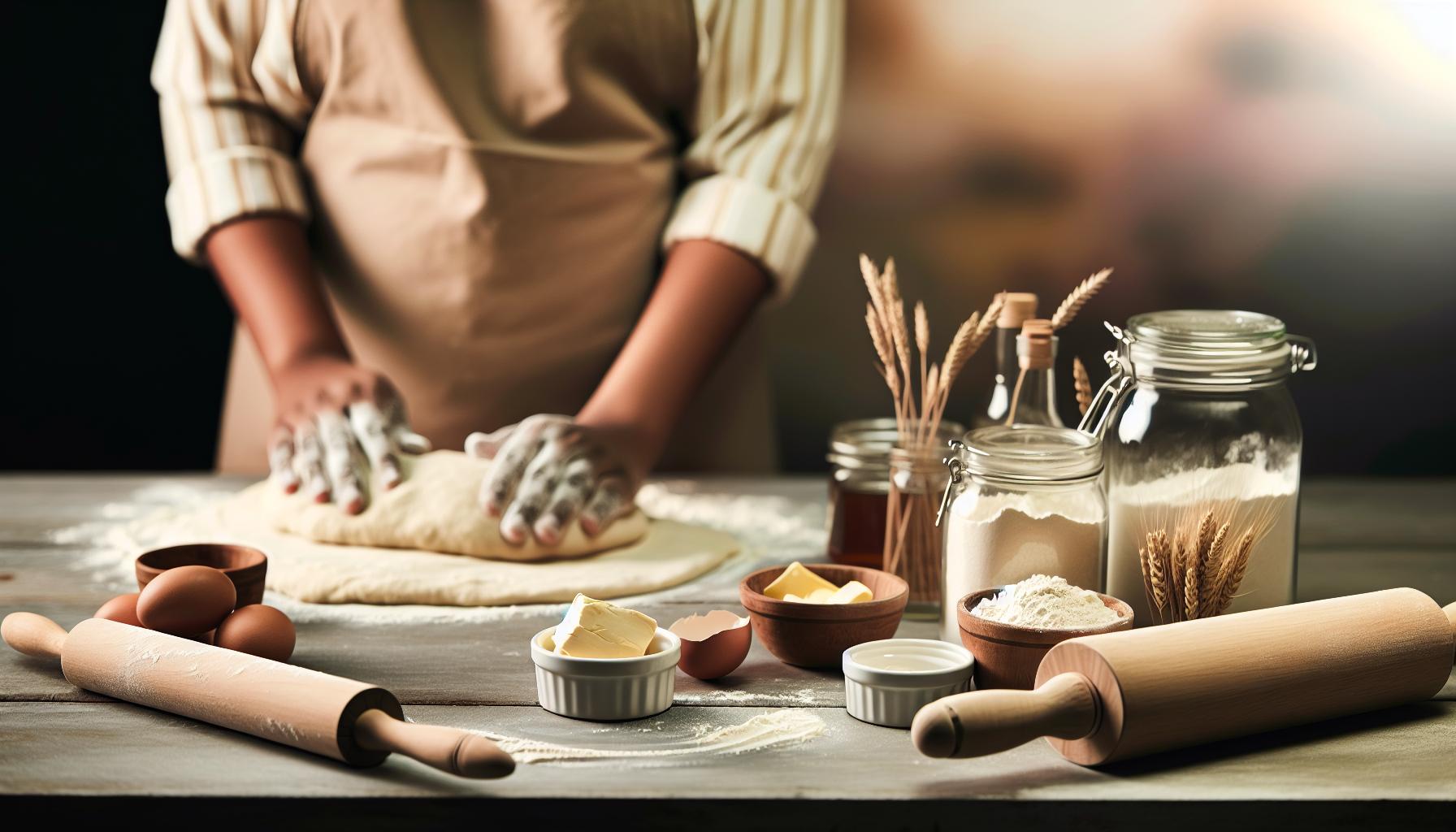
Health Benefits of Pumpkin for Diabetics
Pumpkin is not only a festive ingredient that adds a warm, comforting flavor to fall desserts, but it also offers numerous health benefits that make it an excellent choice for those managing diabetes. Rich in fiber and low in calories, pumpkin can aid in blood sugar control, helping to stabilize glucose levels and minimize spikes after meals. The soluble fiber found in pumpkin slows digestion and the absorption of sugars into the bloodstream, which is particularly beneficial for people with diabetes.
In addition to fiber, pumpkin is packed with essential nutrients like vitamins A, C, and E, and antioxidants that support overall health. The high vitamin A content, in the form of beta-carotene, is particularly important as it promotes good vision and boosts the immune system. Furthermore, the antioxidants in pumpkin can help reduce inflammation and oxidative stress, which are often heightened in individuals with diabetes.
Incorporating Pumpkin into a Diabetic-Friendly Diet
When crafting your diabetic pumpkin pie, it’s important to leverage these benefits while also being mindful of portion sizes and added ingredients. Here are some practical ways to include pumpkin in your meals:
- Pumpkin puree: Use unsweetened pumpkin puree in soups, smoothies, and baked goods to incorporate nutrition without the added sugar.
- Roasted pumpkin seeds: These are nutrient-dense snacks rich in healthy fats, protein, and fiber, making them a great addition to salads or as a standalone snack.
- Pumpkin soup: A pureed pumpkin soup can be a filling starter that keeps blood sugars stable due to its fiber content.
Remember, while pumpkin is a fantastic ingredient for a diabetes-conscious diet, it’s essential to consult with a healthcare professional or a dietitian to tailor dietary choices to individual health needs and goals. Embracing the health benefits of pumpkin can empower individuals with diabetes to enjoy delightful treats without compromising their health. It’s all about balance and making mindful choices in your culinary adventures!
Sweeteners: Choosing the Right Options
Selecting the right sweeteners can transform your pumpkin pie into a delightful dessert that aligns with dietary goals for diabetes management. Many traditional sweeteners can lead to rapid spikes in blood glucose levels, so making mindful choices is essential. Thankfully, a variety of diabetes-friendly alternatives exist that can provide the sweetness you crave without compromising your health.
When it comes to sweetening your pumpkin pie, consider using non-caloric or low-calorie sweeteners like stevia, erythritol, or monk fruit. These options are particularly appealing because they have little to no impact on blood sugar levels. Stevia, derived from the leaves of the Stevia rebaudiana plant, is many times sweeter than sugar, so a small amount goes a long way. Erythritol, a sugar alcohol, offers bulk and sweetness similar to sugar but with only about 6% of the calories; it also has a low glycemic index, making it suitable for diabetics. Monk fruit sweetener is another excellent choice, derived from monk fruit and often used in a blended form to balance its sweetness level.
While exploring sweeteners, it’s essential to adjust measurements accordingly, as different sweeteners have unique sweetness levels and properties. For example, if replacing sugar with stevia, aim to use about 1 teaspoon of stevia for every cup of sugar, but always refer to the product label for precise conversions. Blending sweeteners can also create a balanced flavor profile; for instance, mixing erythritol with a touch of stevia can enhance the overall taste while keeping it diabetic-friendly.
Remember, while these alternatives can help satisfy your sweet tooth, they should still be used in moderation. Engaging in open conversations with healthcare professionals or a registered dietitian can provide personalized recommendations to inform your choices further. Embracing the right sweeteners empowers you to enjoy your pumpkin pie guilt-free this holiday season, allowing you to partake in the celebrations while managing your diabetes effectively.
Tips for Adjusting Spice Levels
When crafting a diabetic-friendly pumpkin pie, achieving the perfect balance of spices can elevate your dessert from ordinary to extraordinary. Not only do spices enhance flavor, but they also provide the opportunity to reduce sugar levels while still delivering a comforting, festive taste. Cinnamon, nutmeg, ginger, and allspice are traditional spices found in pumpkin pie, each contributing unique flavors that can be adjusted to suit personal preferences without impacting blood sugar dramatically.
To tailor the spice levels, start with classic proportions-typically around 1 teaspoon of cinnamon and 1/2 teaspoon each of nutmeg and ginger per 15 ounces of pumpkin puree. From here, assess your palate. If you prefer a stronger cinnamon taste, feel free to increase it gradually, remembering that the intensity can vary based on freshness and quality. Nutmeg and ginger can be adjusted similarly, but proceed with caution; these spices are potent, and a little goes a long way.
Experimenting is key. If you’re cooking for a crowd, consider serving a small sample of your pie with extra spices on the side to let everyone customize their slice. This interactive approach can foster engagement and make each guest feel included, allowing for personalization without sacrificing dietary needs. Additionally, adding spices like cardamom or clove can create an exciting twist while also offering potential health benefits, as many spices contain antioxidants and anti-inflammatory properties beneficial for overall well-being.
Remember, balancing flavor and health is a journey. Consult with a registered dietitian or a healthcare professional to discover how your spice choices align with your dietary goals. The beauty of preparing a diabetic pumpkin pie lies in its adaptability, enabling everyone to enjoy a classic holiday dessert without compromising flavor or health.
Nutritional Breakdown of Diabetic Pumpkin Pie
Making a diabetic-friendly pumpkin pie doesn’t mean sacrificing taste or nutrition. Understanding the nutritional breakdown of this beloved holiday dessert can empower those with diabetes to enjoy it without the guilt. By using wholesome ingredients and mindful portion sizes, it’s possible to craft a rich pie that complements health goals while celebrating festive flavors.
A typical slice of diabetic pumpkin pie may include the following nutritional components, depending on the specific recipe:
| Nutrient | Amount per Slice (1/8 of a 9-inch pie) |
|---|---|
| Total Calories | Approx. 150-180 |
| Carbohydrates | 20-25g |
| Fiber | 3-5g |
| Sugars | 5-10g (depends on sweeteners used) |
| Protein | 3-4g |
| Fat | 7-10g |
| Sodium | 150-200mg |
Key ingredients like pumpkin puree are not only low in calories but also high in fiber, which can aid in blood sugar control and promote feelings of fullness. The choice of sweeteners, such as stevia or erythritol, can lead to a significant reduction in overall sugar content, making your pie suitable for diabetic diets. Additionally, the incorporation of healthy fats from the crust-possibly made with nuts or whole grains-can enhance satiety without spiking blood sugar levels.
Maintaining a balanced diet is crucial for diabetes management. Thus, serving the pie with a dollop of unsweetened whipped cream or a sprinkle of nuts can add flavor and nutritional value, allowing everyone to savor the holidays worry-free. Consulting with healthcare professionals can further personalize these choices, ensuring they align with individual health goals and preferences. By focusing on nourishing ingredients while celebrating with desserts like pumpkin pie, those managing diabetes can fully embrace the joy of the season.
Serving Suggestions for a Holiday Feast
During the holiday season, dessert time often elicits excitement and joy, but for those managing diabetes, it can also bring apprehension. Fortunately, with a delicious diabetic pumpkin pie, everyone can partake in the festivities while keeping their health in check. To enhance the holiday experience, consider creative serving suggestions that not only complement the pie but also align with dietary goals.
One delightful way to serve pumpkin pie is by pairing it with unsweetened whipped cream or a dollop of Greek yogurt. These toppings offer a creamy texture and add a bit of protein without unnecessary sugars. Not only do they elevate the pie’s overall flavor, but the protein content can also help with satiety. For a festive twist, sprinkle a few chopped nuts, like walnuts or pecans, on top for a satisfying crunch and a boost of healthy fats.
To create a beautiful holiday platter, you might consider incorporating fruits that are low on the glycemic index, such as berries or sliced apples. Arrange them around the pie, which not only adds color but also provides additional nutrients. To engage family and friends, offer a selection of nut-based snacks or whole-grain crackers alongside the pie as complementary options, ensuring that there are nutritious bites for everyone to enjoy.
Lastly, consider setting the scene with a themed dessert station, where guests can customize their pie slices. Equip the table with different toppings such as cinnamon, nutmeg, or a sugar-free chocolate drizzle, allowing everyone to create their own unique experience while being mindful of their health needs. Engaging guests in this way fosters a sense of community and inclusivity, proving that holiday desserts can be enjoyed by all, regardless of dietary restrictions.
By integrating these creative serving ideas, you’ll not only make your diabetic pumpkin pie the star of the table but also ensure that everyone feels included in the festive celebrations, savoring the joys of the season without compromising their health. As always, it’s essential for individuals to consult with healthcare professionals to tailor these suggestions to their personal health goals.
Common Mistakes to Avoid in Baking
Baking a diabetic-friendly pumpkin pie can be a delightful family tradition, but a few common mistakes can turn this beloved dessert into something less enjoyable or healthful. One frequent error is overlooking the importance of ingredient measurement. In baking, precision matters-using too much sweetener or pie filling can significantly increase sugar content. Consider investing in a kitchen scale for accuracy, especially if you’re substituting traditional ingredients with diabetic-friendly alternatives.
Another pitfall is not allowing your pumpkin mixture to cool properly before pouring it into the crust. If it’s too warm, the filling can seep into the crust, resulting in a soggy bottom. This not only affects the pie’s appearance but also its texture. Letting the mixture sit for about 10-15 minutes can help achieve a firmer consistency.
Using the wrong type of sweetener is also common. Not all sugar substitutes act the same. Some may have a more pronounced aftertaste, while others can’t withstand baking temperatures as effectively. Reading the packaging and understanding how much to use can prevent mishaps. For instance, using a blend of erythritol and stevia can help mimic sugar’s sweetness without spiking blood sugar levels.
Finally, don’t forget to experiment cautiously with spices. While nutmeg and cinnamon are classic additions, too much can overpower the dish. Start with a small amount, taste-testing as you go, to ensure a well-balanced flavor that satisfies both your palate and dietary requirements. By avoiding these mistakes, your diabetic pumpkin pie can be not only a safe option for those managing diabetes but also a delightful centerpiece for your holiday table.
Storing and Reheating Leftover Pumpkin Pie
Leftover pumpkin pie can be just as delightful as when it was freshly baked, provided you store and reheat it correctly. To ensure optimal flavor and texture, follow these easy steps. First, allow your pie to cool completely before storage. This helps prevent condensation, which can lead to a soggy crust. Once cooled, it’s best to cover the pie tightly with plastic wrap or aluminum foil to maintain its moisture and flavor.
When it comes to refrigeration, diabetic pumpkin pie can be stored in the fridge for up to four days. If you anticipate needing more time, consider freezing it! To freeze, slice the pie into portions for easy thawing. Wrap each slice well in plastic wrap, followed by aluminum foil, and place them in a freezer-safe container. This method preserves the taste and texture while making individual servings available at your convenience, perfect for snacking or dessert on demand.
Reheating Tips
Reheating your pie can be just as crucial as how you store it to retain its delicious taste. For the best results, enjoy your pie warmed but not overly hot, which can dry it out. Preheat your oven to 350°F (175°C) and place the pie on a baking sheet. Cover it loosely with aluminum foil to help retain moisture, and heat for about 10-15 minutes. If you’re reheating a single slice, the microwave can work; heat it for 20-30 seconds, checking to ensure it does not become too hot.
Another option is to serve it slightly chilled, which can also be refreshing alongside a dollop of sugar-free whipped cream. This way, you maintain the festive flavors without upping the sugar content.
By practicing proper storage and reheating techniques, you can enjoy your diabetic pumpkin pie longer, making it a worthwhile treat during the holidays or any time of year. This not only helps with managing your diabetes but also allows you to savor the joys of beloved family recipes with health-conscious modifications. Always consult your healthcare provider for personalized dietary advice or modifications that suit your unique health needs.
Alternative Diabetic Desserts for the Season
The holiday season often brings a bounty of traditional desserts that can be challenging for those managing diabetes. However, creating delicious, diabetic-friendly alternatives can maintain that festive spirit without compromising health. One fantastic option is to explore fruit-based desserts, which can offer natural sweetness while being lower in carbohydrates. For instance, consider a classic apple crisp made with oats and almond flour, sweetened with a sugar substitute like erythritol or monk fruit. This treat captures the essence of fall without spiking blood sugar levels.
Another delightful alternative is chocolate avocado mousse. Rich in healthy fats and fiber, this dessert can satisfy chocolate cravings while leveraging the creaminess of avocados to create a velvety texture. Simply blend ripe avocados with cocoa powder, a low-calorie sweetener, and a splash of vanilla extract for a luxurious dessert that’s surprisingly healthful.
For those seeking the classic flavor of pumpkin pie but wish to change things up, consider creating mini pumpkin parfaits by layering sugar-free pumpkin puree, Greek yogurt, and crushed nuts or granola. These individual servings are not only visually appealing but can also be a fun, interactive dish for gatherings, allowing guests to create their own layers.
When thinking about other options, it’s essential to prioritize portion control and ingredient swaps, which make a significant difference in maintaining blood sugar levels. Incorporating ingredients like almond flour, coconut flour, and natural sweeteners can transform traditional recipes into diabetes-friendly versions. By embracing creativity in the kitchen, you can enjoy the festivities with desserts that delight and nourish, proving that managing diabetes doesn’t mean sacrificing flavor or fun during the holiday season.
Inspiring Success Stories: Diabetics and Dessert
Living with diabetes doesn’t mean you have to miss out on the joy of desserts, especially during the holiday season. Many have discovered that with a bit of creativity and understanding of the right ingredients, traditional favorites can be transformed into diabetic-friendly options. Stories from those who have navigated their own diabetes management often highlight how these adaptations have not only satisfied their sweet cravings but also contributed positively to their overall health and well-being.
Consider the story of Emily, a devoted pumpkin pie lover who faced the challenge of diabetes. Determined to keep tradition alive for her family, she started experimenting with recipes. By substituting traditional sugar with stevia and making a crust from almond flour, she created a deliciously rich diabetic pumpkin pie that became a hit at her family gatherings. Her journey inspired her friends, who then began exploring healthier alternatives in their own baking, showcasing how active adaptation can empower others in similar situations.
Success stories often emphasize the importance of involving family and friends in the process. For instance, Mark decided to host a holiday dessert night where each guest would bring their favorite diabetic-friendly dessert. This event not only fostered creativity and experimentation but also opened up discussions about various ingredient swaps that can enhance flavor while maintaining health considerations. By sharing recipes and tips, they collectively created a festive atmosphere where everyone felt included, without the guilt often associated with indulging.
Whether you are creating mini pumpkin parfaits or a classic pumpkin pie makeover, the key is to understand that dessert can be a guilt-free experience. As more individuals embrace diabetes-friendly versions of traditional desserts, they share their experiences online, encouraging others to get involved and explore a world of possibilities. This sense of community and shared knowledge signifies that managing diabetes is not a solitary journey; it can be one filled with support, creativity, and joy as everyone finds their unique ways to celebrate the seasons.
Faq
Q: What is the best sugar substitute for diabetic pumpkin pie?
A: The best sugar substitutes for diabetic pumpkin pie include stevia, erythritol, and monk fruit sweetener. These options have minimal impact on blood sugar levels, making them suitable for diabetics. Be sure to adjust the quantity according to the specific sweetener’s potency and follow guidelines for cooking and baking.
Q: How can I make the crust for diabetic pumpkin pie healthier?
A: To make a healthier crust for diabetic pumpkin pie, consider using almond flour or a whole grain flour instead of white flour. This adds fiber and reduces the glycemic index. Additionally, using unsweetened applesauce can help reduce fat while maintaining moisture.
Q: Can I use regular pumpkin pie filling for a diabetic recipe?
A: Regular pumpkin pie filling often contains added sugars and unhealthy ingredients. Instead, opt for pure pumpkin puree and sweeten it yourself using diabetic-friendly sweeteners. This way, you control the sugar content while enjoying the rich pumpkin flavor.
Q: How do I adjust the spice levels in my diabetic pumpkin pie?
A: Adjusting spice levels in diabetic pumpkin pie can enhance flavor without added sugar. Start with traditional spices like cinnamon, nutmeg, and ginger; create balance to your taste. You may use spice blends specifically designed for baking to keep it simple and flavorful.
Q: What are the health benefits of incorporating pumpkin into my diet as a diabetic?
A: Pumpkin is low in calories and high in fiber, which helps regulate blood sugar levels. It’s also rich in vitamins A and C and antioxidants that can improve overall health for diabetics. Including pumpkin in your diet can support weight management and heart health.
Q: How can I store leftover diabetic pumpkin pie?
A: To store leftover diabetic pumpkin pie, cover it with plastic wrap or foil and place it in the refrigerator. It can last for about three to four days. For longer storage, freeze slices in airtight containers, ensuring to consume within one month for optimal flavor and texture.
Q: Are there dairy-free options for a diabetic pumpkin pie?
A: Yes, you can make a dairy-free diabetic pumpkin pie by substituting regular milk with almond milk or coconut milk. Use coconut cream or silken tofu for a rich texture while keeping the pie diabetic-friendly. Both options enhance flavor without raising blood sugar levels.
Q: Can I use fresh pumpkin instead of canned for my diabetic pie?
A: Yes, using fresh pumpkin is a great option for diabetic pumpkin pie. Cook and puree the pumpkin, ensuring it’s well-prepared to avoid excess moisture. Fresh pumpkin can offer fresher flavor and nutrients compared to canned varieties, providing a wholesome alternative.
To Conclude
Thank you for discovering our Diabetic Pumpkin Pie Recipe: Classic Holiday Dessert Makeover! We hope this delicious alternative empowers you to enjoy festive meals without compromising your health goals. Remember, this recipe is just one of many ways to celebrate the holidays while managing diabetes effectively-check out our articles on everyday food choices and tips for maintaining a balanced diet for more insights!
Don’t forget to subscribe to our newsletter for more diabetic-friendly recipes and management tips that can transform your culinary experience. If you have questions or want to share your baking adventure, we’d love to hear from you in the comments below! For those looking for even more resources, explore our guides on diabetic products and lifestyle considerations tailored to support you and your loved ones. Your health journey deserves the best, so let’s make it a flavorful one together!