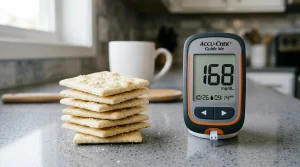
For those navigating diabetes, enjoying pizza doesn’t have to be a distant dream. With the right low-carb options, you can savor homemade diabetic-friendly pizza crust without sacrificing flavor or your health. In this guide, we’ll explore six delectable low-carb recipes that work, allowing you to indulge while keeping your blood sugar in check.
Understanding your dietary needs is crucial, especially when managing diabetes. These recipes not only offer tasty alternatives but also help in maintaining better glucose control-a vital part of daily diabetes management. Whether you’re looking to impress friends at a gathering or simply craving comfort food, these crusts provide satisfying options that align with your health goals. Imagine crafting a crispy, golden crust that is both nutritious and enjoyable, tailoring it to your preferences. Dive into our collection and discover how you can make pizza night a guilt-free pleasure, empowering yourself and your loved ones to savor every slice with confidence.
Diabetic-Friendly Ingredients for Pizza Crusts
When it comes to crafting a delicious pizza while managing diabetes, selecting the right ingredients for the crust is essential. By choosing diabetic-friendly ingredients, you can create a satisfying base without significantly impacting blood sugar levels. Many conventional pizza crusts are carbohydrate-heavy, often leading to spikes in glucose, but with a few swaps, you can indulge without the guilt.
One of the best options for a low-carb pizza crust is almond flour. Rich in healthy fats, fiber, and protein, almond flour contains significantly fewer carbohydrates compared to traditional wheat flour. Additionally, coconut flour is another fantastic alternative, known for its high fiber content, which can help stabilize blood sugar levels. Combining these flours with ingredients like eggs and cheese not only binds the crust but also adds nutritional value and enhances the flavor.
For those looking for a gluten-free approach, cauliflower offers an excellent foundation. Riced cauliflower, squeezed to remove excess moisture, provides a unique texture and is a low-carb favorite. Similarly, zucchini can be used to create a zucchini crust that’s both light and packed with vitamins. If you prefer a more substantial option, consider using chickpea flour (besan), which is not only low in glycemic index but also adds a bit of protein.
It’s important to remember that portion control and meal balance are key. While these ingredients are diabetic-friendly, the overall carbohydrate intake should still be monitored. By exploring these alternatives, you can enjoy homemade pizza that aligns with your health goals without feeling deprived. As you experiment with various combinations, keep in mind that professional medical advice is crucial when making dietary changes, ensuring your choices effectively support your diabetes management plan.
The Science of Low-Carb Baking for Diabetics

Baking for diabetics doesn’t mean you have to miss out on flavor or the joy of enjoying pizza. In fact, understanding the science behind low-carb baking provides an excellent opportunity to craft delicious, nutritious meals that fit within a diabetic-friendly diet. The crux of low-carb baking lies in the careful selection of ingredients; using low-carb flours and innovative techniques can make all the difference in creating a satisfying pizza crust that won’t send blood sugar levels soaring.
When it comes to low-carb baking, the use of nut flours such as almond flour and coconut flour is highly advantageous. These alternatives are lower in carbohydrates and high in fiber, which helps to mitigate the blood sugar spikes associated with traditional wheat flour. Fiber plays a vital role in digestive health, promoting a feeling of fullness that can prevent overeating. Additionally, incorporating ingredients rich in protein, like eggs or cheese, can further stabilize blood sugar by slowing down the absorption of carbohydrates. This combination not only enhances the texture and flavor of your crust but also supports overall health.
Beyond choosing the right flours, consider the role of moisture content when baking for diabetes. Excess moisture can lead to soggy crusts that detract from the eating experience. For example, using riced cauliflower or shredded zucchini as crust bases necessitates thorough draining to ensure a firm, crispy result. This technique harnesses the nutrients from vegetables while keeping carb counts low. Moreover, experimenting with seasoning and herbs can elevate these ingredients, adding both taste and nutritional benefits without extra carbs.
Lastly, it’s crucial to recognize that each person’s dietary needs can vary significantly. Personalizing your low-carb baking approach means paying attention to how your body responds to different ingredients. Maintaining an ongoing dialogue with healthcare professionals can ensure that your choices align with your overall diabetes management plan. Embrace the creativity that low-carb baking offers, and don’t shy away from testing new recipes and techniques to find what works best for you.
Top 6 Low-Carb Pizza Crust Recipes You Must Try
Craving pizza while managing diabetes can feel like a daunting challenge, but with the right ingredients and recipes, you can create delicious low-carb pizza crusts that won’t disrupt your blood sugar levels. Here, we explore six incredible low-carb pizza crust recipes that prove enjoying pizza is not only possible but can also be a flavorful part of your diabetic-friendly diet.
1. Cauliflower Crust
One of the most popular low-carb options, cauliflower crust is both nutritious and versatile. By grating cauliflower, cooking it, and then squeezing out excess moisture, you create a dough-like consistency that can hold toppings well. Mix in some egg and cheese to bind it together, and bake until golden. This crust is not only low in carbohydrates but also rich in fiber and antioxidants.
2. Almond Flour Crust
Using almond flour is an excellent way to keep your crust low-carb while adding a rich, nutty flavor. Combine almond flour with eggs, cheese, and seasonings for a dough that mimics traditional crust’s texture. Bake it until crispy, and you’ll have a sturdy base perfect for your favorite toppings. This option is keto-friendly and protein-rich, making it a great choice for sustained energy.
3. Coconut Flour Crust
Coconut flour is another fantastic low-carb alternative that adds a subtly sweet flavor to pizza crust. Because coconut flour absorbs a lot of moisture, you only need a small amount mixed with eggs and cheese. The result is a fluffy, light crust that pairs wonderfully with savory toppings. It’s a great gluten-free option, ideal for those with dietary restrictions.
4. Zucchini Crust
Zucchini offers a fresh, vegetable-forward crust option. To make this, finely grate zucchini and press it to remove the excess water, then combine it with cheese and almond flour. Bake until crispy for a satisfying pizza base that is low in calories and carbs. Plus, it packs in more veggies, contributing extra nutrients to your meal.
5. Cheese Crust
For cheese lovers, a cheese crust is the way to go. This crust blends shredded cheese with almond flour and egg, resulting in a rich, cheesy base. Bake it until it’s golden brown and crispy. Not only is this option extremely low in carbs, but it is also high in protein, ensuring you feel fuller longer.
6. Eggplant Slices
If you’re looking for a creative and unique alternative, consider using thick slices of eggplant as your pizza base. Simply cut the eggplant into rounds, roast them until tender, and add your favorite toppings. This method is ultra-low-carb while packing a significant amount of fiber and nutrients. It’s a fun way to enjoy pizza night without the carbs and can be an excellent conversation starter!
With these six crust options, you don’t have to miss out on the joy of pizza, even while managing diabetes. Feel empowered to try them out and tailor them to your taste preferences. Remember, while these recipes are delicious, it’s essential to monitor how different ingredients impact your blood sugar levels, as individual responses can vary. Always consult with your healthcare provider to ensure your meal choices align with your diabetic management plan. Enjoy your pizza night!
Creative Variations: Gluten-Free and Keto Options

Craving a delicious pizza while sticking to a gluten-free or keto lifestyle doesn’t have to be a struggle. By incorporating a variety of alternatives into your pizza crusts, you can indulge in your favorite comfort food without compromising your dietary needs. Gluten-free and keto options are not just healthy; they can also offer exciting flavors and textures that enrich your overall pizza experience.
When crafting gluten-free pizza crusts, one of the most versatile ingredients you can use is almond flour. This finely ground flour is high in protein and healthy fats while being low in carbohydrates, making it a perfect choice for keto diets. Mixing almond flour with cheese and eggs forms a dough that holds up well under toppings without sacrificing taste. For those on a gluten-free journey, almond flour crust not only avoids gluten but also adds a delightful nuttiness that elevates the overall flavor of your pizza.
Another excellent option is the cauliflower crust, which has taken the culinary world by storm. By using cauliflower, you provide a low-carb alternative that is still substantial enough to support various toppings. Cauliflower is naturally gluten-free, and when combined with cheese and eggs, it results in a satisfying base that aligns perfectly with keto principles. Top your cauliflower crust with a spread of rich tomato sauce and a generous layer of mozzarella for a comforting meal that does not compromise your health goals.
If you’re exploring even more creative alternatives, try using vegetable-based crusts like zucchini or eggplant. These options are not only low in carbohydrates but also enrich your meal with additional nutrients. For instance, a zucchini crust can easily be made by grating zucchini, squeezing out excess moisture, and mixing it with cheese and almond flour. This results in a flavorful, veggie-packed pizza crust that keeps your carb count down while providing the fiber and vitamins you need.
Incorporating coconut flour into your pizza creations is another way to cater to both gluten-free and keto diets. Coconut flour is highly absorbent, so only a small amount is necessary to create a delicious crust when combined with eggs and cheese. This crust option tends to have a subtle sweetness that pairs wonderfully with rich savory toppings, creating a balanced flavor profile that appeals to many palates.
Experimenting with these gluten-free and keto-friendly crust options can transform your pizza nights into a culinary adventure. As you explore these variations, remember to consult with a healthcare provider or a nutritionist to ensure that your food choices align with your diabetes management plan. With the right ingredients, enjoying pizza can be both satisfying and a healthy choice that fits your lifestyle.
Essential Tips for Perfecting Your Diabetic Pizza

To create the perfect diabetic-friendly pizza, it’s crucial to focus on both the ingredients and baking methods. Starting with a robust, low-carb crust minimizes the impact on blood sugar levels. Selecting base ingredients such as almond flour, cauliflower, or a blend of ground nuts can yield a satisfying texture and flavor without the excessive carbohydrates found in traditional pizza dough. For instance, when making a cauliflower crust, ensure that you thoroughly squeeze out excess moisture after processing the cauliflower, as this helps achieve a crunchier texture.
Another important consideration is to use a robust baking technique. Baking your crust at a high temperature, around 425┬░F (220┬░C), allows the crust to develop a crispy exterior while maintaining a chewy center. Consider pre-baking the crust for 10-15 minutes before adding toppings-this ensures that the base is cooked through and prevents sogginess from moist toppings. Moreover, utilizing ingredients like parchment paper or a silicone baking mat can make the transfer of your pizza easier while also promoting even cooking.
For those managing diabetes, flavoring the crust can elevate your pizza experience. Adding herbs and spices such as oregano, garlic powder, or Italian seasoning to your dough can introduce layers of flavor without adding carbs. Additionally, cheese is not just a topping; including cheese in the crust itself can help bind ingredients together while contributing richness. Just remember to monitor the overall portion size and types of cheese used, as some can be higher in carbs than others.
Remember that pizza isn’t just about the crust; toppings also play a crucial role. Opt for fresh vegetables, lean proteins, and low-sugar sauces to enhance the nutritional profile. A simple tomato sauce made from crushed tomatoes, garlic, and fresh herbs is a great option to avoid added sugars found in many store-bought sauces. Cheese and healthy fats from olives or avocado can also be beneficial. Incorporating a variety of colorful vegetables not only adds flavor but also increases fiber intake, promoting a better overall glycemic response.
Finally, consult your healthcare provider or a nutritionist when experimenting with new recipes to ensure your choices align with a careful diabetes management plan. Cooking at home allows you to take control of ingredients, ultimately contributing to a more satisfying and health-conscious pizza experience.
How to Calculate Carbs in Homemade Crust
Calculating the carbohydrate content in your homemade diabetic pizza crust is an essential step for maintaining stable blood sugar levels and making informed dietary choices. Understanding how to accurately assess carbs can empower you to enjoy pizza without the worry typically associated with high-carb foods. Start by gathering all the ingredients you plan to use in your crust recipe, as this will allow for accurate measurements.
To begin the calculation, it’s beneficial to familiarize yourself with the individual carbohydrate content of each ingredient. Here’s a straightforward approach:
- Measure your ingredients: Record the weight or volume of each component you add to the crust, whether it’s almond flour, cauliflower, cheese, or any other ingredient.
- Consult nutritional labels: For packaged items such as almond flour or cheese, check the nutrition facts for carbohydrate content per serving. For fresh or whole foods like cauliflower, online databases or nutrition apps can provide accurate carb counts.
- Calculate totals: Add the carbohydrate values for all ingredients to get a total carb count for the entire crust. For instance, if your crust contains 1 cup of almond flour (approximately 24g carbs) and ┬╜ cup of shredded mozzarella (around 2g carbs), you’d total these values to find that you have 26g of carbs in your crust.
- Portion control: Divide the total carbohydrate count by the number of servings your crust will yield. This gives you the carbohydrate content per serving, ensuring you can monitor your intake according to your dietary needs.
Incorporating recipes with known carbohydrate values can simplify this process. Many low-carb recipes available online provide detailed nutritional information, making meal preparation easier. Additionally, using apps designed for tracking macronutrients can help streamline the calculation process, enabling you to make educated choices more efficiently.
Remember, recipes vary, so continuous monitoring and adjustment may be necessary based on personal responses to specific foods. Always consult with a healthcare provider or registered dietitian to tailor a plan that fits your individual diabetes management strategy. By taking control of your meals, you can experience the joy of pizza while maintaining your health and well-being.
Meal Prep: Making Low-Carb Crusts in Advance
Preparing low-carb pizza crusts in advance can save you valuable time during busy weekdays and help you stick to your dietary goals with ease. By making crusts ahead of time, you can ensure that you always have a healthy base ready for your favorite diabetic-friendly pizzas. This proactive approach not only keeps your kitchen efficient but also gives you better control over your carbohydrate intake, essential for effective diabetes management.
Start by selecting your favorite low-carb pizza crust recipe. Options can range from cauliflower and almond flour to zucchini or cheese-based crusts. Once you’ve chosen a recipe, prepare the crust according to the instructions, then consider these storage methods:
- Refrigeration: If you plan to use the crusts within a week, simply bake them as directed, let them cool completely, and store in an airtight container in the fridge. They can last for up to one week.
- Freezing: For longer storage, freeze your crusts. Once baked and cooled, wrap each crust tightly in plastic wrap and place in a freezer-safe bag. Label them with the date so you can keep track of freshness. Frozen crusts can be stored for up to three months. To use, simply thaw in the fridge overnight or pop them in the oven from frozen to reheat.
When you’re ready to enjoy your pizza, take the prepped crust and customize it with your choice of diabetic-friendly toppings. Fresh vegetables, lean proteins, and healthy fats are all excellent choices that will enhance the flavor and nutritional profile of your pizza. This meal prepping strategy not only simplifies dinner plans but also empowers you to make healthier food decisions without the stress of last-minute cooking.
By efficiently preparing low-carb crusts in advance, you can enjoy a delicious homemade pizza experience while effectively managing your diabetes. It’s a fantastic way to indulge without compromising your health, allowing you and your family to enjoy pizza nights guilt-free. Remember to always consult with your healthcare provider or nutritionist regarding dietary choices to ensure they align with your personal health needs.
Serving Suggestions for Nutritional Balance
Finding the right balance in your meals is crucial, especially when managing diabetes. Crafting a satisfying pizza experience can be both enjoyable and nutritious, allowing you to indulge while keeping your blood sugar levels in check. When serving your homemade low-carb pizza, consider not just the crust but how to complement it with toppings and sides that enhance nutritional value and support your wellness goals.
Start with a strong foundation by choosing a low-carb pizza crust made from ingredients like almond flour, cauliflower, or zucchini. These alternatives not only limit carbohydrates but also provide fiber, which is essential for gut health and can aid in stabilizing blood sugar levels. To elevate your pizza, focus on a variety of toppings that offer both flavor and nutrition. Fresh vegetables like bell peppers, spinach, tomatoes, and mushrooms are not only vibrant and delicious but also full of vitamins and minerals. Incorporating lean proteins, such as grilled chicken, turkey, or even plant-based options like chickpeas and tofu, will add satiety and essential nutrients without overwhelming your pizza with carbs.
When planning your meal, think about balancing macronutrients. Including healthy fats, such as a drizzle of olive oil or a sprinkle of feta cheese, can provide heart-healthy benefits and increase the meal’s overall flavor profile. Additionally, serve your pizza with a side salad filled with leafy greens, cucumbers, and a light vinaigrette. This combination not only boosts your vegetable intake but also helps with portion control, ensuring you feel full without overdoing it on carbs.
Lastly, consider portion sizes and try to share your pizza or save leftovers for another day. Mindful eating is a key strategy for anyone managing diabetes. By actively acknowledging your hunger cues and being conscious about how much you consume, you can enjoy your meal while keeping your carbohydrate intake within healthy limits. Having delicious pizza as part of your meal plan is a great way to enjoy flavor and nutritional balance without the stress, allowing you to savor each bite while supporting your journey towards better health.
Pairing Diabetic-Friendly Toppings with Your Crust
Crafting a delicious pizza that aligns with dietary needs can be an enjoyable journey, especially when selecting toppings that support blood sugar management. The right combination of flavors and nutrients not only enhances taste but also contributes to overall well-being. To create a diabetic-friendly pizza, focus on choosing toppings that are low in carbohydrates, high in fiber, and rich in protein and healthy fats.
Start with a wide range of colorful, non-starchy vegetables. These additions not only provide vibrant flavors but also contribute essential vitamins and minerals. Consider topping your pizza with:
- Bell Peppers: Rich in vitamin C, they add a sweet crunch.
- Spinach: Packed with iron and antioxidants, it offers great nutritional benefits.
- Mushrooms: Low in calories and high in umami flavor, they add a satisfying depth.
- Tomatoes: Fresh or sun-dried, they provide lycopene and a juicy taste.
- Zucchini: When sliced thin, it can add texture and moisture without many carbs.
Incorporating protein is crucial for keeping you satiated and balancing your meal. Opt for options like grilled chicken, turkey slices, or plant-based proteins such as tofu and chickpeas. These toppings not only enhance the flavor profile but also provide the energy needed to sustain you throughout the day. Lean meats and legumes can be seasoned with herbs and spices to elevate the taste without adding sugar.
Healthy fats can also play an important role in making your pizza more satisfying and nutritious. Consider adding a drizzle of olive oil or a sprinkle of cheese, like feta or goat cheese, which can add depth to the overall flavor without excessively increasing carb content. These fats can help slow down the digestion of carbohydrates, potentially aiding in blood sugar control.
It’s also essential to consider how these toppings can work in tandem with your chosen crust. By creating a balanced combination of low-carb crusts and nutrient-dense toppings, you’re not just enjoying a meal; you’re building a deliciously satisfying and health-conscious dish. So, whether you’re adapting a family recipe or experimenting with new ideas, remember that the toppings you choose can transform your diabetic pizza experience while keeping your health goals top-of-mind.
User Experiences: Success Stories and Feedback
Finding a way to enjoy pizza while managing diabetes can often feel like a daunting challenge. However, countless individuals have embraced low-carb pizza crusts, leading to successful experiences that not only satisfy their cravings but also support their health goals. From family gatherings to solo dinners, many people have discovered that creating a diabetic-friendly pizza doesn’t mean sacrificing flavor or enjoyment.
One inspiring story comes from Sarah, a mother of two who wanted to provide her family with delicious meals that wouldn’t spike their blood sugar levels. She found success in using almond flour and cauliflower as the base for her pizza crusts. Sarah reported, “I was worried my kids would complain about the taste, but they loved it! Now, pizza night is a favorite in our house, and I can enjoy it too, without the guilt.” This highlights an essential point: experimentation and adaptation are key to discovering low-carb options that work for your lifestyle.
Moreover, many individuals have turned their pizza-making endeavors into a fun weekend activity. Jake, a man diagnosed with Type 2 diabetes, shares his journey of trial and error, emphasizing the importance of finding recipes that he enjoys. “I started with a basic recipe but ended up creating a mix of cheddar cheese and ground flaxseed for my crust. It was a game-changer! The texture was perfect, and my blood sugar levels remained stable,” he explains. His experience illustrates how personalized recipes can lead to greater satisfaction and adherence to dietary changes.
Feedback from various online communities reinforces these personal stories, with many sharing their tips and tricks to achieve the perfect low-carb pizza crust. Common advice includes pre-baking the crust for optimal crispiness and using fresh herbs to enhance flavor without adding carbs. Engaging others in this journey not only boosts morale but also helps individuals navigate their dietary restrictions with creativity and assurance.
By tapping into these shared experiences, readers can feel empowered to try new ingredients and approaches in their own kitchen. Every success story brings hope and shows that with the right tools and support, indulging in pizza while managing diabetes is not only possible but can also be deliciously enjoyable.
Expert Insights: Nutritionists Share Their Advice
Offering a diabetes-friendly pizza that doesn’t compromise on taste or texture is entirely feasible when you incorporate expert insights from nutritionists who specialize in dietary management for individuals with diabetes. One critical recommendation from these experts is to prioritize low-glycemic ingredients, which help maintain steady blood sugar levels. For pizza crusts, substituting high-carb flour with alternatives like almond flour, coconut flour, or finely ground cauliflower can make a substantial difference.
Understanding Carbohydrates
Nutritionists emphasize the importance of understanding the types of carbohydrates used in your recipes. Aim for ingredients that provide complex carbs with plenty of fiber, which can slow digestion and prevent rapid spikes in blood sugar. While crafting a pizza crust, consider blending ingredients like flaxseed meal or chia seeds into your dough for added fiber and healthy omega-3 fatty acids. These nutrient-dense options not only enhance nutrition but also improve the overall texture of the crust.
Building a Balanced Meal
A well-rounded meal doesn’t stop at the crust; toppings play an equally vital role in ensuring nutritional balance. According to experts, opt for a variety of colorful vegetables to top your pizza — such as bell peppers, spinach, and mushrooms — which are low in carbohydrates and high in vitamins and minerals. Include lean proteins like chicken, turkey, or plant-based options to make the meal more satisfying. Furthermore, a moderate amount of cheese, particularly those low in fat, can enhance flavor without adding excessive carbs.
Practical Advice for Home Chefs
One practical piece of advice from nutritionists is to experiment with spices and herbs to elevate the flavor profile of your pizza without adding extra calories or carbs. Fresh basil, oregano, garlic powder, and red pepper flakes are excellent choices that can transform your dish into a culinary delight. Additionally, they recommend batch cooking multiple crusts at once, which can be frozen and quickly reheated for convenient meal options throughout the week. This approach ensures that satisfying pizza is always within reach, even on busy nights.
By adopting these expert-backed strategies and understanding the role of ingredients in diabetes management, individuals can enjoy delicious, low-carb pizza that aligns with their health goals. Always remember to consult healthcare professionals for personalized dietary guidance tailored to individual needs, ensuring that your culinary endeavors support your diabetes management effectively.
Frequently Overlooked Mistakes with Low-Carb Crusts
Crafting the perfect low-carb pizza crust can feel like a culinary challenge, yet many home chefs make nearly undetectable mistakes that can throw off their results. For instance, overlooking the moisture content of the ingredients can lead to a crust that is either too soggy or dry and crumbly. Since alternative flours, such as almond or coconut flour, behave differently than traditional flour, it’s crucial to adjust the amount of liquid accordingly. A good rule of thumb is to start with less liquid than a traditional dough recipe and gradually add more until you achieve the right consistency.
Another common error is not allowing the crust to cool adequately before adding toppings. Immediately placing ingredients on a hot crust can cause the toppings to slide off and create a soggy mess. For best results, let your crust set in the oven until it’s golden brown and firm; this guarantees a solid base that holds everything together, enhancing both texture and flavor.
Additionally, some chefs neglect the importance of seasoning in low-carb crusts. When using alternative ingredients, the taste can differ significantly from conventional pizza crusts. Therefore, incorporating spices like garlic powder, onion powder, or Italian seasoning into the dough enhances the flavor profile. This not only elevates the dish but also compensates for the subtler taste of nut flours and other low-carb ingredients.
Lastly, inconsistent baking times can result in unevenly cooked crusts. Always monitor closely as different ovens have varying heating properties. Utilizing a pizza stone can help distribute heat evenly, yielding a crust that is crisp on the outside while remaining soft on the inside. By avoiding these pitfalls, you’ll not only improve your pizza crust but also create a delightful dining experience that aligns with healthy eating habits.
Equipped with these tips, you can confidently navigate the world of low-carb crusts, ensuring your homemade pizzas are both delicious and diabetes-friendly. Always reach out to healthcare professionals for personalized dietary recommendations to support your journey effectively.
FAQ
Q: What are the best low-carb flours for diabetic pizza crusts?
A: The best low-carb flours for diabetic pizza crusts include almond flour, coconut flour, and flaxseed meal. These alternatives are significantly lower in carbohydrates compared to traditional wheat flour and can provide beneficial nutrients and fiber. For specific recipes, see the “Diabetic-Friendly Ingredients for Pizza Crusts” section.
Q: How can I store leftover diabetic pizza crust?
A: To store leftover diabetic pizza crust, wrap it tightly in plastic wrap or place it in an airtight container. Keep it in the refrigerator for up to a week. For longer storage, freeze the crust, ensuring it’s well-wrapped to prevent freezer burn.
Q: Can I make a diabetic pizza crust in advance?
A: Yes, you can make a diabetic pizza crust in advance. Prepare and bake the crust, then cool it completely. Store it in the refrigerator for up to a week or freeze it for up to three months. This allows for easy meal prep and quick weeknight dinners.
Q: How do I know if my homemade pizza crust is low-carb?
A: To determine if your homemade pizza crust is low-carb, calculate the total carbohydrate content from the ingredients used. Low-carb options should typically have less than 10 grams of net carbs per serving. Refer to the “How to Calculate Carbs in Homemade Crust” section for guidance.
Q: What are some common mistakes when making diabetic pizza crust?
A: Common mistakes include using too much liquid, miscalculating ingredient ratios, or not blending dry ingredients properly. To avoid these, follow recipes closely and measure each ingredient accurately. Check the “Frequently Overlooked Mistakes with Low-Carb Crusts” section for further insights.
Q: Is it possible to make a gluten-free diabetic pizza crust?
A: Yes, many low-carb flours are also gluten-free, such as almond flour and coconut flour. These can be used to create delicious gluten-free diabetic pizza crusts. Explore the “Creative Variations: Gluten-Free and Keto Options” section for specific recipes.
Q: How can I make my diabetic pizza crust crispy?
A: To achieve a crispy diabetic pizza crust, pre-bake it before adding toppings, use a higher oven temperature, and consider using a pizza stone for even heat distribution. Refer to “Essential Tips for Perfecting Your Diabetic Pizza” for additional techniques to enhance texture.
Q: What toppings are best for a diabetic pizza?
A: Ideal toppings for a diabetic pizza include non-starchy vegetables, lean proteins like chicken or turkey, and low-fat cheeses. These choices help maintain a low carb count while maximizing flavor. Check the “Pairing Diabetic-Friendly Toppings with Your Crust” section for more recommendations.
Concluding Remarks
Are you ready to transform your pizza nights with our “Diabetic Pizza Crust: 6 Low-Carb Recipes That Actually Work”? These delicious recipes offer practical solutions for managing your diabetes while enjoying your favorite meals. Remember, incorporating low-carb options not only satisfies your cravings but also supports your overall health.
Feeling inspired? Don’t stop here! Explore related recipes that align with your dietary needs, such as our guide on healthy toppings and sauces, or check out tips for maintaining type 2 diabetes through smart food choices. For more tailored advice, consider signing up for our newsletter to receive the latest insights and recipes straight to your inbox.
Manage your diabetes confidently and deliciously-your journey to better health starts today. Share your experiences in the comments below, and let us know which crust recipe you’re eager to try. Your feedback not only helps us improve but also connects you with others facing similar challenges. Together, let’s create a supportive community!
Low Carb Pizza Dough Recipe: Diabetic Pizza Dough Recipe and Pizza for Diabetes Guide
Finding a satisfying low carb pizza dough recipe – diabetic pizza dough recipe – pizza for diabetes makes adhering to metabolic restrictions enjoyable without sacrificing texture or flavor. Traditional wheat pizza crust delivers over 60 grams of fast-acting carbohydrates per two slices, triggering severe postprandial glucose excursions. The following Fathead-style almond flour dough provides a rigid, crispy base with only 3 grams of net carbs per slice.
| Pizza Crust Formulation | Key Ingredients | Net Carbs (per 2 slices) | Glycemic Load (GL) | Baking Performance |
|---|---|---|---|---|
| Fathead Almond Flour Dough | Almond flour, mozzarella, cream cheese, egg | 3.5 g | 0.5 (Very Low) | Crispy, holds toppings, authentic chew |
| Cauliflower & Egg Base | Grated riced cauliflower, parmesan, egg | 6.0 g | 1.5 (Low) | Requires moisture squeeze; tender crust |
| Commercial Gluten-Free Crust | Tapioca flour, rice starch, potato starch | 45.0 g | 24.0 (High) | Misleadingly high GI; severe sugar spike |
| Traditional New York Style | Enriched white flour, sugar, yeast | 58.0 g | 28.0 (Extreme) | Classic chewy texture; extreme carb surge |
Get our latest guides, news, and insights highlighted in your Google Search & AI Overviews.