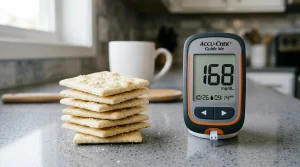
The holiday season often brings a wave of sweet treats, but for those managing diabetes, indulging can feel tricky. Did you know you can still enjoy festive flavors without spiking your blood sugar? This Diabetic Gingerbread recipe offers a delicious, sugar-free alternative to traditional holiday cookies, allowing everyone to participate in the festivities without the worry. As you navigate holiday gatherings, options like these empower you to make healthier choices without sacrificing taste or enjoyment. Embrace the spirit of the season with this nutritious twist on a beloved classic, and discover how easy it can be to celebrate while being mindful of your health. Dive in and learn how this gingerbread can bring warmth and happiness to your holidays!
Understanding Diabetes and the Need for Sugar-Free Treats
Understanding diabetes can be the key to leading a healthy lifestyle, especially during the holiday season when treats abound. For those with diabetes, managing blood sugar levels is crucial to avoid complications and maintain overall health. High blood sugar levels can result from consuming too much sugar, making sugar-free alternatives not just a dietary choice but a vital necessity. Sugar-free treats can allow individuals with diabetes to indulge during festive occasions without the guilt or health consequences of traditional sweets.
Crafting delicious sugar-free gingerbread is an excellent way to embrace holiday traditions while considering dietary needs. Many people are surprised to learn that they can create tasty versions of their favorite treats without compromising their health. Using sugar substitutes, such as stevia or erythritol, can help mimic the sweetness and texture found in traditional recipes. Additionally, incorporating ingredients like whole grains and spices may enhance both the flavor and nutritional value of the cookies, making them a more balanced option for holiday celebrations.
It’s also essential to remember that food choices play a significant role in diabetes management. Maintaining consistent meal plans that include fiber-rich foods, healthy fats, and lean proteins will help stabilize blood sugar levels. Even during festive seasons, willpower can be complemented with well-planned recipes that are not only enjoyable but nutritious. By being proactive and adopting mindful eating practices, individuals with diabetes can navigate holiday gatherings confidently.
As they explore sugar-free baking options, seeking advice from healthcare professionals or diabetes educators can provide personalized insights. Additionally, sharing experiences within the diabetic community about successful recipes and strategies can foster a supportive environment, encouraging individuals to enjoy the season while managing their health effectively. This combination of knowledge, community support, and creativity in cooking can help anyone with diabetes enjoy a sweet and memorable holiday season safely.
The Health Benefits of Ginger for Diabetics

Ginger is not just a flavorful spice; it also offers numerous health benefits that can be particularly advantageous for individuals managing diabetes. Rich in bioactive compounds, ginger contains gingerol and shogaol, which have been shown to improve insulin sensitivity, reduce blood sugar levels, and lower fasting blood sugar-a critical aspect for those looking to maintain stable glucose levels. Incorporating ginger into holiday treats, like sugar-free gingerbread, allows diabetics to enjoy the festive season while also reaping these beneficial properties.
Moreover, ginger has anti-inflammatory and antioxidant effects, which can help combat oxidative stress in diabetic patients. Chronic inflammation is often linked to insulin resistance and cardiovascular diseases, both of which are prevalent concerns for those with diabetes. The natural compounds in ginger may assist in mitigating these risks. By adding ginger to baked goods, you not only enhance flavor but also contribute to better overall health.
When preparing diabetic-friendly gingerbread cookies, consider using fresh ginger or high-quality ground ginger. Fresh ginger can impart a more robust flavor, while powdered ginger is convenient for baking. The addition of ginger not only adds warmth and spice, but it also serves as a health supplement, making your holiday treats both enjoyable and supportive of diabetes management.
For those curious about the practical application of ginger in baking, don’t hesitate to experiment. Ginger can be combined with other diabetic-friendly ingredients like almond flour and sugar substitutes to create a well-rounded, nutritious treat. In this way, individuals adhering to a diabetic diet can celebrate the season without compromising their health, making every bite of gingerbread a blend of tradition and well-being. Always consult healthcare professionals for personalized dietary advice, especially when incorporating new ingredients into your routine.
Essential Ingredients for Diabetic Gingerbread Cookies

In the quest for delicious yet diabetes-friendly treats, understanding the is critical. The right ingredients not only contribute to the flavor and texture of your cookies but also ensure they fit within a diabetic-friendly diet, allowing everyone to indulge in holiday treats without compromising their health.
When crafting your sugar-free gingerbread, consider using the following ingredients:
- Almond Flour: This gluten-free alternative is lower in carbohydrates compared to traditional flour and provides healthy fats, making it an excellent base for gingerbread cookies. Almond flour also has a pleasant nutty flavor that complements the spices.
- Ginger Spice: Fresh ginger or high-quality ground ginger adds warmth and spice to your cookies. As noted, ginger brings additional health benefits, including improved insulin sensitivity and reduced inflammation.
- Natural Sweeteners: Instead of sugar, opt for sugar substitutes such as erythritol, stevia, or monk fruit. These sweeteners can satisfy your sweet tooth without causing blood sugar spikes, making them ideal for those managing diabetes.
- Pumpkin Puree or Applesauce: Both of these options can serve as a moistening agent while adding natural sweetness. They also contribute fiber to the recipe, which can help regulate blood sugar levels.
- Spices: Cinnamon, nutmeg, and cloves enhance flavor and can provide additional health benefits such as anti-inflammatory properties, making your cookies both enjoyable and nutritious.
These key ingredients work together to create a gingerbread cookie that’s not only festive but also supportive of diabetes management. By using almond flour, you reduce carb intake, while natural sweeteners keep blood sugar levels stable. Additionally, incorporating healthy fats and fibers from ingredients like pumpkin puree can help create a satisfying treat that promotes satiety.
As you navigate baking for the holidays, remember that experimenting with different combinations and textures can lead to delightful discoveries. Stay empowered to enjoy the season and celebrate with treats that align with your health goals. Always consult with healthcare professionals for personalized dietary advice, ensuring that your holiday baking is a source of joy rather than stress.
Step-by-Step Guide to Making Sugar-Free Gingerbread
To create sugar-free gingerbread that delights the taste buds while being safe for diabetics, following a structured step-by-step guide can transform the baking experience into a joyful and health-conscious activity. Start by gathering your ingredients. You will need almond flour, ground ginger, cinnamon, nutmeg, baking powder, a sugar substitute (like erythritol or stevia), unsweetened applesauce, and an egg. Be sure to have your mixing bowls, measuring cups, and baking sheets handy.
Begin by mixing the dry ingredients. In a large bowl, combine 2 cups of almond flour, 1 teaspoon of ground ginger, 1 teaspoon of cinnamon, 1/2 teaspoon of nutmeg, and 1 teaspoon of baking powder. This blend forms the aromatic and flavorful foundation of your gingerbread. In a separate bowl, whisk together the 1/2 cup of unsweetened applesauce, 1/4 cup of erythritol (or your chosen sweetener), and 1 egg until smooth. This mixture will bring moisture and sweetness to your cookies.
Next, combine the wet and dry mixtures. Gradually add the wet ingredient mixture into the dry ingredient bowl, stirring until fully incorporated. The dough may be slightly sticky, which is perfectly fine. For an added twist, consider folding in chopped nuts or sugar-free chocolate chips to give your gingerbread a festive crunch. Once the dough is ready, cover it with plastic wrap and refrigerate for about an hour. Chilling helps the dough firm up, making it easier to roll out.
Preheat your oven to 350°F (175°C). After chilling, roll out the dough on a greased surface or parchment paper to a thickness of about 1/4 inch. Use cookie cutters to create your desired shapes-gingerbread men, stars, or whatever your holiday spirit inspires. Place the cutouts on a baking sheet lined with parchment paper, allowing space between each cookie as they will expand slightly during baking. Bake for 10-12 minutes or until the edges are golden. Let them cool completely on a wire rack before decorating, because icing or embellishments will stick better to a cooled surface.
By following these steps, you’ll produce delightful sugar-free gingerbread cookies that can be enjoyed by everyone, especially those managing diabetes. Remember that each ingredient choice is crucial in maintaining a balance that supports health while indulging in traditional baked goods. As you celebrate the season, share these festive treats as a thoughtful gesture towards inclusiveness in holiday festivities, allowing everyone to partake without compromising their dietary needs. Consulting with healthcare professionals for personalized advice can help tailor recipes that suit individual health conditions and preferences.
Creative Variations of Diabetic Gingerbread Cookies
Exploring variations of gingerbread cookies can elevate your holiday baking while accommodating the dietary needs of those with diabetes. By using creative substitutes and unique ingredients, you can craft delightful treats that keep the festive spirit alive and cater to diverse palates. Not only does this enhance the flavor and texture of the cookies, but it also transforms the experience of baking into an opportunity to experiment and co-create with family and friends.
One exciting way to tweak your gingerbread recipe is by incorporating different types of flours or flavor enhancers. Instead of sticking solely to almond flour, consider mixing in a portion of coconut flour for a tropical twist or adding a bit of whole wheat flour to increase fiber content, which can help regulate blood sugar levels. Play with spices too! Alongside traditional ginger, try adding cardamom or allspice for a unique flavor profile that surprises and delights. You could also introduce a hint of citrus by including zest from oranges or lemons, bringing brightness to your holiday treats.
Another great variation includes incorporating nuts, seeds, or dried fruits that suit a diabetic-friendly diet. Chopped walnuts or pecans not only add crunch but also provide healthy fats, which are essential for blood sugar control. Sugar-free dried cherries or cranberries can lend a chewy texture and introduce natural sweetness without compromising health. If you’re looking for something even more unconventional, consider a savory angle by adding a pinch of sea salt or herbs like rosemary for a sophisticated, contrasting flavor that intrigues the palate.
To further expand the versatility of your diabetic gingerbread cookies, consider creating sandwich cookies by filling them with sugar-free yogurt or a cream cheese mixture sweetened with erythritol. This not only enhances the presentation but additionally offers a delightful textural contrast. Through these variations, you can create an array of gingerbread delights-from traditional shapes to creative interpretations like gingerbread bars or cake-allowing everyone to share in the festive joy, no matter their health considerations.
Tips for Decorating Diabetic Cookies Without Sugar
When it comes to making holiday gingerbread cookies, the decoration is just as important as the flavor, especially when crafting treats suitable for those managing diabetes. Fortunately, there are numerous creative and visually appealing options to adorn your sugar-free cookies that don’t compromise health. Utilizing naturally vibrant ingredients and inventive techniques can transform your diabetic-friendly gingerbread into festive works of art.
One effective way to decorate diabetic cookies is by using colorful sugar-free alternatives for icing. You can create a glaze using powdered erythritol mixed with a hint of lemon juice or almond milk for the perfect consistency. For a pop of color, consider adding a few drops of natural food coloring derived from fruits or vegetables, such as beet juice for red or spirulina for green. This not only enhances the visual appeal but also keeps your cookie toppings health-conscious and safe for blood sugar levels.
Another method is to incorporate edible decorations like nuts, seeds, or unsweetened coconut flakes; these not only add texture but also increase nutritional value. Chopped pistachios or walnuts can be arranged artistically on the cookies, creating a lovely contrast against the gingerbread base. Alternatively, you can use thin slices of fruit like strawberries or kiwi to enhance the cookies’ visual allure.
For a fun and festive touch, think outside the traditional cookie decorating box. Use a stencil to sprinkle a light dusting of cocoa powder or powdered chia seeds over your cookies in festive patterns. This technique adds an artistic flair while keeping the sugar content down. Additionally, consider using cookie-shaped cutters to create themed gingerbread pieces for different occasions-like stars and trees for a holiday celebration-making each cookie uniquely delightful.
To ensure that your sugar-free holiday cookies are as appealing to the eye as they are to the palate, focus on creating layers of flavor and texture. By employing colorful, nutritious ingredients and innovative decorating methods, you can create a memorable treat that everyone can enjoy. Empower yourself and your loved ones by enjoying the holiday spirit through delicious and health-conscious baked goods without sacrificing the joy of festive decorations.
Storing and Freezing Sugar-Free Holiday Treats
Storing your sugar-free holiday treats properly can extend their freshness and keep them delicious for gatherings or family enjoyment. Did you know that keeping cookies in the right environment can significantly affect their taste and texture? To maintain the integrity of your diabetic gingerbread cookies, here are some useful tips for storage and freezing:
Cookies should be allowed to cool completely after baking before being stored. This prevents condensation from forming, which can lead to sogginess. Once cooled, place your gingerbread cookies in an airtight container. If you are stacking cookies, consider placing parchment paper between layers to avoid them sticking together. Keep the container in a cool, dry place to maintain freshness. Most sugar-free cookies can last up to one week at room temperature.
For longer storage, freezing is an excellent option. To freeze your sugar-free gingerbread, wrap each cookie individually in plastic wrap, ensuring that no air is trapped inside. After wrapping, place them in a freezer-safe bag or container. Make sure to label the bags with the date to track freshness. When ready to enjoy, simply remove the desired number of cookies and let them thaw at room temperature. This method helps retain their flavor and texture, ensuring that they taste freshly baked.
Thawing Tips
When thawing your frozen cookies, avoid using heat sources, as this may alter the texture. Instead, allow them to sit out for about 30 minutes to an hour. For a delightful touch, consider warming them slightly in the oven at a low temperature just before serving, which can enhance flavors and aromas.
In summary, proper storage and freezing techniques not only extend the life of your holiday treats but also ensure they remain enjoyable for you and your loved ones. Making informed choices about how you store your diabetic-friendly cookies can help you manage your diabetes while still indulging in seasonal delights. Remember, as you navigate your health journey, consulting with qualified healthcare professionals is essential for personalized advice and support regarding dietary management.
Incorporating Diabetic-Friendly Ingredients in Your Baking
Incorporating diabetic-friendly ingredients into your baking can transform traditional recipes into healthier options, especially during the festive season. Did you know that you can create delicious gingerbread cookies without using any sugar? By selecting the right ingredients, you can enjoy classic flavors while managing blood sugar levels effectively.
One of the key factors in making diabetic-friendly desserts is the choice of sweeteners. Consider using natural alternatives like stevia, erythritol, or monk fruit sweetener. These options are low in calories and have little to no impact on blood glucose levels, which makes them popular choices among people with diabetes. When substituting sweeteners for sugar, it’s essential to check their sweetness levels because they can vary significantly; often, you might only need a fraction of the amount you would normally use with sugar.
Another vital ingredient to consider in your baking is whole grain flour or almond flour instead of regular white flour. Whole grains are higher in fiber, which can help improve blood sugar control. Almond flour is not only gluten-free but also adds a nutty flavor, complementing the spices typically found in gingerbread recipes. Furthermore, incorporating healthy fats, such as coconut oil or unsweetened applesauce, can enhance the moisture of your cookies while reducing the overall carbohydrate content.
Don’t forget about the benefits of adding spices and flavors that are both delightful and healthful. Ginger, cinnamon, and nutmeg not only imbue your cookies with warmth and holiday cheer but also have anti-inflammatory properties. They can enhance your baking without adding unnecessary sugar or calories. You can also introduce nutrient-dense ingredients like chia seeds or flaxseeds for added texture and omega-3 fatty acids, which are beneficial for heart health.
In summary, embracing diabetic-friendly ingredients in your baking does not mean sacrificing flavor or enjoyment. With thoughtful substitutions and enhancements, your gingerbread cookies can be a satisfying treat that aligns with your health goals. Always consult with a healthcare professional or a registered dietitian for personalized advice on managing diabetes through diet, ensuring you make the best choices for your specific needs.
Balancing Sugar Substitutes: Best Practices for Diabetics
As the holiday season approaches, many individuals with diabetes feel the pressure to maintain their health while also indulging in festive treats. Balancing sugar substitutes is essential-not just for creating delicious recipes like sugar-free gingerbread, but also for managing blood sugar levels effectively. Using the right sweeteners can allow you to enjoy holiday flavors without compromising your health.
When selecting sugar substitutes, it’s vital to understand how they influence blood sugar. Consider options such as stevia, erythritol, and monk fruit, all of which have minimal to zero calories and glycemic impact. Each sweetener has unique sweetness levels; for instance, erythritol is about 70% as sweet as sugar, so you may need to adjust quantities accordingly. A good rule of thumb is to start with a smaller amount and test the sweetness, as overuse can alter the texture and taste of your baked goods.
Key Tips for Balancing Sugar Substitutes
- Experiment with Blends: Combining different sweeteners can not only enhance flavor but also mitigate aftertastes that some substitutes may leave. For example, mixing erythritol and stevia often results in a well-rounded sweetness.
- Stay Informed: New sugar substitutes are continually emerging. Keep an eye on reliable resources or consult a healthcare professional to discover the best options for your needs.
- Read Labels: When using pre-packaged sweeteners, ensure they do not contain unwanted additives or high-carbohydrate fillers which can impact blood sugar control.
Incorporating these practices into your baking not only allows you to satisfy your sweet cravings but helps you feel more confident about your food choices during holiday festivities. Remember to always consult with your healthcare provider or a registered dietitian for personalized guidance on dietary adjustments, particularly when tweaking recipes that are traditionally high in sugar. With some care and creativity, you can enjoy delightful, sugar-free treats that are in harmony with your health goals during the holiday season and beyond.
How to Satisfy Holiday Cravings While Staying Healthy
During the festive season, finding ways to enjoy beloved holiday flavors while managing diabetes can be a balancing act. That festive spirit doesn’t have to wane in the presence of dietary restrictions; instead, it can be an opportunity to innovate and create delicious alternatives that align with health goals. Embracing sugar-free options, such as gingerbread made without traditional sweeteners, allows individuals to savor the season’s delights without compromising their sugar levels.
A practical approach to holiday cravings begins with understanding that satisfying your sweet tooth doesn’t require sugar. Consider baking with naturally lower-glycemic ingredients and sugar substitutes like stevia, erythritol, or monk fruit, which offer sweetness without the blood sugar spikes associated with white sugar. For instance, combining spices-ginger, cinnamon, and nutmeg-adds warmth and richness to your gingerbread, making each bite enjoyable while keeping sugar content minimal. Emphasizing flavors over sweetness can transform traditional favorites into healthier options that everyone can enjoy.
Moreover, engaging in homemade baking provides control over ingredient quality, allowing for tailored recipes that meet specific dietary needs. For those who are unsure about quantities, experimenting with small batches or mixing lighter options with traditional ones can yield delightful surprises. Remember that textures may vary, so a bit of experimentation might be needed to achieve the perfect gingerbread cookie.
Lastly, don’t hesitate to involve family and friends in your baking endeavors. Sharing the experience not only makes it more enjoyable but also educates others about diabetes management and the importance of healthy eating. With the right approach and a sprinkle of creativity, holiday cravings can be satisfied deliciously-and healthily. Always consult with a healthcare provider or dietitian to ensure that your dietary endeavors are appropriate for your individual health circumstances, so you can celebrate healthfully this season and beyond.
Feedback from the Diabetic Community on Sugar-Free Baking
The shift towards sugar-free baking has sparked a vibrant conversation within the diabetic community, highlighting how creativity in the kitchen can lead to delightful and health-conscious treats. Many diabetics have shared their personal experiences with sugar-free recipes, revealing that sugar substitutes like stevia, erythritol, and monk fruit not only satisfy their sweet cravings but also provide a guilt-free indulgence during the holiday season. One community member noted, “Baking sugar-free gingerbread gave me the same festive joy without the worry of my blood sugar spiking. It feels good to treat myself and stay on track!”
Participants often emphasize the importance of flavor over sweetness, advocating for the bold spices found in gingerbread to take center stage. Suggestions to enhance the taste without added sugar include using robust spices like cinnamon and nutmeg or incorporating ingredients such as unsweetened apple sauce and pumpkin puree for added moisture and natural sweetness. A popular tip from the community is to bake in small batches, which allows for experimentation and encourages the discovery of new flavor combinations that appeal to individual preferences while maintaining a healthier profile.
Sharing recipes and tips has also made a significant impact, as many find that community feedback fosters creativity and innovation in their baking. For instance, one organization held a virtual bake-off where members swapped their sugar-free modifications, leading to a trove of cherished recipes, such as low-carb gingerbread houses adorned with nut-based decorations. This camaraderie not only provides support but also builds confidence in navigating dietary challenges, including when entertaining friends and family during the holidays.
Ultimately, the positive feedback surrounding sugar-free baking underscores a crucial point: diabetes doesn’t have to mean the forfeiture of holiday traditions and cherished recipes. Instead, it presents an opportunity to explore new tastes and healthier options that make inclusive celebrations possible. While this path can come with its challenges, individuals are encouraged to consult healthcare providers for tailored advice and to continue sharing their culinary journeys within the community to inspire others aiming for a festive, balanced lifestyle.
Nutritional Information: How Diabetic Gingerbread Fits into Your Diet
Gingerbread, traditionally laden with sugar, can be reimagined as a delightful treat that fits seamlessly into a diabetic-friendly diet. By opting for sugar-free versions, individuals managing diabetes can enjoy festive flavors without compromising their health. Understanding the nutritional elements of diabetic gingerbread is crucial for maintaining balanced blood glucose levels while still indulging in holiday baking.
When creating sugar-free gingerbread, ingredients should be thoughtfully selected to ensure they contribute positively to dietary needs. Common substitutes, such as almond flour or coconut flour instead of regular wheat flour, offer lower carbohydrate options and are richer in fiber. This fiber helps slow glucose absorption, which is beneficial for blood sugar control. Additionally, using natural sugar substitutes like stevia, erythritol, or monk fruit not only achieves the desired sweetness without spiking blood sugar but also tends to have fewer calories and lower glycemic impact compared to traditional sugars.
Another important factor to consider is the overall calorie content of the gingerbread. Keeping portion sizes reasonable while incorporating ingredients like molasses, which is often used for flavor and moisture in traditional recipes, can add some carbohydrates but can be balanced with other lower-carb components. It’s essential for diabetics to track carbohydrates and incorporate these delicious treats into their daily carbohydrate allowance to maintain stable blood glucose levels. Monitoring serving sizes and pairing foods with protein or healthy fats can further stabilize blood sugar responses.
Incorporating spices like ginger, cinnamon, and nutmeg not only enhances the flavor profile but also introduces health benefits that may assist in diabetes management. Cinnamon, for example, may improve insulin sensitivity, supporting better blood sugar control. By making these informed choices, diabetic gingerbread becomes not just a festive treat but a thoughtful addition to a balanced diet, allowing individuals to enjoy holiday traditions while remaining mindful of their health. Always consult healthcare providers for personalized dietary advice tailored to individual needs and preferences.
Frequently asked questions
Q: How can I make my sugar-free gingerbread cookies taste better?
A: To enhance the flavor of sugar-free gingerbread cookies, consider using spices like nutmeg and cloves, or adding a splash of vanilla extract. Additionally, incorporating sweeteners like monk fruit or erythritol can provide a more sugar-like taste. Experimenting with different ingredients can lead to delicious results.
Q: What are the best sugar substitutes for diabetic gingerbread cookies?
A: The best sugar substitutes for diabetic gingerbread cookies include stevia, erythritol, and monk fruit sweetener. These options are low in calories and have minimal impact on blood sugar levels, making them ideal for diabetic baking. Always check product labels for any hidden sugars.
Q: Can I use whole wheat flour in a diabetic gingerbread recipe?
A: Yes, you can use whole wheat flour in a diabetic gingerbread recipe, as it offers more fiber than white flour, which helps regulate blood sugar levels. However, be sure to adjust the liquid content slightly, as whole wheat flour absorbs more moisture.
Q: How can I decorate diabetic gingerbread cookies without sugar?
A: You can decorate diabetic gingerbread cookies using sugar-free icing made from powdered erythritol mixed with water and vanilla extract. Alternatively, use unsweetened cocoa powder or colorful sugar-free sprinkles to make your cookies festive without adding sugar.
Q: How should I store sugar-free gingerbread cookies?
A: Store sugar-free gingerbread cookies in an airtight container at room temperature for up to one week. For longer storage, freeze them in a single layer, then transfer to a sealed bag for up to three months, ensuring they maintain their freshness.
Q: Are there any nutritional benefits to ginger in diabetic gingerbread?
A: Yes, ginger can offer several health benefits for diabetics, including anti-inflammatory properties and potential blood sugar regulation. Incorporating ginger into your holiday cookies can contribute to their overall healthiness, making them a delightful and beneficial treat.
Q: Can I adjust the recipe for gluten-free diabetic gingerbread?
A: Absolutely! You can use gluten-free flour blends or almond flour as a substitute for regular flour in diabetic gingerbread recipes. Ensure that the blend contains a binding agent like xanthan gum to maintain cookie structure.
Q: Why is it important to have sugar-free treats during the holidays?
A: Having sugar-free treats during the holidays helps individuals with diabetes manage their blood sugar levels while still enjoying festive flavors. It allows for the indulgence of holiday sweets without the associated spikes in glucose, making it easier to celebrate safely.
Wrapping Up
Thank you for exploring our “Diabetic Gingerbread: Sugar-Free Holiday Cookie Recipe”! This delightful treat not only fulfills your holiday cravings but also supports your health goals, making it a perfect addition to your festive celebrations. Don’t forget: maintaining a balanced diet and making thoughtful food choices are key to managing diabetes effectively.
For more delicious recipes, check out our guide on healthy cookie alternatives and tips for diabetic meal planning. If you’re looking for insights on managing diabetes or need support, our resources on daily care, lifestyle tips, and specialist referrals are here for you.
Ready to create sweet memories without the sugar rush? Dive into our community by signing up for our newsletter and stay connected with more empowering diabetes management tips. Remember, professional medical advice is invaluable, so consult your healthcare provider for personalized guidance. Share your gingerbread creations in the comments below, and let’s keep the festive spirit going together!
Get our latest guides, news, and insights highlighted in your Google Search & AI Overviews.