Navigating a diabetes-friendly diet can sometimes feel like a challenge, especially when it comes to adding flavor to your meals. Did you know that choosing the right salad dressing can significantly impact your blood sugar levels? With mindful selections, you can enjoy delicious, vibrant salads without compromising your health goals. In this article, we’ll explore eight homemade salad dressing recipes that are not only flavorful but also tailored for those managing diabetes. You’ll discover how to elevate your salads with fresh ingredients that satisfy your taste buds while supporting your well-being. Let’s dive in and transform your salads into diabetes-friendly delights that you and your family will love!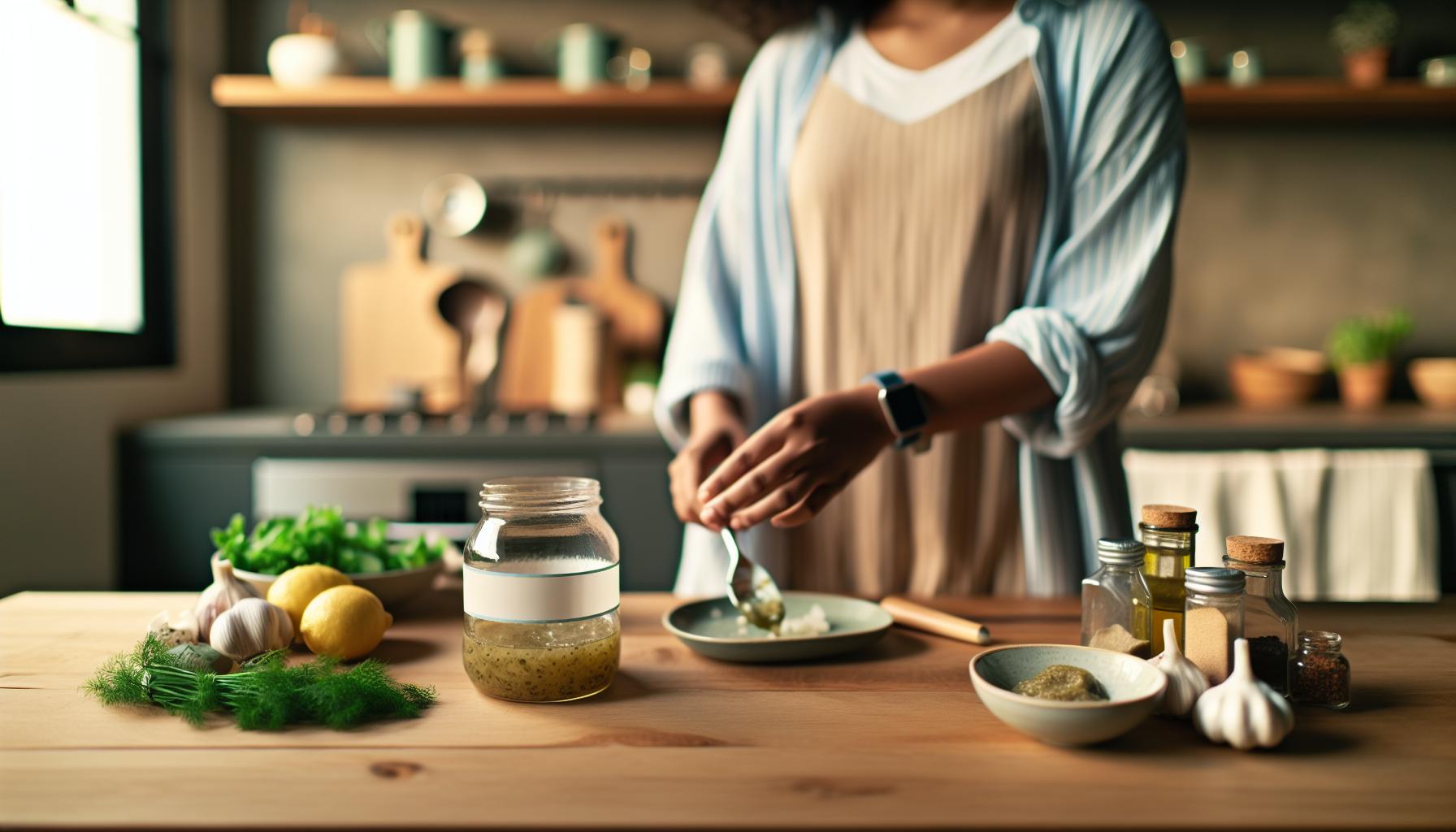
Understanding Diabetic-Friendly Ingredients for Dressings
Understanding the ingredients in salad dressings can significantly impact diabetes management. Many commercial dressings are laden with added sugars, unhealthy fats, and preservatives that can spike blood sugar levels and contribute to overall health issues. By opting for diabetic-friendly ingredients, individuals can not only find satisfaction in their salads but also support their health goals effectively.
When creating homemade dressings, consider using ingredients that boast low glycemic indexes and nutrient density. Common components such as olive oil, vinegar (like apple cider or balsamic), and fresh herbs not only add vibrant flavor but also provide beneficial nutrients. For instance, the monounsaturated fats in olive oil can help improve heart health, which is particularly crucial for those managing diabetes. Additionally, using mustard or yogurt as base ingredients can lend creaminess without unwanted sugars or calories.
Including herbs and spices not only enhances flavor but offers health benefits, too. Garlic, for example, can help lower blood sugar levels and improve heart health. When customizing dressings, experiment with a variety of herbs such as basil, cilantro, and parsley, which can elevate flavor profiles while contributing to overall wellness.
It’s also vital to be mindful of portion sizes when adding dressings to salads. Even diabetes-friendly dressings can lead to unwanted caloric intake if used excessively. Aim for moderation and always measure your portions to maintain better control over your dietary intake. By choosing high-quality, natural ingredients and practicing moderation, you can enjoy flavorful dressings that align with diabetes management goals.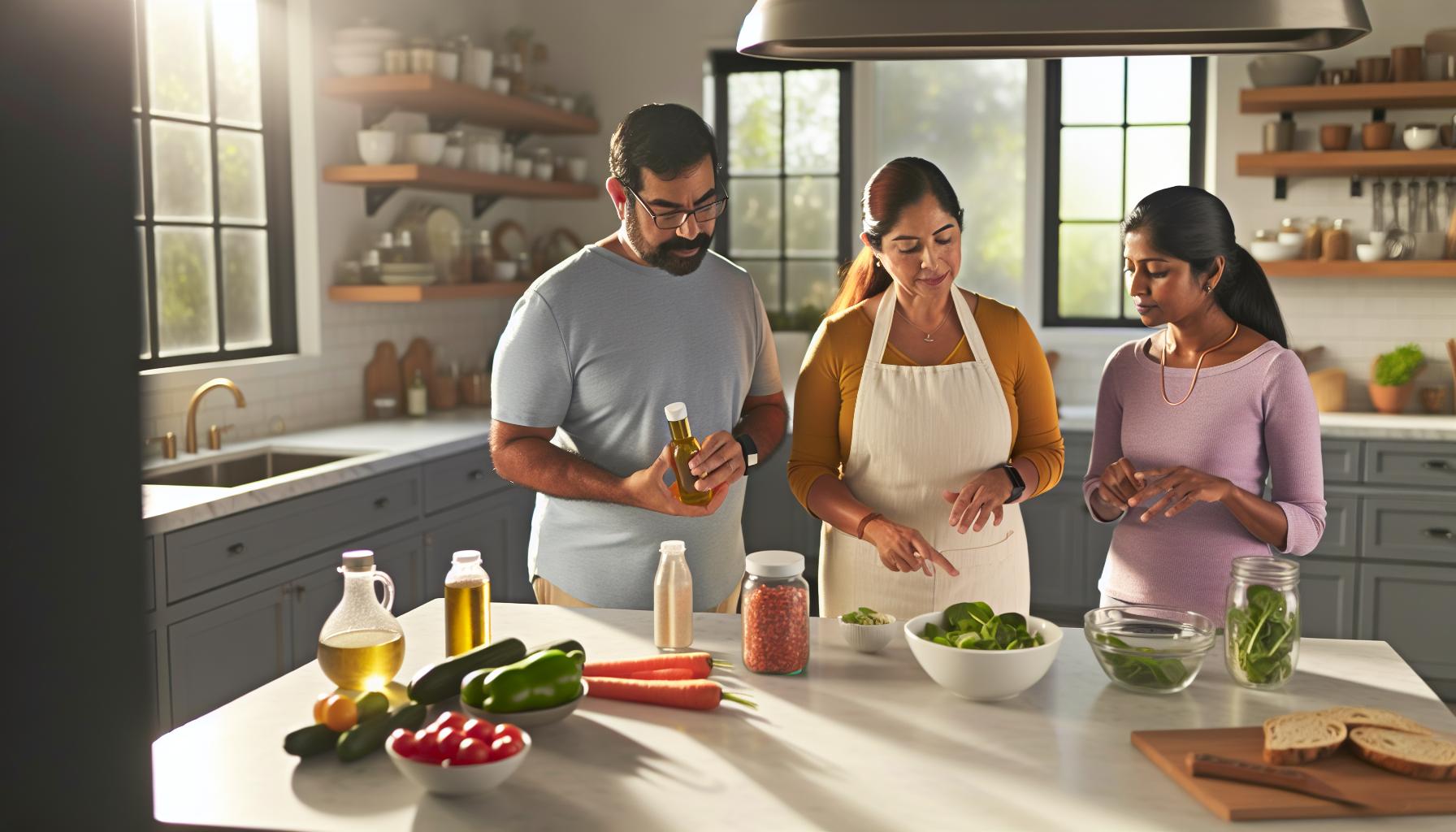
Why Homemade Dressings Are Better for Diabetics
Creating your own salad dressings at home can be a game changer for those managing diabetes. Many store-bought options are often high in sugars, unhealthy fats, and artificial preservatives, all of which can disrupt blood sugar levels and contribute to various health complications. By making dressings at home, you have complete control over the ingredients, allowing you to create flavorful, nourishing options that align with your health goals.
Homemade dressings can be tailored to your personal taste preferences, dietary needs, and nutritional requirements. For instance, you can use heart-healthy fats like olive oil, which is rich in monounsaturated fats that support cardiovascular health and can help stabilize blood glucose. Additionally, incorporating vinegar-especially varieties like apple cider or balsamic-can aid in blood sugar regulation and enhance the flavor of your salads. By utilizing herbs and spices like garlic, you not only enhance taste but also add nutritional benefits, as garlic has been shown to help lower blood sugar levels.
Not only do homemade dressings allow for personalized flavors, but they also promote mindfulness about what you consume. By preparing your dressing, you can understand portion sizes better and avoid the temptation to overuse high-calorie options found in commercial products. Measuring ingredients while experimenting with different recipes encourages a balanced approach to meal preparation. In this way, you empower yourself to make healthier choices that can positively impact your diabetes management.
Lastly, making dressings at home can be a fun and creative culinary project that engages the whole family. Involve kids or loved ones in the preparation process-creating unique flavor combinations together can foster healthier eating habits and bring joy to meal times. Making dressing from scratch not only supports diabetes management but also transforms a routine task into a flavorful and enjoyable experience.
8 Flavorful Homemade Salad Dressing Recipes
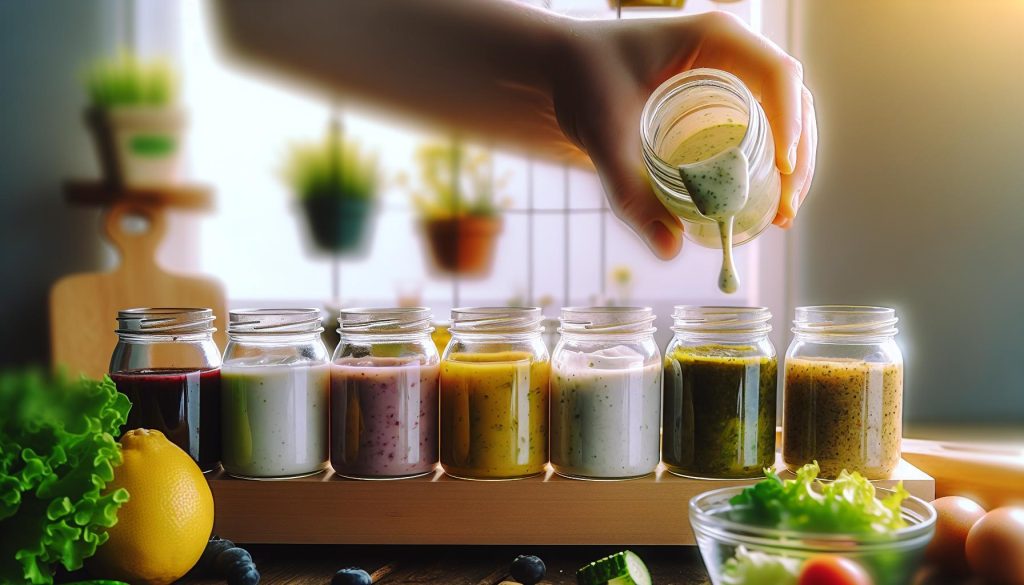
Creating delicious homemade salad dressings can not only elevate your meals but can also play a significant role in managing diabetes through thoughtful ingredient choices. By crafting your own dressings, you can control the sugar and carbohydrate content, ensuring that each dollop enhances the flavor of your meal without derailing your blood sugar levels. Here are eight flavorful options that are both tasty and diabetic-friendly:
1. Zesty Lemon Vinaigrette
A refreshing blend of acidity and brightness, this vinaigrette is perfect for drizzling over greens.
- 3 tablespoons olive oil
- 2 tablespoons fresh lemon juice
- 1 teaspoon Dijon mustard
- Salt and pepper to taste
Whisk together and enjoy the invigorating taste.
2. Creamy Avocado Dressing
This nutrient-rich dressing provides a smooth texture and a boost of healthy fats.
- 1 ripe avocado
- 1/2 cup Greek yogurt
- 2 tablespoons lime juice
- Fresh cilantro (optional)
Blend until smooth for a rich and creamy salad addition.
3. Spicy Garlic Lemon Dressing
Perfect for those who like a kick, this dressing combines zesty elements with a hint of spice.
- 3 tablespoons olive oil
- 2 tablespoons lemon juice
- 1 garlic clove, minced
- Red pepper flakes to taste
Combine all ingredients and adjust the spice according to your preference.
4. Balsamic Vinegar and Olive Oil
A classic combination that’s simple yet full of flavor.
- 1/4 cup balsamic vinegar
- 1/2 cup extra virgin olive oil
- Salt and pepper to taste
Shake well before serving and enjoy this timeless dressing.
5. Tahini Citrus Dressing
With a unique blend of nutty and citrus flavors, this dressing pairs well with hearty salads.
- 3 tablespoons tahini
- 2 tablespoons fresh orange juice
- 1 tablespoon olive oil
- Water to thin as needed
Whisk together for a creamy dressing that adds depth to any salad.
6. Herb-Infused Yogurt Dressing
This refreshing dressing offers an herbal punch and a creamy texture.
- 1/2 cup plain Greek yogurt
- 1 tablespoon fresh dill (or other herbs)
- 1 tablespoon lemon juice
- Salt and pepper to taste
Combine all ingredients for a light and flavorful option.
7. Apple Cider Vinaigrette
This tangy dressing harnesses the health benefits of apple cider vinegar.
- 1/4 cup apple cider vinegar
- 1/2 cup olive oil
- 1 tablespoon honey (or a substitute for sugar-free option)
- Salt and pepper to taste
Mix well for a dressing that can help regulate blood sugar with its vinegar base.
8. Mustard Herb Dressing
A perfect accompaniment to robust salads, this dressing packs a punch.
- 3 tablespoons apple cider vinegar
- 1 tablespoon Dijon mustard
- 1/2 cup olive oil
- Fresh herbs, such as parsley or thyme
Whisk together for an invigorating addition to any salad.
With these varied options, you can keep your meals exciting while sticking to your diabetes management goals. Remember to consult with healthcare professionals about ingredient modifications and portion sizes that work best for your individual dietary needs. Enjoy experimenting with flavors and creating your own signature dressings that suit your palate while promoting better health!
Low-Carb and Sugar-Free Dressing Ideas
Creating salad dressings that are both low in carbohydrates and free from added sugars can empower those managing diabetes to enjoy flavorful meals without sacrificing their health. Many store-bought dressings are laden with hidden sugars and unhealthy fats, which can spike blood sugar levels. By making your own dressings, you can carefully select ingredients that align with your dietary goals, ensuring deliciousness without the guilt.
One fantastic low-carb option is a Creamy Herb Ranch Dressing that stays rich and flavorful without added sugars. Combine 1/2 cup of Greek yogurt, 1/4 cup of mayonnaise, 1 tablespoon of apple cider vinegar, and a mix of dried herbs like dill, parsley, and chives. The tanginess cuts through the creaminess, providing a satisfying dressing that complements leafy greens or roasted vegetables.
For those who relish a zesty, bright flavor, Avocado Cilantro Lime Dressing is a superb choice. Blend together 1 ripe avocado, 1/2 cup of olive oil, the juice of two limes, a handful of cilantro, and a pinch of salt. This creamy dressing not only adds a burst of flavor but is packed with healthy fats that promote heart health, which is especially important for individuals managing diabetes.
Practical Tips for Low-Carb & Sugar-Free Dressings:
- Utilize Vinegars: Vinaigrettes made with various types of vinegar (like balsamic or red wine vinegar) can add depth without carbohydrates. Mixing vinegar with lemon juice can create a zesty base for any salad dressing.
- Experiment with Spices: Herbs and spices are a game changer for enhancing flavors without adding carbs. Fresh herbs like basil or dill can completely transform a simple dressing into something extraordinary.
- Sweet Alternatives: If you desire a bit of sweetness in your dressing, consider using stevia or erythritol as a sugar-free alternative. These sweeteners can provide the balance you’re looking for without impacting blood sugar levels.
Leveraging these DIY dressing ideas not only fosters creativity in the kitchen but also helps you take control of your diet, ultimately supporting diabetes management. Always consult with healthcare professionals to ensure your choices align with your nutritional needs, and enjoy the process of making your own unique dressings tailored to your palate!
How to Customize Salad Dressings for Your Palate
Creating your own salad dressings offers a fantastic opportunity to tailor flavors to your personal preferences while ensuring that your choices align with diabetes management goals. The beauty of customizing dressings lies in the ability to experiment with a variety of ingredients, allowing you to find perfect combinations that tantalize your taste buds without compromising your health. Start by considering what flavors you enjoy most-whether it’s tangy, creamy, or sweet-and build from there.
One of the key components in customizing a dressing involves adding acidity through vinegars or citrus juices. Options such as apple cider vinegar, balsamic vinegar, or fresh lemon juice can add a refreshing zing, enhancing the overall flavor profile. For a creamy texture without high carbs, consider using Greek yogurt or avocado as a base, which also provides additional health benefits, including protein and healthy fats. Layer these with herbs and spices to further personalize your dressing; fresh herbs like basil, cilantro, or dill can elevate even the simplest concoctions.
To effectively sweeten your dressings, think outside the box by incorporating sugar-free alternatives. Ingredients such as stevia, erythritol, or even fruit purees (like pureed berries) can provide the sweetness you desire without spiking blood glucose levels. Balancing flavors is essential-try a small taste test and adjust the seasoning gradually until you find the right combination for your palate. This approach is especially empowering as it encourages you to embrace culinary creativity while adhering to dietary restrictions.
Incorporating diverse flavors not only enriches your meals but can also make healthy eating more enjoyable. Remember, it’s all about finding the perfect balance that suits your lifestyle. As always, sync your culinary choices with professional medical advice to ensure that your diet supports your overall health and diabetes management effectively. Enjoy the journey of transforming simple ingredients into delightful, diabetic-friendly dressings tailored just for you!
Nutritional Benefits of Each Dressing Option
The choice of dressing can significantly impact the overall nutritional profile of your meals, especially for those managing diabetes. By opting for homemade dressings, you have full control over the ingredients, which means you can incorporate a variety of flavors, textures, and health benefits without the added sugars and unhealthy fats often found in store-bought versions. This approach not only enhances taste but also supports your dietary goals.
When creating diabetic-friendly dressings, consider using base ingredients like Greek yogurt or avocado. Greek yogurt is high in protein, which is beneficial for satiety and muscle maintenance, and it supports gut health thanks to its probiotics. Avocado, rich in healthy fats, can help regulate blood sugar levels and reduce inflammation. Incorporating vinegars such as apple cider or balsamic vinegar introduces acetic acid, known to improve insulin sensitivity and lower post-meal blood sugar levels, which is crucial for effective diabetes management.
Sweetening your dressings can also be a thoughtful endeavor. Substituting traditional sugars with natural sweeteners like stevia or erythritol not only satisfies your sweet tooth without raising blood glucose levels but also contributes to a balanced approach to flavor. Additionally, using fresh herbs and spices can elevate your dressing while offering their own health benefits. For instance, cilantro aids in heavy metal detoxification, and turmeric is known for its powerful anti-inflammatory properties.
Lastly, it’s essential to consider how your dressings pair with your salad components. Using low-carb and high-fiber ingredients can enhance the nutritional value of your meals. Non-starchy vegetables like leafy greens or cucumbers provide essential vitamins and minerals while helping to keep blood sugar levels stable. Experimenting with various homemade dressings not only adds excitement to your meals but is also a practical approach to staying within your dietary guidelines for diabetes management. Always consult your healthcare provider when making significant changes to your diet to tailor options to your personal health needs.
Tips for Storing and Using Homemade Dressings
When you invest time in creating delicious homemade salad dressings, understanding how to store and use them effectively can extend their shelf life and preserve flavor. Did you know that homemade dressings can typically last between one to two weeks in the refrigerator? However, the right storage techniques are essential for maintaining taste and quality, especially for those managing diabetes who rely on these dressings as a healthy enhancement to their meals.
To start, always store your dressings in airtight containers such as mason jars or sealable plastic bottles. This minimizes exposure to air, which can degrade the quality over time. Label each container with the date you made the dressing to keep track of freshness. If your dressing contains dairy, like Greek yogurt, it’s crucial to consume it within a week to avoid spoilage. For oil-based dressings, consider preparing smaller batches to ensure you can use them up while they’re at their best.
When using your homemade dressings, give them a good shake or stir before serving. Ingredients can settle over time, and a quick mix will not only unite the flavors but also enhance their nutritional benefits. Always remember to taste and adjust any dressing before pouring it over your salad. If you find it too strong or concentrated, you can dilute it with a bit of water or additional citrus juice. Experimenting with quantities can help you customize the dressing for better tasting experiences aligned with your dietary goals.
Lastly, don’t hesitate to explore using these dressings in unexpected ways. Drizzle them over roasted vegetables, use them as marinades for proteins, or stir them into grain-based salads for added flavor. This versatile approach not only spices up your meals but also supports variety in your diet while sticking to diabetes-friendly options. Empower yourself with these tips, and enjoy the flavors and health benefits that homemade dressings can bring to your daily meal planning!
Cooking with Diabetic-Friendly Herbs and Spices
Cooking with the right herbs and spices can profoundly transform your meals, especially when you’re managing diabetes. These flavor-packed additions not only enhance the taste of your dishes but often come loaded with health benefits that can support your overall wellness. Many herbs and spices have properties that help regulate blood sugar levels, fight inflammation, and promote heart health, making them ideal for anyone looking to elevate their culinary experience in a diabetes-friendly way.
Start by exploring options like cinnamon, known for its ability to improve insulin sensitivity and lower blood sugar levels. Sprinkle it in your homemade dressings or use it to flavor grilled vegetables. Turmeric, with its active compound curcumin, is another excellent choice; it has anti-inflammatory benefits and may help reduce blood sugar levels. Incorporating these ingredients into your dressings not only adds a unique flavor but also fortifies them nutritionally.
Beyond individual herbs and spices, consider blending different flavors for a complex taste profile. For instance, a mix of garlic, ginger, and basil can create a refreshing citrus dressing that pairs beautifully with a crisp salad. Oregano and thyme can add an earthy undertone, making your dressings robust without unnecessary calories or carbs. Using fresh herbs allows you to benefit from their essential oils, providing an extra punch of flavor without added sugars or preservatives.
Don’t forget about the versatility of herbs and spices; they can enhance more than just salads. Drizzle your homemade dressings over roasted chicken or tofu, toss them with whole grains like quinoa, or use them as flavor boosters for grilled fish. This not only diversifies your meals but allows you to enjoy a range of flavors while adhering to diabetes-friendly choices. Remember, seasoning your foods with herbs and spices is a simple yet powerful way to maintain flavor and balance in your diabetic meal planning.
Pairing Dressings with Diabetic-Friendly Salads
When it comes to creating satisfying salads that align with a diabetes-friendly diet, the right dressing can elevate the flavors and enhance the nutritional value of your meal. Pairing your homemade dressings with the right ingredients not only boosts the overall taste but also contributes to blood sugar management and overall well-being. Opt for salads packed with colorful vegetables and lean proteins, and finish them off with a dressing that complements the flavors while keeping carb counts in check.
Start by selecting a base for your salad that includes a variety of non-starchy vegetables, which are low in carbohydrates and high in fiber. Leafy greens like spinach or kale, along with colorful options like bell peppers, cucumbers, and radishes, provide essential nutrients without spiking your blood sugar. Adding lean proteins such as grilled chicken, tofu, or chickpeas can create a fulfilling dish that keeps you satiated longer. Once you have the foundation, consider how your dressing can enhance these ingredients. For instance, a tangy lemon vinaigrette can brighten a salad laden with dark greens, while a creamy Greek yogurt-based dressing offers a rich taste that pairs beautifully with hearty grains like quinoa or farro.
Be mindful of flavor combinations and how they work with your salad’s ingredients. For example, a balsamic vinaigrette is perfect for a salad that includes roasted vegetables or fruits like strawberries. The acidity in the dressing balances the sweetness, creating a harmonious dish. Experiment with homemade dressings that incorporate herbs and spices mentioned earlier, such as basil or garlic, which can lend a fresh taste without adding unnecessary sugars. If you’re in the mood for something spicier, a dressing with hints of mustard or chili flakes can provide an exciting kick that complements a salad topped with avocado or beans.
Lastly, texture matters! Adding crunchy elements like nuts or seeds can enhance your salad while providing healthy fats, which are vital for maintaining stable blood sugar levels. Just ensure you measure your portions to manage caloric intake effectively. By harmoniously blending the unique flavors of your homemade dressings with fresh, diabetic-friendly ingredients, you’ll create a delicious and health-conscious meal that not only satisfies your taste buds but also supports your diabetes management goals.
Common Mistakes to Avoid in Homemade Dressings
Creating homemade dressings can be a delightful and healthful addition to your diabetes-friendly meals, but several common mistakes can undermine their potential benefits. Often, the enthusiasm for crafting a delicious dressing leads to overlooking essential factors that keep the dish aligned with your health goals. One of the most prevalent errors is neglecting to measure out ingredients accurately. While it may seem unnecessary for simple recipes, the balance of fats, acids, and flavors is crucial. Using excess oil or sweeteners can quickly increase carbohydrate content and calories, which may affect blood sugar levels. Always keeping a measuring spoon handy ensures your creations remain wholesome without hidden surprises.
Another frequent pitfall is not considering the glycemic impact of the ingredients. Many store-bought ingredients, such as flavored vinegars or sauces, can contain added sugars that spike blood sugar levels. When crafting dressings at home, choose low-glycemic options like apple cider vinegar, mustard, or fresh herbs to enhance flavor without compromising your health. Getting into the habit of reading labels on items before incorporating them into your dressing can be a game changer, promoting more mindful eating.
Moreover, a lack of variety can lead to dressing fatigue; we can easily fall into a routine of using the same flavors repetitively. This not only diminishes the enjoyment of meals but also may discourage you from eating enough vegetables. Explore different flavor profiles by using diverse herbs, spices, and even citrus zests to elevate your dressings. Experimenting with ingredients while being attentive to their glycemic load ensures that your salads remain exciting and nutritious, providing you with a wide array of essential nutrients.
Lastly, improper storage can lead to waste and spoilage. Homemade dressings are typically free from preservatives and can spoil much faster than commercial options. Make small batches that can be consumed within a week, and store them in airtight containers in the refrigerator. Understanding how to properly store and care for your dressings maximizes their freshness and your meal satisfaction. By avoiding these common mistakes, you can make the most of your homemade dressings and truly enjoy the delicious journey of diabetes management through wholesome, flavorful meals.
Exploring Store-Bought Options for Diabetes-Friendly Dressings
When navigating the aisles of your grocery store, finding diabetes-friendly dressings can be a game changer for your meal planning. As a diabetic, it’s essential to choose products that not only enhance the flavor of your salads but also keep your blood sugar levels in check. Many commercially available dressings, unfortunately, are packed with added sugars and unhealthy fats, making it crucial to read labels carefully. Opting for those with clear nutritional information and wholesome ingredients can help you make informed choices that align with your health goals.
What to Look For
When selecting store-bought dressings, keep an eye out for the following characteristics:
- Low in Added Sugars: Aim for dressings containing less than 1 gram of sugar per serving. Ingredients like honey, corn syrup, or high fructose corn syrup can rapidly increase carbohydrate content.
- Healthy Fats: Look for options with heart-healthy oils, such as olive oil or avocado oil, instead of those made with soybean or canola oils.
- Natural Ingredients: Seek brands that use whole food ingredients without artificial flavors, preservatives, or unnecessary additives.
- Low in Sodium: A lower sodium content helps in managing overall health, particularly blood pressure, which is often a concern for diabetics.
Popular Diabetes-Friendly Options
Several brands actively cater to the needs of those seeking healthier dressing options. Brands like Annie’s, Primal Kitchen, and Tessemae’s offer Italian vinaigrettes, ranch dressings, and other varieties formulated with minimal sugar and high-quality ingredients. These products not only delight your palate but also align well with your dietary needs.
Furthermore, don’t underestimate the versatility of yogurt-based dressings. These are often lower in calories and fat while providing a creamy texture that pairs beautifully with salads and vegetables. A simple Greek yogurt dressing, for instance, can be a fantastic alternative that you can easily spice up with herbs and spices to match your taste.
Exploring the world of store-bought dressings doesn’t mean sacrificing flavor or nutrition. By being diligent in reading labels and choosing wisely, you can find delightful options that fit seamlessly into your diabetic-friendly meal plan. Always consider consulting with a healthcare professional or dietitian when making changes to your diet, ensuring your choices align with your overall diabetes management strategy.
Frequently Asked Questions
Q: What are the benefits of using homemade salad dressings for diabetics?
A: Homemade salad dressings offer better control over ingredients, allowing you to avoid added sugars and unhealthy fats. They can include nutrient-dense components like olive oil and vinegar, which may help stabilize blood sugar levels. For more info, check our section on why homemade dressings are better for diabetics.
Q: How can I make my salad dressing lower in carbs?
A: To reduce carbs in your salad dressing, focus on vinegar-based dressings that use herbs and spices for flavor instead of sugary ingredients. Experiment with mustard, lemon juice, or lime juice for added taste. Look for low-carb recipes in our article for ideas.
Q: What ingredients should I avoid in store-bought salad dressings?
A: Avoid salad dressings that contain high fructose corn syrup, artificial sweeteners, or excessive saturated fats. Instead, seek those made with healthy oils like olive or avocado oil. For more on making smart choices, visit our comparison section on store-bought options.
Q: How can I customize homemade salad dressings to suit my taste?
A: You can customize dressings by adjusting acidity, sweetness, and seasoning based on your preferences. Experiment with different herbs, spices, and oils to create unique flavors while keeping the base diabetic-friendly. For specific recipes, see our section on customizing salad dressings.
Q: Why is it important to use diabetic-friendly herbs and spices in dressings?
A: Diabetic-friendly herbs and spices enhance flavor without adding calories, carbs, or sugar, making them ideal for dressings. They can also offer health benefits, such as anti-inflammatory properties. Explore cooking with diabetic-friendly herbs in our article for more insights.
Q: How should I store homemade salad dressings for maximum freshness?
A: Store homemade dressings in airtight containers in the refrigerator. Most dressings can last about a week. To ensure longevity and flavor, always check for signs of spoilage before use. For detailed storage tips, refer to our tips section on storing homemade dressings.
Q: Can homemade salad dressings help with blood sugar management?
A: Yes, using homemade salad dressings can aid blood sugar management by providing healthier fat sources, like olive oil, and avoiding added sugars commonly found in store-bought versions. Learn more about the nutritional benefits in our nutritional benefits section.
Q: What types of vinegar are best for diabetic-friendly dressings?
A: Apple cider vinegar, balsamic vinegar, and red wine vinegar are excellent choices for diabetic-friendly dressings. They add flavor without carbs and may support stable blood sugar levels. To discover recipes using these vinegars, check out our section on flavorful homemade salad dressing recipes.
Future Outlook
Enjoy experimenting with these eight flavorful homemade diabetic-friendly salad dressings that not only align with your health goals but also elevate your meals. By choosing simple, wholesome ingredients, you can avoid hidden sugars and additives that complicate diabetes management. Ready to take your salads to the next level? Try out these recipes today and feel empowered to make healthier choices!
For more tips on maintaining a balanced diet, check out our guides on diabetes-friendly snacks and meal prepping strategies. Don’t forget to explore our product recommendations to find the best tools for your kitchen. If you have questions or want to share your favorite dressing recipes, leave a comment below! Join our newsletter for the latest updates, expert advice, and supportive resources to navigate your diabetes management journey effectively. Your health journey deserves the best-start making delicious and nutritious choices today!
Homemade Salad Dressing Recipes for Diabetics: Extra Virgin Olive Oil and Apple Cider Vinegar
Ditching commercial bottled dressings in favor of homemade salad dressing recipes for diabetics eliminates hidden sugars, maltodextrin thickeners, and inflammatory omega-6 industrial seed oils. Formulating vinaigrettes with phenolic-rich Extra Virgin Olive Oil (EVOO) and unpasteurized Apple Cider Vinegar (ACV) provides acetic acid that enhances muscular glucose uptake and prevents post-meal insulin surges.
| Dressing Formula | Base Ratio | Bioactive Compounds | Clinical Metabolic Impact |
|---|---|---|---|
| Classic Greek EVOO Vinaigrette | 3 parts EVOO to 1 part red wine vinegar + oregano & garlic | Oleocanthal (anti-inflammatory COX inhibitor) | Flat CGM trace; improves endothelial flow-mediated dilation |
| Apple Cider Vinegar & Mustard | 3 parts EVOO, 1 part raw ACV, 1 tsp Dijon, cracked pepper | Acetic acid suppresses hepatic gluconeogenesis | Blunts blood sugar rise from accompanying meal carbohydrates |
| Creamy Avocado Green Goddess | Ripe avocado blended with cilantro, lime, and olive oil | High potassium and soluble monounsaturated fats | Supports systemic blood pressure and cellular hydration |
| Bottled “Fat-Free” French Dressing | Commercial soybean oil, high-fructose corn syrup, modified food starch | 12g added sugars per 2 tbsp serving | Contraindicated: Produces rapid hyperglycemic spikes |
Get our latest guides, news, and insights highlighted in your Google Search & AI Overviews.