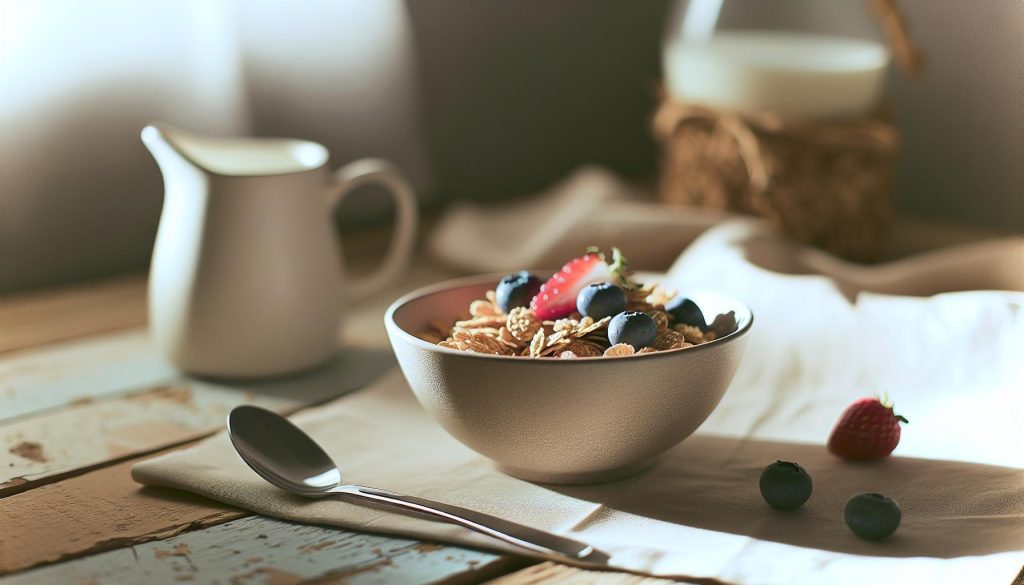
Did you know that breakfast plays a pivotal role in managing diabetes? A well-balanced morning meal can help stabilize blood sugar levels and set a positive tone for the day ahead. This is where our “Diabetic Friendly Granola: Crunchy Low-Sugar Breakfast Bowl” comes into play. Packed with wholesome ingredients and minimal sugar, this granola recipe not only satisfies your cravings but also aligns with your health goals. As we explore easy, delicious options that fit seamlessly into a diabetic-friendly diet, you’ll discover how simple changes can greatly enhance your daily management of diabetes. Join us on this journey towards better breakfast choices that empower you to take control of your health while enjoying tasty meals!
Diabetic-Friendly Granola: What Makes It Special?
Granola has long been a popular breakfast choice, but for those managing diabetes, choosing the right type of granola is crucial. Diabetic-friendly granola is crafted to cater to the specific dietary needs of individuals with diabetes while maintaining delicious flavors and satisfying crunch. What sets this special version apart is its focus on low-sugar ingredients, fiber-rich components, and healthy fats, all of which can contribute to more stable blood sugar levels.
One of the standout features of diabetic-friendly granola is the careful selection of ingredients. Instead of the typical added sugars found in conventional granola, diabetic-friendly versions often incorporate natural sweeteners such as stevia or monk fruit, which provide sweetness without causing spikes in blood glucose. These granolas also favor whole grains, nuts, and seeds, which are not only lower in glycemic index but also rich in nutrients and fiber. High-fiber ingredients help slow digestion, promoting a gradual release of sugar into the bloodstream and ultimately enhancing the body’s insulin response.
Beyond its composition, diabetic-friendly granola offers versatility, making it a gratifying option beyond breakfast. It can be mixed with yogurt for a wholesome snack, tossed into salads for added crunch, or even enjoyed as a topping for baked fruits. For those managing diabetes, finding ways to include such healthy inputs into daily meals is a valuable strategy for maintaining energy levels and overall health. This makes diabetic-friendly granola not just a meal choice, but an enjoyable part of a manageable, health-conscious lifestyle.
Understanding Low-Sugar Ingredients for Granola
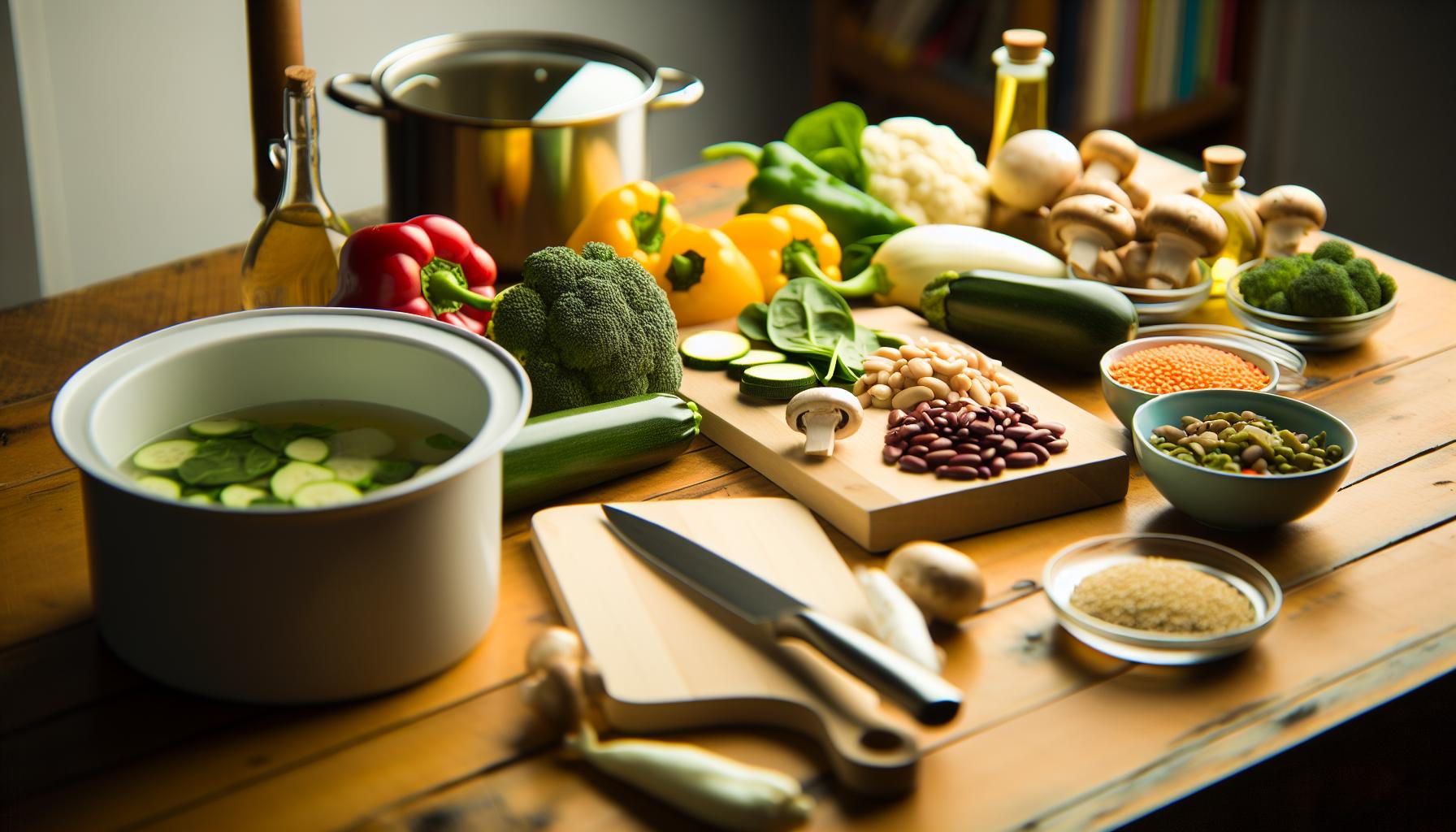
Many people are surprised to learn that granola can be a delicious and nutritious option for those managing diabetes, especially when it features low-sugar ingredients. Choosing the right components for your granola is essential in creating a satisfying breakfast or snack that doesn’t compromise blood sugar levels. Low-sugar ingredients not only help keep glucose spikes at bay but also contribute to the overall nutritional profile of the granola, ensuring that it supports a healthy lifestyle.
When crafting diabetic-friendly granola, the choice of sweeteners plays a crucial role. Natural alternatives like stevia, monk fruit sweetener, and erythritol offer sweetness without the calories and glycemic impact of traditional sugars. These sweeteners can be used in moderation to enhance flavor while allowing for better blood sugar control. Furthermore, including unsweetened dried fruits, such as blueberries or cranberries, can add a hint of natural sweetness along with beneficial nutrients. It’s important to be mindful of portion sizes with dried fruits, as they can still contain concentrated sugars.
The base of your granola should comprise whole grains, nuts, and seeds that are inherently low in sugar while high in fiber. Foods like rolled oats, quinoa, almonds, and chia seeds not only create a crunchy texture but also provide important nutrients such as protein and healthy fats. These components can help slow digestion, resulting in a steadier release of energy and improved insulin sensitivity. Additionally, the fiber content can aid in maintaining digestive health and promoting satiety, which are both crucial for maintaining optimal weight and energy levels in diabetic patients.
In sum, understanding and selecting low-sugar ingredients can profoundly influence the impact of granola on blood sugar management. By opting for natural sweeteners, fiber-rich whole grains, and nutrient-dense toppings, you can enjoy a tasty granola that aligns with your dietary needs while keeping blood glucose levels stable. Remember, consulting with a healthcare provider or a registered dietitian can help tailor your dietary choices for effective diabetes management.
How to Make Crunchy Granola at Home
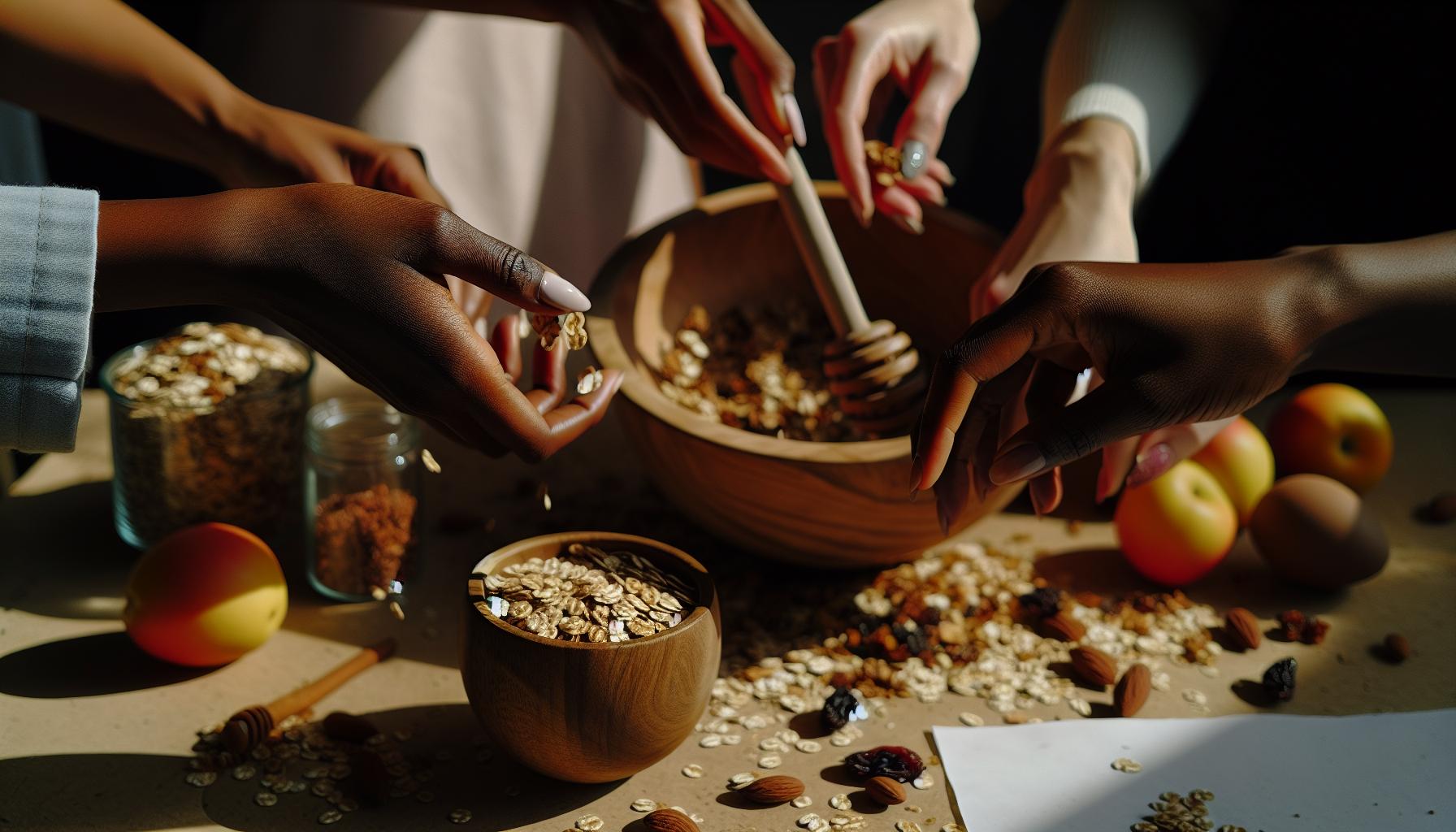
Making your own granola at home is not just a fun activity but also a way to ensure it aligns with your dietary needs, especially if you’re managing diabetes. A batch of freshly made granola can fill your kitchen with a warm, nutty aroma, transforming your breakfast experience into something special. The process is straightforward, and with the right ingredients, you can create a crunchy, delicious granola that’s low in sugar and high in nutrition.
To start, gather your base ingredients. Whole grains like rolled oats and quinoa serve as a great foundation, providing fiber and essential nutrients. For crunch, add a mix of nuts and seeds such as almonds, walnuts, and chia seeds. These ingredients are low in carbohydrates and contribute to a feeling of fullness, helping to manage hunger throughout the day.
Key Ingredients for Crunchy Granola
- Whole Grains: Rolled oats, quinoa, or barley.
- Nuts and Seeds: Almonds, walnuts, pumpkin seeds, or sunflower seeds.
- Natural Sweeteners: Use stevia, monk fruit sweetener, or a small amount of honey to keep sugar levels low.
- Add-Ins: Unsweetened dried fruits like cranberries, blueberries, or coconut flakes (in moderation).
- Healthy Fats: A tablespoon or two of coconut oil or olive oil can enhance texture and flavor.
Combine your dry ingredients in a large bowl, then mix in the natural sweeteners and fats until everything is evenly coated. Spread the mixture onto a baking sheet lined with parchment paper to ensure it doesn’t stick. Baking at a low temperature (around 300°F or 150°C) allows the granola to dry out and become crunchy without burning. Stir it every 15 minutes to achieve an even golden brown and to prevent clumping.
Once baked, allow your granola to cool completely; this will help it become extra crunchy. After cooling, you can mix in any additional ingredients, like dried fruits or chocolate chips, if desired. Store your homemade granola in an airtight container at room temperature, and it should stay fresh for several weeks. Consider portion control by measuring out servings to prevent overindulging, which is particularly important for managing blood sugar levels.
Creating your own granola not only caters to your taste preferences but also to your health needs, making breakfast a delightful and nutritious start to your day. Enjoy it with unsweetened almond milk or a dollop of Greek yogurt to further enhance the health benefits, supporting both diabetes management and overall health. Always remember to consult with a healthcare professional when making significant changes to your diet, as they can provide personalized advice tailored to your specific needs.
Nutritional Benefits of Diabetic-Friendly Granola
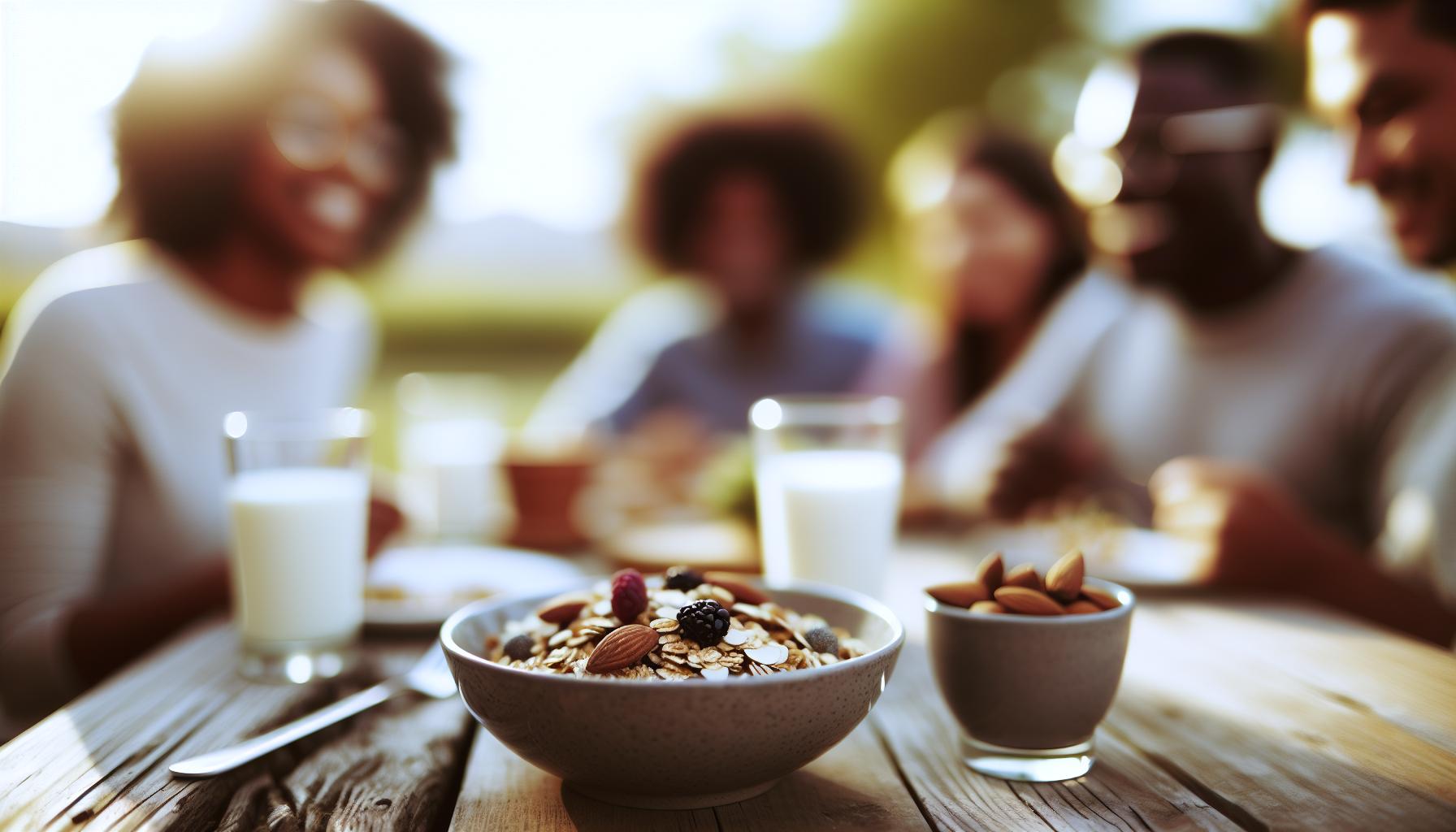
The remarkable advantages of diabetic-friendly granola extend beyond mere taste; they play a crucial role in managing blood sugar levels while delivering essential nutrients. Unlike conventional granolas that often contain high amounts of refined sugars and unhealthy fats, a well-crafted diabetic-friendly granola incorporates natural ingredients that support overall health. By utilizing whole grains, nuts, and seeds, this wholesome breakfast option provides sustained energy, helping to stave off the rapid blood sugar spikes that can occur with sugary breakfast choices.
One of the primary benefits lies in the high fiber content of these ingredients. Foods rich in fiber have been shown to slow the absorption of sugars, ultimately helping to regulate blood glucose levels. For instance, rolled oats and chia seeds are excellent sources of soluble fiber, which not only aids in digestion but also promotes a feeling of fullness. This can be particularly beneficial for those managing diabetes, as it helps curb cravings and supports weight management, an important aspect of diabetes care.
Furthermore, incorporating healthy fats from nuts and seeds adds an additional layer of nutritional value. These fats not only enhance flavor but also contribute to heart health, which is a vital consideration for individuals with diabetes. Nuts like almonds and walnuts provide essential fatty acids and antioxidants, supporting metabolic health. Additionally, by choosing natural sweeteners like stevia or monk fruit, you can satisfy your sweet tooth without the detrimental effects of added sugars, maintaining a balanced diet that supports glucose control.
By enjoying a serving of diabetic-friendly granola, you’re not only treating yourself to a delightful breakfast but also investing in your health. Each bite is filled with unique flavors and textures, making it an enjoyable way to start your day. Pairing your granola with a source of protein, such as Greek yogurt or unsweetened almond milk, can further enhance the meal’s nutritional profile, combining to provide a fulfilling, tasty, and healthy start to your morning routine. As you navigate the challenges associated with diabetes, remember that making mindful food choices, like opting for a nutritious granola, empowers you in your journey towards better health.
Portion Control: Serving Size Tips for Diabetics
Portion control is essential for individuals managing diabetes, particularly when it comes to enjoying granola, a food that can be both delicious and nutritious. Understanding the importance of serving sizes can help maintain stable blood sugar levels while still indulging in this crunchy treat. A common pitfall is underestimating portion sizes; granola is calorie-dense due to its healthy fats and carbohydrates. A serving size of around 1/4 to 1/2 cup is generally recommended, allowing you to savor it without overindulging.
To make portion control easier, consider using smaller bowls or measuring cups to serve your granola. This not only helps you track your intake but can also create an appealing presentation that elevates your meal experience. Pairing your serving of granola with a protein source-such as a serving of Greek yogurt or a handful of berries-can transform it into a balanced meal. This pairing not only enhances the nutritional profile but may also help in reducing blood sugar spikes by slowing carbohydrate absorption.
Another practical tip is to prepare your granola in advance. Dividing it into individual portions ahead of time can ensure you stick to your serving size, making healthy eating more convenient during busy days. Additionally, this practice encourages mindful eating by allowing you to enjoy each bite without the distraction of larger quantities.
Ultimately, empowering yourself with portion control strategies not only supports better blood sugar management but also enhances your overall relationship with food. You can enjoy the delightful combination of taste and nutrition that diabetic-friendly granola offers while staying aligned with your health goals. Always remember to consult with healthcare professionals for personalized advice and to tailor dietary decisions based on your unique health needs.
Creative Ways to Enjoy Granola Beyond Breakfast
When it comes to diabetic-friendly granola, its versatility goes far beyond breakfast. This crunchy treat can be incorporated into a variety of meals and snacks throughout the day, making it an exciting element in your diet. One popular way to enjoy granola beyond the typical bowl is to use it as a topping. Whether you’re adding a handful to your favorite salad, enhancing the texture of a soup, or sprinkling it on roasted vegetables, granola can bring a satisfying crunch and an extra layer of flavor to your dishes. For those seeking a bit of decadence, try making a granola-studded energy ball. Simply blend your favorite low-carb nut butters with granola, chia seeds, and a dash of cinnamon, then form into bite-sized balls for a nutritious snack that provides sustained energy without spiking blood sugar levels.
Snack Ideas with Granola
Granola can also serve as a foundation for delicious snacks that suit a diabetic-friendly diet. Consider creating a yogurt parfait that layers Greek yogurt with granola and a variety of berries such as blueberries or strawberries, which are lower in sugar yet packed with antioxidants. This combination not only provides a satisfying texture but also offers a balanced serving of protein and fiber to help manage hunger and blood sugar levels throughout the day.
Another creative option is to incorporate granola into homemade trail mix. Combine granola with unsalted nuts, pumpkin seeds, and a small amount of dark chocolate or dried fruits, being mindful of portion sizes. This mix can be a perfect on-the-go snack for busy individuals. Just remember to store it in a small container for easy access while maintaining awareness of your intake.
Dessert Alternatives
If you have a sweet tooth, granola can also be a great ingredient in sugar-conscious desserts. Use it as a crust for cheesecake or as a topping for baked fruit like apples or peaches, which can enhance natural sweetness while keeping added sugars to a minimum. You can create a simple fruit crumble by mixing granola with a touch of cinnamon and a sprinkle of nuts and baking until golden. This inventive approach not only satisfies dessert cravings but aligns with dietary goals for those managing diabetes.
By embracing these creative ways to incorporate diabetic-friendly granola into your meals, you can enjoy a spectrum of flavors and textures while supporting your health goals. Maintaining a varied and enjoyable diet is vital in managing diabetes, so experiment with different ideas and find what works best for you. Always consult with healthcare providers to develop personalized strategies that support your health journey effectively.
Pairing Diabetic-Friendly Granola with Other Foods
Incorporating diabetic-friendly granola into your meals opens up a world of flavorful and nutritious combinations that can enhance your overall diet. This crunchy, low-sugar option is not just a breakfast staple; it can be paired with a variety of foods to create satisfying meals and snacks that align with your health goals. By thoughtfully selecting what you pair with your granola, you can help manage your blood sugar levels while enjoying delicious flavors and textures.
One delightful pairing is with Greek yogurt, particularly the unsweetened variety. This combination not only adds a satisfying crunch but also brings in a healthy dose of protein and probiotics, promoting gut health. Layering granola with Greek yogurt and some low-sugar fruits like berries creates a wonderful parfait that can serve as a balanced meal or a craving-satisfying snack. For added flavor and nutritional benefits, consider drizzling a bit of sugar-free maple syrup or honey on top, but remember to keep portion sizes in check to avoid excess sugars.
Another excellent way to enjoy granola is as a topping for oatmeal or overnight oats. Prepare your oats with water or low-sugar almond milk, then sprinkle a small portion of granola on top for some added crunch and flavor. This not only improves the texture but also enhances the overall nutritional profile, as oats and granola both provide fiber, which is essential for blood sugar control. Additionally, you can mix in some chia seeds or flaxseeds to boost the omega-3 fatty acids and further help regulate blood sugar levels.
For those looking to add some zest to their salads, granola can serve as an unconventional yet delightful topping. Combining greens with nuts, seeds, and a light vinaigrette creates a nutritious base; then, sprinkle on a handful of granola for added crunch and flavor. This creative approach not only makes salads more enjoyable but also helps keep you full longer, reducing the temptation for unhealthy snacking later on.
By experimenting with these pairings, you can transform diabetic-friendly granola into a versatile ingredient that brightens your meals and supports your diabetes management plan. Always remember to consult with healthcare professionals to tailor food choices to your unique health needs, ensuring your selections contribute positively to your overall well-being.
Tips for Choosing Store-Bought Granola Wisely
When choosing store-bought granola, it’s essential to be an informed consumer, especially if you’re managing blood sugar levels. Many brands market their products as healthy, but not all options are suitable for those with diabetes. Start by carefully reading ingredient labels to choose products that align with your health goals. Look for granolas that emphasize low sugar content, often defined as 5 grams of sugar or less per serving. This will help you maintain stable blood sugar levels while still enjoying the crunch and flavor of granola.
A good granola should also be rich in fiber and whole grains, which help regulate blood sugar levels and provide longer-lasting energy. Focus on options that include ingredients like oats, nuts, and seeds, as these are not only nutritious but also satisfying. Products high in dietary fiber can help slow the absorption of sugar into the bloodstream, which is particularly beneficial for diabetics. You can also look for added health benefits, such as those fortified with omega-3 fatty acids from flaxseeds or chia seeds.
When evaluating granola options, it’s wise to steer clear of those with added sugars or sugar substitutes that can spike your insulin levels. Ingredients such as honey, agave, brown sugar, and syrups can quickly elevate sugar levels, negating any health benefits. Instead, consider brands that use wholefood sweeteners or those that rely on natural sweetness from dried fruit in moderation. Always remember that portion control is key. Even the healthiest granola can lead to excess calories and sugar if eaten in large quantities.
Choosing the right store-bought granola means being proactive about your diabetes management. It’s not merely about picking a box off the shelf; it’s about making educated choices that fit into your lifestyle and dietary needs. If you’re unsure about which product is best, consult with a registered dietitian or healthcare professional to receive tailored recommendations that suit your individual health requirements. This expert advice can be invaluable in navigating food choices confidently and effectively.
Exploring Alternative Granola Recipes for Variety
Exploring a variety of alternative granola recipes can bring excitement to your breakfast routine while staying aligned with your dietary needs. Homemade granola allows you to control sugar levels and incorporate low-glycemic ingredients that won’t spike your blood sugar. By experimenting with flavors and textures, you’ll discover satisfying options that appeal to your palate without compromising your health goals.
Start with a basic granola base consisting of rolled oats, nuts, and seeds. From there, you can create unique blends by adding ingredients such as:
- Coconut Flakes: Unsweetened coconut adds a tropical twist and healthy fats.
- Spices: Boost flavor with cinnamon, nutmeg, or vanilla extract without added sugar.
- Low-Sugar Sweeteners: Consider using monk fruit or erythritol in small amounts to achieve balanced sweetness.
- Dried Fruits: Opt for low-sugar varieties such as goji berries or cranberries. Remember to keep portions minimal!
Experimenting with nuts can also enhance your granola’s nutritional profile. Walnuts and almonds offer heart-healthy fats, while sunflower seeds or pumpkin seeds are high in fiber and nutrients. For an extra crunch, try adding some whole-grain puffed rice or oats.
Easy Diabetic-Friendly Granola Recipe
Here’s a quick recipe to get you started on your alternative granola-making journey:
| Ingredient | Amount |
|---|---|
| Rolled Oats | 2 cups |
| Mixed Nuts (chopped) | 1 cup |
| Seeds (like chia or sunflower) | 1/2 cup |
| Coconut Flakes | 1/4 cup |
| Monk Fruit Sweetener | 1/4 cup |
| Olive Oil or Coconut Oil | 1/4 cup |
| Cinnamon | 1 tsp |
Preparation Steps:
- Preheat the oven to 300°F (150°C).
- In a large bowl, mix together all dry ingredients.
- In a separate bowl, combine wet ingredients, then pour over the dry mix and stir well.
- Spread the mixture evenly on a baking sheet lined with parchment paper.
- Bake for 25-30 minutes, stirring every 10 minutes until golden brown.
- Allow to cool before storing in an airtight container.
Incorporating alternative granola recipes into your meals not only diversifies your diet but can also help manage blood sugar levels effectively. Share these recipes with family and friends, empowering them to embrace delicious, health-conscious choices as well. Always consult healthcare professionals for personalized dietary advice that aligns with managing diabetes effectively.
Impact of Granola on Blood Sugar Levels
Granola can be a wonderful addition to a diabetic-friendly diet when composed of the right ingredients. One of the key aspects influencing blood sugar levels is the glycemic index (GI) of the foods consumed. A lower GI means slower and steadier rises in blood glucose, making it a vital consideration for individuals managing diabetes. When crafted thoughtfully, granola can maintain a low GI and provide essential nutrients without causing drastic blood sugar spikes.
Choosing whole, unprocessed ingredients for your homemade granola is crucial. Rolled oats, for instance, are high in fiber and have a lower GI compared to sugary cereals. This fiber not only aids in digestion but also enhances satiety, helping you feel fuller for longer and potentially reducing overall calorie intake, which is beneficial for weight management-an important factor in diabetes control. Furthermore, incorporating healthy fats from nuts and seeds can help regulate blood sugar levels due to their low glycemic response.
Adding low-sugar sweeteners, such as monk fruit or erythritol, allows for a satisfying sweetness without the detrimental effects of conventional sugars. Pairing granola with high-protein foods like Greek yogurt or a handful of berries maintains balanced blood sugar levels while providing essential nutrients. However, it’s important to remember portion control; even healthier granola varieties can lead to elevated blood sugar if consumed in excessive amounts. Keeping serving sizes moderate can help you enjoy your crunchy breakfast treat while managing your diabetes effectively.
To summarize, granola can serve as a tasty, nutritious option for those with diabetes if prepared with a focus on low-sugar, high-fiber ingredients. By being mindful of what goes into your granola and combining it wisely with other foods, you can enjoy a delightful breakfast that supports your health goals, empowering you to take charge of your diabetes management. Always consult with healthcare professionals to tailor dietary choices to your specific needs.
Storing Granola: Best Practices for Freshness
To keep your diabetic-friendly granola fresh and flavorful, proper storage is key. Unlike store-bought varieties that often contain preservatives, homemade granola is best enjoyed when it’s at its peak freshness. The ideal storage environment minimizes exposure to air, moisture, and light, all of which can contribute to spoilage. A clean, airtight container is your best friend for maintaining the delightful crunch of your granola. Consider using glass jars or BPA-free plastic containers with tight-fitting lids to keep out unwanted humidity.
Best Practices for Storing Granola
To optimize the freshness of your granola, follow these simple yet effective practices:
- Airtight Containers: Always store granola in airtight containers. This helps prevent moisture from softening the crunchy texture and keeps flavors intact.
- Cool, Dry Place: Choose a cool, dry location away from direct sunlight. A pantry or cupboard is generally a perfect spot.
- Refrigeration for Longer Shelf Life: If you’ve added ingredients like dried fruit or nut butter, consider refrigerating your granola. The cooler temperature helps extend shelf life and preserves flavor.
- Freeze for Extended Storage: For even longer-lasting freshness, granola can be frozen. Portion it out into servings and store in freezer-safe bags or containers. Just be sure to let it cool completely before sealing to prevent condensation.
Storing granola properly not only enhances its longevity but also preserves its nutritional benefits, which are vital for balancing blood sugar levels in a diabetic diet. Every bowl of granola can be a delicious and nutritious way to start your day, especially when you know it’s stored correctly for the best taste and texture. Remember, while your homemade granola can be a great asset to your diabetes management, consulting healthcare professionals for dietary specifics remains essential for tailored advice.
The Role of Fiber in Diabetic-Friendly Granola
Fiber plays a pivotal role in crafting diabetic-friendly granola, transforming it into not only a delicious breakfast option but also a smart choice for blood sugar management. This essential nutrient helps to slow down the absorption of sugar in the bloodstream, which can lead to more stable blood glucose levels. Studies show that incorporating adequate fiber into your diet can be beneficial for individuals managing diabetes, making granola a great canvas for a fiber boost.
When looking to enhance your granola’s fiber content, consider using whole grains, seeds, and nuts. Whole grains like rolled oats serve as the foundation for many granola recipes and are a rich source of soluble fiber. Soluble fiber has the added benefit of forming a gel-like substance in the gut, which can help regulate digestion and contribute to satiety, keeping you full longer. Adding ingredients such as chia seeds, flaxseeds, or pumpkin seeds not only increases fiber but also provides omega-3 fatty acids, which can further support cardiovascular health.
Fiber-Rich Ingredients to Consider
- Oats: A primary ingredient in granola, oats are high in both soluble and insoluble fiber. They can help lower cholesterol and stabilize blood sugar levels.
- Chia Seeds: These tiny seeds are packed with fiber and can absorb liquid, making them a fantastic addition to granola.
- Almonds and Walnuts: Nuts provide healthy fats and additional fiber, making your granola crunchy and satisfying.
In addition to stabilizing blood sugar levels, fiber also promotes gut health by acting as a prebiotic, feeding the good bacteria in your digestive system. This can lead to improved nutrient absorption and a healthier metabolism. Pairing your high-fiber granola with a source of protein-like Greek yogurt or a sprinkle of protein powder-can create a well-rounded breakfast that not only tastes great but also supports overall wellness.
Encouraging the inclusion of fiber in your diet is a step toward healthier eating habits, especially for those managing diabetes. As always, it’s important to consult with a healthcare professional or a registered dietitian to tailor dietary choices that suit individual health needs. By making informed decisions and embracing the power of fiber-rich ingredients, you can enjoy your homemade granola while effectively managing your blood sugar levels.
Frequently asked questions
Q: What are the best sweeteners for diabetic-friendly granola?
A: The best sweeteners for diabetic-friendly granola include stevia, erythritol, and monk fruit. These options provide sweetness without significantly raising blood sugar levels. Using these low-calorie alternatives can help maintain the crunchy texture while keeping the granola low in sugar.
Q: How can I increase the protein content in my granola?
A: To boost protein in your granola, consider adding nuts, seeds, and protein powder. Almonds, walnuts, and hemp seeds are rich in protein and healthy fats. Incorporating a scoop of protein powder can also enhance nutritional value without compromising flavor.
Q: Can I eat diabetic-friendly granola every day?
A: Yes, you can include diabetic-friendly granola in your daily diet, but moderation is key. Pay attention to portion sizes and choose granola low in added sugars and high in fiber. This keeps blood sugar levels stable throughout the day.
Q: What are some low-carb alternatives to traditional granola?
A: Low-carb alternatives to traditional granola include nut-based granolas and granola made from seeds like pumpkin or sunflower. These options are high in healthy fats and can satisfy your crunch cravings without high carbohydrates.
Q: How can I customize my diabetic-friendly granola recipe?
A: To customize your granola, experiment with different nuts, seeds, and spices. Adding cinnamon, unsweetened cocoa powder, or vanilla extract can enhance flavors without adding sugar. Adjusting the ratios of these ingredients can also create a texture you enjoy.
Q: What are the signs of a good diabetic-friendly granola?
A: A good diabetic-friendly granola should be high in fiber, low in added sugars, and contain healthy fats. Check the nutrition label for whole ingredients, minimal processing, and a balance of macronutrients to ensure it fits within a diabetic diet.
Q: Where can I buy pre-made diabetic-friendly granola?
A: Many health food stores and online retailers offer pre-made diabetic-friendly granola. Look for brands that specifically label their products as low-sugar or diabetic-friendly to ensure they meet your dietary needs.
Q: How should I store my homemade granola?
A: Store your homemade granola in an airtight container in a cool, dry place. For optimal freshness and crunchiness, you can also keep it in the refrigerator. Proper storage can extend the shelf life and preserve its quality.
Feel free to explore more about “Diabetic-Friendly Granola: Crunchy Low-Sugar Breakfast Bowl,” including nutritional benefits and portion control tips. Consistently consult healthcare professionals when making dietary changes, ensuring it aligns with your health management plan.
The Way Forward
Thank you for exploring our “Diabetic Friendly Granola: Crunchy Low-Sugar Breakfast Bowl.” This delicious and nutritious breakfast option not only supports your blood sugar levels but also makes managing diabetes more enjoyable! Remember, making informed food choices is key to your health journey. If you’re curious about more diabetic-friendly recipes, check out our guides on managing daily meals and understanding nutrition labels.
Don’t wait to try this delightful granola-incorporate it into your morning routine today! We encourage you to share your thoughts and experiences in the comments below or connect with our community on social media. For ongoing tips and resources, subscribe to our newsletter and never miss an update. Together, let’s navigate the path of diabetes management, empowering ourselves and others with knowledge and support. Your health is a priority; let’s make each bite count!
Get our latest guides, news, and insights highlighted in your Google Search & AI Overviews.