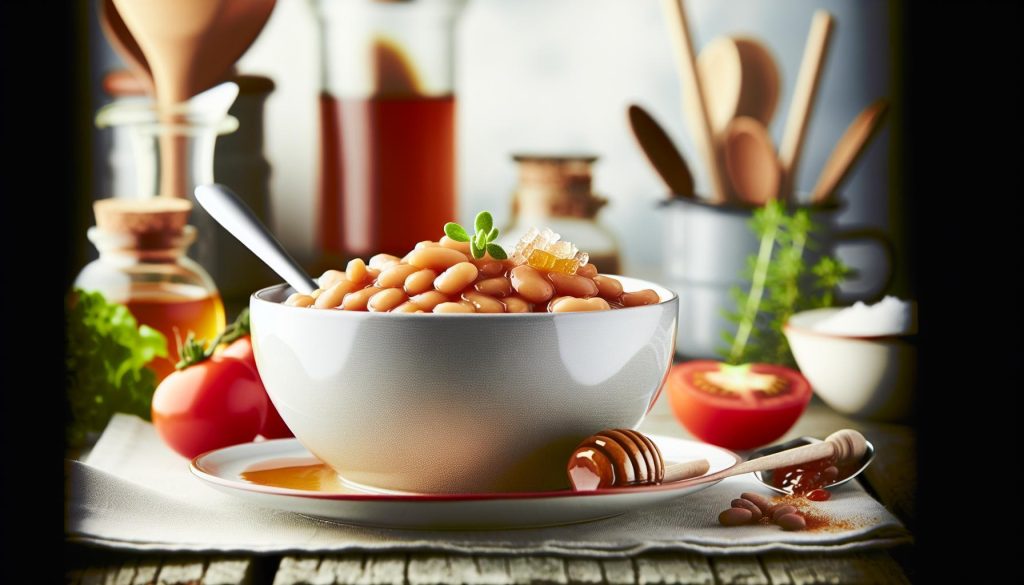
Did you know that 30 million people in the United States are living with diabetes, making food choices more critical than ever? For those managing this condition, finding delicious, low-sugar recipes can feel like a challenge. Enter diabetic baked beans: a sweet and savory dish that not only satisfies your taste buds but also supports your health goals. This recipe is perfect for family gatherings or cozy dinners, ensuring that everyone can enjoy a classic favorite while keeping an eye on their blood sugar levels. By focusing on wholesome ingredients and balanced flavors, this dish empowers you to enjoy meals without sacrificing your well-being. Ready to learn how to whip up this delightful dish? Let’s dive in!
Diabetic-Friendly Ingredient Alternatives for Baked Beans
When preparing baked beans for a diabetic-friendly meal, choosing the right ingredient alternatives is crucial for maintaining blood sugar stability while still enjoying rich flavors. Traditional baked bean recipes often call for ingredients high in sugar and processed products, which can spike glucose levels. However, by swapping in diabetes-friendly alternatives, you can create a delicious dish that aligns with your dietary needs.
One excellent substitution for sweeteners typically found in baked beans is pure maple syrup or agave nectar, used sparingly, as they have a lower glycemic impact than refined sugars. Another alternative is to incorporate unsweetened applesauce. This option not only adds moisture but also brings a hint of natural sweetness without the added sugars. For flavor depth, consider adding balsamic vinegar or cider vinegar rather than molasses. These options can provide the tangy taste you desire without the high sugar content often associated with traditional recipes.
Additionally, using low-sodium or no-sugar-added canned beans can minimize sodium intake and sugar levels. You might even try fresh or dried herbs like thyme, rosemary, or bay leaves, which enhance the flavor profile without any unhealthy additives. To add a savory component, consider using smoked paprika or liquid smoke instead of high-sugar barbecue sauces. These alternatives can satisfy your taste buds while keeping carb counts low.
Ultimately, these ingredient swaps not only help in crafting diabetic-friendly baked beans but also encourage creativity in the kitchen. Embracing such adjustments not only empowers those with diabetes to maintain their lifestyle but also promotes health-conscious cooking for the entire family. Remember to consult with healthcare professionals or dietitians for personalized advice tailored to your individual health concerns.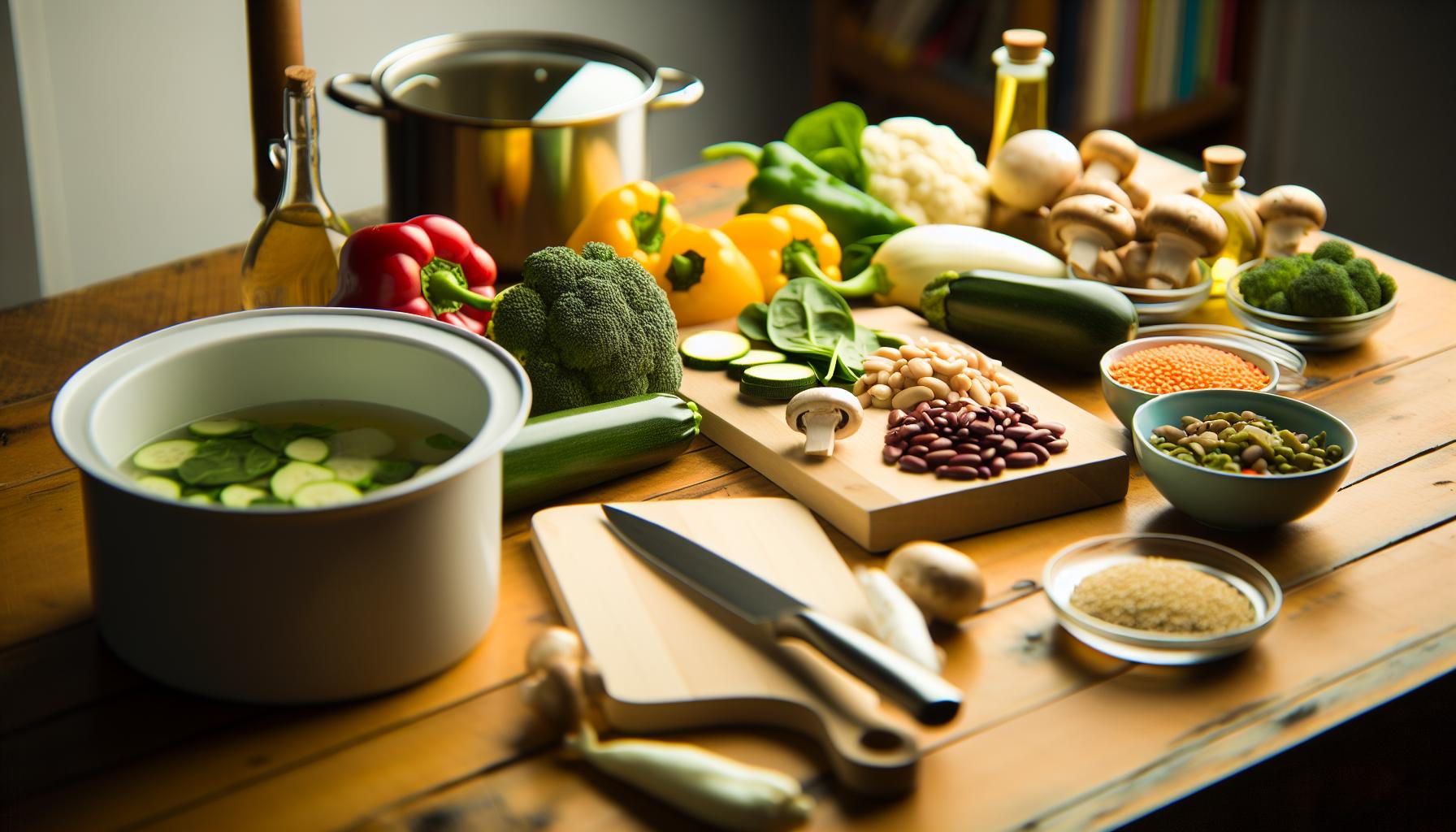
The Benefits of Low-Sugar Diets for Diabetics
A low-sugar diet can significantly empower individuals managing diabetes, as it plays a crucial role in stabilizing blood sugar levels. Reducing sugar intake not only mitigates spikes in glucose but also promotes overall well-being. For many, this dietary shift means leaning towards natural flavors, whole foods, and nutrient-dense ingredients, which are essential in everyday meals like baked beans. By choosing low-sugar alternatives and being mindful of each ingredient, diabetics can enjoy flavorful dishes without compromising their health.
Incorporating a low-sugar diet can also lead to increased energy levels and improved metabolic function. Eating foods that are lower in sugar helps the body utilize insulin more effectively, reducing the risk of insulin resistance, which is paramount for type 2 diabetes management. Moreover, a diet focusing on proteins, healthy fats, and high-fiber foods-such as beans-can provide sustained energy and reduce cravings for sugary snacks. The rich fiber content in beans not only aids digestion but also promotes a slower release of glucose into the bloodstream, helping maintain steady energy levels throughout the day.
Importantly, a low-sugar diet is not just about restriction; it invites a wealth of creative cooking opportunities. By utilizing spices, herbs, and healthier cooking methods such as baking or grilling instead of frying, individuals can enjoy diverse and satisfying meals without feeling denied. This approach can lead to a more enjoyable eating experience, where families can come together to share healthy meals, supporting one another in their diabetes management journey.
Ultimately, transitioning to a low-sugar diet is a stepping stone toward better health and longevity for those with diabetes. It encourages individuals to explore new food combinations, embrace cooking, and develop a deeper understanding of nutritional choices. As always, it’s vital to collaborate with healthcare professionals to tailor dietary changes that meet personal health needs and goals, ensuring a comprehensive approach to diabetes management.
Step-by-Step Guide to Making Baked Beans
Making baked beans at home is not only a delightful venture but also an empowering choice that supports healthy eating habits for individuals managing diabetes. With just a few steps, you can create a dish that is both hearty and low in sugar, aligning perfectly with a diabetic-friendly diet. This classic comfort food can be adapted to fit your nutritional needs while still delivering that sweet and savory flavor you crave.
To get started, gather your ingredients. You’ll need:
- 2 cups dried beans (such as navy or pinto), soaked overnight and rinsed
- 4 cups low-sodium vegetable broth
- 1 small onion, finely chopped
- 2 cloves garlic, minced
- 1 tablespoon apple cider vinegar
- 2 tablespoons tomato paste
- 1 tablespoon mustard (Dijon or yellow)
- 1 teaspoon smoked paprika
- Black pepper to taste
Begin by cooking the beans. Place the soaked beans and vegetable broth in a pot and bring them to a boil over medium heat. Reduce the heat to low and let them simmer for about 1 hour, or until tender. The rich broth will infuse the beans with flavor while keeping them healthy.
While the beans are cooking, prepare the sauce. In a skillet, sauté the chopped onion over medium heat until it becomes translucent, about 4-5 minutes. Add the minced garlic and cook for an additional minute, releasing its fragrant aroma. Stir in the apple cider vinegar, tomato paste, mustard, smoked paprika, and black pepper, allowing these ingredients to blend into a cohesive sauce.
Once the beans are cooked, drain them, reserving a little bit of the cooking liquid. Combine the beans with the onion mixture in a baking dish, adding a splash of the reserved liquid to keep the dish moist. Mix everything well, ensuring the beans are coated with the savory sauce you just created.
Now it’s time to bake! Preheat your oven to 350°F (175°C). Cover the baking dish with aluminum foil and bake for about 30 minutes. After this time, remove the foil and bake for an additional 15-20 minutes, allowing the top to caramelize slightly for that perfect baked beans texture.
Whether you serve them as a side or as a main dish with some whole-grain bread, these baked beans will not only nourish your body but also empower you on your journey toward better diabetes management. Enjoy the heartwarming flavors knowing you are making a choice that supports your health and well-being.
How to Add Flavor Without Sugar
Adding flavor to baked beans without relying on sugar is not just a creative challenge; it’s a rewarding opportunity to enhance your dish while keeping it within a diabetic-friendly framework. Many traditional recipes incorporate sugars to achieve that coveted sweetness, but there are numerous alternatives that can achieve the same effect without spiking blood glucose levels.
Start by utilizing the natural sweetness of ingredients like onions and carrots. Sautéing onions until they are golden brown enhances their sweetness, providing a rich base for your beans. Carrots, when cooked down, release their sugars and add a subtle sweetness that complements the beans beautifully. Incorporating a splash of apple cider vinegar not only adds tang but also balances flavors, making the dish taste more complex and satisfying without added sugar.
Herbs and spices play a crucial role in elevating flavor profiles without the need for sugar. Consider using smoked paprika or chipotle powder for a hint of smokiness that can transform your baked beans into a fiber-rich delight. You can also sprinkle in fresh herbs like thyme or rosemary just before serving for a burst of freshness. Additionally, using mustard adds an interesting kick, and experimenting with different types can lend your baked beans a unique flair.
Furthermore, including unprocessed, low-sodium ingredients enriches the dish. Consider adding diced tomatoes or even a splash of low-sodium soy sauce or Worcestershire sauce to inject umami depth into the beans. Incorporating homemade or store-bought marinades that emphasize vinegar and spices can round out the flavors perfectly without relying on sugar. The key lies in layering the flavors thoughtfully, allowing the dish to shine naturally while staying aligned with your dietary needs.
Nutritional Information for Diabetic Baked Beans
The nutritional profile of baked beans can offer numerous benefits, especially when tailored for a diabetic-friendly approach. Beans are a powerhouse of nutrients, providing a fantastic source of fiber, protein, and vital vitamins and minerals, all while being low in fat. For those managing diabetes, prioritizing these elements can help regulate blood sugar levels effectively.
When preparing diabetic-friendly baked beans, consider the ingredients carefully. The key components typically include:
| Ingredient | Serving Size | Calories | Carbohydrates | Fiber | Sugar | Protein |
|---|---|---|---|---|---|---|
| Canned Baked Beans (low-sugar, half a cup) | 1/2 cup | 120 | 28g | 6g | 3g | 7g |
| Homemade Baked Beans (from scratch, half a cup) | 1/2 cup | 100 | 24g | 7g | 2g | 5g |
Choosing low-sodium or no-added-sugar options can drastically reduce the risk of hypertension and unwanted sugar spikes. Additionally, the fiber content in beans aids digestion and provides a slow release of energy, which is vital for keeping blood sugar levels stable. It is important to remember that while beans are rich in carbohydrates, the fiber helps mitigate the glycemic impact, making them a favorable option for many diabetic meal plans.
When incorporating baked beans into your meals, consider serving them with a variety of nutrient-dense vegetables to enhance both taste and nutritional value. Pairing them with a side salad or roasted vegetables can create a balanced meal that further supports healthy eating habits. As always, individuals should consult with their healthcare provider or a registered dietitian to create meal plans that suit their specific health needs and lifestyle.
By embracing the nutritional opportunities that baked beans offer and focusing on carefully selected ingredients, you can enjoy a delicious, satisfying dish that aligns with a healthy dietary framework for diabetes management.
Serving Suggestions for Your Low-Sugar Baked Beans
Serving low-sugar baked beans can elevate any meal while offering a hearty, nutritious option suitable for those managing diabetes. Baked beans are versatile and can be paired with a variety of dishes to enhance both flavor and nutrition. For instance, serving them alongside grilled chicken or fish not only complements the protein but also provides a balanced meal rich in fiber and essential nutrients, crucial for stable blood sugar levels.
To optimize the taste and health benefits, consider incorporating a rainbow of vegetables into your plate. Pair your beans with roasted peppers, zucchini, or steamed broccoli for added vitamins and minerals. These vegetables not only provide additional fiber but also offer an array of antioxidants, further supporting overall health. A side of leafy greens or a mixed salad with a light vinaigrette can enhance your meal without adding excessive carbohydrates or sugars.
Another engaging way to serve baked beans is to incorporate them into wraps or tacos. Use whole-grain tortillas and fill them with baked beans, fresh avocado, diced tomatoes, and a sprinkle of low-fat cheese for a filling, delicious dish that balances carbs with healthy fats and proteins. This method can also be fun for family meals-encouraging creativity and participation in choosing toppings and ingredients can make healthier choices more appealing, especially for children.
Lastly, don’t underestimate the power of herbs and spices to amplify flavor without relying on added sugars or sodium. Experiment with seasonings such as smoked paprika, cumin, or fresh cilantro to enrich your baked beans. These flavor additions not only elevate the taste but also add a culinary twist that keeps meals exciting while adhering to dietary needs.
When integrating baked beans into your regular meal rotation, focus on variety and balance. Pairing them with complementary dishes and flavors allows you to manage your diet effectively while enjoying delightful meals tailored to your health needs. Always consult with a healthcare professional or a registered dietitian for personalized advice, ensuring your food choices align with your overall diabetes management plan.
Tips for Storing and Reheating Baked Beans
Storing and reheating baked beans properly can significantly enhance their flavor while maintaining their nutritional value, which is especially important for those managing diabetes. It’s not just about convenience; how you store your food can affect both taste and health. Baked beans can be enjoyed as leftovers, making them a practical and hearty choice for any meal.
To store your baked beans, transfer them into an airtight container once they have cooled to room temperature. This prevents moisture loss and keeps the beans from absorbing odors from other foods in the refrigerator. If you plan to keep them for more than a few days, consider portioning them into smaller containers. This makes it easy to grab the right amount for a meal without needing to deal with the whole batch. Baked beans can generally be stored in the refrigerator for up to 5 days or frozen for up to 3 months. When freezing, label the containers with the date to keep track of freshness.
When it’s time to reheat your baked beans, the method you choose can make a difference. For the best texture and flavor, reheating on the stove is ideal. Simply place your beans in a saucepan over medium heat, stirring occasionally to ensure they heat evenly. If the beans seem dry, adding a splash of low-sodium vegetable broth or water can help restore moisture without compromising health. For those short on time, using a microwave is perfectly acceptable-just cover the beans and heat in increments, stirring in between to ensure even heating.
A handy tip for enhancing flavor upon reheating is to incorporate a sprinkle of fresh herbs or spices just before serving. This not only improves the taste but also adds nutrients without loading up on sugars or carbohydrates. Always keep in mind to consult with a healthcare professional regarding meal planning and portion sizes tailored to your unique dietary needs, ensuring that your food choices support your diabetes management effectively.
Innovative Variations of Baked Beans Recipes
The versatility of baked beans allows for creative adaptations that can cater to a variety of taste preferences and dietary needs, especially for those managing diabetes. By exploring innovative variations, you can keep mealtime exciting while supporting your health goals. Whether you prefer a savory bite or a hint of sweetness without the added sugars, there are countless ways to customize this classic dish.
One delicious option is to incorporate spices like cumin, paprika, and chili powder to create a smoky flavor profile. This savory twist can transform your baked beans into a standout dish that pairs wonderfully with grilled meats or as a filling for tacos. For added nutrition and flavor, consider adding chopped vegetables such as bell peppers, onions, or garlic. These not only enhance taste but also boost the fiber content and overall health benefits.
For those seeking a touch of sweetness, using naturally sweet ingredients like roasted sweet potatoes or carrots can add flavor without the need for sugar. A splash of unsweetened apple cider vinegar at the end of cooking can also provide a tangy element that balances the sweetness of your beans and veggies. If you’re looking to mimic traditional baked beans, a small amount of sugar-free maple syrup or a sweetener like stevia can achieve that familiar taste while maintaining a low-sugar profile.
Another creative route involves regional adaptations. For instance, try infusing your baked beans with flavors from around the world-adding coconut milk and curry spices for a Caribbean vibe or incorporating barbecue sauce with mesquite or hickory essence for a southern barbecue feel. Lactose-free cheese or a dollop of Greek yogurt can be used as toppings, adding creaminess without the added sugar. No matter the variation you choose, remember to enjoy these meals as part of a balanced diet in consultation with your healthcare provider, ensuring your choices align with your individual health needs and goals.
Impact of Beans on Blood Sugar Levels
Incorporating baked beans into a diabetic-friendly diet offers not only culinary variety but also potentially beneficial effects on blood sugar levels. Beans are a low-glycemic food, which means they have a minimal impact on blood glucose after consumption. This is crucial for individuals managing diabetes, as maintaining stable blood sugar levels is essential for overall health and wellness. The fiber content found in beans plays a significant role; it aids in slowing down the digestion and absorption of carbohydrates, thereby preventing spikes in blood sugar.
When considering how beans specifically affect blood sugar, the type of beans used can make a difference. For example, navy beans and black beans are particularly high in soluble fiber, which can help improve insulin sensitivity and lower blood sugar levels. Here are ways to maximize the benefits of beans in your meals:
- Choose a variety of beans: Incorporate a mix of different beans like chickpeas, kidney beans, and pinto beans to diversify nutrients and flavors.
- Pair with low glycemic foods: Combine baked beans with other low-glycemic foods such as leafy greens, lean proteins, or whole grains to further minimize blood sugar spikes.
- Monitor portion sizes: Even healthy foods like beans can impact blood sugar if eaten in large amounts. Pay attention to serving sizes to help maintain balance.
Moreover, beans can be particularly effective when consumed as part of a balanced meal rather than as a standalone dish. Combining beans with healthy fats, such as olive oil or avocado, can further aid in blood sugar regulation by slowing digestion.
Understanding the glycemic index as it pertains to beans is a valuable component of managing blood sugar levels. Foods with a low glycemic index typically produce a more gradual rise in blood glucose, contributing to more stable energy levels throughout the day. Encouragingly, research suggests that meals rich in legumes, such as beans, are associated with better glycemic control and can contribute to the overall management of diabetes.
By integrating baked beans thoughtfully into your meals, you can enjoy their rich flavors while making a health-conscious choice that supports effective blood sugar management. Always consult healthcare professionals when making significant dietary changes, as personal health needs can vary widely.
Meal Planning: Incorporating Baked Beans
Incorporating baked beans into meal planning can be a game-changer for those managing diabetes. Not only are beans a rich source of plant-based protein and fiber, but they also have a low glycemic index, meaning they can help maintain stable blood sugar levels. When planning meals around baked beans, consider versatility: they can be included in salads, served as a side dish, or even transformed into a hearty main course, making them an excellent addition to your diabetic-friendly repertoire.
Start by batch cooking baked beans at the beginning of the week. This method not only saves time but also ensures you have a healthy option readily available. You can keep them in portioned containers and mix them into different meals throughout the week. For instance, pair baked beans with grilled chicken and steamed vegetables for a balanced dinner or add them to a burrito bowl with brown rice, avocado, and a sprinkle of cheese for a satisfying lunch.
Consider also the combination of flavors and nutrients. Pair baked beans with other low-glycemic index foods such as quinoa, brown rice, or whole-grain bread to create a more filling meal that doesn’t spike blood sugar. Incorporating a healthy fat, like a drizzle of olive oil or a few slices of avocado, can further promote satiety and assist in blood sugar regulation.
It’s also essential to tailor serving sizes to your individual dietary needs. While baked beans are nutritious, they should be consumed in moderation to avoid excessive carbohydrate intake. Measuring out servings can help maintain balance in your meals, particularly if you’re monitoring your carbohydrate consumption closely.
Including a variety of beans can enhance the nutritional profile of your meals. Experiment with different types like kidney beans, chickpeas, and black beans to not only diversify textures and flavors but also ensure a wider array of nutrients. This approach can make your meal plan more enjoyable and appealing while still aligned with healthy diabetes management strategies. For personalized guidance, always consult with healthcare professionals or a registered dietitian, who can help tailor these suggestions to fit your specific health requirements.
Understanding Glycemic Index in Foods
Understanding how different foods affect blood sugar levels is crucial for managing diabetes effectively. One of the critical concepts in this area is the glycemic index (GI), which measures how quickly carbohydrate-containing foods raise blood glucose levels. Foods with a high GI can lead to rapid spikes in blood sugar, which can be particularly challenging for those living with diabetes. In contrast, low-GI foods are digested more slowly, providing a more gradual release of glucose into the bloodstream, thus stabilizing blood sugar levels.
Baked beans generally fall into the low to moderate GI category, making them a beneficial option for many individuals managing diabetes. The fiber content in beans helps slow down digestion and glucose absorption, further enhancing their ability to maintain balanced blood sugar levels. When choosing other accompanying ingredients, such as sweeteners or additional carbohydrates, it’s essential to consider their glycemic index as well, aiming for lower-GI options to keep the overall impact on blood sugar minimal.
Incorporating a variety of low-GI foods into meals can create a balanced diet that not only helps in blood sugar management but also supports overall health. For instance, pairing baked beans with whole grains like quinoa or barley can increase the meal’s fiber content, promoting satiety and preventing blood sugar spikes. Opting for natural flavor enhancers that are low in sugar, such as herbs and spices, can also elevate your baked beans without compromising their health benefits.
Remember, careful attention to the glycemic index and meal composition can empower you to make informed food choices. It’s always a good idea to discuss any dietary changes with healthcare professionals or a registered dietitian, who can provide personalized advice tailored to your specific health needs and goals. By understanding the glycemic index and selecting foods wisely, you can take significant steps toward effective diabetes management and improved well-being.
Expert Advice on Diabetic Meal Prep
Meal prepping can be a game-changer for those managing diabetes, providing not only convenience but also control over dietary choices. By taking the time to prepare diabetic-friendly meals, including sweet and savory low-sugar baked beans, you can minimize the stress of deciding what to eat during busy weekdays. This approach helps ensure that you have nutritious, low-GI options readily available, supporting blood sugar management while satisfying your taste buds.
When planning your meals, consider incorporating a variety of flavors and textures to keep your meals exciting. Baked beans can serve as a hearty base that pairs well with various proteins and vegetables. For example, prepare a big batch of baked beans and pair them with grilled chicken or steamed broccoli for a balanced meal that stabilizes blood sugar levels. Remember, incorporating high-fiber foods like vegetables or whole grains can enhance satiety and prolong energy levels throughout your day.
As you cook, be mindful of portion sizes and ingredient choices. Opt for low-sodium canned beans or dry beans to control sodium intake, which is vital for heart health – a crucial concern for those with diabetes. Always read labels when purchasing ingredients like sauces or sweeteners. Look for products labeled “no added sugar” or “low-sugar” to further align with your dietary needs. Exploring alternatives like natural sweeteners such as stevia or monk fruit can add a hint of sweetness without spiking blood sugar.
Lastly, storing meals properly is essential to maintain freshness and flavor. Store baked beans in airtight containers, dividing them into meal portions for easy access throughout the week. When reheating, try adding a splash of low-sodium vegetable broth or water to prevent them from drying out. By planning ahead, making thoughtful ingredient choices, and properly storing your meals, you can navigate diabetes management with greater confidence and ease. And, as always, consult with healthcare professionals or a registered dietitian, who can provide tailored advice to best suit your health journey.
Frequently asked questions
Q: Can diabetics eat baked beans?
A: Yes, diabetics can enjoy baked beans, especially low-sugar versions. These beans provide fiber and protein, beneficial for blood sugar control. Opt for recipes like “Diabetic Baked Beans: Sweet & Savory Low-Sugar Recipe,” which use diabetic-friendly ingredients and limit added sugars, making them a healthy choice.
Q: What are the best beans for a low-sugar diet?
A: The best beans for a low-sugar diet include black beans, kidney beans, and navy beans. These varieties are high in fiber and protein while being low in sugar. Incorporating these types into your meals, like in baked beans, can help control blood sugar levels effectively.
Q: How can I reduce sugar in my homemade baked beans?
A: To reduce sugar in homemade baked beans, use natural sweeteners like stevia or monk fruit instead of brown sugar. Adding spices such as cinnamon or smoked paprika can enhance flavor without sugar. Check the recipe section for more tips on adding flavor without sugar.
Q: What are the health benefits of baked beans for diabetics?
A: Baked beans offer numerous health benefits for diabetics, including high fiber content that aids digestion and helps stabilize blood sugar levels. They also provide essential nutrients like protein, iron, and B vitamins, making them a nutritious addition to a diabetic diet.
Q: How do baked beans affect blood sugar levels?
A: Baked beans can have a moderate glycemic effect, but when prepared with minimal sugar and served in reasonable portions, they can fit well into a diabetic meal plan. Their high fiber content helps slow the absorption of sugar, mitigating blood sugar spikes.
Q: Can I use canned baked beans in my low-sugar recipes?
A: Yes, you can use canned baked beans in low-sugar recipes, but choose varieties without added sugars or syrups. Rinse the beans before using to reduce sodium content, and modify recipes to enhance flavor while keeping them low in sugar.
Q: What are some low-sugar baked bean recipe variations?
A: Some low-sugar baked bean recipe variations include spicy baked beans with jalapeños, BBQ-flavored beans using low-sugar barbecue sauce, or Mediterranean-style beans with tomatoes and olives. Explore innovative variations in the recipe section for more exciting options.
Q: Are there any side effects of eating too many baked beans?
A: Eating too many baked beans can lead to digestive issues, such as gas and bloating, primarily due to their high fiber content. It’s important to introduce beans gradually into your diet, especially for those not accustomed to high fiber intake.
In Conclusion
Thank you for exploring our “Diabetic Baked Beans: Sweet & Savory Low-Sugar Recipe”! This dish not only satisfies your taste buds but also supports your journey toward healthier dining, perfect for anyone managing diabetes. Remember, incorporating low-sugar recipes into your meals can make a significant difference in your overall health. If you loved this recipe, don’t miss our guide on meal planning for diabetes and tips for healthy snacking!
Make your kitchen the heart of your diabetes management by trying out more delicious, diabetic-friendly options. For further insights on daily food choices and lifestyle considerations, check out our articles on diabetic meal prep and essential diabetic products. Have questions or want to share your cooking experience? We’d love to hear from you in the comments!
Stay informed and empowered on your diabetes management journey; be sure to subscribe to our newsletter for the latest recipes and resources tailored to help you live a fulfilling life with diabetes. Together, let’s create satisfying meals that support your health goals!
Get our latest guides, news, and insights highlighted in your Google Search & AI Overviews.