Ramen noodles are a popular comfort food, but for those managing diabetes, they can pose significant dietary challenges. Many instant ramen options are high in sodium and low in nutritional value, raising concerns about blood sugar spikes and heart health. As you navigate your dietary choices, understanding the impact of ramen on your health is essential. This article will explore whether diabetics can enjoy ramen, the risks associated with high sodium intake, and healthier noodle alternatives that can satisfy your cravings without compromising your well-being. By prioritizing informed choices, you can enjoy delicious meals while maintaining your diabetes management goals. Read on to discover options that fit your lifestyle and dietary needs.
Can Diabetics Eat Ramen? Understanding Sodium Levels
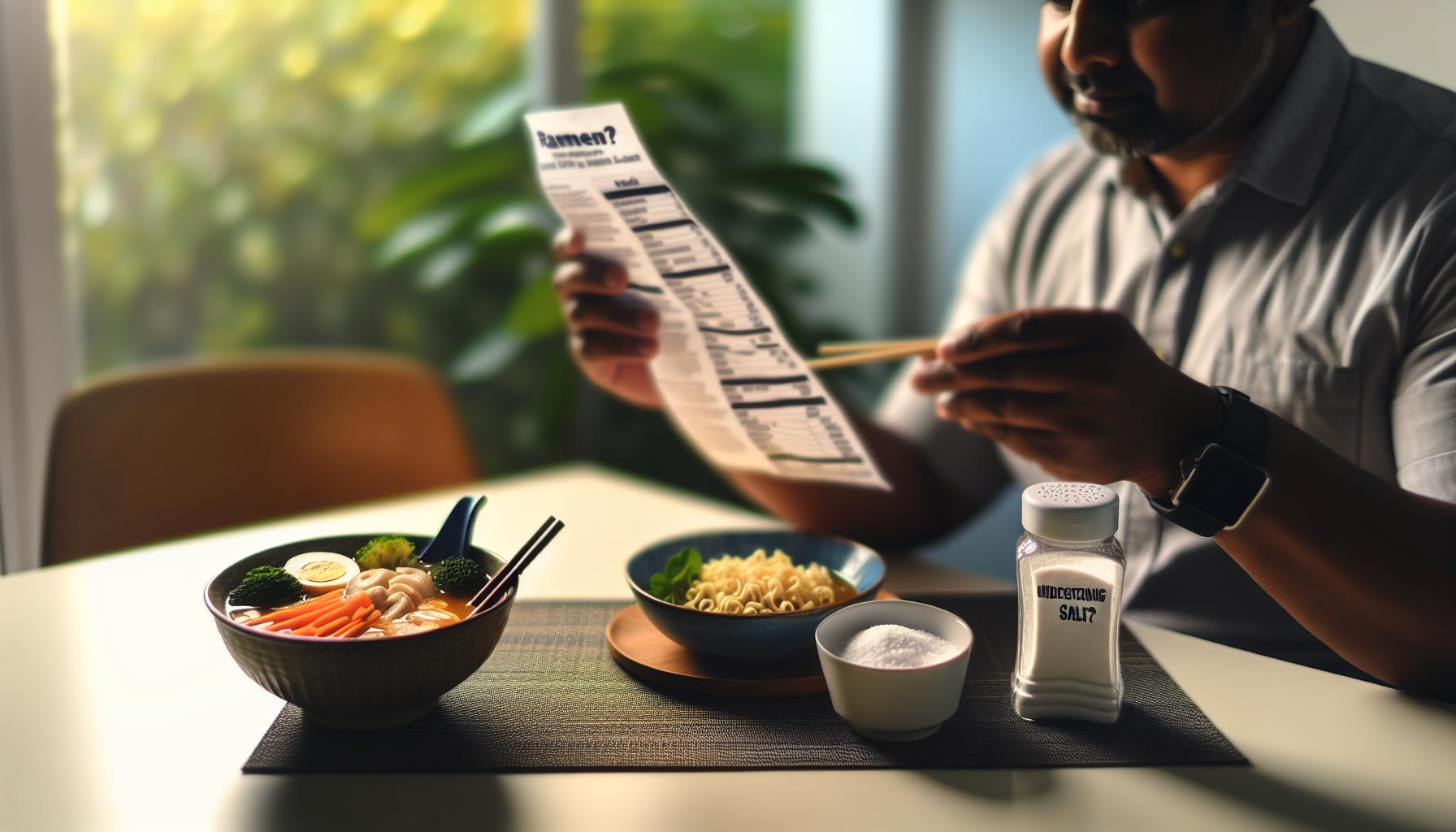
While ramen can be a delicious option, it’s important for diabetics to understand how its sodium content can impact health. Many instant ramen noodles contain high levels of sodium, which can contribute to increased blood pressure and other cardiovascular issues-both of which are critical concerns for individuals managing diabetes. For example, a single serving of instant ramen can contain over 1,500 mg of sodium, often exceeding the recommended daily limit. This can lead to water retention, swelling, and even exacerbate insulin resistance.
To make safer choices, consider looking for low-sodium alternatives or brands that market themselves as healthier. Reading nutrition labels becomes a vital habit; pay attention not only to sodium levels but also to total carbohydrates and added sugars. Opting for whole grain or vegetable-based noodles can enhance fiber content and aid in blood sugar management, while still allowing for that satisfying noodle dish. Be mindful of portion sizes as well, as many standard serving sizes for ramen are larger than what is recommended for a balanced diabetic diet.
Adding vegetables and lean proteins can turn ramen into a more balanced meal. Incorporate greens like spinach or bok choy, or proteins such as tofu or grilled chicken to enhance the dish’s nutritional value. By thoughtfully integrating these elements, you can enjoy ramen while maintaining better control over sodium intake and overall carbohydrate absorption. Always remember, it’s essential to consult with healthcare providers to tailor dietary choices to your specific needs, ensuring a balance that supports diabetes management.
Sodium and Its Impact on Diabetes Management

Dining on ramen can be a tempting prospect for many, but for diabetics, understanding the implications of sodium intake is crucial to effective diabetes management. Sodium plays a pivotal role in regulating blood pressure, and high sodium consumption can lead to undesirable health outcomes, especially in individuals with diabetes. When it comes to instant ramen, it’s not uncommon for a single serving to contain over 1,500 mg of sodium, which can significantly exceed the recommended daily limit and contribute to a plethora of health issues, including kidney problems and cardiovascular complications.
Elevated sodium levels can lead to water retention, which often results in swelling and higher blood pressure. For diabetics, the stakes are even higher; uncontrolled blood pressure paired with diabetes can increase the risk of heart disease and stroke. Moreover, excessive sodium intake can exacerbate insulin resistance, making blood sugar management even more challenging. Therefore, it becomes essential for individuals managing diabetes to carefully monitor their sodium consumption, not only from ramen but from all dietary sources.
To mitigate these risks, consider several strategies when approaching ramen. Look for low-sodium brands, often marked as healthier options, and prioritize reading nutrition labels to make informed decisions. In addition to monitoring sodium levels, keeping an eye on total carbohydrates and added sugars can provide a more holistic view of the meal’s impact on blood sugar levels. Exploring alternatives such as whole grain or vegetable-based noodles can contribute more fiber to your diet, supporting better blood sugar control without sacrificing the enjoyment of your meal.
Ultimately, integrating ramen into a diabetic-friendly diet involves more than just choosing the right noodles. Thoughtful preparation can include adding an array of vegetables and lean proteins, which can not only enrich the dish but also provide essential nutrients that aid in overall health. Engaging positively in the food selection process can empower individuals and families in their daily lives, ensuring that meals like ramen can be enjoyed while keeping health priorities in check. Always remember, making informed dietary choices is an ongoing journey that benefits from guidance from healthcare professionals tailored specifically to individual needs.
Choosing Noodles: Healthier Alternatives for Diabetics
When seeking healthier noodle options for a diabetic-friendly ramen experience, it’s essential to move beyond standard instant noodles that often come packed with refined carbohydrates and high sodium levels. Choosing the right type of noodle can transform a potentially harmful meal into a nourishing one that complements diabetes management.
Opting for whole grain or high-fiber noodles can be a game changer. These alternatives generally have a lower glycemic index, which means they raise blood sugar levels more slowly compared to their white flour counterparts. For instance, whole wheat ramen or spelt noodles not only provide more fiber-which is crucial for blood sugar control-but also come with added nutrients. An even better choice is to explore vegetable-based noodles, such as zucchini or sweet potato noodles, which dramatically reduce carbohydrate content while increasing vitamins and minerals.
In addition to specific noodle types, consider looking for those made from legumes. Options like chickpea or lentil pasta are not only rich in protein but also offer a higher fiber content, making them more satiating and beneficial for blood sugar levels. It’s worth noting that while these alternatives are healthier, portion control remains key. A smaller serving can still satisfy cravings without overwhelming your carbohydrate intake.
Before making a purchase, make sure to check the ingredient list to avoid hidden sugars or additives that might disrupt your dietary goals. Engaging with your food choices is empowering; you hold the reins to your health, and making informed decisions about noodle options can lead to a more balanced diet. With the right noodles, ramen can fit delightfully into a diabetes-conscious lifestyle, allowing for satisfying meals without sacrificing health.
How to Read Nutrition Labels on Ramen

To make healthier choices while enjoying ramen, understanding how to read nutrition labels is key. Nutrition labels are your best friends in the grocery aisle, guiding you towards options that align with diabetes management. For instance, the first thing to look for is the serving size, which helps you gauge the nutritional content relative to how much you plan to consume. Many people underestimate how quickly those portions add up, especially with instant ramen packs that often contain multiple servings.
Next, pay close attention to total carbohydrates and sodium content. Ramen can be deceptively high in both. Aim for noodles with lower carbohydrate counts, especially refined carbs, as they can spike blood sugar levels. Similarly, keeping sodium intake in check is critical since a high-sodium diet can lead to increased blood pressure-something particularly important for those managing diabetes. Aim for ramen options that contain less than 500 mg of sodium per serving if possible, and consider preparing your ramen with low-sodium broth or seasonings.
Additionally, look for beneficial ingredients in the ingredient list. High-fiber and whole grain noodles are advisable, as they generally have a lower glycemic index. Ingredients like whole wheat, spelt, or even legume-based noodles are typically healthier. If you spot any added sugars, artificial additives, or unrecognizable ingredients, it’s wise to reconsider that option. Your goal should be nourishing foods that support your health rather than hinder it.
Lastly, make a habit of checking for nutritional claims on packaging, such as “high fiber” or “low fat.” These claims can sometimes be misleading, so always verify them through the nutrition facts specified. By becoming adept at reading nutrition labels, you empower yourself to make informed choices that align with your dietary needs and preferences. This approach not only applies to ramen but to all products in your pantry, contributing to a balanced and diabetes-friendly lifestyle.
Portion Control: Managing Ramen Serving Sizes

To truly enjoy ramen while managing diabetes, portion control is essential. Many instant ramen packages contain servings that can be misleading; a single packet often has multiple servings per container, causing individuals to inadvertently consume more than intended. This can lead to spikes in blood sugar levels and complicate overall diabetes management. A common recommendation is to limit the serving size to one portion, which is typically around 1.5 to 2 ounces of dry noodles, roughly equating to 2 cups of cooked ramen.
To make this easier, consider using measuring cups or a food scale to keep your portions in check. Instead of relying solely on the packaging guidelines, which may not suit your dietary needs, you can tailor your portions based on your meal plan. Pairing ramen with a healthy protein source and a generous portion of vegetables not only enhances the nutrition of the meal but also allows for more significant satiety while maintaining a modest noodle serving.
Another useful tip is to divide your ramen meals into smaller bowls. This visual separation can trick your mind into feeling satisfied with less, making it easier to avoid the temptation of overindulging. Creating a balanced plate-where ramen is just one component-fosters healthier eating patterns. Remember to incorporate various vegetables, such as spinach, carrots, or bell peppers, which not only add fiber but also essential nutrients.
Ultimately, while enjoying ramen can be part of a balanced diet, it’s important to stay mindful of serving sizes. Small changes can lead to significant impacts on your health, making it easier to enjoy your meals while managing diabetes effectively. Always consult with your healthcare provider or a registered dietitian for personalized advice tailored to your unique dietary needs.
Balanced Meal Ideas: Integrating Ramen into Diabetic Diets
Ramen may not be the first food that comes to mind for those managing diabetes, but with a bit of creativity and thoughtful planning, it can be transformed into a nutritious and satisfying meal. The key lies in understanding how to balance the meal while keeping nutritional values in check, particularly sodium and carbohydrate content. By integrating fresh ingredients and mindful choices, you can enjoy ramen without compromising your dietary goals.
To create a balanced ramen dish, begin by choosing a base that suits your dietary preferences. Opt for whole grain or legume-based noodles instead of traditional refined options. These alternatives provide more fiber and protein, which can help stabilize blood sugar levels. When preparing your ramen, consider adding a variety of colorful vegetables such as broccoli, zucchini, and bell peppers, which not only enhance the flavor but also add essential vitamins and minerals.
Including a lean protein source is another vital aspect of a balanced meal. Options like grilled chicken, tofu, or edamame can contribute additional nutrients while enhancing satiety. You might try using egg as a topping; a soft-boiled or poached egg not only provides protein but also introduces healthy fats, creating a more well-rounded meal. Furthermore, to manage sodium levels, prepare your broth from scratch or use low-sodium alternatives, which allows you to control the flavor without overwhelming your dish.
When serving ramen, aim for smaller portions as part of a larger meal. Think of ramen as one element of a nutritious plate rather than the main event. Pair it with a side salad or steamed vegetables to increase your fiber intake and fill you up without relying solely on carbohydrates. Don’t hesitate to experiment with spices and herbs to bring out flavors without the need for extra salt. By doing this, you can enjoy delicious, heart-healthy ramen that fits into your diabetic meal plan while satisfying those cravings. Always remember to consult your healthcare provider or a registered dietitian to ensure your choices align with your unique dietary needs.
Creative Ways to Enhance Ramen with Vegetables and Proteins
To elevate your ramen experience while managing diabetes, consider incorporating a variety of vibrant vegetables and protein sources that not only boost nutritional value but also enhance flavor and texture. Adding vegetables not only increases fiber content, which is beneficial for blood sugar control, but also introduces a rich array of vitamins and minerals critical for overall health. Think of colorful choices such as spinach, napa cabbage, carrots, or bell peppers. These vegetables can be quickly steamed or stir-fried and added just before serving to keep their crunch and nutrients intact.
A unique angle to explore is the addition of plant-based proteins. Tofu, for instance, absorbs flavors beautifully and adds a satisfying texture to your ramen. Choose firm or extra-firm tofu for a delightful bite; marinate it in low-sodium soy sauce and ginger before pan-frying for added flavor. Additionally, legumes like chickpeas or lentils make excellent protein boosters that complement ramen noodles. If you’re looking for meat-based options, grilled chicken, shrimp, or even lean beef can be delicious additions that provide essential protein without overwhelming your dish with unhealthy fats.
Experimenting with Flavor
Creative seasoning can play a transformative role in enhancing your ramen without increasing sodium. Instead of relying on store-bought seasoning packets, try using garlic, ginger, or fresh herbs such as cilantro and basil to infuse your broth with flavor. A splash of lemon or lime juice can brighten the dish and balance richness. For those looking to add a spicy kick, consider incorporating sliced jalapeños or a dash of red pepper flakes, providing not only flavor but also the potential health benefits associated with spicy foods.
Finally, don’t shy away from experimenting with toppings. A soft-boiled egg adds a delightful creaminess while providing protein and healthy fats. Other toppings like sesame seeds, sliced green onions, or even chopped nuts can enhance texture and flavor. This creative layering approach allows you to build a flavorful bowl of ramen that aligns with your dietary needs, proving that managing diabetes doesn’t mean sacrificing the joy of delicious food. Always consult your healthcare provider or a registered dietitian to ensure your dietary changes support your overall health and well-being.
Exploring Low-Sodium Ramen Options on the Market
Many people aren’t aware that there are numerous low-sodium ramen options available in stores that can cater to those managing diabetes. Choosing these alternatives can significantly help in regulating sodium intake, an essential aspect of diabetes management. Not only can these options help maintain blood pressure, but they also support overall cardiovascular health-important factors for those with diabetes.
When shopping for ramen, consider looking for brands specifically labeled as “low-sodium” or “reduced-sodium.” Common brands such as Koyo Organic Ramen and Nissin’s Top Ramen offer lower sodium versions that pack flavor without overwhelming your dish. Additionally, opting for plain ramen noodles without added seasonings allows you to customize the broth while controlling the sodium content. When creating your ramen, experiment with homemade broth options using herbal infusions or miso paste in moderation, which can enhance flavor without excessive salt.
Reading nutrition labels is key. Look for options that provide less than 140 mg of sodium per serving to keep your intake within a healthy range. Pay attention to serving sizes, as many packaged ramen noodles may contain multiple servings, which can lead to unintended excess sodium consumption.
Moreover, you’re not limited to traditional ramen anymore. Brands like Lotus Foods offer rice-based ramen noodles that are not only gluten-free but also have lower sodium levels. Pairing these noodles with nutrient-dense ingredients like vegetables and lean proteins can create a balanced meal while satisfying your ramen cravings. Embracing these low-sodium alternatives allows you to enjoy delicious meals that align with your health goals, proving that managing diabetes can still be a delightful culinary journey. Always remember, for personalized dietary advice, consulting with your healthcare provider or dietitian is essential.
Homemade Ramen: Recipes for Diabetics
Crafting homemade ramen is a fantastic way to enjoy this beloved dish while effectively managing diabetes. It allows you to control ingredients, particularly sodium levels, making it easier to create a meal that aligns with your health goals. By utilizing fresh, whole ingredients, you can whip up a nutritious bowl of ramen that’s not just delightful but also tailored to your dietary needs.
Start with a base that’s low in sodium. A simple, flavorful broth can be made using water, fresh ginger, garlic, and a splash of low-sodium soy sauce or tamari. You can enhance the depth of flavor by simmering homemade broth with aromatic herbs like green onions and cilantro, or incorporating dried kombu (a type of sea kelp) which can impart a savory umami taste without added salt.
When it comes to noodles, opt for whole grain or rice-based noodles which typically have lower glycemic indices. Whole grain options provide added fiber, helping to regulate blood sugar levels. Consider adding vibrant vegetables such as bok choy, spinach, bell peppers, and snap peas, which are not only nutritious but also add color and variety to your dish. Include lean proteins like chicken, tofu, or shrimp to make the meal hearty and satisfying.
Don’t forget the toppings! Top your homemade ramen with a soft-boiled egg, sliced avocado, or sprinkle sesame seeds for an extra crunch and creaminess. Moreover, incorporating chili oil or a drizzle of sesame oil can elevate the flavor without overwhelming your sodium levels.
Here’s a basic recipe to get you started:
Simple Homemade Ramen Recipe
Ingredients:
- 4 cups low-sodium vegetable or chicken broth
- 2-3 cloves garlic, minced
- 1-inch piece of ginger, sliced
- 2 tablespoons low-sodium soy sauce or tamari
- 200g whole grain or rice ramen noodles
- 1 cup of mixed vegetables (bok choy, spinach, bell peppers)
- 100g lean protein (tofu, chicken, or shrimp)
- Optional: green onions, sesame seeds, soft-boiled egg, sesame oil
Instructions:
- In a pot, combine broth, garlic, ginger, and soy sauce. Bring to a simmer.
- Cook the ramen noodles according to package instructions and drain.
- In the broth, add mixed vegetables and protein. Simmer until the vegetables are tender and the protein is cooked through.
- Add the cooked noodles to the broth. Stir to combine.
- Serve in bowls, garnished with your choice of toppings.
By preparing your ramen at home, you’re empowered to make healthier choices while still enjoying a fulfilling meal. Always remember to consult with healthcare providers for dietary advice tailored to your specific needs, ensuring a delicious and safe experience that supports effective diabetes management.
Tips for Eating Out: Navigating Ramen at Restaurants
Navigating the world of dining out can be a challenge for those managing diabetes, especially when it comes to enjoying dishes like ramen. With its rich flavors and comforting textures, ramen can still be part of your dining experience if you approach it with a mindful strategy. First, understanding that sodium levels in restaurant ramen can be particularly high is crucial. Many broths are made with added salt or flavor enhancers, which can spike your blood pressure and complicate diabetes management.
When ordering ramen, consider these helpful tips to make healthier choices. Start by asking for a low-sodium broth option if available; many restaurants may offer this as an alternative. If possible, request the broth on the side and control the amount you consume. This not only helps regulate your sodium intake but also allows you to enjoy the noodles without overwhelming flavor. Another approach is to choose a ramen dish with fewer processed meats and more vegetables. Always look for options that incorporate leafy greens, such as bok choy or spinach, and consider asking for extra vegetables, which can enhance the nutritional value of your meal.
Being aware of portion sizes is another key factor. Restaurant servings can often be larger than what is recommended, making it easy to overeat. Ask for a smaller portion or share a bowl with a friend to enjoy the experience without consuming too many carbohydrates at once. If you opt for additional toppings, like fried onions or a soft-boiled egg, be mindful of how these can add to both calories and sodium. Remember that every choice counts, and simple adjustments can help you stay in control.
As you dine out, always feel empowered to communicate your dietary concerns with the staff. Most restaurants are accommodating and can provide adjustments to meals to fit your needs. Make this a collaborative experience, and don’t hesitate to ask how dishes are prepared or request modifications, such as substituting white noodles for whole grain or rice noodles if that’s an option. By being proactive and informed, you can enjoy delicious ramen and maintain a balanced lifestyle while managing your diabetes effectively.
The Role of Carbohydrates in Ramen Choices for Diabetics
Enjoying ramen as part of a diabetic diet can be a flavorful yet challenging endeavor, primarily due to the noodle’s carbohydrate content. Carbohydrates are essential for providing energy, but for individuals managing diabetes, they need to be approached with care to maintain healthy blood sugar levels. Regular ramen noodles are often made from refined wheat flour, which can cause rapid spikes in blood sugar. This makes understanding carbohydrate types and quantities crucial for those with diabetes.
To make healthier ramen choices, it’s essential to consider the type of noodles you select. Options like whole grain or high-fiber noodles can have a lower glycemic index (GI) compared to standard white noodles. A lower GI means they cause a more gradual increase in blood sugar levels, which is beneficial for diabetes management. Additionally, examining portion sizes is vital; even healthier noodles can contribute a significant amount of carbohydrates if consumed in large quantities. Aim for a balanced plate that includes a reasonable portion of noodles, complemented by ample vegetables and a protein source.
When considering the carbohydrate content of ramen, keep an eye on serving sizes. For example, not all ramen bowls are created equal-some may contain over two servings of noodles in one bowl. A good practice is to measure out servings at home and know your limits when dining out. Adjust your meal by incorporating additional non-starchy vegetables such as bok choy, spinach, or mushrooms, which can help offset some of the carbohydrate load while adding fiber, vitamins, and minerals to your dish.
Whether you are preparing ramen at home or ordering it at a restaurant, it’s essential to check nutrition labels or ask about carbohydrate content when possible. Not only will this empower you to make informed choices, but it will also help you plan your meals around your carbohydrate intake. Always consult with healthcare providers to tailor your carbohydrate intake based on your personal diabetes management plan. Embracing mindful eating habits can allow you to savor ramen while maintaining steady blood sugar levels, ensuring that you enjoy good food and good health.
Consultation With Healthcare Providers: Personalizing Your Diet
Navigating dietary choices can be particularly daunting for diabetics, especially when it comes to beloved foods like ramen. Understanding how to integrate these foods into your diet without compromising your health is crucial. Consulting with healthcare providers can offer significant insights tailored to your individual needs. Your healthcare team, which may include a registered dietitian, doctor, or diabetes educator, can help you assess your dietary preferences, lifestyle, and any specific health conditions to create a balanced meal plan.
When you meet with your healthcare provider, consider discussing the following aspects:
- Personalized Nutrition Plans: Your provider can help develop a meal plan that includes healthier noodle options, suggests low-sodium broths, and advises on portion sizes to manage carbohydrate intake effectively.
- Monitoring Strategies: A healthcare professional can recommend ways to monitor your blood sugar levels after consuming ramen or other carbohydrate-rich foods to see how they affect you individually.
- Ingredient Adjustments: Discuss potential ingredient swaps, such as opting for whole grain or high-fiber noodles that provide more nutrients and have a lower glycemic index.
- Balancing Meals: Your healthcare provider can guide you on how to pair ramen with protein-rich and non-starchy vegetables to create a more balanced meal, helping to stabilize blood sugar levels.
Incorporating the advice from healthcare professionals into your dietary choices helps you navigate dining experiences, both at home and when eating out. For instance, knowing how to ask for modifications at restaurants or choose healthier options from menus can empower you and promote healthier eating. Remember, the journey to manage diabetes effectively is collaborative; your active participation and consultation with knowledgeable professionals are key components of success.
Always keep in mind that dietary modifications should be personalized. Regular follow-ups with your healthcare team will ensure that any changes made are suitable for your evolving needs and lifestyle. Embracing this kind of support can significantly enhance your confidence in enjoying a breadth of foods, including ramen, while maintaining optimal health.
Q&A
Q: Can diabetics eat instant ramen?
A: Yes, diabetics can eat instant ramen, but moderation is key. Look for low-sodium options and control portion sizes to manage carbohydrate intake. Enhance the dish with vegetables and proteins for added nutrients, aligning with guidelines in the “Balanced Meal Ideas” section of your guide.
Q: What are healthier alternatives to traditional ramen for diabetics?
A: Healthier alternatives include whole-grain noodles, zucchini noodles, or shirataki noodles, all offering lower glycemic indices. These options can be found in the “Choosing Noodles: Healthier Alternatives for Diabetics” section of your article, promoting better blood sugar control.
Q: How does sodium in ramen affect blood sugar levels?
A: While sodium itself doesn’t directly affect blood sugar, high sodium intake can lead to hypertension and cardiovascular issues, complicating diabetes management. It’s advisable to monitor your sodium intake as highlighted in the “Sodium and Its Impact on Diabetes Management” section.
Q: What should diabetics look for on ramen nutrition labels?
A: Diabetics should focus on carbohydrate counts, sodium levels, and portion sizes when reading ramen nutrition labels. Opt for options with whole ingredients and lower carbs to manage blood sugar more effectively. Refer to the “How to Read Nutrition Labels on Ramen” section for detailed guidance.
Q: Are there low-sodium ramen brands available for diabetics?
A: Yes, many brands offer low-sodium ramen options specifically designed for health-conscious consumers. Always check the sodium content on the packaging, ensuring it aligns with your dietary needs. For options, see the “Exploring Low-Sodium Ramen Options on the Market” section for recommendations.
Q: How can I enhance ramen to make it diabetic-friendly?
A: To make ramen more diabetic-friendly, add non-starchy vegetables and lean proteins like chicken or tofu. This approach boosts nutrition while stabilizing blood sugar levels, as discussed in the “Creative Ways to Enhance Ramen with Vegetables and Proteins” section of your article.
Q: What portion sizes of ramen are safe for diabetics?
A: Safe portion sizes for diabetics typically range from one-half to one whole serving of ramen, depending on individual carbohydrate goals. Always consult the “Portion Control: Managing Ramen Serving Sizes” section for specific suggestions based on your dietary plan.
Q: Should diabetics consult healthcare providers about ramen consumption?
A: Yes, consulting healthcare providers about ramen consumption is essential for personalized dietary advice. They can help tailor your meal plans to include ramen while monitoring blood sugar levels effectively, emphasizing the importance of dietary consultation highlighted in your article.
In Summary
As we’ve explored, enjoying ramen as a diabetic can be tricky due to high sodium content, but understanding your options empowers you to make healthier choices. Remember, opting for low-sodium noodles or exploring whole grain alternatives can still satisfy your cravings without compromising your health. If you’re curious about more diabetes-friendly meals, check out our guides on “Healthy Eating for Diabetics” and “Snacking Smart with Diabetes” for more delicious recipes and tips.
Don’t hesitate to take charge of your dietary decisions-consider consulting with a healthcare professional for tailored advice that suits your lifestyle. We invite you to subscribe to our newsletter for the latest updates and resources on diabetic management and meal planning. Your health journey is important, and sharing your thoughts or questions in the comments below can help foster a supportive community. Together, we can break barriers and bridge gaps in diabetes education. Explore more and make informed choices today!
Get our latest guides, news, and insights highlighted in your Google Search & AI Overviews.