

Navigating food choices can be challenging for those living with diabetes, especially when it comes to beloved meals like hamburgers. You might be surprised to learn that enjoying a hamburger isn’t off the table; it just requires some smart ordering and cooking tips to make it diabetes-friendly. Understanding how to balance your plate with healthy ingredients can help you relish a satisfying meal without compromising your health goals. This guide will not only explore practical ways to enjoy hamburgers but also empower you with the knowledge to make informed decisions that align with your diabetes management strategy. Let’s dive in and discover how you can indulge responsibly while still prioritizing your well-being.
Can Diabetics Eat a Hamburger? Understanding Your Options
Eating a hamburger may seem daunting for those managing diabetes, but with informed choices and mindful eating, it can fit into a balanced diet. Understanding your options empowers you to enjoy a favorite meal without compromising your health. The key lies in selecting the right ingredients, managing carbohydrates, and being aware of the overall nutritional content of your meal.
- Choose Lean Proteins: Opt for lean meats like turkey or chicken breast, or consider plant-based alternatives, such as black bean patties or lentil burgers. These options often contain less saturated fat, which is beneficial for heart health.
- Control the Bun: Whole grain or low-carb buns can significantly reduce the meal’s glycemic index and offer more fiber than traditional white bread, helping to stabilize blood sugar levels.
- Mind the Toppings: Opt for fresh vegetables like lettuce, tomatoes, and onions, and be cautious with high-calorie toppings such as cheese and mayonnaise. Avocado can be a great alternative, providing healthy fats and fiber.
- Monitor Portion Size: Consider making smaller patties or enjoying only half of a larger burger. This approach helps manage total carbohydrate intake while still satisfying cravings.
By understanding how to navigate your options and the ingredients involved, you can savor your hamburger in moderation as part of a comprehensive meal plan. Always consult with healthcare professionals to tailor dietary choices to your specific health needs and ensure you’re approaching your meals wisely.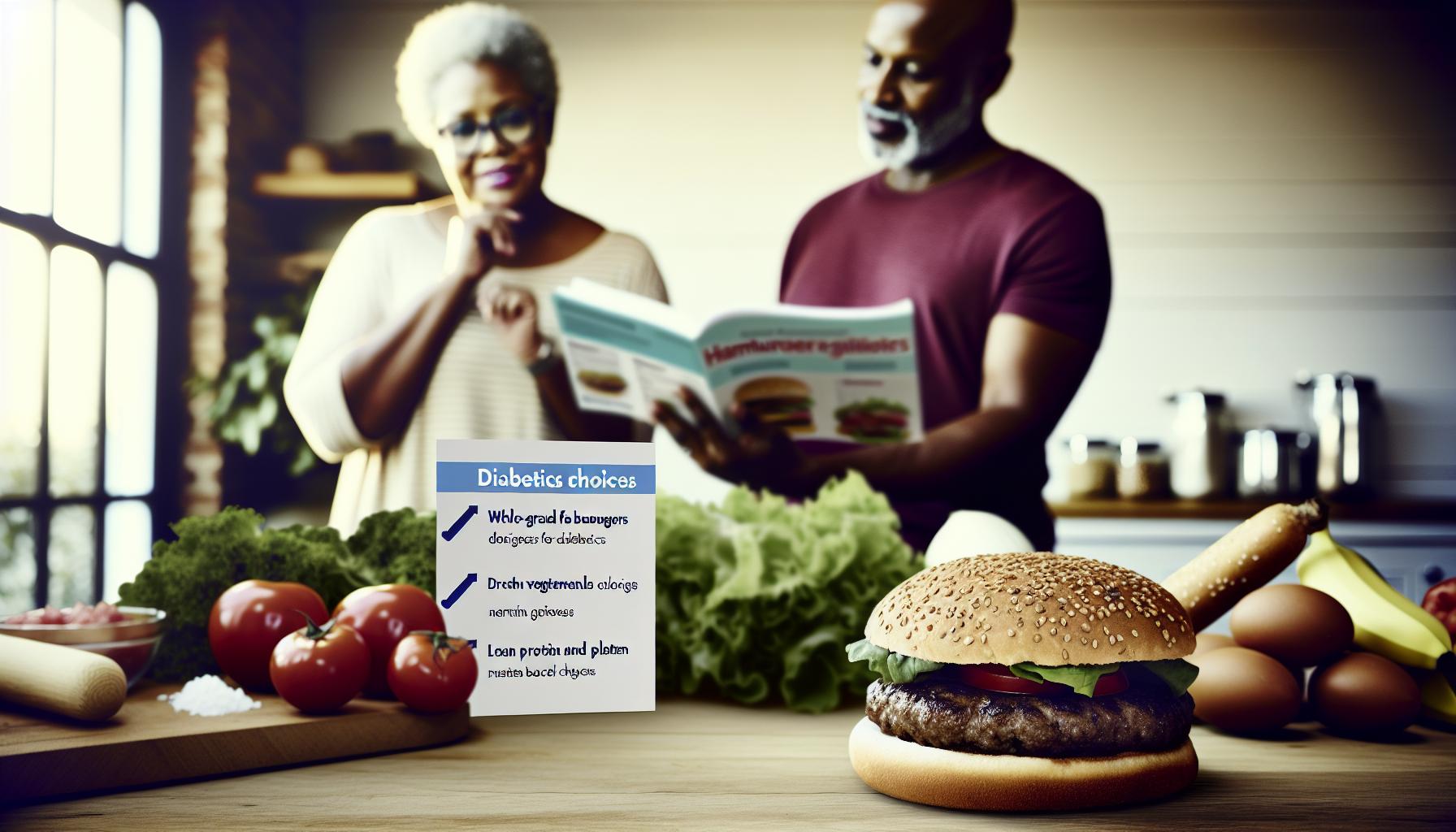
Navigating Hamburger Choices for Diabetics
Eating a burger doesn’t have to be a source of stress for those living with diabetes; in fact, with a little creativity and thoughtful planning, it can actually be part of a balanced diet. Understanding how to navigate hamburger choices is essential in making informed decisions that support blood sugar management while still indulging in your favorite flavors. By focusing on the components of the meal and being mindful of portions, diabetics can continue to enjoy this classic dish.
One way to enhance your hamburger choices is by focusing on lean proteins. Opting for turkey, chicken breast, or plant-based options like black bean patties not only helps reduce saturated fat intake but also provides the necessary protein to keep you satisfied. Pairing your protein with whole grain buns or even options like lettuce wraps can lower the carbohydrate load, offering more fiber to aid in blood sugar control.
Additionally, the toppings you choose can greatly influence the nutritional value of your burger. Sticking to fresh vegetables like lettuce, tomatoes, and onions helps add freshness and nutrients without unnecessary calories. Consider avocado for creaminess-it’s packed with healthy fats and fiber. Be cautious with high-calorie toppings like cheese and mayonnaise, as they can quickly escalate the meal’s overall calorie content.
When it comes to portion size, controlling the amount you eat can make a significant difference. Smaller burger patties or sharing a larger one can help keep your carbohydrate intake within recommended limits while still allowing you to enjoy the flavorful experience of a burger. Remember, mindful eating is not just about what you eat, but how much and how you enjoy it. By keeping these tips in mind, you can navigate hamburger choices confidently, integrating them into your meal plans without feeling like you’re sacrificing your health. Always consult with healthcare professionals to tailor dietary choices specifically for your health needs.
Smart Ordering Tips for Diabetic-Friendly Burgers
When it comes to ordering burgers, making smart choices can significantly enhance your dining experience while keeping your blood sugar levels in check. One effective strategy is to be an informed consumer. Before stepping into a restaurant, it’s beneficial to check out their menu online, which allows you to anticipate your options. This way, you can identify which items align with your dietary goals and which may pose challenges.
Choose the Right Protein
Selecting the right protein is crucial for a satisfying meal. Opt for grilled or roasted patties made from lean meats such as turkey or chicken, or consider plant-based options that provide essential nutrients without additional saturated fat. Many restaurants now offer veggie or black bean burgers which can be a tasty alternative, often containing lower carbohydrates and more fiber than traditional beef patties.
Watch the Bun Options
When it comes to buns, traditional white bread can lead to spikes in blood sugar. Instead, look for whole grain or whole wheat options, as they contain more fiber and nutrients. If available, ask if the restaurant can accommodate a lettuce wrap instead of a bun; this can dramatically lower your carbohydrate intake while still allowing you to enjoy the burger experience.
Mind the Toppings
Toppings can dramatically change the health profile of your burger. Load up with fresh vegetables like lettuce, tomatoes, and onions to enhance nutrition without adding extra calories. While avocado is a great choice due to its healthy fats, be cautious with high-calorie add-ons like cheese, bacon, or sauces such as mayonnaise and ketchup. Instead, consider mustard or salsa for flavor without too much sugar or fat.
Portion Control is Key
Lastly, don’t underestimate the importance of portion control. If the burger options are larger than your typical serving size, consider asking for a half-portion or sharing with a companion. Staying mindful of your portions can help manage your overall meal impact on your blood sugar levels, allowing you to enjoy the meal without compromising your health.
By applying these smart ordering tips, you can indulge in a delicious burger while ensuring it aligns with your diabetes management plan. Always remember to consult a healthcare professional for personalized dietary advice. Enjoying a burger is not only possible, but it can also be an empowering part of your balanced lifestyle!
Cooking Techniques to Make Healthier Hamburgers
Cooking hamburgers at home can be a delightful and nutritious endeavor, especially for those managing diabetes. By employing thoughtful cooking techniques, you can create delicious burgers that are both satisfying and mindful of your health needs. The key lies in selecting the right ingredients and using healthy cooking methods that minimize added fats and sugars.
One effective technique for making healthier hamburgers involves grilling or baking rather than frying. Grilling allows excess fats to drip away, making it a great option for reducing unnecessary calorie intake. Alternatively, baking your patties can yield a similar benefit, helping to retain moisture without the need for added cooking oils. When preparing the meat, consider mixing in finely chopped vegetables like onions, peppers, or mushrooms to add flavor and moisture, which can enhance both taste and nutritional value, all while keeping the overall calories in check.
Choosing lean meats is pivotal. Ground turkey, chicken, or lean cuts of beef (typically classified as ground beef with 90% lean or more) offer satisfying protein with fewer saturated fats. For those exploring plant-based options, black bean or lentil patties are not only rich in protein but also provide dietary fiber, which is beneficial for keeping blood sugar levels stable. If you’re feeling adventurous, try incorporating spices such as garlic powder, Cajun seasoning, or cumin to add depth of flavor without resorting to high-sodium sauces.
To craft a truly diabetic-friendly burger, always pay attention to cooking temperatures and time. Overcooking can create unwanted charred areas that not only can produce harmful compounds but also can make the meal less enjoyable. Use a meat thermometer to ensure that ground meats reach a safe internal temperature of 165°F, ensuring safety without compromising flavor. Additionally, give each patty a little indentation in the center before cooking, which helps to maintain its shape and promotes even cooking.
Lastly, serve your burgers with an array of colorful, non-starchy vegetables, such as a side salad or steamed broccoli, rather than traditional high-carb sides. These additions can help you feel more satiated while balancing the meal and maintaining blood sugar levels. Always remember to consult with a healthcare professional before making significant changes to your diet, ensuring that your cooking choices align with your overall health goals. Enjoying hamburgers is not just possible but can also be a wholesome part of your healthy lifestyle!
Understanding Carbs: How to Count and Manage Them
Understanding the impact of carbohydrates on blood sugar levels is crucial for managing diabetes, especially when it comes to more indulgent meals like hamburgers. Carbohydrates are a major nutrient that can significantly affect your glucose levels. Therefore, having a solid grasp on carb counting allows you to make informed choices and maintain your health.
When considering a hamburger, the most significant source of carbohydrates typically comes from the bun and any additional toppings that may have hidden sugars. A standard hamburger bun can contain around 20-30 grams of carbohydrates, which can vary based on size and brand. To keep your carb intake in check, you might consider alternatives such as a lettuce wrap, which eliminates the bun while still providing crunch and flavor. Additionally, when choosing toppings like ketchup or barbecue sauce, be aware that these condiments often contain added sugars. Instead, opt for mustard or salsa for a flavorful and low-carb enhancement.
It’s beneficial to plan your meal in advance, focusing on balancing your carbohydrate intake. Aim to use tools such as carbohydrate counting apps or food scales to accurately determine the carb content of your meal. Here’s a practical approach you can follow:
- Read Nutrition Labels: Always check labels for total carbohydrate content, including dietary fiber. Fiber is digested differently and generally doesn’t spike blood sugar, so subtract fiber grams from total carbs for net carbs.
- Keep a Food Diary: Logging what you eat can help you understand how different foods affect your blood sugar levels. This allows you to adjust your carb intake accordingly.
- Understand Portion Sizes: Be mindful of the portion size of the bun, patties, and sides, as larger servings can lead to increased carbohydrate consumption.
- Consider Pairing: If you decide to indulge in a hamburger, consider balancing your meal with non-starchy vegetables on the side. Salads, steamed broccoli, or other low-carb options will help mitigate your overall carbohydrate load while improving satiety.
Lastly, it’s essential to continually monitor how your body responds to different carbohydrate sources, especially when enjoying your favorite foods. Every individual is unique, and what works for one person may not for another. Always consult your healthcare provider or a registered dietitian for tailored advice that aligns with your specific health goals and ensures a well-rounded approach to diet management. By understanding and managing your carbohydrates, you can enjoy a delicious hamburger guilt-free while maintaining good control over your diabetes.
Choosing the Right Ingredients for a Healthier Meal
When crafting a healthier hamburger, ingredient selection plays a pivotal role, especially for those managing diabetes. Opting for lean proteins, whole grains, and nutrient-dense toppings can create a satisfying meal without compromising blood sugar levels. For instance, choosing a turkey or chicken patty instead of traditional beef can reduce saturated fat and calories, while still providing the protein necessary for sustaining energy levels. Additionally, considering plant-based options like black bean or lentil patties can offer fiber and nutrients essential for digestion and overall health.
The bun is another critical component when traditional hamburgers can introduce excess carbohydrates into your meal. Instead of conventional buns, explore options such as whole grain or low-carb buns, which are designed to better suit your dietary needs. Alternatively, you can wrap your ingredients in lettuce or use portobello mushrooms as a bun substitute, minimizing carb intake while adding flavor and texture to your meal.
### Ingredient Choices to Consider
- Lean Proteins: Turkey, chicken, or plant-based patties.
- Bun Alternatives: Whole grain buns, lettuce wraps, or portobello mushrooms.
- Healthy Fats: Incorporate avocado slices instead of mayonnaise for added creaminess and healthy fats.
- Low-Sugar Condiments: Use mustard, salsa, or homemade dressings with no added sugars to enhance flavor without raising blood sugar levels.
Integrating vegetables into your hamburger not only enhances flavor but also boosts nutrition. Consider adding grilled onions, tomatoes, spinach, or bell peppers for extra vitamins and minerals. These additions can help you feel fuller without overloading on carbohydrates, making your meal both satisfying and healthy.
As you navigate meal planning, remember to be mindful of portion sizes and the overall composition of the burger. Balancing your meal with non-starchy sides, such as a colorful salad or steamed veggies, will help you maintain control over your carbohydrate intake. Embracing whole, minimally processed ingredients promotes better health and aids in effective diabetes management, making it possible to enjoy a delicious hamburger while prioritizing your well-being.
The Impact of Toppings on Blood Sugar Levels
Choosing the right toppings for a hamburger can significantly influence its impact on blood sugar levels, making this decision critical for those managing diabetes. Certain toppings can elevate the overall nutritional profile of your meal, while others can introduce unwanted sugars and fats that may lead to spikes in blood sugar. For example, opting for fresh vegetables such as lettuce, tomato, and cucumbers not only enhances flavor but also adds essential vitamins and fiber, promoting better digestion. Furthermore, these toppings are generally low in carbohydrates, allowing you to savor your burger without compromising your glucose management.
Conversely, many popular toppings can be detrimental to a diabetic diet. For instance, options like barbecue sauce, ketchup, or creamy dressings are often loaded with added sugars, which can wreak havoc on blood sugar levels. Instead of these sugary condiments, consider using mustard, salsa, or homemade sauces made from low-sugar ingredients to maintain flavor without the carbohydrate overload. These alternatives can keep your meal delicious while supporting your health goals.
When it comes to cheese, moderation is key. While cheese can provide protein and calcium, it is also high in saturated fats and can contribute to higher calorie counts. Opt for lighter cheese options or use a smaller amount of stronger-flavored cheeses, like feta or sharp cheddar, to get the taste you crave without excessive fat and calories. Additionally, incorporating healthy fats such as avocado can enhance both taste and nutrition, while also being beneficial for heart health.
Overall, selecting the right toppings involves striking a balance between flavor and nutritional value. By being mindful of what you add to your hamburger, you can enjoy a satisfying meal that aligns with your dietary needs and helps manage your diabetes effectively. As you navigate these choices, it’s also a good idea to consult with healthcare professionals or dietitians for tailored advice that fits your individual health plans.
Side Dishes: Healthy Alternatives to French Fries
Satisfying a craving for a hamburger often leads to the classic side: French fries. However, for those managing diabetes, traditional fries can be a problematic companion, high in carbohydrates and unhealthy fats. Fortunately, there are numerous delicious and healthier side options that can complement your burger while maintaining better blood sugar control and overall nutritional balance.
One great alternative is roasted vegetables, which provide fiber, vitamins, and minerals without the excessive calories of fried options. You can easily toss a mix of your favorite vegetables, such as zucchini, bell peppers, and asparagus, with a drizzle of olive oil and a dash of seasonings before roasting them until they’re tender and slightly caramelized. Not only do these veggies add color and flavor to your plate, but they also offer a satisfying crunch.
Another excellent choice is sweet potato fries. They carry a slightly lower glycemic index than regular potatoes, meaning they won’t spike blood sugar levels as dramatically. By baking rather than frying, you can keep them crispy while reducing unhealthy fats. Simply cut sweet potatoes into fry shapes, season with your choice of spices, and bake until they reach the desired crispness.
For a lighter option, consider a fresh garden salad or a cucumber salad. These can serve to fill you up without adding a lot of carbohydrates. A simple green salad with mixed greens, cucumbers, and a light vinaigrette can provide essential nutrients while keeping your calorie count in check. Adding protein sources like grilled chicken or chickpeas can also elevate this dish into a more filling accompaniment.
Lastly, cauliflower rice or quinoa are nutritious, low-carb sides that can pair exceptionally well with hamburgers. Cauliflower, for example, can be pulsed into rice-sized pieces and lightly sautéed for a satisfying texture without the carbs. Quinoa is a great source of plant protein and provides a nutty flavor profile that complements various burger flavors beautifully.
Incorporating these healthier side options not only enhances your meal but also empowers you in the journey of diabetes management. Always remember to consult healthcare professionals for personalized advice and recommendations tailored to your health needs. Enjoying your favorite foods, like hamburgers, while making smart choices about side dishes can lead to a satisfying and balanced meal experience.
Creating Balanced Meals: Combining Proteins and Veggies
Creating balanced meals is essential for managing diabetes effectively, and combining proteins with vegetables can make a significant difference in your overall dietary approach. When considering a hamburger, think of it as an opportunity to include not just the patty, but also an array of colorful veggies that can enhance both nutrition and flavor. By focusing on whole, nutrient-dense foods, you’ll not only satisfy your hunger but also support steady blood sugar levels.
Focus on Protein Choices
Selecting the right protein source is crucial. Lean meats such as turkey, chicken, and grass-fed beef can offer high-quality protein without excessive saturated fat. If you prefer plant-based options, consider black bean patties or chickpea burgers, which provide ample protein and fiber to help you feel full longer. Pairing your protein with a variety of vegetables adds a wealth of nutrients. Try incorporating leafy greens like spinach or kale, sliced tomatoes, onions, and bell peppers directly into the burger or as toppings to elevate the nutritional profile.
Incorporating Veggies
When layering your burger, don’t skimp on the vegetables-aim for a rainbow on your plate! Each color represents different vitamins and minerals, contributing to a healthier meal. For instance, add avocado for heart-healthy fats and additional fiber, or opt for grilled mushrooms to add a savory depth. You can also swap traditional buns for lettuce wraps or a whole grain option, which helps reduce carbohydrates while still providing satisfying texture.
Thoughtful Meal Assembly
Create a balanced meal by specifically planning your plate. Aim for a balance of one portion of protein, two portions of non-starchy vegetables, and a small serving of whole grains or healthy fats. For example, if you choose a beef burger, add a side of roasted Brussels sprouts and a quinoa salad tossed with light dressing. This not only maintains a lower carbohydrate intake but also enhances satiety through a variety of textures and flavors.
Adopting a mindset of balance and variety helps empower individuals managing diabetes. Engaging with your food choices, understanding portion sizes, and experimenting with flavor combinations not only improves the enjoyment of meals but also plays a vital role in overall health management. Always consult with healthcare professionals or a registered dietitian to tailor your meal plans effectively, ensuring they meet your specific health needs.
Dining Out: Making Smart Decisions at Restaurants
When dining out, making informed choices is crucial for individuals managing diabetes, especially when tempted by the classic allure of a hamburger. While it may feel daunting to navigate menus filled with high-carb, high-fat options, with a few strategic tips, enjoying a burger can be part of a balanced meal. Begin by reviewing the menu before your visit, as understanding your choices ahead of time can help you avoid impulsive selections. Many restaurants now offer nutritional information online, which can assist in planning your order.
When ordering your hamburger, consider asking for modifications to enhance its healthiness. Opt for a single patty instead of a double, and request whole grain buns or lettuce wraps to significantly lower the carbohydrate content. Additionally, be mindful of the condiments. Opt for mustard or salsa instead of mayonnaise and ketchup, which can add unnecessary sugars. If the restaurant offers grilled options or lean meats, choose turkey or chicken patties as alternatives to traditional beef burgers.
Accompanying your burger with the right side dishes is also essential. Sidestepping fries in favor of a side salad or steamed vegetables can enrich your meal with essential nutrients while keeping carbohydrate levels in check. If you crave something hearty, consider asking if the restaurant has sweet potato fries or a side of legumes, which offer fiber beneficial for blood sugar management. Remember to keep portion sizes in check; sharing dishes can often be a smart strategy to keep your meal balanced.
Lastly, always remember that dining out should be an enjoyable experience. Communicate openly with your server about your dietary needs, and don’t hesitate to ask questions about how dishes are prepared. With these practical strategies, you’ll find that delicious dining experiences and manageable blood sugar levels can go hand-in-hand. Always consult your healthcare provider for personalized dietary advice to ensure your choices help you maintain optimal health.
How to Prepare Diabetic-Friendly Hamburgers at Home
Preparing hamburgers at home can be a wonderful way to enjoy delicious meals while maintaining control over your dietary choices, especially for those managing diabetes. Did you know that you can create a mouthwatering hamburger that aligns with your health goals? By making thoughtful ingredient selections and utilizing healthier cooking techniques, you can indulge in this classic comfort food without compromising your well-being.
Start with the right protein. Choosing lean meats like ground turkey or chicken can significantly reduce fat content while still providing essential nutrients. Additionally, plant-based options such as black bean or chickpea patties offer a fiber-packed alternative that can support better blood sugar control. Season your protein with herbs and spices instead of high-sodium sauces or salty mixes to enhance flavor while keeping your meal heart-healthy.
Smart Cooking Techniques
When it comes to cooking your burger, how you prepare it can make a big difference. Grilling or baking your patties is preferable to frying, as this reduces the amount of added fats. Consider using a non-stick pan or grill and adding a small amount of olive oil for added flavor without excessive calories. Keep an eye on cooking times to avoid overcooking, which can lead to tougher meat. Aim for a juicy patty cooked to medium for optimal taste and moisture.
Healthy Buns and Toppings
Selecting the right bun is also crucial when crafting a diabetic-friendly hamburger. Whole grain options or lettuce wraps are excellent choices that provide additional fiber and fewer carbohydrates. When it comes to toppings, load up on fresh veggies like lettuce, tomatoes, and avocado, which not only enhance the burger’s health profile but also add delightful texture and taste. For condiments, choose mustard, salsa, or homemade hummus instead of sugary ketchups or creamy sauces to keep your meal balanced.
By making these simple adjustments, you can create a hamburger that’s not only delicious but also aligns with your health goals. Don’t hesitate to experiment with different ingredients and flavors, and remember that your healthcare provider can offer tailored advice to ensure your dietary choices continue to support your overall health. Enjoy your meal while taking pride in the fact that you are making choices that contribute to your well-being!
Expert Advice: Consulting Professionals for Meal Plans
Consulting professionals for personalized meal plans can be a game-changer for anyone managing diabetes. Tailoring your food choices to meet your specific health needs is crucial, and engaging with a registered dietitian or a certified diabetes educator can provide you with targeted strategies. These experts can help create a balanced approach to enjoying your favorite foods, like hamburgers, without compromising your health goals. They can guide you on portion sizes, carbohydrate counts, and suitable ingredients, ensuring your meals fit seamlessly into your overall dietary plan.
When discussing meal options, consider how the professionals can help you understand portion control and its importance. For example, a dietitian can outline recommended serving sizes for various foods, including proteins like beef or turkey, and help you balance these with high-fiber vegetables and whole grains. This can prevent blood sugar spikes while allowing you to enjoy a satisfying meal. Incorporating tools such as meal tracking apps can also make it easier to monitor your intake and make adjustments as needed.
Moreover, exploring specific dietary preferences and restrictions is critical, and healthcare professionals can provide valuable advice on suitable substitutions. If you’re considering lower-carb alternatives for buns, they may suggest using lettuce wraps or whole grain options that are higher in fiber and nutrients. They can also introduce you to various cooking techniques that reduce the need for added fats while preserving flavor, further supporting blood sugar management.
Lastly, don’t overlook the emotional aspect of eating. A diabetes educator can offer counseling and support, helping you navigate cravings and the social pressures often associated with dining out. They can provide practical communication strategies for discussing your dietary needs with friends and family, making it easier to enjoy meals together guilt-free. Always keep in mind that professional support not only enhances your understanding of nutrition but also empowers you in your diabetes management journey.
Frequently Asked Questions
Q: Can diabetics eat hamburgers?
A: Yes, diabetics can eat hamburgers by making mindful choices. Opt for lean meats, whole-grain buns, and load up on vegetables to improve nutritional value. Always monitor portion sizes and carbohydrate intake to manage blood sugar levels effectively.
Q: What types of meat are best for diabetic-friendly hamburgers?
A: Lean meats such as turkey, chicken, or grass-fed beef are optimal for diabetic-friendly hamburgers. These options provide protein while having lower saturated fat, which is essential for heart health.
Q: How can diabetics reduce carbs in hamburgers?
A: Diabetics can reduce carbs by using lettuce wraps instead of buns, choosing whole grain or low-carb buns, and limiting high-carb toppings like ketchup. Consider using grilled veggies or avocado as healthier topping alternatives.
Q: Are there any healthy toppings for hamburgers that diabetics can enjoy?
A: Yes, healthy toppings for diabetics include fresh vegetables (like lettuce, tomatoes, and onions), avocado, mustard, and low-sugar sauces. These options add flavor without significantly increasing blood sugar levels.
Q: What sides should diabetics choose with hamburgers?
A: Diabetics should opt for healthy sides like a side salad, steamed vegetables, or roasted sweet potatoes instead of traditional fries. These options are lower in carbohydrates and provide essential nutrients.
Q: How can cooking methods impact diabetic-friendly hamburgers?
A: Cooking methods like grilling, baking, or broiling are better for diabetic-friendly hamburgers than frying. These methods help reduce excess fat and calories, making meals more heart-healthy.
Q: When dining out, how can diabetics make smart choices with hamburgers?
A: When dining out, diabetics should review the menu for healthier options, ask for burgers without a bun, request sauces on the side, and choose salads or steamed vegetables for sides instead of fries.
Q: Why is portion control important for diabetics when eating hamburgers?
A: Portion control is crucial for diabetics as it helps manage calorie intake and blood sugar levels. Eating smaller portions allows for a balanced meal that fits within dietary guidelines without spiking glucose levels.
The Conclusion
Remember, enjoying a hamburger as a diabetic is achievable with smart choices and preparation. By selecting leaner meats, whole-grain buns, and plenty of veggies, you can indulge while keeping your blood sugar in check. If you’re eager to learn more about balancing your favorite foods with diabetes management, check out our guides on “Healthy Fast Food Choices” and “Understanding Carbs for Diabetics.”
Don’t hesitate to share your experiences or questions in the comments below-your insights might help someone else on their journey. For ongoing tips and resources directly related to diabetes management, consider signing up for our newsletter or exploring our product recommendations for healthy eating. Your path to a fulfilling and healthy lifestyle starts here, so embrace the journey!
Get our latest guides, news, and insights highlighted in your Google Search & AI Overviews.










