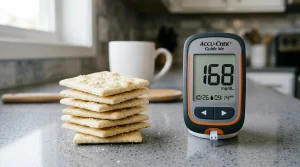
Navigating the world of snacks can be particularly challenging for those managing diabetes, but there’s good news! Choosing the right crackers can satisfy your cravings without compromising your health. Low-carb options are not only delicious but also promote better blood sugar control. In this guide, we’ll explore the best crackers tailored for diabetic diets, ensuring you can enjoy tasty snacks while maintaining balanced blood glucose levels. Whether you’re looking for a quick bite at work or a crunchy side for your favorite dip, understanding your options can empower you to make informed choices. Join us as we dive into satisfying, low-carb crackers that align with your lifestyle and dietary needs!
Best Low-Carb Cracker Options for Diabetics
Finding satisfying snacks can be a challenge for those managing diabetes, particularly when trying to reduce carbohydrate intake. Low-carb crackers provide a delightful solution, allowing individuals to enjoy crunchy snacks without the blood sugar spikes associated with traditional options. Many low-carb crackers incorporate nut flours, seeds, and high-fiber ingredients, which not only keep carbohydrate counts low but also contribute to a feeling of fullness, making them a smart choice for any snack time.
When seeking out the best low-carb crackers, consider options made from almond flour, coconut flour, or flaxseed, as these ingredients are low in net carbs and high in healthy fats and fiber. Brands like ThinSlim Foods and Catalina Crunch offer a variety of flavors, helping you avoid monotony in your diet. For those who enjoy a homestyle approach, you might also explore recipes that use these same ingredients, providing you with fresh crackers made to your taste preferences.
Moreover, pairing these crackers with nutrient-dense toppings can elevate your snacking experience. Think about spreading cream cheese or hummus and adding slices of cucumber or bell peppers for a refreshing combination. This not only enhances taste but also boosts nutritional intake, providing vitamins and minerals beneficial for overall health. Always remember to check the nutrition labels for total carbohydrates, fiber content, and serving sizes to make informed choices that align with your diabetes management goals.
In conclusion, opting for low-carb crackers can significantly enhance your snacking experience while maintaining control over your carbohydrate intake. By choosing the right products and combining them with nutritious toppings, you can indulge in flavorful snacks that fit seamlessly into your diabetic lifestyle. Always consult with your healthcare provider or a nutritionist for personalized advice that best supports your dietary needs.
Understanding Carbohydrate Counting for Diabetics

Understanding carbohydrate counts is crucial for individuals managing diabetes, as it empowers them to make informed food choices that support stable blood sugar levels. Carbohydrates, which are broken down into glucose (sugar) in the body, significantly influence blood sugar levels. Learning to count carbs effectively can help in planning meals and snacks, thus aiding in diabetes management. Interestingly, not all carbs are created equal; understanding the difference between “net carbs” and total carbs can make a substantial difference in your snacking choices.
When it comes to low-carb snacks like crackers, the term “net carbs” refers to the total carbohydrates in a food item minus fiber and certain sugar alcohols, which have minimal impact on blood glucose. This understanding is vital for those selecting low-carb crackers, as many varieties contain high amounts of fiber, allowing for a more satisfying snack without affecting blood sugar significantly. Keeping track of these net carbs can lead to better choices, like opting for almond flour, coconut flour, or seed-based crackers.
To make carbohydrate counting easier, consider developing a simple system or using apps designed for food tracking. Here’s a quick approach you can implement:
- Plan Ahead: Know the carb content of your snacks before purchasing them. This can be done by carrying a list or using a smartphone app.
- Read Labels: Always read nutritional labels carefully to differentiate between total carbs and fiber, focusing particularly on net carbs.
- Portion Control: Serving size can greatly affect carbohydrate intake; measure portions to avoid unexpected spikes in blood sugar.
- Experiment and Adapt: As you become more familiar with counting carbs, adapt your choices to find what works best for your body and preferences.
Remember that successfully managing diabetes isn’t solely about the numbers on a label but also about how your body reacts to different foods. Regular consultations with healthcare professionals are essential to tailor your dietary approaches to your individual health needs. This collaborative approach fosters a supportive environment where every snack and meal can become an opportunity to enhance your well-being while satisfying your cravings.
Nutritional Benefits of Choosing Low-Carb Crackers

Choosing low-carb crackers can significantly enhance the snack options available for those managing diabetes, providing flavorful choices that support stable blood sugar levels. Unlike traditional crackers that are often made from refined grains and high in carbs, low-carb variants typically contain healthier ingredients, such as seeds, nuts, and alternative flours, which contribute to a lower glycemic index. The nutritional benefits of these crackers extend beyond mere calorie control; they often feature higher fiber content, which not only aids digestion but also promotes a feeling of fullness, reducing the likelihood of unhealthy snacking.
High Fiber Content
Many low-carb crackers are rich in dietary fiber, which is essential for maintaining digestive health. Fiber can help slow down digestion, leading to a gradual release of glucose into the bloodstream. This is particularly beneficial for diabetic individuals as it helps prevent spikes in blood sugar levels. For instance, flaxseed and chia seed crackers are not only low in carbs but also packed with omega-3 fatty acids and additional nutrients that support overall well-being.
Lower Caloric Density
Another advantage of low-carb crackers is their lower caloric density compared to their traditional counterparts. By incorporating ingredients like almond flour or coconut flour, these snacks offer fewer calories per serving, allowing for more substantial snacking without overindulging. This makes it easier to manage portion sizes while still enjoying a satisfying snack. Additionally, many options are packed with healthy fats and proteins, offering enhanced nutritional profiles that contribute to better energy levels and satiety.
Ultimately, selecting low-carb crackers can be a delicious and strategic choice for those with diabetes. As you explore these options, feel empowered to read labels and understand ingredient lists. Prioritize snacks that not only fit a low-carb requirement but also contribute positively to your overall dietary needs. With careful selection and mindful eating, low-carb crackers can play a delightful role in your daily meal planning, enabling you to enjoy your snacks without the fear of disrupting your blood sugar balance.
Essential Ingredients for Healthy Diabetic Crackers
Selecting the right components is crucial when crafting healthy diabetic-friendly crackers. Ingredients play a vital role not only in taste but also in nutritional quality, ensuring that the crackers support stable blood sugar levels while delivering satisfying flavor and texture. Perhaps the most important detail to watch is the carbohydrate content; lower-carb options can help minimize blood sugar spikes, making them ideal for diabetes management. Here’s a closer look at the essential ingredients that make for excellent diabetic cracker choices.
Base Ingredients
The foundation of any cracker is its base flour or meal. For diabetic-friendly options, consider using alternatives to traditional wheat flour such as:
- Almond Flour: Low in carbohydrates and high in healthy fats, almond flour is a versatile base that offers a nutty flavor and rich texture.
- Coconut Flour: Absorbing moisture well, coconut flour is low in digestible carbs and is also gluten-free, providing an excellent alternative for those sensitive to gluten.
- Flaxseed Meal: This ingredient is packed with fiber and omega-3 fatty acids, making it not only low-carb but also beneficial for heart health.
Seeds and Nuts
Incorporating seeds and nuts can enhance the nutritional profile of your crackers. They provide a good source of protein, healthy fats, and additional fiber. Look for options such as:
- Chia Seeds: Known for their gel-like consistency when soaked, chia seeds can improve texture while offering significant omega-3 fatty acids and fiber.
- Pumpkin Seeds: Crunchy and nutrient-rich, pumpkin seeds can add texture and flavor along with a good dose of magnesium and zinc.
- Walnuts and Pecans: Chopped nuts not only enhance crunchiness but also add healthy fats that help you feel satisfied.
Flavor Enhancers
To make your crackers enjoyable, adding flavor enhancers while keeping sugar content low is essential. Opt for:
- Herbs and Spices: Fresh or dried herbs like rosemary, thyme, or basil can elevate flavor profiles without adding calories or carbs.
- Garlic Powder and Onion Powder: Both add depth and savory quality, making the crackers meet more sophisticated palates.
- Cheese Powder: Cheese powder provides a rich flavor that can make your crackers more indulgent without excessive sugars or carbs.
Binding Agents
The right binding agents ensure that your crackers hold together well while providing moisture. Consider:
- Eggs: They act as a natural binder and contribute protein to your crackers.
- Apple Cider Vinegar: This not only acts as a flavor enhancer but also helps with the texture and shelf-life of the crackers.
By focusing on these essential ingredients, you can create delicious and satisfying low-carb crackers that fit seamlessly into your diabetes management plan. As always, it’s crucial to consult with a healthcare professional when making dietary choices, ensuring you align your snack options with your overall health goals. With mindful ingredient selections, enjoying satisfying snacks can go hand in hand with effective diabetes management.
Top Rated Low-Carb Crackers: Brands to Consider

Navigating snack choices can be a challenge for those managing diabetes, especially when it comes to finding satisfying options that fit within a low-carb diet. Fortunately, several brands have emerged as standout favorites among diabetic-friendly snacks, providing delicious alternatives to traditional crackers. These options not only focus on lower carbohydrate content but also prioritize wholesome, high-quality ingredients that contribute to better overall health.
Maria and Ricardo’s Organic Cauliflower Crackers offer a unique blend of flavor and nutrition. Made from wholesome cauliflower and other natural ingredients, these crackers are not only low in carbohydrates but are also gluten-free, making them ideal for those with gluten sensitivities. They provide a crunchy texture that pairs well with dips or spreads, enhancing any snack experience.
Another excellent choice is Flackers by Dr. Rachael. These flaxseed crackers are packed with fiber and omega-3 fatty acids while being gluten-free and low in carbs. Their flavor comes from a combination of herbs and spices, creating a savory snack that satisfies cravings without spiking blood sugar levels. Flackers are versatile, making them suitable for pairing with cheese, hummus, or even enjoying on their own.
For those who enjoy a bit of crunch, Keto Crackers from All Day I Dream About Food are a must-try. These homemade-style crackers contain minimal ingredients, such as almond flour and seeds, which keep the carb count low while delivering on flavor and texture. The website offers detailed recipes for making these delicious low-carb snacks at home, allowing for customization based on personal taste preferences. You can whip up a batch any time you need a satisfying snack devoid of excess carbs [[1](https://alldayidreamaboutfood.com/keto-crackers/)].
Lastly, Whisps Cheese Crisps provide a delightful option for those looking for a cheesy and crunchy snack. Made entirely from cheese, these crisps are not only low in carbohydrates but also high in protein, making them a filling choice. Their various flavors can add excitement to your snacking routine, whether enjoyed solo or paired with sliced vegetables for a balanced bite.
These options, among others, highlight the growing market for low-carb snacks that cater to the needs of diabetic individuals. As always, it’s crucial to read the nutrition labels carefully to ensure these products align with your dietary goals and consult with healthcare professionals for tailored advice on your diabetes management journey.
Homemade Diabetic Cracker Recipes You Can Try

Creating your own diabetic-friendly crackers at home can be both a rewarding and health-conscious endeavor, allowing you to control the ingredients while satisfying your snack cravings. Moreover, homemade snacks can often be healthier and more affordable compared to store-bought options. Here are a few delightful recipes to consider:
Flaxseed Crackers
These crackers are exceptionally easy to make and are rich in fiber and omega-3 fatty acids.
Ingredients:
- 1 cup flaxseeds (ground)
- 1 cup water
- 1 tsp salt
- Optional: spices (garlic powder, onion powder, herbs)
Instructions:
1. Preheat oven to 350°F (175°C).
2. In a bowl, mix ground flaxseeds with water and salt. Let it sit for about 10-15 minutes until thickened.
3. Spread the mixture thinly on a baking sheet lined with parchment paper.
4. Bake for 20-25 minutes or until golden and crisp, then break into pieces.
Almond Flour Crackers
For those who prefer a nutty flavor, almond flour crackers are a fantastic alternative.
Ingredients:
- 2 cups almond flour
- 1/4 cup grated Parmesan cheese
- 1 large egg
- 1 tsp salt
- Optional: rosemary or thyme for flavor
Instructions:
1. Preheat the oven to 350°F (175°C).
2. In a mixing bowl, combine almond flour, Parmesan, salt, and any herbs.
3. Add egg and mix until dough forms.
4. Roll the dough between two sheets of parchment paper to about 1/8-inch thickness.
5. Cut into squares and place them on a baking sheet.
6. Bake for 10-15 minutes until golden brown.
Cauliflower Crackers
If you’re looking to incorporate more vegetables into your diet, cauliflower crackers offer great taste and nutrition.
Ingredients:
- 1 cup riced cauliflower (fresh or frozen, thawed and drained)
- 1/2 cup almond flour
- 1 large egg
- 1/2 tsp garlic powder
- 1/2 tsp salt
Instructions:
1. Preheat the oven to 400°F (200°C).
2. In a bowl, combine riced cauliflower, almond flour, egg, garlic powder, and salt.
3. Spread the mixture onto a baking sheet lined with parchment paper into a thin layer.
4. Bake for 15-20 minutes until golden. Cut into pieces before serving.
Making these recipes not only gives you control over what goes into your snacks but also provides a fun and engaging way to spend time in the kitchen. Remember, when managing diabetes, it’s crucial to monitor portion sizes and pair your homemade crackers with healthy toppings like hummus, guacamole, or a sprinkle of cheese to maintain balanced blood sugar levels. Always consult with healthcare professionals for personalized advice tailored to your specific health needs. Enjoy your delicious creations!
Snack Ideas: Pairing Crackers with Healthy Toppings
Pairing low-carb crackers with healthy toppings is an excellent way to create satisfying snacks that align with your dietary goals, especially for those managing diabetes. Beyond being a crunchy vessel for delicious flavors, toppings can provide essential nutrients while maintaining low carbohydrate intake. Balancing flavor, texture, and nutrition can make snacking both enjoyable and beneficial for your health.
For instance, using hummus made from chickpeas mixed with tahini provides a creamy, protein-rich topping. Opting for vegetable sticks like cucumber, bell pepper, or celery can add a fresh crunch and contribute to your daily vegetable intake. Alternatively, a sprinkle of guacamole allows you to enjoy healthy fats from avocados while keeping carbs low. Try topping your crackers with a slice of turkey or low-sodium deli meat alongside sliced pickles or avocado for a protein-packed, savory option that also satisfies your hunger.
Another great idea is using cheese spreads or thinly sliced cheese with herbs for added flavor. Cheese varieties like mozzarella or spreadable cream cheese can be deliciously paired with crackers-just be mindful of portion sizes to keep your fat intake in check. For a sweet yet healthy option, consider spreading almond butter or Greek yogurt mixed with cinnamon over your crackers topped with a few slices of fresh strawberries or a dollop of low-sugar fruit preserves.
Experimenting with these toppings not only encourages variety in your diet but also helps you discover which combinations you enjoy most. Always remember that understanding your body’s reactions to different foods is key in managing diabetes effectively, so monitoring your blood sugar levels after trying new snacks can provide insight into what works best for you. In all cases, consulting with healthcare professionals about your dietary choices can ensure that your snack options are both enjoyable and aligned with your health objectives.
How to Read Nutrition Labels for Diabetic-Friendly Options
Reading nutrition labels can feel overwhelming, especially for those managing diabetes. However, understanding these labels is crucial for making informed food choices, particularly when selecting low-carb crackers that can fit seamlessly into your meal plan. A quick glance at a label can provide essential information about carbohydrate content, fiber, and overall nutritional value, which can help in maintaining stable blood sugar levels.
When you look at a nutrition label, begin by checking the serving size. This measurement is often a critical factor, as the numbers you see are based on a particular portion, which could differ from how much you might actually eat. Next, pay close attention to the total carbohydrates section. For many diabetics, focusing on net carbs (total carbs minus fiber and sugar alcohols) is more beneficial. Fiber is your ally in maintaining stable blood sugar levels; high fiber content can slow the absorption of sugars, making crackers more suitable for snacking.
Key Components to Analyze
- Net Carbs: Calculate by subtracting fiber from total carbohydrates. This gives you an idea of how many carbs are likely to impact your blood sugar.
- Sugars: Look for low or no sugar added. Maintaining low sugar intake helps in blood glucose control.
- Protein: A higher protein content is beneficial as it helps with satiety and stabilizes blood sugar levels.
- Fats: Check the types of fats included. Opt for healthier fats like those from nuts, seeds, or olive oil.
- Ingredients List: Look for whole foods with minimal processing. Ingredients at the top of the list are present in larger amounts.
Ultimately, mastering the art of reading nutrition labels empowers diabetic individuals to choose snacks strategically. It’s a great practice to try out different brands and types, monitoring how various options affect your body. Engaging with healthcare professionals, such as a dietitian, can also provide personalized advice tailored to your specific lifestyle and medical needs, enhancing your ability to make healthy choices while managing diabetes effectively.
Comparison of Low-Carb Crackers vs. Traditional Options
When it comes to choosing snacks, the differences between low-carb crackers and traditional options can significantly impact blood sugar levels, making low-carb choices particularly appealing for those managing diabetes. Traditional crackers, often made from wheat or corn, can contain high amounts of carbohydrates that are quickly broken down into glucose, leading to spikes in blood sugar. In contrast, low-carb crackers are crafted using ingredients that are more beneficial for individuals with diabetes, such as almond flour or other nut flours, which provide healthier fat sources and fiber that can slow digestion and reduce blood sugar surges.
One notable advantage of low-carb crackers is their potential to be rich in fiber and protein, both of which contribute to a feeling of fullness and help in blood sugar stabilization. For instance, while a standard serving of traditional crackers might provide upwards of 20 grams of carbohydrates, low-carb alternatives can contain as little as 2 to 6 grams of net carbs per serving, depending on the brand and ingredients used. This substantial reduction in carbohydrate content not only caters to dietary restrictions but also allows for greater versatility in meal planning, enabling individuals to include a variety of snacks while still adhering to their carbohydrate goals.
Furthermore, traditional crackers might include added sugars and preservatives that can complicate diabetes management. Many low-carb cracker options, however, pride themselves on being free from artificial additives, focusing instead on natural ingredients that align with healthier eating patterns. This makes low-carb crackers a preferable option for diabetics looking for simple, wholesome snacks that satisfy cravings without compromising health. As always, it’s essential to read labels and focus on brands that prioritize nutritional integrity and transparent ingredient lists.
When considering snacking strategies, it’s important to remember that each individual may respond differently to various food types. Exploring low-carb crackers not only adds flavor and texture to your diet but can also be a rewarding way to manage diabetes effectively. Engaging with healthcare professionals can facilitate informed decisions, ensuring that you are taking proactive steps towards balancing enjoyment and health in your snacking habits.
Satisfying Your Cravings: Tips for Healthy Snacking
Finding satisfying snacks that cater to diabetes can be a challenging but rewarding journey. Incorporating different textures and flavors into your diet can not only keep things interesting but also help curb cravings effectively. Low-carb crackers make an excellent base for a variety of satisfying toppings that can enhance both the flavor and nutritional value of your snacks.
To start, look for toppings that are rich in healthy fats and protein, such as:
- Avocado: Spread mashed avocado on your crackers for a creamy texture rich in monounsaturated fats that are beneficial for heart health.
- Nuts and Seeds: Nut butters or a sprinkle of seeds provide protein and healthy fats, making your snack more filling.
- Hummus: This legume-based dip is packed with protein and fiber, making it a satisfying complement to low-carb crackers.
- Cheese: Opt for low-fat cheese slices or spreads that add flavor and protein without significantly raising carbohydrate levels.
Pairing your low-carb crackers with high-water-content vegetables like cucumber or bell peppers can also increase the volume of your snack without adding many carbs. This strategy not only helps with hydration but also boosts your intake of vitamins and minerals. Additionally, keeping your snacks colorful with a variety of veggies can make them visually appealing and elevate your eating experience.
When it comes to satisfying cravings, it’s essential to listen to your body. Cravings often signal nutrient deficiencies or emotional needs. Instead of reaching for processed snacks, give yourself permission to indulge in healthier, homemade options. For instance, making your own crackers allows you to control the ingredients and tailor them to your preferences. Experiment with spices, herbs, and different types of flours to find combinations that resonate with your taste buds.
Lastly, remember that moderation is key. Including low-carb snacks in your diet doesn’t mean surrendering all your favorite foods. Balancing your choices with a variety of flavors and nutrients can lead to more sustainable eating habits. Always consult with healthcare professionals when adjusting your diet, as they can provide personalized advice that aligns with your health goals and needs.
Grocery Shopping Tips for Diabetic-Friendly Crackers
Navigating grocery aisles with diabetes in mind can feel overwhelming, especially when it comes to selecting the right snacks like crackers. However, you can make healthier choices by being informed and prepared. One significant aspect to consider is the nutritional content of the crackers you select. Always pay attention to the ingredient list and nutritional label. Look for options that clearly state “low-carb” or “diabetic-friendly”, and opt for products with high fiber content, as fiber can help stabilize blood sugar levels.
When shopping, check for the carbohydrate count per serving. Ideally, aim for products that have less than 5 grams of net carbs per serving. Remember that some brands market themselves as low-carb, but their serving sizes may be misleading. Using a small kitchen scale at home to measure serving sizes can ensure you are staying within recommended carbohydrate intake. Additionally, consider less common alternatives like flaxseed or almond flour crackers, which can provide healthy fats and protein along with fewer carbohydrates compared to traditional wheat-based options.
To further enhance your shopping experience, don’t hesitate to educate yourself on the brands available. Familiarize yourself with specific products that are well-reviewed in the diabetic community. Many grocery stores also have health-oriented sections where you can find low-carb snacks and alternatives. Researching ahead can save time and prevent impulse purchases, ensuring that you stick to your dietary goals.
Lastly, consult with healthcare professionals, such as dietitians or diabetes educators, who can provide tailored advice based on your unique needs. They can also point you to resources or specific brands known for offering diabetic-friendly products, helping you gain confidence in your shopping decisions. With a proactive approach and informed choices, you can enjoy a wide variety of snacks while managing your diabetes effectively.
Expert Advice: Consulting with Nutrition Professionals
Consulting with nutrition professionals can be a game-changer for those managing diabetes, particularly when it comes to crafting a satisfying snack strategy that aligns with dietary needs. These experts can provide tailored advice that empowers you to make informed choices about your dietary intake, including the selection of low-carb crackers. Understanding how to balance carbohydrates, fiber, and healthy fats can markedly improve blood sugar management while satisfying cravings.
When you meet with a registered dietitian or a certified diabetes educator, they can help you navigate the often confusing landscape of grocery shopping. They may offer specific recommendations on brands of low-carb crackers that align with your dietary goals. For instance, they might suggest crackers made from almond flour, chickpea flour, or seeds, which often provide higher protein and fiber content compared to traditional wheat crackers. With their expertise, these professionals can assist you in understanding ingredient labels more effectively, spotlighting products that truly serve as diabetic-friendly options.
Additionally, nutrition professionals can share practical examples of how to incorporate these snacks into a balanced diet. For example, they might suggest pairing low-carb crackers with hummus or avocado for added nutrients and flavor while controlling carb intake. Furthermore, consulting with these experts can help demystify the guidelines around carbohydrate counting and portion control, ensuring you maintain a healthy relationship with food rather than feeling restricted by it.
Ultimately, engaging with nutrition professionals not only enhances your knowledge but also reinforces the importance of tailored dietary advice. They can support you in developing sustainable eating habits while ensuring that your snack choices satisfy your cravings without jeopardizing your health. The journey of managing diabetes can feel daunting, but with the right guidance, you can enjoy wholesome snacks that empower your lifestyle.
Frequently asked questions
Q: What are the best low-carb cracker options for diabetics?
A: The best low-carb cracker options for diabetics include those made from almond flour, coconut flour, or cheese. Brands like “Wasa,” “Mary’s Gone Crackers,” and “Nut Thins” offer varieties low in carbs and high in fiber. For more brands to consider, refer to the “Top Rated Low-Carb Crackers” section of the article.
Q: How can I make my own low-carb crackers at home?
A: You can make low-carb crackers at home using almond flour, cheese, and seasonings. Simply mix the ingredients, roll the dough thin, and bake until crispy. For detailed recipes, visit the “Homemade Diabetic Cracker Recipes” section of the article for creative ideas.
Q: What should I look for on nutrition labels for diabetic-friendly crackers?
A: Look for low total carbohydrates and sugars, high fiber content, and minimal unhealthy fats. Ingredients like whole grains and seeds are beneficial. For a detailed guide on reading nutrition labels, refer to the “How to Read Nutrition Labels” section in the article.
Q: Why are low-carb crackers a good option for diabetics?
A: Low-carb crackers help manage blood sugar levels by preventing spikes that traditional crackers can cause. They also often provide higher fiber content, which aids digestion and satiety. Learn more about their nutritional benefits in the article’s “Nutritional Benefits of Choosing Low-Carb Crackers” section.
Q: Can low-carb crackers satisfy cravings for traditional snacks?
A: Yes, low-carb crackers can satisfy cravings for traditional snacks due to their crunchiness and versatility. Pair them with healthy toppings like avocado, hummus, or nut butter for a satisfying snack. Check out the “Snack Ideas: Pairing Crackers with Healthy Toppings” section for more tips.
Q: Are there specific brands of low-carb crackers recommended for diabetics?
A: Several brands, such as “Nairn’s” and “Keto Crisps,” are commonly recommended for diabetics due to their low-carb content. For a comprehensive list, refer to the “Top Rated Low-Carb Crackers” section of the article, which highlights various brand options.
Q: How can I balance snacking with diabetes management?
A: Balancing snacking involves choosing low-carb, nutrient-dense foods and monitoring portion sizes. Incorporate low-carb crackers into your snacks to help manage your overall carbohydrate intake. For more practical tips, see the “Satisfying Your Cravings: Tips for Healthy Snacking” section.
Q: When should I consult a healthcare professional about my diet as a diabetic?
A: You should consult a healthcare professional whenever making significant dietary changes or if you experience challenges in managing blood sugar levels. Continuous support from nutritional experts can help tailor dietary choices to your individual health needs. For more advice, see the “Expert Advice: Consulting with Nutrition Professionals” section.
Insights and Conclusions
As you explore the world of low-carb crackers, remember that making informed choices can enhance your diabetic management without sacrificing taste. The best crackers for diabetics cater to both your nutritional needs and cravings, proving that healthy snacking is not only possible but enjoyable! Don’t miss out on our other resources, such as our guide on meal planning for diabetes and tips on navigating grocery shopping for low-carb foods-both invaluable for your daily management.
Act now and subscribe to our newsletter for more empowering tips and insights right in your inbox. Engage with us by sharing your favorite low-carb recipes or questions in the comments below! Remember, managing diabetes is a journey, and with the right education and support, you can achieve your health goals confidently. Keep exploring, and let’s continue this path toward better health together!
Get our latest guides, news, and insights highlighted in your Google Search & AI Overviews.