Did you know that individuals with diabetes are at a significantly higher risk of developing wounds that can lead to serious complications? Understanding the types of diabetic wounds and recognizing early danger signs is crucial for effective management and prevention. From diabetic ulcers on the feet to pressure sores, prompt identification and treatment can make a world of difference in your healing journey. Your ability to take proactive steps can help protect your health, allowing you to maintain an active lifestyle. Dive into this essential guide to empower yourself with knowledge, learn the signs to watch for, and ensure you’re equipped to handle potential issues before they escalate. By doing so, you’ll enhance your diabetes management strategy and safeguard your well-being.
Types of Diabetic Wounds: Understanding Your Risks
Diabetic wounds are a significant concern for individuals managing diabetes, which can create environments where even minor injuries can escalate into serious complications. Among the most common types of diabetic wounds are foot ulcers, which often occur due to nerve damage and poor circulation as a result of prolonged high blood sugar levels. These wounds can develop silently, making it crucial for individuals and caregivers to remain vigilant about even small cuts or blisters that might otherwise be overlooked.
A wide variety of factors contribute to the risk of diabetic wounds, including neuropathy, where nerve damage can lead to a loss of feeling in the feet, and peripheral vascular disease, which impairs blood flow necessary for healing. Poor glycemic control can further exacerbate these issues. Understanding these risks is vital; poorly healed wounds can escalate to infections, which may lead to more serious interventions, including surgery or even amputation.
Recognizing the different types of diabetic wounds beyond foot ulcers is also important. Pressure ulcers, often referred to as bed sores, can develop in individuals who have limited mobility. Moreover, diabetic skin changes, such as thickened skin and corn-like formations on the feet, can also be precursors to more severe conditions. Regular self-examinations and professional assessments can be life-saving strategies in diabetes management, empowering patients to take control of their health by acting promptly in the event of an injury.
By understanding the types of diabetic wounds and their associated risks, patients and their families can better navigate the complexities of diabetes care. This awareness not only fosters proactive treatment but also encourages lifestyle modifications and consistent medical consultations to enhance overall well-being.
The Importance of Early Detection in Diabetic Wounds
Early detection is crucial in managing diabetic wounds, as timely intervention can significantly reduce the risk of complications. In fact, minor injuries can progress to serious conditions if left unnoticed. Individuals with diabetes often face a higher risk of developing foot ulcers and other wounds due to factors such as neuropathy, which results in a diminished sense of feeling in the feet, and impaired circulation that hinders effective healing. As a proactive measure, it is essential to regularly inspect all parts of the body, particularly the feet, to spot any potential injuries or changes before they pose a more significant health threat.
Addressing wounds early can lead to more favorable outcomes. For instance, when minor cuts, blisters, or calluses are recognized and treated promptly, the possibility of infection and subsequent complications is greatly diminished. Keeping an eye out for the following signs during self-examinations can help ensure that any issues are caught early:
- Redness or swelling: Increased redness or swelling around a lesion may indicate infection.
- Discharge: Any drainage or pus coming from a wound should be evaluated by a healthcare provider.
- Foul odor: Unpleasant smells can signify a serious infection that needs immediate attention.
- Changes in color: Darkening skin or unusual discoloration can suggest poor blood flow or other complications.
Incorporating routine examinations into daily self-care not only allows for early identification of diabetic wounds but also empowers individuals to take charge of their health. Being vigilant and proactive in managing diabetes can greatly reduce the overall burden of wound complications. Furthermore, those who notice any concerning symptoms are encouraged to consult with qualified healthcare professionals for diagnosis and treatment, reinforcing the importance of a collaborative approach in diabetes management. By understanding and implementing early detection strategies, individuals can play a significant role in preventing serious complications associated with diabetic wounds.
Common Types of Diabetic Wounds You Should Know
Recognizing the various types of diabetic wounds is essential for effective management and prevention of severe complications. Diabetic individuals are particularly susceptible to several specific wounds due to the impacts of high blood sugar levels, which can lead to nerve damage and poor circulation. Understanding these common wound types not only empowers patients to take action but also underscores the importance of regular foot examinations and medical consultations.
One of the most prevalent wounds among those with diabetes is diabetic foot ulcers. These are typically caused by a combination of neuropathy and pressure on the feet, often from ill-fitting shoes or prolonged standing. A foot ulcer may start as a small sore or blister but can escalate to deeper infections if not addressed promptly. Regularly checking feet for redness, swelling, or skin breakdown can help identify potential ulcers before they worsen.
In addition, neuropathic ulcers occur when nerve damage diminishes sensation, making it difficult for individuals to feel injuries or pressure points on their feet. These ulcers can develop unnoticed and may become infected without the patient realizing it. It is crucial to maintain good foot hygiene and choose appropriate footwear to reduce the risk of such ulcers.
Another type to be aware of is venous stasis ulcers, which often develop on the legs and lower extremities due to impaired venous flow. These ulcers are commonly accompanied by symptoms such as skin discoloration, swelling, and a feeling of heaviness in the legs. Preventative measures, like elevating the legs and wearing compression stockings, can mitigate the occurrence of these wounds.
Finally, infections following minor cuts or blisters can be particularly problematic in diabetic patients. Since diabetes can impair immune response and circulation, even a small wound can lead to serious complications. It is imperative to keep any cuts clean, apply appropriate dressings, and monitor for signs of infection-such as pus or increased redness.
By staying informed and vigilant about these common types of wounds, individuals can take proactive steps in their diabetes management. Regular foot care, prompt reporting of any injuries to healthcare providers, and wearing suitable footwear are foundational practices that can significantly reduce the risk of developing diabetic wounds and enhance overall well-being.
Recognizing the Warning Signs of Diabetic Foot Ulcers
Diabetic foot ulcers are a significant concern for individuals with diabetes, as they can develop rapidly and lead to severe complications if not identified and treated in time. Recognizing the warning signs of these ulcers early can make a crucial difference in preserving foot health and preventing further medical issues. It is essential for those living with diabetes to maintain a vigilant approach toward foot care, as changes can occur without noticeable pain, especially in cases of neuropathy.
One of the first warning signs to watch for is any persistent redness or swelling on the foot, particularly around bony areas. A developing ulcer may also present as a small sore, blister, or even a callus that seems unusual or rapidly worsens. Other signs include peeling skin, which can indicate excess moisture or irritation, and any change in the color of the foot, such as increased warmth or a bluish hue. It’s crucial to inspect your feet daily, focusing on any new or changing lesions, as understanding your foot’s condition helps in taking timely action.
Another aspect to consider is the presence of unusual odor or drainage, which could signal an infection. Any crack or cut that does not heal within a few days should be assessed by a healthcare professional. Additionally, tingling, burning sensations, or feelings of numbness can be red flags indicating that nerve damage is affecting sensation – making it difficult to detect injuries that could lead to ulcers.
Education on maintaining proper foot hygiene, avoiding walking barefoot, and choosing well-fitted, supportive footwear is vital. For individuals who are unable to properly inspect their own feet due to mobility issues or severe neuropathy, enlisting a family member or caregiver to conduct regular checks can help catch potential problems early. Addressing concerns with a healthcare provider promptly ensures that necessary interventions can be made before more severe treatments become necessary.
By remaining proactive and informed about these warning signs, individuals with diabetes can take significant strides in preventing diabetic foot ulcers, ultimately supporting their overall health and independence. Regular check-ups and discussions with healthcare professionals are fundamental to managing diabetes effectively and minimizing associated risks.
How to Care for Diabetic Wounds Effectively
Diabetic wounds can pose significant challenges for individuals managing diabetes, making effective wound care crucial in preventing complications. Proper wound care helps not only in maintaining skin integrity but also in minimizing the risk of infection and promoting healing. Early and thorough attention to wounds can greatly impact recovery and overall well-being.
To care for diabetic wounds effectively, follow these practical steps. First, always begin by washing your hands thoroughly to prevent introducing bacteria to the wound. Next, gently clean the wound using mild soap and water or a saline solution to remove debris and bacteria. This step is vital, especially if any drainage is present, as infections can escalate quickly in individuals with diabetes.
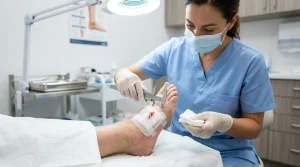
After cleaning the wound, apply an appropriate dressing. Choose a sterile, non-stick bandage or a specialized wound dressing that can keep the area moist while allowing it to breathe. Change the dressing regularly, ideally daily or whenever it becomes wet or dirty. Monitor the wound for any signs of infection, such as increased redness, swelling, or pus, and consult a healthcare professional immediately if these occur.
Additionally, managing your diabetes effectively is essential for wound healing. Regular blood sugar monitoring and maintenance of optimal glucose levels can enhance your body’s ability to heal. Consider incorporating a balanced diet rich in vitamins and minerals vital for skin health, such as vitamin C and zinc. It’s also beneficial to stay hydrated, as adequate fluid intake supports overall skin integrity.
Here are some additional tips for effective wound care:
- Foot Inspection: Check your feet daily for any new wounds or changes.
- Moisturize: Use diabetic-friendly foot creams to prevent cracks while avoiding areas between the toes.
- Footwear: Wear well-fitted shoes designed for diabetics to reduce friction and pressure points.
Do not underestimate the importance of professional guidance. Regular follow-ups with a healthcare provider who understands diabetes management can greatly enhance your wound care strategy. They can assess your wounds and provide tailored advice, ensuring you have access to the most effective treatment options available. By embracing these practices and remaining vigilant, you can empower yourself in managing diabetic wounds and protecting your overall health.
Preventative Measures for Diabetic Wound Care
Managing diabetes effectively is paramount, especially when it comes to preventing diabetic wounds. The key to reducing the risk of developing serious injuries lies in a proactive approach to foot and wound care. It’s essential to incorporate specific preventive measures into your daily routine, fostering an understanding that vigilance and proactive care can significantly improve outcomes.
Regular foot inspections play a crucial role in identifying early signs of potential issues. Individuals with diabetes should take time each day to check their feet for any cuts, blisters, or changes in color and temperature. This daily ritual not only helps in catching problems early but also encourages you to remain attuned to your body’s signals. Alongside inspections, maintaining proper foot hygiene is vital. Wash your feet daily with mild soap and warm water, ensuring to dry them thoroughly, especially between the toes, to prevent fungal infections.
Another essential aspect of preventative care is moisture management. Using diabetic-friendly creams can help keep the skin soft and prevent cracking, yet remember to avoid applying moisturizer between the toes to reduce the risk of fungal growth. Additionally, the importance of appropriate footwear cannot be overstated. Shoes that fit well and provide adequate support are essential; seek out footwear specifically designed for diabetic patients, which can help minimize friction and pressure points that lead to wounds.
Embracing Lifestyle Changes
Incorporating lifestyle changes can further mitigate the risk of wounds. Maintaining optimal blood sugar levels is foundational. By working closely with healthcare professionals to manage diabetes through balanced nutrition and medication adherence, you can support your healing capabilities and overall foot health. Consider a diet rich in vitamins that promote healing, like vitamin C, zinc, and omega-3 fatty acids, which can enhance skin integrity and support recovery.
Engaging in regular physical activity, as advised by your healthcare provider, also helps improve circulation and wound healing capabilities. However, ensure that your exercise routine is tailored to your personal health status, protecting your feet during physical activities by wearing protective gear.
Ultimately, an informed and proactive approach to diabetic wound care can significantly reduce risks. Always consult with healthcare professionals regarding any changes to your routine, and remain vigilant about managing your diabetes to foster healthier outcomes. By prioritizing these preventative measures, you empower yourself to take charge of your health and enhance your quality of life.
When to Seek Professional Help for Diabetic Wounds
When it comes to managing diabetic wounds, knowing when to seek professional help can be a crucial aspect of preventing serious complications. A wound that may seem minor, such as a small cut or blister, can escalate quickly if diabetes is part of the equation. High blood sugar levels can hinder the body’s natural healing processes, increasing the risk of infections and prolonged recovery times. Therefore, vigilance is key-understanding the signs that warrant immediate medical attention can make all the difference.
It’s vital to consult a healthcare professional if you notice any of the following symptoms:
- Increased redness or swelling: This could indicate either an infection or inflammation that needs addressing.
- Pus or drainage: Any discharge from a wound is a warning sign that should not be ignored. It could mean an infection is present.
- Persistent pain: If the pain is worsening rather than improving, it’s time to get a professional opinion.
- Foul odor: A bad smell emanating from a wound is often a clear indicator of infection.
- Non-healing wounds: If a wound hasn’t shown improvement within a few days, seeking care is recommended.
- Changes in color or temperature: Areas around the wound that become hotter, cooler, or change color can signal potential complications.
Early intervention can prevent small issues from escalating into major health problems. It’s worth noting that if you have any underlying conditions, such as neuropathy, that affect sensation, the absence of pain does not mean a wound is safe. Regularly scheduled appointments with your healthcare provider can provide additional support and peace of mind. Keep in mind that the sooner you seek advice, the more options your healthcare team will have to effectively manage your care and help you avoid unnecessary complications.
Maintaining open communication with your healthcare provider about your diabetes management and any changes you notice in your wounds can empower you to take charge of your health. They can recommend tailored strategies, whether through medication, treatment of infection, or lifestyle adjustments, ensuring you’re equipped to handle the challenges that diabetes may present.
Understanding the Healing Process of Diabetic Injuries
The healing process for diabetic injuries is often complex and fraught with challenges due to the elevated blood sugar levels that many individuals with diabetes experience. Understanding how diabetes affects wound healing is crucial for effective management and prevention of complications. High glucose levels can lead to impairments in circulation, nerve function, and immune response, all of which are vital for proper healing. As a result, a seemingly insignificant wound can take longer to heal and carry a higher risk of infection.
For most individuals, the wound healing process generally includes several key stages: hemostasis (stopping the bleeding), inflammation (fighting infection), proliferation (building new tissue), and remodeling (strengthening the new tissue). However, in diabetic patients, this process can be delayed due to a variety of factors. For instance, nerve damage, often seen with diabetic neuropathy, can diminish sensation in the feet, preventing early detection of wounds. Furthermore, poor blood flow resulting from vascular complications can impede oxygen and nutrient delivery to the wound site, making it more difficult for the body to repair itself.
To enhance the healing process, it is essential to maintain good blood sugar control, as this can significantly impact recovery. Regular monitoring and adjustments to medication, diet, and physical activity can help keep blood sugar levels stable. Additionally, appropriate wound care is critical; this includes cleaning the wound properly, applying suitable dressings, and keeping an eye out for any signs of infection. Collaborating with healthcare professionals such as diabetic educators or wound care specialists can provide tailored strategies that address individual needs.
Nutrition also plays an undeniable role in wound healing. A balanced diet rich in proteins, vitamins, and minerals-particularly zinc and vitamin C-supports tissue repair and immune function. Staying hydrated and avoiding processed sugars can also contribute positively to the healing process. By fostering a healing-friendly environment and remaining proactive in diabetes management, individuals can improve their chances of effective recovery from diabetic injuries, thus minimizing the risks associated with delayed healing and potential complications.
Lifestyle Changes to Minimize Wound Risk
Individuals with diabetes face an elevated risk of developing foot wounds, which can escalate into serious complications if not addressed promptly. Therefore, making conscious lifestyle changes can substantially reduce the risk of developing these diabetic wounds. A proactive approach to daily activities, coupled with informed decision-making, can empower individuals to maintain healthy feet and overall well-being.
Regular self-assessment is essential for early detection of things like cuts, blisters, or discoloration. Setting aside a few minutes each day to inspect your feet can make a significant difference. This should be part of your daily routine, much like monitoring blood sugar levels. If you notice anything unusual, such as a wound that doesn’t show signs of healing or changes in skin color, it’s crucial to consult a healthcare provider promptly.
Incorporating appropriate footwear into daily life cannot be overstated. Wearing shoes that fit well and provide adequate support is vital in minimizing the risk of cuts and abrasions. Opt for cushioned soles and breathable materials, and avoid going barefoot, even at home. Regularly replacing old footwear, rather than waiting until they are completely worn out, can also play a role in preventing foot injuries.
Furthermore, keeping blood sugar levels within target ranges has a profound effect on wound healing and prevention. This can often be achieved through a balanced diet that includes plenty of fruits, vegetables, whole grains, and lean proteins. Staying hydrated and practicing portion control can aid in preventing spikes in glucose levels. Additionally, engaging in regular physical activity not only helps with blood sugar management but also enhances blood circulation, supporting the healing process.
Adopting these lifestyle changes not only promotes foot health but also cultivates a sense of empowerment in managing diabetes. Each positive step taken contributes to overall health and well-being. Remember, this journey is uniquely yours, and collaborating with healthcare providers will provide you with the best-tailored strategies for your individual needs.
The Role of Nutrition in Wound Healing
Good nutrition is a cornerstone of effective wound healing, particularly for individuals with diabetes, where wound care is crucial. The body’s ability to respond to injury hinges significantly on the nutrients it receives, which play direct roles in cellular repair and immune function. For instance, deficiencies in essential vitamins and minerals can lead to delayed healing and increase the risk of infections. Ensuring a properly balanced diet not only supports recovery from existing wounds but also aids in preventing future complications.
To promote optimal healing, focus on incorporating vital nutrients into your meals. Consider these key components:
Key Nutrients for Wound Healing
- Proteins: Essential for tissue repair. Include sources like lean meats, poultry, fish, beans, and legumes in your diet to provide the necessary building blocks for new tissue formation.
- Vitamins:
- Vitamin C: Crucial for collagen synthesis and immune function. Citrus fruits, strawberries, and leafy greens are excellent sources.
- Vitamin A: Supports skin health and immune system function. Carrots, sweet potatoes, and dark leafy greens can boost your intake.
- Minerals:
- Zinc: Important for immune response and healing; found in meat, shellfish, and whole grains.
- Iron: Supports healthy blood flow, which is crucial for healing. Include red meat, beans, and fortified cereals in your meals.
- Healthy Fats: Omega-3 fatty acids from fish, walnuts, and flaxseeds can reduce inflammation and promote healing.
Hydration is another vital aspect of nutrition that should not be overlooked. Adequate fluid intake is essential for maintaining skin elasticity and promoting circulation, which are both critical for effective wound healing. Aim to drink enough water throughout the day, and consider hydrating foods like cucumbers, watermelon, and oranges.
Engaging in regular consultations with healthcare professionals can further tailor your nutritional needs. They can provide guidance on meal planning and dietary adjustments that best fit your unique health situation. By prioritizing nutrition and hydration, individuals with diabetes can significantly enhance their healing processes and reduce their risks of complications, empowering them to maintain control over their health.
Essential Footwear Choices for Diabetic Patients
Choosing the right footwear is a crucial component of diabetes management, especially considering that diabetic patients are at a higher risk for developing foot ulcers and other wounds. In fact, improper footwear can significantly increase the likelihood of foot injuries, which may not heal easily due to the complications associated with diabetes. Making informed choices about shoes can help prevent injuries and promote overall foot health.
Footwear designed specifically for people with diabetes should emphasize comfort, support, and protection. Look for shoes that are adequately cushioned and have a wide toe box to minimize rubbing against the toes. Opt for shoes with soft, seamless interiors that reduce friction and irritation. Additionally, select footwear with adjustable fastenings, such as Velcro straps or elastic laces, to ensure a snug fit without constriction. Consider footwear made from breathable materials to keep feet dry and reduce the risk of fungal infections.
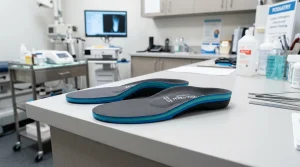
For those who experience neuropathy, characterized by reduced sensation in the feet, selecting shoes that provide good shock absorption is essential to prevent injuries. Orthotic inserts can offer additional support and cushioning tailored to individual foot shapes. Regularly inspect shoes for signs of wear and tear, as even minor defects can cause discomfort or lead to open sores. It’s advisable to measure your feet frequently, as foot sizes can change, especially in diabetic patients, necessitating new pairs to avoid any fitting issues.
Moreover, consider the types of activities you will undertake. For daily wear, opt for closed-toe shoes that provide substantial coverage and support. Sandals, if chosen, should have straps that secure them well without causing pressure points. In the case of athletic activities, specialized diabetic-friendly sports shoes can help accommodate foot deformities or unique foot mechanics.
Ultimately, consulting with a healthcare professional, such as a podiatrist, can provide tailored recommendations based on individual needs and foot conditions. Empowering yourself with the right footwear not only aids in preventing diabetic wounds but also enhances your overall confidence to engage in daily activities safely. Remember, taking these proactive steps is key in managing diabetes effectively and minimizing challenges associated with foot health.
Exploring Advanced Treatments for Diabetic Wounds
Diabetic wounds, especially foot ulcers, can be challenging to treat and often require advanced approaches to ensure effective healing. Unfortunately, traditional methods may not suffice due to the unique complications associated with diabetes, such as reduced blood flow and neuropathy. Emerging treatments aimed at enhancing the healing process, minimizing risks, and improving overall outcomes offer hope for those navigating these complex wounds.
Innovative Wound Care Strategies
One of the most promising advancements in diabetic wound treatment is the use of bioengineered skin substitutes. These substitutes mimic natural skin properties and can significantly promote healing by providing a protective barrier and stimulating the body’s regeneration capabilities. Additionally, negative pressure wound therapy (NPWT) has gained traction as it employs suction to draw fluid away from the wound, reducing edema and enhancing blood flow, thus accelerating healing.
Furthermore, the application of growth factors, which are proteins that help to regulate cellular processes, has shown effectiveness. These factors can be directly introduced to the wound site or included within dressings to foster the growth of new tissue. Antimicrobial dressings also play a crucial role in preventing infection, a common complication for diabetic wounds that can halt healing.
Embracing Technology in Treatment
The integration of technology into wound care has led to the development of smart dressings. These innovative solutions can monitor wound conditions and provide real-time data to healthcare providers, allowing for precise intervention when necessary. Such advancements enable timely adjustments in treatment plans, catering to the unique needs of each patient.
Moreover, telemedicine has emerged as a vital tool for diabetic wound management, especially for those facing mobility challenges or living in remote areas. Virtual consultations allow healthcare professionals to assess wounds, monitor healing progress, and make informed decisions on ongoing care without the inconvenience of frequent travel.
Collaborative Care Approaches
Effective diabetic wound management goes beyond initial treatments; it involves a holistic approach that addresses underlying diabetes control. Interdisciplinary care teams, including endocrinologists, podiatrists, and nutritionists, work together to devise comprehensive care plans. Optimizing diabetes management through lifestyle changes and medication adherence can vastly improve wound healing outcomes.
Patients are encouraged to actively engage in their treatment dialog with healthcare providers. They should ask questions and seek clarity about their care plans, understand the signs of infection or complications, and adhere strictly to follow-up visits. By participating in their healthcare decisions, individuals can empower themselves to navigate the challenges of diabetic wound management effectively.
Emphasizing these advanced treatments and collaborative strategies can significantly improve the healing outcomes for diabetic wounds, giving patients the support and resources they need to lead healthy, fulfilling lives while managing their condition effectively. Remember, always consult with a qualified healthcare professional before implementing any new treatment strategies.
Faq
Q: What are the early signs of diabetic wounds?
A: Early signs of diabetic wounds include redness, swelling, warmth around a sore, and the area feeling painful or tender. Additionally, unexpected changes in skin color or texture can indicate problems. Regular foot inspections as mentioned in the section on recognizing warning signs can help identify these early issues.
Q: How can I tell if a diabetic wound is infected?
A: Signs of infection in diabetic wounds include increased redness, warmth, or swelling, as well as pus or foul odor. Fever and persistent pain are also red flags. If these symptoms occur, it’s crucial to seek professional help immediately, as detailed in the section about when to seek help.
Q: What types of diabetic wounds are most common?
A: The most common types of diabetic wounds are diabetic foot ulcers, pressure ulcers, and surgical site infections. Understanding these types helps in early detection and management, as outlined in the section on common types of diabetic wounds you should know.
Q: Why do diabetic wounds heal slowly?
A: Diabetic wounds heal slowly due to factors like poor blood circulation, neuropathy, and compromised immune responses. These conditions impede the body’s natural healing mechanisms, necessitating careful monitoring and management strategies, as discussed in the importance of early detection.
Q: When should I consult a doctor about a diabetic wound?
A: You should consult a doctor if you notice any signs of infection, prolonged healing, or if a wound becomes painful. Early intervention can prevent serious complications, as highlighted in the section on when to seek professional help for diabetic wounds.
Q: How can I prevent diabetic wounds from forming?
A: Preventing diabetic wounds involves regular foot care, proper hygiene, and wearing appropriate footwear. Maintaining stable blood sugar levels and following a healthy lifestyle also significantly reduce risks, as suggested in the section on preventative measures for diabetic wound care.
Q: What role does nutrition play in diabetic wound healing?
A: Nutrition is critical for diabetic wound healing. A balanced diet rich in vitamins, minerals, and protein aids recovery by promoting tissue repair. Adequate hydration and limiting sugars can also support the healing process, as emphasized in the role of nutrition in wound healing.
Q: What lifestyle changes can help minimize diabetic wound risks?
A: Lifestyle changes such as regular exercise, maintaining a healthy weight, and controlling blood sugar levels can significantly reduce the risk of diabetic wounds. Education on proper foot care and adherence to a balanced diet are also essential strategies, as outlined in the section on lifestyle changes to minimize wound risk.
Concluding Remarks
Recognizing the signs of diabetic wounds early can make all the difference in effective management and prevention of complications. By staying vigilant and informed, you empower yourself or your loved ones to take prompt action that can significantly improve outcomes. Don’t wait – if you notice any changes in your skin or wounds, consult a healthcare professional immediately. For more insights on diabetes management, check out our articles on daily care routines and healthy meal planning for diabetics.
With dedicated care and informed choices, you can navigate the challenges of diabetes more confidently. Join our community by signing up for our newsletter, where we share tips and support for living well with diabetes. Share your thoughts in the comments below and explore related topics to deepen your understanding and enhance your management strategies. Your journey towards optimal health starts now!
Diabetic Wounds: Early Warning Signs, Classification and Emergency Protocols
Prompt recognition and aggressive staging of chronic diabetic wounds is essential to avert life-threatening soft-tissue infections and lower extremity amputations. Due to peripheral sensory neuropathy, vascular insufficiency, and impaired neutrophil chemotaxis, minor abrasions or pressure points can rapidly ulcerate into deep connective tissue structures without producing significant pain.
| Wound Classification (Wagner Scale) | Clinical Presentation | Tissue Depth & Infection Status | Mandatory Treatment Protocol |
|---|---|---|---|
| Grade 0: Pre-Ulcerative | Intact skin with focal erythema, calluses, or bony deformities | No open dermal lesion; high structural friction | Pressure-relieving diabetic orthotics; daily visual inspection |
| Grade 1: Superficial Ulcer | Full-thickness skin loss extending through dermis into subcutaneous fat | Absence of deep tendon or capsular involvement; uninfected | Debridement of non-viable tissue; moisture-balanced hydrogel dressing |
| Grade 2: Deep Ulceration | Lesion penetrates to tendon, joint capsule, or deep fascia | Localized purulence; tendon sheath exposure; no abscess | Total contact casting (TCC) offloading; systemic culture-guided antibiotics |
| Grade 3: Deep Abscess / Osteitis | Deep space infection, osteomyelitis, or septic tenosynovitis | Probe-to-bone positive; localized gas formation | Urgent surgical debridement; IV broad-spectrum antibiotics; surgical salvage |
Get our latest guides, news, and insights highlighted in your Google Search & AI Overviews.