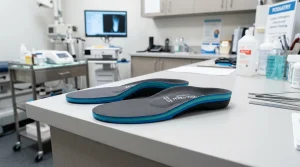
Did you know that individuals with diabetes are at greater risk of developing foot complications, including ingrown toenails? This common yet painful condition can lead to serious health issues if not addressed promptly. Understanding how to prevent and safely treat ingrown toenails is essential for anyone managing diabetes, as proper foot care can significantly reduce the risk of infections and other complications. In this article, we’ll explore practical tips and strategies for preventing ingrown toenails, as well as safe methods for treatment. Empower yourself with knowledge and take an active role in your foot health-because every step you take matters. Let’s dive in and discover the essential practices that can help keep your feet healthy and pain-free.
Understanding Ingrown Toenails in Diabetic Patients
Ingrown toenails can be a painful and troublesome condition, especially for diabetic patients, who may face more significant risks and complications. When a toenail grows into the surrounding skin, it can lead to infections and inflammation, which can be particularly concerning for individuals with diabetes due to potential nerve damage and reduced blood circulation in the feet. Awareness and understanding of this condition are vital for effective management, especially since individuals with diabetes might not notice the initial signs of ingrown toenails due to lack of sensation.
In diabetic patients, factors such as poor glycemic control, foot deformities, and inadequate foot care can contribute to the development of ingrown toenails. These individuals may also have a higher risk of infections, which can escalate quickly, leading to serious complications like ulcers or even amputation in severe cases. To mitigate these risks, it’s essential for diabetics to engage in regular foot inspections and maintain optimal blood sugar levels. Attention to foot hygiene, including the daily cleaning and moisturizing of feet, along with proper nail trimming techniques, is crucial in preventing ingrown toenails.
To address ingrown toenails effectively, diabetic patients should seek professional care at the first sign of a problem. Treatment may involve gentle lifting of the ingrown edge of the nail, antibiotic therapy for infections, or in some cases, surgical intervention if the condition is recurrent. Understanding the importance of timely action can help prevent minor issues from becoming severe complications. Equipping oneself with knowledge about proper footwear choices and nail care practices is also essential.
By prioritizing foot health through education and self-care measures, individuals with diabetes can reduce their risk of ingrown toenails and ensure they maintain their overall foot health. Regular consultations with healthcare professionals regarding foot care can guide effective strategies tailored to individual needs, empowering diabetic patients to take control of their foot health.
The Connection Between Diabetes and Ingrown Toenails
Individuals with diabetes face unique challenges when it comes to foot health, particularly with conditions like ingrown toenails. This common ailment occurs when the edge of a toenail grows into the surrounding skin, leading to pain, swelling, and potential infection. For those with diabetes, the stakes are even higher due to complications associated with the disease, such as peripheral neuropathy and poor circulation. These factors can diminish sensation in the feet, making it more difficult to notice the early signs of an ingrown toenail.
can be attributed to several specific factors. First, high blood sugar levels can weaken the immune system, increasing the likelihood of infections when ingrown toenails occur. Additionally, foot deformities or conditions like bunions, often seen in diabetic patients, can create an environment where ingrown toenails are more likely to develop. Routine foot care that includes regular inspections, proper nail trimming, and maintaining glycemic control is crucial in mitigating these risks. By keeping nails trimmed straight across and avoiding rounded edges, diabetics can significantly reduce the chance of nails digging into the skin.
Living with diabetes requires a proactive approach to foot care. Incorporating a daily foot inspection routine can allow individuals to catch early signs of toenail issues before they escalate. If any redness, swelling, or pain is noticed near the toenails, this should be addressed immediately to prevent further complications. Collaborating with healthcare professionals for routine foot exams can empower individuals to take control of their foot health while obtaining personalized advice tailored to their specific circumstances. By prioritizing foot hygiene and prompt care for any emerging issues, diabetic patients can significantly enhance their quality of life and reduce the risk of serious complications associated with ingrown toenails.
Recognizing Symptoms of Ingrown Toenails

Recognizing the early signs of ingrown toenails can be essential, particularly for diabetic individuals who may have impaired sensation in their feet. This common condition arises when the edge of a toenail grows into the surrounding skin, leading to discomfort and potentially serious complications if not addressed promptly. The most noticeable symptoms include redness and swelling around the affected toenail, which can escalate into pain and tenderness. A critical first step is understanding these warning signs so that immediate action can be taken.
Pay close attention to any changes in your toenails and surrounding skin. An ingrown toenail often presents with the following symptoms:
- Redness and Swelling: Look for inflammation near the nail that may extend to the surrounding skin.
- Pain or Discomfort: A sensation of pressure or pain may occur when you touch the affected area or while walking.
- Infection Signs: If you notice pus or drainage, it may indicate an infection, which can be more serious for those managing diabetes.
- Changes in Nail Appearance: The nail might appear to be growing into the skin or the surrounding tissue may thicken.
It’s important to remember that the neuropathy associated with diabetes can mask these symptoms. Hence, routine foot inspections should be a priority. Implementing a weekly or even daily inspection schedule can help catch issues early before they escalate into more severe problems. If you notice any symptoms, no matter how minor, consult your healthcare provider. Early intervention is crucial in preventing complications, particularly infections that can impair foot health long-term. By staying alert to these signs and maintaining open communication with healthcare professionals, you can effectively manage and mitigate the risks of ingrown toenails in your diabetes care routine.
Effective Prevention Strategies for Diabetics

Caring for your feet is crucial when managing diabetes, especially since conditions like ingrown toenails can lead to complications that affect overall health. One significant strategy in preventing ingrown toenails is maintaining proper nail trimming techniques. Always trim your toenails straight across and avoid rounding the corners, which can encourage the nail to grow into the surrounding skin. It’s advisable to use specialized nail clippers designed for thicker nails, which often occur in diabetics, ensuring a clean cut that reduces the risk of injury.
Another essential preventive measure is regular foot inspections. Daily or weekly checks allow you to catch potential issues before they develop into more significant problems. Look for any signs of redness, swelling, or changes in the nail’s appearance. Utilizing a mirror can help you examine areas that are hard to see, ensuring nothing goes unnoticed. If you have difficulty seeing or reaching your feet, ask a family member or a trusted friend for assistance during these inspections.
Moisturizing and Foot Hygiene
Keeping your feet clean and well-moisturized is equally important. Wash your feet daily with mild soap and warm water, making sure to dry them thoroughly, particularly between the toes, to prevent fungal infections. After drying, apply a suitable moisturizer, avoiding between the toes, as excessive moisture can lead to fungal growth. Additionally, it’s wise to choose appropriate socks and shoes. Opt for those made from breathable materials that provide adequate cushioning and support, reducing friction that could lead to ingrown toenails.
By integrating these practices into your daily routine, you can significantly lower the risk of developing ingrown toenails and maintain better overall foot health. Always remember, if any concerns arise, consulting a healthcare professional with experience in diabetic foot care is the best course of action. Regular check-ups can help monitor foot health and catch any issues early, ensuring a proactive approach to managing your diabetes.
Safe Home Remedies for Ingrown Toenails

Ingrown toenails can be a painful and aggravating condition, particularly for individuals managing diabetes. For diabetics, proper foot care is paramount since any minor issue could escalate into a significant health concern. Fortunately, there are safe and effective home remedies that can help manage mild cases of ingrown toenails and alleviate discomfort without the need for invasive procedures.
A simple yet effective remedy includes soaking the affected foot in warm water mixed with Epsom salt. This not only helps to soften the nail and surrounding skin but also reduces inflammation and discomfort. Aim for soaking for about 15-20 minutes daily. Following the soak, gently pat your feet dry and consider applying a thin layer of antiseptic cream to prevent infection.
Another beneficial approach involves using cotton or dental floss to lift the ingrown edge of the toenail. After the foot soak, you can take a small piece of clean cotton or unwaxed dental floss and gently insert it under the ingrown edge of the nail. This may help create a small space that encourages the nail to grow out above the skin instead of into it. Remember to change the cotton or floss regularly to maintain hygiene.
Additionally, natural remedies such as using tea tree oil or apple cider vinegar can provide antiseptic properties that may aid in preventing infections. Apply a few drops of diluted tea tree oil on the affected area and cover it with a bandage. Apple cider vinegar can be used in a similar manner-mix equal parts vinegar and water, soak a cotton ball, and apply it to the ingrown nail for about 30 minutes.
While these home remedies can be effective, it is essential to remember that diabetic individuals should proceed with caution and always prioritize their foot health. If you experience severe pain, persistent swelling, or signs of infection such as redness or discharge, it is crucial to consult a healthcare professional who specializes in diabetic foot care. They can provide guidance tailored to your specific needs and help prevent complications associated with ingrown toenails.
When to Seek Professional Treatment Options

If you’ve noticed increasing discomfort or complications from an ingrown toenail, recognizing when to seek professional help is crucial, especially for those living with diabetes. The diabetic foot is inherently more susceptible to infections due to potential nerve damage and poor circulation, meaning that what might be a minor annoyance for someone else could escalate into a significant health risk for you.
It’s time to consult a healthcare professional if you experience any of the following symptoms: severe pain that doesn’t improve with home remedies, persistent swelling, or notable redness and warmth around the toe. Additional red flags include the appearance of discharge-especially if it’s yellow or green-endorsements of fever, or if the affected toenail has changed color. Even minor issues such as a toenail that continuously grows inward might require professional observation. The importance of early intervention can’t be overstated; prompt treatment can often prevent more extensive procedures later on.
If you’re managing diabetes, seek a podiatrist-specialists in foot care-who understands the unique challenges you face. They can evaluate your condition thoroughly and recommend appropriate treatment options, from minor in-office procedures to tailored aftercare plans. A qualified expert may also suggest preventative measures to avoid future episodes of ingrown toenails, such as regular foot examination routines. Always remember: While it’s empowering to manage your diabetes proactively, never hesitate to reach out to a medical professional when it comes to your foot health.
In navigating your diabetes management, don’t overlook the vital role of education and professional guidance. Ensuring your toenails are cared for correctly is just one facet of maintaining overall health. Establishing a steady line of communication with your healthcare team can foster a better understanding of how to manage daily challenges tied to diabetes, including proper nail and foot care.
Choosing the Right Footwear for Diabetic Foot Health
Choosing the right footwear is crucial for those managing diabetes, particularly for preventing conditions like ingrown toenails, which can lead to serious complications if left unchecked. A common misconception is that any shoes will suffice; however, diabetic patients should seek footwear designed specifically to accommodate their unique needs. Proper footwear should promote foot health, support circulation, and minimize the risk of injuries.
When shopping for shoes, consider the following features to enhance diabetic foot health:
- Fit and Comfort: Shoes should be well-fitted, providing adequate room for the toes and cushioning to reduce pressure points. Avoid tight-fitting styles that can cause discomfort and lead to ingrown toenails.
- Material: Choose breathable materials that help maintain a comfortable temperature and wick away moisture. This feature is particularly important for individuals with neuropathy, as they might not feel excessive heat or moisture.
- Cushioning and Support: Look for shoes with adequate arch support and cushioning to absorb shock. This can help distribute pressure evenly across the foot, reducing the risk of harm.
- Seamless Interior: Opt for brands that focus on a seamless or padded interior to minimize friction, as rubbing can lead to blisters and other injuries, which are particularly hazardous for diabetics.
In addition to these features, patients should regularly consult with a podiatrist to ensure their footwear choices are appropriate for their specific foot health needs. Regular foot assessments can identify potential issues early, prompting timely adjustments to footwear selections. Wearing appropriate shoes not only fosters comfort but also contributes significantly to the overall management of diabetes by maintaining foot health and preventing complications that could lead to more severe health issues. By prioritizing foot care education and seeking professional guidance, individuals with diabetes can navigate the challenges of daily living more effectively, empowering them to take proactive steps towards maintaining their wellbeing.
Potential Complications of Ingrown Toenails
Ingrown toenails can transform from a minor irritation to a serious health risk, particularly for individuals with diabetes. When the edge of the toenail grows into the surrounding skin, it creates not only discomfort but also a potential gateway for infections, which can complicate diabetes management. Diabetic patients are at an increased risk because of factors such as poor circulation and neuropathy, which can mask pain and delay recognition of problems that require medical attention.
One common complication of ingrown toenails is the development of infections, which may start as localized redness and swelling. This can escalate into cellulitis or even lead to systemic infections, necessitating hospitalization and more aggressive treatment approaches. Due to the body’s impaired healing response in diabetes, even minor skin infections can become serious, resulting in complications such as abscess formation or, in extreme cases, limb amputation if left untreated.
Additionally, the presence of ingrown toenails may affect mobility and overall foot health. Pain and discomfort can lead to altered walking patterns, promoting further foot problems, including calluses or pressure sores. This vicious cycle can complicate diabetes management by restricting physical activity and affecting glucose control.
To mitigate these risks, individuals should prioritize proper toenail care and consult with healthcare providers promptly upon noticing symptoms of ingrown toenails. Adopting preventive strategies, such as maintaining appropriate nail trimming practices and wearing well-fitted footwear, is essential. Regular foot examinations by a podiatrist can also help catch any potential issues early, ensuring that complications do not arise. Taking proactive steps not only aids in maintaining foot health but contributes to the overall well-being of individuals managing diabetes.
Nutrition’s Role in Nail Health for Diabetics
Proper nutrition plays a critical role in maintaining nail health, particularly for individuals managing diabetes. A well-balanced diet not only supports overall health but also contributes to stronger, healthier nails, which can help reduce the risk of complications such as ingrown toenails. For diabetics, ensuring adequate intake of specific nutrients that promote nail strength and growth is essential, as blood sugar fluctuations can impact the body’s ability to heal and regenerate tissues effectively.
To strengthen nails and promote overall foot health, focus on incorporating the following nutrients into your diet:
- Biotin: This B vitamin is crucial for nail growth and helps maintain their strength. Foods rich in biotin include eggs, nuts, seeds, and whole grains.
- Protein: Nails are primarily made of keratin, a protein, making adequate protein intake vital for nail health. Lean meats, fish, beans, and legumes are excellent sources.
- Zinc: This mineral plays a significant role in tissue growth and repair. Zinc can be found in foods such as shellfish, nuts, seeds, and dairy products.
- Omega-3 Fatty Acids: These healthy fats help support nail hydration and flexibility. Incorporate fatty fish like salmon, walnuts, and flaxseeds into your meals.
- Vitamin C: Essential for collagen production, which supports nail structure. Citrus fruits, strawberries, and bell peppers are rich sources of this antioxidant.
For those with diabetes, managing blood glucose levels is key; a stable blood sugar environment can improve nutrient absorption, benefiting nail health. Regularly including a variety of fruits, vegetables, whole grains, and lean proteins in meals not only helps stabilize blood sugar but also provides essential vitamins and minerals needed for strong nails.
While dietary changes can support nail health, it is crucial to consult with healthcare professionals, such as a registered dietitian or a diabetes educator. They can present personalized nutrition plans and consider any additional individual health needs. By embracing a nutritious and balanced diet, diabetic individuals can empower themselves to manage their condition proactively, enhancing both personal well-being and nail health, thus reducing the potential for issues such as ingrown toenails.
Alternative Therapies and Treatments to Consider
Regular toenail care is essential for everyone, but it takes on heightened importance for individuals with diabetes, as complications can arise quickly. Ingrown toenails can lead to infections and other serious issues, particularly for those with altered circulation or nerve sensitivity. Considering alternative therapies for ingrown toenails can provide additional avenues for relief and prevention, empowering individuals to take charge of their foot health.
One alternative approach involves the use of essential oils, which can help with both pain relief and antiseptic properties. Tea tree oil, for instance, is renowned for its ability to reduce inflammation and combat infection. A diluted mixture of tea tree oil and a carrier oil, applied gently to the affected area, may help soothe the irritation of an ingrown toenail. Similarly, lavender oil can promote relaxation and has anti-inflammatory benefits that can support overall healing.
Incorporating foot soaks into a regular foot care routine can also be beneficial. Soaking feet in warm water mixed with Epsom salt can help soften the skin around the toenails and reduce swelling. This may make it easier to manage the ingrown toenail without causing additional discomfort. However, for diabetics, it’s crucial to ensure that the water temperature is safe and that their feet are carefully monitored throughout the process.
Supplementation and Holistic Options
There are also several dietary supplements that can support toenail health. Biotin, a B vitamin, has been linked to improved nail strength and growth. Encouragingly, a biotin supplement can be considered, but it’s advisable to consult with a healthcare provider first to determine appropriate dosage, especially if there are existing health conditions or medication interactions.
Physical therapies, such as reflexology, may also aid in overall foot health by promoting circulation and reducing stress, which can be particularly helpful in diabetic care. It’s essential, however, that individuals choose certified practitioners who understand the needs of diabetic patients to ensure that foot pressure is managed appropriately during treatment.
In all cases of ingrown toenails, observing changes and discussing them with a healthcare professional is critical in making informed decisions. Prioritizing communication with a physician or podiatrist allows for personalized guidance tailored to specific needs and health conditions, ensuring that diabetic patients can enjoy an improved quality of life while managing their toenail health safely.
Maintaining Overall Foot Health with Diabetes
Maintaining foot health is crucial for individuals living with diabetes, as they face increased risks of complications such as infections and poor circulation. Taking proactive steps to care for your feet can help you avoid issues like ingrown toenails, which can escalate quickly in diabetic patients. Regular foot inspections, proper hygiene, and timely interventions are essential components of a comprehensive foot care regimen.
One of the cornerstones of effective foot care is consistency. Routinely wash your feet with mild soap and lukewarm water, ensuring to dry them thoroughly, especially between the toes. Daily inspections help you catch any changes early-look for signs such as redness, swelling, or unusual growths. Keeping your toenails properly trimmed is also vital; cut them straight across and avoid rounding the corners to help prevent ingrown nails. In addition, consider applying a moisturizer to the soles of your feet to keep the skin supple and prevent cracks, but steer clear of interdigitally applying lotion to avoid excess moisture that can promote fungal infections.
Choosing appropriate footwear is another key strategy in maintaining foot health. Shoes that provide adequate support and protection reduce the risk of injury and help maintain good foot alignment. Opt for shoes with proper arch support and cushioning, and ensure there’s enough room for your toes. Avoid walking barefoot, even at home, as this exposes your feet to potential injuries. If you have specific foot issues such as calluses, bunions, or neuropathy, consider consulting a podiatrist for personalized advice on modifications or orthotic devices that can enhance comfort and prevent complications.
Finally, a well-balanced diet also plays a significant role in foot health for individuals with diabetes. Foods rich in vitamins, particularly B vitamins and minerals such as zinc, support healthy nails and skin. Staying hydrated aids in circulation, while stable blood sugar levels can prevent neuropathy and related complications. Regularly review your meal plans, keeping in mind that a diet rich in whole grains, lean proteins, healthy fats, and plenty of fruits and vegetables fosters overall well-being.
By embracing these practices, individuals living with diabetes can significantly enhance their foot health, preventing complications like ingrown toenails and ensuring a better quality of life. Communication with healthcare professionals remains vital, as they can provide tailored advice and interventions based on individual health needs.
Q&A
Q: How can diabetics prevent ingrown toenails?
A: Diabetics can prevent ingrown toenails by keeping their feet clean and dry, trimming toenails straight across, and wearing properly-sized footwear. Regular foot inspections help catch problems early. For more prevention strategies, refer to the “Effective Prevention Strategies for Diabetics” section of our article.
Q: What are the first signs of an ingrown toenail?
A: Early signs of an ingrown toenail include redness, swelling, and tenderness around the nail edge. If you notice these symptoms, it’s essential to take action quickly to avoid complications. Check the “Recognizing Symptoms of Ingrown Toenails” section in our article for detailed information.
Q: When should diabetics seek professional help for an ingrown toenail?
A: Diabetics should seek professional help if there’s significant pain, drainage of pus, or if the symptoms do not improve with home care within a few days. Early treatment can prevent serious complications. More guidance is available in the “When to Seek Professional Treatment Options” section of our article.
Q: Can ingrown toenails lead to complications for diabetics?
A: Yes, ingrown toenails can lead to serious complications for diabetics, such as infections or ulcers, especially if not treated promptly. It may also worsen diabetic foot conditions. For a deeper understanding, refer to the “Potential Complications of Ingrown Toenails” section.
Q: What is the best way to care for toenails if you have diabetes?
A: The best toenail care for diabetics includes regular trimming, keeping nails clean, and moisturizing surrounding skin. Avoid using sharp tools to dig under the nails. You can learn more in the “Best Practices for Toenail Care in Diabetes” section of our article.
Q: Are there any safe home remedies for ingrown toenails?
A: Safe home remedies for ingrown toenails include soaking the foot in warm salt water and using over-the-counter pain relief. However, always consult a healthcare provider before trying remedies. More details can be found in the “Safe Home Remedies for Ingrown Toenails” section of our article.
Q: How does nutrition impact toenail health in diabetics?
A: Nutrition plays a crucial role in toenail health for diabetics. A balanced diet rich in vitamins A, C, and biotin can strengthen nails. For insights on nutrition’s impact, check the “Nutrition’s Role in Nail Health for Diabetics” section of our article.
Q: What types of shoes are best for diabetics to avoid ingrown toenails?
A: The best shoes for diabetics are those that fit well and provide adequate support, avoiding tight or narrow designs. Proper footwear can help reduce pressure on the toes. For more footwear tips, refer to the “Choosing the Right Footwear for Diabetic Foot Health” section in our article.
In Summary
Managing diabetes requires vigilance, especially when it comes to foot health. Remember, prevention is your best strategy against complications like ingrown toenails. Revisiting proper foot care tips regularly can help ensure your well-being. If you’re looking for more guidance, explore our articles on daily diabetes management, the best food choices for diabetics, or insights about diabetic products.
Don’t hesitate-take action today by consulting a healthcare professional who can provide personalized advice and support. Staying informed and proactive can make all the difference in your health journey. For continued updates and resources, consider subscribing to our newsletter. Join our community, share your thoughts, or ask questions in the comments; your engagement helps us all learn together. Stay empowered and informed-your health matters!
Get our latest guides, news, and insights highlighted in your Google Search & AI Overviews.