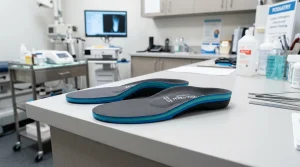
Did you know that calluses can be a common concern for individuals with diabetes due to altered foot sensitivity and circulation issues? These toughened patches of skin can lead to discomfort and even more severe complications if not addressed properly. Understanding how to prevent and treat calluses is vital for maintaining foot health and overall wellbeing in the diabetic community. In this article, we will explore practical prevention tips and effective treatment options tailored specifically for those managing diabetes. By empowering yourself with knowledge and strategies, you can protect your feet and enhance your quality of life. Let’s dive deeper into how you can keep your feet healthy and avoid the potential pitfalls associated with calluses.
Understanding Callus Formation in Diabetic Patients
Understanding callus formation requires recognizing the unique challenges faced by individuals with diabetes. Elevated blood sugar levels can damage nerves, particularly in the feet, which may hinder the sensation that normally alerts individuals to friction and pressure. As a result, areas of the skin may thicken to form calluses, acting as a protective mechanism against repeated stress. While calluses may seem harmless, they can lead to complications, especially in diabetics, so understanding their formation and impact is crucial.
Several factors contribute to callus formation in diabetic patients. Poor circulation, often a side effect of diabetes, reduces blood flow to the feet, impairing healing and increasing the risk of skin changes. Moreover, footwear plays a significant role; ill-fitting shoes can cause excessive friction, prompting the body to build up protective layers of skin. Additionally, fluctuations in blood glucose levels can lead to dehydration, making the skin dry and more prone to cracking. This makes it essential for diabetics to pay close attention to their feet and maintain proper foot care routines.
Taking proactive measures can greatly reduce the likelihood of callus development. Regularly inspecting the feet for changes, wearing well-fitted shoes, and utilizing moisture-rich creams can help maintain skin integrity. Engaging in daily foot care practices and seeking routine check-ups can foster early detection and effective management of any developing conditions. By prioritizing foot health, diabetic individuals can not only prevent calluses but also enhance their overall quality of life.
The Link Between Diabetes and Calluses
Elevated blood sugar levels in individuals with diabetes create a unique environment that can lead to various complications, including the formation of calluses. When blood glucose is poorly managed, nerve damage, particularly in the feet, can hinder sensations that typically signal friction or pressure. This absence of sensation may cause individuals to unknowingly rub their feet against surfaces, leading to the formation of calluses as the skin thickens in response to repeated stress. The challenge is compounded by the fact that calluses, while seemingly minor, can lead to more serious complications, such as foot ulcers or infections, especially in those with compromised circulation.
The interplay between diabetes and calluses involves several contributing factors. Poor circulation-common in diabetic patients-reduces blood flow to the extremities, which hampers the healing process and increases the susceptibility of the skin to changes associated with pressure and friction. Additionally, ill-fitting footwear can exacerbate the issue, leading to excessive friction that prompts the skin to develop protective layers. Moreover, fluctuations in blood sugar levels can lead to dehydration, causing the skin to dry out and making it more likely to crack. Addressing these variables is essential in minimizing the risk of callus formation.
While some may view calluses as simply a cosmetic concern, they should be considered a warning sign in individuals with diabetes. By understanding the connection between diabetes and calluses, individuals can take proactive steps toward prevention. Regular foot inspections, maintaining proper footwear, and consulting healthcare professionals about any concerns are key strategies for managing foot health. When individuals prioritize their foot care, they not only reduce the risk of callus formation but significantly enhance their overall well-being and quality of life. Taking these issues seriously is crucial, as early intervention and education can lead to improved health outcomes and lifestyle adjustments that promote greater self-care and diabetes management.
Common Causes of Calluses in Diabetics
Calluses are a common issue among individuals with diabetes, and understanding their causes is essential for effective management. One significant contributor is neuropathy, a condition resulting from prolonged high blood sugar levels that can lead to nerve damage. When the nerves in the feet are affected, individuals may lose the ability to feel normal sensations like pain or pressure. As a result, they may inadvertently subject their feet to excessive friction without realizing it. This unrecognized trauma triggers the skin to thicken, forming calluses as a protective response.
In addition to neuropathy, poor circulation plays a critical role in callus development. Diabetics often experience reduced blood flow to their extremities, which impedes the body’s ability to heal and can lead to dry, cracked skin. When the skin lacks adequate moisture, it becomes more susceptible to callus formation, making it vital for individuals to regularly hydrate their skin, particularly in the feet.
The choice of footwear is another factor that cannot be overlooked. Shoes that do not fit well can create areas of excessive friction and pressure, exacerbating callus development. Ill-fitting shoes often lead to additional complications such as blisters or fungal infections, which can pose serious health risks for diabetic individuals. Opting for well-fitted, supportive shoes with ample room for toes can significantly reduce the risk of calluses, helping to maintain foot health.
In summary, managing callus formation in diabetics requires a multifactorial approach. By understanding and addressing the interconnected issues of neuropathy, circulation, and appropriate footwear, individuals can take proactive steps toward preserving foot health and preventing further complications. Regularly consulting with healthcare professionals is crucial for tailored advice and monitoring health, enabling individuals to navigate their diabetes journey with confidence and ease.
Recognizing Symptoms: When to Seek Help
Recognizing the early signs that calluses are forming is crucial for anyone living with diabetes, as these seemingly innocuous skin changes can lead to more severe complications if not addressed promptly. Individuals with diabetes should routinely monitor their feet for symptoms that may indicate a developing problem. If left untreated, calluses can lead to infections or even ulcers, which pose significant health risks, particularly for those with reduced sensation due to neuropathy.
It’s essential to seek help if you notice any of the following symptoms:
- Unusual Thickening of Skin: Any significant increase in skin thickness on the feet that feels hard to the touch should be examined by a healthcare professional.
- Pain or Discomfort: Even mild pain or discomfort in the feet when standing or walking may indicate that calluses are becoming problematic.
- Redness or Inflammation: Noticeable redness or swelling around the callused area can indicate irritation or infection, requiring immediate attention.
- Cracks or Bleeding: If any cracks appear in the skin or if there is bleeding, it’s vital to seek medical advice, as these can lead to serious infections.
- Changes in Sensation: Any loss of sensation, tingling, or numbness in the feet should be evaluated by a specialist, as they might affect your ability to care for your feet properly.
Encouragingly, regular check-ups with a healthcare provider can help in the early identification of problematic calluses. In addition to routine foot exams, individuals should incorporate daily foot care practices such as inspecting feet for signs of changes or damage, moisturizing dry areas, and wearing appropriate footwear. Empowering yourself with knowledge and maintaining open communication with healthcare professionals are key strategies in navigating the complexities of diabetes management effectively. Remember, preserving foot health is a significant part of overall well-being in diabetic care, and acting swiftly on warning signs can help prevent more severe complications down the line.
Effective Prevention Strategies for Callus Formation
Effective management of callus formation is vital for individuals living with diabetes, as preventing these skin changes can help avert more serious complications. Keeping your feet healthy involves several proactive measures. One key strategy is to maintain stable blood sugar levels, which can help reduce the risk of neuropathy and other diabetic complications that contribute to callus development. Regular monitoring of blood glucose and adhering to your prescribed medication regimen will have far-reaching benefits for your overall foot health.
Additionally, establishing a daily foot care routine can greatly aid in prevention. Begin by inspecting your feet thoroughly each day. Look for any red or swollen areas, unusual marks, or signs of wear where calluses can form. Incorporating gentle exfoliation into your routine can help remove dead skin cells that might otherwise build up; however, it’s essential to be gentle, especially if you have reduced sensation. Moisturizing regularly with diabetic-friendly lotions can also keep your skin supple and prevent excessive thickening.
Footwear choices play a crucial role in preventing callus formation. Invest in well-fitting shoes that provide adequate support and cushioning. Avoid tight or narrow footwear that increases friction, as this can lead to heightened callus formation on pressure points. Consider using protective padding or orthotic insoles prescribed by a specialist, which can distribute pressure more evenly across your feet.
Lastly, engaging in regular professional foot care is invaluable. Schedule routine check-ups with your healthcare provider to assess foot health and receive treatment for any early signs of callus or other issues. Collaboration with your healthcare team ensures that you gain tailored advice suited to your specific needs, empowering you to maintain healthier feet and overall well-being in your diabetes management journey.
The Role of Footwear in Callus Prevention
Selecting the right footwear is essential for individuals with diabetes, especially when it comes to preventing callus formation. Poorly fitting shoes can exacerbate friction, leading to pressure points where calluses easily develop. Not only can these calluses cause discomfort, but they may also lead to more severe complications for those who might not feel injuries or changes in their feet due to neuropathy. As such, investing in proper footwear is a fundamental aspect of foot health management.
To help minimize callus formation, consider the following key points when choosing footwear:
- Fit: Always opt for shoes that provide a snug fit without being too tight. Shoes should have adequate width and depth to accommodate your foot shape. Look for options with a rounded toe box that allows your toes to move naturally.
- Cushioning: Proper cushioning absorbs shock and supports the foot’s structure. Shoes with ample padding can reduce pressure on problem areas, allowing for comfortable walking and standing.
- Material: Materials that breathe well help keep the feet dry, reducing the likelihood of moisture-related issues that can lead to callus development. Look for shoe options made from breathable fabrics.
- Heel Height: Shoes with a low heel can promote better foot alignment and comfort, reducing the forces that lead to callus formation.
In addition to choosing the right footwear, individuals should periodically assess their shoes for wear and tear. Shoes that have lost support or cushioning should be replaced to maintain foot health. Footwear designed specifically for diabetics often features protective elements like padded collars, seamless interiors, and adjustable straps to accommodate foot swelling and deformities commonly associated with diabetes.
Lastly, don’t underestimate the power of custom orthotics or supportive insoles. A podiatrist can recommend products that redistribute pressure away from susceptible areas of the foot, providing tailored protection. By making informed choices about footwear and regularly consulting with healthcare professionals, those living with diabetes can significantly reduce their risk of calluses and promote healthier feet overall.
Daily Foot Care Practices for Diabetic Individuals
Daily foot care is an essential practice for individuals with diabetes, as it plays a critical role in preventing complications like calluses, ulcers, and infections. Did you know that daily foot inspections can drastically decrease the risk of severe foot-related issues? Regular attention to foot health helps in identifying potential problems early, enabling timely intervention and care.
One of the most effective practices is to perform a thorough foot inspection each day. Look for any cuts, blisters, redness, swelling, or signs of infection, especially if you have reduced sensation in your feet due to neuropathy. Utilize a mirror if necessary to check the soles of your feet. It’s important to gently wash your feet daily with lukewarm water and mild soap, and always dry them thoroughly, paying special attention to the areas between the toes to prevent moisture buildup that can lead to fungal infections.
- Moisturize: Keeping your feet moisturized is vital; however, avoid applying lotion between the toes as this can encourage fungal growth. Choose a fragrance-free moisturizer that helps maintain skin elasticity.
- Proper Nail Care: Trim your toenails straight across to prevent ingrown nails. If nail care is challenging, consider seeking help from a podiatrist.
- Footwear Check: Inspect your shoes daily for any foreign objects or worn-out areas that might cause friction. Ensure your socks are clean, dry, and made of breathable materials that reduce friction.
Integrating regular foot exercises can promote circulation, reducing the risk of callus formation. Simple movements such as wiggling your toes, or rolling a tennis ball under your foot can boost blood flow. It’s also wise to schedule regular appointments with a healthcare provider or podiatrist. These professionals can offer tailored advice for foot care, help catch issues early, and offer treatments specific to your needs.
Empower yourself by establishing a daily foot care routine that you can manage easily. Set reminders or incorporate foot care into a part of your daily schedule. Taking these proactive steps not only protects your feet but enhances your overall well-being, allowing you to enjoy a more active lifestyle while effectively managing diabetes.
Top Treatment Options for Calluses
Managing calluses is essential for individuals with diabetes, as well-maintained feet can significantly reduce the risk of complications. Treatment for calluses can range from at-home remedies to professional interventions, depending on their severity. Here are some effective treatment options to consider.
- Regular Exfoliation: One of the primary methods for treating calluses is regular exfoliation. Using a pumice stone or foot scrub after soaking your feet in warm water can help remove the thickened skin. Aim to exfoliate gently to avoid irritation.
- Moisturizing Products: After exfoliating, moisturizing is crucial. Look for heavy creams or ointments rich in urea or salicylic acid, as these ingredients help soften the skin. These treatments can help keep your skin hydrated and prevent the formation of new calluses.
- Over-the-Counter Treatments: For thicker calluses, consider using over-the-counter products containing salicylic acid. These treatments help to break down the tough skin and can be effective when used consistently. Be sure to follow the instructions carefully to avoid damaging surrounding skin.
- Professional Care: If calluses become painful or do not improve with home treatments, seeking help from a podiatrist is advisable. They can safely remove calluses through debridement and provide personalized recommendations for ongoing care. Additionally, they can assess if structural foot issues contribute to callus formation.
Incorporating these treatment options into your foot care routine can help maintain foot health and prevent further complications, reinforcing the importance of both proactive prevention and effective treatment in diabetes management. Always consult with a healthcare professional before starting any new treatment to ensure it aligns with your overall health plan.
Home Remedies for Mild Callus Care
Regular foot care is essential for anyone living with diabetes, especially when it comes to managing calluses. These thickened areas of skin can lead to complications if not addressed properly, but many effective home remedies can help maintain foot health and comfort.
One powerful method to treat mild calluses involves soaking your feet. A warm foot bath with Epsom salt not only softens the skin but also promotes relaxation. After soaking, use a pumice stone or a foot file to gently exfoliate the callused areas. This should be done carefully to prevent skin irritation. For those looking for added hydration, a combination of natural oils, such as coconut oil or olive oil, can be massaged into the feet. The moisturizing properties of these oils will help keep the skin soft and minimize rough patches.
Another remedy involves the use of natural acids found in fruits. For instance, you can use lemon juice or apple cider vinegar as a gentle exfoliating agent. Applying these to the callused areas and leaving them on for about 20 minutes before rinsing can help dissolve the hardened skin. Additionally, following up with a thick foot cream can enhance hydration and sealing in moisture, which is critical for diabetic foot care.
For those who prefer a bit more DIY, creating a homemade foot scrub can be beneficial. Combine sugar or sea salt with a small amount of your favorite oil to make a thick paste. This scrub can gently exfoliate the feet while moisturizing them in one simple step. Regular use can help prevent calluses from returning and keep your feet feeling smooth.
While these home remedies can be effective for mild cases, it’s essential to monitor the condition of your feet regularly. Diabetic individuals should be vigilant about any changes and consult with a healthcare professional if calluses become painful or do not improve. Prioritizing daily foot care, along with these remedies, can help empower you in your diabetes management journey, ensuring you keep your feet healthy and comfortable.
When to Consult a Specialist for Treatment
Living with diabetes means being vigilant about your overall health, and this includes your feet. Did you know that calluses, if left untreated, can lead to serious complications such as infections or even foot ulcers? Therefore, knowing when to seek professional help for callus treatment is crucial for anyone managing diabetes.
If you notice that your calluses are becoming painful or inflamed, it’s time to consult a specialist, such as a podiatrist. Pain is often the body’s way of signaling that something isn’t right, particularly for diabetics, whose sensitivity can sometimes be diminished due to nerve damage. If calluses begin to crack or bleed, immediate medical attention is necessary to prevent infections, which can present a severe risk for those with diabetes.
Regular foot examinations are an essential part of diabetes care. Consider scheduling an appointment if you notice any changes in your skin color or temperature around the calloused area, swelling, or persistent irritation. A podiatrist can assess your feet to determine whether the callus is a sign of an underlying issue that may require more comprehensive treatment strategies. Additionally, if you have a history of foot ulcers or infections, preemptively consulting a foot specialist for persistent calluses is advisable.
It’s also important to consult a healthcare professional if you encounter difficulties managing your calluses with home remedies or over-the-counter treatments. They can recommend tailored treatment plans that might include specialized orthotic devices, prescription medications, or advanced therapies that aren’t typically available in retail settings. Regular check-ups are invaluable in ensuring that your feet remain healthy, combating the complications that diabetes can exacerbate, and empowering you to take charge of your foot health.
Nourishing Your Skin: Best Products for Callus Care
Taking good care of your skin is vital in diabetes management, especially when it comes to preventing and treating calluses. Diabetics often experience poor circulation and nerve damage, which can complicate skin health. Regular use of high-quality moisturizing products designed for diabetic feet can make a significant difference. Ingredients like urea, lactic acid, and shea butter not only hydrate but also gently exfoliate, helping to keep calluses in check while preventing dryness that could lead to cracking.
Recommended Products
When selecting products for callus care, look for foot creams and lotions that specifically target dryness and thickened skin. Here are a few options:
- Urea-Based Creams: These creams, like those formulated with 20-40% urea, are excellent for softening rough patches and are often recommended by podiatrists.
- Lactic Acid Lotions: These products, such as those containing 5-12% lactic acid, promote gentle exfoliation and moisture retention, which can be particularly beneficial for diabetic skin.
- Shea Butter and Coconut Oil: Natural emollients, like shea butter and coconut oil, provide deep moisture and can serve as an excellent base for homemade foot care mixtures.
- Diabetic Foot Creams: Look for specialized diabetic foot creams that are formulated with anti-fungal agents and natural ingredients designed specifically for the unique needs of diabetic skin.
Daily Care Practices
Incorporating a daily moisturizing routine can help maintain skin integrity and reduce callus formation. Apply moisturizer at least once a day, preferably after bathing when your skin is slightly damp. Be mindful to apply it to all your feet, including areas often overlooked, like between the toes and the edges of the soles.
Additionally, consider using a foot file or pumice stone for mild exfoliation-this can help prevent callus buildup. However, ensure to do this gently and not too frequently to avoid skin irritation, particularly if you have reduced sensation in your feet. Always follow up with a moisturizing treatment to lock in hydration.
In the quest for effective callus care, it’s paramount to ensure the products you choose align with your overall health plan. Always consult with a healthcare professional, such as a podiatrist, to tailor a foot care regimen that caters specifically to your diabetic needs. This proactive approach not only nurtures your skin but also empowers you to take control of your foot health, minimizing the risk of complications that can arise from untreated calluses.
Lifestyle Changes to Minimize Callus Issues
One surprising fact is that small lifestyle changes can significantly impact foot health in diabetics, potentially reducing callus formation and preventing serious complications. Maintaining optimal foot health is crucial for those living with diabetes, as the consequences of neglect can lead to infections, ulcerations, or even amputations. By adopting a proactive approach to foot care, individuals can enhance their overall well-being and quality of life.
A fundamental aspect of minimizing callus issues involves regular monitoring of foot health. This includes checking feet daily for any signs of calluses, blisters, or areas of redness that could indicate pressure or irritation. Keeping a journal or a checklist can help maintain this routine and ensure that no potential problems are overlooked. In addition, it is beneficial to stay physically active, as regular movement promotes healthy circulation, which is essential for skin health. Low-impact exercises, such as walking or swimming, are particularly advantageous for those managing diabetes.
Proper nutrition also plays a pivotal role in skin and foot health. Eating a balanced diet rich in whole grains, lean proteins, and plenty of fruits and vegetables helps in maintaining stable blood sugar levels, which can improve skin health over time. Aim to limit processed sugars and carbohydrates, which can lead to fluctuations in blood glucose and contribute to skin problems. Staying hydrated is another simple yet effective way to maintain skin elasticity and avoid dryness that leads to cracking and callus development.
Lastly, educating oneself about proper footwear is vital. Wearing well-fitted, supportive shoes reduces unnecessary friction and pressure on specific foot areas, significantly decreasing the likelihood of callus formation. Footwear should allow for adequate ventilation and provide cushioning, while socks should be made from moisture-wicking materials to keep feet dry. Additionally, consider seeking the advice of a healthcare professional or a podiatrist to explore orthotic options that can further customize support based on individual foot structure and needs. These small adjustments to daily routines and habits can lead to profound benefits in managing diabetes and preserving foot health.
Faq
Q: How can diabetics effectively prevent calluses?
A: Diabetics can prevent calluses by maintaining a daily foot care routine that includes washing and moisturizing feet regularly, wearing well-fitting shoes, and using protective pads if needed. Regularly inspecting feet for signs of calluses is also crucial to catching issues early. For more details, see our section on Effective Prevention Strategies for Callus Formation.
Q: What should diabetics look for when selecting footwear to avoid calluses?
A: When selecting footwear, diabetics should seek shoes that provide plenty of cushioning, adequate arch support, and a roomy fit. Avoiding seams that cause friction and opting for breathable materials can also help prevent callus formation. Visit our section on The Role of Footwear in Callus Prevention for further insights.
Q: Why are calluses a concern for diabetic patients?
A: Calluses can be a concern for diabetic patients because they may lead to skin breakdown and infections. Diabetics often have reduced sensation in their feet, making it harder to notice calluses before they cause complications. For a deeper understanding, refer to The Link Between Diabetes and Calluses.
Q: How often should diabetics moisturize their feet to prevent calluses?
A: Diabetics should moisturize their feet daily, preferably after bathing, to keep skin soft and prevent callus buildup. Opt for a thick, creamy moisturizer and ensure that it’s applied between the toes to prevent dryness in this area. More recommendations can be found in our Daily Foot Care Practices for Diabetic Individuals.
Q: What are some home remedies for treating calluses in diabetics?
A: Mild calluses in diabetics can be treated at home using a pumice stone or foot file after soaking feet in warm water. Always follow up with a moisturizer to keep the skin hydrated. For further treatment options, check our Top Treatment Options for Calluses section.
Q: When should diabetics seek professional help for callus treatment?
A: Diabetics should seek professional help if calluses become painful, red, or show signs of infection. Additionally, if home treatments don’t improve the condition, it’s advisable to consult a healthcare professional to prevent complications. Guidance on this topic can be found in our When to Consult a Specialist for Treatment section.
Q: Are there specific products recommended for callus care in diabetic patients?
A: Yes, diabetics should look for foot creams containing urea or salicylic acid, which help soften thickened skin. Products designed specifically for diabetic foot care can also provide added protection and nourishment. Explore our Nourishing Your Skin: Best Products for Callus Care section for product recommendations.
Insights and Conclusions
Managing diabetes effectively is crucial not only for your overall health but also to prevent complications like calluses. Remember, daily management, smart food choices, and regular consultations with healthcare professionals are key. Don’t wait-take action today by exploring our articles on diabetic-friendly meal plans and foot care tips to ensure you’re equipped for success. If you have concerns or need guidance, consider reaching out to a specialist who can provide personalized advice.
We encourage you to join our community by signing up for our newsletter for the latest insights and resources on diabetes management. Together, we can navigate the challenges of diabetes and empower each other on this journey. Share your thoughts and experiences in the comments below, and don’t forget to check out our resources on diabetic lifestyle and pet diabetes care for a well-rounded approach to health. Your proactive steps today can lead to a healthier tomorrow!
Diabetic Foot Mild Callus Formation: Hyperkeratosis and Subungual Hematoma Risks
In routine podiatric care, observing diabetic foot mild callus formation requires immediate professional attention rather than benign neglect. In neuropathic feet, focal pressure over prominent metatarsal heads triggers reactive epidermal hyperkeratosis. If unaddressed, this thickened callus acts like a foreign stone beneath the foot, multiplying peak plantar pressures by threefold and causing occult subcutaneous tissue autolysis and pre-ulcerative hemorrhage beneath the hardened skin.
| Callus Stage | Physical Characteristics | Subcutaneous Tissue Status | Mandatory Podiatric Intervention |
|---|---|---|---|
| Mild Diffuse Hyperkeratosis | Superficial yellowish thickening without pain or discoloration | Intact subcutaneous dermal architecture | Gentle debridement with scalpel (#10 blade); 20–40% urea keratolytic cream |
| Focal Nucleated Callus | Dense, localized hard keratin plug over bony prominence | Elevated microvascular shear stress; capillary bruising | Complete surgical reduction by licensed podiatrist; custom accommodative orthotics |
| Pre-Ulcerative Callus | Dark maroon or black pooling beneath callus plate | Active subcutaneous dermal necrosis & hematoma formation | Urgent surgical unroofing of callus; culture collection; wound offloading boot |
| Self-Treatment with OTC Acid Plasters | Chemical salicylic acid burn over numb neuropathic tissue | Full-thickness chemical tissue erosion and rapid infection | Strictly Contraindicated: Never use acid corn pads or razor blades |
Get our latest guides, news, and insights highlighted in your Google Search & AI Overviews.