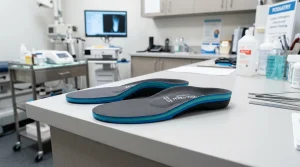
Navigating the complexities of medical billing for type 2 diabetes can be daunting, especially as we approach 2025. Understanding the CPT codes relevant to diabetes is crucial for obtaining the care you need while minimizing out-of-pocket costs. Did you know that effective management of diabetes can significantly reduce your risk of serious health complications? By familiarizing yourself with these codes, you empower yourself and your healthcare providers to ensure that you receive the necessary treatments and support. This guide will demystify the billing process, highlight key considerations, and offer practical tips to help you manage your diabetes effectively. Whether you’re a patient, caregiver, or healthcare professional, your journey to better health starts here-let’s explore the essential knowledge that will make medical billing less stressful and more manageable for everyone involved.
Understanding Type 2 Diabetes and Its Impacts
Type 2 diabetes presents not just a medical condition but a significant lifestyle influence that requires attention to daily management, food choices, and ongoing healthcare engagement. This form of diabetes arises when the body becomes resistant to insulin or when it cannot produce enough insulin to maintain normal glucose levels. Its prevalence among adults may lead to serious complications affecting the heart, kidneys, eyes, and nerves, making understanding its impact crucial for effective management.
Individuals navigating life with type 2 diabetes can benefit greatly from a comprehensive approach to their health. Daily management involves regular monitoring of blood sugar levels, adhering to prescribed medication regimens, and engaging in physical activity suitable for their lifestyle. Food choices are particularly vital; a balanced diet rich in whole grains, lean proteins, healthy fats, and abundant fruits and vegetables can help maintain stable blood glucose levels. It’s beneficial for families to share in these choices, fostering a supportive environment that promotes healthy eating habits.
Seeking medical care from healthcare professionals who specialize in diabetes management is essential. Regular check-ups allow for monitoring complications and adjustments to treatment plans as necessary. Additionally, referrals to specialists such as dietitians or diabetes educators can provide tailored guidance on carbohydrate counting, meal planning, and understanding nutritional labels, ensuring that patients feel empowered in their decision-making.
For those with pets also dealing with diabetes, applying similar principles can be equally important. Managing their diet and facilitating regular veterinary check-ups can help maintain your pet’s health. Practical shopping advice, like choosing low-glycemic foods and understanding product labeling, can diminish feelings of overwhelm and support a cohesive family effort in managing both human and pet diabetes.
Recognizing the interconnectedness of these factors strengthens an individual’s capacity to manage type 2 diabetes effectively. Professional medical consultation remains vital for all treatment decisions, ensuring that individuals receive the most appropriate, evidence-based recommendations tailored to their unique situations.
The Role of CPT Codes in Medical Billing
Navigating the complexities of medical billing can be daunting, especially for individuals managing a condition such as type 2 diabetes. The use of Current Procedural Terminology (CPT) codes is essential in facilitating this process, acting as a universal language for healthcare providers to communicate services rendered to patients. Each code corresponds to a specific service or treatment, streamlining the billing process and ensuring accurate reimbursement from insurance providers.
In the context of type 2 diabetes, certain CPT codes are crucial for capturing the array of services involved in management and treatment. When patients visit healthcare professionals for routine checkups, blood sugar monitoring, or dietary consultations, the correct CPT codes must be documented to reflect the nature of these services. This is not just a procedural necessity; failure to use the appropriate codes can lead to claim denials, resulting in unforeseen medical expenses for patients. Therefore, understanding the relevant CPT codes for diabetes care is vital for both patients and providers.
To support accurate billing practices, it is beneficial for all parties involved to remain informed about the key elements of CPT coding applicable to diabetes management. Here are a few pointers:
- Stay Updated: Regularly review and familiarize yourself with any changes or updates to the CPT codes, especially those related to diabetes.
- Documentation Matters: Detailed and accurate documentation of services provided is crucial for proper billing and reimbursement. Ensure that all aspects of patient care are logged thoroughly.
- Consult with Specialists: Work closely with healthcare providers and coding specialists to ensure that the billing reflects the complexity and nuances of diabetes management.
- Patient Engagement: Educate patients about their illnesses and the services they are receiving, empowering them to be proactive in managing their care and understanding their billing.
As healthcare continues to evolve, incorporating technological advancements and emphasizing personalized care, being proficient in CPT coding will enhance the efficiency of diabetes management and provide better support for patients. Ensuring that everyone is on the same page regarding billing practices not only reduces the burden of healthcare costs but also reinforces the overall management strategies necessary for living with type 2 diabetes. Always collaborate with qualified healthcare professionals to guide treatment decisions and billing practices, ensuring that patients receive the best possible care tailored to their needs.
Overview of Type 2 Diabetes CPT Codes for 2025
Navigating the world of medical billing can feel overwhelming, especially for individuals managing type 2 diabetes. In 2025, understanding the specific Current Procedural Terminology (CPT) codes related to diabetes care is critical for ensuring accurate communication between healthcare providers and insurance companies. These codes help represent the services rendered, which in turn facilitates proper reimbursements, alleviating financial pressures on patients and providers alike.
For type 2 diabetes, several CPT codes are particularly relevant. These include codes for routine check-ups, HbA1c testing, nutrition counseling, and diabetes education sessions. By using the correct codes, healthcare providers can ensure they receive appropriate reimbursement while patients avoid the frustration of claim denials. For instance, codes such as 83036 for carrier testing for glucose-6-phosphate dehydrogenase and 99213 for an established patient office visit can streamline billing by clearly defining the services rendered during patient appointments.
Educational resources for patients and healthcare providers alike are invaluable in this landscape. By fostering a strong understanding of these codes, patients can take an active role in their care management. It’s beneficial to regularly consult with healthcare professionals, such as certified diabetes educators or coding specialists, to stay updated on the latest coding guidelines related to diabetes management. Furthermore, maintaining meticulous records of all healthcare services received can prevent billing issues.
Engagement from both patients and providers is essential. Empower patients by equipping them with knowledge about their condition and its management, including discussions about insurance and billing processes. As the landscape of diabetes care continues to evolve, staying informed about CPT codes and their implications will enhance the experience for everyone involved, creating a smoother path toward optimal health outcomes.
Navigating the Medical Billing Process for Diabetes
Navigating the medical billing process can feel like an intricate maze, especially for individuals managing type 2 diabetes. The complexities of insurance coverage and the ever-changing landscape of medical coding can sometimes leave patients feeling overwhelmed. Understanding the essential components of this process can empower you to advocate for your health and financial well-being effectively. Knowing which Current Procedural Terminology (CPT) codes apply to your diabetes management can ease communication with healthcare providers and insurance companies, making the billing experience smoother.
To begin with, it’s crucial to familiarize yourself with the specific CPT codes that relate to diabetes care. These codes categorize various services, from routine check-ups to specialized treatments like HbA1c testing and nutritional consultations. For example, using code 83036 for glucose-6-phosphate dehydrogenase testing or 99213 for an established patient office visit clarifies the services provided, allowing for appropriate reimbursement. Familiarizing yourself with these codes can help you ensure that your healthcare provider submits claims correctly, reducing the chances of claim denials and unexpected out-of-pocket costs.
Additionally, many patients can benefit from creating a detailed record of all medical services received, as this data can be critical when resolving billing disputes or verifying claims. Don’t hesitate to ask your healthcare provider for a breakdown of services rendered and the corresponding codes – this transparency can clarify any potential confusion with billing and insurance. Engaging with a certified diabetes educator or a medical billing specialist can also provide invaluable insights into the nuances of billing related to type 2 diabetes, allowing you to stay well-informed about your rights and options.
Finally, proactive communication is fundamental. Establishing an open line of dialogue with your healthcare team regarding your treatment plan, the need for various services, and potential costs associated with your care allows you to make educated decisions about your diabetes management. Whether it’s discussing your regimen, requesting referrals, or understanding the insurance landscape, being informed will help you navigate this challenging process with confidence. By taking these steps, you not only enhance your healthcare experience but also strengthen your ability to manage your diabetes effectively.
Essential Components of Accurate Diabetes Billing
Navigating the landscape of diabetes billing requires a clear understanding of the specific components involved in accurate coding, as this knowledge can significantly ease the financial burden of managing type 2 diabetes. Many patients underestimate the importance of correctly identifying the Current Procedural Terminology (CPT) codes that correspond to their treatments and consultations. Accurate billing ensures that appropriate reimbursements are received and minimizes the risk of denied claims, which can cause unnecessary stress during an already challenging time.
To achieve accuracy in diabetes billing, it is vital to focus on several key elements:
- Specific Diagnosis Codes: Proper use of diagnosis codes like E11 for type 2 diabetes is essential for insurance claims. These codes detail the severity and complications of diabetes, enabling providers to justify services rendered.
- Comprehensive Service Documentation: Maintain detailed records of all services provided, including routine glucose monitoring, HbA1c tests, dietary consultations, and more. This documentation is crucial when submitting claims and resolving any disputes that may arise.
- Regular Communication with Healthcare Providers: Engaging proactively with your healthcare team ensures that you fully understand the services you receive and the corresponding CPT codes. Inquire about any tests or treatment options and their associated codes to ensure everything is accurately billed.
- Utilization of Certified Experts: Consider consulting with a certified diabetes educator or a medical billing specialist who can provide insight into correctly coding and billing diabetes-related services. They can help clarify complex billing scenarios and improve your overall understanding of the process.
Enhancing the accuracy of your diabetes billing not only helps in securing financial coverage but also fosters better health outcomes. When billing processes are managed well, individuals may focus more on their diabetes management rather than on navigating financial obstacles. Take charge of your health and finances by understanding these components, and collaborate with your healthcare providers to ensure informed choices that support your diabetes journey.
Common Mistakes in Type 2 Diabetes Coding
Many individuals navigating the complexities of type 2 diabetes may not realize that accurate coding is essential for proper medical billing and insurance reimbursement. Common mistakes in diabetes coding can lead to delays in treatment access, unexpected out-of-pocket expenses, or even claim denials. Understanding these pitfalls can empower patients and healthcare providers alike to ensure accurate billing, which ultimately supports optimal diabetes management.
One frequent error is the misuse of diagnosis codes. For instance, using general codes instead of more specific ones can weaken the justification for services. The code E11 signifies type 2 diabetes, but it also has several subcategories that capture complications, such as E11.65 for type 2 diabetes with hyperglycemia. Failing to specify the right diagnosis can lead to inadequate reimbursement and increased scrutiny from insurers.
Moreover, incomplete documentation often contributes to billing mistakes. Healthcare providers must ensure that all relevant details regarding patient interactions, treatments, and the rationale for specific tests are well-documented. For example, if a patient undergoes an HbA1c test, the healthcare provider should note not only the test but also the reasons it was ordered, the results, and how those results impact the patient’s diabetes management plan. Documentation discrepancies can prompt insurers to question the necessity of claims.
Another common mistake involves insufficient patient communication regarding CPT codes. Patients should actively engage with their healthcare teams, asking questions about the purpose of recommended tests and treatments and their respective codes. This proactive approach can help clarify any uncertainties and ensure that patients understand the services provided and their associated costs. Regular discussions foster a collaborative environment, enhancing the overall quality of care.
Lastly, many providers overlook the significance of staying updated on coding changes. Each year, new guidelines and codes may be introduced that significantly impact billing. Familiarizing oneself with these updates ensures that healthcare professionals can accurately code services and secure appropriate reimbursements. Utilizing resources such as the American Medical Association’s publications can be invaluable for staying informed.
By recognizing and addressing these common pitfalls, both patients and healthcare providers can navigate the billing process more effectively, facilitating a smoother diabetes care journey. Remember, informed discussions with qualified professionals can significantly enhance accuracy in billing and improve the overall management of type 2 diabetes.
How to Verify Insurance Coverage for Diabetes Care
Understanding your insurance coverage for diabetes care is crucial in managing the financial aspects of your health journey. A study by the American Diabetes Association highlights that nearly 1 in 4 individuals with diabetes are unable to afford the care they need, which underscores the importance of verifying what your insurance will cover. Here are some effective strategies for ensuring that you are fully aware of your insurance coverage and how it applies to your diabetes management.
To start, reach out directly to your insurance provider. You can usually find the customer service number on the back of your insurance card. Ask about your coverage’s specifics related to diabetes care, such as consultations with endocrinologists, prescription medications, necessary lab tests, and any required diabetes management supplies like glucose meters and insulin. Document the details you receive to reference later, including any coverage limits or prior authorization requirements.
Another avenue to consider is your healthcare provider’s office. Many practices have staff dedicated to helping patients navigate insurance issues. Don’t hesitate to ask them to check your coverage for specific procedures or products. They can also provide information about CPT codes relevant to your diabetes care, which can be crucial for discussing coverage specifics.
Utilizing Online Resources
Many insurance companies offer online portals where you can log in and view your policy details and coverage options. Take advantage of these digital tools to understand your benefits better. You can typically find lists of covered medications, treatment options, and possible co-pay amounts. These resources often include FAQs, which can clarify common coverage questions regarding diabetes treatment.
Understanding Essential Terminology
Familiarize yourself with key terms related to your insurance plan. Knowing the difference between in-network and out-of-network providers, co-pays, deductibles, and out-of-pocket maximums can help you navigate your healthcare costs more effectively. This understanding is vital for budgeting your expenses and ensuring that you have access to the care you need without incurring unexpected costs.
In sum, taking the time to research and confirm your coverage can significantly enhance your ability to manage diabetes effectively. By engaging actively with your insurance provider, utilizing your healthcare team, and understanding the relevant terminologies, you empower yourself to make informed healthcare decisions while minimizing financial burdens. Remember, navigating insurance can be complex, but it is a crucial element of your overall diabetes management plan.
Working with Healthcare Professionals for Accurate Coding
Accurate coding is essential in the complex landscape of diabetes management, particularly for those grappling with type 2 diabetes. One captivating statistic to note is that proper coding and billing can affect a patient’s access to necessary treatments and their overall health outcomes. Working closely with healthcare professionals ensures that the codes reflecting your treatment align with the services provided, facilitating smoother interactions with insurance providers and minimizing out-of-pocket expenses.
Engaging effectively with your healthcare team can significantly simplify the coding process. Start by discussing your treatment plan with your endocrinologist or primary care provider. Ensure they are aware of the latest coding guidelines and that they document the specifics of your treatment meticulously. This detailed documentation translates vital information into the correct CPT codes, which play a pivotal role in your insurance claims. Consider asking questions such as:
- What specific procedures or treatments will be coded for my diabetes management?
- Are there new coding changes for 2025 that I should know about?
- How can I ensure that the coding reflects my individual treatment needs?
In addition to direct conversations with providers, take advantage of collaborative tools available through most healthcare facilities. Many have integrated electronic health records (EHR) systems that can automatically populate coding as providers document care. These systems often include safeguards to reduce coding errors, but it is still beneficial to review the accuracy of these codes with your healthcare team.
Moreover, maintaining a proactive approach enhances accuracy in medical billing. If you receive any discrepancies in your billing statements or encounter issues with insurance claims, reach out to your healthcare provider’s billing department. They are typically equipped to clarify coding issues and can provide you with the necessary documentation to support your claims.
Navigating the intricacies of medical billing for diabetes care can be challenging, but empowering yourself through education, collaboration, and communication with healthcare professionals enables you to advocate effectively for your health and financial wellbeing.
Emerging Trends in Diabetes Treatment and Coding
The landscape of diabetes treatment and coding is rapidly evolving, driven by advancements in medical research, technology, and changes in healthcare policy. As we approach 2025, healthcare providers are honing in on strategies that not only improve patient care but also streamline the complexities of medical billing associated with diabetes management. One significant trend is the integration of continuous glucose monitors (CGMs) and advanced insulin delivery systems into treatment plans, which are increasingly becoming essential components of diabetes management. As more patients utilize these technologies, accurate coding regarding their usage is critical to ensuring appropriate reimbursement and access to these vital tools.
Moreover, the shift towards value-based care is prompting healthcare professionals to adopt a more holistic approach in treating Type 2 diabetes. This methodology encourages teams to address not just the clinical aspects of diabetes management but also the social determinants of health that impact patient outcomes. Coding for multidisciplinary care-such as nutrition counseling, diabetes education, and psychological support-has gained prominence, as these services play a critical role in empowering patients and promoting adherence to treatment plans. For 2025, practitioners should ensure that they’re familiar with the nuances of coding these additional services to enhance both patient support and billing accuracy.
Another emerging trend is the increased emphasis on telehealth. Remote monitoring and virtual consultations have proven essential in improving access to diabetes care, particularly for patients in underserved areas. The expansion of telehealth has necessitated updated coding practices to accurately reflect services rendered remotely. Healthcare professionals should remain informed about which CPT codes apply specifically to telehealth for diabetes management, ensuring providers can optimize their reimbursements while offering flexible care options to patients.
Lastly, engaging patients in their care through digital health tools is transforming the management of Type 2 diabetes. Mobile apps that track blood sugar levels, meal planning, and medication reminders are now commonplace. These tools not only foster patient engagement but also produce data that providers can utilize for more tailored treatment plans. Ensuring that the use of such technologies is properly coded will be vital as reimbursement policies continue to evolve with these innovations. Providers should advocate for equitable coding that captures the full spectrum of care, including the use of digital health resources, to enhance patient outcomes and ensure sustainable practices.
By staying informed about these emerging trends and best practices, healthcare providers can navigate the complexities of diabetes treatment and coding effectively, ensuring patients receive the comprehensive care they deserve while maximizing their reimbursement potential.
Maximizing Reimbursements: Tips for Healthcare Providers
In the ever-evolving landscape of healthcare, maximizing reimbursements for diabetes-related services requires a proactive and informed approach. With Type 2 Diabetes affecting millions, healthcare providers not only play a crucial role in patient care but also face the challenge of navigating complex medical billing processes. Understanding the nuances of CPT codes specific to diabetes treatment is essential for ensuring that providers receive the reimbursements they deserve while delivering high-quality care.
One effective strategy for enhancing reimbursements is to stay updated on the latest CPT codes that relate to new technologies and evolving treatment protocols. In 2025, continuous glucose monitors (CGMs), insulin pumps, and other digital health tools are likely to gain wider acceptance, influencing the specific codes that can be billed. Providers should regularly review coding manuals and attend relevant workshops to ensure they are familiar with the most current coding practices. This commitment to continuing education will help healthcare providers avoid undercoding or overcoding, both of which can lead to rejected claims or delayed payments.
Furthermore, incorporating a multidisciplinary care model can be beneficial for both patient outcomes and billing accuracy. When providing care for Type 2 Diabetes, it is essential to include services like nutrition counseling, mental health support, and diabetes education, as these play a significant role in long-term management. Utilizing the appropriate CPT codes for these services not only addresses various aspects of patient health but also enhances reimbursement potential. Providers should develop an interdisciplinary team approach that ensures all service components are documented and billed appropriately.
Lastly, leveraging technology such as electronic health records (EHR) systems can streamline the billing process. EHRs can help track patient interactions, treatment plans, and outcomes effectively. A well-implemented EHR can remind providers about coding requirements for various diabetes-related services and facilitate the submission of more accurate claims. Additionally, using patient management software that integrates with billing systems can help track outstanding claims and improve follow-up processes, thus reducing the time spent on administrative tasks and enhancing revenue cycle efficiency.
By focusing on these strategies-updating coding knowledge, adopting a multidisciplinary care approach, and utilizing technology-healthcare providers can effectively maximize their reimbursements while continuing to offer comprehensive and compassionate care to those managing Type 2 Diabetes.
Patient Resources for Understanding Diabetes Billing
Navigating the world of diabetes billing can feel overwhelming, but there are plenty of resources available to help patients and their families understand the complexities involved. From deciphering CPT codes to deciphering insurance policies, knowing where to turn for reliable information can make a significant difference in managing the financial aspects of diabetes care.
One vital resource is your healthcare provider’s office, which can offer clarity on what to expect regarding billing and insurance coverage. Healthcare professionals often have dedicated staff who specialize in patient billing and can help you understand how to interpret your bills, what CPT codes relate to your treatment, and which services may be covered by your insurance. Don’t hesitate to ask questions about the billing process; healthcare teams are there to support you.
Additionally, several professional organizations provide guidelines and resources related to diabetes management, including billing practices:
- American Diabetes Association (ADA): The ADA offers numerous resources that explain diabetes care, including potential costs and what services may be necessary for effective management.
- Centers for Medicare & Medicaid Services (CMS): This government body provides detailed information about Medicare coverage for diabetes-related supplies and services, allowing patients to understand what is covered based on their specific plan.
- National Diabetes Education Program (NDEP): The NDEP offers a wealth of information, including resources on cost-saving options for the management of diabetes.
Moreover, keeping organized records of your diabetes-related treatments and expenses can be invaluable. Start maintaining a spreadsheet or using a health management app to track your medical visits, treatments received, and corresponding CPT codes. This not only keeps you informed but also prepares you for discussions with your insurer about coverage questions or discrepancies.
Lastly, consider connecting with support groups, both online and in-person, where you can share experiences and learn from others in similar situations. These communities often share tips about navigating billing processes, insurance claims, and even recommendations for helpful software or local programs that assist with diabetes management. Remember, empowerment comes from understanding your healthcare journey, and being proactive in seeking out resources is a crucial step toward achieving that goal.
Future Changes in Diabetes CPT Codes: What to Expect
As the landscape of diabetes care continues to evolve, so too do the codes that facilitate accurate medical billing and reporting. For 2025, healthcare providers and patients alike should brace for noteworthy changes in the CPT codes specific to Type 2 diabetes management. These changes will not only affect how treatments are coded but also have significant implications for reimbursement and patient access to essential services.
One of the core advancements anticipated in 2025 is the introduction of updated codes that reflect the growing variety of treatment options available for Type 2 diabetes. As novel therapies and technologies emerge-such as continuous glucose monitors (CGMs) and newer classes of insulin-new codes will be established to capture these advancements accurately. For example, codes for remote patient monitoring and telehealth services, which gained prominence during the COVID-19 pandemic, will likely be expanded to include diabetes-specific applications, making it easier for patients to receive care from home.
Furthermore, as the emphasis on personalized medicine grows, we can expect coding revisions that accommodate individualized treatment plans. This means that providers will have greater flexibility to code for complex cases, ensuring that patients with comorbidities or those requiring multidisciplinary approaches are accurately represented in billing practices.
In preparation for these changes, healthcare providers should prioritize additional training in updated coding practices. Utilizing resources from professional associations, such as the American Diabetes Association, can help navigate these complexities effectively. Moreover, patients are encouraged to stay informed about these changes as they can directly impact out-of-pocket costs and insurance reimbursements. Having informed discussions with healthcare providers about the codes applied to their treatment will empower patients to advocate for their financial healthcare needs more effectively.
By equipping yourself with knowledge about upcoming CPT code changes, you can improve your understanding of the medical billing process and its implications for diabetes management. Awareness and preparation are essential in navigating the evolving landscape of diabetes care, ensuring both patients and providers can achieve the best possible outcomes in their healthcare journey.
FAQ
Q: What are the common CPT codes for Type 2 diabetes management in 2025?
A: Common CPT codes for Type 2 diabetes in 2025 include 99213 for established patients, 99214 for moderate complexity visits, and 83036 for hemoglobin A1c testing. It’s essential to check with the latest coding resources to ensure updated practices.
Q: How often should diabetes-related services be billed?
A: Diabetes-related services can typically be billed every 3 to 6 months, depending on the patient’s condition and treatment plan. Regular billing ensures that ongoing care and assessments are covered under insurance.
Q: Can telehealth services be billed for diabetes management?
A: Yes, telehealth services for diabetes management can be billed using specific CPT codes such as 99421-99423 for online evaluations. Ensure that the services meet payer guidelines for reimbursement.
Q: What are the essential modifiers for diabetes CPT codes?
A: Essential modifiers for diabetes CPT codes may include -25 for significant, separately identifiable evaluation and management services on the same day, and -59 for distinct procedural services. Understanding and applying these modifiers accurately is crucial for billing.
Q: How can healthcare providers avoid common coding errors in diabetes billing?
A: Healthcare providers can avoid common coding errors by staying current with coding guidelines and training staff on correct documentation practices. Regular audits can also help identify and rectify potential issues.
Q: What documentation is required for accurate diabetes billing?
A: Accurate diabetes billing requires documentation of the patient’s medical history, treatment plans, lab results, and any changes in condition. Comprehensive notes support coding choices and can facilitate easier claims processing.
Q: When should healthcare providers reassess diabetes treatment options for coding purposes?
A: Healthcare providers should reassess diabetes treatment options at least annually or when there are significant changes in the patient’s health status. This ensures that appropriate coding reflects the current treatment plan.
Q: How does insurance coverage influence diabetes CPT coding?
A: Insurance coverage influences diabetes CPT coding as different payers may have specific rules regarding what services are covered. Familiarizing yourself with each insurer’s policies can improve billing accuracy and reimbursements.
Closing Remarks
As you navigate the complexities of medical billing for Type 2 Diabetes in 2025, remember that understanding the CPT codes can drastically improve your practice’s efficiency and patient care. Equipping yourself with the right knowledge isn’t just beneficial-it’s essential for timely reimbursements and accurate billing. If you still have questions about daily diabetes management, lifestyle adjustments, or how to effectively collaborate with healthcare professionals, explore our detailed resources on diabetes diet planning and symptoms and causes.
Don’t let uncertainty hold you back; take the next step in mastering your medical billing processes today. Subscribe to our newsletter for ongoing tips and insights, and share your thoughts or experiences in the comments below to foster a supportive community. Together, we can make diabetes management more effective. Remember, informed decisions lead to better health outcomes, so continue exploring our content for the tools you need to succeed!
CPT Code for Type 2 Diabetes Mellitus: Evaluation and Management Coding Rules
Determining the appropriate cpt code for type 2 diabetes mellitus requires analyzing the Medical Decision Making (MDM) level and patient encounter complexity. While ICD-10 code E11 classifies the diagnosis, clinical outpatient office visits are billed under Evaluation and Management (E/M) CPT codes 99202–99215 alongside specialized chronic care management codes.
| CPT Code | Encounter Complexity | Typical Clinical Presentation | Medical Decision Making (MDM) |
|---|---|---|---|
| 99213 | Low Complexity (Established) | Well-controlled type 2 diabetes on stable oral metformin; no complications | Low MDM: 2 minor problems or 1 stable chronic illness; low risk |
| 99214 | Moderate Complexity (Established) | Uncontrolled diabetes with severe HbA1c elevation or comorbid neuropathy/hypertension | Moderate MDM: 1 chronic illness with exacerbation or prescription drug management |
| 99215 | High Complexity (Established) | Severe hypoglycemia requiring emergency intervention, severe DKA, or sepsis | High MDM: Chronic illness with severe exacerbation or high risk of morbidity |
| 99490 | Chronic Care Management (CCM) | At least 20 minutes of non-face-to-face care coordination per calendar month | Requires continuous care plan for multiple qualifying chronic conditions |
Get our latest guides, news, and insights highlighted in your Google Search & AI Overviews.