Managing diabetes while pursuing a commercial driving license (CDL) can seem daunting, yet understanding the Department of Transportation (DOT) requirements is essential for drivers with Type 2 diabetes. It’s crucial to grasp how this medical condition can affect your ability to drive safely and meet regulatory standards. By exploring these guidelines, you’ll be better equipped to navigate the CDL medical exam process, ensuring that you can pursue your career aspirations without compromising your health. With the right preparation, knowledge, and support, you can confidently maintain your lifestyle and achieve your professional goals. Keep reading to discover the key requirements and helpful tips that will empower you on your journey.
Understanding DOT Regulations for Diabetes Type 2
Diabetes can be particularly daunting for those seeking to obtain or maintain a Commercial Driver’s License (CDL), especially given the rigorous standards set by the U.S. Department of Transportation (DOT). Understanding these regulations is crucial for drivers with Type 2 diabetes, as they navigate the complexities of maintaining their health while fulfilling the demands of their job. The DOT allows individuals with diabetes to obtain a CDL, provided they meet specific medical criteria. Successfully doing so not only paves the way for continued employment but also reinforces the importance of proactive health management.
Regulations primarily focus on ensuring that drivers can operate commercial vehicles safely. For individuals with diabetes, this includes demonstrating that their condition is under control to prevent hypoglycemic episodes while driving. To that end, the DOT requires comprehensive medical evaluations as part of the CDL medical exam. Applicants are typically required to provide documentation, including medical history and the results of blood sugar tests. These measures are designed to protect not only the driver but also everyone on the road.
Another vital aspect of the process is the importance of continuous health monitoring. Drivers should work closely with their healthcare providers to develop robust diabetes management plans that include regular blood sugar monitoring, maintaining a balanced diet, and understanding the signs of hypo- and hyperglycemia. Affirmative actions, such as carrying quick sources of glucose and wearing medical identification, can be invaluable. Taking responsibility for one’s health is not only a DOT requirement but also a personal commitment to safety.
In conclusion, while navigating DOT regulations may seem intimidating, having a clear understanding of what is required can empower individuals with diabetes. By engaging in proactive health management and knowing the DOT’s medical standards, drivers can successfully secure their CDL and promote safety on the road.
The Importance of the CDL Medical Exam
One of the vital components for obtaining a Commercial Driver’s License (CDL) is the medical exam mandated by the U.S. Department of Transportation (DOT). This examination serves as a critical checkpoint, ensuring that all drivers, including those with Type 2 diabetes, can drive safely and effectively while managing their health conditions. Interestingly, the DOT recognizes that individuals with diabetes can be safe and competent drivers, as long as they meet specific medical standards and demonstrate effective management of their condition.
During the CDL medical exam, medical examiners evaluate various factors, including the driver’s medical history, blood sugar levels, and overall health status, to assess if diabetes is well-controlled. Individuals should prepare for this evaluation by gathering necessary documentation, such as recent medical records and blood glucose readings. A thorough understanding of one’s condition, including recognition of triggers for hypo- or hyperglycemic episodes, can significantly bolster the exam process.
To navigate the medical exam positively, establishing a support system with healthcare providers is invaluable. Regular check-ups and consultations can help drivers establish and adhere to a personalized diabetes management plan. This plan may involve careful monitoring of blood glucose levels, awareness of dietary choices on the road, and strategies for ensuring quick access to glucose in case of an emergency. By proactively managing diabetes, drivers not only adhere to DOT regulations but also enhance their own safety and that of others on the road.
Preparation Tips:
- Document medical history, including diabetes management and any related conditions.
- Stay consistent with regular blood sugar testing before the exam.
- Discuss any concerns with a healthcare provider prior to the exam to address potential issues that may arise.
- Prepare to demonstrate knowledge of diabetes management strategies, such as dietary habits and emergency procedures.
In conclusion, the CDL medical exam is not merely a regulatory formality but a crucial opportunity for drivers with Type 2 diabetes. By taking proactive steps in their health management and understanding the examination process, drivers can effectively demonstrate their ability to operate commercial vehicles safely while living with diabetes. With adequate preparation and a well-managed health plan, securing that CDL can become a much more achievable goal.
Eligibility Criteria for Commercial Drivers
To drive commercially in the United States with a Commercial Driver’s License (CDL), individuals must navigate specific eligibility criteria set by the U.S. Department of Transportation (DOT). Understanding these criteria is crucial, especially for those managing Type 2 diabetes. The DOT acknowledges that individuals with diabetes can operate commercial vehicles safely, provided their condition is well-controlled, demonstrating that many people living with diabetes can successfully meet the rigorous standards required for a CDL.
The primary requirements often include the following considerations:
- Medical Examination: A comprehensive medical examination conducted by a certified medical examiner is mandatory. This exam assesses the driver’s overall health, including blood glucose levels and diabetes management strategies.
- Control of Diabetes: Candidates must show that their Type 2 diabetes is well-managed, typically evidenced by consistent blood sugar levels and no severe hypoglycemic episodes in the recent past.
- Documentation: Having appropriate documentation is vital. This includes recent medical records and a diabetes management plan outlining how the condition is monitored and treated. It’s advisable to present detailed glucose logs and other relevant medical information during the exam.
- No Disqualifying Conditions: Apart from diabetes, prospective drivers must not have any other medical conditions that could impair their ability to drive safely, such as uncontrolled hypertension, vision issues, or sleep apnea.
If a driver with Type 2 diabetes can comply with these criteria, including showing evidence of regular check-ups and an effective management plan, they may qualify for a CDL. It’s important to establish a relationship with healthcare providers who understand the unique challenges faced by diabetic drivers.
Adhering to DOT requirements regarding diabetes management can empower drivers, ensuring both their safety and that of others on the road. Emphasizing the importance of maintaining a healthy lifestyle, such as nutritious eating and regular monitoring of blood sugar levels, can also enhance the driver’s ability to maintain their driving qualifications. Ultimately, by focusing on well-rounded health management strategies, individuals with Type 2 diabetes can successfully navigate the path to obtaining their CDL.
Required Documentation for Diabetes Type 2
To successfully navigate the requirements for obtaining a Commercial Driver’s License (CDL) while managing Type 2 diabetes, presenting thorough and accurate documentation is crucial. The U.S. Department of Transportation (DOT) emphasizes the importance of demonstrating that your diabetes is well-managed and you’re able to maintain safety while driving. A well-prepared candidate will have several key documents ready for review during the CDL medical exam.
Begin with your diabetes management plan. This plan should outline your strategies for monitoring your blood glucose levels, dietary choices, exercise routines, and any specifics about medication or insulin use. It should detail how you manage your diabetes on a daily basis, including steps taken to prevent hypoglycemic episodes. Such a comprehensive overview not only shows that you’re proactive about your health but also provides a roadmap for how you’ll handle diabetes while on the road.
Next, bring recent medical records from healthcare providers who manage your diabetes. This can include lab results that show your A1C levels, attendance records for regular check-ups, and notes from your healthcare team regarding your condition’s stability. Keeping a meticulous log of your glucose levels can be incredibly beneficial, as it offers a snapshot of how well your diabetes is under control. You may want to collect this information over several months to present a robust case for your CDL eligibility.
Documentation of no disqualifying conditions is equally vital. This means ensuring you provide records or letters from specialists indicating that you do not have any other medical conditions that could impair your ability to drive safely. Such conditions may include uncontrolled hypertension, untreated vision problems, or sleep apnea, which could complicate your CDL application process. Furthermore, conveying to your medical examiner that you’re receiving appropriate treatment for any other conditions can enhance their confidence in your overall health and safety as a driver.
Lastly, prepare a log of your glucose levels and any incidents of hypoglycemia or hyperglycemia, documented over a period of time. This demonstrates not only your commitment to managing your diabetes but also provides the examiner with factual information that may influence their assessment. Detailed records showcase your ability to recognize and effectively manage fluctuations in blood sugar, offering peace of mind about your competency as a safe driver.
By organizing and presenting these documents, you can create a compelling case for your ability to manage Type 2 diabetes while holding a CDL. This dedication to transparency and health management can significantly empower you on your journey toward safe and successful commercial driving.
Managing Diabetes During the CDL Exam Process
A CDL medical exam can be a daunting experience, especially for drivers managing Type 2 diabetes. However, understanding how to navigate this process effectively can significantly bolster your confidence and improve your chances of passing the exam. This pivotal step not only assesses your medical fitness to drive but also provides an opportunity to demonstrate your commitment to responsible diabetes management.
Effective management of diabetes during the CDL exam process begins long before you step into the examination room. Start by preparing a comprehensive diabetes management plan. This plan should clearly outline your daily routine, including how you monitor your blood sugar levels, your dietary choices, and your medication regimen. For instance, if you’re utilizing continuous glucose monitoring (CGM) technology or a specific insulin schedule, ensure you can explain these details succinctly to your medical examiner. Conveying that you actively manage your condition signals your readiness to maintain safe driving practices.
During the exam, your ability to manage diabetes effectively will also showcase your awareness of potential complications, such as hypoglycemia. Real-life scenarios-like recognizing early signs of low blood sugar (e.g., dizziness, sweating) and knowing how to respond (e.g., carrying glucose tablets)-reflect your preparedness for life on the road. If you have documented any episodes of low or high blood sugar, be ready to discuss how you handled these situations. This real-world understanding can give the examiner greater confidence in your ability to drive safely while managing your diabetes.
Don’t underestimate the power of maintaining communication with your healthcare team. Before your CDL exam, discuss any concerns or questions regarding the process with your doctor. They can provide valuable advice and possibly even a letter supporting your medical fitness, which you can present during the examination. Such referrals not only add credibility but also reinforce your proactive approach to manage your diabetes.
As you approach the exam day, remember that stress management is crucial. Practicing relaxation techniques, such as deep breathing or visualization, can help alleviate anxiety surrounding the medical exam. Furthermore, ensure you’ve eaten appropriately prior to your appointment to maintain stable blood sugar levels, allowing you to perform your best during the exam. By combining preparedness, effective communication, and stress management, you’ll position yourself favorably for success in the CDL examination process while managing your diabetes.
How to Prepare for Your CDL Medical Exam
Preparing for the CDL medical exam can be a pivotal moment for commercial drivers managing Type 2 diabetes, highlighting the importance of organization and understanding of how diabetes affects driving. Many drivers find success by creating a detailed diabetes management plan that outlines their daily routines, including blood sugar monitoring methods, dietary choices, and medication schedules. This comprehensive approach not only equips you to describe your management strategies clearly but also demonstrates your commitment to safe driving practices.
A successful preparation strategy includes the following key elements:
1. Gather Required Documents
Before your exam, compile all necessary documents to support your diabetes management. This can include:
- A log of your blood sugar readings, especially if you use a Continuous Glucose Monitor (CGM).
- Details of your medication regimen, including dosages and timing.
- Any letters from your healthcare provider that attest to your medical fitness and management capabilities.
Having these documents readily available during your CDL exam can help reassure the examiner of your proactive approach to managing your diabetes.
2. Practice Communicating Your Management Plan
Think of your CDL medical exam as an opportunity to showcase your proactive diabetes management. Be prepared to discuss how you monitor and control your condition. For instance, knowing and being able to articulate your target blood glucose ranges, what to do in case of hypoglycemia, and how you plan for meals while on the road are all critical discussions to prepare for.
Consider role-playing with a friend or family member to practice concise, confident responses that demonstrate your knowledge and preparedness. This level of preparation not only helps reduce exam-day anxiety but also instills confidence in your ability to manage your diabetes while driving.
3. Manage Stress and Focus on Lifestyle Choices
Mental clarity is crucial for the CDL medical exam, and managing stress can significantly impact your performance. Prior to your appointment, consider incorporating relaxation techniques into your routine, such as meditation, gentle exercise, or deep-breathing exercises. Additionally, ensure you maintain a balanced diet leading up to the exam, as good nutrition can help stabilize your blood sugar levels. On the exam day, eat a healthy meal before your appointment to avoid any lows.
By understanding and preparing for what to expect during your CDL medical exam, drivers with Type 2 diabetes can substantiate their readiness to maintain safe driving practices, ultimately paving the way for a successful certification process. You’re not just preparing for an exam; you’re also setting the stage for a healthy, productive driving career. Always consult with your healthcare team for personalized advice and strategies to best manage your diabetes along the way.
Common Challenges and Solutions for Diabetic Drivers
Driving with diabetes can present a variety of challenges that require careful management and forethought. Many commercial drivers with Type 2 diabetes face issues like fluctuating blood sugar levels, the stress of long hours on the road, and the temptation of unhealthy food options at truck stops. However, understanding these challenges and implementing practical solutions can empower drivers to maintain their health without compromising their careers.
One common challenge is maintaining stable blood sugar levels while on the go. Drivers may experience lows during long stretches without food, which can impair their ability to drive safely. To combat this, it’s essential to establish a routine for meal planning that incorporates healthy snacks. Carrying portable, healthy options such as nuts, fruit, or yogurt can help manage hunger and prevent blood sugar drops. Additionally, setting alarms or reminders for meals can help ensure that drivers eat at regular intervals, even on the busiest of days.
Another significant hurdle is managing stress effectively. The pressures of deadlines and the demands of life on the road can lead to stress-induced blood sugar spikes or drops. Incorporating stress-relief techniques such as deep breathing, short exercise routines during breaks, or mindfulness practices can be transformative. Finding a calming routine, such as listening to music or podcasts during downtime, can also help maintain emotional equilibrium and improve focus behind the wheel.
Additionally, drivers often face limited access to healthy food choices while traveling. To mitigate this, preparing meals in advance and investing in a good cooler can drastically improve dietary options. When dining at rest stops, looking for establishments that offer salads or grilled options may offer better nutrition than traditional fast food. Understanding how to read nutritional information and make healthier choices on the fly can significantly contribute to overall success in managing diabetes.
Lastly, it’s vital for drivers to stay in touch with healthcare professionals and regularly attend check-ups to adjust their management plans as needed. Building a strong support network with healthcare providers is essential. This may include obtaining referrals to specialists or diabetes educators who can provide tailored advice on nutrition, exercise, and medication management specific to life on the road.
By proactively addressing these common challenges, drivers with Type 2 diabetes can ensure they remain healthy and compliant with DOT regulations while enjoying a long and fulfilling career in commercial driving.
Nutrition & Lifestyle Tips for Drivers with Diabetes
Maintaining optimal health while on the road is not just a goal; it’s a necessity, especially for drivers with Type 2 diabetes. Did you know that with thoughtful planning and mindful choices, you can better manage your diabetes without sacrificing the enjoyment of driving? Implementing effective nutrition and lifestyle strategies is crucial for sustaining healthy blood sugar levels, boosting energy, and ensuring compliance with DOT regulations.
One of the most critical aspects of managing diabetes is making informed food choices, particularly while traveling. Meal planning is your best friend. Consider packing snacks that are high in fiber and protein, such as mixed nuts, Greek yogurt, or whole-grain wraps filled with lean protein and vegetables. When deciding where to eat at truck stops, aim for establishments with healthier options, such as grilled chicken salads or veggie-heavy sandwiches. Knowing how to navigate menus and select healthier sides can turn a seemingly unhealthy meal into a nutritious one.
Developing Healthy Routines
Establishing a daily routine can help drivers stay on track with their diabetes management. Set specific times for meals and snacks, and stick to these times as closely as possible. Using apps to track food intake and blood glucose levels can be incredibly beneficial. Many diabetics find that keeping a quick-reference guide or chart of safe foods handy makes it easier to stick with nutritious choices while on the road.
Consider the following lifestyle tips to complement your nutritional strategy:
- Stay Hydrated: Drinking water not only keeps you hydrated but can also help avoid unnecessary cravings.
- Practice Portion Control: Use measuring cups or even visual cues (like using your palm for protein portions) to avoid overeating.
- Limit Sugary Snacks: While it might be tempting to indulge, try to keep sweets to a minimum to maintain stable blood glucose levels.
Integrating Physical Activity
Incorporating physical activity into your routine, even while on the road, can significantly influence diabetes management. Simple exercises, such as stretching, short walks during breaks, or using a resistance band while parked, can enhance blood flow and improve your mood.
Overall, managing diabetes requires consistent effort and a keen awareness of your body’s needs. Regularly consulting with healthcare professionals, such as nutritionists and diabetes educators, can provide tailored strategies and deepen your understanding of how to manage your condition effectively. With the right tools, knowledge, and support, drivers can lead healthy, fulfilling lives while adhering to DOT requirements.
Medication Management While on the Road
Managing diabetes while on the road comes with its own unique set of challenges, especially when it comes to medication. It’s essential for drivers with Type 2 diabetes to remain disciplined and proactive about their treatment regimen, ensuring they have all necessary medications readily available. One of the key factors in managing diabetes effectively is the adherence to prescribed medication schedules, which can be complicated by long hours on the road and changing routines.
Before embarking on a trip, it’s wise to plan ahead by packing a sufficient supply of medications. This includes not only oral diabetes medications but also any necessary insulin supplies, syringes, or glucose monitoring devices. Consider using a travel organizer to keep everything in one place and easily accessible. Always keep these items within easy reach, and not in the trunk or storage compartment, to avoid forgetting them during quick stops. Additionally, it’s beneficial to have a list of pharmacies along your route in case you need to refill prescriptions or if an emergency arises.
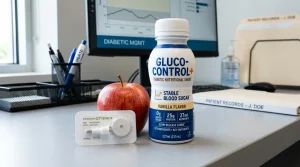
Regular blood sugar monitoring is crucial, especially as driving can lead to unforeseen changes in glucose levels due to stress, variable meal times, or physical activity. Drivers should always carry a glucometer and, importantly, a source of fast-acting sugar for hypoglycemic episodes, such as glucose tablets or juice boxes. Setting reminders on a phone or using diabetes management apps can help in remembering when to check blood sugar levels, ensuring that any necessary adjustments to medication can be made in a timely fashion.
Lastly, communication with healthcare providers should not be overlooked. Drivers are encouraged to establish a routine of regular check-ins with their healthcare professionals for medication management and adjustments based on their lifestyle demands. This collaborative approach empowers drivers to make informed decisions and maintains their health and safety on the road, aligning with best practices outlined in DOT regulations. By taking these precautions, drivers can navigate their journeys with confidence, knowing they have the support and resources needed to manage their diabetes effectively.
Maintaining Healthy Blood Sugar Levels as a Driver
Maintaining stable blood sugar levels while driving can be particularly challenging, yet it is crucial for both your safety and that of others on the road. The stress of traffic, irregular meal times, and limited access to healthy food make it essential for drivers with Type 2 diabetes to be proactive in their management strategies. Studies have shown that fluctuations in glucose levels can impair cognitive function and reaction times, underscoring why effective management of diabetes is not just a personal concern but a public safety issue.
To maintain healthy blood sugar levels as a driver, it is vital to establish a structured routine that incorporates regular monitoring and meal planning. Start by keeping a portable glucometer handy, enabling you to check your blood sugar levels easily during breaks. You should aim for monitoring multiple times a day, especially before meals and driving, to prevent surprises. Having a source of fast-acting carbohydrates, such as glucose tablets or snacks, can provide quick relief in case of low blood sugar.
Smart Eating on the Road
Eating well while on the road doesn’t have to be a hassle. Consider packing your meals ahead of time. Focus on low-glycemic index foods that provide sustained energy without causing spikes in blood sugar. Here are some tips for smart eating on the go:
- Prepare Balanced Meals: Incorporate vegetables, lean proteins, and healthy fats. Think salads with grilled chicken and olive oil, or whole grain wraps filled with turkey and spinach.
- Snack Wisely: Choose nuts, yogurt, or fresh fruit to avoid processed snacks high in sugar.
- Stay Hydrated: Drink plenty of water and keep hydrating options like herbal teas or flavored sparkling water handy instead of sugary drinks.
Utilize Technology and Resources
Leverage technology to your advantage. Many mobile apps are designed for diabetes management, offering features that help track your food intake, blood sugar levels, and medication schedules. Some apps even allow you to set alerts for check-ups or reminders to eat. Additionally, ensure you have access to a map or GPS system that includes nearby grocery stores and pharmacies, allowing you to make informed stops along your route.
Creating a routine for regular consultations with healthcare professionals can also enhance your diabetes management. These check-ins can help you adjust your treatment plan based on your driving lifestyle and dietary choices. Their guidance is critical, as managing diabetes effectively often requires professional oversight to avoid complications.
By incorporating these practices and resources into your driving routine, you can maintain balanced blood sugar levels, ensuring not only your health but also the safety of your fellow road users. Remember, effective management starts with careful planning, regular monitoring, and a supportive healthcare network.
Specialist Referrals for Comprehensive Diabetes Care
Navigating diabetes management while fulfilling the requirements of holding a Commercial Driver’s License (CDL) can be complex, particularly when it comes to understanding the role of specialist referrals. In an era where health management is increasingly collaborative, establishing strong connections with diabetes care specialists can significantly enhance both your well-being and your ability to drive safely. For commercial drivers living with Type 2 diabetes, having a dedicated healthcare team that understands their unique challenges is not just beneficial-it’s essential.
Regular consultations with various specialists are key to formulating a comprehensive diabetes management plan. An endocrinologist plays a vital role in assessing and adjusting diabetes medications, particularly for those drivers who may face fluctuating glucose levels due to irregular schedules or stress related to driving. Furthermore, a registered dietitian can provide personalized meal plans that cater to the driver’s lifestyle while adhering to dietary needs. They can teach practical ways to prepare healthy meals on the go and recommend smart snack choices that can help keep energy levels consistent and blood sugar stable.
The Importance of Continuous Support
Routine check-ins with a diabetes educator can also ensure that you stay informed about the latest management techniques and technologies. With advancements in diabetes care, having a knowledgeable educator can help you make informed choices about glucose monitoring devices and insulin administration, especially when you’re on the road. Additionally, specialists can offer insights into potential complications and how they might affect your ability to drive, enabling proactive management strategies to mitigate risks.
The role of mental health in managing diabetes should not be overlooked. Referral to a psychologist or counselor who specializes in chronic health conditions may provide critical support for drivers navigating the psychological impacts of their diagnosis. These professionals can assist in addressing stress management techniques, enabling you to handle the pressures of the road more effectively while maintaining your overall health.
Creating a Supportive Care Network
Cultivating a supportive care network involves proactive communication among all members of your healthcare team. Share your driving schedule and any concerns regarding your diabetes management during your visits. This knowledge enables the entire team to tailor their recommendations to fit your unique needs. Whether it’s adjusting medication dosages based on your work routine or strategizing meal plans that accommodate your driving hours, a comprehensive approach empowers you to take control of your health without sacrificing your driving responsibilities.
By integrating specialist referrals into your diabetes management strategy, you’re not just adhering to DOT regulations-you’re prioritizing your health and enhancing your ability to perform effectively on the road. Making informed decisions about your care ensures that you remain a safe and responsible commercial driver while managing your diabetes effectively.
Adapting Your Daily Routine for Diabetes Management
Managing diabetes alongside the demands of a commercial driving career requires thoughtful integration of health practices into daily routines. One critical strategy is the establishment of a consistent schedule that accommodates meal times, medication administration, and blood sugar monitoring. For instance, creating a meal plan that fits your driving hours can ensure you maintain stable energy levels and avoid excessive hunger, which can lead to poor decisions and unsafe driving conditions. It’s helpful to pre-pack healthy snacks like nuts, yogurt, or whole-grain wraps, making them easily accessible during long hauls.
H3: Prioritizing Meal Timing and Nutrition
Timing is everything when it comes to managing your blood sugar. When planning your meals, aim for small, balanced meals every few hours that include a mix of carbohydrates, protein, and healthy fats. Here are tips to help you adhere to healthy eating habits on the road:
- Plan ahead: Meal prep during your downtime to ensure you have controlled portions and nutritious options available.
- Stay hydrated: Keep water handy and hydrate regularly to support overall health and blood sugar control.
- Mindful eating: Pay attention to portion sizes, and try to eat without distractions to better gauge satiety and prevent overeating.
H3: Incorporating Physical Activity
Finding opportunities for movement throughout the day is another essential component of diabetes management for drivers. Even short bursts of activity can significantly impact how your body processes glucose. Here are a few ideas for integrating exercise into your driving routine:
- Stretch during breaks: Use rest stops to do simple stretches or short walks to promote circulation and insulin sensitivity.
- Park strategically: Choose parking spots at truck stops that are farther away from your destination to increase your walking distance.
- Utilize downtime: If you have waiting periods, consider doing light exercises, such as seated leg lifts or arm circles.
Lastly, routine monitoring of your blood sugar levels is vital. Keep a blood glucose meter on hand and check your levels regularly, especially before and after long driving periods. Knowing how different foods and activities affect your glucose will empower you to make informed decisions and prevent hypoglycemic events while driving. Adapting your daily routine to prioritize these practices not only adheres to DOT requirements but also significantly enhances your overall health and safety on the road. Establishing a supportive care network, coupled with these daily habits, can profoundly impact your success in managing diabetes while fulfilling your driving duties effectively.
Q&A
Q: What are the specific DOT medical requirements for drivers with Type 2 diabetes?
A: The DOT requires that drivers with Type 2 diabetes provide medical documentation confirming their condition is well-managed. This includes recent lab results showing stable blood sugar levels and a doctor’s evaluation stating they are fit to drive. More details can be found in the section on Required Documentation for Diabetes Type 2.
Q: How can I prepare for my CDL medical exam if I have Type 2 diabetes?
A: To prepare for your CDL medical exam, gather all relevant medical records, including blood sugar tests and information on your diabetes management plan. Consult your healthcare provider to ensure your condition is stable prior to the exam, as detailed in the Preparing for Your CDL Medical Exam section.
Q: What should I expect during the CDL medical exam as a diabetic driver?
A: During the CDL medical exam, expect a thorough evaluation of your medical history and current health condition. The examiner will assess your diabetes management and stability. Preparation tips can be found in the Managing Diabetes During the CDL Exam Process section.
Q: Can I drive a commercial vehicle if I take insulin for Type 2 diabetes?
A: Yes, you can still drive commercially if you take insulin, provided your diabetes is well-managed and your blood sugar levels are stable. A medical evaluation from your healthcare provider is necessary to confirm you’re fit for driving, as discussed in the Eligibility Criteria for Commercial Drivers.
Q: What lifestyle changes can help manage diabetes while driving for work?
A: Adopting a balanced diet, regular exercise, and consistent medication can significantly help manage diabetes while driving. Focus on meal planning and maintaining a routine to keep blood sugar levels stable. Useful tips are outlined in the Nutrition & Lifestyle Tips for Drivers with Diabetes section.
Q: How do I maintain healthy blood sugar levels while on long drives?
A: To maintain healthy blood sugar levels during long drives, ensure you eat regular meals and snacks that are balanced in carbohydrates and proteins. Monitor your blood sugar frequently, and keep your medication easily accessible. More strategies can be referenced in Maintaining Healthy Blood Sugar Levels as a Driver.
Q: What documentation do I need for my CDL medical exam concerning diabetes?
A: For your CDL medical exam, you will need to provide recent medical documentation verifying your diabetes management plan, including blood test results and any medications prescribed. For further specifics, check the Required Documentation for Diabetes Type 2 section.
Q: Are there common challenges for diabetic drivers during the CDL exam process?
A: Common challenges include managing blood sugar levels on exam day and addressing any concerns from the medical examiner about your diabetes management. Solutions and strategies to overcome these challenges can be found in the Common Challenges and Solutions for Diabetic Drivers section.
Wrapping Up
Navigating the DOT requirements for Diabetes Type 2 during your CDL medical exam can seem daunting, but you’re not alone. Remember that understanding your health condition, managing your diabetes effectively, and complying with medical standards are essential steps toward achieving your career goals. Don’t hesitate to check out our other resources on daily diabetes management and healthy food choices to further enhance your knowledge and empower your journey.
Ready to take the next step? Consult with your healthcare provider to ensure your diabetes management plan is up to date, and remember, you can reach out to our community for support by sharing your experiences in the comments section below. For more tailored advice, explore our specialist referral guide to find knowledgeable professionals who can assist you. Your health is paramount, and every action you take today can pave the way for a successful tomorrow. Thank you for joining us, and we encourage you to keep exploring for valuable insights that support your journey with diabetes!
Get our latest guides, news, and insights highlighted in your Google Search & AI Overviews.