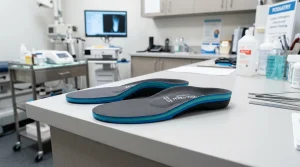
Did you know that over 30% of people with diabetes will experience foot problems at some point? These issues can lead to serious complications, including ulcers and amputations. Regular diabetic foot exams are essential for identifying risk factors early, ensuring timely intervention and care. Our comprehensive guide on Diabetic Foot Exam CPT: Billing Codes & Comprehensive Guide explores the importance of these examinations and provides valuable insights into the associated billing codes. Understanding this process can not only help healthcare providers deliver better care but also empower patients in managing their diabetes more effectively. As you read on, you’ll discover practical tips and essential information that can make a significant difference in daily diabetes management and overall health. Stay informed and proactive about your foot health to prevent complications down the line.
Understanding Diabetic Foot Exam: Importance and Purpose

A staggering statistic reveals that nearly 25% of individuals living with diabetes will experience foot-related complications in their lifetime. This emphasizes the critical need for routine diabetic foot examinations, a preventive measure that can significantly lower the risk of severe complications such as infections, ulcers, or even amputations. The primary purpose of a diabetic foot exam is to identify any issues early on, enabling timely intervention that can preserve foot health and improve quality of life.
During the examination, healthcare providers assess various factors, including skin integrity, circulation, and neuropathy, to detect potential problems that may not be immediately evident. A thorough exam can uncover early signs of neuropathy, foot deformities, or vascular issues, which, if addressed promptly, can prevent progression to more serious conditions. For instance, insensate areas may go unnoticed by the patient, leading to unnoticed injuries or infections that could escalate quickly.
In addition to being a vital diagnostic tool, regular foot exams offer an opportunity for healthcare providers to educate patients on proper foot care practices. This includes advice on daily self-examinations, appropriate footwear, and effective diabetes management strategies that contribute to overall health. Emphasizing the importance of these exams fosters a proactive mindset among patients, encouraging them to take charge of their foot health as an integral part of diabetes management. By prioritizing foot care, individuals not only mitigate potential risks but also enhance their overall wellbeing, illustrating that with the right knowledge and support, living well with diabetes is entirely achievable.
By understanding the importance and purpose of diabetic foot exams, patients and healthcare professionals alike can collaborate more effectively in managing diabetes, ultimately leading to better health outcomes and a higher quality of life.
Key CPT Billing Codes for Diabetic Foot Exams
The complexity of billing for diabetic foot examinations (DFE) can create confusion for both healthcare providers and patients. Understanding the appropriate Current Procedural Terminology (CPT) codes is essential to ensure accurate billing and maximize reimbursement for these critical preventive services. When practices utilize the correct codes, they contribute not only to the sustainability of their operations but also enhance patient care by facilitating access to necessary services.
Key coding for diabetic foot exams can typically include the following CPT codes:
- 99201-99215: These are office or other outpatient visit codes, applied based on the complexity of the visit. The choice among these codes depends on various factors such as the patient’s history, examination, and medical decision-making.
- 11055: This code applies to the removal of corns and calluses, especially relevant for patients with diabetic neuropathy who may be more susceptible to foot injuries.
- 11100-11101: These codes refer to dermatological procedures for skin biopsy, useful during a diabetic foot exam to assess any suspicious lesions.
- 97016: This code is for electrical stimulation to treat lower extremity loss due to diabetes, which may be applicable during a comprehensive assessment of foot injuries.
It is important to keep documentation thorough and clear. This ensures not only compliance but also supports the justification for billing. Providers should take care to maintain detailed records that capture the results of the examination, any procedures performed, and the medical necessity behind the billed services. Lack of proper documentation can lead to denied claims or reduced reimbursement rates, resulting in financial strain on healthcare practices.
In navigating billing for DFEs, providers should stay attuned to any changes in CPT codes and billing guidelines to avoid discrepancies. Staying informed about the updates from the American Medical Association (AMA) and other relevant organizations is crucial in maintaining best practices in documentation and coding. By providing thorough education on the importance of these exams and being proactive in the billing process, healthcare providers can empower patients to prioritize their foot health, ultimately contributing to better health outcomes for individuals living with diabetes.
Comprehensive Overview of Associated Procedures

Regular diabetic foot examinations are crucial for preventing complications that may arise from diabetes, such as neuropathy, ulcers, and potential amputations. These exams go beyond mere inspections; they often integrate a variety of associated procedures designed to assess and manage foot health holistically. Healthcare providers typically employ several methodologies and practices during these exams, each serving a distinct purpose in maintaining patient safety and facilitating timely intervention.
Key Procedures in Diabetic Foot Exams
During a diabetic foot exam, several critical procedures may be included to fully ascertain foot health. These commonly consist of:
- Neurological Assessment: This involves testing sensation using monofilaments or tuning forks to identify any nerve damage, which is essential for preventing unnoticed injuries.
- Circulatory Evaluation: Pulses in the foot are assessed to ensure adequate blood flow. This can involve using Doppler ultrasound for patients with diminished arterial blood flow, which could lead to further complications.
- Foot Structure Analysis: An evaluation of foot shape, arch, and deformities is vital for determining potential risks for ulcers or calluses. Podiatrists often recommend custom orthotics based on these evaluations.
- Dermatological Examination: Inspecting the skin for any signs of infection, rashes, or conditions such as athlete’s foot is crucial for early intervention. Providers may perform biopsies if suspicious lesions are found.
Effective management also involves educating patients about self-care techniques, such as daily foot inspections and proper skincare routines to avoid cracks or sores. This preventative approach not only empowers individuals to take charge of their health but also reduces the frequency and severity of complications that necessitate advanced medical interventions.
Collaborative Care
Effective diabetic foot care often requires a multidisciplinary approach. Alongside primary healthcare providers, specialists such as podiatrists, endocrinologists, and diabetes educators play integral roles in comprehensive management. Regular communications among this team ensure consistent monitoring and timely referrals, providing a cohesive support network for patients.
By understanding and engaging with the various procedures associated with diabetic foot exams, both patients and healthcare providers can work together to create sustainable strategies that prioritize foot health and promote overall wellness. This collaborative focus is essential for navigating the complexities of diabetes management and preventing serious complications.
Guidelines for Correctly Documenting Exams

Proper documentation of diabetic foot exams is not only crucial for ensuring quality patient care but also plays a significant role in billing and reimbursement processes. Accurate records help convey the complexity and necessity of the procedures performed, enabling healthcare providers to justify their medical decisions and secure appropriate compensation. Given the high stakes involved, following established guidelines for documentation can significantly enhance patient outcomes and administrative efficiency.
Key elements to include in the documentation of diabetic foot exams should encompass detailed descriptions of the exam procedures as well as the clinical findings. Firstly, the patient’s medical history related to diabetes, including any previous foot complications or neuropathy, should be noted. This context is vital for understanding any ongoing risks or necessary interventions. Additionally, each component of the exam-neurological assessments, vascular evaluations, structural analyses, and dermatological inspections-should be meticulously recorded, detailing observations and measurements.
To enhance the clarity of documentation, consider using structured templates or checklists that encompass all relevant domains of the foot exam. For instance, listing findings for sensations tested using monofilaments or tuning forks, or documenting the condition of the skin, can provide a quick reference for any subsequent evaluations. Furthermore, incorporating photographs when appropriate, especially when documenting wounds or abnormalities, can serve as important visual evidence in the patient’s records.
Lastly, it’s essential to ensure that all documentation aligns with the relevant CPT codes for billing. Familiarizing yourself with the most recent coding guidelines will aid in accurately portraying the services provided, minimizing the risk of reimbursement denials. Regular training or workshops focusing on effective documentation practices may also benefit healthcare teams, ensuring they stay updated on evolving standards while enhancing care for individuals living with diabetes. By prioritizing thoughtful documentation, healthcare providers can support their patients comprehensively while ensuring compliance with coding requirements and optimizing reimbursement pathways.
Common Mistakes in Billing Diabetic Foot Exams

Billing for diabetic foot exams can be a complex and often confusing process, yet avoiding common pitfalls can lead to better care for patients and increased reimbursement for healthcare providers. One prevalent mistake is failing to use the correct CPT codes that match the services rendered during the examination. Each component of the diabetic foot exam, whether it’s palpating pulses, assessing sensation, or inspecting for skin changes, may have distinct codes associated with them. When providers incorrectly cite codes or use outdated ones, this can result in delays or denials in reimbursement, creating unnecessary burdens on both the practice and the patient.
Another significant issue arises from inadequate documentation, which can support coding claims. Healthcare providers sometimes overlook the comprehensive details needed to capture the complexity of the examination. For instance, simply noting an assessment of sensation without specifying the methods used or the patient’s response can lead to assumptions that the exam was less thorough than it actually was. Clear and structured documentation is essential-not only does it provide clarity for claims processing, but it also plays a crucial role in demonstrating the necessity and appropriateness of care provided. This includes maintaining records of the patient’s history and any observed foot abnormalities that could indicate serious complications.
Providers may also err by not regularly updating their knowledge on payer-specific guidelines, which can frequently change. Each insurance carrier may have unique requirements for coding and billing, and failing to align with these can result in rejected claims. It is advantageous for practices to invest time in periodic training sessions that focus on revisions to CPT coding and billing procedures specific to diabetic foot exams.
Lastly, overlooking the necessity for patient education during the billing process can lead to misunderstandings about coverage. Many patients are unaware that certain aspects of their foot care may not be covered by insurance, which could discourage them from seeking timely evaluations. Educating patients on the importance of regular foot exams and their coverage can foster more proactive health management while boosting practice efficiency and compliance with insurance protocols. By addressing these common billing mistakes and enhancing both documentation practices and patient communication, healthcare providers can optimize their services and provide better care for individuals living with diabetes.
How to Maximize Reimbursement for Foot Exams
To ensure your practice receives appropriate reimbursement for diabetic foot exams, a multi-faceted approach is essential. Understanding the nuances of billing codes and documentation, along with building strong relationships with insulin payers, can significantly improve your outcomes.
One key strategy is to stay well-acquainted with the latest CPT billing codes relevant to diabetic foot exams. This includes codes for different components of the examination, such as skin inspection, neurological assessments, and vascular assessments. Each component may carry its own code, making it crucial to document and bill for every aspect of the exam accurately. For example, CPT codes for basic foot care may include 11719 for the trimming of nails, while more comprehensive exams may require codes like 99213 for an established patient office visit. Always reference the most current coding manuals or resources to ensure compliance with updates.
Proper documentation cannot be overstated. Clear, detailed notes not only substantiate the medical necessity of each service rendered but also provide a solid basis for reimbursement claims. Use structured documentation formats to record all aspects of the foot exam. Consider adopting templates or electronic health record systems that prompt for necessary information to assure comprehensive records. For instance, including notes about the patient’s history of foot problems or specific findings like neuropathy can enhance the strength of your claim.
Additionally, engaging your patients in understanding their coverage and the importance of these exams can improve compliance and timely visits. Explain to them which services are typically covered under their health plans and emphasize the preventative nature of regular foot exams. A well-informed patient is more likely to seek timely treatment, leading to better health outcomes and smoother reimbursement processes for your practice.
Lastly, participate in regular training and updates with your office staff regarding changing insurance policies and billing practices. Each insurance carrier may have different requirements and knowing these can prevent claim rejections. Consider setting aside regular intervals for confidential reviews of billing practices within your office to identify trends or issues that require attention.
By implementing these strategies, healthcare providers can not only maximize reimbursement for diabetic foot exams but also enhance the quality of care provided to patients with diabetes, ultimately leading to better health outcomes and decreased complications.
Navigating Insurance Coverage for Diabetic Care
Navigating the complexities of insurance coverage for diabetic care, particularly for foot exams, can be a daunting task for both patients and healthcare providers. Did you know that patients with diabetes are at a higher risk for foot complications, making these examinations not just essential, but often covered comprehensively by various insurance plans? Understanding the nuances of what is covered and how to maximize those benefits can help ensure that patients receive the preventative care they need while minimizing out-of-pocket costs.
To begin, it’s important for patients to familiarize themselves with their insurance policies regarding diabetic foot exams. Many plans cover these exams as a preventative measure, especially for individuals with a history of foot ulcers or neuropathy. Patients should reach out to their insurance provider to confirm the specifics, as verification can reveal the frequency of covered exams as well as any co-pays or deductible obligations. Sharing this information with healthcare providers can facilitate a more personalized approach to treatment.
Key Points to Discuss with Insurance Providers:
- Coverage Frequency: Ask how often diabetic foot exams are covered within a given timeframe.
- Co-pay Amounts: Understanding co-pay requirements can help patients budget effectively.
- Specialist Referrals: Check if a referral from a primary care physician is needed for exam coverage.
- Additional Services: Inquire about coverage for related services, such as custom orthotics or treatments for existing conditions.
Additionally, healthcare providers can play a crucial role in assisting patients with navigating their insurance benefits. This can include providing clear documentation of the medical necessity for foot exams and any related procedures. Keeping detailed records not only helps with compliance but enhances the legitimacy of claims filed with insurance companies. Utilizing structured notes and coding correctly can simplify the process and mitigate the risk of denials.
Encouraging patients to keep a diabetes management log that includes information about their foot health can also aid in demonstrating the importance of regular foot exams. When patients present their logs during appointments, it reinforces the ongoing need for examination and care. Furthermore, incorporating education into routine visits empowers patients to be proactive about their health, leading to better outcomes and potentially fewer complications.
Ultimately, while navigating insurance coverage may seem overwhelming, proper preparation and clear communication can empower patients in managing their diabetes effectively. By being informed and proactive, individuals can ensure they receive the necessary care to maintain their foot health, improving their overall quality of life.
Future Trends in Diabetic Foot Exam Billing
As healthcare continues to evolve, an increasing emphasis on preventative measures and effective management of chronic conditions, such as diabetes, suggests transformative changes are on the horizon for billing practices related to diabetic foot exams. This shift is driven by both policy reforms in healthcare and a greater understanding of the importance of routine foot examinations in preventing severe complications, including infections and amputations. It is estimated that proactive diabetic foot care can significantly reduce healthcare costs associated with complications, which has led to initiatives aimed at incentivizing early intervention.
New technologies are also influencing the landscape of diabetic foot exam billing. The integration of telehealth has allowed for remote consultations where initial foot assessments can be done virtually, streamlining the process and reducing costs. These services are increasingly being recognized by insurers, leading to the development of corresponding billing codes that allow healthcare providers to receive reimbursement for virtual exams. Patients can benefit from enhanced accessibility, as they can consult specialists without the need for travel, making routine check-ups more manageable and less daunting.
Moreover, the U.S. healthcare system is witnessing a gradual transition towards value-based care. This approach emphasizes the quality of care rather than the quantity of services rendered, shifting focus toward outcomes rather than volume. They are now pushing for documentation that illustrates not just the necessity of diabetic foot exams, but also the associated long-term benefits. Healthcare providers are encouraged to adopt standardized protocols for documenting patient history and outcomes, ensuring claims are supported by strong evidence of the need for foot exams and continuity of care.
Finally, staying informed about changes in CPT codes is crucial for both patients and healthcare providers. As billing codes for diabetic foot exams are updated and refined regularly, utilizing resources from professional organizations can ensure compliance and enhance reimbursement efforts. Regular training and discussions within healthcare teams about coding updates and payer policies can streamline the billing process and further solidify patient care as a priority.
By embracing these future trends, both patients and healthcare professionals can navigate the complexities of diabetic foot exam billing with greater ease, promoting a proactive approach to diabetes management. Empowering patients through education about the importance of these exams can foster better engagement in their healthcare, leading to improved outcomes and overall quality of life.
Best Practices for Healthcare Providers
Providing high-quality diabetic foot exams is critical for preventing complications such as infections and amputations. As a healthcare provider, adhering to best practices not only improves patient outcomes but also streamlines your billing processes. To ensure effective management and documentation of diabetic foot exams, consider the following key strategies.
Consistent Screening Protocols
Establish a standardized protocol for conducting diabetic foot exams. This includes routine screenings at least once a year for all patients with diabetes and more frequently for those with identified risk factors. By routinely documenting findings, you can build a comprehensive patient history that supports billing claims and underscores the necessity of ongoing care.
Use a systematic approach to screen for neuropathy and vascular issues. Tools like the monofilament test for sensory neuropathy or the ankle-brachial index for vascular assessment can enhance the thoroughness of your exams. Document these protocols in the patient’s chart to facilitate accurate billing and justifications for the services rendered.
Precise Documentation and Coding
Accurate documentation is essential for securing reimbursement. Ensure that you’re using the correct CPT codes for diabetic foot exams, like 11721 for trimming of nails and 99213 for established patient visits. Keep abreast of any updates to these codes and provide comprehensive support in your documentation to show the medical necessity of the exam.
Consider creating a checklist of components that need to be documented during each examination. This could include:
- Patient history, including duration of diabetes and any previous complications
- Findings from the foot examination, detailing any abnormalities
- Patient education provided regarding foot care
Such thoroughness will not only support clinical decisions but also streamline your billing process.
Patient Education and Engagement
Engaging patients in their care plan can significantly affect their outcomes. Provide them with educational resources about the importance of daily foot care and scheduling regular exams. Encourage open communication, where patients can express concerns about their foot health. Tailor advice based on their specific lifestyle and management routines, which empowers them to take an active role in their care.
Consider utilizing various educational materials such as pamphlets, videos, or digital platforms to enhance understanding. By fostering a proactive approach among your patients, you create a partnership in care that can lead to improved adherence to recommended practices and better health outcomes.
By implementing these best practices, healthcare providers can ensure effective diabetes management while navigating the complexities of diabetic foot exam billing. Emphasizing the importance of thorough examinations, precise documentation, and patient engagement ultimately leads to improved patient outcomes and a more efficient practice.
Patient Education: Importance of Regular Foot Exams
Regular foot exams are essential for individuals with diabetes, serving as a pivotal aspect of comprehensive diabetes management. Studies have shown that nearly 25% of diabetics will experience foot problems during their lifetime, highlighting the crucial need for vigilant foot care. By participating in regular foot examinations, patients can identify early signs of issues such as neuropathy, poor circulation, or infections-conditions that could lead to severe complications if left unchecked.
Maintaining a routine of foot exams promotes patient engagement in their own health care. Educating patients about the importance of self-exams empowers them to become proactive stakeholders in managing their diabetes. It’s a simple yet effective strategy; patients should be encouraged to inspect their feet daily for any changes, such as cuts, blisters, or color changes. During professional exams, healthcare providers can reinforce this practice, explaining the significance of what to look for and how to address any concerns promptly.
To facilitate understanding, healthcare providers can offer various educational resources on diabetic foot care, including pamphlets and videos. These resources can guide patients in recognizing risk factors and understanding best practices for daily foot care-such as wearing properly fitting shoes and practicing good hygiene. When patients are informed, they are more likely to adhere to their care plan, thus reducing the risk of complications.
Regular foot exams and the education surrounding them encourage a partnership between patients and healthcare providers. This collaborative approach fosters open communication, allowing patients to voice concerns and seek advice. As patients become more knowledgeable and engaged, they not only improve their health outcomes but also contribute to a more streamlined and effective management strategy for their diabetes. Emphasizing the importance of comprehensive care, including regular foot exams, can ultimately lead to healthier, happier lives for those managing diabetes.
Resources for Staying Updated on CPT Codes
Staying current with CPT (Current Procedural Terminology) codes for diabetic foot exams is essential for healthcare providers to ensure accurate billing and reimbursement. Changes in these codes or updates to their guidelines can significantly impact revenue cycles and patient care workflows. For instance, providers might overlook new codes introduced due to changes in insurance policies or updates from medical boards. Therefore, a proactive approach in tracking these changes is crucial not just for financial health but also for maintaining the quality of care.
To keep abreast of the latest developments regarding CPT codes, healthcare professionals can utilize several reliable resources. One of the best practices is to regularly consult the American Medical Association (AMA) website, which publishes updates and offers guidance on code usage. Subscribing to newsletters from professional organizations such as the American Diabetes Association (ADA) can also provide valuable insights, including changes specific to diabetes management and care.
Utilizing professional networks, including social media groups and forums, can enhance knowledge sharing among peers. Engaging with other providers who specialize in diabetic care can uncover shared experiences regarding billing practices, coding nuances, and reimbursement challenges. In addition, following reputable medical billing blogs or websites can offer ongoing education on coding updates alongside practical tips for successful claims submissions.
Moreover, standardized in-office training sessions can be beneficial. Regular meetings can foster an environment where staff can discuss updates on billing codes and share best practices to minimize errors and maximize reimbursement. By cultivating a culture of continuous learning, healthcare providers can empower their teams to stay informed and proactive in their coding practices, ultimately leading to improved patient care and efficient practice management.
Taking these steps ensures that providers are not only well-informed but also prepared to navigate the complexities of billing and coding, ultimately enhancing the care provided to patients with diabetes.
Consultative Support: When to Refer Patients
Patients with diabetes often face a unique set of challenges that can jeopardize their foot health, making timely referrals to specialized care essential for preventing serious complications. One alarming statistic is that nearly 15% of individuals with diabetes will develop a foot ulcer during their lifetime, underscoring the importance of vigilant monitoring and proactive management. Recognizing when to refer patients can significantly alter outcomes, enabling them to receive targeted interventions that can save limbs and lives.
Criteria for Referral
It’s crucial for healthcare providers to be equipped with the knowledge of when a referral is warranted. Some key indicators include:
- Non-Healing Ulcers: If a diabetic foot ulcer does not show signs of healing within two weeks of treatment, referral to a wound care specialist or podiatrist is recommended.
- Signs of Infection: Patients exhibiting redness, swelling, warmth, or purulent drainage should be referred for medical evaluation and possible surgical consultation.
- Persistent Pain or Numbness: These symptoms might suggest neuropathy or vascular issues, warranting a referral to a specialist for further assessment.
- Charcot Foot Deformity: If a provider suspects or identifies Charcot foot (a condition that leads to significant joint destruction), an immediate referral to an orthopedic or foot specialist is critical.
- Vascular Complications: Signs of significant peripheral vascular disease, such as decreased pulse or cold extremities, should prompt referral to a vascular surgeon.
Enhancing Patient Outcomes
Referring patients to the right specialists not only aids in effective management but also fosters a collaborative care environment. For example, a patient with a diabetic ulcer can benefit tremendously from multidisciplinary care, where a podiatrist manages the ulcer, an endocrinologist optimizes blood sugar control, and a nutritionist provides individualized dietary advice. This holistic approach ensures that all aspects of the patient’s health are addressed, ultimately leading to improved outcomes.
Furthermore, it’s essential to educate patients and their families on the importance of these referrals. Many individuals may feel hesitant or anxious about seeing specialists, but reassurance and clear communication about the potential benefits can empower them to take necessary action. Encouraging patients to view these referrals as opportunities for comprehensive care helps demystify the process and emphasizes the goal of maintaining their foot health and overall well-being.
By staying vigilant and aware of the complications that can arise with diabetic foot care, healthcare providers play a pivotal role in guiding patients along a pathway that prioritizes safety and quality of life. Regular follow-up and engagement with specialists can significantly mitigate risks, emphasizing the essential nature of consultative support in managing diabetic foot health.
Frequently asked questions
Q: What is the purpose of a diabetic foot exam?
A: The diabetic foot exam aims to assess foot health in individuals with diabetes, identifying risks for ulcers and complications. Early detection can prevent severe issues, enhancing overall patient management and quality of life. Learn more in the section on “Understanding Diabetic Foot Exam: Importance and Purpose.”
Q: How often should diabetic foot exams be performed?
A: Diabetic foot exams should be conducted at least once a year for all patients with diabetes. More frequent evaluations may be necessary for individuals with risk factors like neuropathy or previous foot ulcers. This proactive approach is detailed in “Guidelines for Correctly Documenting Exams.”
Q: Which CPT codes are used for diabetic foot exams?
A: Commonly used CPT codes include 11721 for nail debridement and 99213 for an established patient office visit. Specific codes depend on the complexity of the exam and any additional treatments provided. Reference “Key CPT Billing Codes for Diabetic Foot Exams” for complete details.
Q: What should be documented during a diabetic foot exam?
A: Documentation should include observations about foot appearance, sensation tests, pulse checks, and any findings related to ulcerations or neuropathy. Proper documentation is crucial for billing and future patient care, as emphasized in “Guidelines for Correctly Documenting Exams.”
Q: How can healthcare providers maximize reimbursement for diabetic foot exams?
A: To maximize reimbursement, providers should ensure accurate coding based on documented findings, check for prior authorization with insurers, and keep detailed records of visits and treatments. The section on “How to Maximize Reimbursement for Foot Exams” provides helpful strategies.
Q: What are common mistakes in billing for diabetic foot exams?
A: Common mistakes include incorrect CPT coding, inadequate documentation, and failing to verify insurance coverage before the visit. Awareness of these pitfalls can help streamline the billing process, as discussed in “Common Mistakes in Billing Diabetic Foot Exams.”
Q: How can patients prepare for a diabetic foot exam?
A: Patients should wash their feet before the exam and report any concerns like pain, numbness, or skin changes to their healthcare provider. Preparation tips can be found in the “Patient Education: Importance of Regular Foot Exams” section.
Q: When should a patient be referred to a specialist for foot issues?
A: Referral to a specialist is recommended if there are signs of infection, non-healing wounds, or severe neuropathy. This ensures timely intervention for complications. More information is available in “Consultative Support: When to Refer Patients.”
For further insights on managing diabetes effectively, including daily care and lifestyle choices, explore our comprehensive resources. Your journey towards better health starts with informed decisions!
The Way Forward
Navigating diabetic foot care is essential for maintaining your overall health and preventing serious complications. Our comprehensive guide on Diabetic Foot Exam CPT: Billing Codes equips you with the knowledge to ensure your examinations are thorough and compliant. Don’t wait-take action now by scheduling your check-up and discussing any foot-related concerns with your healthcare professional. For further insights, consider exploring our additional resources on daily diabetes management, specialized footwear options, or the latest in diabetic care products.
Remember, prioritizing your foot health today safeguards your well-being tomorrow. If you found this guide helpful, share it with others or leave a comment below; we’d love to hear your thoughts! Keep browsing our site for further articles and updates tailored to empower you on your diabetes management journey. Strengthen your health knowledge by signing up for our newsletter, and stay informed with the tools you need to live well.
Diabetic Foot Exam CPT Code Breakdown: Coding Rules for 2025–2026 Billing
Accurate medical reimbursement for comprehensive diabetic lower-extremity evaluations hinges upon selecting the correct diabetic foot exam cpt code. Depending on whether the clinical encounter is performed by an endocrinologist, podiatrist, or primary care provider, documentation must establish loss of protective sensation (LOPS), microvascular perfusion, and structural deformity risk categories.
| CPT / HCPCS Code | Descriptor / Service | Required Clinical Elements | Documentation Criteria |
|---|---|---|---|
| G0245 | Initial diabetic foot exam for patients with LOPS | Semmes-Weinstein 10g monofilament testing + vascular Doppler assessment | Must document diagnosis of diabetes with sensory neuropathy and absence of foot ulcers |
| G0246 | Follow-up diabetic foot exam for LOPS patients | Visual skin inspection, neurological testing, vascular evaluation | Established patient follow-up every 6 months to monitor tissue integrity |
| G0247 | Routine foot care for diabetic patients with LOPS | Trimming of dystrophic nails, debridement of mycotic nail plates | Requires billing concurrent with G0245 or G0246 showing systemic medical necessity |
| 99213 / 99214 | Evaluation and Management (E/M) office visit | Medical decision making (MDM) addressing ulceration risk and glycemic status | Use Modifier 25 if billing separate procedure (e.g., surgical ulcer debridement) |
Get our latest guides, news, and insights highlighted in your Google Search & AI Overviews.