Did you know that diabetes is a leading cause of various health complications, affecting millions globally? As a nursing professional, your knowledge of diabetes management is crucial in providing effective patient care and preventing complications. “Diabetes NCLEX Questions: Practice Test & Study Tips for Nurses” equips you with essential tools to excel in your nursing exams while deepening your understanding of diabetes. By mastering these concepts, you will not only enhance your clinical skills but also empower your patients to make informed decisions about their daily management, food choices, and lifestyle adaptations. This resource offers expert-crafted questions and study tips will ensure you feel prepared and confident for your NCLEX exam. Dive into this essential guide and become the compassionate advocate your patients with diabetes need!
Understanding Diabetes: Key Concepts for Nurses
Diabetes is not just a single condition but a complex interplay of factors that requires a comprehensive understanding for effective management. Nurses play a pivotal role in educating patients and guiding them towards better health outcomes. One of the key concepts involves recognizing the differences between Type 1 and Type 2 diabetes. Type 1 diabetes occurs when the pancreas produces little or no insulin, while Type 2 involves insulin resistance and often relates to lifestyle factors such as diet and exercise. This fundamental knowledge is crucial for implementing appropriate management strategies.
Effective daily management of diabetes involves monitoring blood glucose levels regularly, making informed food choices, and adhering to prescribed medication regimens. Nurses should educate patients on the significance of carbohydrate counting and the glycemic index of foods. The goal is to achieve optimal glycemic control while avoiding hypoglycemia. Additionally, understanding the role of continuous glucose monitors (CGMs) and insulin pumps can greatly aid in the management of diabetes. These technologies not only streamlines the process but also fosters a sense of independence among patients.
Another essential aspect is navigating the emotional and psychological impacts of diabetes. Living with a chronic disease can be challenging, leading to feelings of frustration or isolation. Nurses can support patients by encouraging open discussions about their struggles and referring them to mental health professionals when necessary. Building a network of resources, such as diabetes support groups, can also empower patients and provide a sense of community.
Overall, a nurse‘s role in understanding and managing diabetes involves continuous education, practical support, and fostering a positive, proactive attitude towards health. Effective diabetes care begins with a solid foundation of knowledge, compassionate communication, and a commitment to personalized care that considers each patient’s unique circumstances.
Essential NCLEX Questions on Diabetes Management
Understanding diabetes management is crucial for nursing professionals preparing for the NCLEX examination. With diabetes prevalence affecting millions globally, it’s important to grasp key concepts that may appear in your test. One integral area that candidates should focus on is the differentiation between Type 1 and Type 2 diabetes. Questions might ask you to identify patient scenarios that indicate the need for specific interventions, or to recognize the signs of complications such as diabetic ketoacidosis or hypoglycemic episodes.
In practice, NCLEX questions often emphasize the nurse’s role in patient education. You may be tested on how to instruct patients about blood glucose monitoring, which includes when to check levels and how to interpret the results. Understanding the implications of high or low glucose readings is essential. Additionally, you should be familiar with dietary recommendations, such as carbohydrate counting and understanding the glycemic index, as these are pivotal for effective diabetes management. Consider the following common NCLEX-style questions that can help you prepare:
- What are the signs and symptoms of hypoglycemia, and what immediate actions should be taken?
- How should a patient adjust their medication during periods of illness or stress?
- What dietary modifications are generally recommended for managing Type 2 diabetes?
Furthermore, nurses should be adept in addressing the psychological aspects of diabetes management. The emotional burden of chronic disease can lead to feelings of anxiety or depression, which can further complicate diabetes management. Questions may involve case studies presenting patients struggling emotionally, and you must determine appropriate referral strategies or counseling techniques. Recognizing these factors and knowing how to respond can be key in providing holistic care.
Lastly, familiarize yourself with diabetes technologies, such as insulin pumps and continuous glucose monitoring systems. Emerging technologies are increasingly part of diabetes care and may appear on your NCLEX exam. Understanding their application helps ensure that patients receive tailored and effective management strategies. Empowering patients with knowledge on these tools promotes self-management and confidence, ultimately leading to better health outcomes.
As you prepare for your future in nursing, remember that patient education and support play a crucial role in managing diabetes effectively and fostering a supportive environment for individuals living with this condition.
Top Study Tips for Aspiring Nurses
Mastering the complexities of diabetes management is essential for aspiring nurses, especially when preparing for the NCLEX exam. With diabetes affecting millions worldwide, developing effective study strategies can mean the difference between success and uncertainty. One effective approach is to create a comprehensive study plan that prioritizes understanding both theoretical concepts and practical applications. This includes familiarizing yourself with the differences between Type 1 and Type 2 diabetes, as well as potential complications like hyperglycemia and hypoglycemia.
Utilizing practice questions is another crucial tip. Integrating diabetes-related practice tests into your study routine can sharpen your test-taking skills and bolster your knowledge base. Focus on a diverse range of questions, including those targeting patient education, medication management, and emergency situations involving diabetic patients. Group study sessions can also be advantageous, allowing you to engage in discussions that help solidify your understanding. Collaborating with peers can expose you to various perspectives and questions that may not have crossed your mind.
In addition to studying content, it’s important to develop test-taking strategies. Learn how to prioritize questions based on their complexity and your confidence level. For instance, tackle questions related to more straightforward management scenarios first before addressing complex case studies. Time management during the exam is vital, so practice pacing yourself to ensure you can answer all questions thoughtfully.
Utilizing Resources for Effective Learning
| Resource Type | Description |
|---|---|
| Textbooks | Comprehensive guides covering diabetes management, pathophysiology, and nursing care protocols. |
| Online Courses | Interactive modules that focus on diabetes education and NCLEX preparation. |
| Mobile Apps | Apps for flashcards and quizzes tailored to diabetes-related content and nursing principles. |
| Peer Study Groups | Opportunities for collaboration, discussion, and shared resources among classmates. |
Remember that nursing is not just about passing exams; it’s about preparing to provide compassionate care. Stay motivated by envisioning the positive impact you will have on patients managing diabetes. Embrace the learning process by seeking continual education and engaging in community resources, reinforcing your knowledge and confidence as you embark on your nursing career.
Common Complications of Diabetes and Nursing Care
Diabetes can lead to a range of complications, many of which can significantly impact a patient’s quality of life. Understanding these complications is crucial for nursing professionals, not only for effective management during treatment but also for educating patients about preventative measures. Common complications include diabetic neuropathy, diabetic retinopathy, cardiovascular disease, and kidney damage. Awareness of these risks allows nurses to recognize symptoms early, enabling timely intervention and referral to appropriate specialists.
Managing Common Complications
- Diabetic Neuropathy: This condition affects nerve function, leading to pain, tingling, or loss of sensation, particularly in the feet. Nurses should perform regular foot assessments, educate patients on proper foot hygiene, and encourage them to report any injuries that may go unnoticed.
- Diabetic Retinopathy: Patients may suffer vision issues due to damage to the blood vessels in the retina. Nurses can assist by facilitating regular eye examinations and educating patients on the importance of controlling blood glucose levels to slow the progression of this disease.
- Cardiovascular Disease: Individuals with diabetes are at an increased risk for heart-related issues. Support is essential by promoting lifestyle changes such as smoking cessation, a heart-healthy diet, and regular physical activity.
- Kidney Damage: Diabetes can lead to diabetic nephropathy, which is characterized by impaired kidney function. Screening for protein in the urine is vital, and nurses should collaborate with healthcare teams to monitor kidney health closely.
Empowering Patient Education
Effective nursing care involves not just addressing existing complications but also empowering patients with the knowledge to prevent them. This includes educating patients on the importance of maintaining a balanced diet, adhering to medication regimens, and regularly monitoring blood glucose levels. Motivational interviewing techniques can be beneficial in helping patients set personal health goals. Additionally, discussing the psychological implications of living with diabetes, such as anxiety or depression, can provide a more holistic approach to patient care.
The complexity of diabetes management calls for a multifaceted approach where collaboration with other healthcare professionals is paramount. Regular referrals to dietitians, endocrinologists, and mental health specialists can enhance a patient’s management plan, ensuring comprehensive care. As nurses, fostering an environment of support and understanding can help patients navigate the daily challenges of living with diabetes, encouraging better health outcomes.
By equipping themselves with knowledge about the complications associated with diabetes, nursing students can confidently prepare for NCLEX questions and, more importantly, support their future patients in managing this chronic condition effectively.
Effective Patient Education Strategies for Diabetes
Understanding diabetes management is crucial for fostering a supportive journey to health, both for individuals living with the condition and their families. Effective patient education starts with clear communication and a strong foundation of knowledge. For instance, educating patients about blood glucose monitoring is vital; patients should be trained on how to use glucometers effectively and interpret their results. Regular monitoring helps build their confidence and fosters a proactive approach to managing their diabetes.
Personalization is key when providing education. Tailoring discussions to consider a patient’s cultural background, lifestyle, and preferences make the information more relatable and actionable. For example, many patients are concerned about what they can and cannot eat. Providing practical guidance on food choices, like teaching how to read nutrition labels and plan balanced meals, empowers patients to make informed dietary decisions. Utilizing resources such as portion size models or carbohydrate counting tools can simplify complex information, making it more accessible.
Another essential aspect is ongoing support. Regular follow-ups through a combination of telephone calls, in-person visits, or digital communication can reinforce learning and show patients that their healthcare team is invested in their health journey. During these follow-ups, nurses can assess the patient’s understanding, address any barriers that might have arisen since the last meeting, and celebrate victories, no matter how small. This continuous support encourages adherence to treatment plans and enhances patient confidence.
In addition, an often-overlooked area is the emotional impact of diabetes. Offering education on the psychological aspects of living with a chronic condition is essential. For instance, discussing stress management techniques or ways to cope with anxiety and depression can empower patients and help them feel more in control. Remember, empowerment through education isn’t just about the numbers; it’s about fostering a holistic understanding of diabetes and cultivating an environment where patients can ask questions and feel supported. This support not only facilitates effective management of diabetes but also enhances overall well-being, allowing individuals to lead fulfilling lives.
Nutrition Guidelines for Diabetic Patients
Understanding proper nutrition is a cornerstone of effective diabetes management, enabling individuals to stabilize blood sugar levels, maintain a healthy weight, and reduce the risk of complications. Research underscores the importance of carbohydrate counting and incorporating a variety of foods that nourish the body while keeping blood glucose in check. Adopting a balanced diet tailored to personal preferences and health needs can empower individuals to take charge of their diabetes effectively.
Here are some essential guidelines to consider:
Balanced Meal Planning
A well-rounded meal plan should include a mix of macronutrients to help maintain steady energy levels and blood sugar control. Focus on:
- Whole Grains: Opt for brown rice, quinoa, and whole-grain bread to provide fiber, which aids in blood sugar management.
- Lean Proteins: Incorporate fish, poultry, legumes, and low-fat dairy to prevent sudden glucose spikes.
- Healthy Fats: Include sources of unsaturated fats such as avocados, nuts, seeds, and olive oil.
- Non-Starchy Vegetables: Fill your plate with broccoli, spinach, kale, and peppers for vitamins and minerals without added carbs.
- Fruits: Choose whole fruits rather than juices to benefit from fiber, which helps moderate glucose levels.
Portion Control
Portion size plays a significant role in maintaining healthy blood sugar levels. Strategies such as using smaller plates or measuring servings can help manage calorie intake effectively. Consider utilizing the plate method, where half your plate is filled with non-starchy vegetables, a quarter with lean protein, and a quarter with whole grains.
Glycemic Index Awareness
Familiarize yourself with the glycemic index (GI), which ranks carbohydrates based on their effect on blood sugar. Foods with a low GI are preferred as they lead to a slower rise in glucose levels. Examples include legumes, certain fruits, and whole grains. Conversely, it may be beneficial to limit high-GI foods like white bread and sugary snacks.
Meal Timing
Implementing regular meal and snack times can enhance glucose control. Eating small, balanced meals every 3-4 hours prevents extreme blood sugar fluctuations and manages hunger. Pairing carbohydrates with protein or fats can also slow digestion and help maintain stable glucose levels.
Maintaining a diabetes-friendly diet can seem challenging, but with the right strategies, it can be both manageable and enjoyable. Engaging with a registered dietitian can provide personalized guidance tailored to individual health needs and preferences, ensuring that the meal plan remains sustainable and satisfying. Always consult healthcare professionals before making significant changes to dietary habits or managing diabetes.
Incorporating Physical Activity into Diabetes Care
Engaging in regular physical activity is a vital component of diabetes management, serving as a natural way to improve insulin sensitivity, aid in weight control, and reduce the risk of complications. Studies have shown that even moderate exercise can significantly lower blood glucose levels and help individuals with diabetes maintain a healthy lifestyle. Whether it’s brisk walking, swimming, or a dance class, finding enjoyable ways to incorporate movement into daily routines can make a meaningful difference.
Types of Physical Activity
A well-rounded approach to physical activity includes a mix of aerobic exercises, strength training, and flexibility exercises. Each type offers unique benefits:
- Aerobic Exercise: Activities like walking, jogging, cycling, and swimming can enhance cardiovascular health and improve insulin sensitivity. Aim for at least 150 minutes of moderate-intensity aerobic activity per week, spread over several days.
- Strength Training: Engaging in resistance exercises two to three times a week can help build and maintain muscle mass, which is essential for overall metabolism and glucose utilization.
- Flexibility and Balance: Incorporating activities like yoga or stretching can improve flexibility and reduce the risk of injury, especially for individuals at higher risk due to associated complications from diabetes.
Exercise Recommendations
Before starting any exercise program, it’s important for individuals with diabetes to consult with their healthcare team. This ensures that any potential risks are addressed and an appropriate plan is developed. Some general guidelines include:
- Monitor Blood Glucose Levels: Check blood glucose levels before, during, and after exercise to understand how physical activity impacts personal glucose levels and to avoid hypoglycemia.
- Stay Hydrated: Proper hydration is key, particularly since exercise can lead to increased fluid loss. Drinking water before, during, and after physical activity is essential.
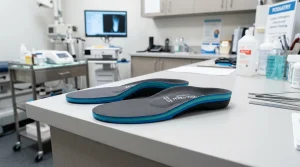
- Wear Proper Footwear: Good shoes help prevent foot injuries, which are a common concern for people with diabetes. Regularly inspect feet for any signs of sores or injuries.
Incorporating Activity into Daily Life
Finding ways to increase daily physical activity can be simple and enjoyable. Here are a few practical suggestions:
- Walking Meetings: When possible, opt for walking meetings or phone calls to integrate movement into the workday.
- Active Breaks: Take short breaks every hour to stretch or take a quick walk to keep your body active.
- Family Activities: Engage family and friends in recreational activities, making exercise a social event rather than a chore.
By viewing physical activity as a regular, enjoyable part of life, individuals with diabetes can significantly enhance their ability to manage their condition effectively. This proactive approach, combined with guidance from healthcare professionals, empowers patients to navigate their challenges while achieving a healthier lifestyle.
Medication Management: Understanding Insulin & Oral Medications
Understanding the management of diabetes medications, particularly insulin and oral medications, is essential for effective diabetes care. With approximately 30 million people in the United States diagnosed with diabetes, understanding these medications can significantly improve patient outcomes. Insulin therapy and medication regimens are tailored individually, and both healthcare providers and patients must be well-versed in their management.
Insulin is a hormone that helps regulate blood glucose levels, and its administration is critical for individuals with type 1 diabetes and some with type 2 diabetes. There are various types of insulin based on their action profiles-rapid-acting, short-acting, intermediate-acting, and long-acting. Understanding these distinctions is vital for nurses and healthcare providers as they educate patients on how to administer insulin properly and recognize when to adjust dosing relative to food intake and physical activity. Proper storage and handling are equally important; for example, insulin should be kept in a cool environment and never frozen.
Oral diabetes medications, often used by individuals with type 2 diabetes, come in several classes with different mechanisms of action. These include:
- Biguanides (e.g., Metformin): Primarily decrease glucose production in the liver and improve insulin sensitivity.
- Sulfonylureas: Stimulate the pancreas to release more insulin.
- GLP-1 Receptor Agonists: Enhance insulin secretion in response to meals and slow gastric emptying.
- SGLT-2 Inhibitors: Assist in glucose excretion through urine.
As nurses engage with patients, thorough knowledge of these medications enables them to answer common questions, such as the timing of doses, potential side effects, and how to monitor their glucose levels effectively. It’s also crucial to convey the importance of lifestyle modifications, including diet and exercise, which play a supportive role in medication management.
Communication is key in fostering a supportive environment where patients feel empowered to discuss their medication concerns and their daily management strategies. Regular follow-ups and adjustments by healthcare professionals help ensure the efficacy of these interventions, enhancing the overall quality of life for individuals living with diabetes. By equipping patients with the knowledge and tools they need, healthcare teams can help navigate the complexities of diabetes management effectively.
Diabetes Technology: Tools for Better Management
Modern diabetes management has been revolutionized by technology, providing individuals with innovative tools that enhance daily care and improve health outcomes. With an ever-increasing number of people managing diabetes, the integration of diabetes technology into daily routines has become essential in promoting effective self-management and ensuring better adherence to treatment plans.
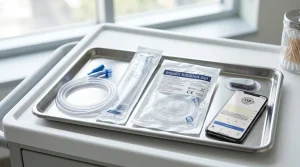
One critical tool for managing diabetes is continuous glucose monitoring (CGM) systems. These devices track glucose levels in real-time through a small sensor placed under the skin, allowing users to see fluctuations throughout the day. CGMs can alert users to highs and lows, empowering them to make timely adjustments in medication, diet, or activity. The data collected can also be shared with healthcare professionals, enabling more informed treatment decisions. For nurses, understanding how to interpret CGM data and relay its significance to patients is paramount in enhancing patient education.
Additionally, insulin delivery systems have advanced significantly. Insulin pumps provide a continuous supply of insulin and can be programmed to adjust dosages based on blood glucose readings, such as those obtained from a CGM. Some advanced pumps even integrate with CGMs to automate insulin delivery, a feature known as closed-loop systems or “artificial pancreas” systems. This technology not only minimizes the burden of manual insulin administration but also supports tighter glucose control, significantly reducing the risk of complications for patients.
Moreover, mobile health applications play a crucial role in diabetes management. These apps assist users in tracking their food intake, calculating carbohydrate counts, monitoring physical activity, and managing medications. Many applications can sync data from other devices, providing a holistic view of a patient’s health. For those pursuing nursing, having a familiarity with these tech tools enhances the ability to guide patients effectively, helping them to select the best options that fit their lifestyle and preferences.
In addition to these tools, ongoing patient support through online communities and telehealth services has become invaluable. E-health platforms connect patients with healthcare providers for consultations, education, and community support, offering resources that can alleviate feelings of isolation often experienced by those managing a chronic condition like diabetes. By embracing these technologies, nurses can better equip individuals and families to navigate the complexities of diabetes management, fostering a proactive approach to health that combines medical treatment with technology-driven solutions.
Special Considerations for Pediatric Diabetes Care
Understanding that diabetes can be an overwhelming diagnosis for both children and their families is crucial for effective pediatric care. It’s estimated that over 200,000 individuals under the age of 20 are diagnosed with diabetes in the United States alone. Pediatric diabetes care involves not just managing blood sugar levels, but also addressing the emotional, social, and developmental needs of young patients. Thus, nurses and caregivers play an essential role in providing a supportive environment where children can thrive despite their condition.
When managing diabetes in children, it is vital to educate patients and their families about daily self-care routines. This includes monitoring blood glucose levels, administering insulin accurately, and recognizing the signs of hyperglycemia and hypoglycemia. Children may need more frequent monitoring due to their varying activity levels and growth spurts, which can affect their insulin needs. In addition to medical care, nutrition is critical; families should be guided toward balanced meal planning that takes into account carbohydrate counting and healthy food choices. Encouraging children to be involved in these decisions helps foster independence and a sense of control over their health.
Social situations, such as school and extracurricular activities, pose unique challenges for children with diabetes. It’s essential for nurses to collaborate with parents and school staff to establish comprehensive care plans that facilitate participation while ensuring safety during snacks, meals, and physical activity. Educating teachers and coaches about the signs of diabetes complications and how to respond empowers the community to support the child effectively. Moreover, integrating emotional support is vital; children may experience feelings of isolation or anxiety. Encouraging family involvement in counseling or support groups can be beneficial.
Lastly, as technology advances, incorporating diabetes management tools such as insulin pumps and continuous glucose monitors can significantly improve care for pediatric patients. Understanding how to use and troubleshoot these devices is critical for families. Nurses can provide guidance on selecting the right technology and emphasizing the importance of routine follow-up appointments with healthcare professionals to adjust treatment as needed.
With the right education and resources, families can manage pediatric diabetes effectively, allowing children to lead active, fulfilling lives while navigating their health journey.
Navigating Diabetic Emergencies in Clinical Practice
Diabetic emergencies can occur unexpectedly, making it crucial for healthcare professionals to be prepared to respond effectively. Whether it involves hyperglycemia, leading to diabetic ketoacidosis (DKA), or hypoglycemia, where blood sugar drops critically low, understanding the signs, symptoms, and urgent interventions can save lives. For instance, rapid recognition of symptoms like confusion, weakness, excessive thirst, or fruity-smelling breath in a patient can be pivotal to prompt treatment.
When navigating diabetic emergencies, it’s essential to follow a systematic approach. Start with a thorough assessment of the patient’s condition. Check their vital signs and blood glucose levels if possible, which inform your next steps. In cases of hypoglycemia, immediate treatment with fast-acting carbohydrates is critical. Patients should have access to glucose tablets, juice, or candy. After treatment, it’s important to monitor blood sugar levels to ensure they stabilize within a safe range. Here’s a quick reminder for the nursing team:
- Hypoglycemia: Administer 15-20 grams of fast-acting carbohydrates, recheck in 15 minutes, and repeat if necessary.
- Hyperglycemia: Administer insulin as per the physician’s orders and re-evaluate the patient’s condition frequently.
Effective education and communication with patients and their families are paramount. Providing clear instructions on recognizing the signs of blood sugar imbalances can empower individuals to take swift action when required. Utilize role-playing scenarios during nursing education sessions to give students a realistic feel for managing these emergencies. For example, simulate a patient exhibiting signs of hypoglycemia in a controlled setting, allowing students to practice their response skills.
Moreover, develop collaborative care plans that involve the patient’s support system-friends, family, or caregivers-in understanding how to respond during emergencies. Empower patients to carry medical identification that explains their condition and emergency protocols they may require, ensuring their safety even when healthcare professionals are not present.
Remember, the key to managing diabetic emergencies successfully lies in early recognition, prompt treatment, and ongoing education. By fostering a supportive environment for both patients and their families, healthcare professionals can significantly improve outcomes during these critical moments.
Resources and Support for Diabetes Education
Navigating the complexities of diabetes management can feel overwhelming, but the right resources and support systems can make all the difference for patients and their families. Educational forums, support groups, and healthcare resources provide vital information that empowers individuals to take charge of their diabetes care. For instance, organizations such as the American Diabetes Association offer a wealth of materials, including guidelines on daily management, nutrition, physical activity, and emotional support.
Daily Management Resources
Patients should be encouraged to utilize tools such as glucose meters, continuous glucose monitors (CGMs), and diabetes management apps. These devices not only track blood glucose levels but also aid in recognizing patterns that can inform treatment decisions. Connecting with healthcare professionals-like certified diabetes educators (CDEs) or dietitians-can further enhance understanding and application of this data.
Nutrition and Lifestyle Considerations
Nutrition plays a critical role in diabetes management. Patients can benefit from tailored meal planning, which emphasizes balance and moderation. Resources such as USDA’s MyPlate can be used to understand appropriate portions and healthy choices. Here’s a brief overview:
- Carbohydrate counting: Understanding the impact of carbohydrates on blood glucose.
- Understanding glycemic index: Choosing foods based on their effects on blood sugar levels.
- Meal prepping: Preparing meals in advance can support healthy eating habits.
Considering the emotional aspect, support groups offer a platform for sharing experiences, coping strategies, and encouragement. Connecting with others facing similar challenges can reduce feelings of isolation and empower individuals towards effective self-management.
Medical Care and Specialist Referrals
Regular check-ups with healthcare providers ensure ongoing assessment and adjustment of diabetes management plans. Referrals to specialists-such as endocrinologists or podiatrists-may be necessary to address complications or specific concerns. Importance should be placed on building a team that includes primary care providers, specialists, and educators to foster comprehensive care.
Lastly, pet owners with diabetic animals can find specialized resources to help them manage their pets’ dietary and medical needs, further broadening the scope of diabetes management assistance. This holistic approach not only addresses individual patient care but emphasizes the beneficial interaction of support systems that include healthcare professionals, families, and community resources.
By leveraging these various resources and seeking reliable information, individuals can undertake diabetes management with confidence and purpose. The journey may be challenging, but with the right support, patients can lead fulfilling lives while effectively managing their condition.
Frequently asked questions
Q: What are some common NCLEX questions related to diabetes management?
A: Common NCLEX questions on diabetes management often focus on patient assessment, recognizing signs of hyperglycemia and hypoglycemia, appropriate insulin administration, and developing patient education plans on diet and exercise. Review scenarios around managing diabetes complications for best results.
Q: How can nurses effectively prepare for NCLEX questions on diabetes?
A: Nurses can effectively prepare by utilizing practice tests tailored to diabetes management, reviewing the latest guidelines, and engaging in clinical simulations. Joining study groups or online forums can also provide valuable insights and shared resources on NCLEX strategies.
Q: What key concepts about diabetes should nurses understand for the NCLEX?
A: Nurses should understand the pathophysiology of type 1 and type 2 diabetes, insulin function, common medications, and dietary management. Effective patient education strategies, as outlined in the “Effective Patient Education Strategies for Diabetes” section, are also crucial.
Q: When should a nurse intervene for a diabetic patient showing signs of distress?
A: A nurse should intervene promptly if a diabetic patient exhibits symptoms of hypoglycemia (confusion, shakiness) or hyperglycemia (excessive thirst, frequent urination). Understanding these symptoms aids in timely and effective patient care management.
Q: What resources can nurses use for ongoing diabetes education?
A: Nurses can access various resources for diabetes education, including the American Diabetes Association, online courses, and nursing textbooks dedicated to diabetes management. The “Resources and Support for Diabetes Education” section contains useful links and materials.
Q: Why is patient education important in diabetes care?
A: Patient education is vital in diabetes care as it empowers patients to manage their condition effectively. Educating patients about their treatment, diet, and physical activity can lead to better health outcomes and reduce the risk of complications.
Q: How do nursing assessments differ for pediatric vs. adult diabetes patients?
A: Nursing assessments for pediatric diabetes patients are tailored to developmental stages, considering factors like growth patterns and psychosocial needs. In contrast, assessments for adult patients often emphasize chronic disease management and lifestyle modifications.
Q: What strategies can nurses use to incorporate physical activity into diabetes care plans?
A: Nurses can encourage patients to set realistic goals for physical activity, suggest enjoyable exercises, and educate them about the benefits of activity on blood sugar control. Monitoring patient progress and adapting plans as necessary can enhance adherence.
The Way Forward
Thank you for exploring “Diabetes NCLEX Questions: Practice Test & Study Tips for Nurses.” By mastering these key concepts, you’ll equip yourself to confidently support diabetes management and patient education. Remember, the journey doesn’t end here-take the next step in your learning by checking out our guides on daily diabetes care and dietary choices for optimal management.
Don’t hesitate to share your thoughts or questions in the comments below; your engagement is invaluable! For more resources, consider signing up for our newsletter, where you’ll receive the latest insights and tips tailored for healthcare professionals. Your commitment to improving patient outcomes in diabetes is crucial-stay empowered, stay informed, and let’s navigate these challenges together with the guidance of qualified healthcare professionals. Your expertise can make a significant difference!
Get our latest guides, news, and insights highlighted in your Google Search & AI Overviews.