Did you know that monitoring your cat’s litter box can provide crucial insights into their health, particularly for diabetic felines? Just like humans, cats with diabetes often show changes in their urine that can signal fluctuating blood sugar levels or other health issues. Understanding what to look for can empower you to detect problems early and work with your veterinarian to manage your pet’s condition effectively. This guide will explore the importance of regular urine monitoring, what specific signs to watch for, and how this simple practice can enhance your cat’s overall well-being. Join us as we delve into the world of diabetic cat care and help ensure a healthy, happy life for your furry friend.
Understanding the Importance of Monitoring Your Diabetic Cat’s Urine
Monitoring your diabetic cat’s urine is not just a routine task; it is a vital aspect of their overall health management. Just like in humans, changes in a cat’s urine can signal underlying health issues, especially in diabetic cats. Regular observation helps to catch fluctuations in glucose levels and can indicate whether the current treatment is effective or if adjustments are necessary. Being proactive about monitoring can lead to timely interventions, which can significantly improve your cat’s quality of life.
Understanding what to look for when examining your cat’s urine can aid in early detection of potential complications. For instance, if you notice an increase in the frequency or volume of urination, it could signify that their diabetes is not well-controlled. Additionally, unusual colors or odors, such as a sweet scent which might indicate high glucose levels, warrant immediate attention. Tracking these changes systematically allows you to create a clearer picture of your cat’s condition, which will be beneficial for discussions with your veterinarian.
To effectively monitor your cat’s urine, creating a consistent monitoring environment is essential. Use a dedicated litter box with a suitable cat litter that allows for easy observation of changes in color or consistency. Some litters are designed specifically for diabetic monitoring, providing additional assistance in tracking glucose levels. Make sure your cat is comfortable with the litter box setup, as this encourages regular usage and helps ensure no critical changes go unnoticed.
Maintaining a daily log of your observations, including the frequency of urination, the volume, and any notable characteristics, will serve as a valuable tool for your veterinarian. This data can help professionals adjust medication dosages, suggest dietary changes, or pinpoint other necessary interventions. By taking these steps, you empower yourself as a cat owner to actively participate in your diabetic cat’s care, ultimately enhancing their wellness and longevity.
Signs of Diabetes: What to Look For in Urine
Recognizing the signs of diabetes in your cat through their urine can be a pivotal part of managing their health. Elevated glucose levels in their body often lead to noticeable changes in urination, which can help you identify whether your cat’s diabetes is well-managed. If your beloved feline is drinking more water than usual and urinating frequently, it could indicate poorly controlled diabetes. Monitoring these changes is essential, as early detection can prevent further complications.
When you check your cat’s litter box, be on the lookout for key indicators that can provide insights into their health status. Increased urination (polyuria) is one of the most common symptoms of diabetes-the more glucose in the urine, the more water is excreted, leading to frequent bathroom breaks. Similarly, you may notice changes in urine color; for instance, a darker shade or unusual cloudiness can indicate potential health issues. Cats with uncontrolled diabetes may produce urine that has a sweet or fruity odor, a distinct sign that warrants immediate veterinary consultation.
Other characteristics to observe include the volume of urine. If your cat’s litter box is noticeably fuller each day, this could signify that diabetes is not managed effectively. Keeping a consistent log of these changes, including the frequency of urination and any noted alterations in the urine’s appearance or smell, will be crucial for discussions with your veterinarian. This proactive approach empowers you to actively engage in your cat’s care, enabling medical professionals to make informed adjustments to their treatment plan when necessary.
In conclusion, vigilant monitoring of your diabetic cat’s urine not only aids in managing their condition effectively but also reinforces the bond you share with them. Staying observant can lead to early intervention, which is paramount in ensuring your cat lives a happy and healthy life despite their diabetes.
Choosing the Right Cat Litter for Diabetic Monitoring
Choosing the right cat litter can significantly enhance your ability to monitor your diabetic cat’s health and catch potential issues early. The litter you select should not only absorb moisture effectively but also allow for the easy visibility of changes in urine. Diabetic cats often exhibit increased urination and variations in urine color or odor, so choosing a litter that makes these aspects clear is crucial.
When selecting a litter, consider options that are highly absorbent and clump well. Clay-based litters are popular choices due to their excellent absorption capabilities. However, crystal litters, made from silica gel, can also be beneficial since they allow you to see the urine without clumping, making it easier to notice color changes or abnormal appearances. Ultimately, opt for litter that produces minimal dust, as this can be irritating for your cat with diabetes, who may already be experiencing health challenges.
Additionally, keep in mind the texture of the litter. Cats may have specific preferences, and ensuring your cat is comfortable with the texture can help encourage regular use of the litter box. If your diabetic cat is reluctant to use the box, you might not get accurate readings on their urine output or changes, which could delay necessary medical attention.
Maintaining a consistent litter type will help you monitor your cat’s urine more effectively. Frequent changes in litter can alter how urine appears and complicate your observations. Once you’ve settled on an ideal product, take note of any changes in your cat’s urination patterns, color, or odor. This proactive approach empowers you to communicate effectively with your veterinarian, facilitating timely adjustments to your cat’s treatment plan. Thus, investing the time and effort into the right cat litter not only supports your cat’s health but also strengthens the bond between you and your furry friend.
How to Set Up a Diabetic-Friendly Litter Box
Setting up a litter box for your diabetic cat can feel like a daunting task, but it is crucial for keeping tabs on your pet’s health. Not only does a well-arranged litter box encourage your cat to use it regularly, but it also facilitates more accurate monitoring of urine output, which is vital for assessing diabetes management. A study conducted on diabetic cats shows that consistent monitoring of urine can often lead to early interventions that significantly improve health outcomes.
To create a diabetic-friendly litter box, consider the following practical steps:
Choose the Right Location
Position the litter box in a quiet, low-traffic area where your cat feels safe and secure. This reduces stress, encouraging regular use. Ensure it’s easily accessible, especially if your cat has mobility issues.
Select an Appropriate Litter Box
Opt for a litter box with low sides to help your diabetic cat enter and exit without hassle. Some cats may have difficulty jumping, especially if they experience weight loss or discomfort due to diabetes. A larger box might also be beneficial, providing ample space for your cat to move around comfortably.
Use the Right Litter
As discussed earlier, selecting a highly absorbent and low-dust litter is essential. Options like clumping clay or silica gel can enhance visibility of urine changes. Making the box inviting can involve trying different types until you find one your cat prefers, possibly reducing the chances of them refusing to use it.
Maintain a Clean Environment
Regular cleaning of the litter box is paramount. Scoop daily to prevent odors and encourage your cat to use it consistently. A clean box also helps in identifying changes in urine volume and appearance, making monitoring easier.
Incorporate Health Monitoring Tools
Consider using additional tools such as urine test strips that can help you monitor glucose levels in urine. Having these accessible allows for regular health tracking, facilitating timely vet visits if required.
By implementing these strategies, you not only support your diabetic cat’s comfort and hygiene but also become an informed and proactive caretaker. Your commitment to a well-set litter box environment can help in timely detection of health changes, ultimately improving your cat’s quality of life. As always, consult with your veterinarian regularly to ensure your monitoring practices align with your cat’s medical needs.
Step-by-Step Guide to Monitoring Your Cat’s Urine
Monitoring your diabetic cat’s urine is not just a routine; it can be a vital lifeline for their health. By paying close attention to changes in their urine, you can gain valuable insights into their diabetes management, ensuring timely interventions and adjustments in care. This proactive approach can improve your pet’s quality of life significantly. Here’s a step-by-step guide to effectively monitor your cat’s urine.
Start by establishing a consistent schedule for checking the litter box. Make it a habit to observe the litter box at the same times each day to catch changes early. Look for alterations in urine volume, color, and odor, all of which can signal changes in your cat’s health. For instance, an increase in urine volume (polyuria) is common in diabetic cats and suggests that their diabetes may not be under control. Conversely, decreased urine output could signal dehydration or other complications.
Next, gather the necessary tools to aid your monitoring efforts. Invest in urine test strips designed for pets, which can help you assess glucose levels in your cat’s urine easily. These strips offer a straightforward way to check whether your cat’s blood sugar levels are within target ranges, allowing for rapid and informed decisions regarding their care. Incorporate a notebook or digital app to log urine observations, noting any patterns or significant changes over time.
Finally, always maintain a clean litter box to ensure accurate monitoring. After your cat uses the litter box, scoop it daily to minimize odors and facilitate a clear view of any changes in urine consistency or color. Additionally, consider using a litter that enhances visibility, such as clumping or silica-based options, which can help in analyzing changes more effectively. Remember, keeping records of your cat’s urine health is invaluable and can provide essential information to your veterinarian during check-ups.
By adhering to these steps, you’ll be better equipped to understand your diabetic cat’s needs, making you an empowered caretaker who plays a crucial role in their health journey. Always consult your veterinarian with any concerns regarding urine changes, as they can provide further guidance tailored to your cat’s specific condition.
Key Health Indicators Found in Diabetic Cat Urine
Monitoring your diabetic cat’s urine can reveal crucial insights about their health and diabetes management. Changes in the characteristics of your cat’s urine can serve as vital indicators, alerting you to potential issues that may need immediate attention. As a responsible cat owner, understanding these health indicators not only empowers you to provide better care but also fosters proactive engagement in your cat’s health journey.
One of the most significant signs to watch for is the volume of urine produced. Diabetic cats often experience polyuria, meaning they urinate more than usual. Observing larger urine clumps or a frequent need for litter change can suggest that your cat’s diabetes is not adequately controlled. In contrast, a sudden reduction in urine output could indicate problems such as dehydration or even a potential urinary blockage, which requires urgent veterinary attention.
Another key health indicator is the color and clarity of the urine. Healthy cat urine is typically pale yellow and clear. If you notice that the urine appears darker or concentrated, it might suggest dehydration. Conversely, if it is unusually pale or contains a noticeable change in clarity, such as cloudiness, this can indicate the presence of infections or other underlying health issues.
Monitoring the odor of your cat’s urine can also provide insights into their health. A sweet or fruity smell may indicate the presence of ketones, which can be a sign of uncontrolled diabetes or ketoacidosis. If you detect this unusual scent, it’s essential to consult your veterinarian immediately.
Additionally, using urine test strips designed for pets can help you assess glucose and ketone levels. These at-home tests enable quick checks that can inform you whether your cat’s diabetes management plan needs adjustment. Regular monitoring combined with record-keeping can help you and your veterinarian make informed decisions about your cat’s treatment and care.
By being vigilant about these key health indicators, you play an instrumental role in your diabetic cat’s overall management and well-being, ensuring they lead a happier and healthier life.
The Role of Diet in Diabetic Cat Health
Proper nutrition plays a crucial role in managing diabetes in cats, directly influencing their overall health and their ability to maintain stable blood sugar levels. A cat’s diet can not only help manage their condition but also enhance the effectiveness of other aspects of diabetes care, including insulin therapy. By selecting the right type of food and monitoring your cat’s nutritional intake, you can make significant improvements to their quality of life.
Key Dietary Considerations for Diabetic Cats
When planning your cat’s diet, consider the following key aspects:
- Low Carbohydrate Content: Cats are obligate carnivores and thrive on a high-protein, low-carbohydrate diet. Foods that contain fewer carbohydrates help minimize blood sugar spikes.
- High Protein Options: Select cat food that emphasizes high-quality protein sources, as these can help maintain muscle mass and support healthy insulin responses.
- Consistent Feeding Schedule: Distributing meals throughout the day at regular intervals can help stabilize blood sugar levels. Feeding your cat the same amount of food at the same time each day is beneficial.
- Wet vs. Dry Food: Incorporating wet food into your cat’s diet can provide hydration and often has lower carbohydrate levels than dry kibble. Always read the label to ensure it’s diabetes-friendly.
Impact of Diet on Monitoring Urine
Dietary choices impact urine characteristics, which you are already monitoring through your cat’s litter box habits. High-protein, low-carb diets can lead to changes in urine output and metabolic byproducts. For instance, a well-formulated diet can reduce the presence of glucose in urine-an essential indicator of diabetes management. Monitoring your cat’s urine can help identify any adverse reactions to certain foods, enabling timely adjustments to their diet.
Additionally, your cat’s urine may show variations in color and odor based on their diet. A well-balanced diet can lead to pale yellow urine, while a high-carb diet may make it appear more concentrated. Observing these changes can empower you to communicate more effectively with your veterinarian, ensuring that your cat’s dietary adjustments align with their overall health goals.
In conclusion, understanding the role of diet in managing your diabetic cat’s health is essential. By implementing thoughtful dietary strategies, you can enhance their well-being, which is reflected not only in their energy levels and weight management but also in the indicators you monitor through their urine. Always consult your veterinarian before making significant changes to your cat’s diet to create a comprehensive diabetes management plan that works best for them.
Best Practices for Managing Diabetic Cat Care
Managing a diabetic cat requires a proactive, attentive approach that can significantly enhance your pet’s quality of life. One of the most critical aspects of this responsibility is creating a supportive environment that facilitates both monitoring and medical care. It’s important to stay informed about daily management strategies that can help keep your cat healthy and comfortable.
Properly monitoring your cat’s urine is a fundamental aspect of diabetes management. Regularly checking for changes in urine color, odor, or frequency can provide early indications of issues such as glucose levels or potential infections. To streamline this process, consider using a litter that clumps well, making it easier to observe any changes. Additionally, keeping a log of your cat’s urination patterns and any significant alterations can be invaluable during vet visits, allowing for informed discussions about their health.
Establishing a routine that includes consistent feeding times and regular veterinary check-ups is another best practice. A stable schedule helps regulate your cat’s blood sugar levels and makes it easier to detect any anomalies in behavior or health. When selecting a diet, opt for high-protein, low-carbohydrate cat foods specially formulated for diabetic cats. It’s advisable to consult your veterinarian for recommendations on specific brands and nutritional guidelines tailored to your cat’s unique needs.
Lastly, involve your entire household in your cat’s care plan to ensure everyone understands their role in managing diabetes. Simple changes like maintaining a consistent feeding schedule, being aware of their monitoring routine, and recognizing symptoms of fluctuating glucose levels can collectively contribute to your diabetic cat’s well-being. By fostering a supportive environment centered on medical care, diet, and regular monitoring, you empower not only your cat but also yourself in managing such a condition effectively. Always remember, when in doubt, consult your veterinarian for professional guidance tailored to your cat’s specific needs.
When to Consult Your Veterinarian About Urine Changes
Noticing changes in your cat’s urine can be an alarming experience, but it’s crucial to approach these instances with a keen eye and proactive mindset. Many of the signs you observe can provide vital clues about your cat’s health, particularly in comprehensive diabetes management. Fluid intake, the frequency of urination, and the characteristics of the urine can hint at underlying issues that may require veterinary attention.
You should consult your veterinarian if you notice any of the following concerning changes in your cat’s urine:
- Increased Frequency of Urination: While diabetic cats often urinate more frequently due to elevated blood glucose levels, sudden changes that seem disproportionate to their usual habits could indicate complications.
- Changes in Urine Color: Urine that becomes darker or unusually colored could point to dehydration, infection, or other health issues.
- Strong or Unusual Odor: A pungent smell can indicate urinary tract infections or other metabolic issues that need immediate investigation.
- Blood in Urine: This is a serious concern and warrants immediate veterinary assessment as it can signal infections, stones, or even tumors.
- Signs of Discomfort: If your cat appears to struggle when urinating or if they exhibit signs of distress, such as crying out, it’s essential to consult your veterinarian promptly.
Monitoring your diabetic cat’s urine and being aware of these potential changes empowers you to make informed decisions regarding their health. Keeping a log of any fluctuations not only aids in your observations but provides your veterinarian with valuable insight during consultations. Remember, while vigilance at home is vital, collaborating with your veterinary team can ensure that your cat receives the best possible care. It’s always better to err on the side of caution when it comes to health changes; quick response can lead to better outcomes.
Understanding Common Litter Box Mistakes to Avoid
Creating a suitable litter box environment for your diabetic cat is a crucial aspect of monitoring their health, but many pet owners fall into common traps that can hinder effective monitoring. One of the most significant mistakes is overlooking the litter’s absorbency and texture. Regular clumping litter may not always provide the necessary moisture indicator for diabetic cats. A litter that absorbs well will allow you to more accurately track changes in urine output, which can be indicative of treatment efficacy or emerging health issues. Opt for litters designed specifically for diagnostic purposes, such as those that change color based on pH levels, helping you detect subtle changes in your cat’s health promptly.
Another common mistake is situating the litter box in a high-traffic area or somewhere that feels unsafe for your cat. Diabetic cats, especially those who may already be dealing with stress due to their condition, need a quiet and private space to do their business. An uncomfortable environment can lead to avoidance, causing changes in urination patterns that may go unnoticed. Choose a calm, accessible location for the litter box, away from loud noises or family traffic. This fosters a more relaxed atmosphere, allowing your cat to urinate freely and helping you monitor their output more effectively.
Moreover, neglecting regular cleaning can lead to bacterial growth and odors that deter your cat from using the litter box. This can create an unhealthy cycle where the cat avoids the box, leading to reduced urine monitoring. It’s important to scoop the litter daily and change it completely at least once a week. By maintaining a clean litter box, you not only provide a healthier environment for your cat but also ensure you’re able to visually inspect their urine for signs of distress or abnormalities.
Lastly, be cautious about using scented litters, as they can mask the natural scent of urine, making it harder to notice unusual odors that could indicate a health issue. Ensure that the litter remains as neutral as possible, which will aid in your ability to monitor for any changes related to your diabetic cat’s health. By avoiding these common mistakes, you can create a conducive monitoring environment that contributes significantly to your cat’s diabetes management and overall well-being.
Advanced Monitoring Techniques for Diabetic Cats
Monitoring a diabetic cat’s urine effectively is crucial, not only for tracking their glucose levels but also for detecting other potential health issues promptly. With the right techniques and tools, cat owners can transform routine observations into a powerful health monitoring practice. Utilizing advanced monitoring methods can help you stay ahead of any changes in your cat’s condition and ensure they receive the best possible care.
One of the most effective tools for monitoring is the use of color-changing cat litters. These specially formulated litters change color based on the pH of the urine, providing immediate visual feedback regarding your cat’s health status. For example, if the litter shows a significant change in color, it may indicate ketoacidosis or urinary tract issues, prompting you to consult your veterinarian immediately. Using such advanced litters can help you detect subtle changes that could be overlooked with standard litter.
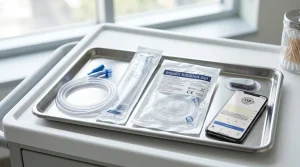
Additionally, consider implementing a routine for urine sampling. By collecting samples for analysis through fluid-free methods, you can gain insights into specific health indicators, such as glucose presence, ketones, and even protein levels. You can obtain simple urinalysis test strips from pet supply stores or online, allowing for at-home monitoring that doesn’t require frequent veterinary visits. This empowers you to be proactive in managing your cat’s health, enabling you to discuss any concerning results with your veterinary team.
Furthermore, maintaining a diary of your cat’s urination patterns alongside their diet and behavior can enhance your observation process. Documenting changes in frequency, volume, and appearance can reveal trends or sudden shifts that warrant further investigation. Consider keeping this diary both digitally and physically for ease of access and sharing during veterinary visits.
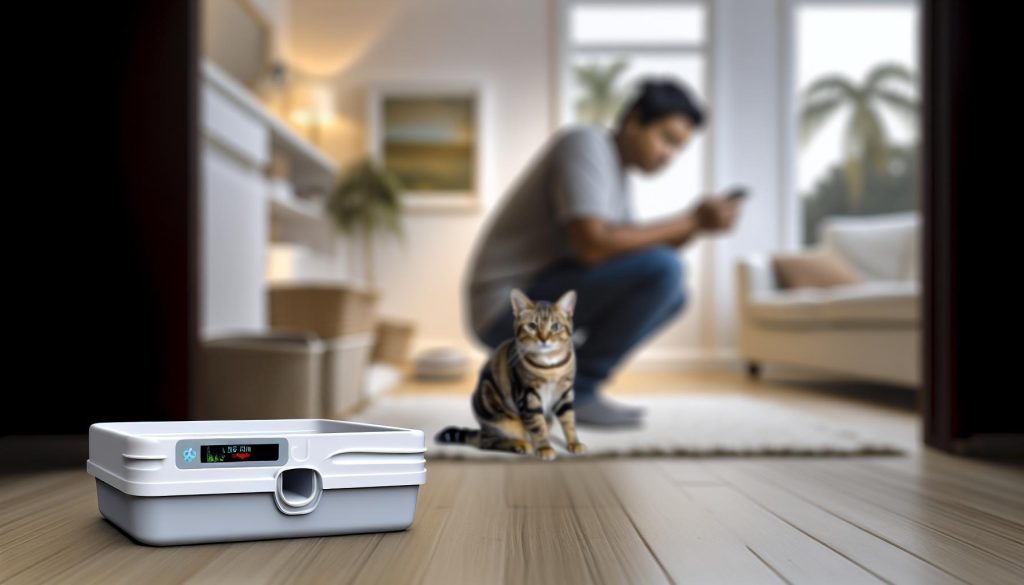
Lastly, incorporating technology can elevate your monitoring efforts. There are now smart litter boxes equipped with sensors that track and analyze urine output, providing data directly to your smartphone or computer. This can simplify the process and offer real-time insights into your cat’s health without the need for constant manual monitoring. However, while these technologies are innovative, they should complement, not replace, regular veterinary consultations, ensuring your furry friend receives the holistic care they deserve.
By adopting these advanced monitoring techniques, you can significantly enhance the management of your diabetic cat’s health. Education and vigilance are key to successful diabetes management, enabling you to respond quickly to changes and maintain your cat’s well-being. Always collaborate with your veterinarian to refine your monitoring approach and ensure it aligns with your cat’s unique health needs.
Resources and Tools for Diabetic Cat Owners
Monitoring your diabetic cat’s health can be a challenging yet vital part of their care. With the right resources and tools, you can empower yourself to make informed decisions about their well-being. First and foremost, investing in advanced cat litter designed for diabetic monitoring is essential. These litters not only absorb moisture but also provide critical information through color changes or absorbent technologies that indicate varying pH levels, enabling you to catch potential health issues early on.
Essential Tools for Monitoring
To ensure you have everything you need, consider the following tools:
- Color-Changing Cat Litters: Products such as special formulations that change color in response to glucose or ketone levels in urine can provide immediate health feedback.
- Urinalysis Test Strips: Available at pet stores or online, these strips allow for at-home urine testing to check for glucose, protein, and other vital health indicators.
- Smart Litter Boxes: These high-tech options monitor and analyze your cat’s urine output, sending data directly to your smartphone to track changes over time.
- Monitoring Apps: Consider using apps to log urination patterns, dietary changes, and behavioral notes. This can help you and your veterinarian identify trends that could indicate health shifts.
Implementing a holistic approach requires collaboration with your veterinarian. Regular check-ups and consultations are indispensable; they can help interpret any data you gather from your monitoring efforts and adjust treatment plans as needed. Documenting your observations will not only aid in these discussions but also enhance your confidence in managing your cat’s diabetes.
Educating yourself about diabetic care is an ongoing process. Connecting with online communities and forums for diabetic cat owners can provide additional support and shared experiences. Many pet supply brands also offer educational resources specifically tailored to diabetic pet care, which can guide you in making informed choices that enhance your cat’s quality of life. Always remember that your role as an informed caregiver is crucial in helping your feline friend thrive.
Faq
Q: How can I monitor my diabetic cat’s urine at home?
A: You can monitor your diabetic cat’s urine by using specially designed test strips or urine glucose monitors. These tools can help you assess glucose levels in their urine, indicating how well their diabetes is being managed. Regular monitoring can alert you to necessary changes in their care routine.
Q: What litter is best for monitoring a diabetic cat’s urine?
A: Non-clumping, low-dust litter is ideal for diabetic cats as it minimizes respiratory issues and prevents ingestion during grooming. Look for litter that allows easy identification of any changes in urine color or consistency, which can be crucial for monitoring health signs.
Q: What changes in urine should I look for in my diabetic cat?
A: Look for changes such as color, odor, and frequency of urination. Dark or cloudy urine may indicate dehydration, while a sweet smell can suggest high glucose levels. Frequent urination can signal poorly managed diabetes, requiring veterinary consultation.
Q: How often should I check my diabetic cat’s urine?
A: It’s recommended to check your diabetic cat’s urine at least once a week. However, if you notice any changes in their behavior or eating habits, increase monitoring. Regular checks help ensure their diabetes is under control and act as an early alert system for potential issues.
Q: Can a diabetic cat’s urine indicate other health problems?
A: Yes, changes in urine can signal other health issues such as urinary tract infections, kidney disease, or dehydration. Monitoring urine provides insights not only into diabetes management but also into overall health, so consult your vet if you notice concerning changes.
Q: What lifestyle factors can affect my diabetic cat’s urine?
A: Diet, hydration, and exercise significantly impact a diabetic cat’s urine. A balanced diabetic-friendly diet, adequate water intake, and regular physical activity can help manage glucose levels, leading to more stable urinary output and overall health.
Q: When should I take my diabetic cat to the vet regarding urine changes?
A: Consult your veterinarian immediately if you notice significant changes such as excess thirst, changes in urination frequency, unusual smells, or changes in urine color. Prompt attention ensures any underlying health issues are addressed swiftly.
Q: How can I reduce the risk of urinary issues in my diabetic cat?
A: Maintain a healthy diet, provide plenty of fresh water, and ensure regular vet check-ups. In addition, choosing the right litter and monitoring their litter box habits will help in early detection of any urinary issues, contributing to better management of their diabetes.
Final Thoughts
As you explore the benefits of the Diabetic Cat Litter Box and its vital role in monitoring urine for health signs, remember that proactive pet care is essential for managing diabetes effectively. By understanding these indicators, you’re taking the first step towards ensuring your furry friend’s well-being. Don’t forget to check out our articles on diabetic food choices and daily management techniques to maximize your understanding and support your pet’s health journey.
Act now-consider subscribing to our newsletter for the latest insights on diabetes management, tailored tips for pet care, and exclusive offers on diabetic products. If you have questions or want to share your experience, please leave a comment below or connect with our community. We’re here to empower you in navigating the daily challenges of diabetes, ensuring that you and your beloved pet thrive together. Join us in continuing this journey toward better health!
Get our latest guides, news, and insights highlighted in your Google Search & AI Overviews.